


















December 16, 2025
How to Choose the Right Solar System Size for Your Home (in kWh)
Share my #SolaXStory


For years, the simple answer to "what size solar system do I need?" was "6.6kW." It was the goldilocks size, the industry standard, and the safest bet for most Australian homes. But that advice is now dangerously outdated.
We are in the middle of a massive energy shift. The smart electric vehicle charger in your future, the switch from gas to efficient electric appliances, and the arrival of scalable home battery storage have completely rewritten the rules. Choosing a solar system based on your past electricity bills is like packing for a summer holiday based on last winter's weather – you’re guaranteed to come up short.
This guide provides a new, future-focused way to think about solar. We'll show you how to choose a system that not only covers your needs today but shields you from rising energy costs for the next decade and beyond. Forget the jargon; this is a simple, strategic plan for your home's energy future.
"Choosing a solar system based on your past bills is the single biggest mistake homeowners made in 2025."
- The Only Two Numbers That Actually Matter
- Find Your Starting Point: The 'Magic Number' on Your Bill
- The Critical Choice: Sizing for Today vs. Sizing for Tomorrow
- Future-Proofing for Electric Cars and Home Batteries
- The Final Reality Check: Will It Fit on Your Roof?
- Why Acting Now Saves You More in the Long Run

The Only Two Numbers That Actually Matter
Before we go any further, let's clear up the two terms that cause the most confusion. Getting this right is the foundation of a smart solar decision.
1. Kilowatt (kW): Your System's Power (The Engine)
Think of this as the maximum potential power of your solar system, like the horsepower of a car's engine. A 10kW solar system has a bigger "engine" than a 6.6kW system. This number (kW) is what defines the size of your system.
2. Kilowatt-hour (kWh): Your Home's Energy (The Fuel)
Think of this as the actual "fuel" you generate or use over time. Your electricity bill charges you for the kWh you consume from the grid. The goal of your solar system is to generate enough kWh of free "fuel" from the sun to power your home.
Confusing these two is the primary reason people undersize their systems and end up disappointed with the results.
Find Your Starting Point: The 'Magic Number' on Your Bill
To know what size engine you need, you first have to understand how much fuel you currently use. The answer is waiting for you on your latest power bill.
- Grab your most recent electricity bill.
- Look for a section called "Average Daily Usage" or a similar graph.
- Write down that number (e.g., 22 kWh).
This is your "Magic Number"—your home's average daily energy consumption. This number gives us a baseline:
- Low User: Under 15 kWh per day (e.g., retirees, couples)
- Medium User: 15 – 25 kWh per day (Most Australian families)
- High User: Over 25 kWh per day (Homes with pools, ducted A/C, or large families)
Location also plays a huge role. A system in Perth generates significantly more energy (kWh) than the exact same system in Hobart due to more sunshine.
Daily Solar Generation by Capital City (Annual Average)
| Location | 6.6kW System Yield (kWh) | 10kW System Yield (kWh) |
|---|---|---|
| Adelaide | 27.7 kWh | 42.0 kWh |
| Brisbane | 27.7 kWh | 42.0 kWh |
| Hobart | 23.1 kWh | 35.0 kWh |
| Melbourne | 23.8 kWh | 36.0 kWh |
| Perth | 29.0 kWh | 44.0 kWh |
| Sydney | 25.7 kWh | 39.0 kWh |
| Darwin | 29.0 kWh | 44.0 kWh |
As you can see, a homeowner in Darwin gets about 22% more "fuel" from the same "engine" as someone in Melbourne.
The Critical Choice: Sizing for Today vs. Sizing for Tomorrow
This is where you move from a simple calculation to a strategic decision. You can either buy a system for the life you live now, or you can invest in a system for the life you'll be living in three to five years.
The 'Everyday Value' System (6.6kW)
This has long been the standard 6.6kW solar system in Australia. It's a great starting point for households with stable, predictable energy use.
Who is it for?
Couples, small families, or retirees with daily usage under 20 kWh and no immediate plans to buy an EV, install a battery, or get rid of gas appliances.
What you get:
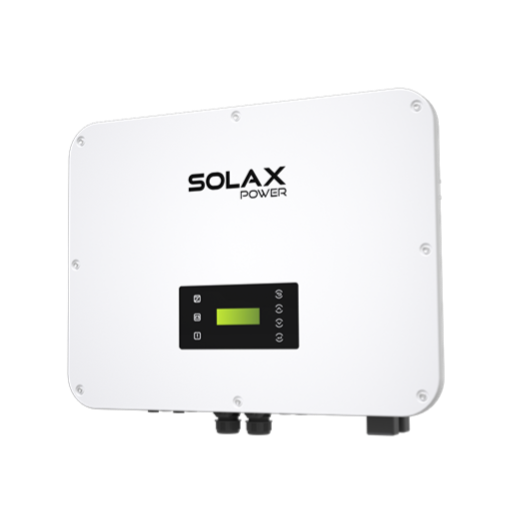
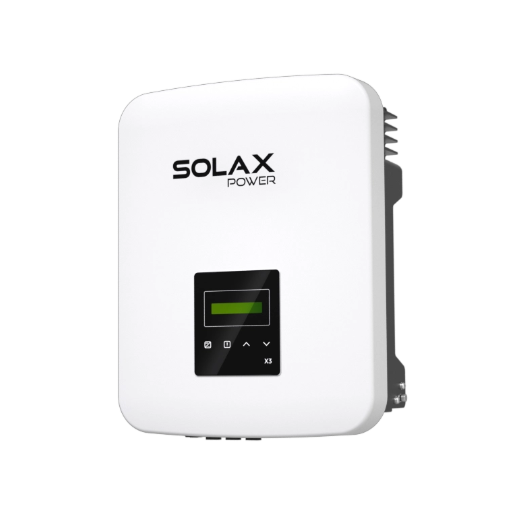
Typically 16-18 panels paired with a highly efficient 5kW inverter, such as the SolaX X1-BOOST G4. This generates enough power (around 24-27 kWh per day) to cover the daytime needs of a standard home, making a significant dent in your electricity bills.
The Limitation:
A 6.6kW system offers very little "headroom." On an overcast winter day, or once you add a major electric appliance, it will quickly fall short, forcing you to buy expensive grid power again.
The 'Future-Proof' System (10kW – 13kW): The New Standard
This is the smart choice for the modern, electrified home. It's a serious power station on your roof designed to eliminate bills, not just reduce them.
Who is it for?
Larger families, anyone with a pool or ducted A/C, and especially anyone who owns or is planning to buy an electric vehicle or a home battery in the next five years.
What you get:
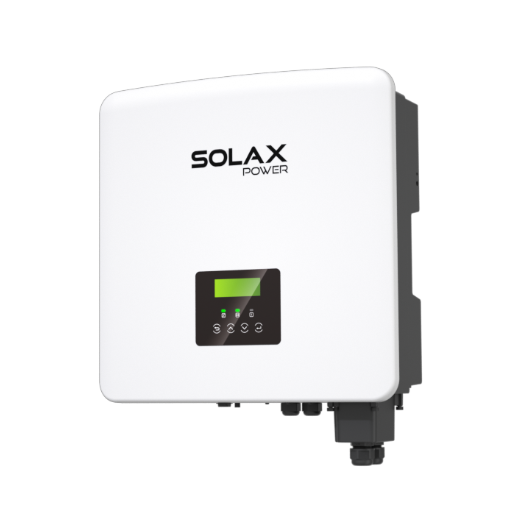
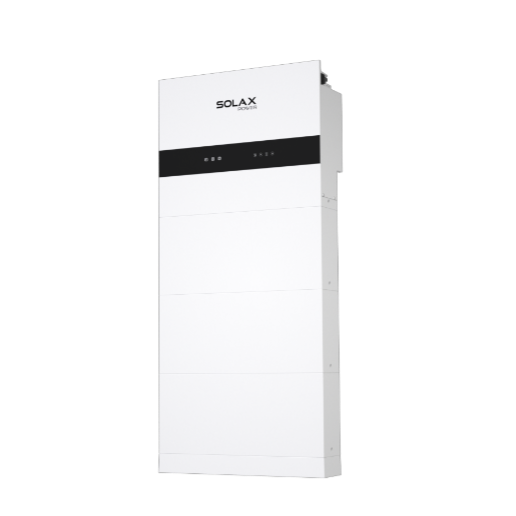
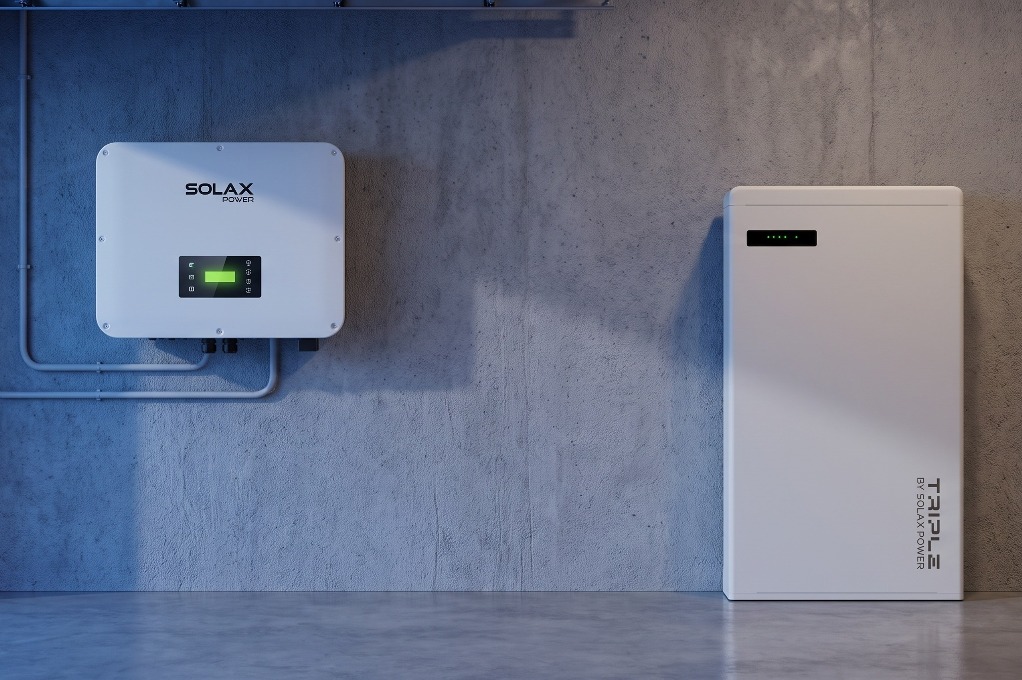
A powerful 10kW solar system, driven by an advanced hybrid inverter like the SolaX X3-IES, uses 24-27 panels and generates a massive 38-44 kWh per day. This provides a huge buffer to run your home, charge your future car, and fill a battery, even on cloudy days.
The Compelling Economics:
The fixed costs (labour, inverter, scaffolding) are a large part of any solar installation. Upgrading from 6.6kW to 10kW often only adds $2,500–$3,500 for nearly double the generation capacity. The cost per watt is significantly lower on larger systems.
Key Takeaway: A 6.6kW system reduces your bill. A 10kW+ system is an investment designed to eliminate it and power your future lifestyle.
Future-Proofing for Electric Cars and Home Batteries
If an EV or a home battery is on your horizon, the decision is simple: you need a larger system.
An electric car isn’t just a vehicle; in energy terms, it’s like adding a second house to your power bill.
Driving just 50km a day adds another 8-10 kWh to your daily consumption. A 6.6kW system producing 24 kWh will have little left over to charge your car for free after running your home. A 10kW+ system, however, provides the surplus energy needed to fuel your car with sunshine via a Smart EV Charger.
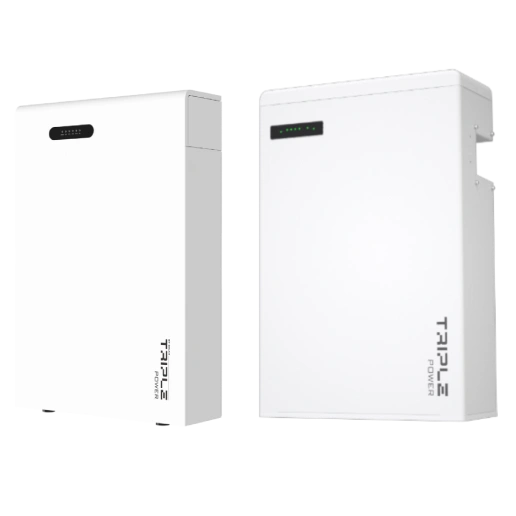
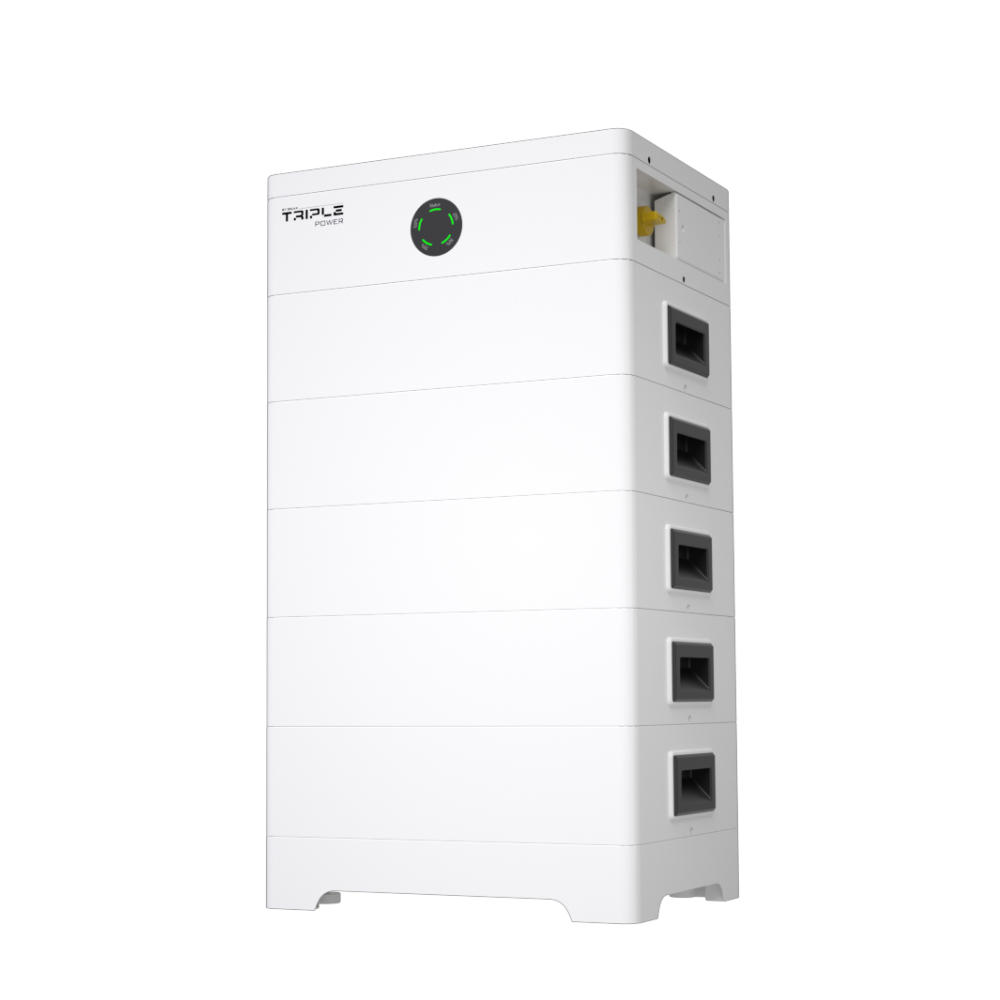
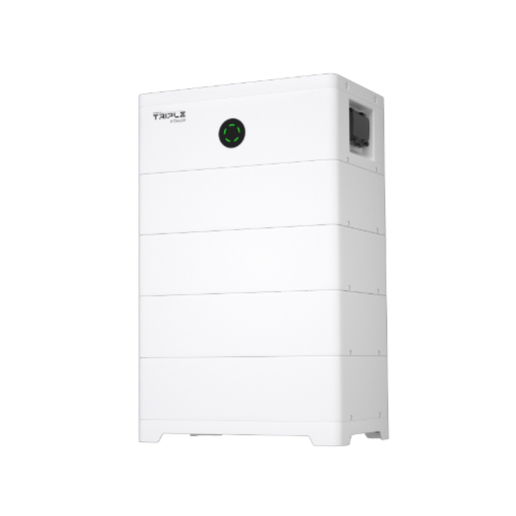
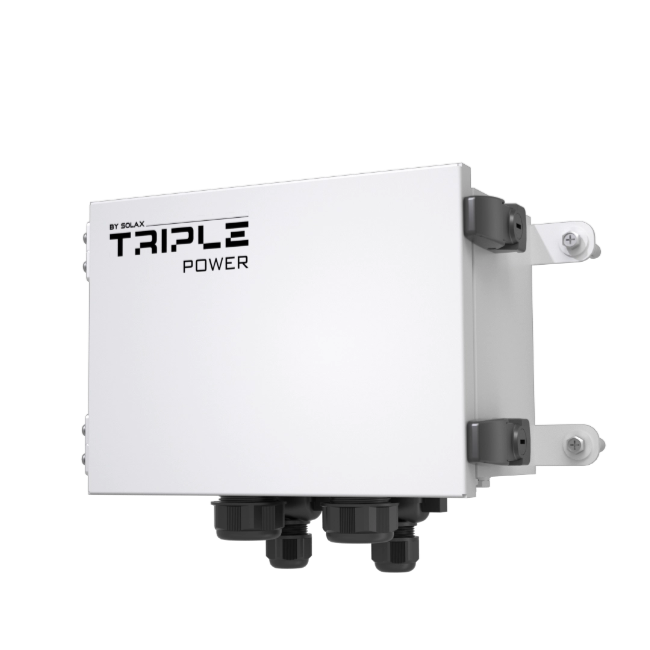
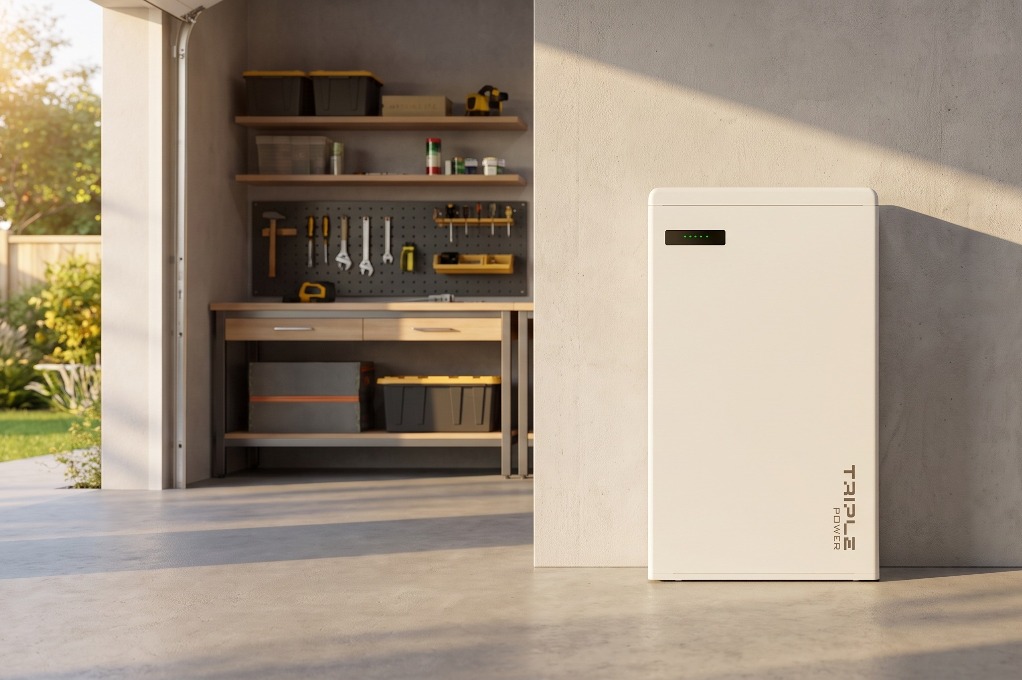
Furthermore, adding a SolaX Triple Power Battery allows you to store your excess daytime solar to power your home through the night. To take full advantage of a battery, especially during winter, you need a system large enough to fill it.
If you have no plans for these upgrades, a 6.6kW system is a solid choice. Our SolaX systems are designed to be easily upgraded, so you can add more panels or a SolaX battery down the track.
The Final Reality Check: Will It Fit on Your Roof?
Your solar ambition is ultimately limited by one thing: your roof space.
A 6.6kW System: Needs 16-18 panels, requiring about 30-35 m² of roof space. This fits on almost any standard house.
A 10kW+ System: Needs 24-30 panels, requiring a larger, clearer roof area, typically found on standalone houses.
“Oversizing your system also combats panel degradation. After 15 years, a larger system will still be powerful enough to meet your needs.”
Don’t stress about getting up there with a tape measure. Our team uses advanced satellite imagery to assess your roof remotely and design the perfect system that fits your home and maximises your savings.
Why Acting Now Saves You More in the Long Run
It’s tempting to wait, but the financial incentives to install solar are designed to be most generous right now.
The government rebate, known as Small-scale Technology Certificates (STCs), reduces on January 1st every single year until it’s phased out completely in 2030. This means the net cost of a solar system naturally increases each year.
By acting decisively, you lock in a higher rebate and start saving sooner. RelaX. We handle all the hard stuff, from design to installation, so you can start enjoying the freedom of solar power. Contact a SolaX expert today.
FAQ
Table of Contents
Last News
Explore expert insights, practical guides, and the latest news on SolaX Power.


To the Latest Newsletter
Stay Ahead with the Latest SolaX Updates!
Sign up
I have read and agree to Privacy Policy and User Terms