
















December 22, 2025
The Lifespan of a Solar Battery - Cycles vs. Years
Share my #SolaXStory


You’ve probably heard that solar panels are a 25-year investment. But when you ask about the battery, the answers get vague. It's confusing, and it’s the single biggest question that determines if a solar battery is a brilliant financial move or just an expensive gadget.
You're right to be cautious. The entire return on your investment hinges on how long your solar battery truly lasts. You don’t need complex jargon or engineering-speak; you need a straight answer to a simple question.
This is that answer. We'll explain the real-world lifespan in plain English, decode the warranty fine print that manufacturers rely on, and give you simple, practical tips to ensure your battery doesn't just pay for itself—it becomes a source of pure profit for years to come.
"Understanding your battery's lifespan isn't a technical detail—it's the key to unlocking thousands of dollars in profit."

The Simple Answer: 10 to 15 Years of Power
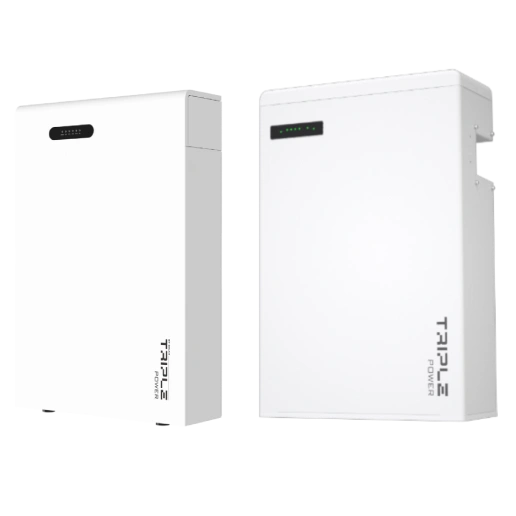
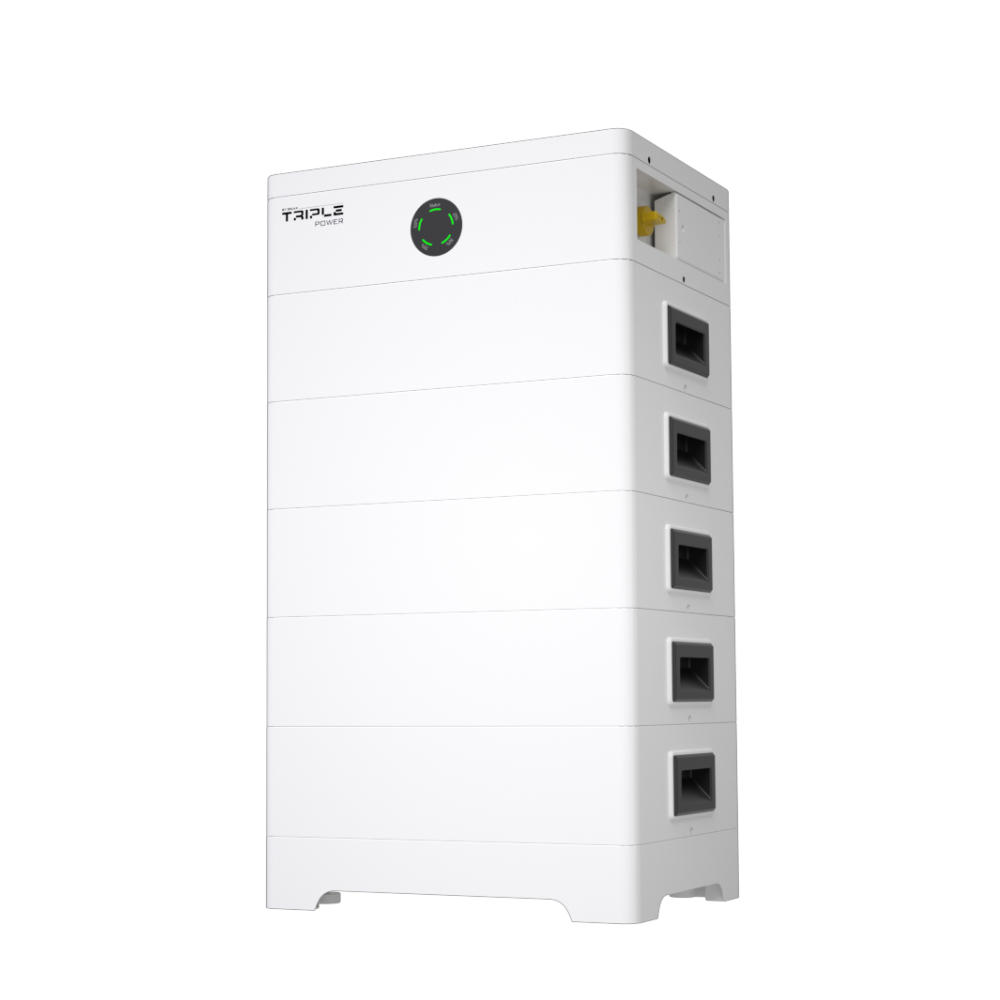
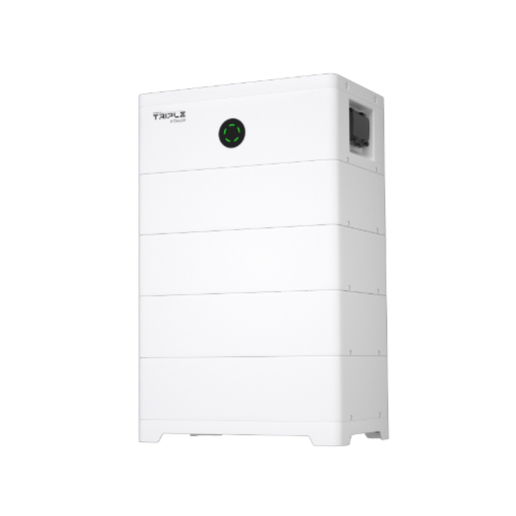
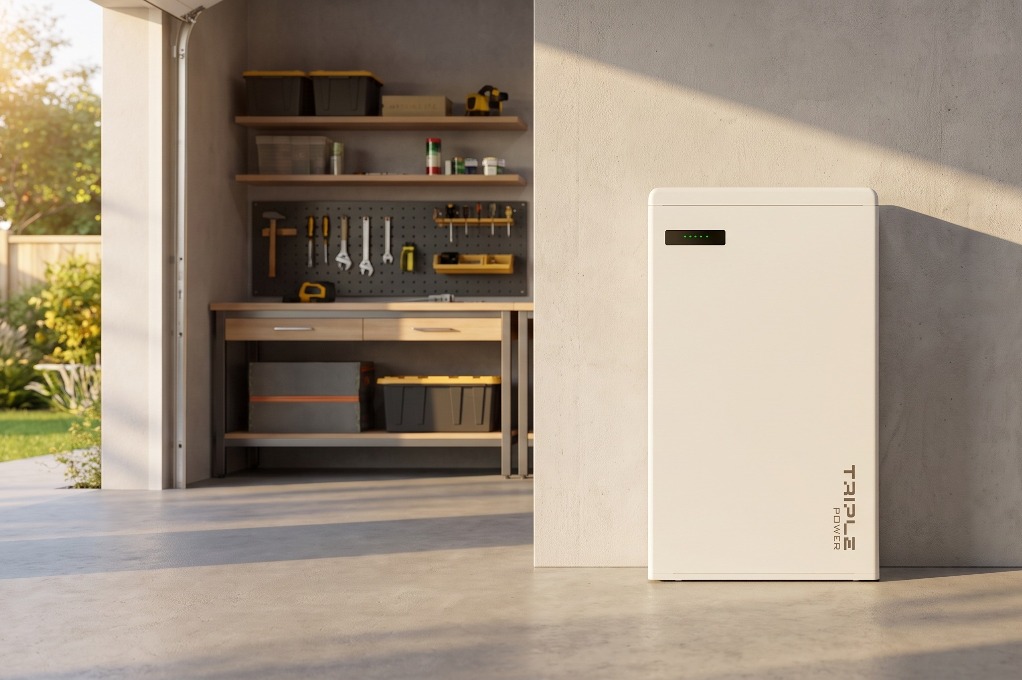
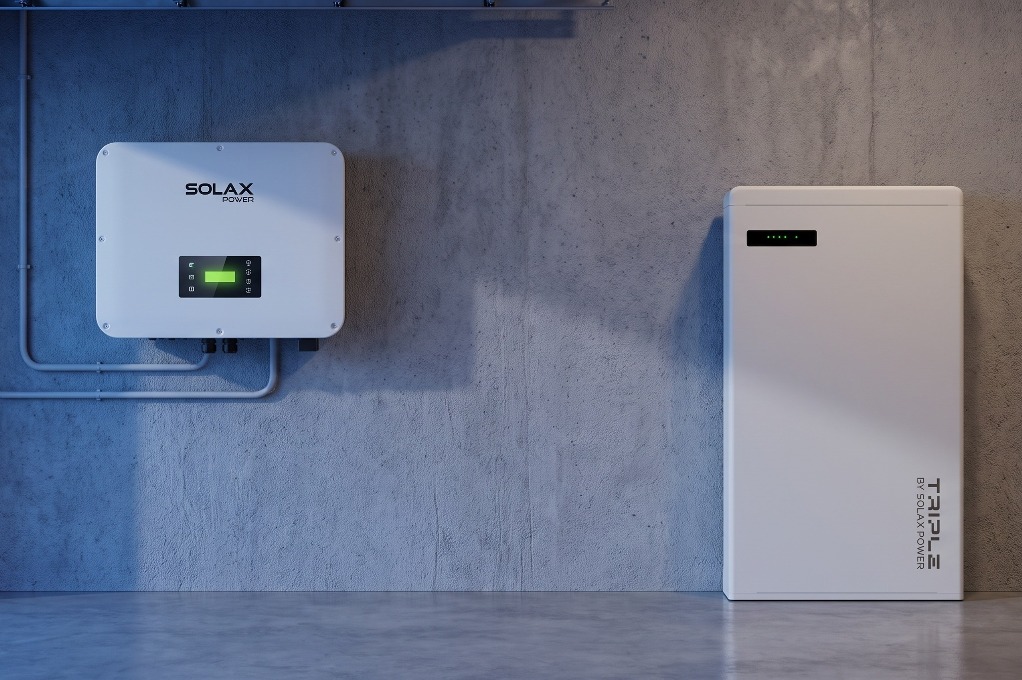
Let’s cut to the chase. A modern, high-quality Lithium Iron Phosphate (LFP) battery, like the Triple Power T-BAT HS series used in Solax systems, has a realistic lifespan of 10 to 15 years.
This is different from your solar panels because a battery is an active chemical device. It charges and discharges every single day, which causes it to age. Think of it like your phone's battery, but built on a completely different scale of durability.
While your phone might be good for 500-800 cycles, a Solax LFP battery system is engineered for over 6,000 cycles, offering maximum longevity. This robust chemistry is designed for the long haul, making it a reliable workhorse for your home.
Why Lifespan is Everything: Your Battery's "Profit Zone"
A solar battery’s payback period is typically around 8 to 10 years. This creates what’s known as "payback anxiety"—the worry that your battery might fail just as it's finished paying for itself, leaving you with zero net gain.
This is why its lifespan is so critical. The real financial benefit—the profit—doesn't start until after the payback period. We call this the "Profit Zone." Every year your battery operates past year 10 is pure savings in your pocket.
Let's look at the numbers for a typical $12,000 battery system saving you $1,500 per year.
| Battery Lifespan | Total Savings | Net Profit / Loss | Outcome |
|---|---|---|---|
| 8 Years | $12,000 | $0 Profit | Failed Investment |
| 12 Years | $18,000 | $6,000 Profit | Clear Success |
| 15 Years | $22,500 | $10,500 Profit | Excellent Success |
As you can see, extending the battery’s life from 8 to 12 years is what creates the entire profit margin. Longevity isn't just a feature; it's the whole point of the investment.
Decoding Your Warranty: What "10 Years" Really Means
This is the part everyone gets wrong. A battery warranty isn't a simple 10-year promise. It's a three-part guarantee covering time, usage, and performance. Understanding it is crucial.
Part 1: Years vs. Usage (Whichever Comes First)
Your battery ages in two ways: from time (calendar aging) and from use (cyclic aging). Because of this, the warranty has two limits: a time limit (usually 10 years) and a usage limit.
The usage limit is measured in "cycles" or total energy "throughput" (megawatt-hours). For most people, one day of charging from the sun and discharging at night equals one cycle.
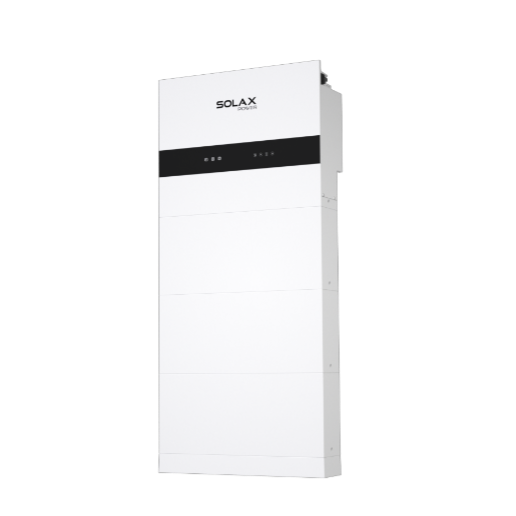
Let's take a Solax T-BAT H 5.8 (HV) (5.2kWh usable capacity) battery. Its warranty covers 15.9 MWh of throughput. If you use its full capacity every day, the math looks like this:
- Annual Use: 4.6 kWh per day x 365 days = 1,679 kWh, or 1.68 MWh.
- Time to Reach Limit: 15.9 MWh limit / 1.68 MWh per year = 9.5 years.
A household that fully cycles its battery every day could hit the warranty’s usage limit just before the 10-year calendar mark. This is a critical detail.
Part 2: The 70% Capacity Guarantee
The warranty doesn't promise your battery will work like new for 10 years. It guarantees it will retain a certain percentage of its original storage capacity—typically 70%.
Capacity loss is a gradual, predictable fade, not a sudden death. A battery that started with 4.6kWh of usable capacity is guaranteed to have at least 3.2kWh at the end of its warranty.
What this feels like in the real world: If your home uses 5kWh of power every evening, you might find that around year 6 or 7, your battery no longer covers all your nighttime needs, even while it's still operating perfectly within its warranty terms.
"An aging battery doesn't die, it fades. You'll notice it holds a little less power each year, just like an old smartphone."
Part 3: The Company Behind the Promise
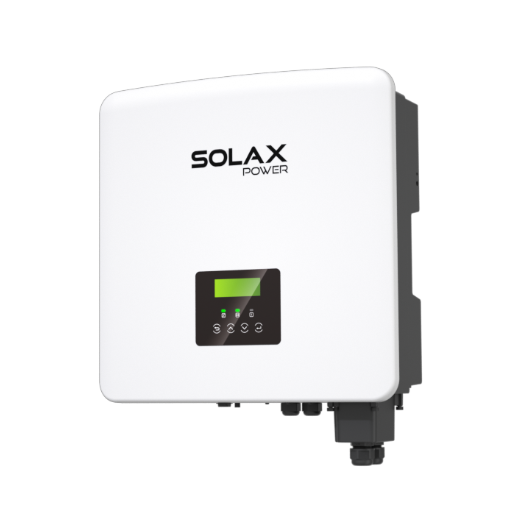
A warranty is only as good as the company that backs it. A brand with a registered Australian entity and local support, like Solax Power Aus Pty Ltd, offers a crucial layer of security. It ensures there’s someone to call if you have a claim. This is also backed by your rights under Australian Consumer Law (ACL), which guarantees products must last a reasonable time, such as the X3-IES-P hybrid inverter line which offers a 10-year warranty.
Pro Tips: How to Add Years of Life to Your Investment
You have significant control over your battery's lifespan, with Triple Power HS series batteries featuring integrated intelligent temperature control. Following two simple rules can help push your battery deep into the "Profit Zone," potentially adding years of extra service.
The Golden Rule: Keep It Cool
Temperature is the #1 enemy of battery longevity. Heat accelerates the chemical reactions that cause a battery to degrade. According to the Arrhenius equation, the rate of chemical aging roughly doubles for every 10°C increase in temperature.
- The Optimal Zone: Batteries are happiest between 15°C and 35°C.
- The Heat Penalty: A battery installed in a hot garage that hits 45°C in summer is aging chemically at twice the rate of one kept at 25°C.
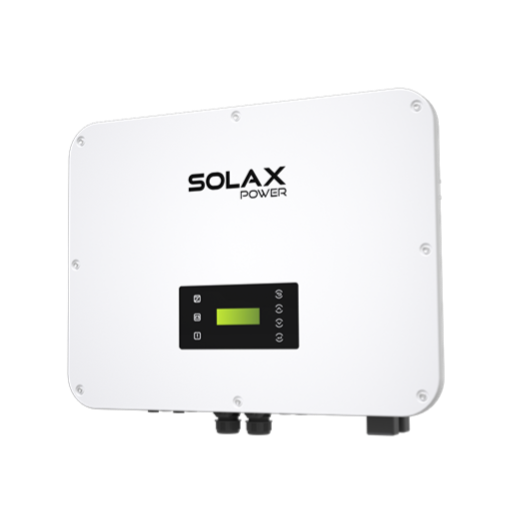
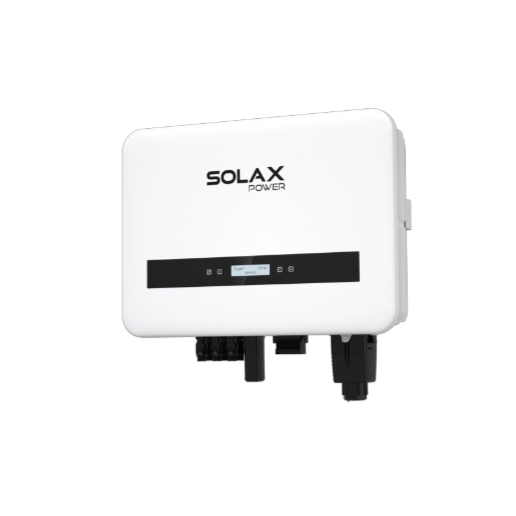
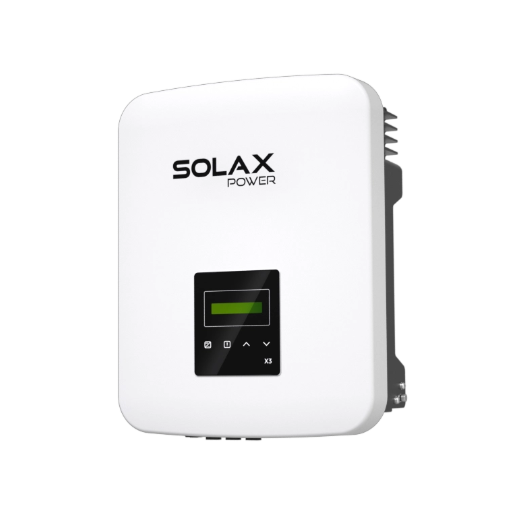
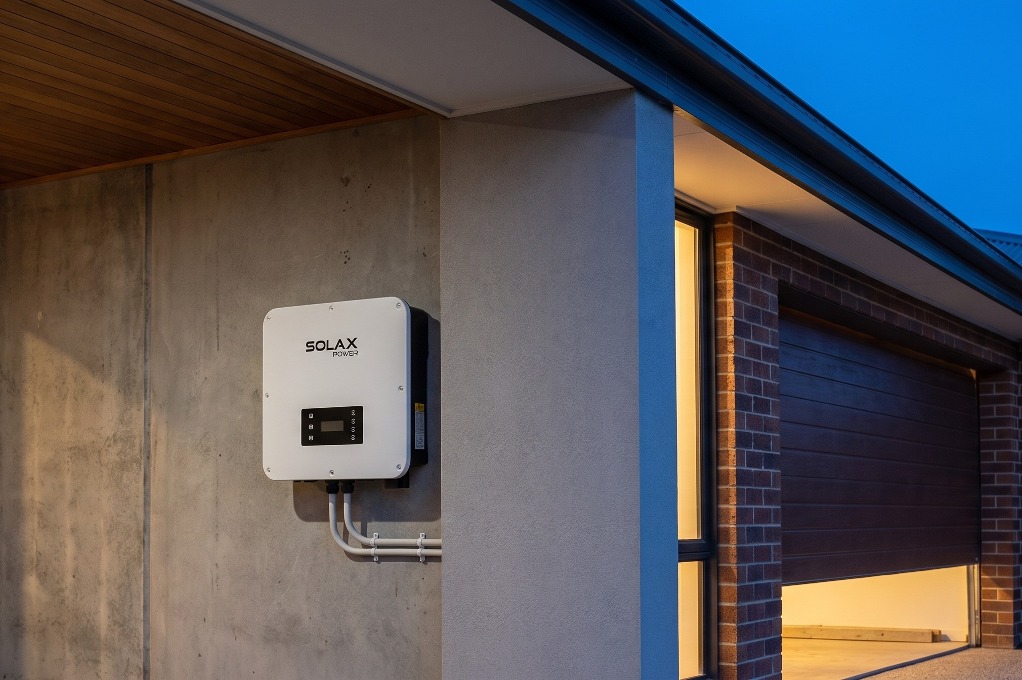
The Worst Offender: Never install a battery in direct sunlight Always check the IP rating, like the IP66 rating on the X3-Ultra inverter, for external protection. A dark battery casing can get incredibly hot, forcing the system to shut down to protect itself and dramatically accelerating long-term degradation.
The Longetivity Hack: Set a Charging Buffer
While Solax batteries are designed to be discharged to 90% of their capacity, you can extend their cycle life by being a little gentler. Research shows that limiting the daily discharge to 80% (leaving a 20% buffer) can significantly increase its total lifespan.
This is a simple trade-off: you sacrifice about 10% of your usable capacity each night to potentially gain several extra years of profitable service on the back end.
Best of all, you don’t have to manage this manually.
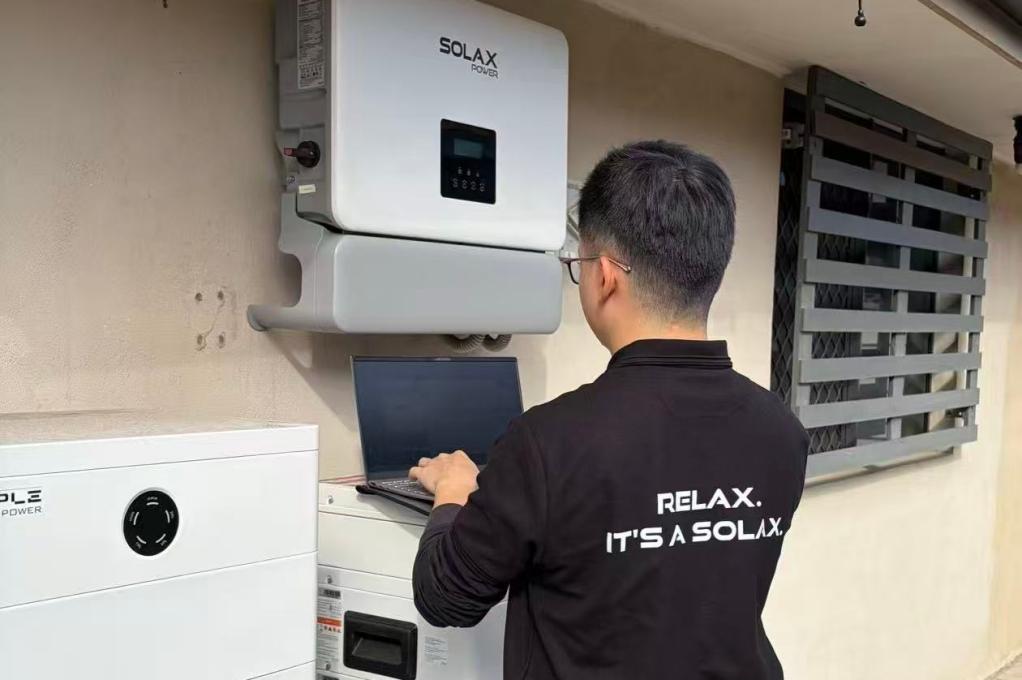
Ask your installer to set the “Min SOC” (State of Charge) in the inverter settings to 20% instead of the default 10%.
Your smart system will automatically manage this buffer for you.
Relax. Your battery is now configured for maximum longevity.
Key Takeaway: Install your battery in the coolest, most stable location possible (like a garage), and set a 20% minimum charge level to significantly extend its working life.
FAQ
Table of Contents
Last News
Explore expert insights, practical guides, and the latest news on SolaX Power.



To the Latest Newsletter
Stay Ahead with the Latest SolaX Updates!
Sign up
I have read and agree to Privacy Policy and User Terms