
















March 10, 2026
The Solar Gold Rush is Over. Here's How to Win the New Game.
Share my #SolaXStory


Your latest power bill arrives. You glance at the solar credit, and it’s… disappointing. It's smaller than last quarter, and a fraction of what you were told to expect when you installed your system. You're left wondering: is my solar even worth it anymore?
You’re not alone. The era of generous, set-and-forget solar feed-in tariffs has ended. Across Australia, the rules have changed, leaving millions of homeowners confused about who pays the most for solar feed-in and why their returns are plummeting.
This guide is your new rulebook. We’ll cut through the jargon to give you a clear state-by-state feed-in tariff comparison for 2026. More importantly, we’ll show you why this is happening and provide a simple, three-step strategy to take back control and maximise the value of every single sunbeam hitting your roof.
"Forget chasing the highest feed-in rate. The new #1 priority is making sure you never have to buy power from the grid again."
The Big Picture: Why Your Solar Credits Are Shrinking
The simple reason your solar feed in tariff rates are falling is that rooftop solar has become too successful. On mild, sunny days, millions of solar systems flood the grid with energy, especially between 10 am and 3 pm.
This creates an energy traffic jam. There’s so much supply that the wholesale price of daytime power often crashes to zero, or even goes negative. Retailers can no longer afford to pay you a high price for energy they can't sell.
The game has shifted from encouraging you to export power to encouraging you to use or store your own power. This new world is all about self-sufficiency.
Key Takeaway: The grid is flooded with cheap solar power during the day, making your daytime exports far less valuable than they used to be.
2026 Feed-in Tariff Showdown: State vs. State
Asking "who pays the most for solar feed in?" has a different answer depending on your postcode. Australia isn't one solar market; it's a collection of unique experiments. Here’s how they stack up.
Victoria: The Wild West of Deregulation
As of July 2025, the government floor price in Victoria is gone. It's now a free-for-all where the minimum rate is officially 0c/kWh. Retailers use high "headline" rates of 8-10c/kWh to lure you in, but often cap this at the first 8kWh exported per day.
New South Wales: The "Sun Tax" Arrives
The big story in NSW is "two-way pricing" on the Ausgrid network. This means you can be charged for exporting during the sunny midday peak (10 am - 3 pm).
✓ The Reward: Export in the evening peak (4 pm - 9 pm) and you can earn a network bonus on top of your retailer's rate.
✗ The Charge: Export too much during the day and you’ll face a small export charge of ~1.2c/kWh.
This system is explicitly designed to make a battery a financial no-brainer.
Queensland: A Tale of Two Grids
The best feed in tariff qld depends entirely on where you live.
Regional QLD: You’re on the Ergon network and have one mandatory rate set by the government, which has dropped to 8.66 c/kWh.
South East QLD: A competitive market where retailers offer capped plans around 10-12c/kWh. The catch? The network can now remotely turn down your export capacity to almost zero when the grid is congested.
South Australia: A Glimpse of the Future
SA is the world leader in solar uptake, so it’s living in the future. Standard FiTs are low (2-9c/kWh). The real innovation is the "Solar Sponge" tariff, which offers you ultra-cheap electricity from the grid between 10 am and 3 pm. It’s now far more profitable to run your pool pump with cheap grid power at 11 am than to export your own solar for a tiny credit.
Western Australia: Forcing the Change
WA's state-run scheme is the most aggressive in the country. The solar feed in tariff WA is a blunt instrument designed to change your behaviour.
Daytime Export (before 3 pm): A miserable 2c/kWh.
Evening Export (after 3 pm): A rewarding 10c/kWh.
"The 500% price difference between day and evening exports in WA makes a battery or west-facing panels almost mandatory."
Tasmania, ACT & NT
TAS: Stable and simple. The hydro-dominated grid means less volatility, with a flat minimum rate of 8.782 c/kWh.
ACT: Follows the NSW model, with retailers offering capped "Solar Boost" style plans.
NT: A new "Super FiT" of 18.66 c/kWh is available for smart meter customers who can export during the 3 pm - 9 pm evening peak, creating a massive incentive for battery storage.
Key Takeaway: Every state is now using pricing to discourage daytime solar exports and reward those who can store energy for the evening peak.
Decoding Retailer Offers (Without Getting Tricked)
Finding the best feed in tariff isn't about the biggest number. It's about matching a retailer's strategy to your system and usage. There are three main types of plans on the market.
⚠️ Warning: "Headline Hunter" plans look great on comparison sites, but the low rate you get after hitting the daily cap can wipe out your savings if you have a large solar system.
The Hidden Killers That Can Make Your FiT Worthless
Even a great feed-in tariff is useless if your power can't get to the grid. Two invisible forces are silently killing the income of thousands of solar owners.
1. Network Export Limits
Your home is no longer guaranteed a 5kW pipe to the grid. In congested areas (especially in QLD and SA), networks are now installing "dynamic export limits." This means the network operator can remotely throttle your inverter's output down to 1.5kW or even 0kW during sunny periods, cutting your exports to zero right when you should be earning the most.
2. Local Voltage Rise
If you and all your neighbours have solar, your combined exports can push the voltage in your street above the legal limit. To protect itself and the grid, your inverter is forced by Australian Standards to automatically reduce its power or shut down completely. This "passive curtailment" can slash your total generation by 20-30% on a perfect solar day, and you'd never even know it was happening.
Key Takeaway: Technical grid constraints, not just low rates, can dramatically reduce your solar earnings without you even realising it.
Your 3-Step Plan to Maximise Solar Value in 2026
The strategy has flipped. Stop focusing on maximising exports for a tiny credit. Start focusing on maximising the value of your own power.
Step 1: Self-Consumption is Your New Religion
The most valuable kilowatt-hour is the one you don't buy from the grid.
Exporting 1kWh of solar: earns you ~5c.
Using 1kWh of solar yourself: saves you from buying it for ~30c.
That’s a 500% better return, guaranteed. Use timers or smart plugs to run your dishwasher, pool pump, and hot water system in the middle of the day. This is the easiest, fastest way to improve your solar ROI.
Step 2: Pick the Right Retailer For You
Stop chasing the highest number. Use the table above to match a plan to your specific system:
Small System (low exporter): A "Headline Hunter" plan will likely give you the best return.
Large System (high exporter): A "Standard Setter" plan will provide a better overall value without a punishing cap.
Got a Battery? You must be on a "Wholesale Disruptor" plan or a specific Virtual Power Plant (VPP) offer to unlock its value.
Step 3: A Smart Battery is the Ultimate Weapon
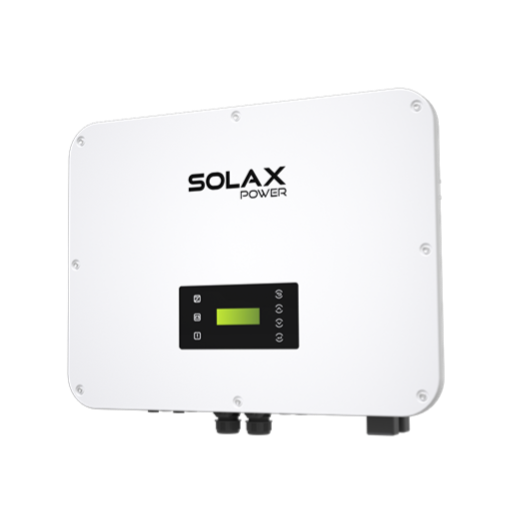
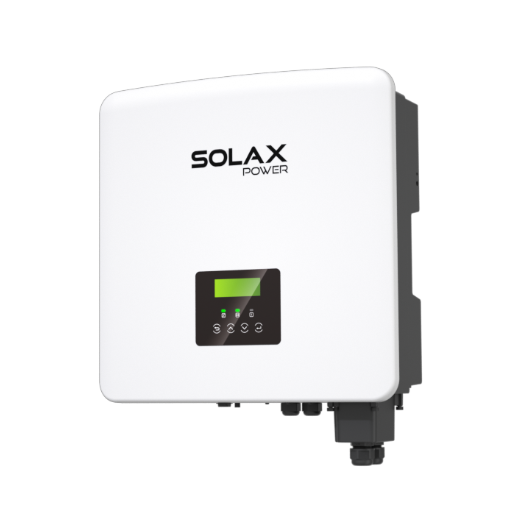
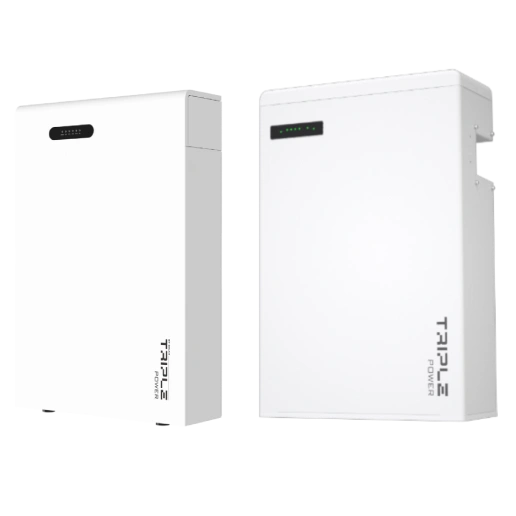
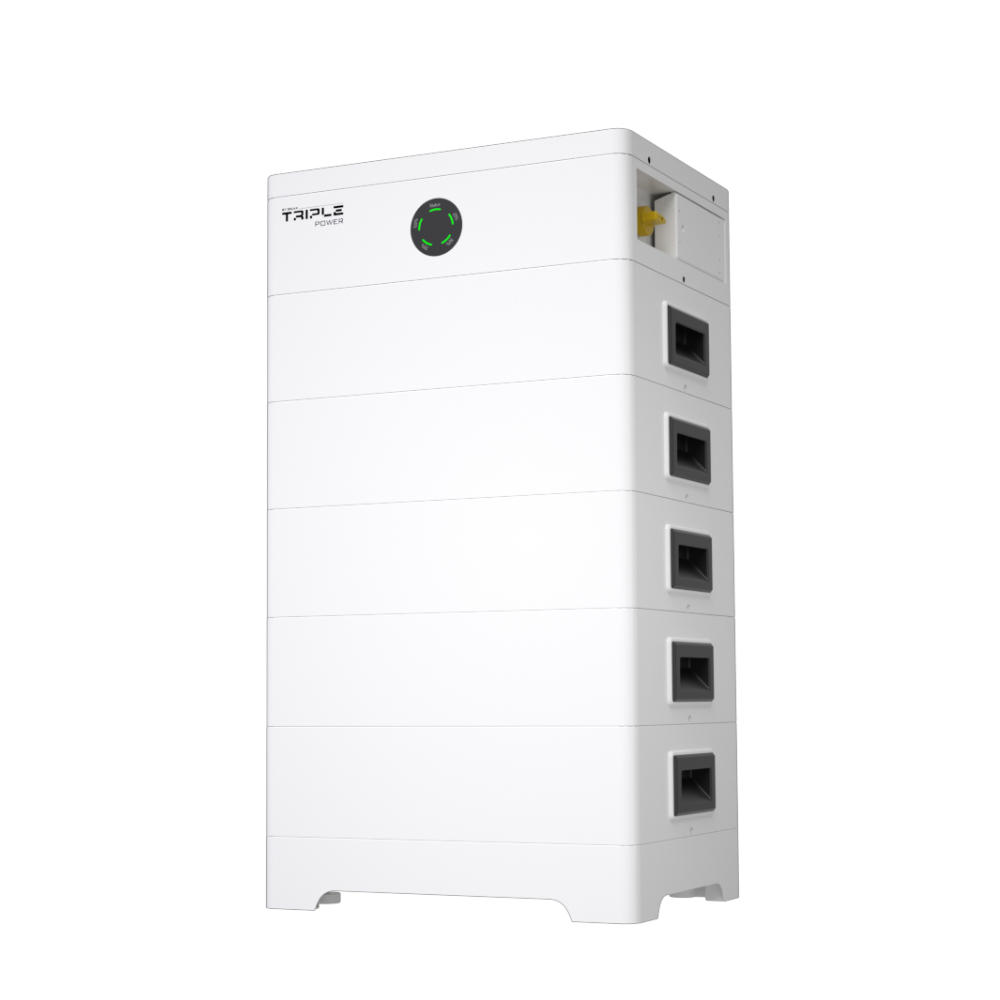
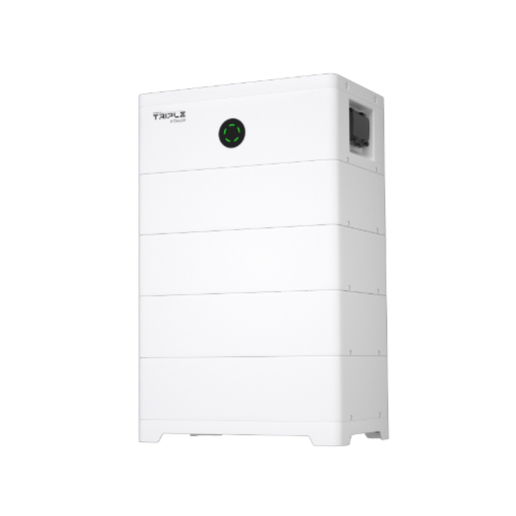
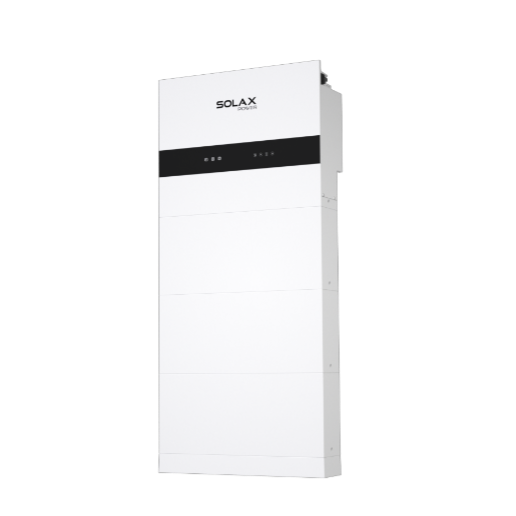
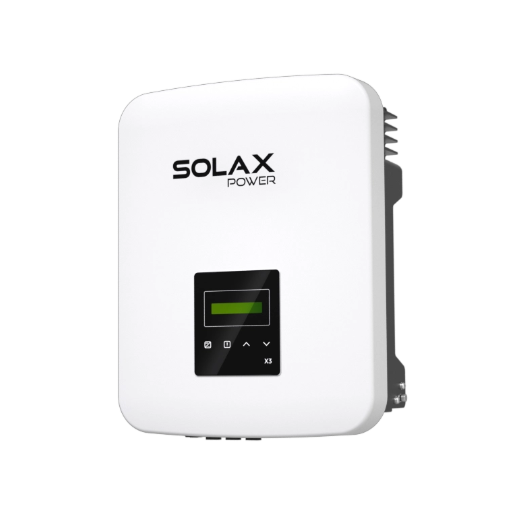
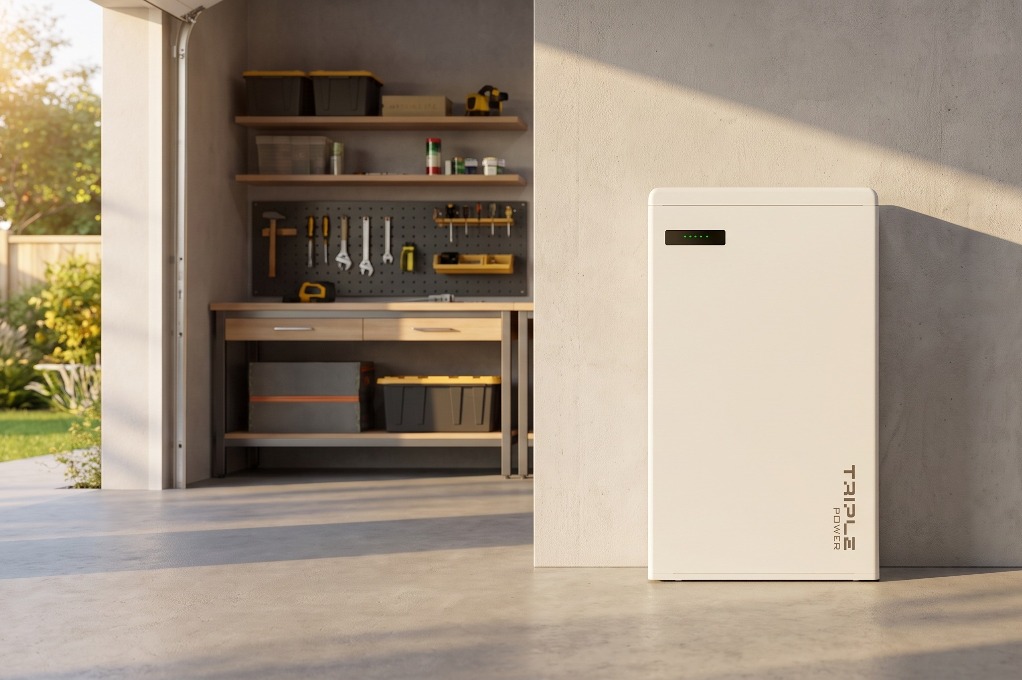
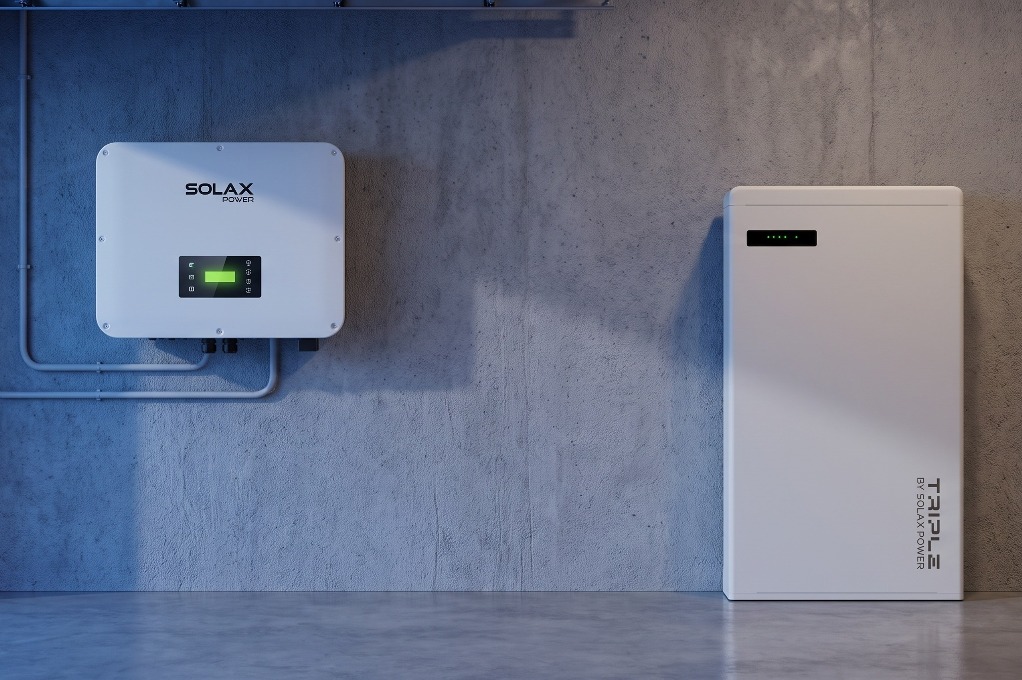
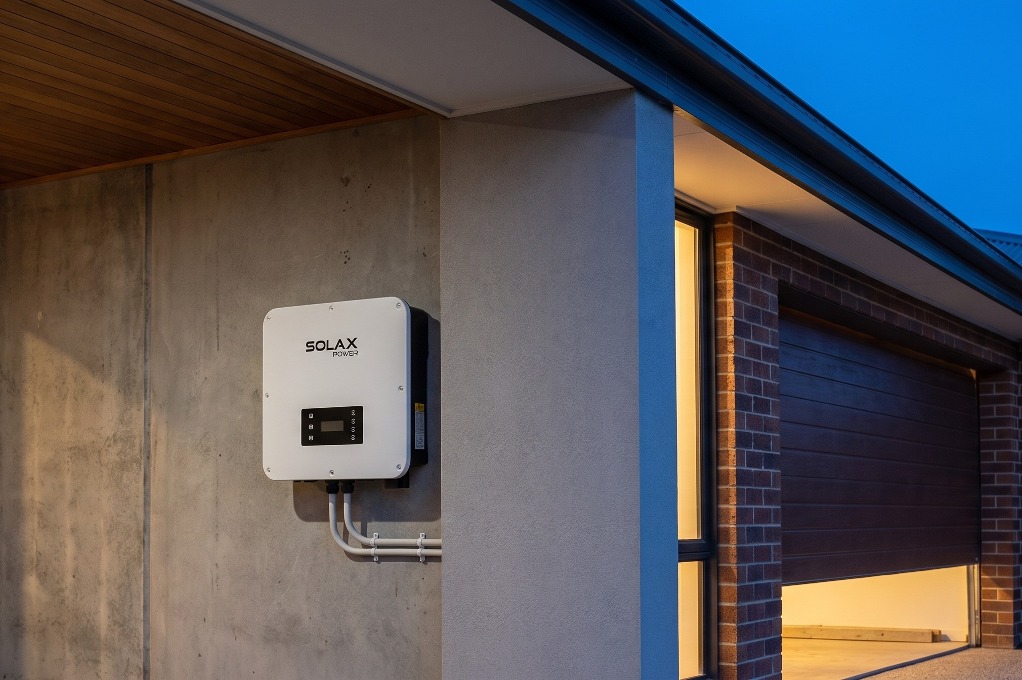
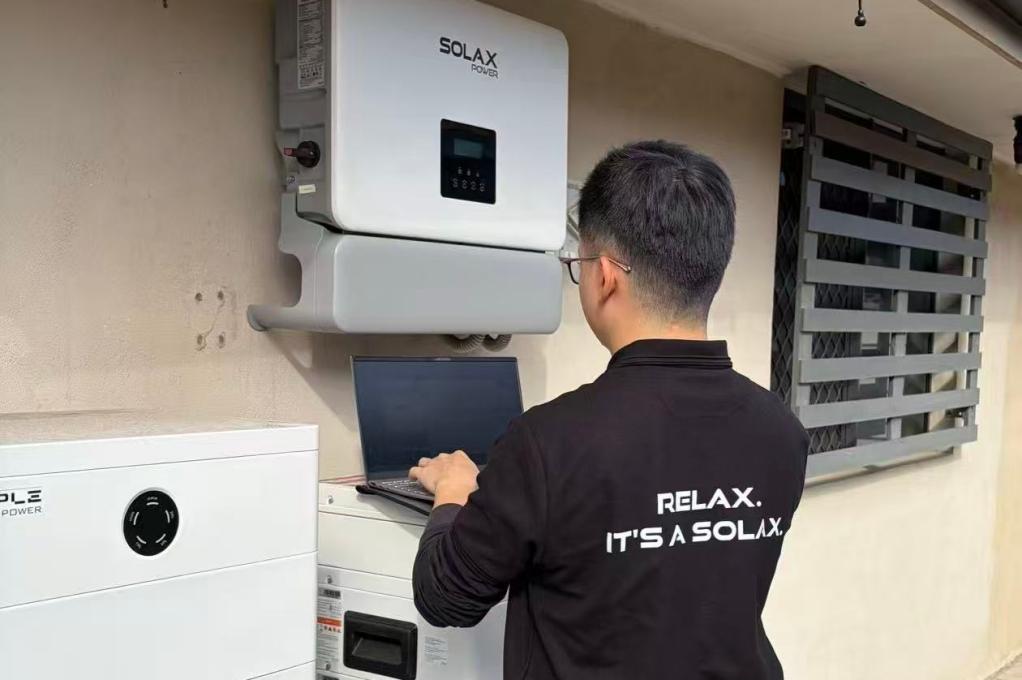
To truly win in the new energy market, you need an intelligent system. A Solax Hybrid Inverter combined with a Solax Battery is the definitive solution to falling feed-in tariffs.
A smart battery system lets you:
✓ Achieve True Self-Sufficiency: It stores your free solar energy from the day to power your home all night.
✓ Become an Energy Trader: It automatically exports stored energy to the grid during the valuable evening peak, turning your battery into a new income stream.
✓ Beat the "Sun Tax": In NSW, it stores midday energy that would otherwise be penalised, saving it for when it's free to use or profitable to sell.
✓ Gain Blackout Protection: When the grid fails, your home stays on. This peace of mind is priceless. How to Prepare Your Home for a Blackout
The Future is Active, Not Passive
The trend is undeniable: daytime feed-in tariff rates are heading towards zero. By 2028, the value of a solar system will be measured almost entirely by how much it reduces your reliance on buying power from the grid.
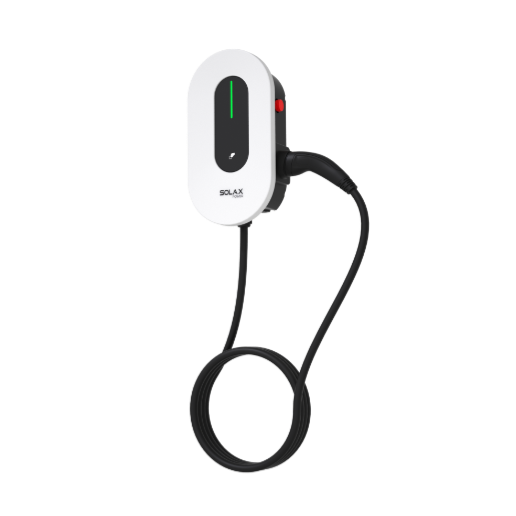
The next wave is Vehicle-to-Grid (V2G) technology, turning EVs into mobile power stations for your home. The era of passively sending power to the grid for a simple credit is over. The era of active, intelligent energy management has begun.
Table of Contents
Last News
Explore expert insights, practical guides, and the latest news on SolaX Power.



To the Latest Newsletter
Stay Ahead with the Latest SolaX Updates!
Sign up
I have read and agree to Privacy Policy and User Terms