
















May 07, 2026
The Ultimate Solar System Maintenance Checklist (Annual & 5-Yearly)
Share my #SolaXStory


Think your solar system is a maintenance-free appliance? That's a dangerous and expensive myth, especially in Australia. While nearly 40% of Aussie homes now enjoy solar power, a "set and forget" mindset can silently degrade your investment, void your warranties, and create serious safety hazards on your roof.
Neglecting your system is like never servicing your car. Small, hidden issues caused by our unique climate and wildlife can quickly spiral into catastrophic failures. A chewed cable or a cracked plastic switch isn't just a minor problem, it's a potential house fire waiting to happen.
This guide isn';t about scaremongering; it's about smart ownership. We've created the ultimate solar system maintenance checklist to show you exactly what to do, when to do it, and when to call a professional. This is your plan to ensure safety, maximise savings, and protect your investment for decades.
"A single degraded DC isolator is the leading cause of solar-related fires in Australia. A 5-minute check can prevent a disaster."
Australia's Solar System Killers: What You're Up Against
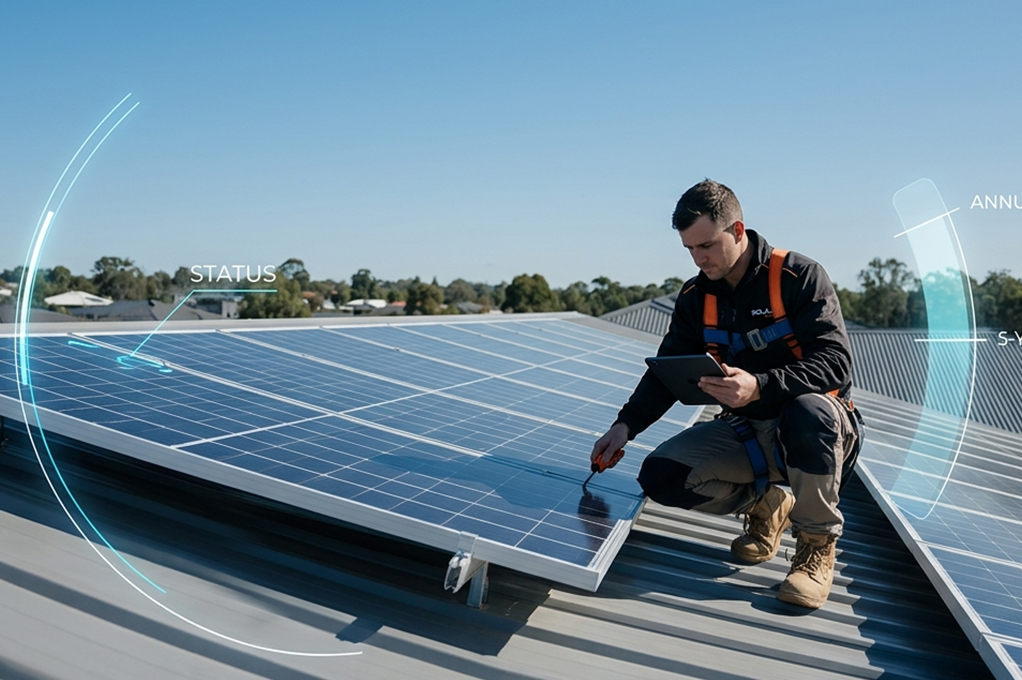
Unlike systems in Europe or North America, Australian solar arrays are in a constant battle with the environment. Understanding these local threats is the first step to protecting your system.
- The Cable-Shredding Cockatoo: The Sulphur-crested cockatoo finds the insulation on DC solar cables irresistible. Their powerful beaks can strip a cable in minutes, exposing live conductors carrying up to 1000V DC‚ a severe fire risk on a metal roof.
- The Component-Cracking Heat: Rooftop temperatures in Australia can exceed 70C. This extreme heat and UV radiation bakes the plastic components of your system, especially rooftop DC isolators, causing them to become brittle and crack.
- The Corrosive Coastal Air: With 85% of Aussies living near the coast, salt mist is a major enemy. It accelerates corrosion on your mounting system and can physically etch the anti-reflective coating on your panels, permanently reducing their efficiency.
- The Concrete-Like Grime: A mixture of bushfire ash, dust, and light rain can bake into a hard, cement-like layer on your panels that a simple hose-down won't fix, choking your system's output.
The Complete Solar Maintenance Checklist: Homeowner & Pro Tasks
Use this schedule to stay on top of your system's health. We’ve clearly defined what you can safely do yourself and when you absolutely need to call a licensed professional.
| Frequency | Task | Performed By | Key Details & What to Look For |
|---|---|---|---|
| Monthly | App & Inverter Check | Homeowner | Log in to your monitoring app. Does the production graph look normal for a sunny day? A sudden "flat line" means your system is down. Check the inverter itself for any red fault lights or error codes. |
| Monthly | Pest Audit | Homeowner | Walk the perimeter of your house. Look on the ground for small, chewed pieces of black plastic. This is a dead giveaway that cockatoos are destroying your rooftop wiring. |
| Quarterly | Ground-Level Inspection | Homeowner | From the ground, look for heavy buildup of dirt, leaves, or bird droppings on the panels. Check for new tree growth or a neighbour's new antenna casting shadows on the array between 10 AM and 3 PM. |
| Annual | Professional Panel Clean | Pro | A pro uses de-ionised water and soft brushes. Using mineral-rich tap water leaves calcium scale, while detergents can damage the panel's coating. A professional clean can boost output by 3-8%. |
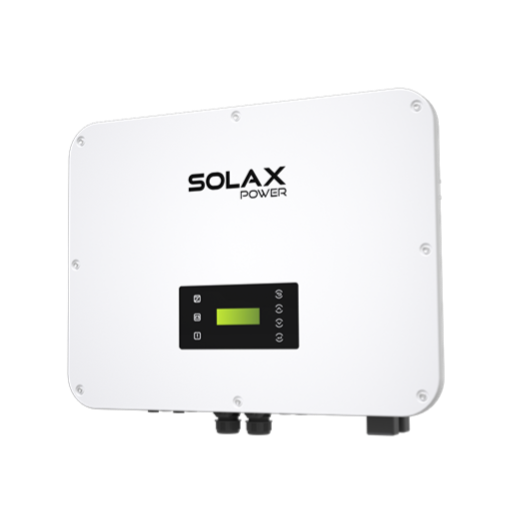
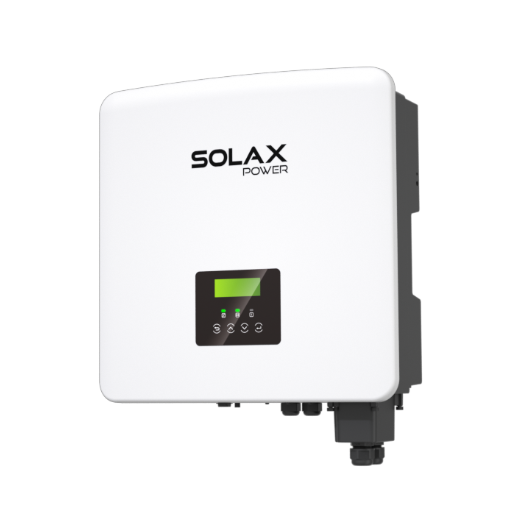
| Annual | Inverter Health Check | Pro | A technician will safely clean dust and cobwebs from the inverter's heatsink and air vents. A clogged inverter will overheat and reduce its power output ("derate") on hot days, costing you energy. |
| 5-Yearly | Insulation Resistance (IR) Test | Pro (Electrician) | This is non-negotiable. A "Megger" test is the only way to find hidden damage in your DC cables from pests or water. It detects microscopic insulation breaks that pose a serious fire risk. |
| 5-Yearly | Earth Continuity Test | Pro (Electrician) | Verifies that all metal frames and rails are safely connected to your home's earth stake. A broken earth connection can cause the entire metal array to become live, creating a lethal shock hazard. |
| 5-Yearly | DC Isolator Audit | Pro (Electrician) | A hands-on inspection of the system's most vulnerable component. The electrician checks for UV cracking, water ingress, and loose terminals. Faulty isolators are replaced on the spot. |
| 5-Yearly | Mechanical Torque Check | Pro (Electrician) | Using a torque wrench, every clamp holding your panels is checked to ensure it's tightened to manufacturer specs. This prevents panels from loosening or detaching in high winds. |
| 5-Yearly | String Performance Test | Pro (Electrician) | Measures the voltage and current of each panel string. This diagnostic check identifies underperforming or failed panels that are invisible to the naked eye but are dragging down your whole system's output. |
Tip: Schedule your 5 yearly solar inspection about three months before your 5-year inverter and workmanship warranties expire. This is your last chance to find and claim any faults for free.
The Golden Rule of Solar Safety: What You Must NEVER Do
Your role as a homeowner is observation, not intervention. Electricity is invisible, and a faulty solar system can be lethal.
- ‚úó NO Rooftop Access: Never get on the roof to inspect or clean panels yourself. You risk a serious fall, and if there's an undetected electrical fault, you risk electrocution.
- ‚úó NO Touch Policy: Do not touch any cables, conduits, or switches, even if they look fine. Assume everything is live at all times.
- ‚úó NO DIY Electrical Work: Never attempt to fix an error code, tighten a connection, or open an isolator switch. This is a job exclusively for a licensed solar electrician.
Smart Investment vs. Costly Mistake: The Numbers
Thinking of skipping a service to save a few hundred dollars? The maths doesn't add up. Proactive maintenance is one of the best financial decisions a solar owner can make.
| The Cost of Maintenance | The Cost of Neglect |
|---|---|
| $150 - $300 for an annual professional clean. | $100 - $200 lost per year from a 3-8% efficiency drop on a moderately soiled system. |
| $250 - $400 for a standalone 5-yearly electrical safety audit. | $1,500 - $3,000 to replace an out-of-warranty inverter that failed due to a preventable issue. |
| $350 - $550 for a combined "Clean & Service" package. | Warranty Rejection: A manufacturer can deny your claim if the fault is caused by corrosion or lack of cleaning. |
| A documented service history. | Insurance Denial: An insurer may deny a fire claim if it was caused by a clearly neglected and faulty component. |
"The cost of a major 5-yearly service is less than 15% of the cost of replacing a single out-of-warranty inverter."
Your System's Service History: The Key to a Bulletproof Warranty
When you sell a car, its logbook service history proves its value. The same applies to your solar system. A simple folder containing your system's documentation is your most powerful tool in any warranty or insurance dispute.
Your Solar Logbook Must Include:
- Original Installation Documents: Especially the Certificate of Electrical Safety (CES/Ccew).
- Warranty Certificates: For your panels, inverter, and the installer's workmanship.
- Maintenance Records: A simple log with the date, service performed (e.g., "Annual Clean," "5-Yearly Electrical Certification"), and the technician's name and license number for every service call.
This logbook is your proof of responsible ownership. Under Australian Consumer Law, it demonstrates you've taken reasonable steps to care for your asset, strengthening your position in any dispute.
FAQ
Table of Contents
Last News
Explore expert insights, practical guides, and the latest news on SolaX Power.



To the Latest Newsletter
Stay Ahead with the Latest SolaX Updates!
Sign up
I have read and agree to Privacy Policy and User Terms