













September 10, 2026
The Role of Smart Inverters in Stabilising the Australian Grid
Share my #SolaXStory


A decade ago, your solar inverter had one job: turn DC from your panels into AC for the house and the grid. That was it.
Today, the same box on your wall is doing several jobs at once. It measures grid voltage constantly, adjusts its own output to help your street stay within voltage limits, listens for instructions from your network operator, and stays online through short grid disturbances that would have tripped older inverters offline. None of this needs you to do anything. It runs in the background, all day, every day.
This is the story of the "smart inverter": what it actually does, why the grid now depends on it, and how SolaX's residential range fits into that picture.
The Grid Problem We're Solving
Australia's electricity grid was built around big, centralised, spinning generators, coal and gas turbines that fed power down the wires to homes and businesses. That spinning steel had enormous physical mass rotating in sync with the grid's frequency. If something went wrong, a fault, a generator tripping, that mass acted like a shock absorber, resisting sudden changes and buying the rest of the system time to respond. Engineers call this property inertia.
Rooftop solar and battery inverters don't spin. They produce AC electronically, by switching transistors at high speed, and they have no inertia of their own. As rooftop solar has come to sit on more than a third of Australian homes, and as it now covers a large share of daytime demand across the National Electricity Market, the grid has been steadily losing the built-in stability that spinning generators used to provide.
AEMO, the market operator, set a public target back in 2021 of the grid being capable of running on up to 100% instantaneous renewable penetration at times by 2025, and that work has continued past the target date: the NEM has already pushed its own instantaneous renewable share to a record 78.6% (11 October 2025). Getting the rest of the way, and sustaining it, only works safely if the huge, distributed fleet of household and commercial inverters carries part of the load that used to sit entirely with big power stations. That's the job description smart inverters were built for.
What "Smart" Actually Means Today
The word "smart" gets used loosely. A Wi-Fi chip and a phone app don't make an inverter smart in the sense grid engineers mean.
A smart inverter, in the technical sense, is one built to actively support the grid rather than just feed power into it. Since 18 December 2021, new inverters connecting to the grid in Australia have had to comply with AS/NZS 4777.2:2020. The standard defines several regional settings, "Australia A" for mainland National Electricity Market networks (NSW, VIC, QLD, SA and the ACT), "Australia B" for Western Australia's smaller South West Interconnected System, and "Australia C" for Tasmania, which is also a NEM region but connects to the mainland via the Basslink undersea interconnector and is treated separately for this standard, and your installer configures whichever one applies to your local network. Under all of them, an inverter has to run volt-watt and volt-var response modes simultaneously, alongside ride-through behaviour for short voltage and frequency disturbances. These aren't optional extras. They're baked into every compliant inverter sold in the country today, and they run automatically, with no input from the homeowner.
The Core Functions of a Modern Smart Inverter
Volt-var control. When too many homes on a street export solar at once, local voltage rises. A volt-var-capable inverter absorbs or supplies reactive power to help pull voltage back into range, which means fewer inverters on the street trip offline from over-voltage, and more solar actually gets exported instead of curtailed.
Volt-watt control. If voltage climbs high enough that reactive power alone can't fix it, the inverter automatically trims its real power output for a short period, rather than disconnecting entirely. You lose a small amount of generation for a few minutes; you don't lose the rest of the day.
Frequency response. If grid frequency drifts away from 50 Hz, a smart inverter adjusts its output to help pull it back. This is the same underlying mechanic that lets a battery earn money through Frequency Control Ancillary Services (FCAS), covered in our companion piece "Understanding FCAS for Batteries."
Voltage and frequency ride-through. Older inverters were built to trip offline on their protective settings at the first sign of a voltage or frequency disturbance. The problem is that mass disconnections during a disturbance can make the disturbance worse. Modern inverters are built to stay online and ride through brief events instead, disconnecting only if the disturbance is severe or prolonged. This is distinct from anti-islanding protection, which is the separate, still-essential safety function that stops an inverter energising a de-energised section of network, for example one utility crews are working on, during a genuine outage.
Grid communication (CSIP-Aus). New inverters can also receive real-time instructions from a network operator over a communications standard called CSIP-Aus (Common Smart Inverter Profile Australia), built on the international IEEE 2030.5 standard. This is the same channel networks use to issue dynamic export limits rather than fixed caps, a system explained in more detail in our companion piece "What Is Dynamic Export."
Old Inverter Behaviour vs. Smart Inverter Behaviour
| Older / non-compliant inverter | Modern smart inverter (AS/NZS 4777.2:2020) | |
|---|---|---|
| Voltage disturbance | Trips offline immediately on protective settings | Rides through short events, stays online |
| High local voltage | No response, can trip on over-voltage | Absorbs reactive power (volt-var), then trims output (volt-watt) if needed |
| Frequency drift | No response | Adjusts output to help pull frequency back toward 50 Hz |
| Export limits | Fixed cap only | Can receive real-time dynamic operating envelopes via CSIP-Aus |
| Role in a grid event | Passive, can worsen a disturbance by mass-tripping | Active participant, helps absorb and stabilise the disturbance |
The practical effect of the right-hand column, multiplied across hundreds of thousands of homes, is a grid that can absorb far more rooftop solar and far more disturbance before anything trips or blacks out.
Why This Isn't Theoretical
The South Australian blackout of 2016 is the case study most often cited when explaining why this matters. A significant amount of wind generation disconnected in response to voltage disturbances during a storm event, and that mass disconnection contributed to the wider state-wide blackout that followed. Inverters built to ride through short disturbances, rather than trip at the first sign of trouble, are a direct response to exactly that failure mode.
More broadly, AEMO continues to run trials and programs specifically testing how the grid performs as it moves toward higher and higher shares of inverter-based generation, including work on grid-forming technology at the scale of large batteries. That's a related but distinct technology to the smart-inverter functions covered here. For where that fits, see our companion piece "Grid-Forming vs. Grid-Following Inverters."
What This Means for You as a System Owner
None of the functions above need you to configure anything. Your installer sets your inverter to the correct region and standard at installation, and from then on it manages voltage, frequency and export behaviour automatically. This matters more than it might seem: a household on a street with a lot of rooftop solar can genuinely export more of its own generation, rather than being curtailed by voltage trips, simply because every compliant inverter on that street is now sharing the job of keeping voltage in range. What's actually worth paying attention to as a buyer is:
- Whether your inverter is compliant with the current AS/NZS 4777.2:2020 standard (anything installed new today should be)
- Whether it supports export control and dynamic operating envelopes, which affects how much solar you can actually export over time
- Whether it's VPP-ready, since the smart-inverter functions above are also the foundation a VPP operator needs to call on your system for grid services and pay you for it
Where SolaX Fits This Story
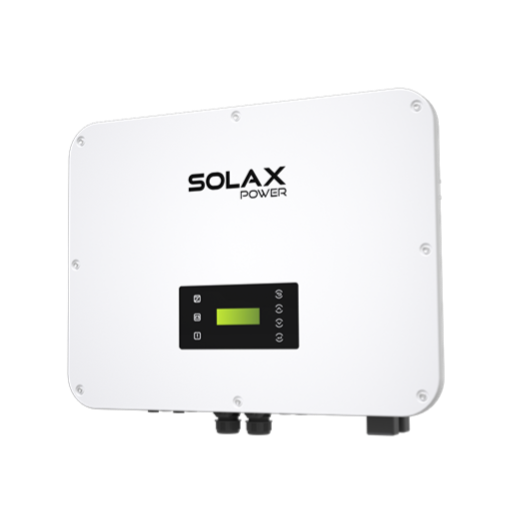
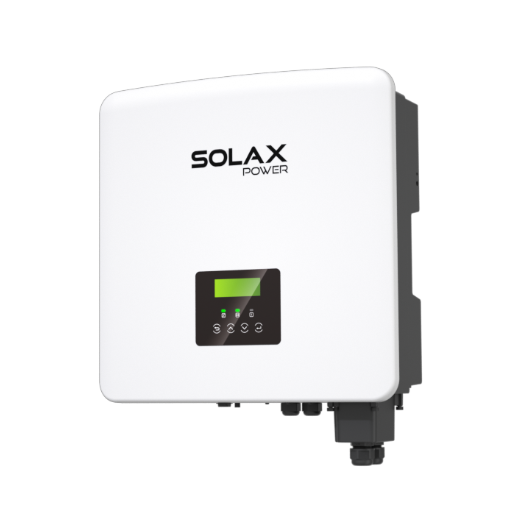
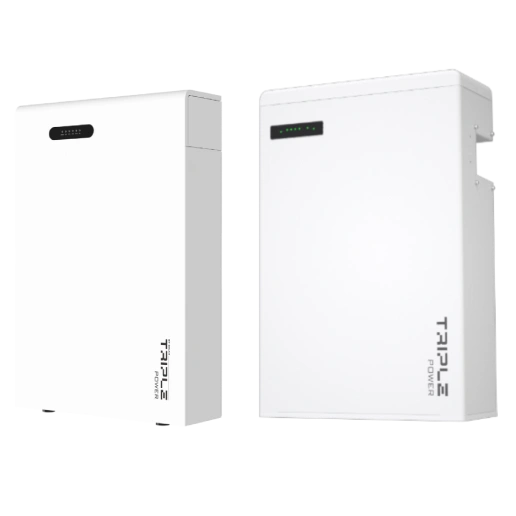
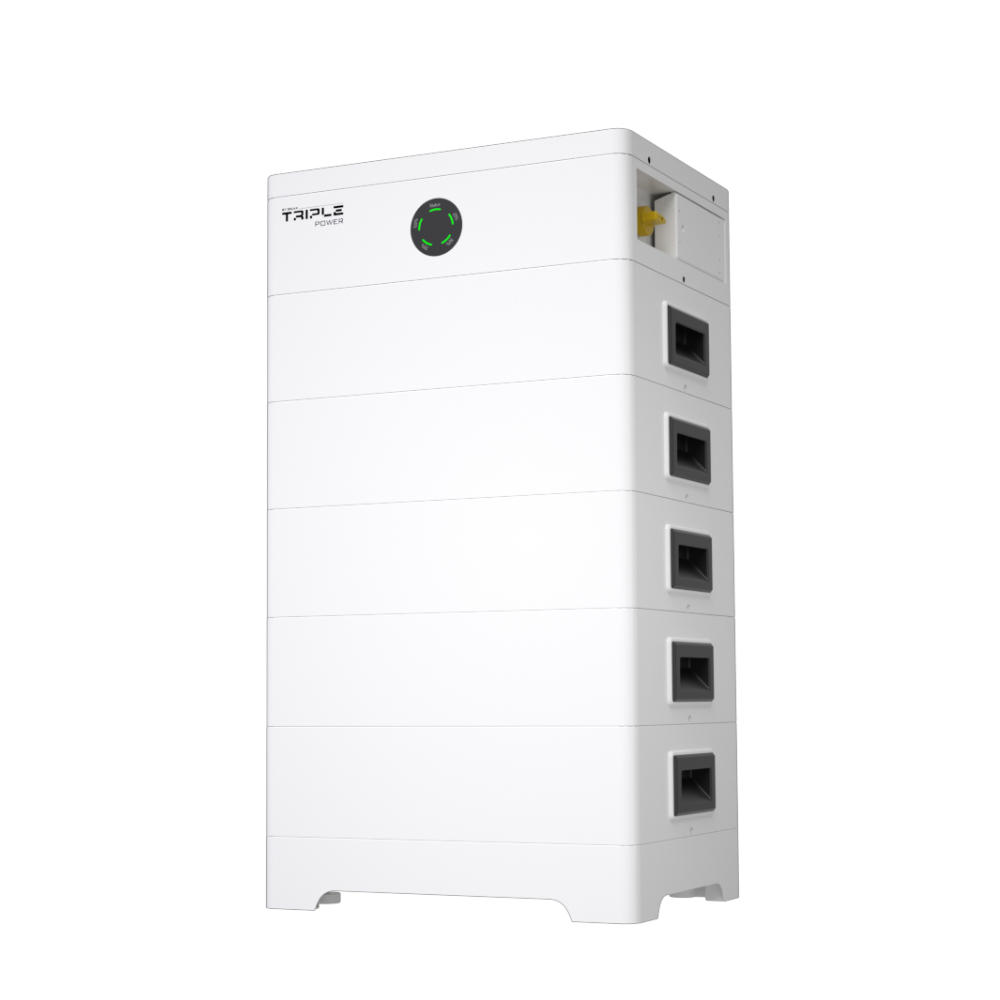
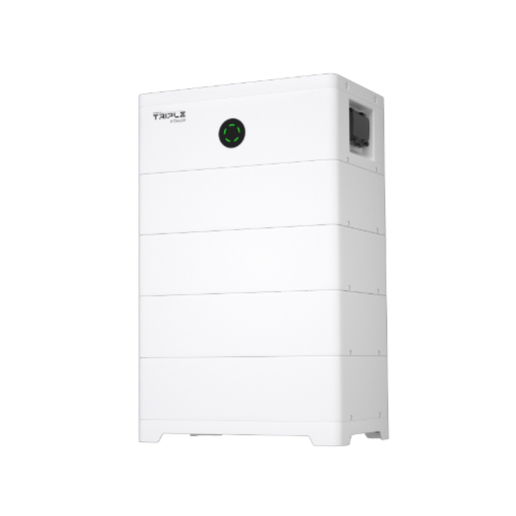
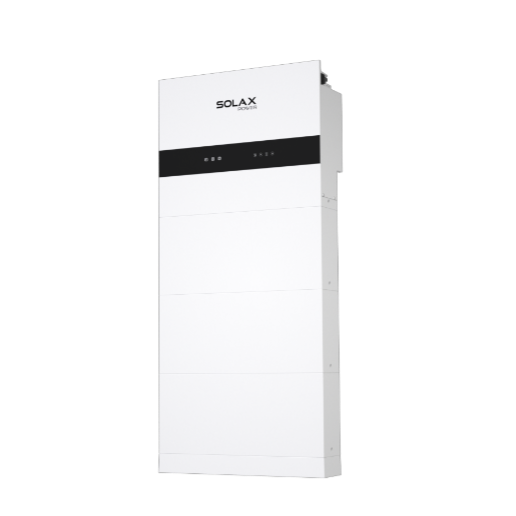
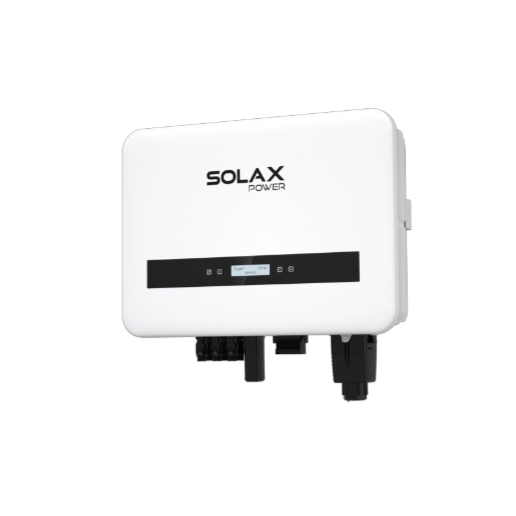
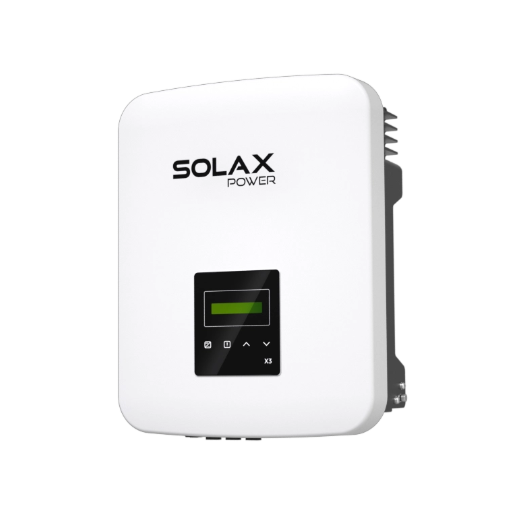
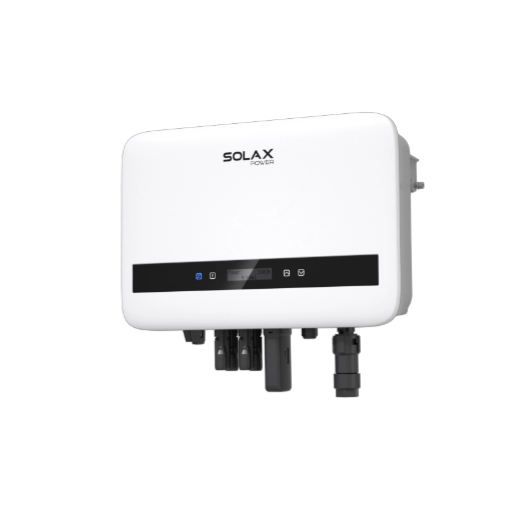
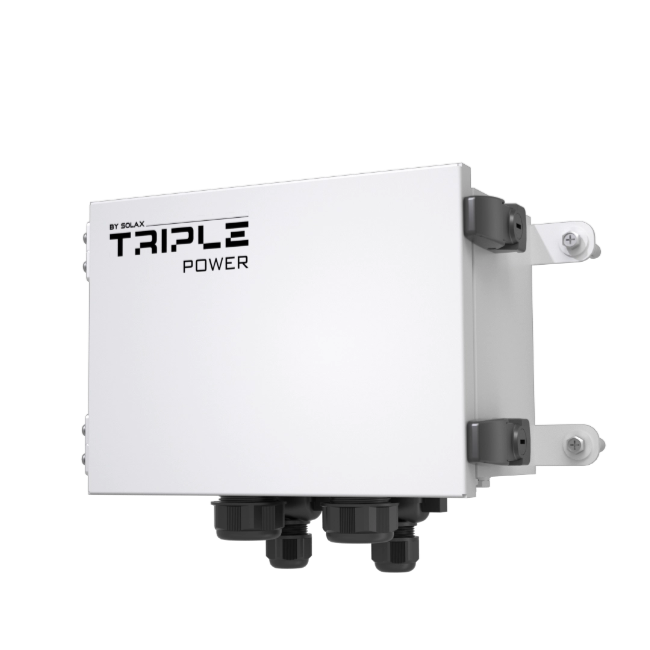
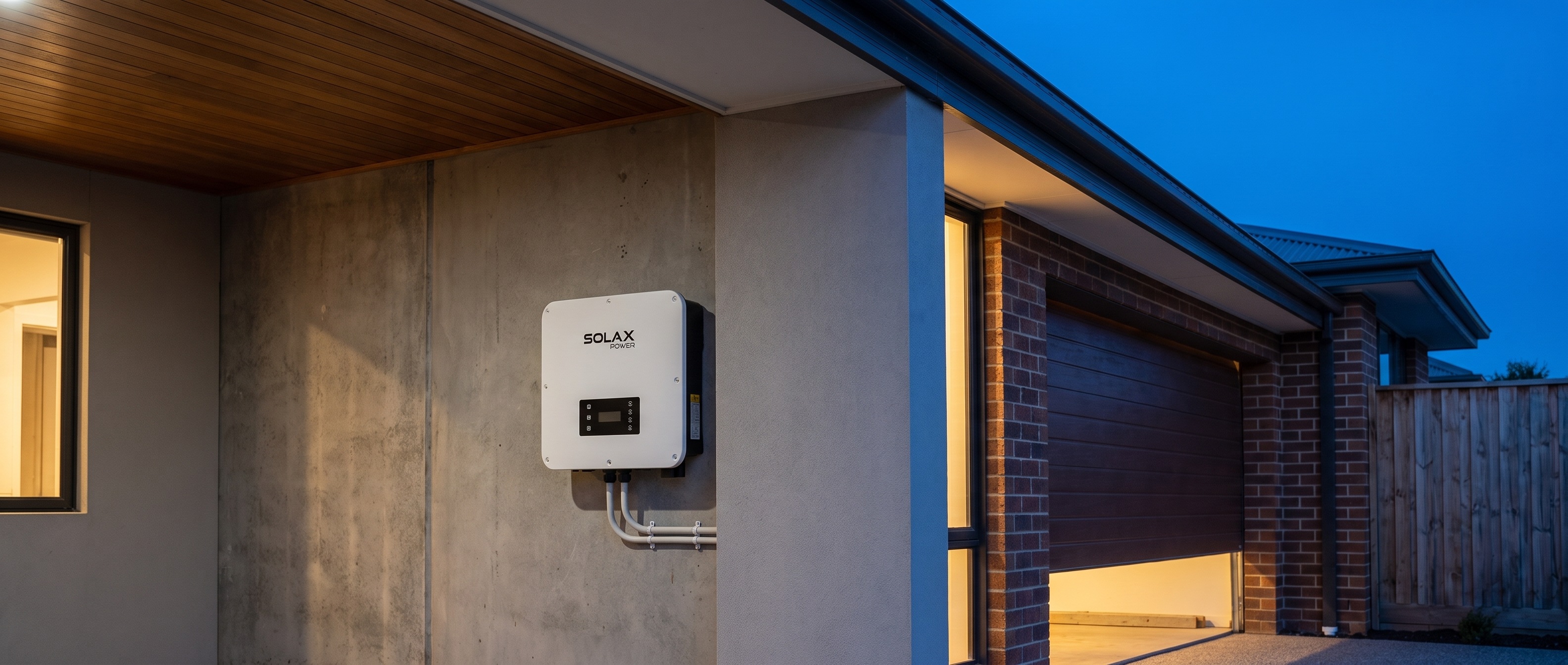
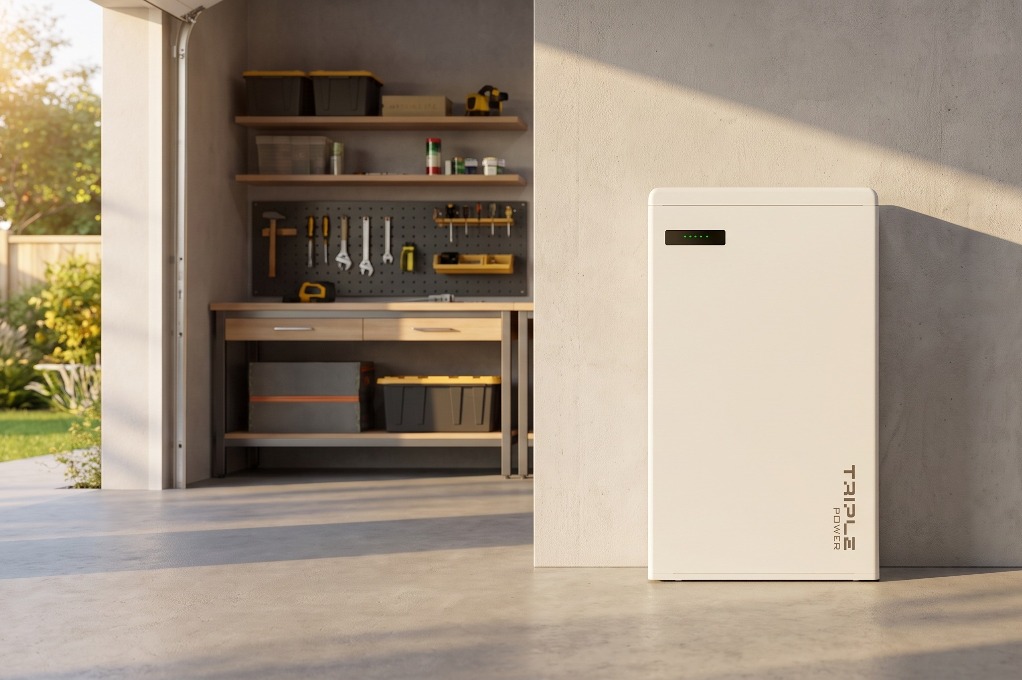
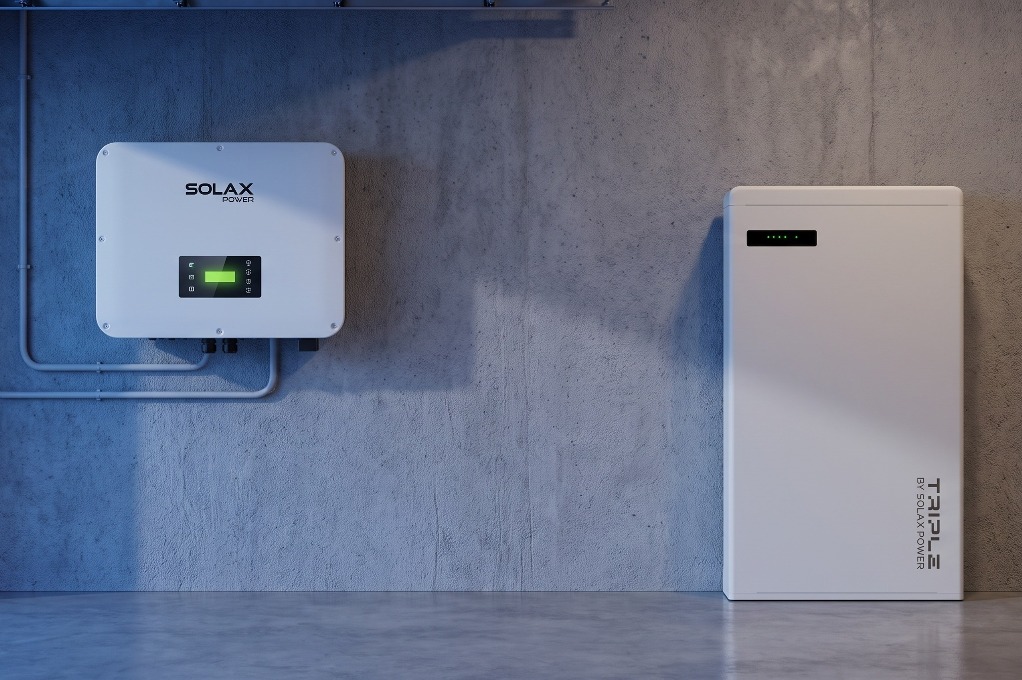
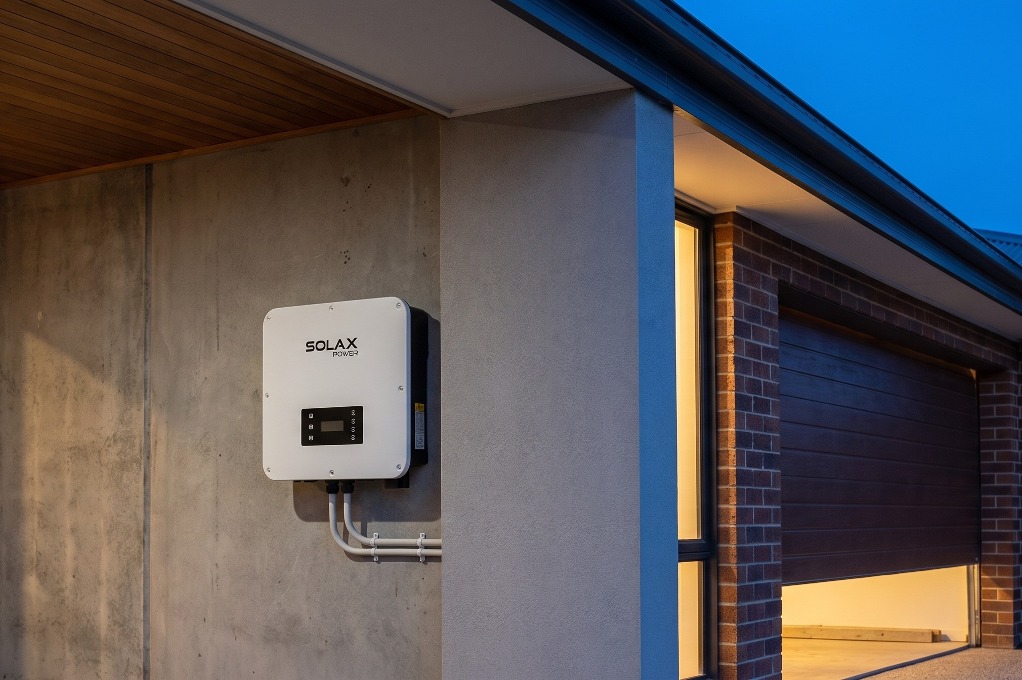
SolaX's residential hybrid inverter range, the X1-Hybrid G4 and X3-Hybrid G4, is built to the current AS/NZS 4777.2:2020 standard, with volt-var, volt-watt and ride-through behaviour active by default and the region setting (Australia A for the great majority of SolaX's Australian customers, on the mainland states) configured by your installer to match your network. Paired with a Triple Power battery, the Hybrid G4 range is VPP-ready for ancillary-service participation, and the all-in-one X1-IES and X3-IES systems are separately VPP-ready, with compatibility across OpenADR, IEEE 2030.5, FCAS and API integration. That compatibility list on the X3-IES product page is a feature still being upgraded, so it's worth confirming current status for your exact model with your installer.
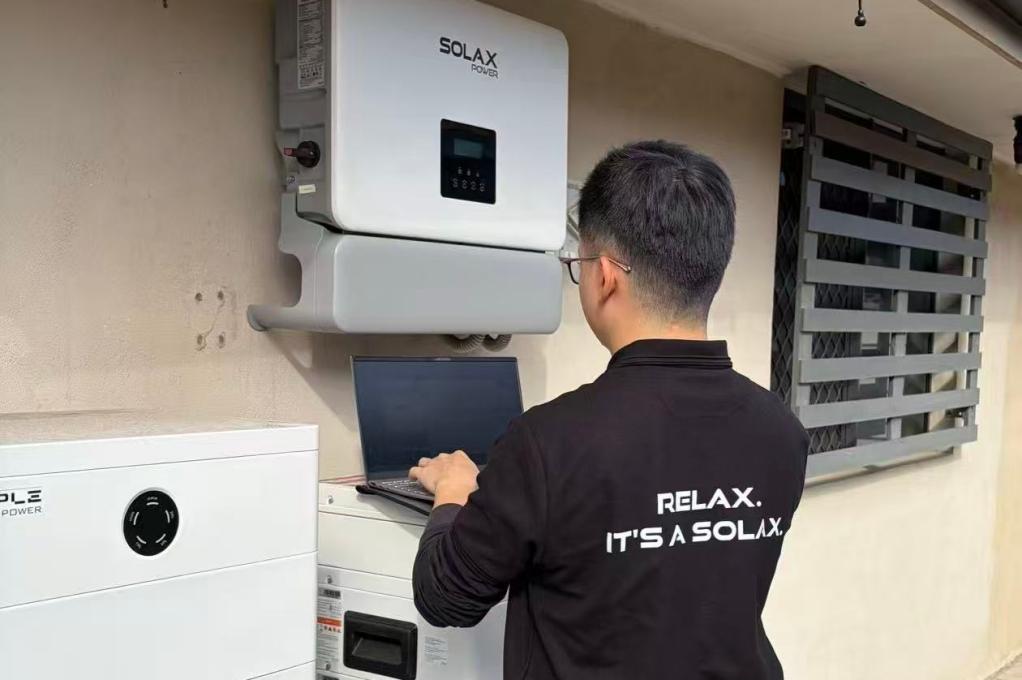
Firmware updates are delivered over the air through SolaXCloud, which matters because the standards and DNSP algorithms behind these functions continue to evolve. A system bought today is set up to stay current as they do.
FAQ
Table of Contents
Last News
Explore expert insights, practical guides, and the latest news on SolaX Power.


To the Latest Newsletter
Stay Ahead with the Latest SolaX Updates!
Sign up
I have read and agree to Privacy Policy and User Terms