
















September 10, 2026
WA Solar Battery Rebate 2026: Your Complete Guide
Share my #SolaXStory


Let's Cut Straight to the Chase
If you live in Western Australia, 2026 is the best time in years to add a battery to your solar system. The WA Government is offering a direct rebate on home batteries, and you can stack it with a federal discount too.
Here's the simple version: depending on your electricity network, you could save up to $7,500 off a standard 10kWh battery system. This guide breaks down exactly how much you can claim, who qualifies, and how to apply without missing out.
Combining the WA rebate with the federal battery discount can take thousands off the cost of a new home battery.
Your Rebate At a Glance
| Rebate Type | Program Name | Value | Authority |
|---|---|---|---|
| State Rebate (Synergy area) | WA Residential Battery Scheme | Up to $1,300 ($130/kWh) | WA Government |
| State Rebate (Horizon Power area) | WA Residential Battery Scheme | Up to $3,800 ($380/kWh) | WA Government |
| Federal Discount | Cheaper Home Batteries Program | Approx. 30% off, via STCs | Australian Government |
| No-Interest Loan | WA Residential Battery Scheme | Up to $10,000 | WA Government |
| Combined Total (Synergy) | Up to $5,000 | ||
| Combined Total (Horizon Power) | Up to $7,500 |
The Main Event: WA's Residential Battery Scheme
The WA Residential Battery Scheme is a one-off rebate for eligible homeowners who install an approved battery. It's simple: you get a discount at the point of sale, no waiting for a cheque.
Part 1: Which Network Are You On?
Your rebate amount depends on where you live, not how big your battery is.
Synergy customers (most of Perth and the South West): you can get up to $1,300, worked out at $130 for every kWh of battery capacity.
Horizon Power customers (regional and remote WA): you can get up to $3,800, worked out at $380 for every kWh. Horizon Power customers get a bigger rebate because regional networks benefit more from home batteries easing pressure on a the grid.
Part 2: Stack It With the Federal Rebate
On top of the state rebate, every WA household can also claim the federal Cheaper Home Batteries Program. This knocks around 30% off your battery's upfront cost, applied automatically by your installer through Small-scale Technology Certificates (STCs), a simple discount system, not a rebate you apply for separately.
Key Takeaway: Put the state and federal rebates together, and a standard 10kWh battery could cost you thousands less than the sticker price.
Can You Claim This Cash? A Simple Eligibility Checklist
- You're installing an approved battery. Your battery must be on the Clean Energy Council's approved product list.
- You're using an accredited installer. Your installer needs to be registered under the WA Residential Battery Scheme.
- You're willing to join a Virtual Power Plant (VPP). This is the one catch worth knowing about upfront: VPP participation is a requirement to receive the rebate. In simple terms, your battery occasionally shares a small amount of stored energy back to the grid at peak times, helping keep the whole network stable. You can opt out of the VPP agreement after two years if it's not for you.
- Your system meets the new technical standards, if you're installing after 1 May 2026. From that date, Western Power is updating the rules for new and upgraded solar and battery connections on the South West Interconnected System (the main grid covering Perth and the South West). The change actually works in your favour: it allows larger systems to connect and export more back to the grid. If your system was installed or upgraded before 1 May 2026, none of this affects you.
The No-Interest Loan: Extra Help If You Need It
If a battery is still out of reach even with the rebate, WA also offers no-interest loans between $2,001 and $10,000 for solar and battery systems. It's aimed at low and middle-income households, with a combined household income limit of $210,000. Repayments are spread over three to ten years, with no interest and no fees for paying it off early.
The WA rebate is capped at 100,000 batteries, and it's expected to run out by 2027, or sooner if demand is high. The federal battery rebate is also stepping down over time, from 1 May 2026 it applies in tiers based on your battery's size, with the highest rate reserved for the first 14kWh of capacity. Waiting to install could mean a smaller rebate later.
How to Choose the Right Battery
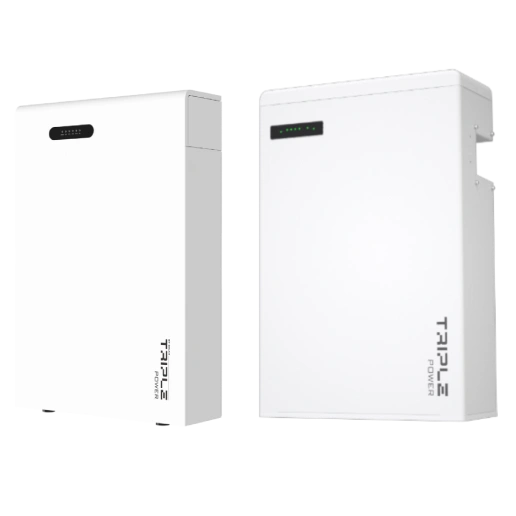
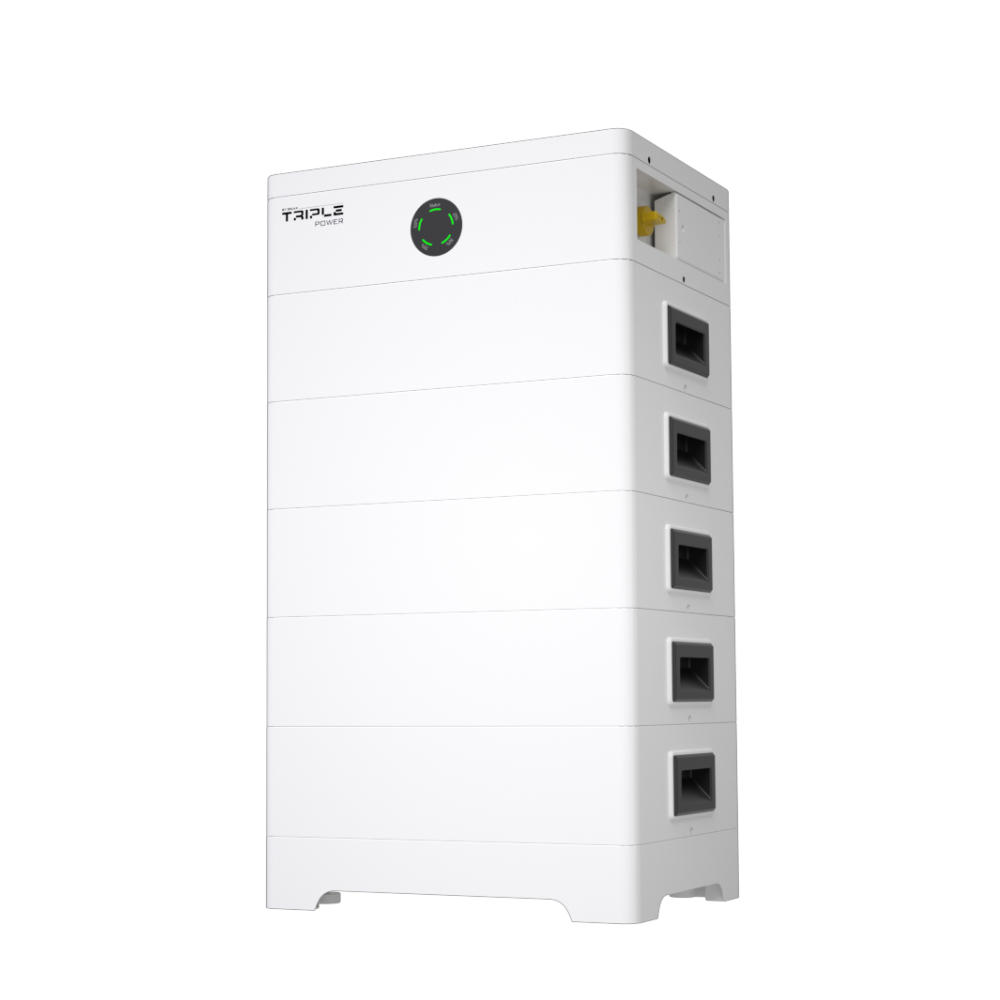
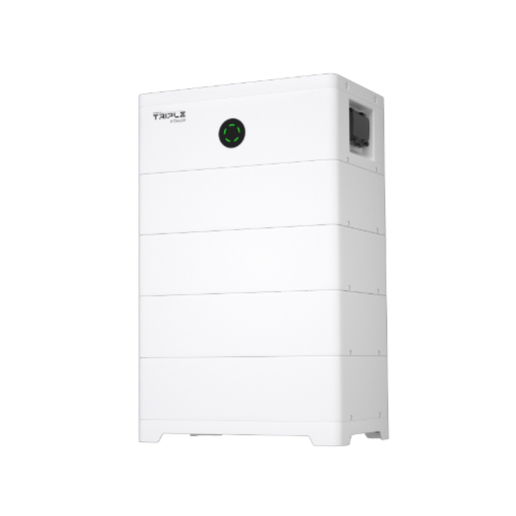
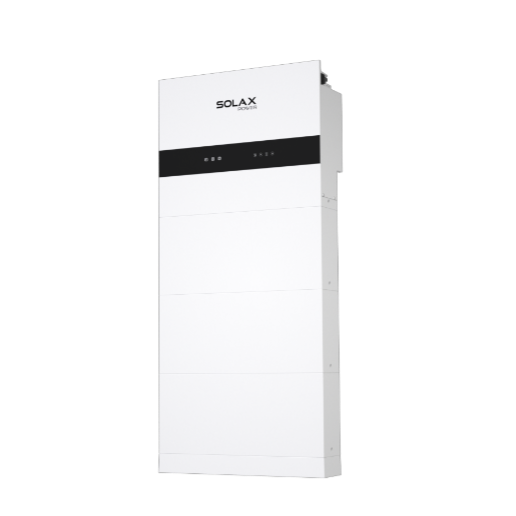
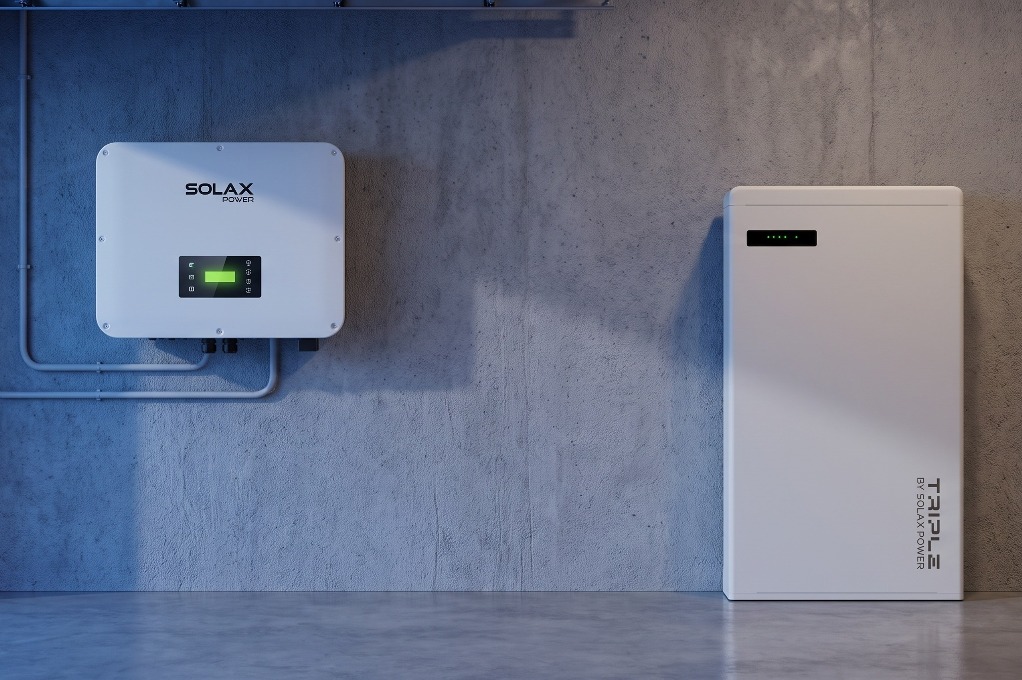
Whatever battery you choose, make sure it's on the Clean Energy Council's approved list before you commit, this is a condition of both the state and federal rebates. You can check SolaX's current AU-available residential battery range, including the TSYS-HS51 series, directly on the SolaX Energy Storage Batteries page for current specs and CEC status, rather than relying on a model name here that could go out of date.
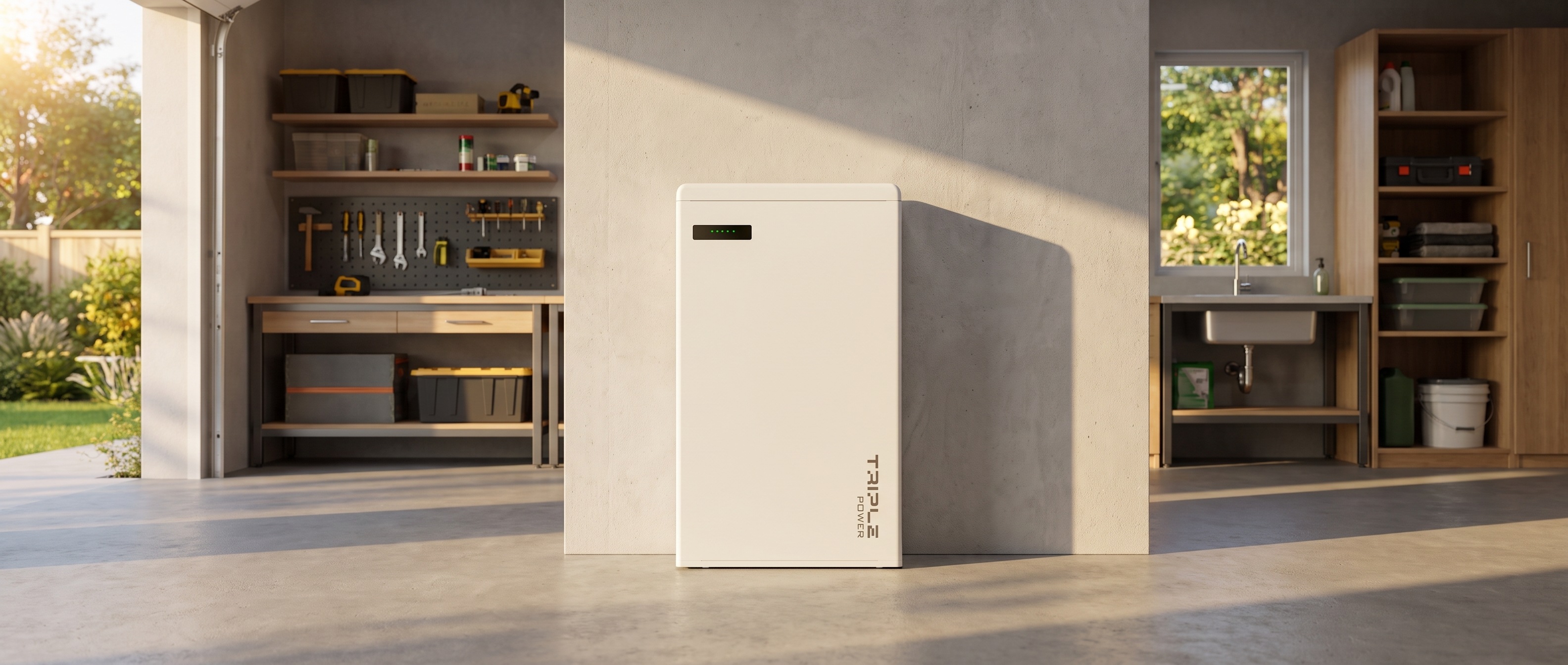
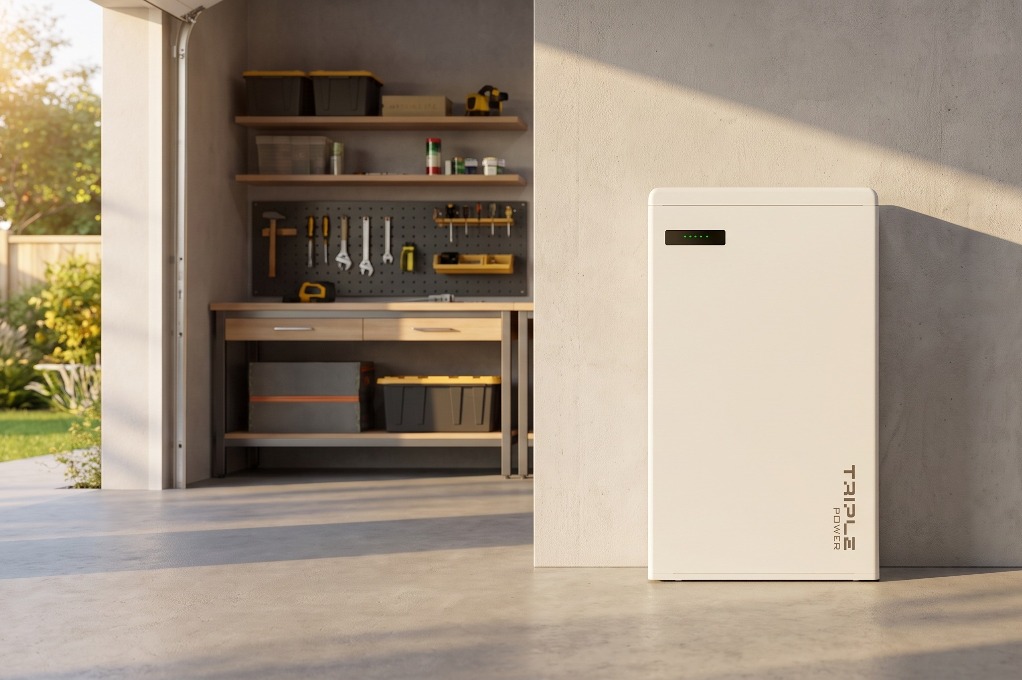
To see how that kWh-based calculation works in practice: each SolaX HS51 battery module provides 5.1 kWh of energy storage. If you install one unit, Synergy households could claim roughly $663, while those on the Horizon Power network could receive approximately $1,938 - all before you factor in the additional federal discount.
FAQ
Table of Contents
Last News
Explore expert insights, practical guides, and the latest news on SolaX Power.



To the Latest Newsletter
Stay Ahead with the Latest SolaX Updates!
Sign up
I have read and agree to Privacy Policy and User Terms