
















September 10, 2026
V2X Explained: What It Actually Means, and What's Already Available in Australia
Share my #SolaXStory


If you've shopped for an EV in the last year, you've probably seen "V2X" thrown around as the next big thing, your car as a home battery, backup power during an outage, even selling electricity back to the grid. What most people don't realise is that V2X isn't one feature. It's an umbrella term covering several genuinely different technologies, and only some of them are actually available to buy in Australia today. Here's what each term really means, how the technology works under the bonnet, and what you can install right now.
V2X, V2L, V2H and V2G: What's the Actual Difference?
V2X stands for Vehicle-to-Everything, and it's the category name for any setup where power flows out of your EV's battery, not just into it. Under that umbrella sit three distinct use cases:
V2L (Vehicle-to-Load) — your car powers a device through a basic AC outlet, similar to running an extension cord off the battery. This is the most common of the three by far. Many non-Tesla EVs sold in Australia today, including many Kia, Hyundai and BYD models, already ship with V2L built in.
V2H (Vehicle-to-Home) — your EV functions like a home battery, storing solar during the day and supplying your house at night or during a blackout.
V2G (Vehicle-to-Grid) — your car exports power back to the electricity grid itself, the same way a home battery in a VPP does.
When people say "V2X" in a residential context, they almost always mean V2H. That's the one that changes how you think about your car: not just transport, but a rolling battery that can help run your home.
Why V2H Hasn't Taken Off Everywhere Yet
The straightforward version of V2H, a fully bidirectional DC charger that talks directly to your car's high-voltage battery, is genuinely capable, but it's specialised hardware. Dedicated DC bidirectional chargers sit in a different price bracket to a standard home EV charger once installation is factored in, which is a big part of why V2H has stayed a niche, expensive option rather than a mainstream one, even in markets that have had the technology available for a few years.
That cost barrier is exactly why an alternative approach has emerged: instead of building an expensive DC charger to talk directly to the car's battery, use the V2L output your EV already has, and let your home's own inverter do the clever part.
How AC-Side V2H Actually Works
Here's the mechanism in plain terms. Your EV's onboard V2L feature already knows how to safely release power through the charge port, that's the same function that lets you run a kettle from your car on a camping trip. An AC-side V2H charger plugs into that same V2L output, then routes the power through a compatible home inverter, which treats your car simply as another source of energy alongside your solar panels and home battery.
The practical upshot: you get the outcome of V2H, your car helping power your home, without needing a specialised (and expensive) DC bidirectional charger. And because the charger works within the limits your car manufacturer already built into V2L, it stays inside your EV's own warranty terms rather than pushing the battery in ways the manufacturer hasn't sanctioned.
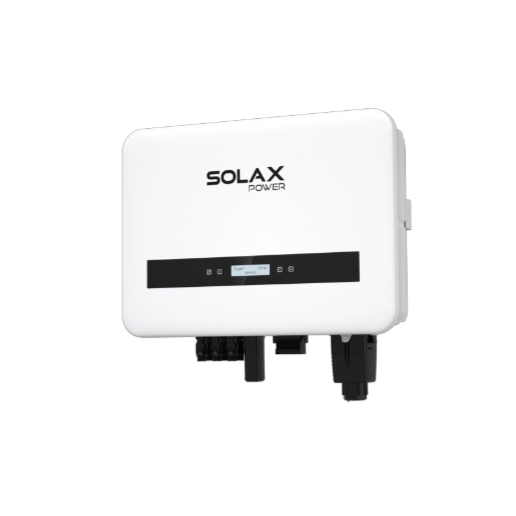
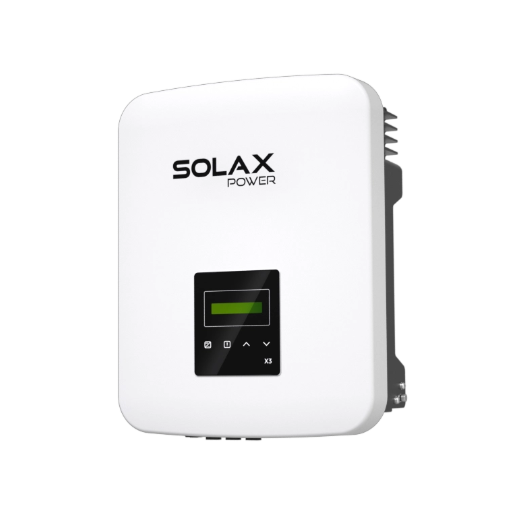
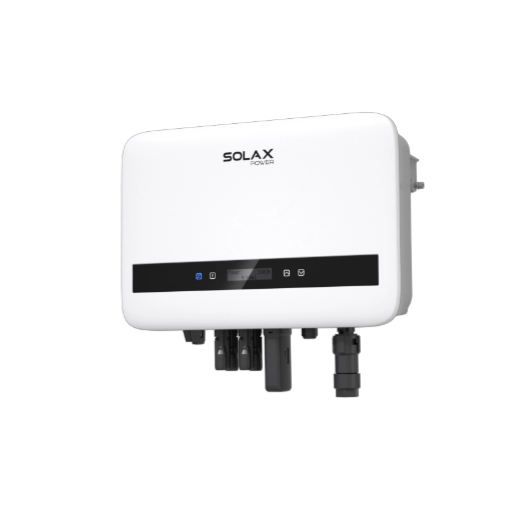
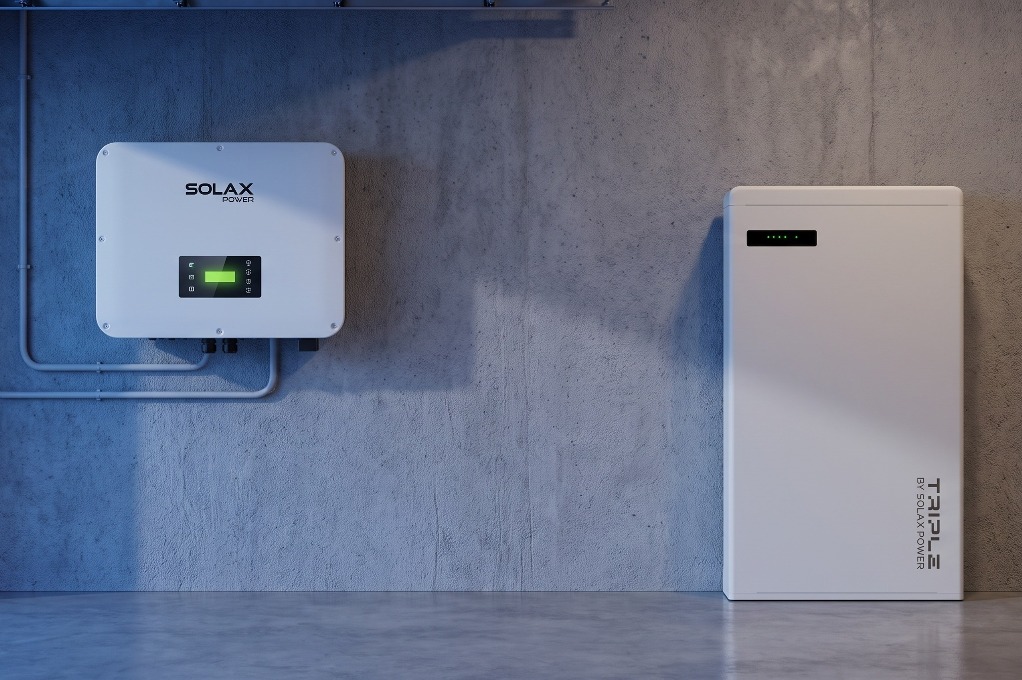
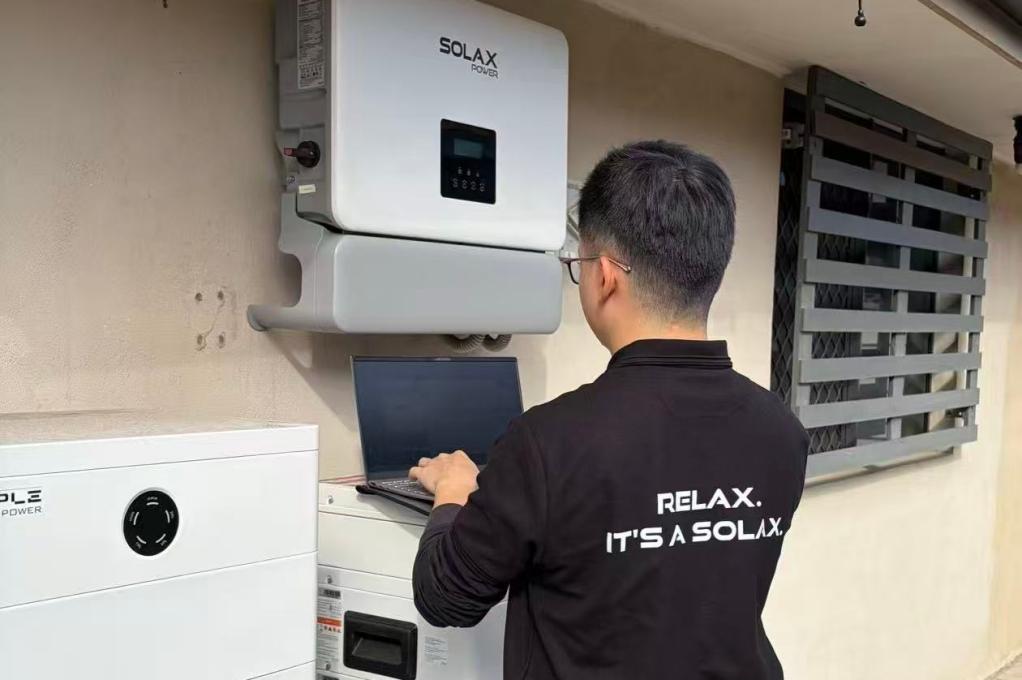
SolaX inverter platforms are built to work this way, treating a compatible EV as a genuine third energy source in the home, not a bolt-on afterthought.
What's Actually Available in Australia Right Now
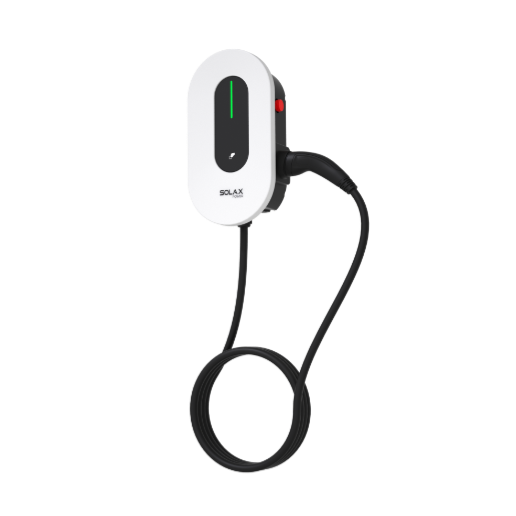
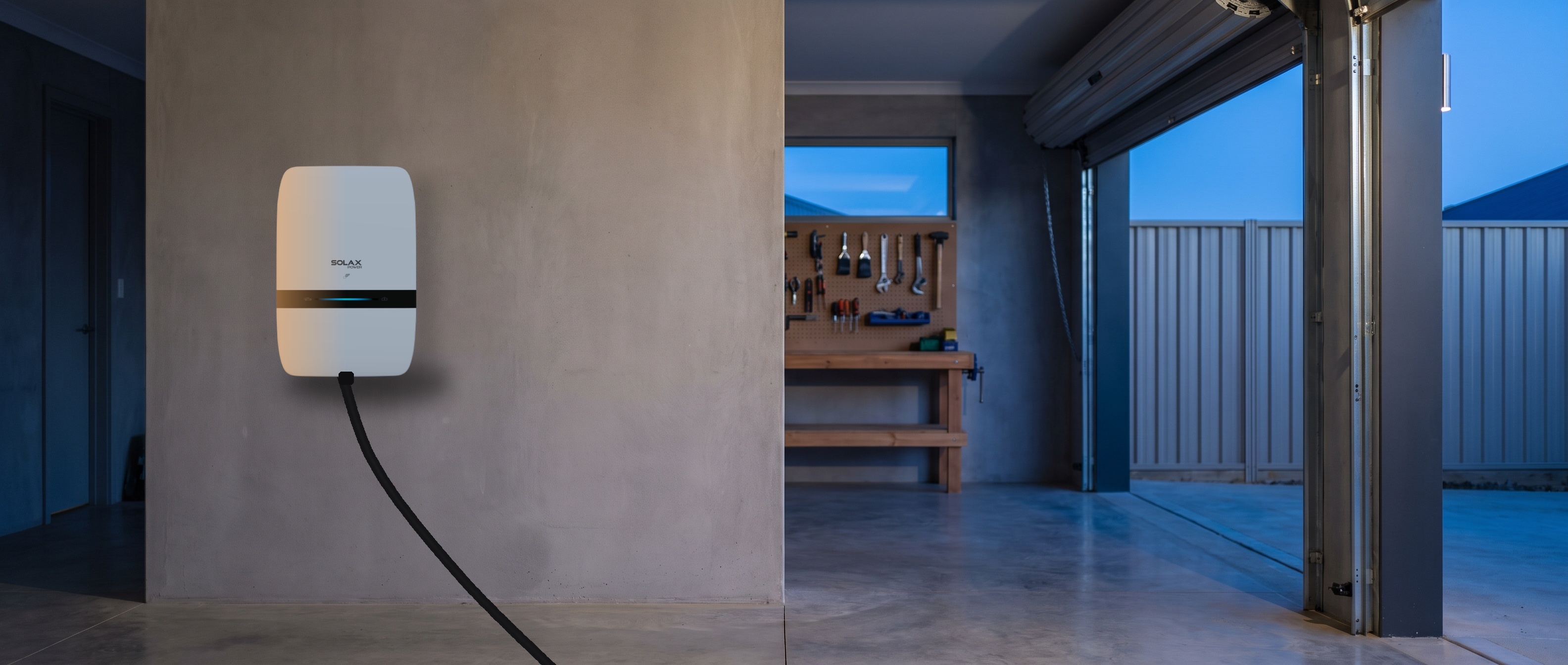
This isn't a future promise. SolaX's Binary Series Smart AC EV Charger (model BRY-A22D7) is a real, buyable product already live on the Australian market, built specifically around this AC-side approach.
A few things worth knowing about it:
| Feature | What it means for you |
|---|---|
| 1.4–22kW adjustable AC charging | Scales to your home's connection, single or three-phase |
| RFID and vehicle management | The charger recognises your EV and manages sessions automatically |
| Scheduled charging and discharging | Set time slots so charging and discharging happen when it suits you, not manually every day |
| Charging and discharging history | Full visibility into what your car has sent to and drawn from your home |
| Black start support | Your EV's battery can act as backup power for the home |
| Type 2 plug (IEC 62196), IP54/IK10 rated | Standard connector, suitable for indoor or outdoor wall or pedestal mounting |
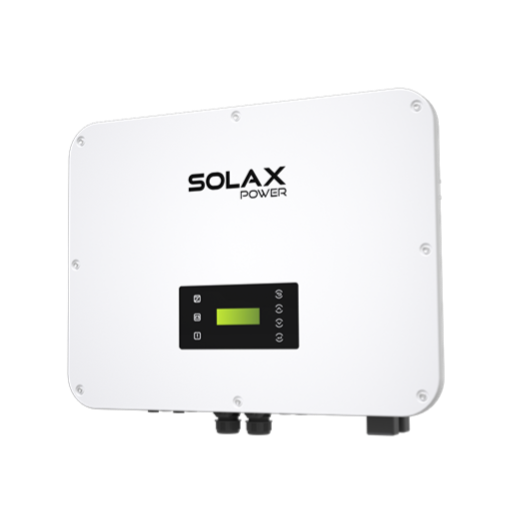
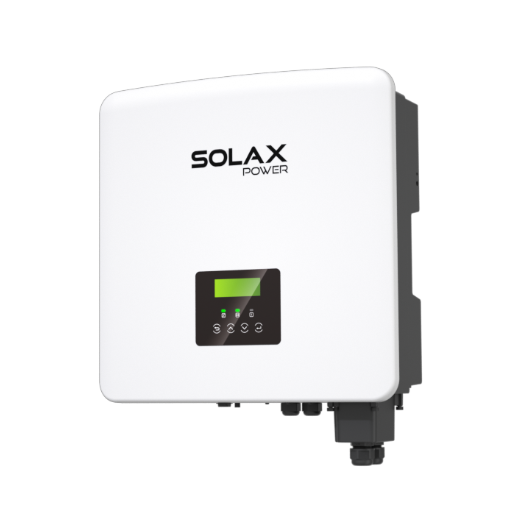
Because the charger relies on your EV's own V2L output, actual charging and discharging power depends on what your specific vehicle supports, not just what the charger itself is rated for. And because the discharge side needs to connect through a compatible SolaX inverter, model matters: confirmed compatible inverters are the X1-VAST and X3-HYB-G4 PRO, with X3-Ultra compatibility coming soon. If you're running a different SolaX inverter, confirm current compatibility with your installer before assuming any existing setup will work out of the box.
Does Your EV Actually Support V2L?
Before looking at hardware, it's worth checking whether your car supports V2L at all, since that's the foundation this entire approach is built on. V2L has become common across a growing number of EVs sold in Australia, including several Kia, Hyundai and BYD models, but it's not universal. Your dealer or the vehicle's own specifications will confirm whether your particular model and trim level includes it, and what power limit it's rated to.
How This Connects to Blackout Protection and VPPs
The black start capability is worth pausing on, because it plugs directly into two things Australian homeowners already care about. If you've looked into how blackout protection differs from a full off-grid setup, an EV with V2H capability is effectively an extra layer of backup capacity sitting in your driveway, on top of whatever your home battery already provides.
It also sits naturally alongside Virtual Power Plants in Australia. A home battery in a VPP already gets paid to support the grid at peak times; as V2G matures in Australia, a compatible EV could eventually do the same thing, turning your car into a second asset in the same system, not just a parked liability.
What This Means for You Day to Day
If you're shopping for an EV charger and you've seen "V2X" or "V2H" on the box, the first question isn't which brand, it's which technology. A true DC bidirectional charger is more capable but comes at a real cost premium. An AC-side charger built around your EV's existing V2L output gets you most of the practical benefit, home backup, smarter solar use, scheduled charging and discharging, at a more accessible price point, using hardware that's already sitting in Australian driveways today.
FAQ
Table of Contents
Last News
Explore expert insights, practical guides, and the latest news on SolaX Power.


To the Latest Newsletter
Stay Ahead with the Latest SolaX Updates!
Sign up
I have read and agree to Privacy Policy and User Terms