















December 22, 2025
What is Blackout Protection? (And How it Differs From Off-Grid)
Share my #SolaXStory


It’s a strange and frustrating paradox. Over 30% of Australian detached homes now have solar panels glinting on their rooftops, generating their own clean power. Yet, when the grid goes down, the vast majority of those homes go dark just like everyone else.
If you’ve ever wondered why your expensive solar system can't even keep the fridge running during an outage, you’re not alone. It’s not a flaw; it’s a safety feature. But it highlights a critical gap in a standard solar setup.
This guide cuts through the jargon to explain exactly how to achieve true energy independence with blackout protection. We’ll cover why your panels shut down, how a battery creates a personal power grid for your home, and what you need to know to build a system that keeps your life running, uninterrupted.
"Having solar panels doesn't automatically mean you have power in a blackout. That requires a different kind of smarts."
The Solar Paradox: Why Your Panels Go Dark in an Outage
The first thing to understand is that your standard solar system isn't designed to power your home directly; it’s designed to work with the grid. This relationship is governed by a crucial safety rule called anti-islanding protection.
Imagine lineworkers repairing a fallen power line. They need to be 100% certain the grid is dead. If your solar system kept exporting power, it would create a dangerous "island" of live electricity, posing a lethal risk.
To prevent this, your solar inverter is legally required by Australian Standards to constantly monitor the grid. The instant it detects an outage, it must shut down in under two seconds—often in less than 200 milliseconds. This protects the grid workers, but it leaves you powerless, with perfectly good solar panels on your roof doing nothing.
Your Personal Power Grid: How a Battery Keeps You Safe
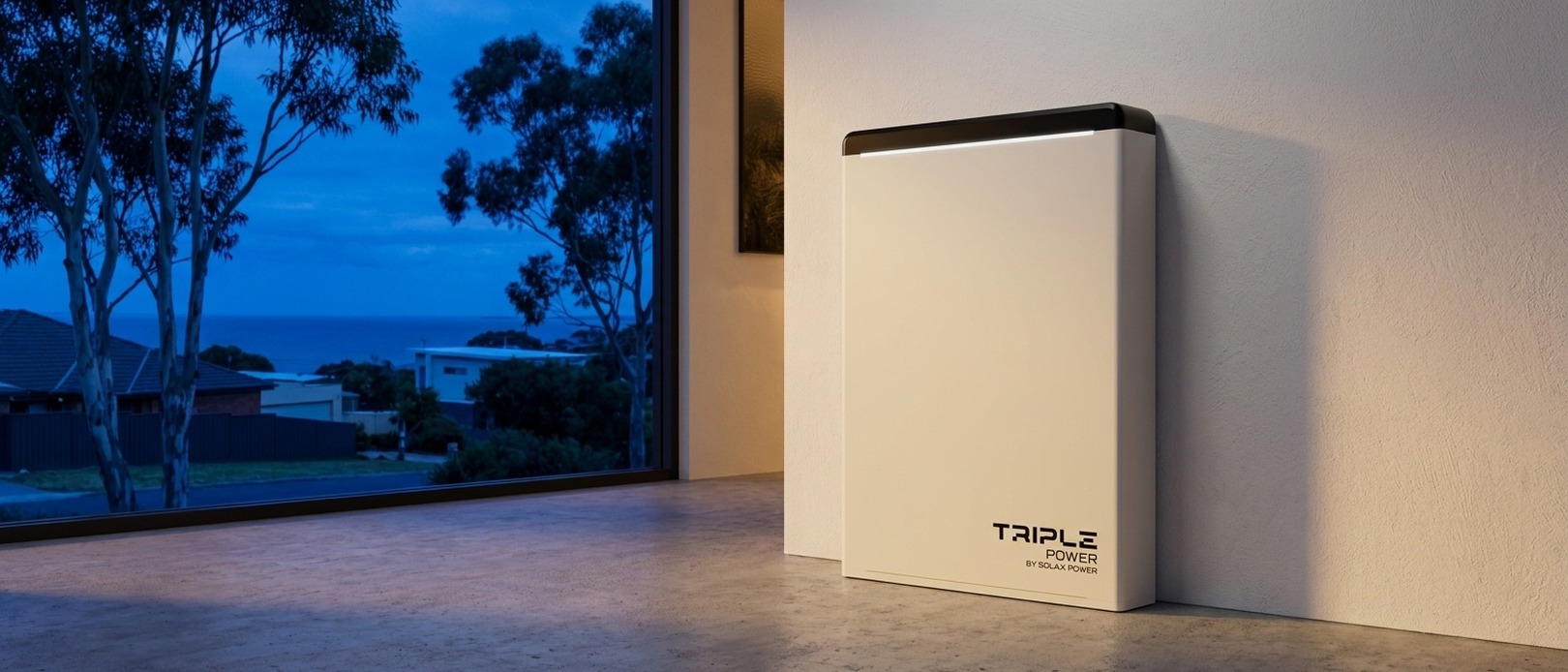
This is where a solar battery with blackout protection changes the game. It doesn't just store energy; it gives your home the intelligence to safely disconnect from the grid and run on its own.
This process, called "islanding," happens in a split second and involves two critical steps:
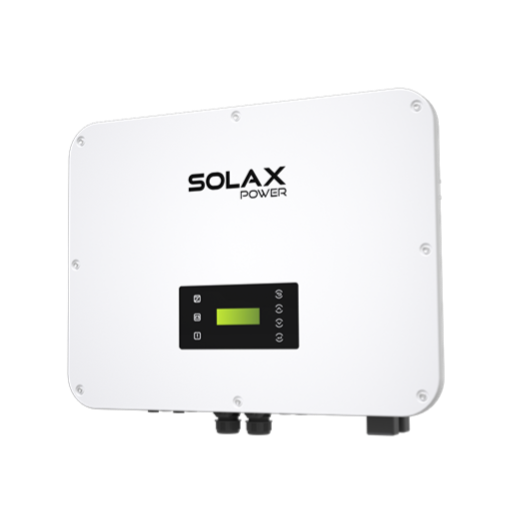
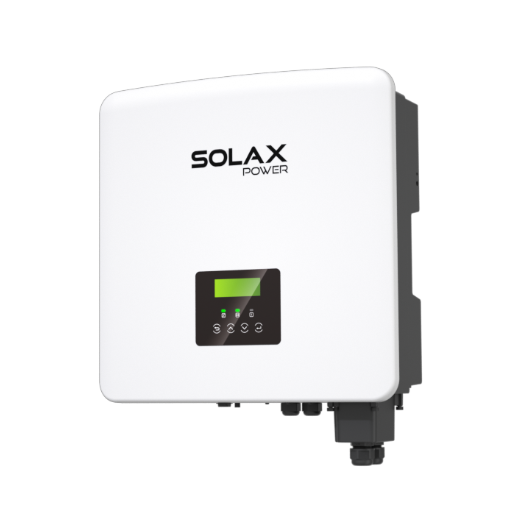
- Physical Disconnection: A device called an Automatic Transfer Switch (ATS), often built into a SolaX Hybrid Inverter, physically severs the connection to the street. This creates a guaranteed air gap, ensuring no power from your home can leak back to the grid.
- Creating a New Grid: Once isolated, the inverter stops "listening" to the main grid and starts "forming" its own stable, 230V signal. This signal becomes the new, private grid that powers your home’s circuits. A compliant system also re-establishes a local earth connection, ensuring your safety switches still work correctly.
Your home is now an independent, self-powered island, safely running on battery and solar power while the neighbourhood is dark.
Seamless vs. Stutter: What a Blackout Really Feels Like
Not all blackout protection is created equal. The experience of switching from grid to battery power is defined by one thing: switchover time.
This tiny delay determines whether you even notice the grid has failed.
| System Class | Switchover Time | The User Experience |
|---|---|---|
| Emergency Power Supply (EPS) | 20ms - 5 seconds | A noticeable stutter. The lights will flicker or go out for a few seconds. Sensitive devices like your Wi-Fi router and computer will shut down and need to reboot. |
| Uninterruptible Power Supply (UPS) | Under 10ms | Seamless and unnoticeable. The switch is so fast that your lights don't even flicker. Your Wi-Fi, computer, and digital clocks continue running without interruption. |
"The difference between a 2-second and a 10-millisecond switchover is the difference between rebooting your life and not even knowing the power went out."
An EPS system will keep your fridge cold, but a UPS-class system keeps your digital life online. Solax systems are engineered for near-UPS level performance to prevent that frustrating 5-minute wait for the internet to come back on.
Key Takeaway: UPS-class systems offer a seamless transition with no interruption to electronics, while EPS-class systems have a noticeable delay that will cause routers and computers to reboot.
Grid-Tied vs. Off-Grid: Choosing Your Level of Freedom
When planning for power security, homeowners often weigh two main paths. While they sound similar, their costs, complexity, and practicality are worlds apart. For over 99% of people, the choice is clear.
A grid-tied with backup system offers the perfect balance. You get the daily financial benefits of solar and the grid, plus the ironclad security of knowing you’re covered in an emergency. It’s the smartest path to energy resilience for the modern Australian home.
Key Takeaway: Grid-tied with backup is the most practical and cost-effective solution, offering daily savings and emergency power. Full off-grid is an extreme, expensive option for niche situations.
Designing Your Fortress: The Keys to a Reliable Backup System
Getting your hardware right is critical for a system that doesn’t let you down. Three key decisions will determine your system’s performance during a blackout.
1. Backing Up Essentials vs. Your Whole Home
You can wire your system in two ways:
Essential Circuits Backup: An electrician isolates key circuits—fridge, lights, internet, key power points—onto a dedicated backup panel. This is a fantastic strategy, as a smaller, more affordable battery can keep your crucial devices running for much longer.
Whole-Home Backup: The system is wired to power your entire house. While this offers a “business as usual” experience, it requires a much larger and more powerful battery and inverter. You also have to be mindful not to run too many heavy appliances (oven, AC) at once and drain your battery.
⚠️ Warning: Whole-home backup is often a “major alteration” that can legally require a full switchboard upgrade to the latest safety standards, adding thousands to the installation cost.
2. Understanding Power vs. Energy
This is the most common point of confusion.
Energy (kWh): Think of this as the size of your fuel tank. It determines how long your power will last.
Power (kW): This is the speed of the engine. It determines what you can run at the same time.
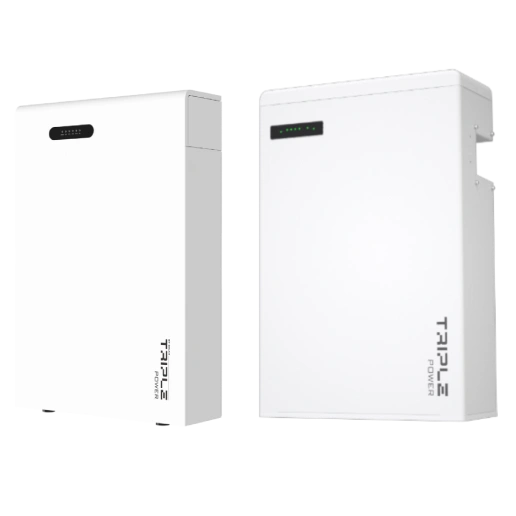
Your inverter’s power rating (kW) is king during a blackout. A system with a 5kW output can be easily overloaded if you run a kettle (2.4kW) and toaster (1.5kW) while the fridge is cycling on (0.5kW). A robust system like the Solax PowerBank is designed with high continuous and peak power ratings, giving it the muscle to start demanding loads like air conditioners or pumps without tripping.
3. The All-Important “Black Start”
Here’s a scenario: a blackout occurs overnight, and your battery is completely drained by morning. The sun comes up, but your system stays dead. Why?
Many systems get into a technical deadlock. The solar inverter needs a grid signal to wake up, but the grid is down. The battery is asleep and can’t provide that signal.
This is where an automatic black start capability is essential. A smart system like a Solax will intelligently reserve a tiny amount of energy. In the morning, it uses this to wake itself up, form a microgrid, and provide the signal your solar inverter needs to start producing power and recharging the battery. Without this, your multi-day blackout protection could be dead after just one night.
Key Takeaway: A reliable system requires careful planning around what you’ll back up, ensuring enough power (kW) to run appliances, and having an automatic “black start” to recharge after the battery drains.
FAQ
Table of Contents
Last News
Explore expert insights, practical guides, and the latest news on SolaX Power.

To the Latest Newsletter
Stay Ahead with the Latest SolaX Updates!
Sign up
I have read and agree to Privacy Policy and User Terms