
















December 22, 2025
AC Coupling vs DC Coupling: Which Is Right for Your Solar Battery?
Share my #SolaXStory


You’ve decided to add a battery to your solar system. It’s a smart move, a ticket to slashing your power bills and gaining energy independence. But now you’re facing a confusing technical choice that will determine how much money you actually save: AC coupling or DC coupling?
Think of it like choosing a route for your daily commute. One route is a series of winding back roads with multiple traffic lights (AC coupling), while the other is a direct, efficient highway (DC coupling). Both get you there, but one wastes a lot more time and fuel along the way.
This guide will give you the straight-line highway map. We’ll skip the jargon and show you how this single decision impacts your system's efficiency, cost, and long-term savings, helping you choose the right path for your home.
"This isn't just a technical detail—it's the difference between wasting your solar energy and using every last drop to save money."
The Two Paths for Your Solar Energy
Before we compare the two paths, here’s the one simple concept you need to grasp. Your home's electricity system is a multi-lingual environment.
- Solar Panels generate Direct Current (DC) power.
- Your Home & Appliances use Alternating Current (AC) power.
- Your Battery must store energy as DC power.
The job of an inverter is to act as a translator, converting power between DC and AC. The difference between AC coupling vs DC coupling is all about how many times your precious solar energy has to be translated, and how much gets lost in translation.
Path 1: The Add-On Solution (AC Coupling)
AC coupling is the classic way to add a battery to a home that already has solar panels. It involves installing a second, separate AC coupled inverter alongside your existing solar inverter. They work in parallel, like two separate systems sharing the same switchboard.
This is often called a "retrofit" because it bolts a new component onto your current setup. Your original solar inverter keeps managing the panels, and the new battery inverter manages charging and discharging the battery.
The Appeal: Simplicity and Flexibility
For homeowners with a relatively new solar system, AC coupling seems like the path of least resistance.
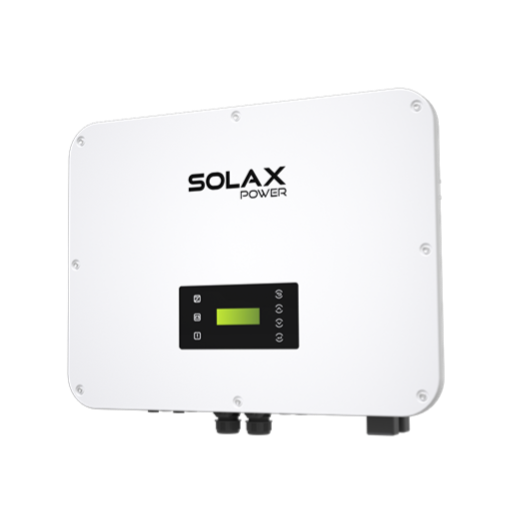
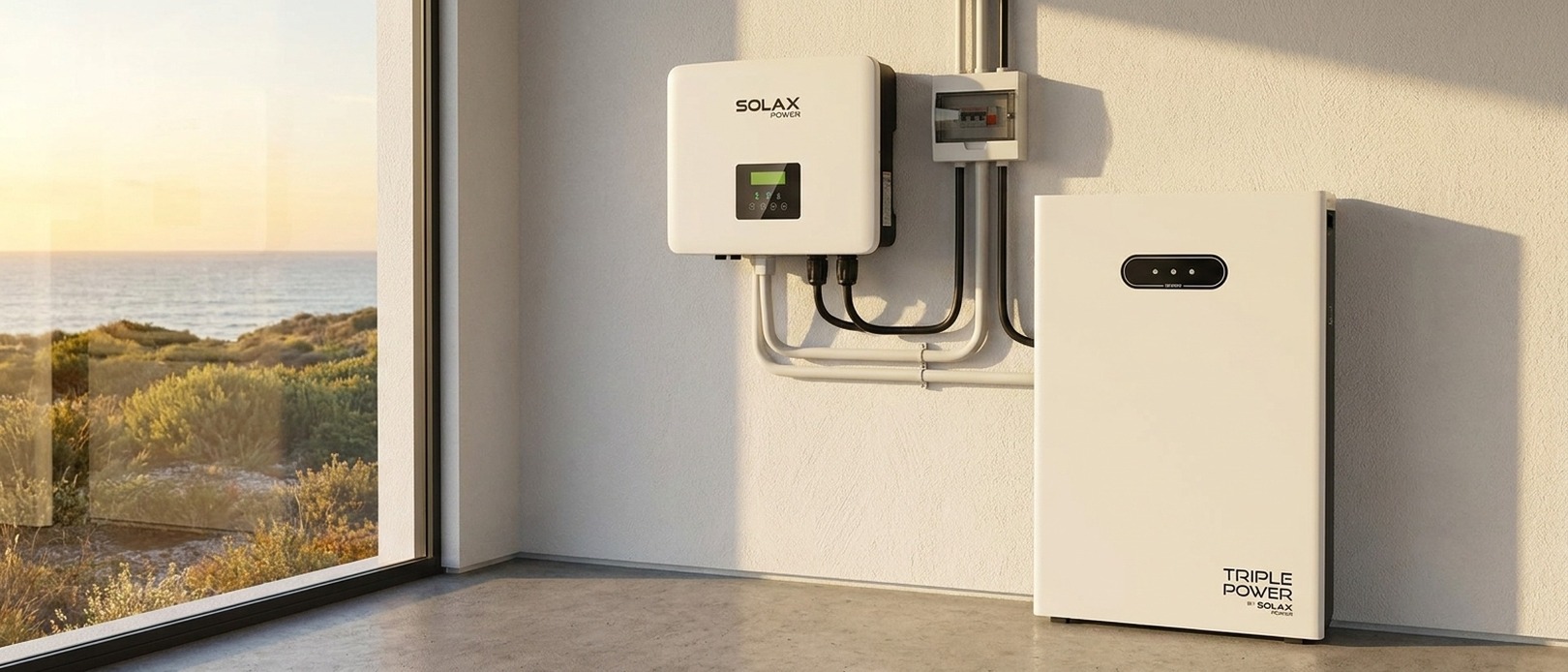
- ✓ Keep Your Current Inverter: You don't have to touch the solar inverter you already paid for, preserving your initial investment and its warranty. However, consider the drawbacks of staying with a standard unit like the X1-BOOST G4 String Inverter, especially for battery efficiency.
- ✓ Choose Any Battery: You have the flexibility to pair almost any brand of AC-coupled battery with any brand of solar inverter.
The Hidden Costs: Efficiency Loss and Grid Headaches
While it seems easy, the AC-coupled path has some serious drawbacks, especially in Australia's highly regulated grid environment.
- ✗ The "Triple Conversion Penalty": This is the biggest issue. Your free solar energy has to take a winding, inefficient route to your battery.
- DC → AC: Solar panels (DC) send power to your solar inverter, which converts it to AC. (~3% energy loss)
- AC → DC: The battery inverter takes that AC power and converts it back to DC for storage. (~5% energy loss)
- DC → AC: When you use the battery at night, it converts the power back again to AC for your home. (~5% energy loss)
- ✗ Grid Compliance Issues: In many parts of Australia, network operators have rules about how much power you can send to the grid. While they often allow a total inverter capacity of 10kW or more, they will require the system to be 'export limited'—usually to 5kW. Adding a second 5kW battery inverter to your existing 5kW solar inverter can complicate this process and may require a more detailed 'negotiated' connection application, which can add delays and costs.
Path 2: The Integrated Highway (DC Coupling)
A DC-coupled system is the modern, streamlined approach. It uses a single, smart hybrid inverter that acts as the central brain for your entire energy system—panels, battery, home, and the grid.
This is the standard for all new solar-and-battery installations because it's simply a smarter design. The panels and the battery both connect directly to the hybrid inverter on the DC side, creating a direct highway for your solar energy.
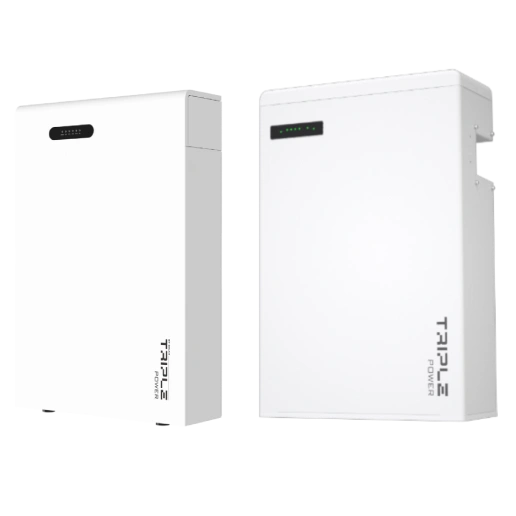
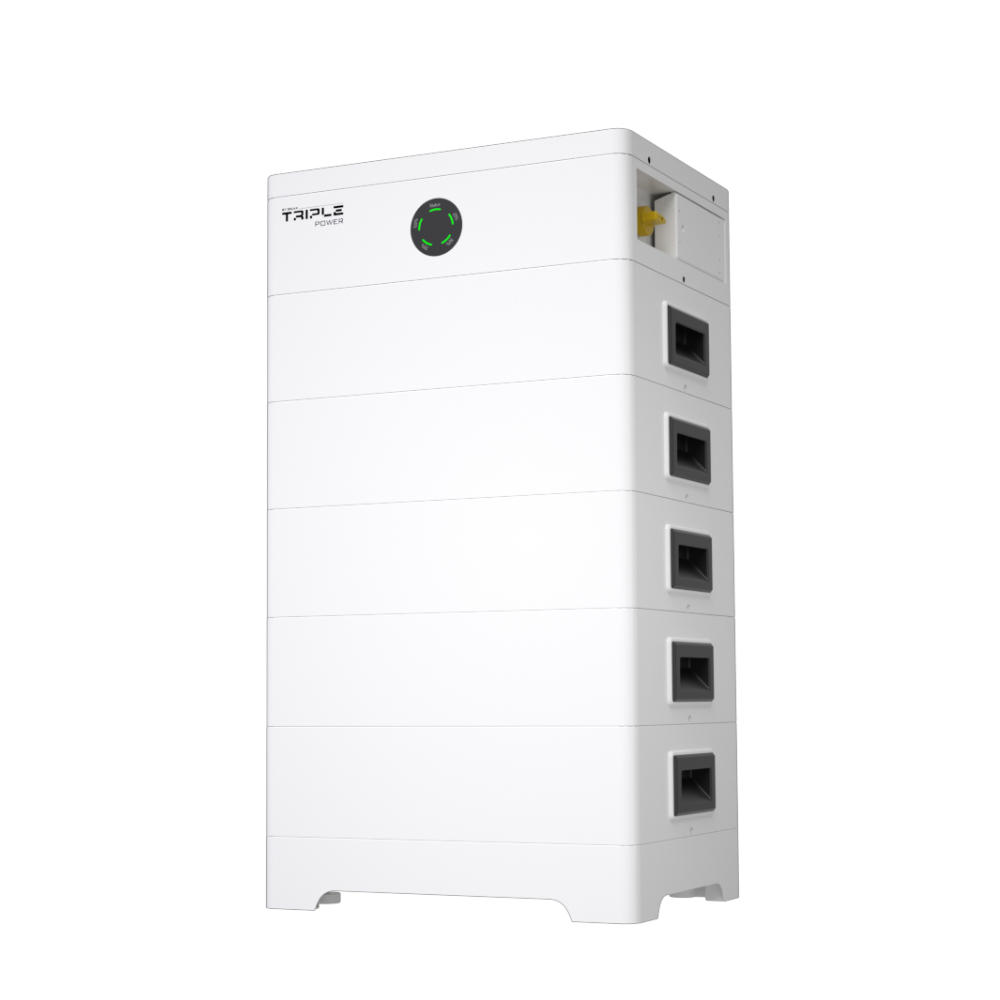
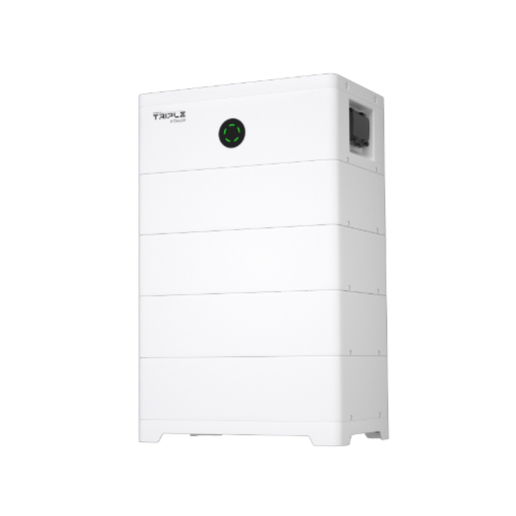
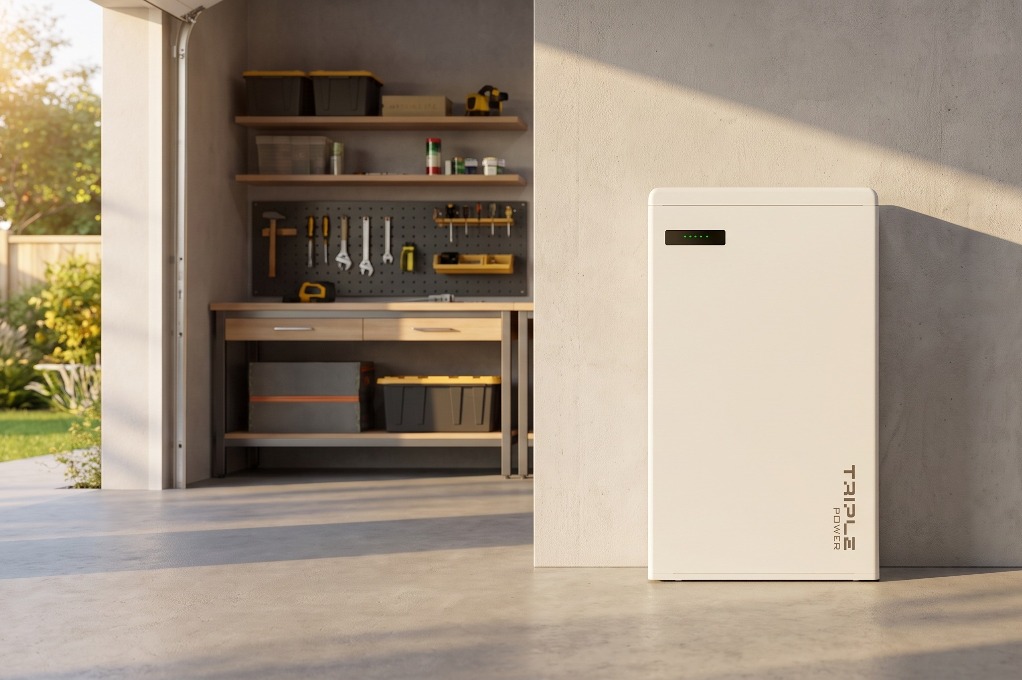
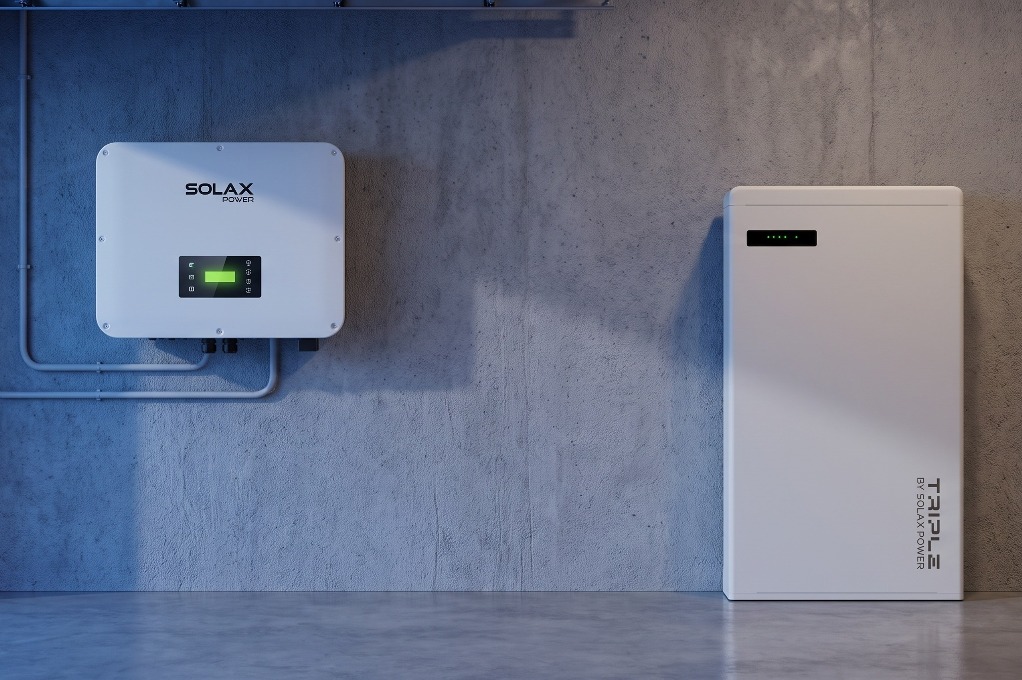
When your panels generate DC power, the hybrid inverter can send it straight to the battery for storage (a single, highly efficient DC-to-DC step, facilitated by systems like our Triple Power T-BAT HS Battery) or convert it to AC for your home. There are no unnecessary conversions.
The Unbeatable Advantage: Maximum Power, Maximum Savings
The direct path of a DC-coupled system translates into superior efficiency and more money in your pocket.
✓ Highest Possible Efficiency: By eliminating the “triple conversion penalty,” a DC-coupled system achieves a system round-trip efficiency of 94-96%. You store and use virtually every watt of energy you generate.
✓ Capture Wasted Energy: Installers often oversize solar arrays (e.g., 6.6kW of panels on a 5kW inverter) to get more power in the morning and afternoon. On a sunny day, this can produce more DC power than a standard inverter can handle, and the excess is “clipped” or wasted.
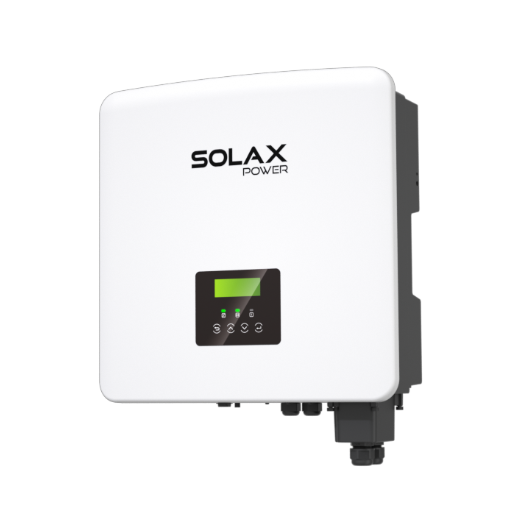
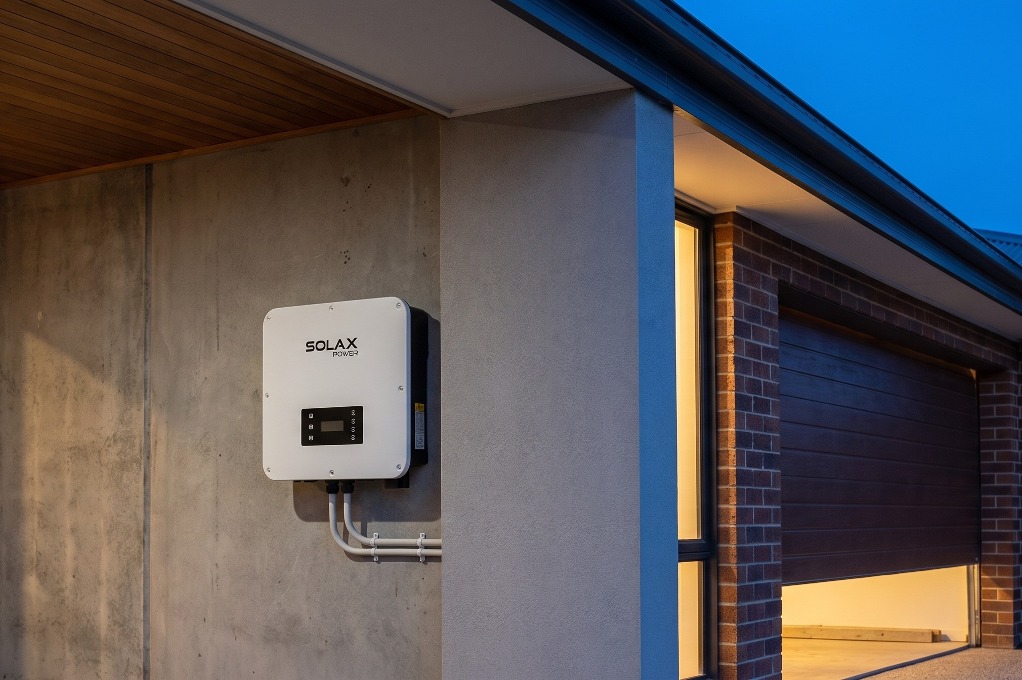
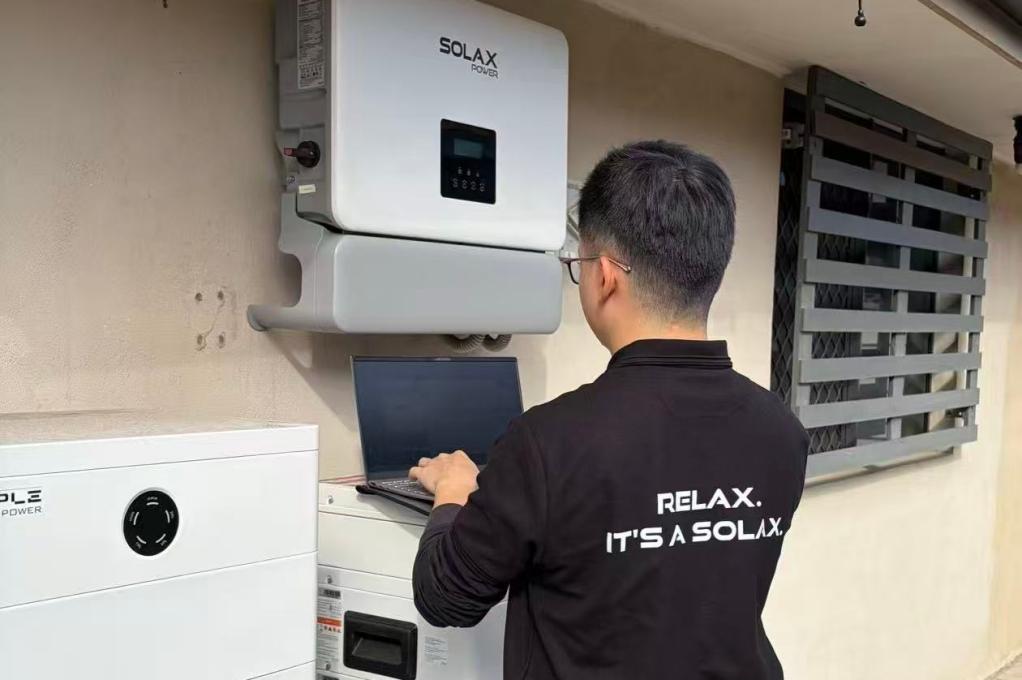
✓ Simpler and More Reliable: One smart inverter means one warranty, one monitoring app, and a cleaner installation. A system like our SolaX hybrid inverter is designed to work seamlessly, giving you reliable power and a single point of contact if you ever need support.
Key Takeaway: DC coupling is fundamentally more efficient. It captures energy other systems waste and puts it in your battery, leading to bigger savings on your power bills.
Head-to-Head: AC vs. DC Coupling at a Glance
Sometimes, a simple chart says it all. Here’s how the two approaches stack up on the factors that matter most.
The Final Verdict: Which System is Right For You?
The choice is simpler than you think. It boils down to your starting point.
If You Already Have Solar Panels…
An AC-coupled battery seems like the obvious choice, but you need to weigh the pros and cons carefully. It makes sense if your solar inverter is only 1-3 years old and you don’t want to replace it yet.
⚠️ Warning: Before you commit, check your local grid rules on “Total Inverter Capacity.” More importantly, remember that most inverters have a 10-12 year lifespan. If yours is over 5 years old, you’ll likely have to replace it in a few years anyway. Attaching a brand new battery to an aging inverter is often a poor long-term investment.
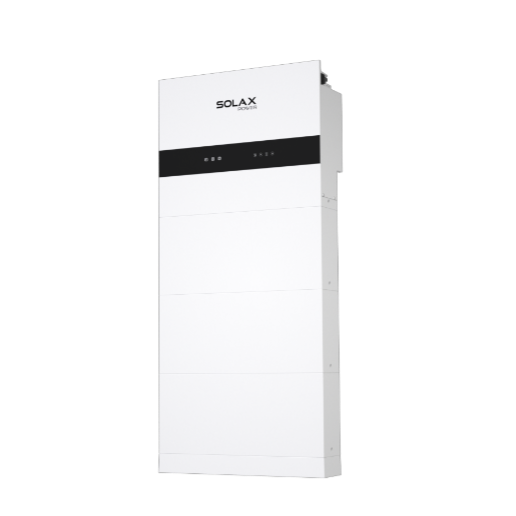
For many, replacing the old inverter with a modern SolaX Hybrid Inverter is the smarter financial move. You get a fresh 10-year warranty on the most important part of your system, maximum efficiency, and guaranteed grid compliance.
If You’re Starting Fresh…
This is an easy one. A DC-coupled system is the undisputed champion. It is the most efficient, reliable, and future-proof solution on the market.
Choosing an integrated hybrid inverter like the Solax ensures you get the absolute most from your investment. You’ll save more money every day by storing more of your free solar power, enjoy superior performance during blackouts, and have a simpler, more elegant system that’s ready for the future of home energy.
FAQ
Table of Contents
Last News
Explore expert insights, practical guides, and the latest news on SolaX Power.



To the Latest Newsletter
Stay Ahead with the Latest SolaX Updates!
Sign up
I have read and agree to Privacy Policy and User Terms