
















March 09, 2026
Case Study- A SolaX Home Battery Installation in Western Sydney
Share my #SolaXStory


That feeling when the summer sun is beating down on your Western Sydney home is unmistakable. The air conditioner is working overtime, and in the back of your mind, you can almost hear the numbers on your electricity meter spinning. You’re facing the Western Sydney energy paradox: the moment you need the most power is when it costs the most and strains the grid to its breaking point.
What if you could run that air con guilt-free, powered by the very sun that’s causing the heatwave? What if a suburb-wide blackout became a non-event, with your lights, fridge, and Wi-Fi staying on seamlessly? This isn’t a future fantasy; it’s the reality for homeowners who get a smart solar and battery setup.
This guide cuts through the noise. We’ll show you why the unique challenges of our region—from the "heat bowl" effect to specific housing types—demand a specialised solution. You'll learn exactly how a SolaX Home Battery Installation Western Sydney is engineered to thrive here, how it pays for itself faster than you think, and what a professional installation actually looks like.
"A battery isn't just about saving money; it's about gaining energy freedom when you need it most."
Why Western Sydney Needs a Tougher Solar Battery
Installing a solar battery in Penrith or Parramatta isn't the same as installing one in Bondi. Our local climate, housing, and grid infrastructure create a unique set of hurdles that can cripple a standard battery system. Understanding these challenges is the first step to choosing a system that will actually perform when you need it.
Taming the "Heat Bowl" Effect
Western Sydney is a "heat bowl," increasingly recording temperatures over 40°C. This extreme heat is the enemy of battery performance. Most Lithium Iron Phosphate (LiFePO4) batteries have an optimal operating temperature of 15°C to 35°C.
When the mercury climbs higher, a battery’s internal protection system (the BMS) kicks in and throttles its power. This is called "thermal derating," and it creates a cruel paradox: on the hottest days when you need maximum power for your air con, your battery is forced to slow down to protect itself.
⚠️ Warning: A battery installed on a sun-drenched west-facing wall or in a hot, unventilated garage is at high risk of underperforming right when you need it most. This can also impact its warranty.
The Brick Veneer Compliance Hurdle
The vast majority of homes in Western Sydney are brick veneer. While great for insulation, they present a specific safety challenge for battery installations. At the base of these walls are "weep holes" designed to let moisture escape from the internal timber frame.
Australian safety standard AS/NZS 5139:2019 is interpreted to prohibit installing a battery within 600mm of these openings. This is to prevent the infinitesimally small risk of flammable gases entering the wall cavity during a major fault. A non-compliant installation could void your home insurance. A professional CEC approved solar battery installer will use a fire-rated back-sheet or a free-standing frame to ensure your installation is 100% safe and compliant.
Working with the Endeavour Energy Grid
In some high-growth areas of Western Sydney, the local network operator, Endeavour Energy, can place 'static zero export' limits on new solar systems. This means you’re forbidden from sending your excess solar energy back to the grid for a credit.
This policy makes a solar-only system far less valuable. All that free energy your panels generate during the day has nowhere to go. This is where a SolaX solar battery becomes essential—it captures that energy so you can use it yourself in the evening, instead of just letting it go to waste.
Key Takeaway: The combination of extreme heat, specific building codes for brick veneer homes, and local grid restrictions means you need a battery system and an installer who understands the Western Sydney landscape.
SolaX: Engineered for the Western Sydney Challenge
While these challenges are significant, the SolaX system is uniquely equipped to handle them. Its combination of advanced technology, future-proof scalability, and seamless software integration makes it the smart choice for local homeowners.
The High-Voltage Advantage
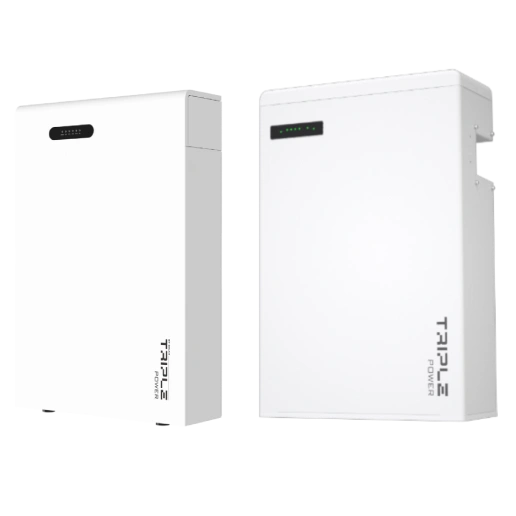
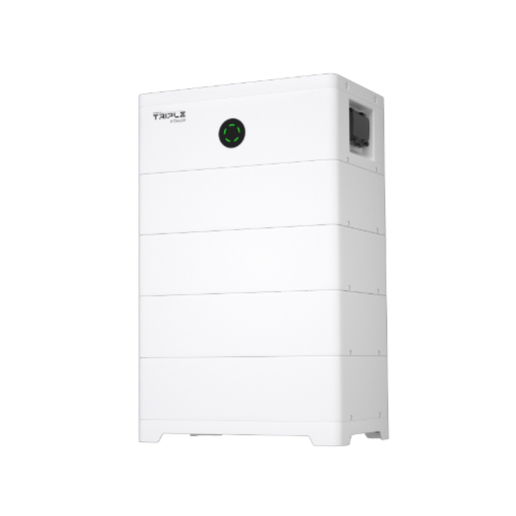
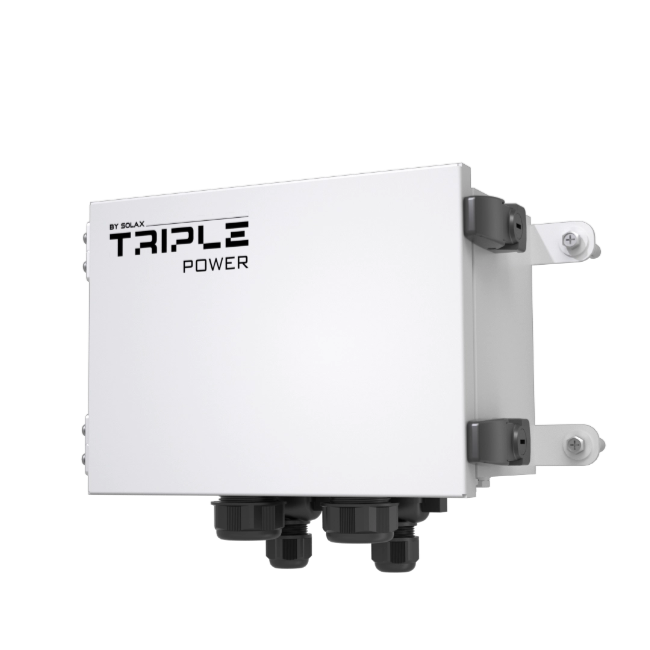
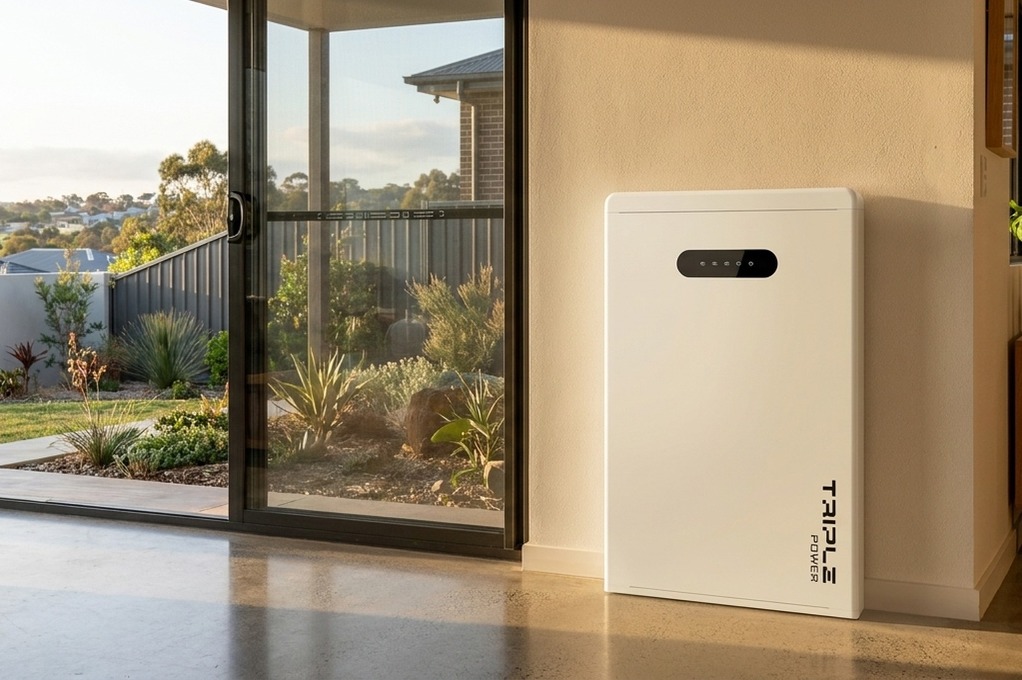
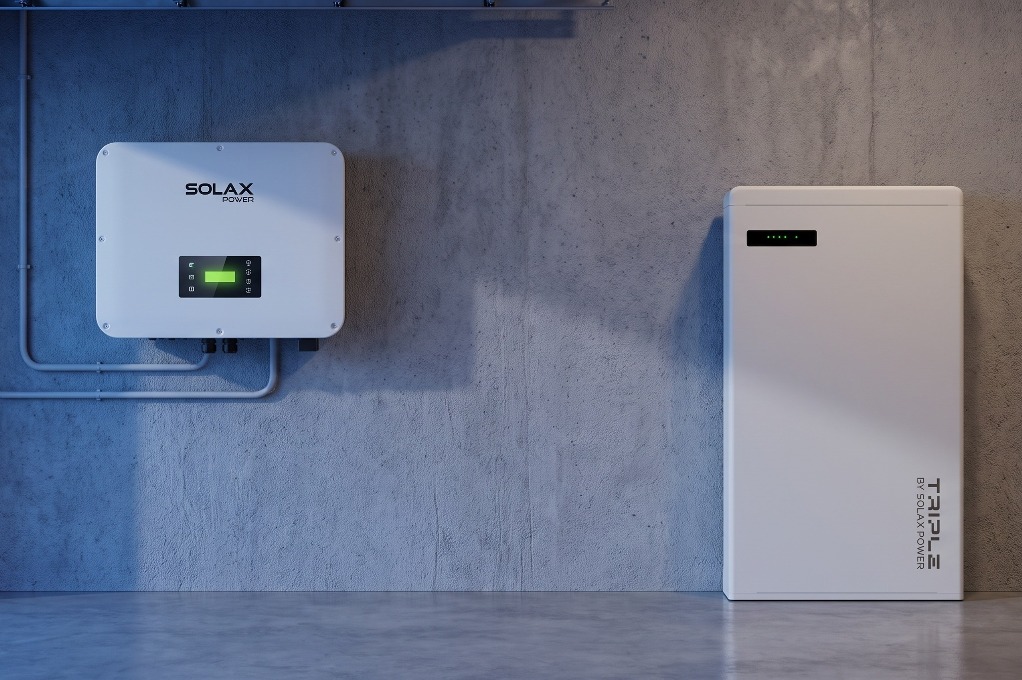
The SolaX Triple Power T-BAT H 5.8 is a high-voltage (HV) battery. Without getting too technical, HV systems are more efficient than older low-voltage models. They can deliver the same amount of power with less current, which means less energy is lost as waste heat.
For you, this means more of the solar power stored in your battery actually makes it to your appliances. It’s a small but critical technical detail that adds up to real savings over the life of the system.
A Battery That Grows With Your Family
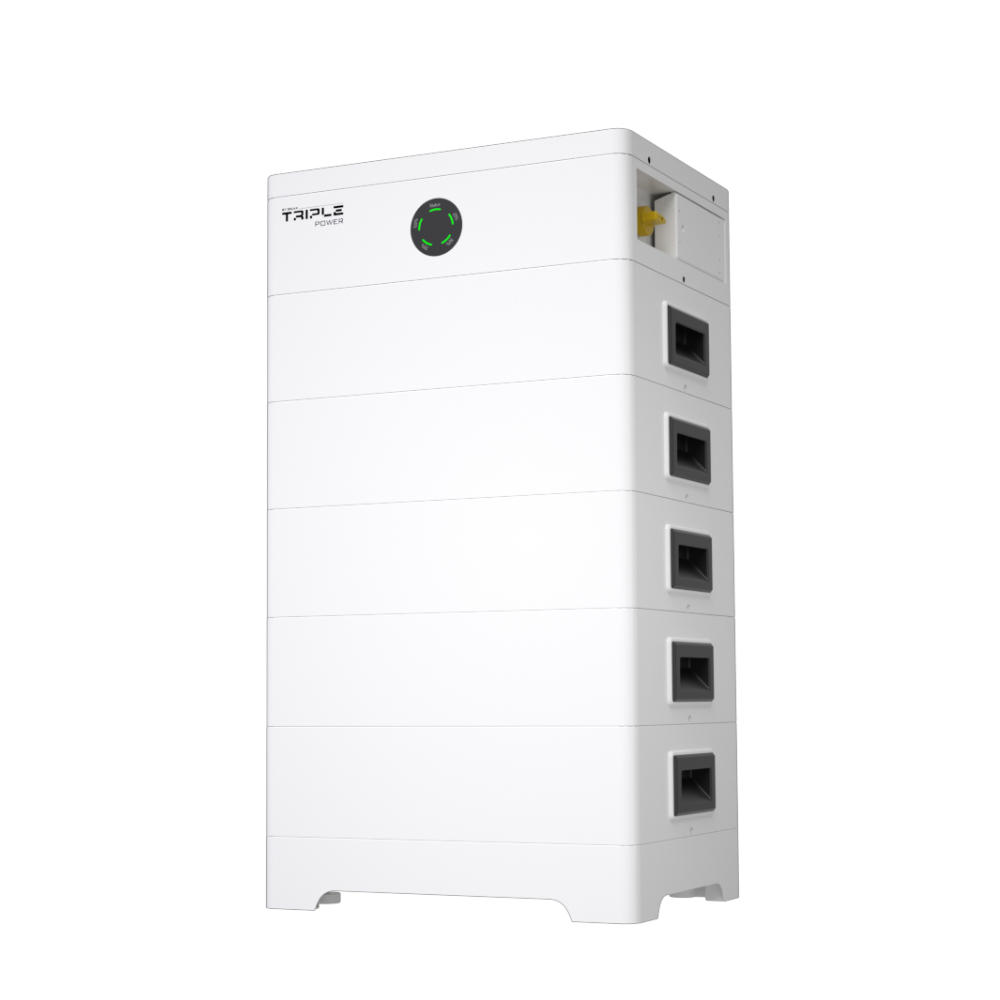
Your energy needs today might not be your needs in five years. You might buy an electric vehicle, add a pool, or have a growing family. The SolaX Triple Power system is modular, allowing you to start with the storage you need now and easily add more later.
The system scales from one 5.8kWh module up to four, giving you over 20kWh of usable storage.
This makes a SolaX system a long-term investment that adapts to your life, not a static appliance you'll outgrow.
Unlocking Maximum Savings with VPPs
To access the most lucrative government rebates, your battery needs to be connected to a Virtual Power Plant (VPP). A VPP is a network of home batteries that work together to help stabilise the grid. SolaX has established compatibility with major Australian VPP providers, though support varies.
This proven compatibility is a key advantage. It ensures you can easily join a VPP, secure NSW government rebates, and earn extra credits on your bill.
Key Takeaway: SolaX's efficient high-voltage design, modular scalability, and excellent VPP compatibility make it a technically superior and financially smart choice for Western Sydney homes.
Your SolaX Installation, Step by Step
A professional SolaX Home Battery Installation Western Sydney is a precise, carefully managed process designed for safety, compliance, and peak performance. Here’s what you can expect.
Site Assessment and System Design
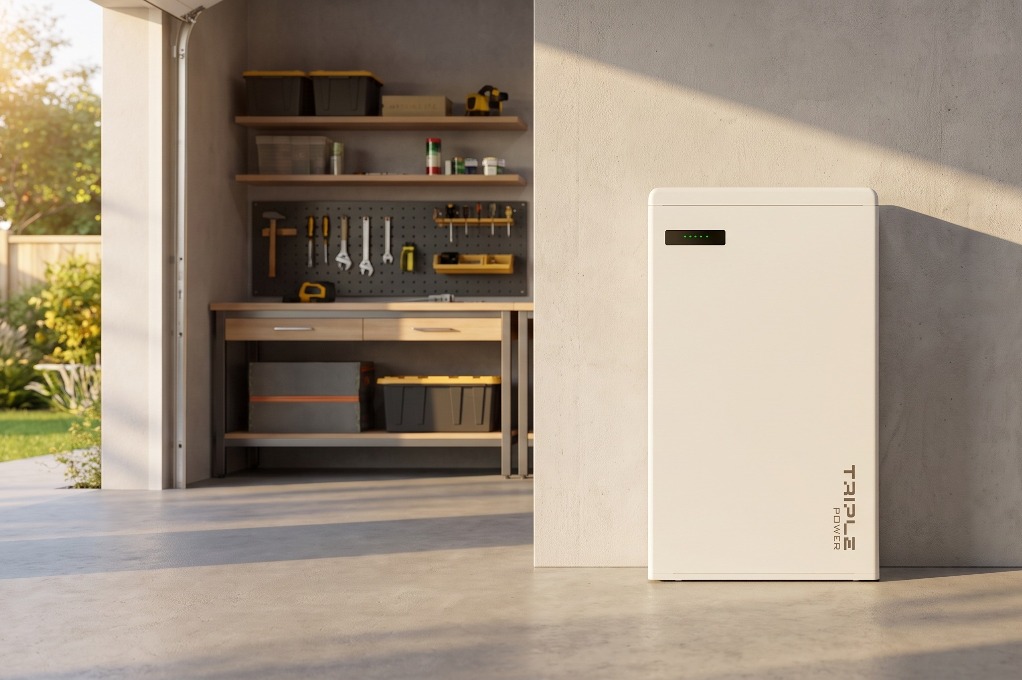
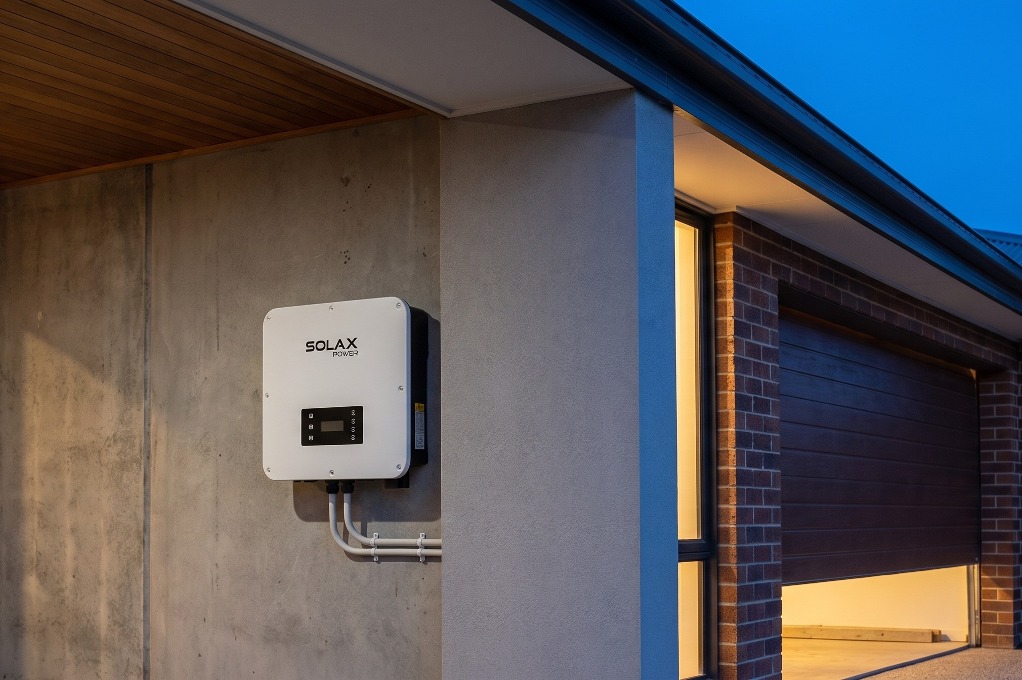
The process starts with a detailed evaluation of your home. An expert will analyse your energy bills, assess your roof's solar potential, and identify the best location for the battery—typically a cool, shaded spot on a south-facing wall or inside a garage to avoid the "heat bowl" effect.Safe & Compliant Installation
This is non-negotiable. Your installer will adhere strictly to all safety standards, especially AS/NZS 5139.
✓ The battery will be located away from habitable rooms and escape routes.
✓ Fire-rated backing boards will be used to manage the brick veneer "weep hole" issue correctly.
✓ All electrical work will be performed to the highest standard by a licensed electrician.Grid Connection, Commissioning & Handover
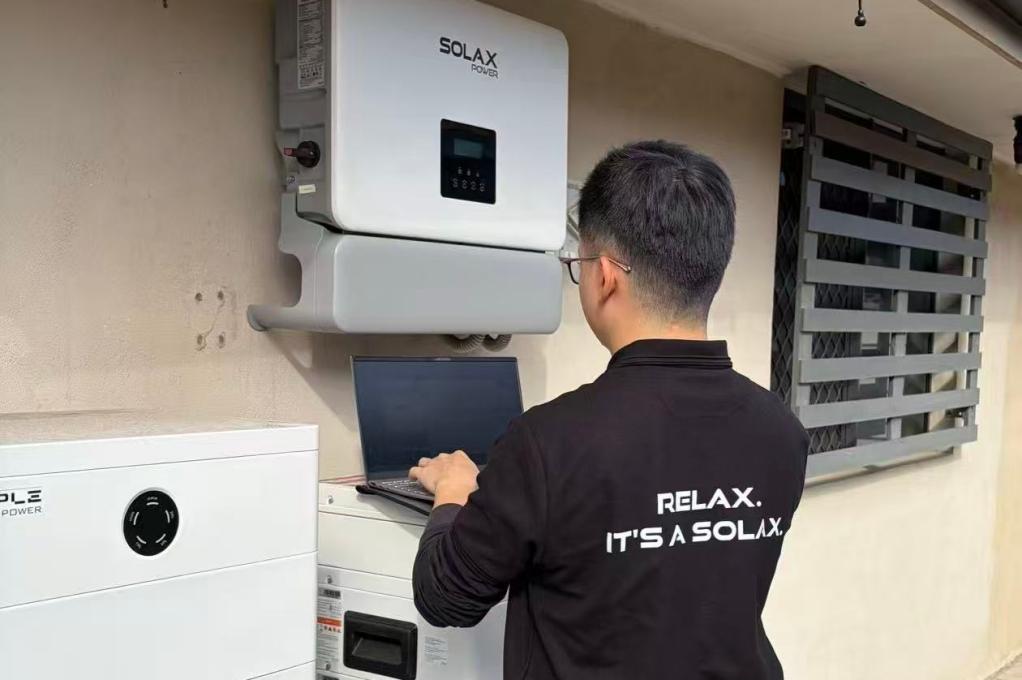
Once installed, the installer handles all the paperwork to connect your system to the Endeavour Energy grid and register it on the AEMO DER Register (this is essential for rebates). They will then commission the system, connect it to your Wi-Fi, and give you a full tutorial on the SolaX monitoring app so you can watch your savings grow in real-time.
Key Takeaway: A quality installation is a seamless process where the installer manages the technical, safety, and administrative details to deliver a perfectly performing system.
Making the Numbers Work: Rebates, VPPs, and Your Payback Period
A SolaX battery system is a significant investment, but a combination of government incentives and bill savings makes the financial case compelling.
Stacking Your Savings: Federal & NSW Rebates
You can "stack" two major government incentives to significantly reduce the upfront cost:
The Federal Rebate (STCs): The Small-scale Renewable Energy Scheme provides a point-of-sale discount on your battery. Your installer handles this and simply takes the amount off your invoice. - AUS GOV Cheaper Home Batteries Program
The NSW Rebate (PDRS): The Peak Demand Reduction Scheme rewards you for connecting your battery to a VPP. This incentive, often worth around $400-$700 for a standard system, is paid out via your VPP provider. - NSW GOV Peak Demand Reduction Scheme
Real Results: A Penrith Family's Story
Consider a family of four in a typical Penrith brick veneer home. They were struggling with high summer power bills and worried about blackouts.
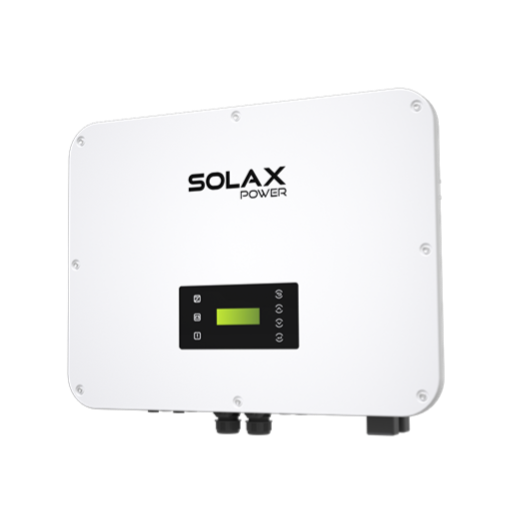
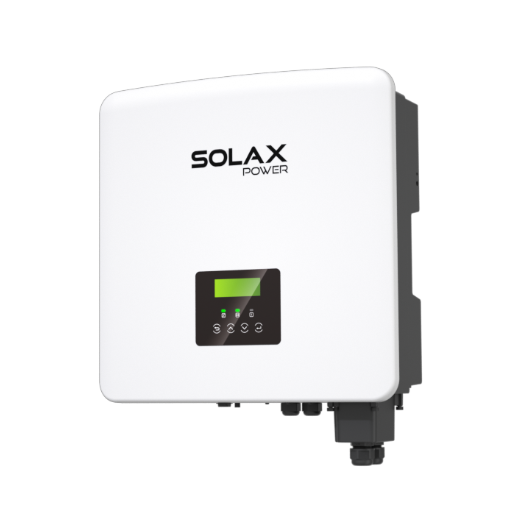
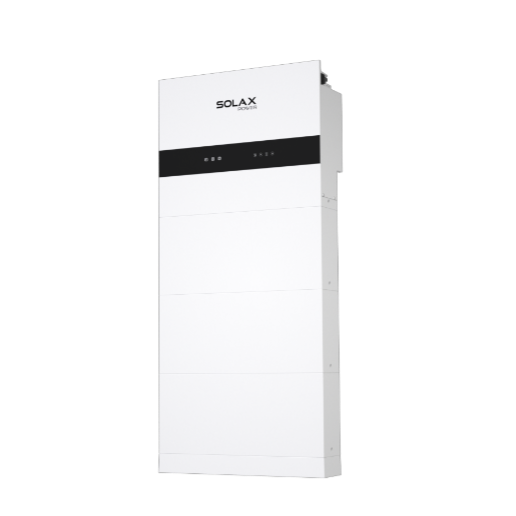
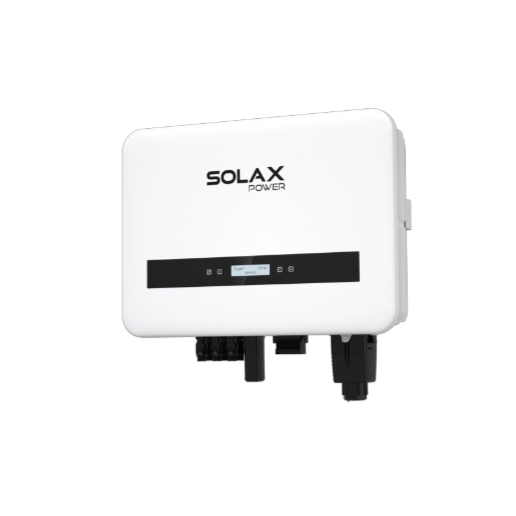
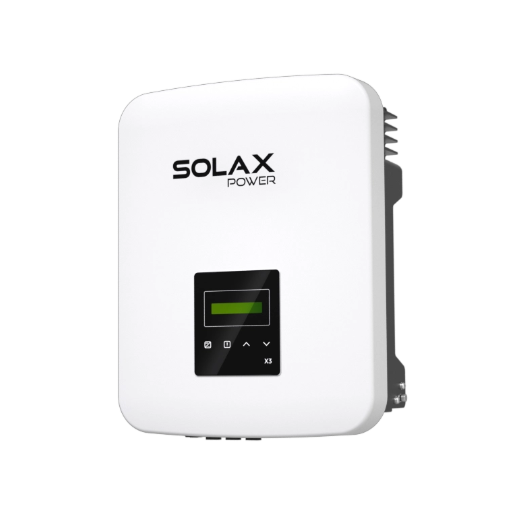
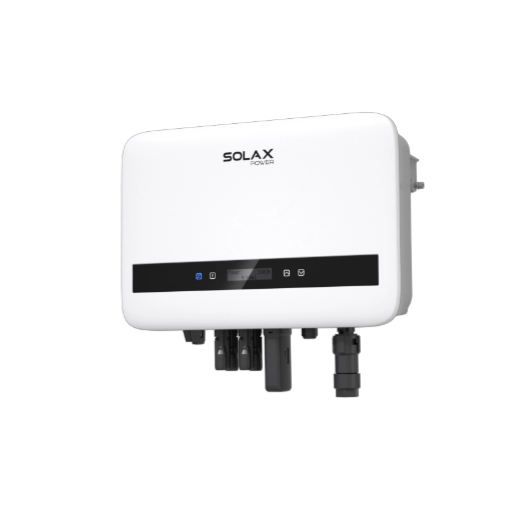
The Solution: They installed a 6.6kW solar system with a SolaX X1-Hybrid inverter and an 11.5kWh SolaX battery system. The installer mounted it on a fire-rated board on the shaded garage wall and connected them to the Origin Loop VPP.
The Results:
✓ 80%+ Bill Reduction: In the first year, their electricity bills dropped by over 80%. The battery effortlessly powered their home and air conditioner through the evening peak.
✓ Blackout Proof: During a summer storm, the grid went down. Their backup power kicked in instantly, keeping the fridge, lights, and internet running without a flicker.
✓ Peace of Mind: They gained not just financial savings, but complete energy security.
With stacked rebates and daily savings, a typical Western Sydney household can expect a payback period of 6-9 years. After that, the solar energy you store and use is effectively free.
Key Takeaway: Combining federal and NSW rebates with daily bill savings and VPP credits provides a strong return on investment, making a SolaX battery a smart financial decision.
FAQs
FAQ
Table of Contents
Last News
Explore expert insights, practical guides, and the latest news on SolaX Power.

To the Latest Newsletter
Stay Ahead with the Latest SolaX Updates!
Sign up
I have read and agree to Privacy Policy and User Terms