















March 09, 2026
Queensland Solar Rebates 2026: What's Available for Homes and Businesses
Share my #SolaXStory


If you’re considering solar in Queensland, there’s one date you need to circle on your calendar: May 1st, 2026. This is the deadline before the federal government significantly reduces the rebate for home batteries, a change that could cost you hundreds of dollars.
Navigating solar incentives can feel like decoding a puzzle. You hear about federal schemes, state programs, and grants, but getting a straight answer on what applies to you is tough. This guide changes that. We'll cut through the jargon and show you exactly where the savings are for homes, rental properties, and businesses.
Think of this as your roadmap to making a smart investment. We’ll cover the rebates that put money back in your pocket, the deadlines you can’t afford to miss, and the local Queensland rules that affect your final bill.
"The single biggest factor in your solar savings for 2026 is acting before the May 1st battery rebate change."
The Two Federal Rebates Every Queenslander Should Know
While state programs offer targeted help, the biggest upfront savings on solar and batteries come from two federal government schemes. These are available to everyone in Queensland and make a huge difference to the initial cost.
1. The SRES: Your Upfront Discount on Solar Panels
The Small-scale Renewable Energy Scheme (SRES) is the main reason solar panels are so affordable in Australia. It’s not a cash-back offer; it’s a powerful point-of-sale discount.
Here’s how it works: for every megawatt-hour of renewable energy your system is expected to produce over a set period (the "deeming period"), you get a certain number of Small-scale Technology Certificates (STCs). Your solar installer claims these STCs on your behalf and applies their value as a massive discount directly on your invoice.
⚠️ Warning: The SRES discount shrinks every single year. The program is being phased out, and on January 1st of each year, the deeming period shortens, reducing the number of STCs your system is eligible for. A system installed today gets a bigger discount than the same one installed next year.
The table below shows how quickly this subsidy is declining.
2. The Cheaper Home Batteries Program (And Its Urgent Deadline)
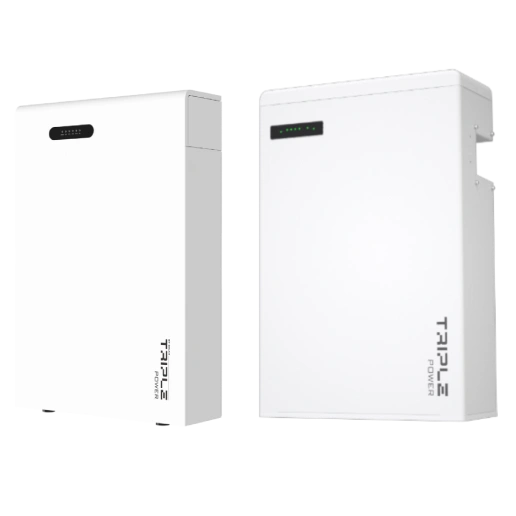
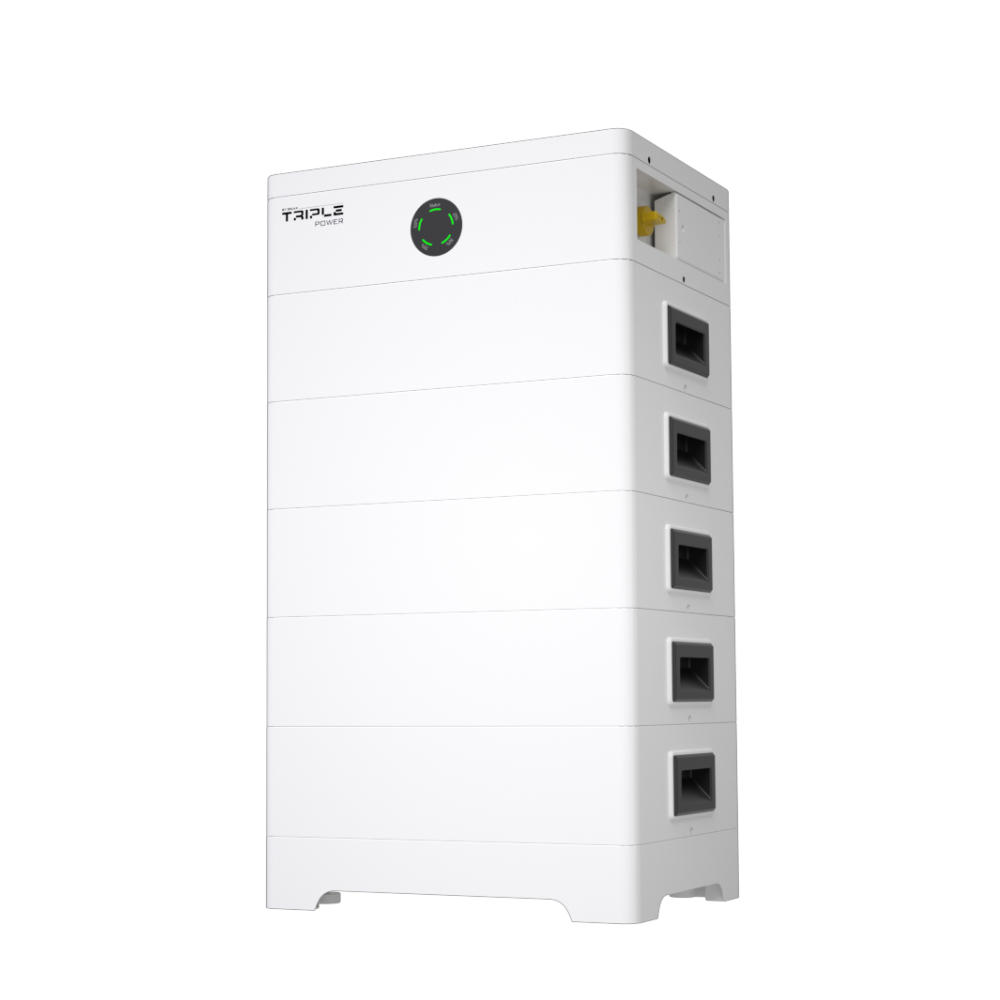
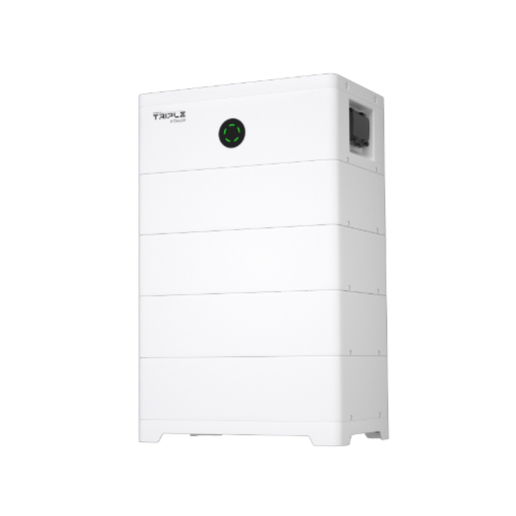
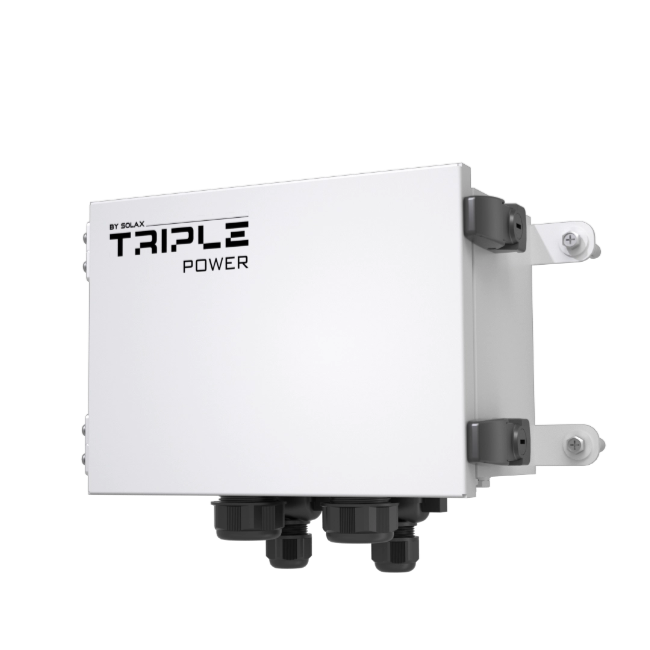
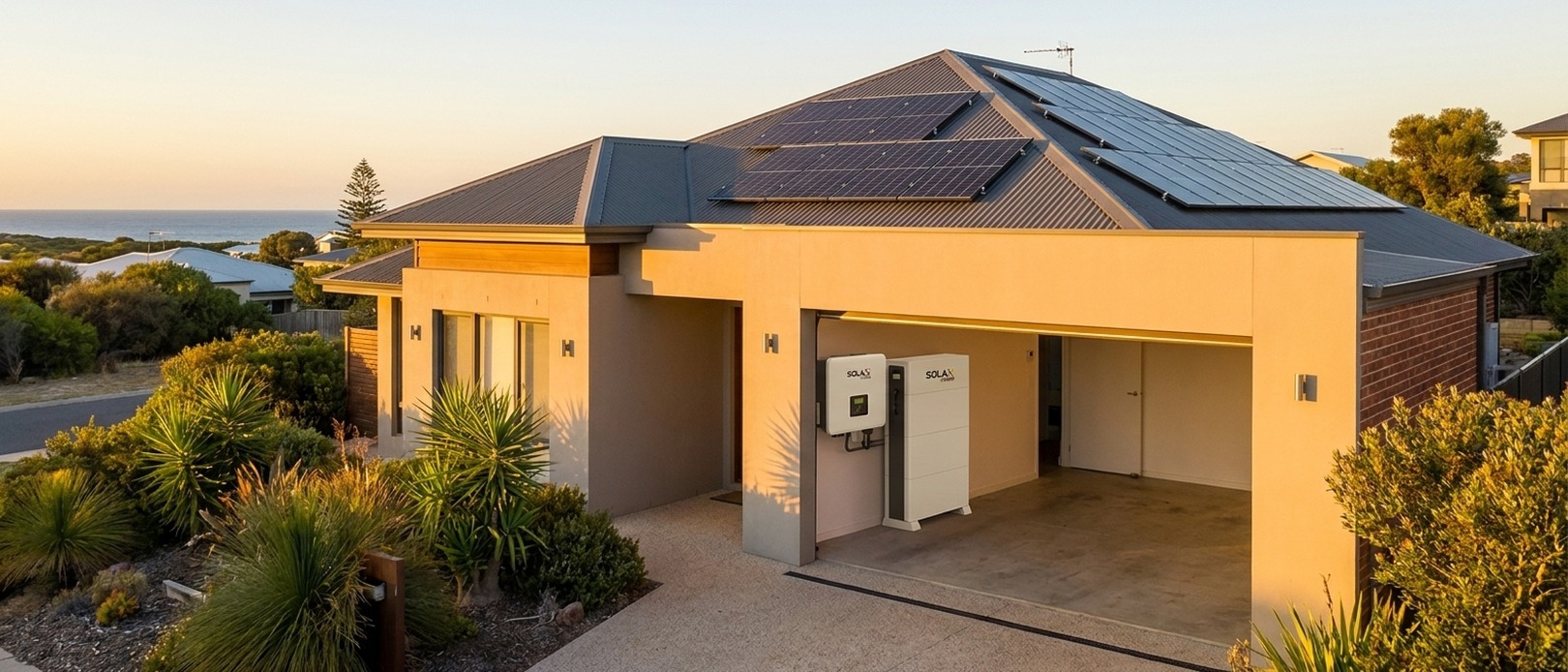
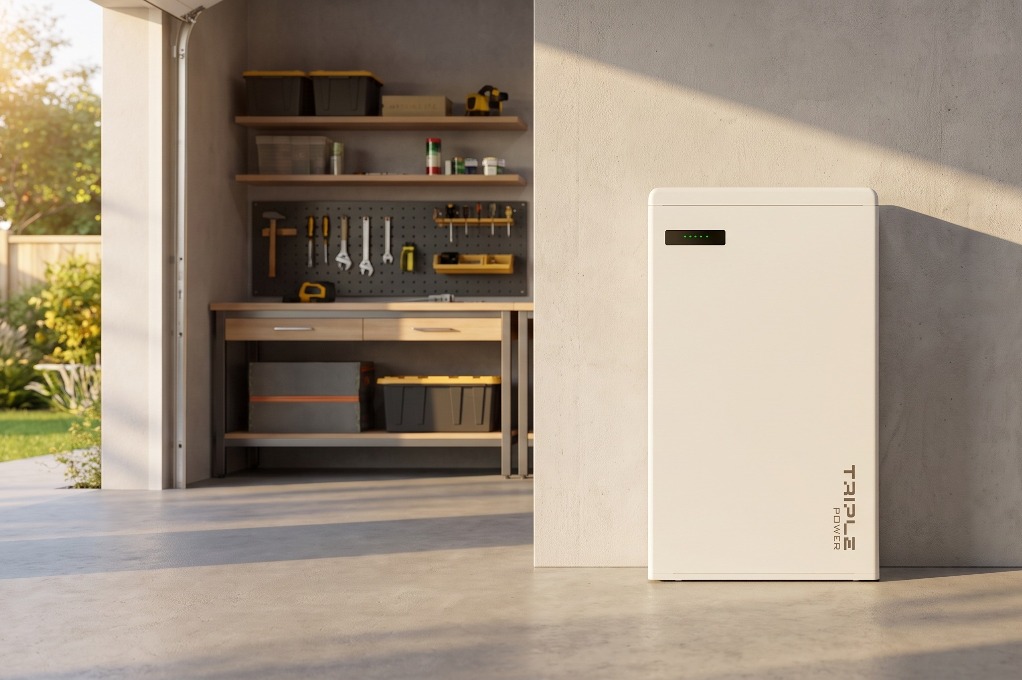
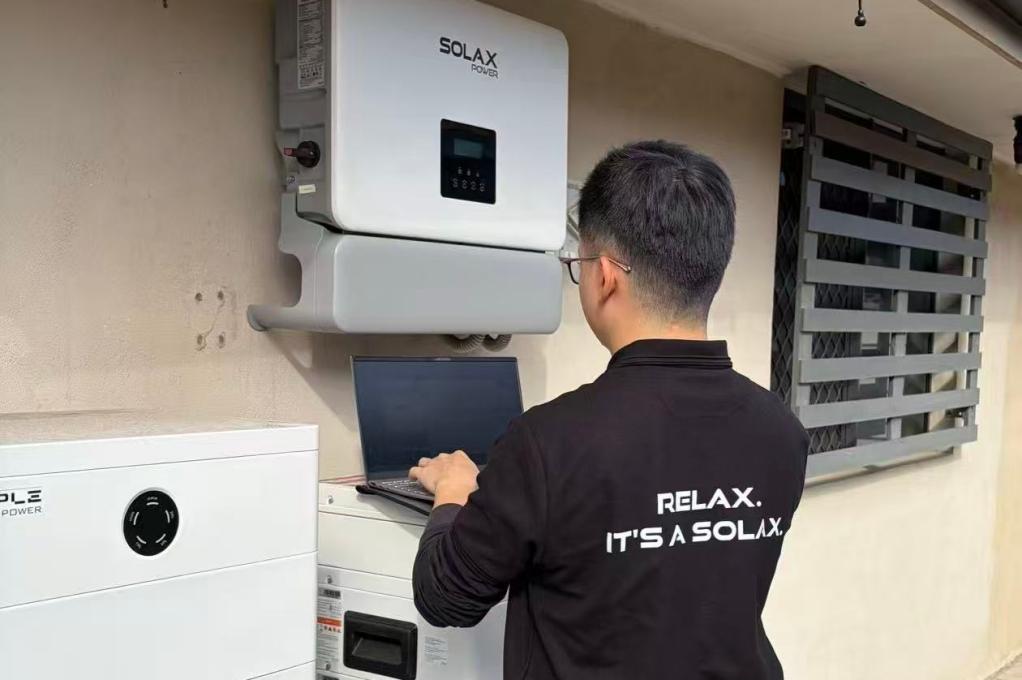
The second federal program provides an upfront discount on home batteries. This is crucial because with low solar export tariffs, storing your own energy in a Solax Triple Power Battery is now the smartest way to slash your bills.
The rebate structure changed on May 1st 2026, and the amount you can claim has dropped. Under the current rules, you'll recieve approximately $243 per kWh, down from the $302 per kWh rate available before that date. For a common 13.5kWh battery, that's a real difference of nearly $800 compared to the old rate. The rebate is scheduled to step down further at future six-monthly reviews, so there's still a case for acting sooner rather than later.
Key Takeaway: The federal government provides two of the biggest solar discounts: the SRES for panels (which shrinks annually) and a battery rebate, which already dropped on May 1st 2026, and will keep stepping down over time.
Solar Rebates for Queensland Homes and Landlords
While the now-closed QLD Battery Booster program is gone, the state government still has targeted incentives to help specific households.
For Landlords & Renters: The Supercharged Solar Program
Launched in late 2025, the Supercharged Solar for Renters program is a win-win for landlords and tenants. It provides an upfront rebate of up to $3,500 for eligible landlords to install solar on their investment property.
This solves a major hurdle in the rental market. Landlords gain a valuable, subsidised asset that increases their property's appeal, while tenants can enjoy power bill savings of around $700 per year.
Eligibility Checklist:
The property must be rented for $1,000 per week or less.
It must be a detached house, townhouse, or duplex.
It has its own electricity meter and an active tenancy agreement.
It cannot have an existing solar system.
For Energy-Efficient Cooling: The PeakSmart A/C Rebate
This simple and effective program is now closed. It offered up to $400 cash back for installing a PeakSmart-enabled air conditioner.
This technology helps manage grid demand during heatwaves by allowing the network to slightly reduce your A/C’s power draw for short periods. You won't feel a difference in comfort, but you get a cash bonus for helping stabilise the grid.
Key Takeaway: The main state-based rebate for homes is the Supercharged Solar for Renters program. Homeowners can also access the PeakSmart A/C rebate for efficient cooling.
Unlocking Grants for Queensland Businesses
For businesses, solar is a direct path to lowering overheads. The Queensland government offers two powerful but very different programs. It's vital to know which one applies to you.
For Most SMEs: The QBEST Program
The Queensland Business Energy Saving and Transformation (QBEST) program is designed to help small-to-medium businesses improve their energy efficiency. It offers a 50% co-contribution up to $12,500 for eligible upgrades.
However, its focus is on reducing energy use, not generating it.
QBEST covers: Upgrading to LED lighting, installing energy-efficient refrigeration, or adding variable speed drives to motors.
QBEST does not cover: Solar panels or batteries, as these are already supported by federal schemes.
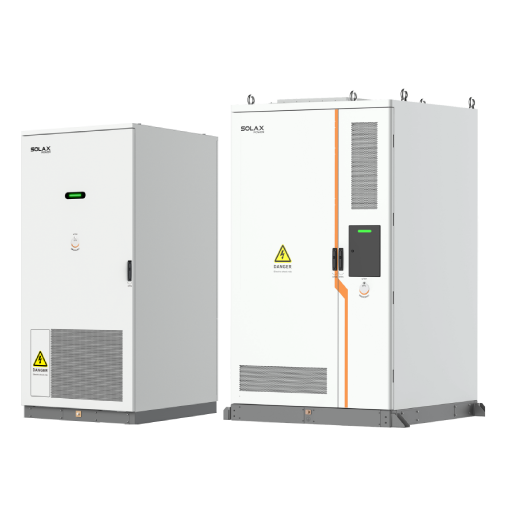
QBEST and solar work perfectly together. Use the grant to lower your base energy consumption, then install a commercial solar solution to power your new, efficient equipment for free.
For Manufacturers: The MEEG Program (A Game-Changer)
If your business is in the manufacturing sector, the Manufacturing Energy Efficiency Grant (MEEG) offers an incredible opportunity. The government will contribute 75% of the project cost, up to $50,000.
Crucially, the MEEG guidelines explicitly exclude solar panels and batteries as eligible equipment.
Key Takeaway: Businesses should target the right grant. QBEST helps most SMEs fund efficiency upgrades (not solar), while the powerful MEEG grant helps manufacturers fund solar and batteries directly.
The Queensland Reality: Grid Rules, Tariffs & Hidden Costs
A rebate is only part of the story. In a state as large as Queensland, local factors play a huge role in the performance and cost of your system.
Cyclone Ratings in North Queensland
If you live north of Bundaberg, your property is in a cyclonic wind region. All solar installations here legally require cyclone-rated mounting hardware. This isn't optional; it's a safety requirement that ensures your system is secure and your home insurance remains valid. This can add $500 to $800 to the total system cost, which any reputable local installer will include in your quote.
New Grid Rules & Export Limits
The old 5kW export limit is largely a thing of the past. Most new solar systems in Queensland are connected under "Dynamic Connection" agreements.
The Upside: Most of the time, you can export up to 10kW of solar power to the grid, double the old limit.
The Catch: During rare grid events (e.g., very sunny days with low overall demand), the network operator can remotely limit your export to 1.5kW or even zero.
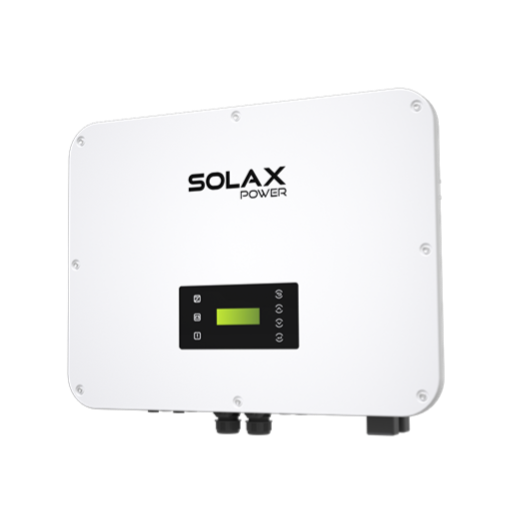
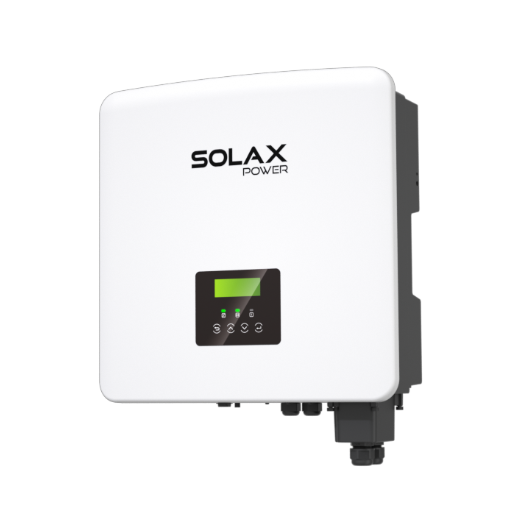
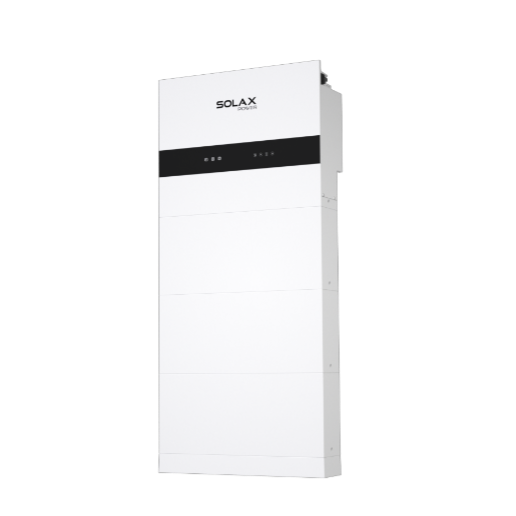
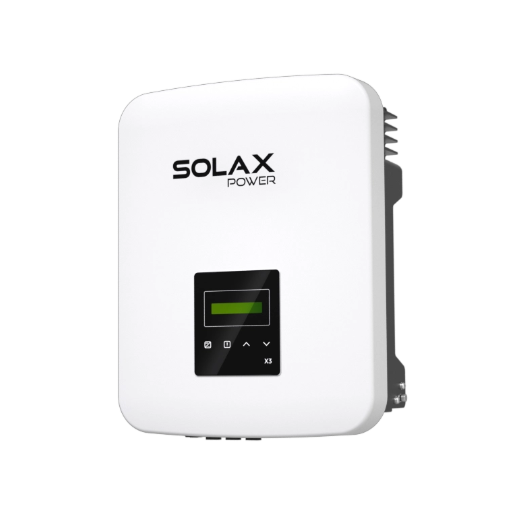
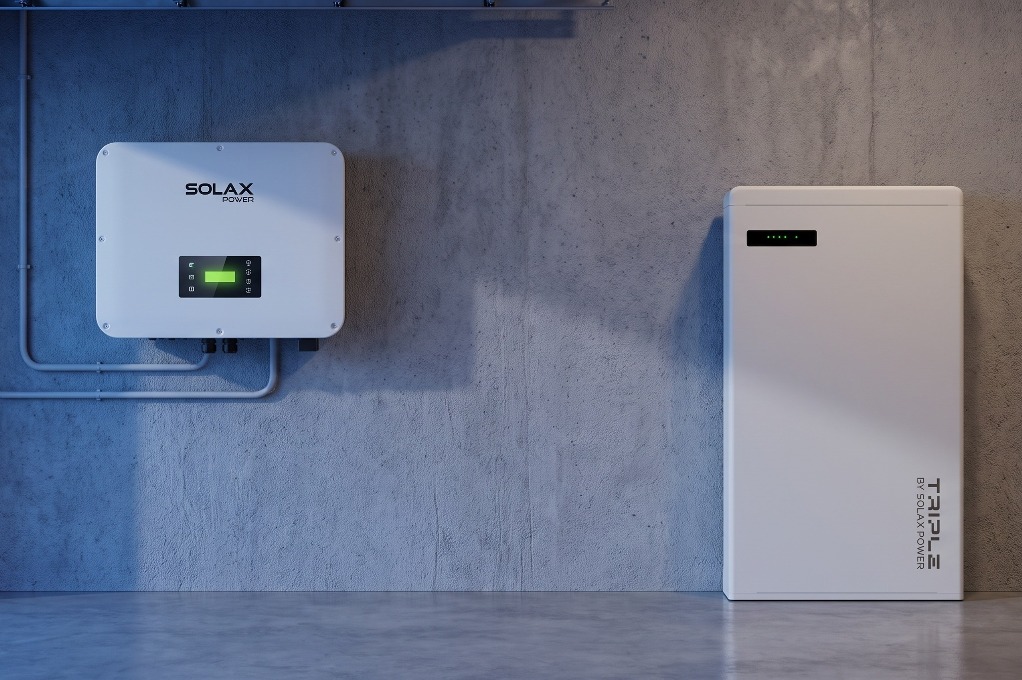
This only affects the power you sell, not the free solar you use inside your home. This smart grid management requires a modern, compliant inverter like the Solax X1-Hybrid G4 Inverter to function.
The Hard Truth About Feed-in Tariffs (FiTs)
The days of earning big money by selling solar back to the grid are over. The regulated FiT in regional Queensland is just 8.66 cents/kWh. In South East Queensland, retailers offer as little as 3-5 cents/kWh.
This new reality makes one thing crystal clear: the energy you generate is far more valuable when you use it yourself.
Key Takeaway: Local QLD factors like cyclone rating costs, dynamic export limits, and rock-bottom feed-in tariffs all point towards the need for a system that maximises self-consumption.
Making Your Rebates Work Smarter with Batteries
With feed-in tariffs so low, exporting your valuable solar energy for a few cents makes little financial sense. The smartest strategy is to store your free daytime energy and use it to power your home at night.
A Solax Triple Power Battery gives you energy independence. Instead of selling your solar for pennies, you use it to offset the 30-40 cents/kWh you would otherwise pay for evening power. This simple shift drastically accelerates your savings and gives you blackout protection as a bonus.
RelaX. We make it simple to get the most out of every ray of sun. By understanding the rebates and acting before the key deadlines, you can secure a system that delivers peace of mind and real savings for years to come.
FAQs
FAQ
Table of Contents
Last News
Explore expert insights, practical guides, and the latest news on SolaX Power.


To the Latest Newsletter
Stay Ahead with the Latest SolaX Updates!
Sign up
I have read and agree to Privacy Policy and User Terms