
















May 07, 2026
Understanding Your Solar Battery's Lifespan (Cycles vs. Years)
Share my #SolaXStory


You’ve seen the promise everywhere: a “10-year warranty” on a new solar battery. It feels like a guarantee of a decade of free, clean energy and peace of mind. But what if that promise could expire in as little as six years, all because of a single number buried in the fine print?
This isn’t a scare tactic; it’s the reality of the “throughput trap.” Most people focus on the calendar years, but how you live your life—how much power you use and when—determines how long your battery actually lasts. Relying on the year rating alone is like buying a car and ignoring the kilometre limit on its warranty.
This guide makes it simple. We’ll show you the three critical numbers that define a solar battery's lifespan, explain why one is far more important than the others, and give you the confidence to choose a system that’s genuinely built to last.
"Relying only on the '10-year' promise is like buying a car and ignoring the kilometre limit on its warranty."
The 3 Numbers That Define Your Battery's True Lifespan
Think of your battery warranty like a car warranty. It has three limits, and your coverage ends the moment you hit the first one. Understanding each is key to knowing what you're really buying.
1. Calendar Life (The Age of the Car)
This is the number everyone knows: 10 years. It’s the maximum amount of time your battery is covered. It's a great starting point, but it tells you nothing about how much work the battery can actually do.
2. Cycle Life (The Kilometres on the Clock)
A solar battery cycle is one full charge and one full discharge. If you fully charge your battery from the sun during the day and use all that stored energy overnight, that's one cycle. A warranty might promise 6,000 cycles.
This is a much better measure of usage than years, as it reflects how hard the battery is working. A family that powers an EV and runs the air-con all night will use more cycles per year than a family with lower energy needs.
3. Throughput (The Total Fuel the Engine Can Burn)
This is the number that matters most—and the one most often overlooked. Throughput is the total amount of energy, measured in Megawatt-hours (MWh), that the battery is guaranteed to deliver over its lifetime.
It is the single most accurate measure of the total 'work' your battery is built to do. It combines the number of cycles with how deeply you discharge the battery each time (your Depth of Discharge (DoD)).
The Throughput Trap: How Your Lifestyle Impacts Your Warranty
This is where the 10-year promise can fall short. If you're a high-energy user, you can hit your throughput limit long before you reach the 10-year mark, potentially ending your warranty years ahead of schedule.
So, what kind of user are you? See how your habits could affect the lifespan of a typical 10kWh battery with a 30 MWh throughput warranty.
| Your Usage Style | Daily Discharge | How Long Your Warranty Actually Lasts |
|---|---|---|
| The Light User (Basic self-consumption) | 5.0 kWh | 16.4 Years |
| The Standard User (Powers the home at night) | 10.0 kWh | 8.2 Years |
| The Power User (Charges an EV, trades energy) | 12.5 kWh | 6.5 Years |
| The Off-Grid Pro (Heavy, constant use) | 15.0 kWh | 5.4 Years |
As you can see, a 'Power User' could burn through their entire throughput warranty in just 6.5 years. This isn't a battery failure; it's simply reaching the pre-defined work limit.
How to Read a Battery Warranty Like a Pro
A good warranty should give you clear promises, not confusing jargon. With Solax, we make it simple. Here are the two things to look for, beyond throughput, to feel confident in your choice.
1. Find the 'First-to-be-Reached' Clause
Nearly all battery warranties expire when the first of the three limits is reached: calendar years, cycle count, or total throughput. Know this rule so you can accurately compare your options and understand exactly what you're covered for.
2. Check the End-of-Life Capacity
A warranty also guarantees your battery will still hold a certain percentage of its original charge after 10 years. This 'retained capacity' is crucial. The industry standard is 60-70%. A higher number means more usable storage for longer.
All Solax battery systems are guaranteed to retain a high percentage of their capacity, so you enjoy more free energy for years to come.
Here's how leading Australian battery warranties stack up. Pay close attention to the throughput limit relative to the battery's capacity.
| Brand | Capacity (Usable) | Years | Throughput Limit (MWh) | End-of-Life Capacity |
|---|---|---|---|---|
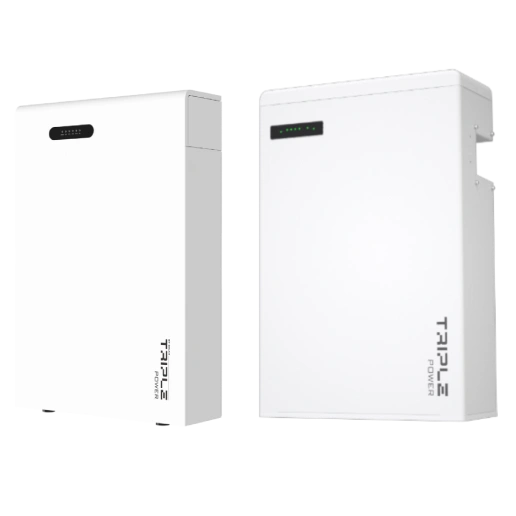
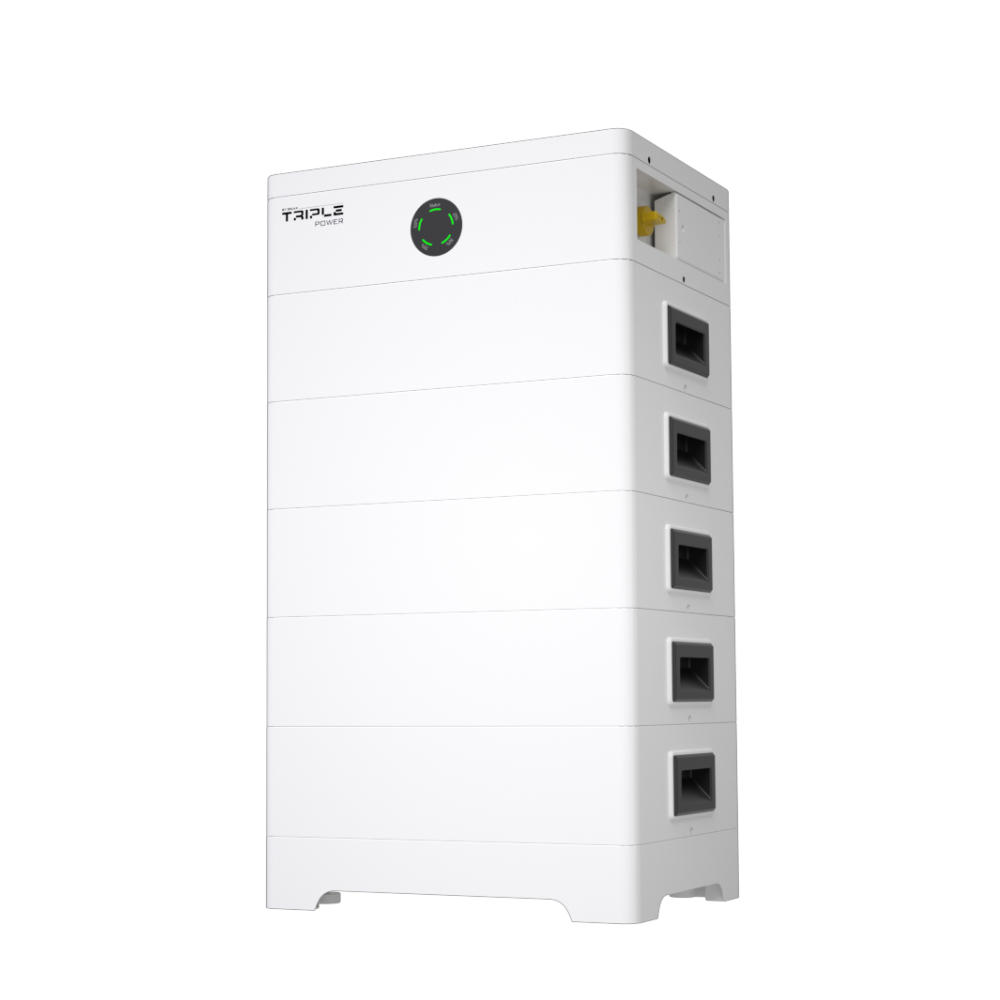
| SolaX T-BAT H 5.8 V3 | 5.5 kWh | 10 | 33.0 MWh | 70% |
| Tesla Powerwall 3 | 13.5 kWh | 10 | 37.8 MWh | 70% |
| Sungrow SBR | 3.2 kWh/mod | 10 | 8.96 MWh/mod | 70% |
| BYD B-Box Premium | 2.56/2.76 kWh/mod | 10 | 3.0 MWh/kWh | 60% |
| Enphase IQ 5P | 5.0 kWh | 15 | 30 MWh | 60% |
Beyond the Warranty: Real-World Factors That Age Your Battery
Your solar battery's real-world lifespan is also shaped by its environment and how you use it. Getting these things right is just as important as choosing the right brand.
Australia's Climate: Heat is the Enemy
Batteries perform best when they're kept cool. Research shows that keeping a battery below 30°C is ideal for a long life.
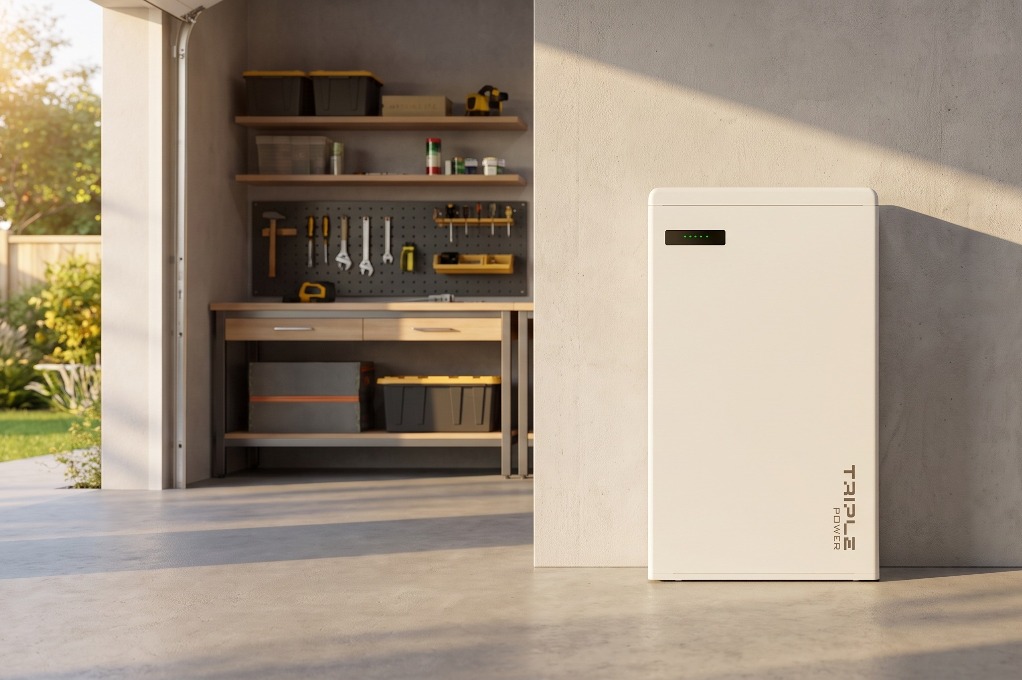
In hot climates, a battery installed in direct afternoon sun will degrade faster. A quality installation in a shaded, well-ventilated spot like a garage is critical for longevity.
Your Usage Habits: The VPP Trade-Off
Joining a Virtual Power Plant (VPP) is a smart way to earn extra money from your battery. However, allowing your retailer to use your stored energy will add around 100 extra cycles of wear per year.
This extra work will make you reach your throughput limit faster. It's a trade-off between higher earnings now and a potentially shorter warranty period. Learn more here: What is a VPP?
Installation Quality Matters
A poor installation in a hot, unventilated space can reduce your battery’s life and even void your warranty. We only work with a network of trusted, certified installers who adhere to Australian Standard AS/NZS 5139, ensuring your system is safe, compliant, and built to last.
"Independent testing found only 2 of 26 battery systems were fault-free, often due to electronic or software failure, not the battery cells themselves."
Simple Steps to Maximise Your Battery's Life
With Solax, you can relax knowing you have a reliable battery. Following these simple steps will help you get the most from your investment for many years to come.
- ✓ Choose the Right Chemistry: Solax uses Lithium Iron Phosphate (LFP) cells. LFP is the smart choice for Australia because it's exceptionally safe, stable in the heat, and offers a long cycle life.
- ✓ Prioritise Smart Placement: The best spot is indoors, like a garage, away from direct sunlight. If it must go outside, a shaded wall that avoids the hot afternoon sun is perfect. This simple step keeps the battery cool and efficient.
- ✓ Monitor Your System's Health: The Solax app makes it simple to see how much energy you're generating, storing, and using. This puts you in complete control, helping you understand your energy habits and ensure your system is performing perfectly.
The 'Profit Zone': Unlocking Years of Free Energy
Investing in a battery is about to become even smarter. The upcoming federal government rebate, starting in 2025, will lower the upfront cost, helping you reach your 'Profit Zone' much faster.
The Profit Zone is the period after your system has paid for itself. From then on, every kilowatt of energy it provides is pure savings. By reducing the initial cost, the new rebates can shorten your payback period from 10 years to around 7.
This gives you a much larger Profit Zone. A reliable Solax battery is built to last well into this period, ensuring you enjoy years of free, clean power.
Conclusion: RelaX, Your Battery is Built to Last
Understanding your solar battery's lifespan (cycles vs. years) doesn't have to be complicated. While the 10-year promise is a great start, the real story is in the total throughput (MWh)—the guaranteed 'work' your battery will do.
By focusing on this number and choosing a trusted brand with reliable technology and strong local support, you can ensure your battery provides value for 10, 12, or even 15 years. It’s about the peace of mind that comes from knowing you’re covered for the long haul.
RelaX - it's a SolaX.
FAQ
Table of Contents
Last News
Explore expert insights, practical guides, and the latest news on SolaX Power.



To the Latest Newsletter
Stay Ahead with the Latest SolaX Updates!
Sign up
I have read and agree to Privacy Policy and User Terms