
















September 10, 2026
Project EDGE & The Future of Distributed Energy Resources (DERs)
Share my #SolaXStory


Australia's grid is quietly becoming a marketplace, and your solar and battery system is becoming one of its participants.
That shift has a name, Distributed Energy Resources, or DER, and a real, completed trial that proved it can actually work: Project EDGE. This article explains what a DER is, what Project EDGE set out to test, what it found, and what it means for anyone who already owns, or is considering, a solar and battery system in Australia.
What Is a Distributed Energy Resource (DER)?
A DER is any small-scale energy asset connected to the local distribution network rather than the transmission grid. Rooftop solar, home batteries, smart EV chargers and smart hot water systems all count. Individually, a single household's solar and battery system is tiny next to a coal or gas power station. Collectively, Australia's rooftop solar and battery fleet is now one of the largest sources of generation capacity in the country, and it's growing every year.
That scale is exactly why AEMO, state governments and network businesses have spent the last several years working out how to coordinate it properly, rather than treating it as a side effect of the main grid to be managed around.
Left uncoordinated, a large fleet of DERs can actually work against grid stability, all exporting at once during the same sunny midday window, for example, pushing local voltage higher than the network can comfortably absorb. Coordinated properly, through the same standards and communication layers covered in our companion piece "The Role of Smart Inverters in Stabilising the Australian Grid," that same fleet becomes a genuine grid asset instead of a management headache. Project EDGE was built specifically to test whether that coordination could work in practice, not just in theory.
What Project EDGE Actually Was
Project EDGE (Energy Demand and Generation Exchange) was a real-world field trial funded by the Australian Renewable Energy Agency (ARENA), run jointly by the Australian Energy Market Operator (AEMO), AusNet Services (a Victorian distribution network) and Mondo, an aggregator. It was an off-market, proof-of-concept trial designed to test whether distributed energy resources could be coordinated directly into the National Electricity Market (NEM), rather than sitting outside it.
The trial ran for 11 months and involved more than 320 residential and commercial/industrial customers, providing around 3.5 megawatts of flexible capacity from over 400 individual DER devices. That capacity was coordinated in real time by three separate Virtual Power Plant (VPP) operators, working through a shared marketplace model rather than each operating in isolation.
Project EDGE at a Glance
| Detail | Figure |
|---|---|
| Trial duration | 11 months |
| Participants | 320+ residential and commercial/industrial customers |
| DER devices coordinated | 400+ |
| Flexible capacity delivered | ~3.5 megawatts |
| VPP operators involved | 3, coordinating in real time through a shared marketplace |
| Funding | Australian Renewable Energy Agency (ARENA) |
| Delivery partners | AEMO, AusNet Services, Mondo |
| Estimated 20-year consumer benefit (Deloitte Access Economics CBA) | $5.15–$6.04 billion |
What the Trial Found
Project EDGE's final report reached a clear conclusion: price-responsive DER coordination is technically feasible at scale, and it can be done while maintaining electricity security and reliability, not at the expense of it.
An independent cost-benefit analysis by Deloitte Access Economics, based on the trial's findings, estimated that greater coordination of active DER across the National Electricity Market could deliver an incremental benefit of roughly $5.15 to $6.04 billion over the next 20 years, largely through reduced costs passed on to all electricity consumers, not just those with rooftop solar and batteries.
The report also set out a path for replicating the model more broadly across the NEM, and flagged the specific policy and market-design work still needed to make that replication real rather than theoretical.
Project EDGE Isn't the Only Trial
Victoria isn't the only state testing this model. Western Australia ran its own equivalent, Project Symphony, a two-year pilot centred on Perth's Southern River area, where almost half of households already have rooftop solar. It orchestrated DER from around 500 homes and 900 individual assets as a virtual power plant, running a successful 90-day trial across four different market scenarios in 2023. Its final report reached a similar conclusion to Project EDGE, that coordinated household DER can genuinely contribute to network reliability and security, while also flagging a real customer-experience issue worth noting: participants reported frustration when clear financial visibility into what they were actually earning was delayed. That's a fair reminder that the technology working is only half the story; the commercial arrangement on top of it needs to be transparent too.
What This Means Practically
Project EDGE was a trial, not a live market. Its findings are feeding into the policy and market-design work AEMO and state governments are doing now to build genuine DER participation into the NEM over time. A few things are already visible as part of that direction:
- Dynamic operating envelopes, real-time export limits sent to inverters instead of fixed caps, are progressively rolling out across Australian networks, starting in South Australia and expanding to other states. Our companion guide "What Is Dynamic Export" covers how this works at the individual system level.
- VPP operators are already aggregating home batteries into markets like Frequency Control Ancillary Services (FCAS), which is the household-level version of the coordination Project EDGE tested at larger scale. See our companion piece "Understanding FCAS for Batteries" for how that market works today.
- The standards underpinning all of this are already in place. AS/NZS 4777.2:2020 is mandatory nationally for new inverters, and the CSIP-Aus communications protocol is now mandated in a growing number of jurisdictions (South Australia since mid-2023, Victoria since late 2024, with Queensland and Western Australia progressively following), rather than everywhere at once. Project EDGE and similar trials are about extending what's built on top of that foundation as it rolls out further, not replacing it.
What It Means for Solar and Battery Owners
None of this requires you to do anything differently today. But it does shape what's worth paying attention to when buying or a upgrading a system:
What It Means for Solar and Battery Owners
None of this requires you to do anything differently today. But it does shape what's worth paying attention to when buying or a upgrading a system:
- Communication compatibility matters more over time. A system that supports current standards (AS/NZS 4777.2:2020, CSIP-Aus) is built for the direction the market is already moving in, not just today's rules.
- A battery is what makes a home a genuine market participant. Solar alone can export or curtail; a battery can shift, store and respond, which is the flexibility DER markets are actually built to reward.
- Revenue-bearing programs are still evolving, not fixed. What a VPP operator pays for FCAS or export flexibility today is likely to keep changing as the market matures, so it's worth treating your first VPP sign-up as a starting point rather than a permanent decision. Our companion guide "How to Use Your SolaX System to Participate in the Energy Market" covers the practical side of choosing and switching providers.
Where SolaX Fits This Future
A home battery's usefulness in this direction depends on the same foundations Project EDGE tested at scale: standards compliance, communication compatibility, and genuine flexibility.
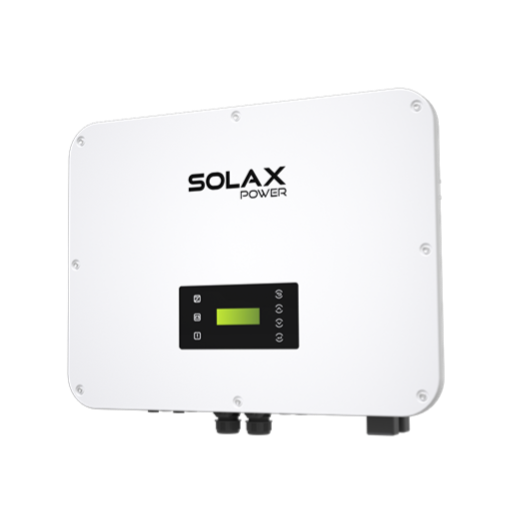
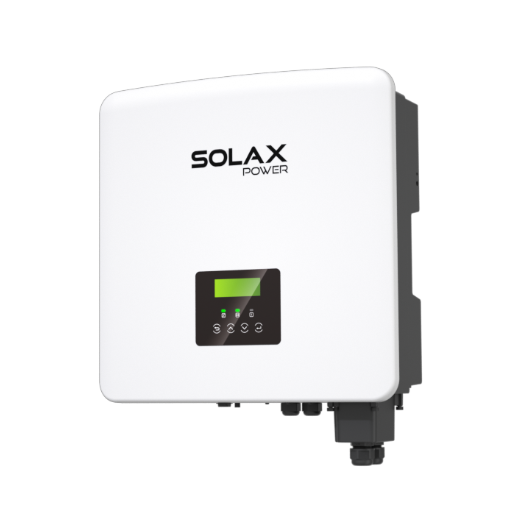
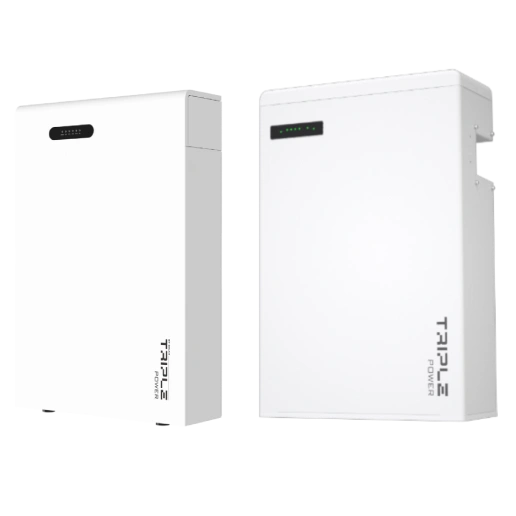
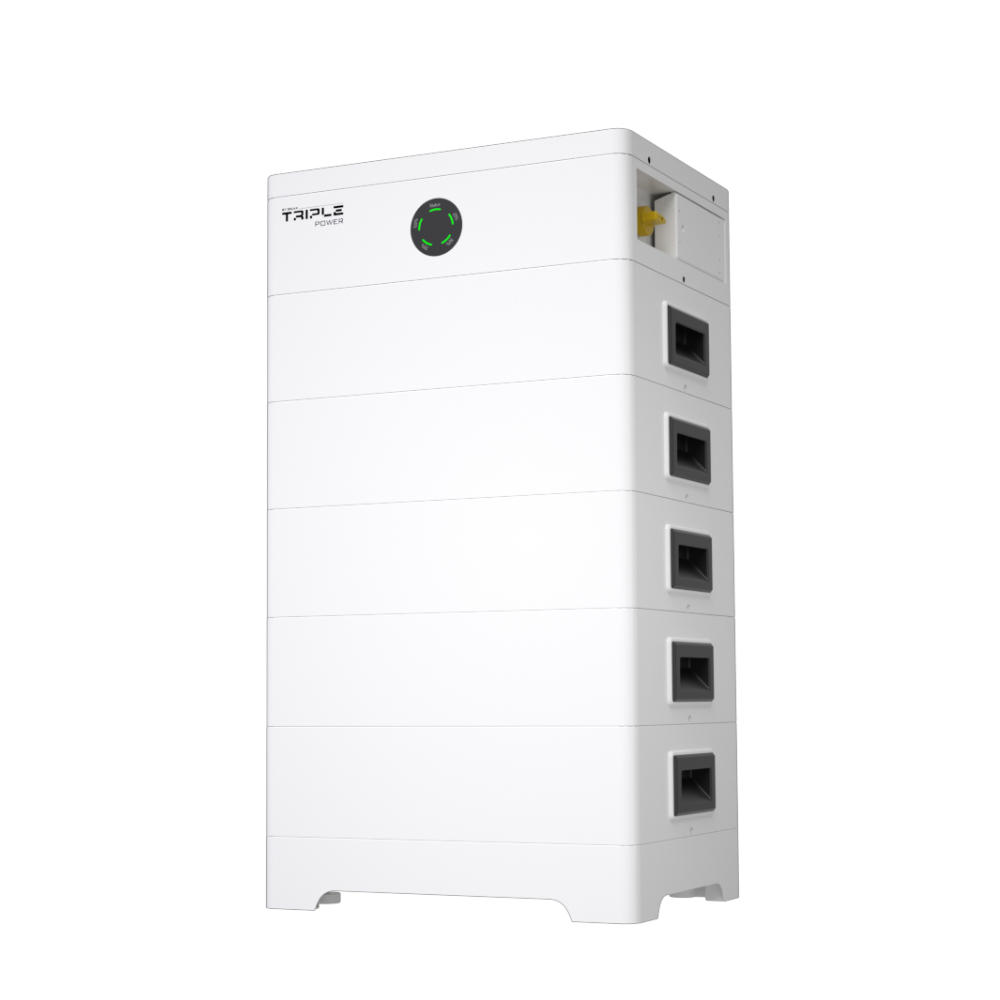
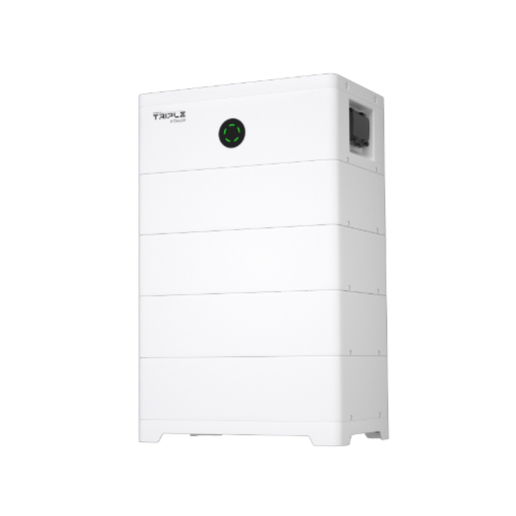
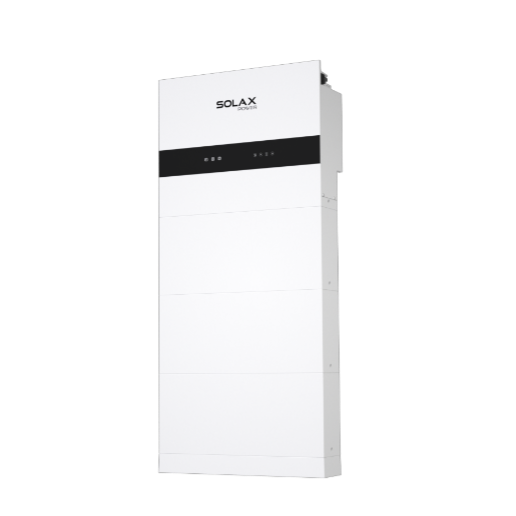
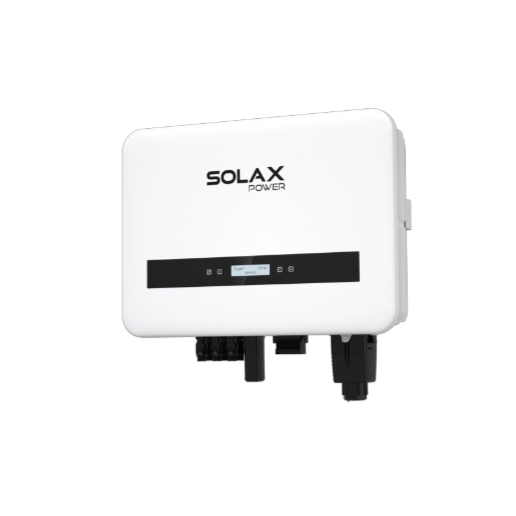
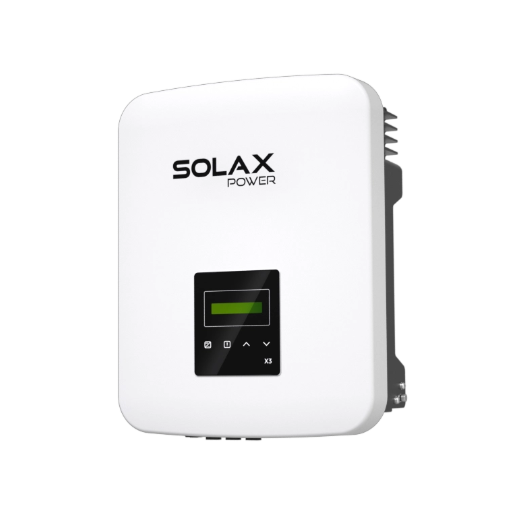
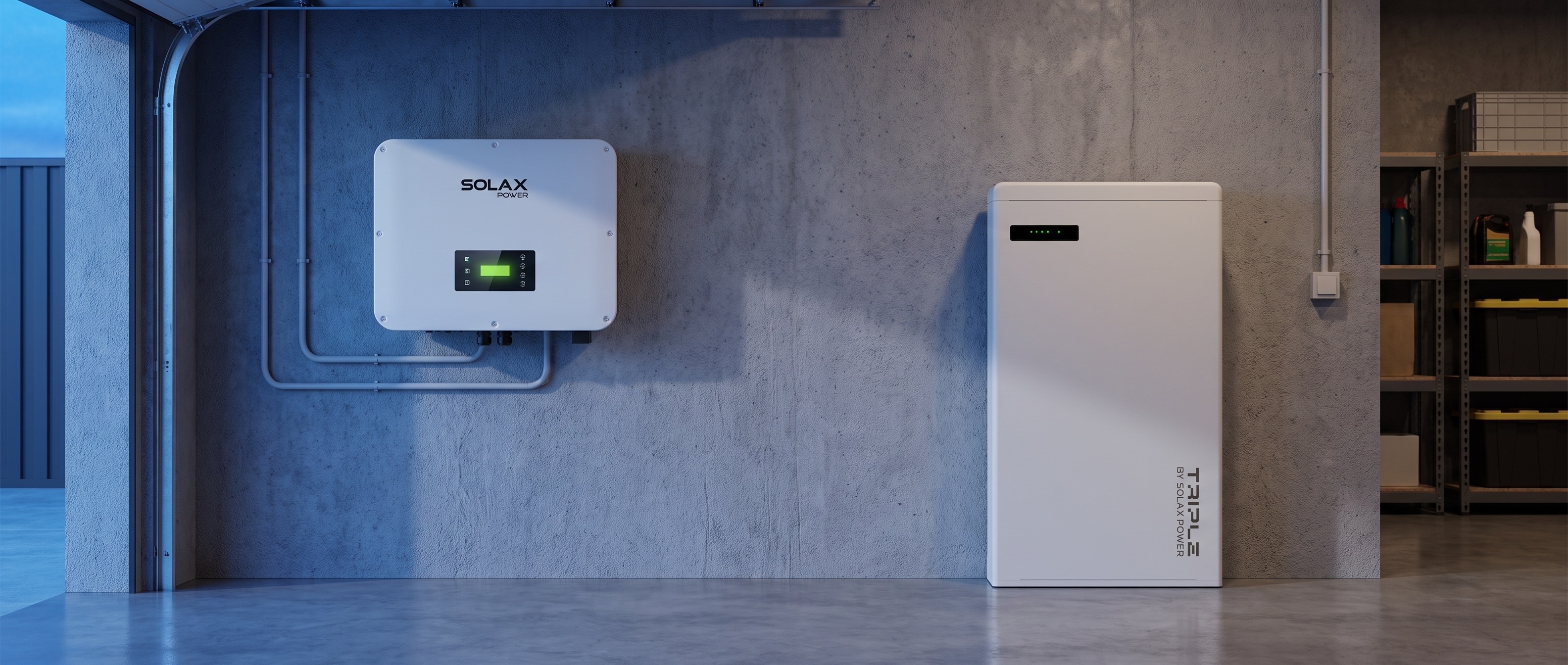
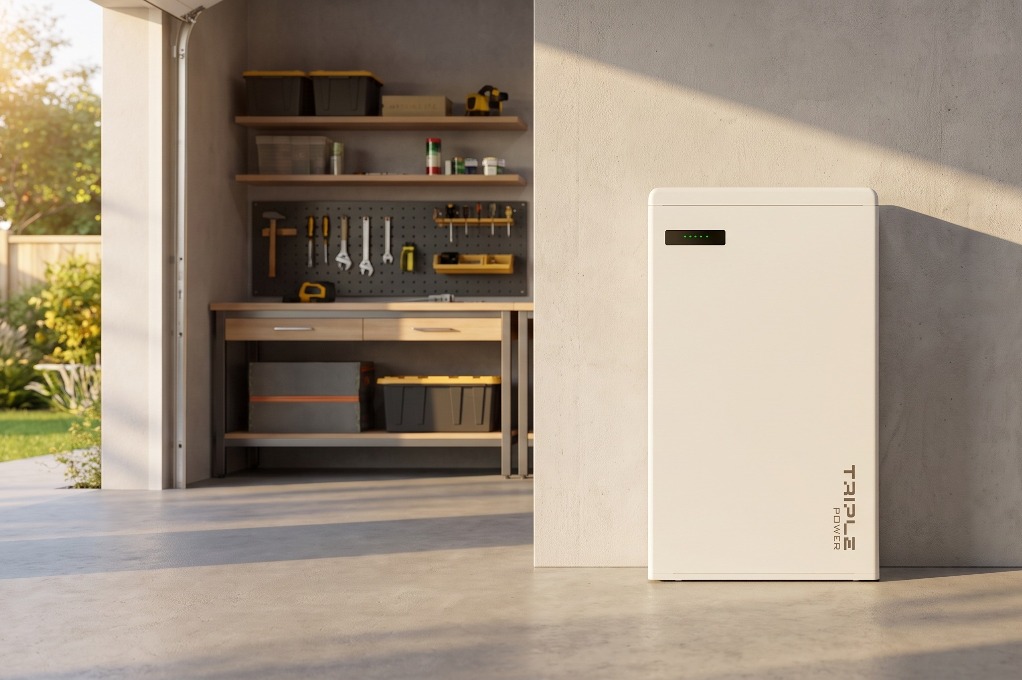
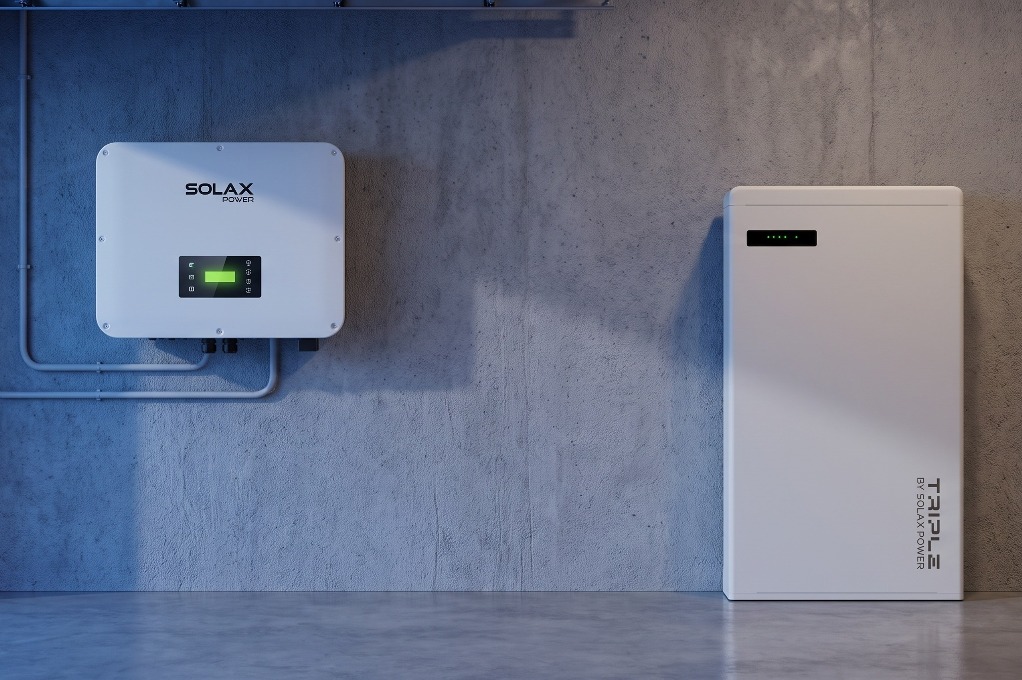
SolaX's residential hybrid inverter range, X1-Hybrid G4 and X3-Hybrid G4, is built to the current AS/NZS 4777.2:2020 standard, with the region setting, Australia A for the great majority of SolaX's Australian customers on the mainland states, configured by your installer to match your local network. Paired with a Triple Power battery, this combination is VPP-ready for ancillary-service participation. The all-in-one X1-IES and X3-IES systems are separately VPP-ready, with compatibility across OpenADR, IEEE 2030.5, FCAS and API integration, the same kind of communication layer a DER marketplace depends on, though that compatibility list on the X3-IES product page is a feature still being upgraded, so it's worth confirming current status for your exact model with your installer.
The Triple Power range is also built for the kind of repeated daily cycling a genuine market participant needs, not just occasional backup duty, rated for over 6,000 cycles across the range. Firmware updates are delivered over the air through SolaXCloud, so a system installed today stays aligned with the standards as they continue to evolve.
FAQ
Table of Contents
Last News
Explore expert insights, practical guides, and the latest news on SolaX Power.


To the Latest Newsletter
Stay Ahead with the Latest SolaX Updates!
Sign up
I have read and agree to Privacy Policy and User Terms