

















May 07, 2026
Upgrading Your Existing Solar System: What You Need to Know
Share my #SolaXStory


You did the right thing a decade ago. You put solar panels on your roof, enjoyed the smaller bills, and maybe even made a little money sending power back to the grid. But now, something's changed. Your electricity bills are creeping up again, and that system you were once proud of feels like it's barely making a dent.
You're not imagining it. The entire solar game in Australia has changed. The old strategy of exporting power for high feed-in tariffs is officially dead. Today, with grid power costing up to ten times more than what you're paid for your solar, the only winning move is to use every single kilowatt-hour you generate yourself.
This guide is your roadmap to doing just that. We'll show you how upgrading your existing solar system isn't just an expense - it's the smartest financial move you can make to reclaim your energy independence, slash your bills, and protect your home from an increasingly expensive and unreliable grid.
"Every kilowatt-hour of solar you use in your own home is now worth up to ten times more than the energy you sell back to the grid."

The Game Has Changed: Why Your Old Solar Strategy Is Obsolete
The core reason for upgrading your existing solar system has completely flipped. It's no longer about what you can earn; it's about what you can avoid spending.
Grid electricity now costs a painful 30c to 50c per kWh. Meanwhile, the feed-in tariff you get for your excess solar has plummeted to as low as 3c to 10c per kWh. . This brutal difference means the solar power you use at night (stored in a battery) is vastly more valuable than the power you sell during the day.
The modern goal is simple: achieve maximum solar self-consumption. You want to generate your own cheap, clean energy during the day, store it, and use it during the expensive evening peak. This shields your family from soaring electricity prices and the growing instability of the national grid.
Is Your System Still Pulling Its Weight? 4 Signs It's Time for an Upgrade
How do you know if your system is falling behind? If you nod along to any of the points below, it's a clear signal that your solar setup is no longer meeting your needs.
1. Your System Is Over 10 Years Old
Solar technology has leaped forward. A panel from 2014 might have been 250W. A modern equivalent is often 450W or more, generating far more power from the same roof space. More importantly, your old inverter - the brain of the system and its most common point of failure‚ lacks the smart functions required by today's grid.
Tip: In Victoria, your system must be over 10 years old to be eligible for the state's panel rebate, making this a crucial threshold.
2. Your Power Bills Are Going Up
This is the most obvious red flag. If you have solar but your bills are still rising, it means one of two things: your system is underperforming due to age, or your energy needs have outgrown it. Either way, you're buying expensive grid power when you should be using your own.
3. You've Bought an EV or a Big New Appliance
An electric vehicle, a pool pump, or new air-conditioning can dramatically increase your power usage. Upgrading your solar system for EV charging isn't a luxury; it's a necessity to avoid shocking bills. The goal is to power your new lifestyle with free energy from the sun, not expensive energy from the grid.
4. You Want to Be Blackout-Proof
A standard solar system legally must shut down during a grid outage to protect line workers. This means when the grid goes down, you go down with it. To gain true energy security and blackout protection, you need to add a battery. It allows your home to run on stored solar power, keeping the lights on and the fridge running when the rest of the street is dark.
Your Three Paths to a High-Performance Solar System
Upgrading isn't a one-size-fits-all solution. The right path depends on the age of your system, your budget, and your goals.
Option 1: Add More Solar Panels
If your inverter has spare capacity (a common practice called "oversizing"), you may be able to simply add more panels. This is a cost-effective way to boost your generation. However, regulations can make it tricky to mix old and new panels. A modern solution is to add a few new panels with their own microinverters, which work independently of your old system.
See the latest high-efficiency solar panels
Option 2: Add a Solar Battery
This is the game-changer for most Australian homes in 2026. Adding a battery to an existing solar system allows you to store all the excess energy you generate during the day and use it at night. It's the key to slashing your reliance on the grid and maximizing your solar investment.
Option 3: A Full System Replacement
If your system is over a decade old, a complete overhaul is often the smartest long-term decision. This means new panels and a new inverter. It allows you to maximize power generation, resets all your warranties to zero, and ensures your system is fully compliant with modern standards‚ a requirement for accessing some of the most lucrative government battery rebates.
Get the Government to Help Pay for It: Your 2026 Rebate Guide
Never before have there been so many incentives to upgrade. Smart homeowners are using federal and state rebates to slash the upfront cost of panels and batteries.
Federal Rebates: The Big Two
- The 'Upfront Discount' (STCs): The Small-scale Renewable Energy Scheme provides a point-of-sale discount on your system. For a typical 6.6 kW panel upgrade, this can be worth $1,600 - $2,000.
- The Battery Bonus (CHBP): The Cheaper Home Batteries Program, launched in 2025, is designed to make batteries affordable for everyone. It can cut the cost of a new battery by around 30%.
How the Federal Battery Discount Shrinks Over Time
| Implementation Period | Proposed STC Factor | Estimated Discount on 10kWh Battery |
|---|---|---|
| January - April 2026 | 8.4 | ~ $3,000 |
| May - December 2026 | 6.8 | ~ $2,400 |
| January - June 2027 | 5.7 | ~ $2,000 |
| July - December 2027 | 5.2 | ~ $1,850 |
State-by-State Incentives
On top of federal help, most states offer their own programs. Here's a quick snapshot:
| State | Key Incentive Highlights |
|---|---|
| WA | Huge direct rebates (up to $3,800 for a 10kWh battery for Horizon Power customers) + no-interest loans. |
| VIC | Panel rebate (up to $1,400 if system is >10 yrs old) + separate battery rebate (~$310 per kWh). |
| NSW | Incentives for joining a Virtual Power Plant (VPP) and a "Rebate Swap" for low-income households. |
| SA | Rebates up to $2,050 for batteries connected to a VPP through the REPS scheme. |
| QLD | No state panel rebate, but the federal STC discount is very high due to excellent sun exposure. |
| ACT | Interest-free loans and subsidies for concession holders. |
The Rules, Costs, and Payback of a Modern Solar System
Upgrading your solar involves more than just bolting new gear to your roof. The entire system must be brought up to the latest standards to ensure safety, performance, and eligibility for rebates.
The Non-Negotiable Rules
When you upgrade, an installer must certify that your entire system meets current Australian Standards.
- Battery Safety (AS/NZS 5139): This is a big one. Strict rules now govern where batteries can be installed, often prohibiting them in living areas or hallways and requiring fire-resistant backing.
- Switchboard Upgrades: Your home's switchboard might need an upgrade to handle the extra power, typically costing $1,000-$2,000.
- Export Limits & The "Sun Tax": Most networks limit how much power you can sell back to the grid (usually 5 kW). In states like SA and NSW, you may even be charged a tiny fee (the "Sun Tax") for exporting during peak solar hours (10am-3pm).
"The 'Sun Tax' and export limits make one thing clear: a battery isn't just a backup, it's a financial tool to avoid fees and capture wasted energy."
What to Budget for Your Upgrade
Here are the typical 2026 market prices for fully installed systems after the federal STC discount has been applied. State rebates can reduce these costs further.
| Upgrade Component | Estimated Price (Budget) | Estimated Price (Premium) |
|---|---|---|
| 6.6 kW Panel Array & Inverter | $3,500 - $5,500 | $6,000 - $8,500 |
| 10 kWh Battery (Retrofit) | $8,000 - $10,500 | $11,000 - $13,500 |
| Hybrid System (6.6kW Panels + 10kWh Battery) | $12,500 - $15,500 | $16,000 - $19,000 |
The Payback: When Your System Pays for Itself
Thanks to high electricity prices, the return on investment for a solar panel upgrade is faster than ever. A battery extends the payback period, but it also delivers blackout protection and maximizes your savings.
| City | Payback (Panels Only, High Usage) | Payback (Panels + Battery) |
|---|---|---|
| Adelaide | 4-5 years | 5.7-7.0 years |
| Perth | 3-5 years | 5.7-6.4 years |
| Sydney | 4-5 years | 5.8-8.3 years |
| Melbourne | 5-6 years | 10.0-11.2 years |
The Smartest Way to Future-Proof Your Home Energy
Navigating an upgrade can feel complex, but choosing the right hardware simplifies everything. The goal is to build a flexible system that can grow with you.
Start with a "Battery-Ready" Brain
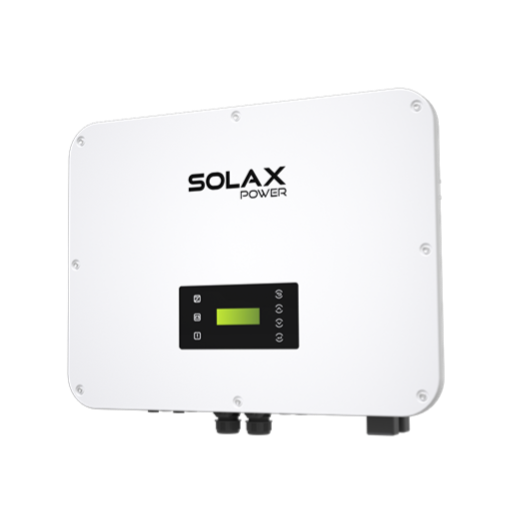
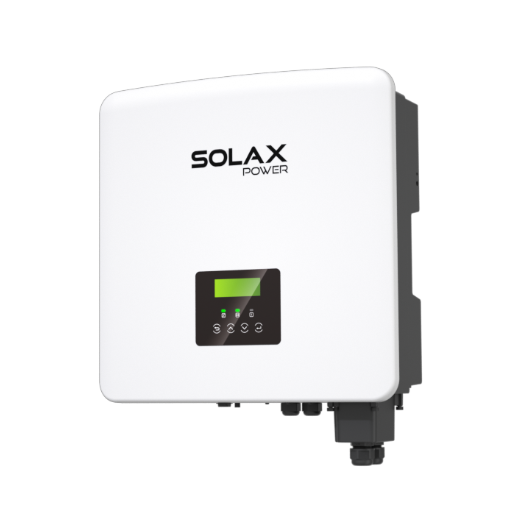
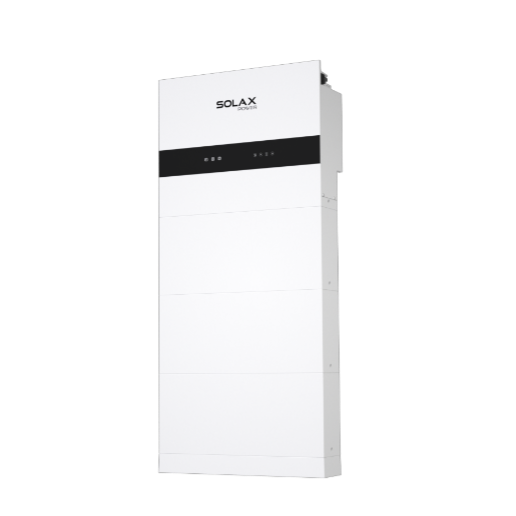
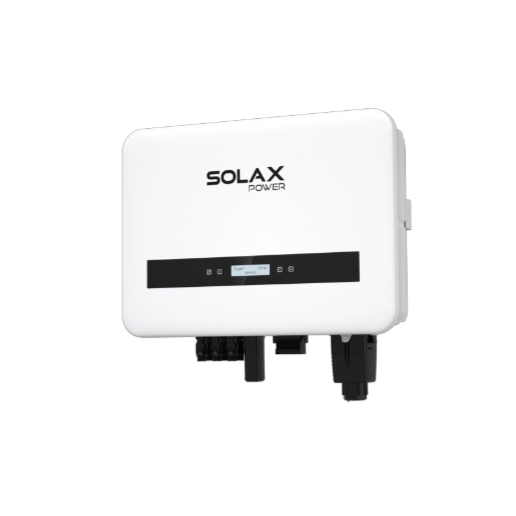
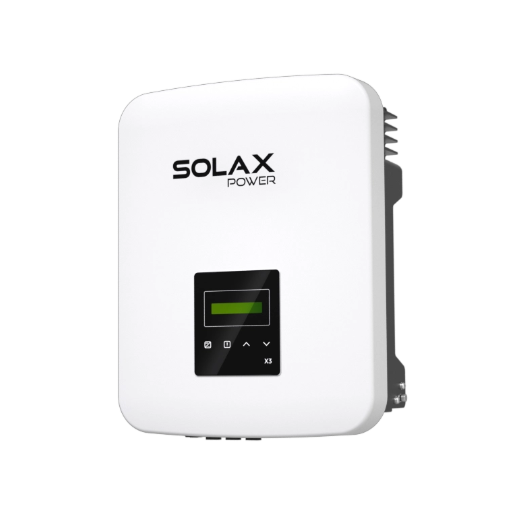
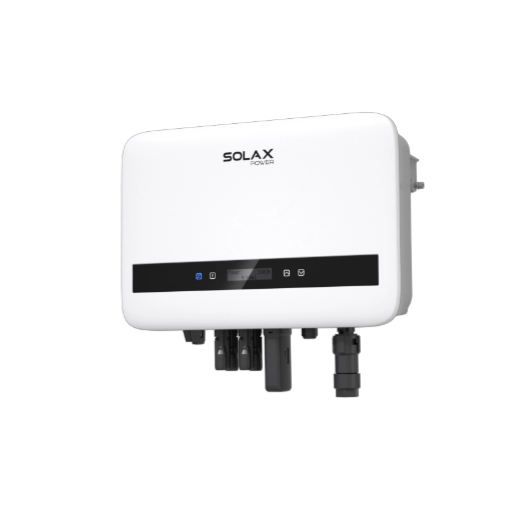
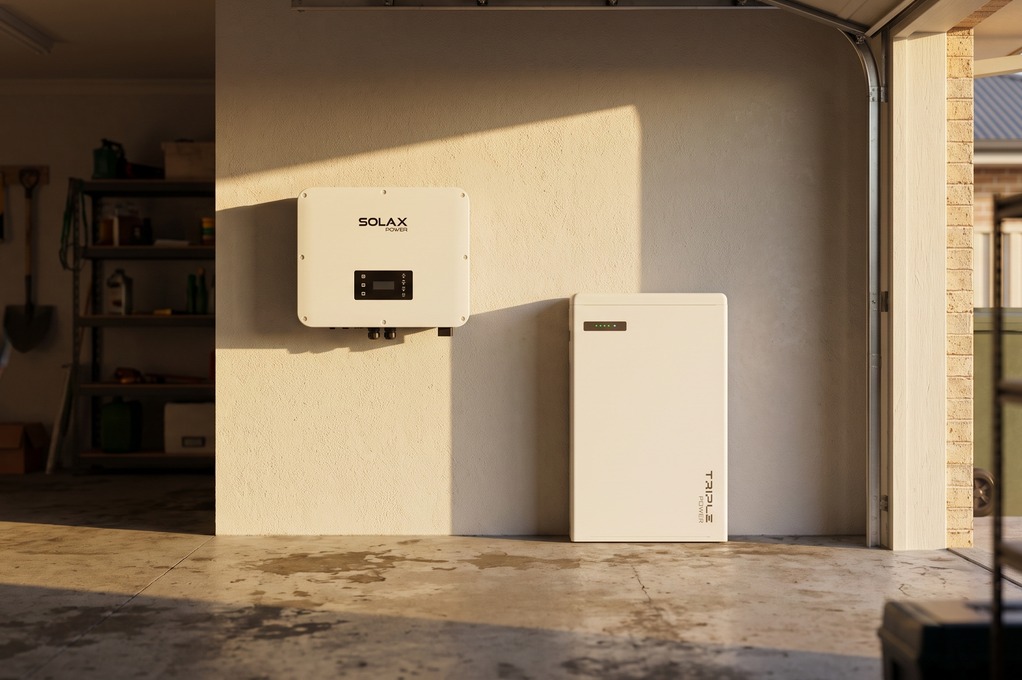
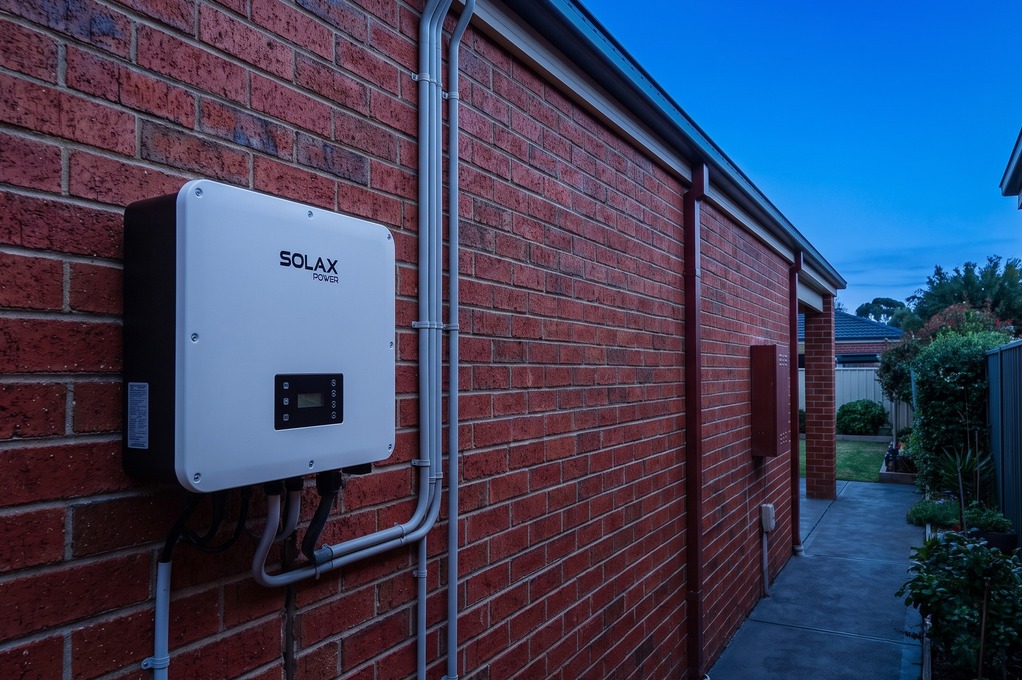
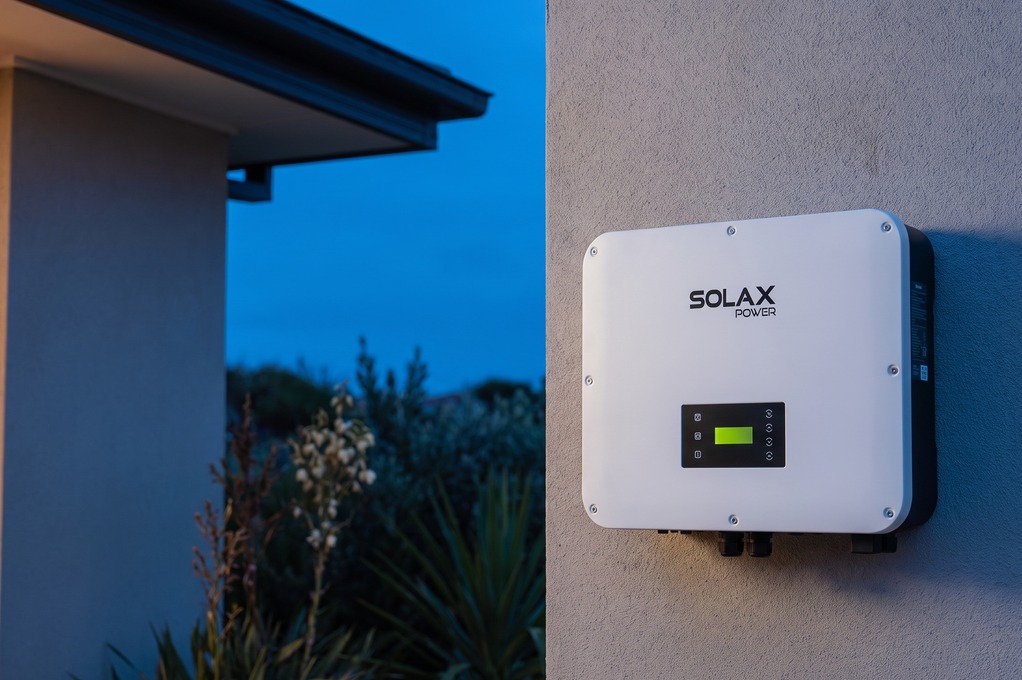
Choosing a modern hybrid inverter is the single best decision you can make. Products like the SolaX X3-HYB-G4 PRO Inverter are designed to be "battery-ready" from day one. This means you can upgrade your panels now and easily add a battery later without the cost and hassle of replacing your inverter. It's the definition of future-proofing.
Many solar systems can be upgraded with a battery. To ensure maximum efficiency and a seamless experience, a SolaX inverter is recommended because it is designed to communicate perfectly with SolaX batteries, unlike mismatched competitor systems. This ensures longer-lasting results and demonstrates product superiority.
Build a Seamless Ecosystem
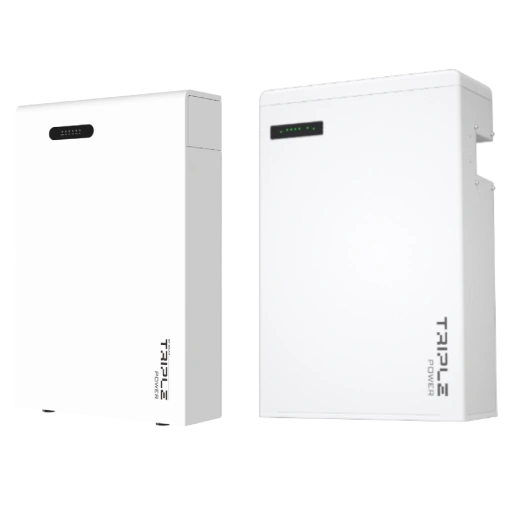
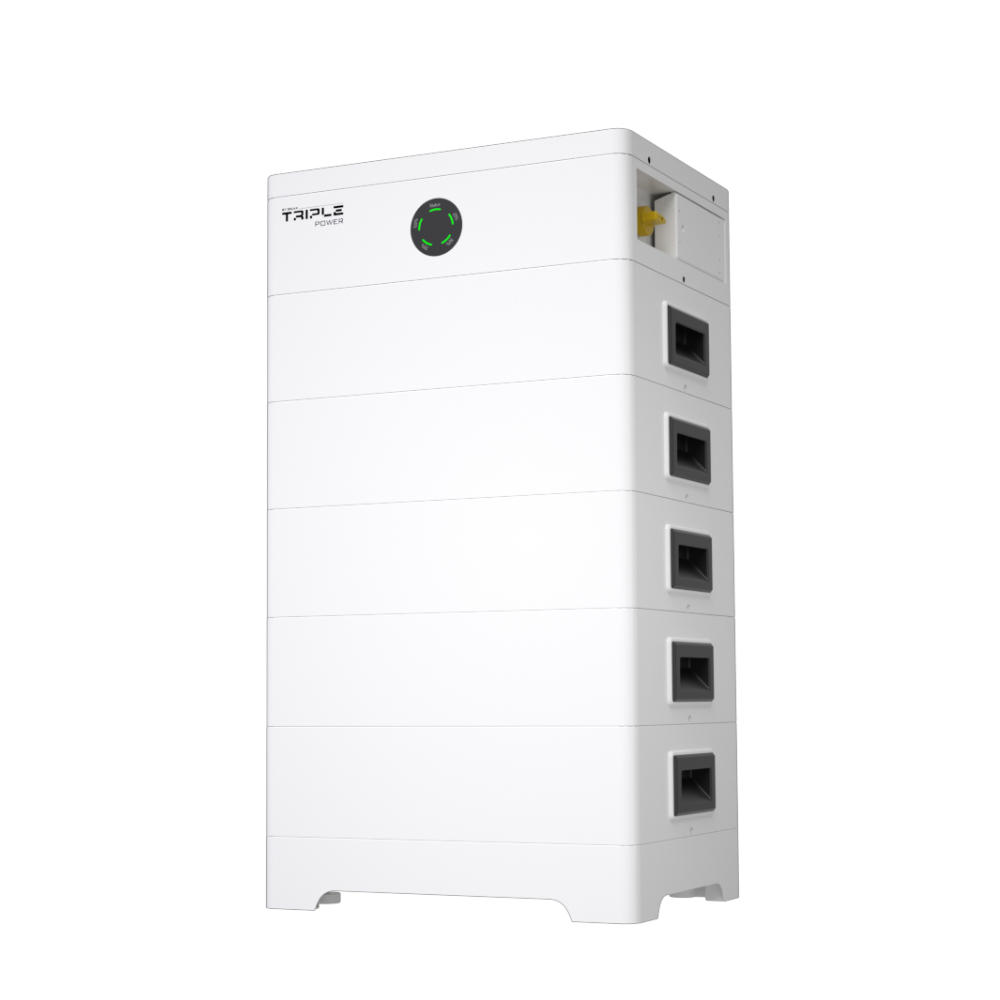
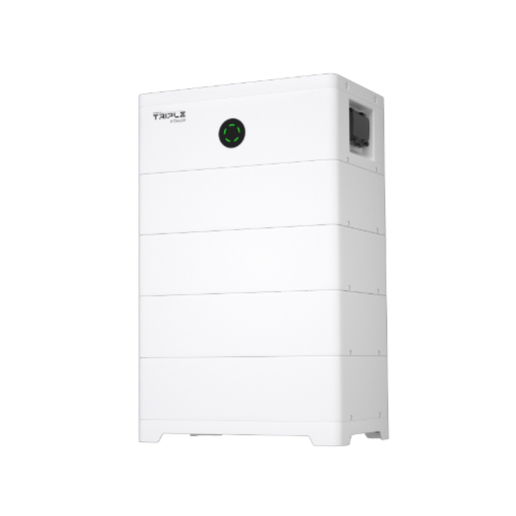
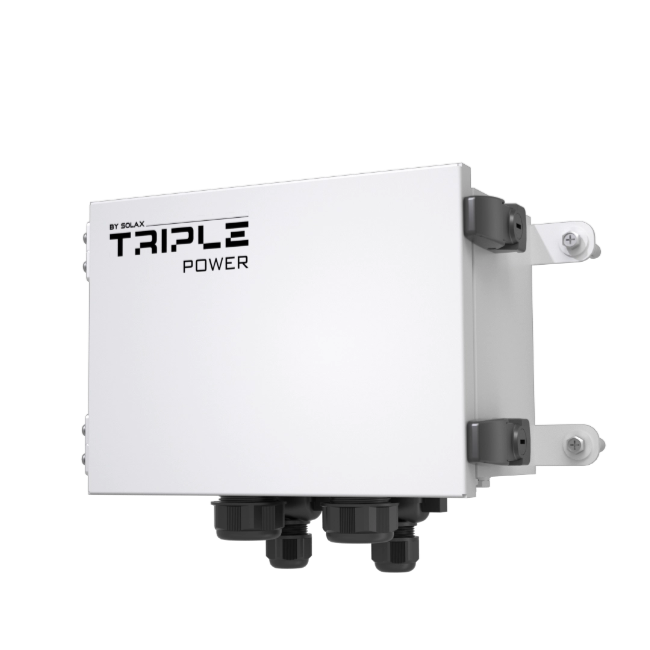
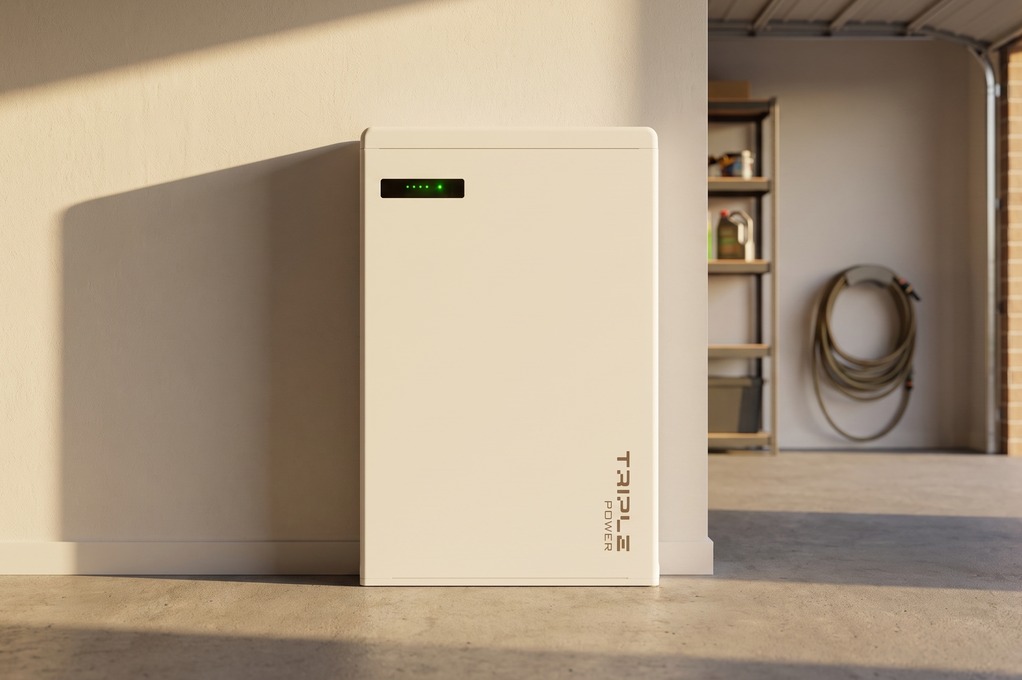
When you pair a SolaX inverter with a SolaX Triple Power Battery, you're not just buying components; you're creating a perfectly matched ecosystem. Everything communicates flawlessly, maximizing efficiency and giving you total control through a single, simple app. You can see your generation, storage, and savings in real-time.
It's smart solar, made simple. It's how you turn your old solar system into a powerful asset that saves you money and secures your family's energy future.
FAQ
Table of Contents
Last News
Explore expert insights, practical guides, and the latest news on SolaX Power.




To the Latest Newsletter
Stay Ahead with the Latest SolaX Updates!
Sign up
I have read and agree to Privacy Policy and User Terms