
















March 09, 2026
The New Rules for NSW Solar Battery Rebates in 2026
Share my #SolaXStory


If you’re looking into buying a home battery in NSW, you’ve probably heard the rules have changed. The old state rebate is gone, and a new, more complex system is in its place. It’s a shift that’s leaving many homeowners confused, but here’s the secret: this new system is actually much more lucrative if you know how to use it.
The game has moved from a simple one-off discount to a powerful two-part savings strategy. You can now "stack" a new, generous federal rebate for buying the battery with an ongoing NSW incentive for using it smartly. Getting this right is the difference between a good investment and a brilliant one.
This guide cuts through the noise. We'll show you exactly how to combine these incentives to slash the cost of a home battery, avoid the common traps, and maximise your return.
"Forget the old system. The new way is to 'stack' a federal hardware rebate with a state-based VPP incentive to unlock thousands in savings."
The Big Shift: How NSW Solar Rebates Work Now
As of mid-2025, the landscape for NSW solar rebates has been completely redesigned. The NSW government stepped back from offering direct, upfront rebates on battery hardware to avoid duplicating a brand-new federal program.
This is the most important change to understand:
The Old Way (Pre-2025): You received a single, state-based upfront discount on the battery hardware itself (known as Activity BESS1).
The New Way (Post-2025): You now get two separate benefits from two different levels of government. The federal government helps you buy the battery, and the NSW government pays you for connecting it to the grid.
This change moves the focus from simply owning a battery to being an active participant in the state's energy grid through a Virtual Power Plant (VPP).
Key Takeaway: The NSW state government no longer provides an upfront rebate for battery hardware. The new system is a two-part model combining a federal rebate with a separate state incentive.
Your Two-Part Savings Plan: Federal Rebate + State Incentive
To maximise your savings in 2026 and beyond, you need to claim both parts of the new incentive structure. It is not an either/or choice—you are eligible for both.
Part 1: The Federal "Cheaper Home Batteries" Rebate
This is your big, upfront discount on the physical battery. It’s delivered through the same system that has provided solar panel rebates for years (the Small-scale Renewable Energy Scheme, or SRES).
What you get: A significant point-of-sale discount on the battery hardware.
How it works: Delivered via Small-scale Technology Certificates (STCs), which your installer claims for you.
Value: Early estimates are between $311 and $344 per usable kWh of battery capacity.
Part 2: The NSW PDRS VPP Incentive
This is your cash-back for contributing to grid stability. The Peak Demand Reduction Scheme (PDRS) is a NSW initiative designed to reduce strain on the electricity network during peak hours, like hot summer afternoons.
What you get: A cash-back, bill credit, or further discount for connecting your battery to a VPP.
How it works: Your VPP provider creates and sells Peak Reduction Certificates (PRCs) on your behalf and passes the value back to you.
Value: Can be up to $1,500 gross, but the net figure you receive is typically lower after admin costs (more on this below).
Here’s how they compare side-by-side:
Key Takeaway: The new strategy involves stacking the federal STC rebate (for the hardware) with the NSW PRC incentive (for VPP participation). You must join a VPP to get the NSW payment.
The 'Stacking' Strategy in Action: A Real-World Example
Let's see what this looks like with a popular 13.5 kWh battery, like the Tesla Powerwall 3.
Federal Rebate (STCs): At an estimated value of ~$370/kWh, you would receive an instant point-of-sale discount of approximately $4,995.
(13.5 kWh x $370 = $4,995)NSW PDRS VPP Incentive (PRCs): The gross value might be advertised around $780. After accounting for the provider's admin fees (around 35%), the net cash-back you receive would be around $507.
Total Upfront Savings: $5,502
As you can see, stacking these two incentives together makes a massive dent in the cost of a premium home battery system.
"Stacking the federal and state incentives can reduce the cost of a typical 13.5 kWh home battery by over $5,500 upfront."
Avoiding the Traps: An Insider's Guide to the Fine Print
The new system is powerful, but the market is filled with confusing terms and misleading information. Here are three critical things you need to watch out for.
1. The "Admin Fee" Haircut on Your VPP Incentive
VPP providers often advertise the gross value of the PDRS incentive, like "up to $1,500 cash back!" This is misleading. The provider who processes your claim (the Accredited Certificate Provider) has significant operational costs and typically retains 30-40% of the certificate's value.
⚠️ Warning: Always budget for the net payment. You should expect to receive approximately 60-70% of the advertised headline figure. A $1,500 gross value often results in an $800 to $1,015 payment to you.
2. The 28 kWh Rebate Cap
This is a crucial detail for anyone considering a larger battery system. While the federal STC rebate applies for up to 50 kWh of battery capacity, the NSW PDRS VPP incentive is capped at the first 28 kWh.
This means a 40 kWh battery receives the exact same NSW incentive as a 28 kWh battery. The sweet spot for maximising the NSW part of the rebate is a system up to 28 kWh.
3. The "Priority Group" Confusion
You may see websites showing higher rebate tiers for "Priority Groups." Be very careful here. These offers often list eligibility criteria (like holding a specific government concession card) that apply to the South Australian rebate scheme, not the NSW PDRS.
⚠️ Warning: The NSW PDRS rules do not have the same codified multiplier for concession card holders on VPP incentives as the SA scheme. Always verify any "priority" bonus directly and ask for the specific NSW regulation that enables it.
Key Takeaway: Be aware of the net vs. gross VPP payment, the 28 kWh cap on the NSW incentive, and misleading "Priority Group" information copied from other states' schemes.
Your 3-Step Action Plan to Claim Your Savings
While the system seems complex, claiming the benefits is straightforward because your installer and VPP provider do the heavy lifting. Here’s all you need to do:
Install an Eligible System
Your hardware must be on the Clean Energy Council's list of approved products and installed by an accredited professional. Choosing a brand like Solax, with wide VPP compatibility ensures you qualify easily.Join a Virtual Power Plant (VPP)
This is mandatory to receive the NSW PDRS VPP incentive. Your provider will present you with options from retailers like Origin, AGL, or specialists like Amber Electric. Be sure to review the contract terms.Let Your Provider Handle the Claim
Once you've signed the VPP contract, the provider handles all the complex paperwork for creating and selling the certificates. The value is then passed back to you as a bill credit, direct payment, or an upfront discount.
Why Your Choice of Hardware Matters
Navigating this new world of stacked rebates is much simpler when you start with the right foundation. A Solax system is engineered to help you maximise the benefits of the NSW solar rebates and the PDRS with confidence.
Simple, Reliable Hardware Ready for VPPs
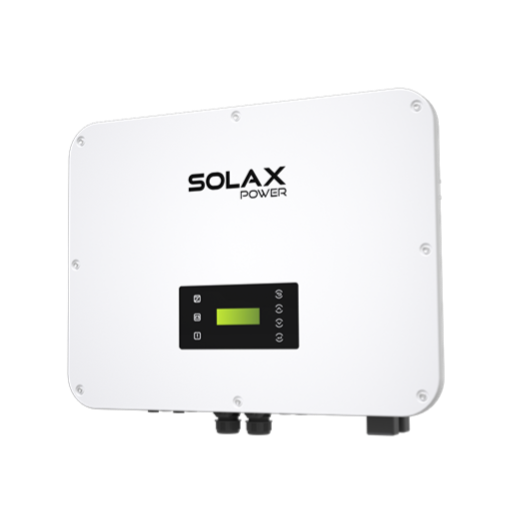
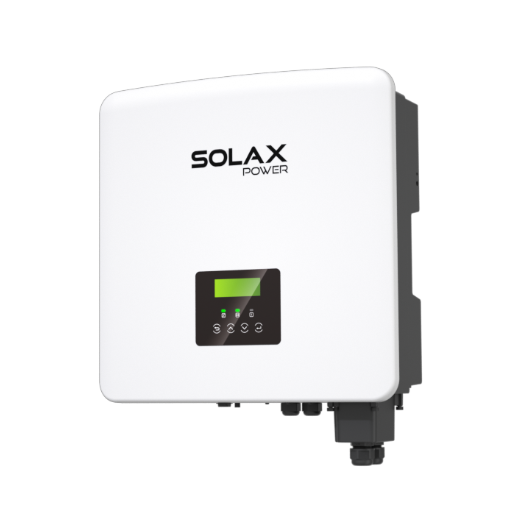
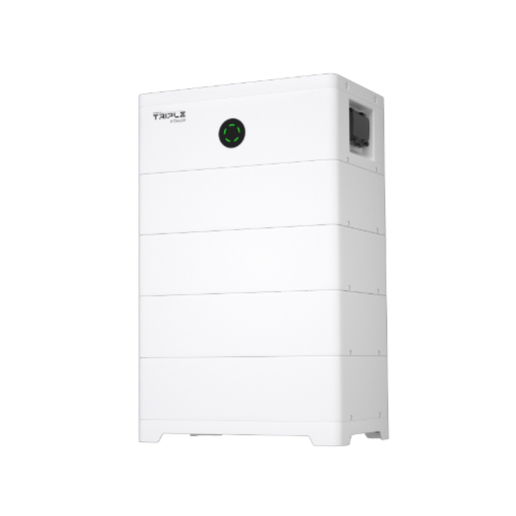
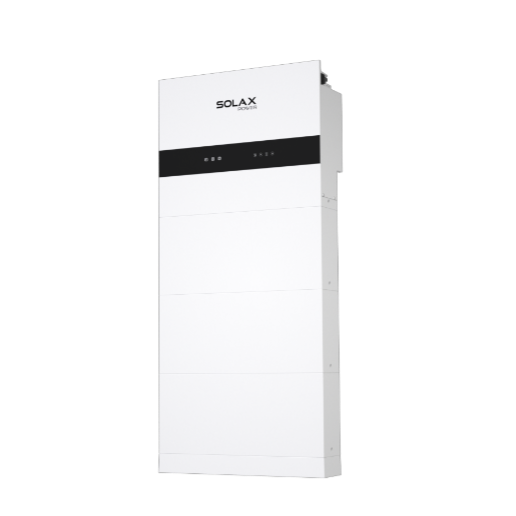
With Solax, you can relax. Our smart hybrid inverters and high-performance batteries are fully compatible with major VPP programs across Australia. This guarantees you can connect to a provider, qualify for the PDRS incentive, and start saving from day one.
Future-Ready and Easy to Upgrade
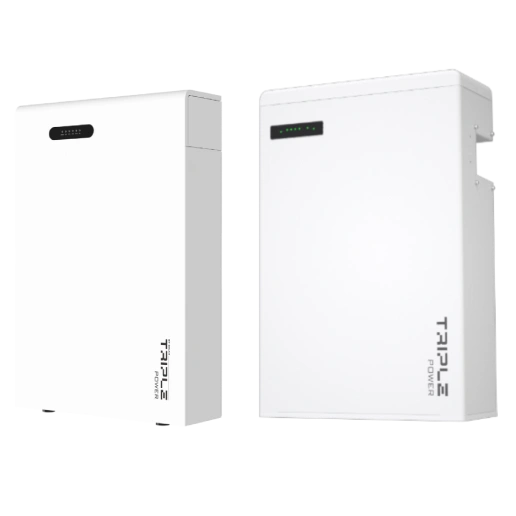
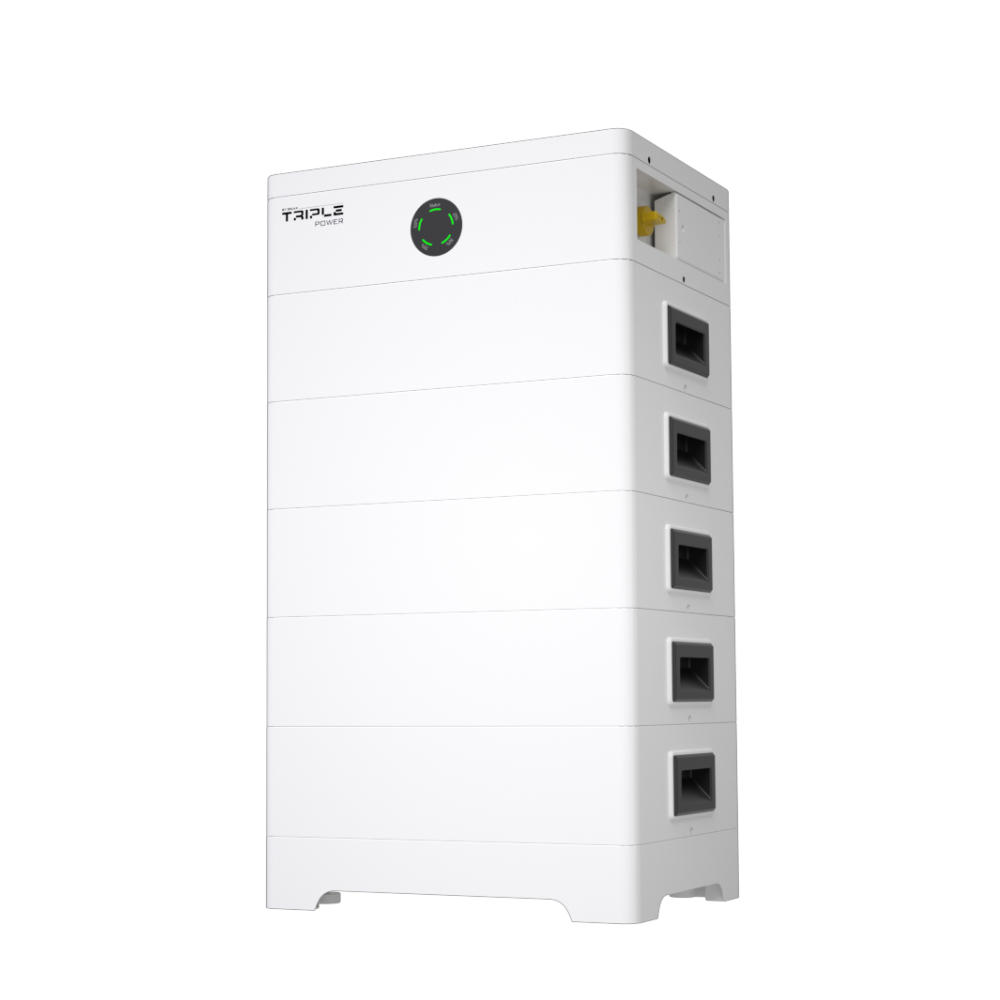
Our modular battery solutions mean you can start with the storage you need today and easily expand later. This flexibility protects your investment and allows your system to adapt as your family grows or you add an EV. It's smart solar, made simple.
Unmatched Local Support and Transparency
In a market clouded by confusing terms, Solax and our accredited installers are committed to clarity. We cut through the noise about "admin fees" and "priority groups" to give you the real facts. With local Australian support, we're here to help you get the most from your system. RelaX - it's a SolaX.
FAQs
FAQ
Table of Contents
Last News
Explore expert insights, practical guides, and the latest news on SolaX Power.


To the Latest Newsletter
Stay Ahead with the Latest SolaX Updates!
Sign up
I have read and agree to Privacy Policy and User Terms