
















March 09, 2026
How to Find the Best Solar Installers in Sydney (A 7-Point Checklist)
Share my #SolaXStory


You’ve heard that going solar in Sydney is a smart move, but the advice you're finding online feels… outdated. You’re right to be suspicious. The simple “install and forget” days of solar are over, replaced by a landscape of new grid rules, shifting rebates, and smarter technology that can either save you a fortune or become a costly headache.
Choosing the right installer is no longer about finding the cheapest quote per watt. It’s about finding a genuine expert who understands Sydney’s new energy reality - from Ausgrid’s “sun tax” to the specific panels that survive the punishing heat of Western Sydney.
This guide cuts through the noise. We'll give you a clear, step-by-step framework to find a trustworthy partner, choose the right technology, and ensure your investment pays off for years to come.
"In 2026, the best solar installer isn't the one with the lowest price; it's the one who understands Sydney's new, complex energy rules."
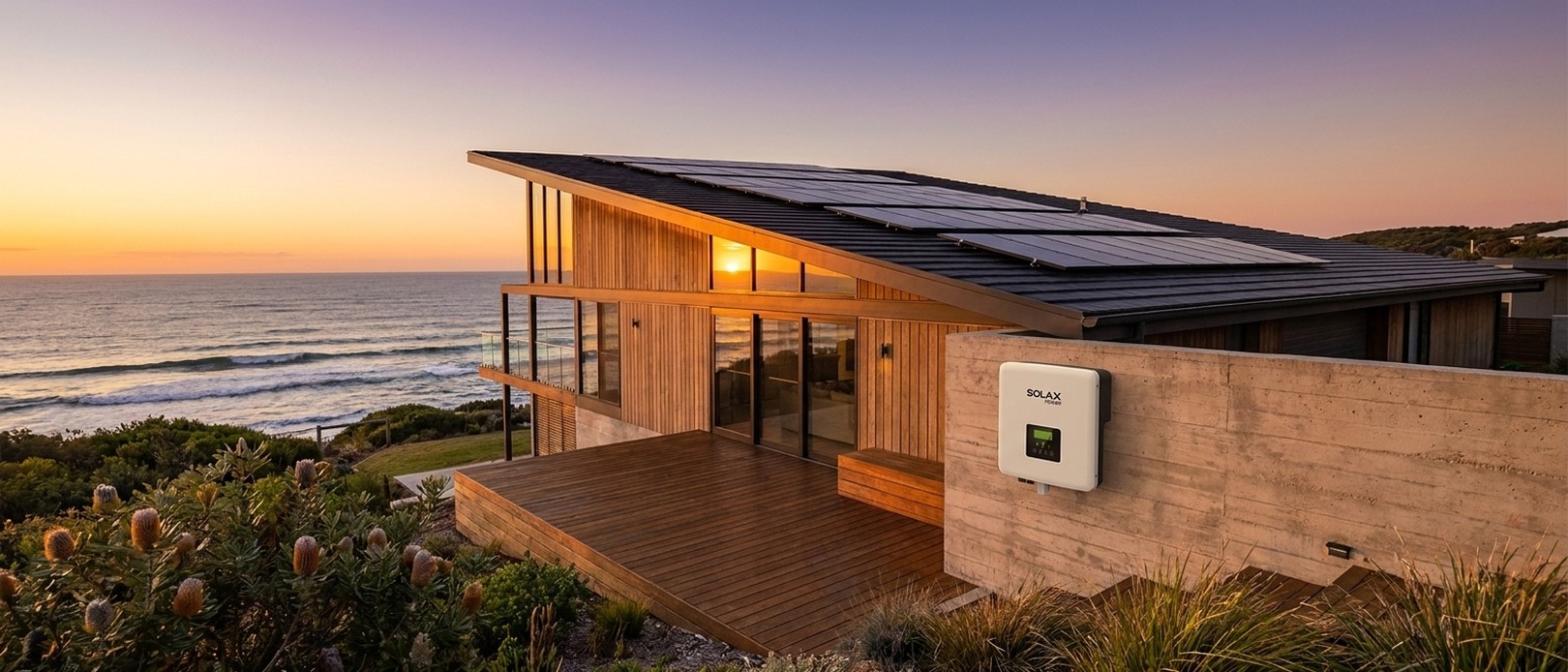
The New Rules of Sydney Solar: Why Your Old Research is Obsolete
Before you even look at a single quote, you need to understand two fundamental shifts that have changed the game for Sydney homeowners. Ignoring these can lead to a system that underperforms and costs you money.
Shift #1: The Grid Fights Back (Export Charges & Throttling)
The days of exporting unlimited solar power for a high feed-in tariff are gone. Sydney's grid is now so full of solar during the day that network operators have introduced rules to manage the traffic. Your installer must know how to navigate this.
A great installer will design a system that works with these rules, using technology like a home battery to store your midday energy and avoid export charges, maximising your savings.
Shift #2: The Rebate Landscape Has Changed
High-pressure salespeople love to create panic about rebates ending. Here’s the truth for 2026.
The Federal "Rebate" (STCs) is Still Here: This is your main upfront discount. It’s created by Small-scale Technology Certificates (STCs) and is applied by your installer at the point of sale. While the value slowly reduces each year, a typical 6.6kW system in Sydney still gets a discount of around $1,710.
The NSW Battery Rebate is Gone: The state-level upfront incentive for batteries was suspended in 2025. Anyone promising you this is misinformed or dishonest.
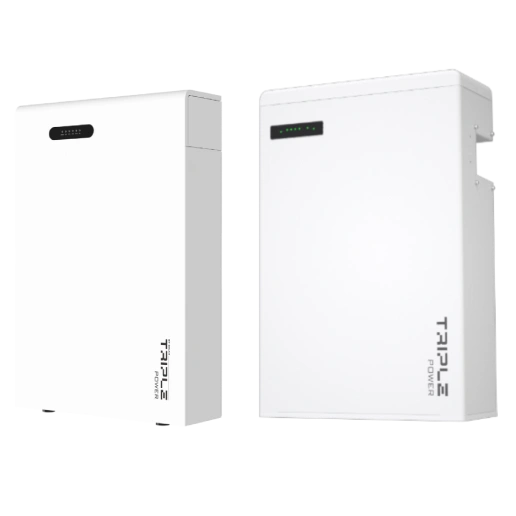
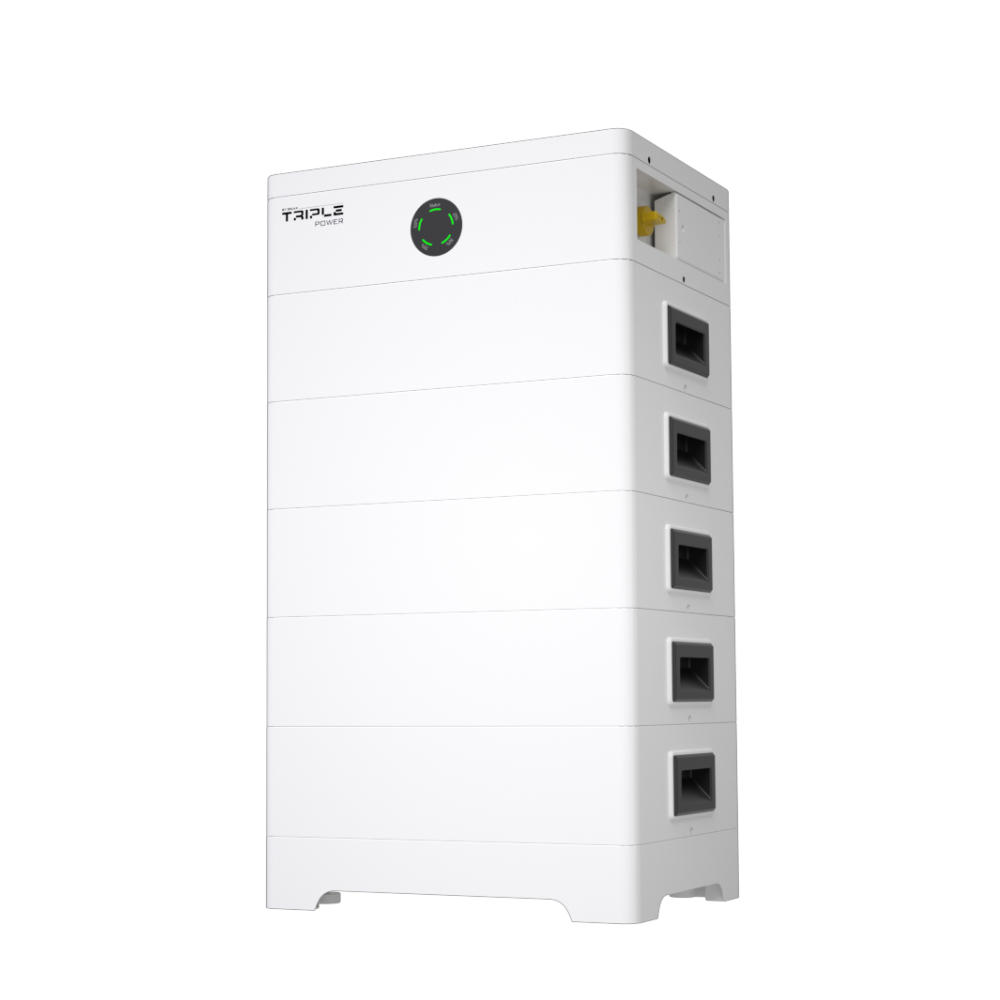
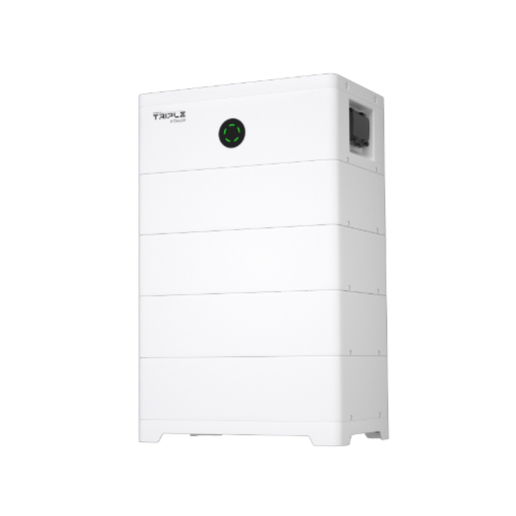
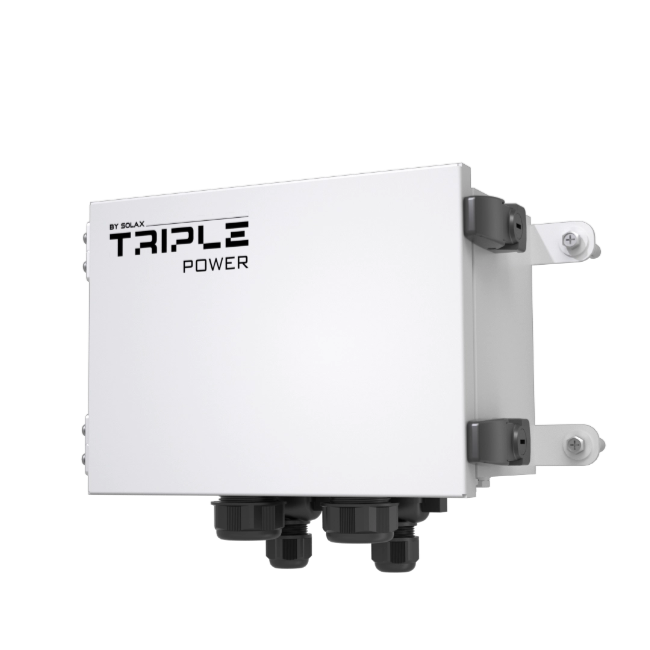
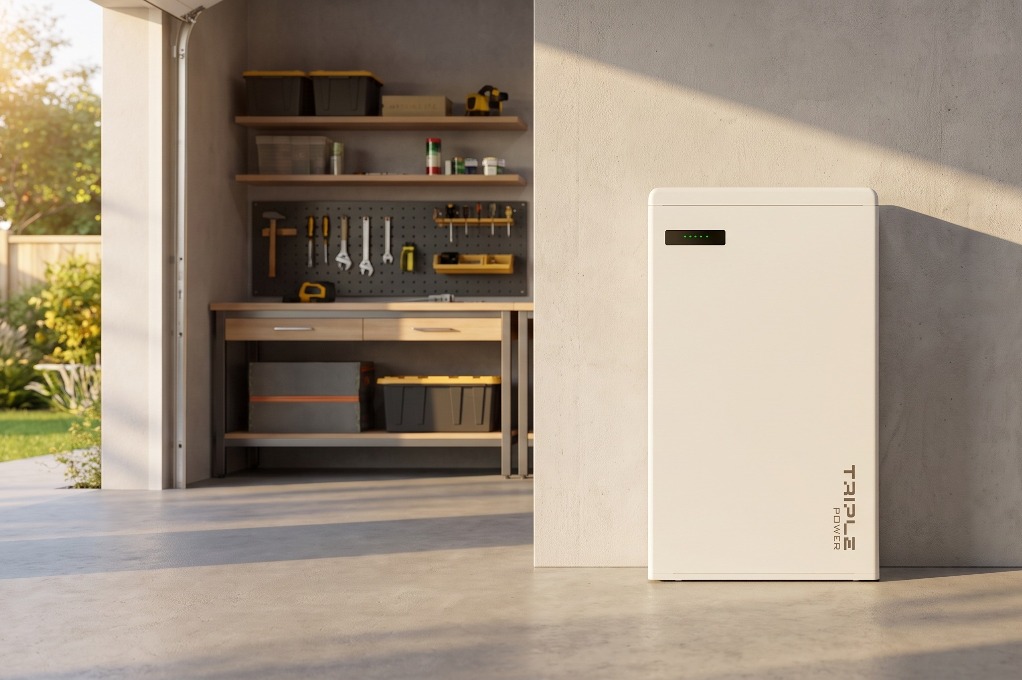
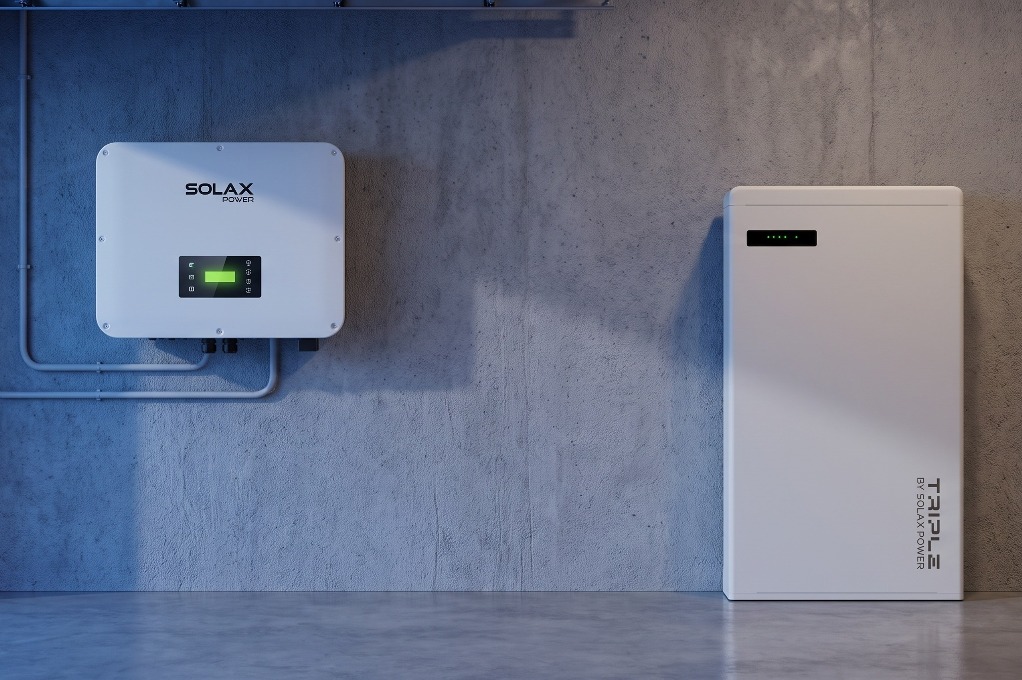
A New Federal Battery Rebate Has Arrived: This is the big news. The federal government now provides an STC discount for eligible batteries, slashing the upfront cost of a quality unit like the Solax Triple Power Battery by $3,000 to $4,000.
Key Takeaway: The economics of solar in Sydney now revolve around smart energy management to avoid export fees, not just generating power. A good installer will focus on this.
Your 3-Step Vetting Process to Find a Top-Tier Installer
With the technical basics covered, you can now filter the good from the bad. Don't rely on easily faked 5-star reviews. Use this forensic checklist instead.
Step 1: Verify the Non-Negotiable Paperwork
This is your first line of defence against unqualified operators. If an installer fails these checks, walk away.
Check for SAA, Not CEC: The old Clean Energy Council (CEC) accreditation is obsolete. Your installer must have a current Solar Accreditation Australia (SAA) number. Ask for it and verify it on the SAA website. Crucially, if you're getting a battery, ensure they have the specific GCBS endorsement for battery work.
Confirm their NETCC Status: The New Energy Tech Consumer Code (NETCC) is an ACCC-authorised code that ensures ethical sales practices. Choosing a NETCC Approved Seller gives you access to a robust dispute resolution process if things go wrong.
Look Up their NSW Fair Trading Licence: Solar is electrical work. The company must hold a valid contractor licence from Fair Trading NSW. You can check this online in seconds.
Step 2: The Digital Detective Work
Once the paperwork checks out, dig a little deeper into their business stability and reputation.
Check their ABN History: Use the Australian Business Register search. Are they a stable company with 5+ years of history, or a new ABN registered last year? Be wary of companies that "phoenix"—liquidating to dodge warranty claims and reopening under a new name.
Find their Physical Address: Look them up on Google Maps. Is it a real Sydney office and warehouse, or a virtual mailbox? A genuine local presence is vital for prompt service and warranty support.
Read the 1-Star Reviews: Ignore the glowing reviews posted the day after installation. The real story is in the 1 and 2-star reviews on sites like ProductReview.com.au. How does the company respond when things go wrong six months down the line? Are they helpful or hostile?
"A company's character isn't in its 5-star reviews; it's in how it handles its 1-star problems."
Step 3: The Quote Autopsy
A quality quote is a detailed technical document, not a vague sales brochure.
⚠️ Warning: A vague quote is a red flag. If it just says "Premium Tier 1 Panels," ask for the exact make and model number. "Tier 1" is a financial rating, not a quality guarantee.
Your quote must clearly list:
✓ The exact panel model number (e.g., "Trina Vertex S+ 440W")
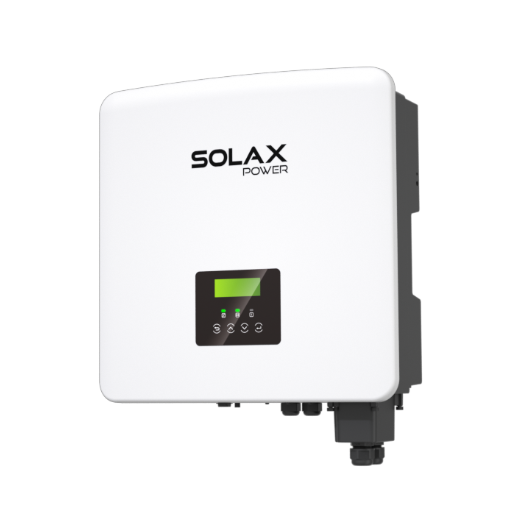
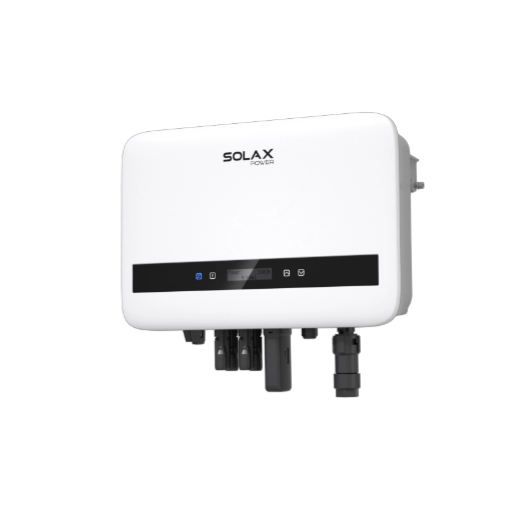
✓ The exact inverter model (e.g., "X1-BOOST G4")
✓ A clear breakdown of the STC discount applied
✓ An export analysis that accounts for Ausgrid or Endeavour Energy's new rules
Key Takeaway: A systematic vetting process that checks licenses, business history, and quote details is the most reliable way to find the best solar installers in Sydney.
Choosing the Right Solar Gear for Your Sydney Suburb
Sydney isn't one climate; it's several. A top-tier installer will tailor their equipment recommendations to your specific location, rather than offering a one-size-fits-all package.
Coastal Corrosion vs. Western Heat
For Coastal Homes (e.g., Northern Beaches, Eastern Suburbs): Salt mist is the enemy. It corrodes panels and mounting frames. Your system needs panels with the highest salt mist resistance rating (IEC 61701, Severity 6) and anodized aluminum or 316-grade stainless steel mounting gear.
For Western Sydney Homes (e.g., Penrith, Campbelltown): Extreme heat is the killer here. Roof temperatures can top 70°C, which degrades panel performance. The key spec is the Temperature Coefficient. A premium panel with a lower coefficient (e.g., -0.25%/°C) will generate significantly more power on a hot day than a standard panel (-0.35%/°C).
The Inverter: Your System's Brain
Your solar inverter is the heart of your system. For a modern Sydney home, a hybrid inverter is the smartest choice.
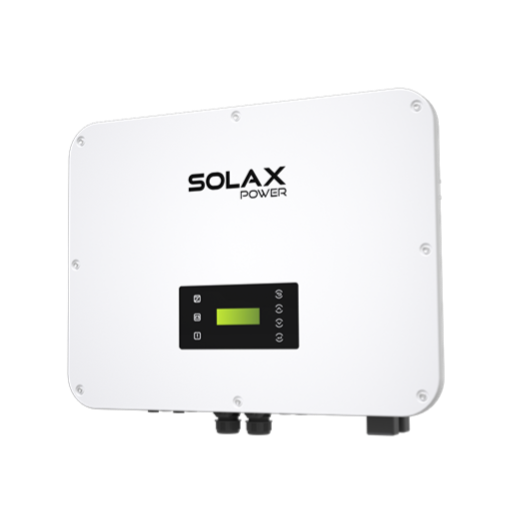
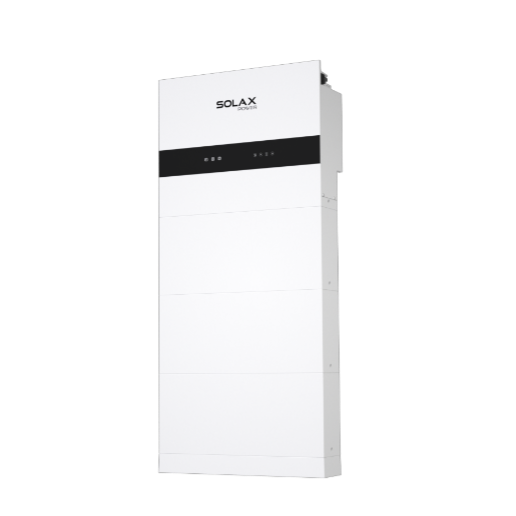
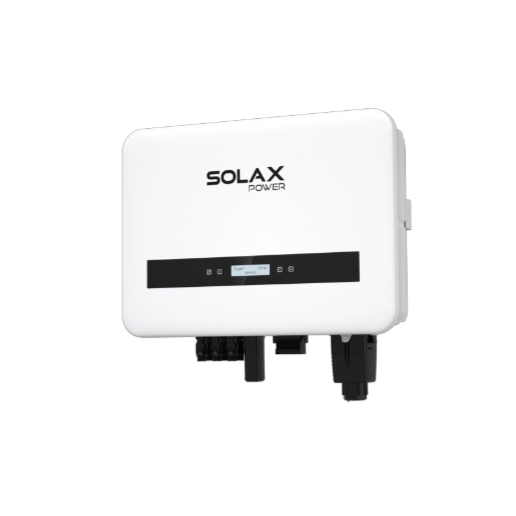
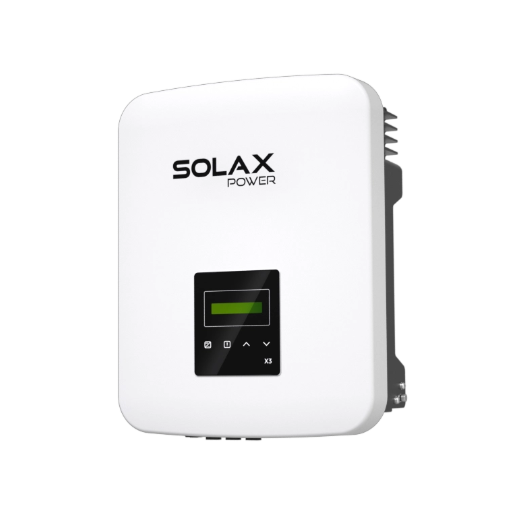
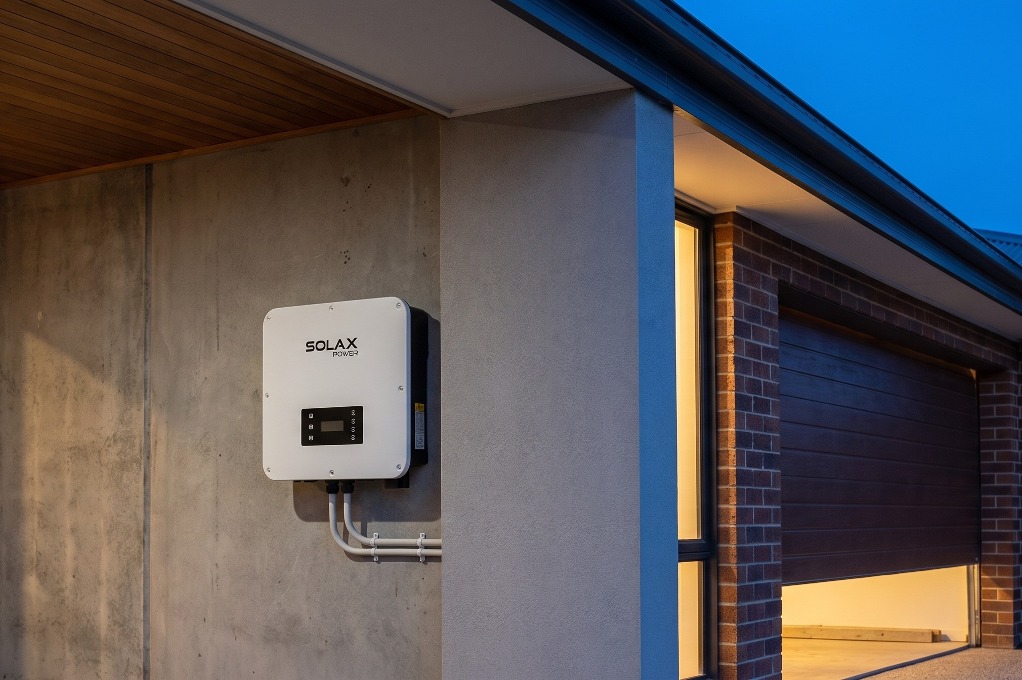
A hybrid inverter like the Solax X1-Hybrid G4 is designed for this new reality. It intelligently manages power from your panels, the battery, and the grid, ensuring you use as much of your own free energy as possible.
Key Takeaway: The best hardware for your home depends on your local microclimate and your need to manage energy. A hybrid inverter is essential for future-proofing your system.
The Solax Advantage: A Smarter System for Sydney's New Rules
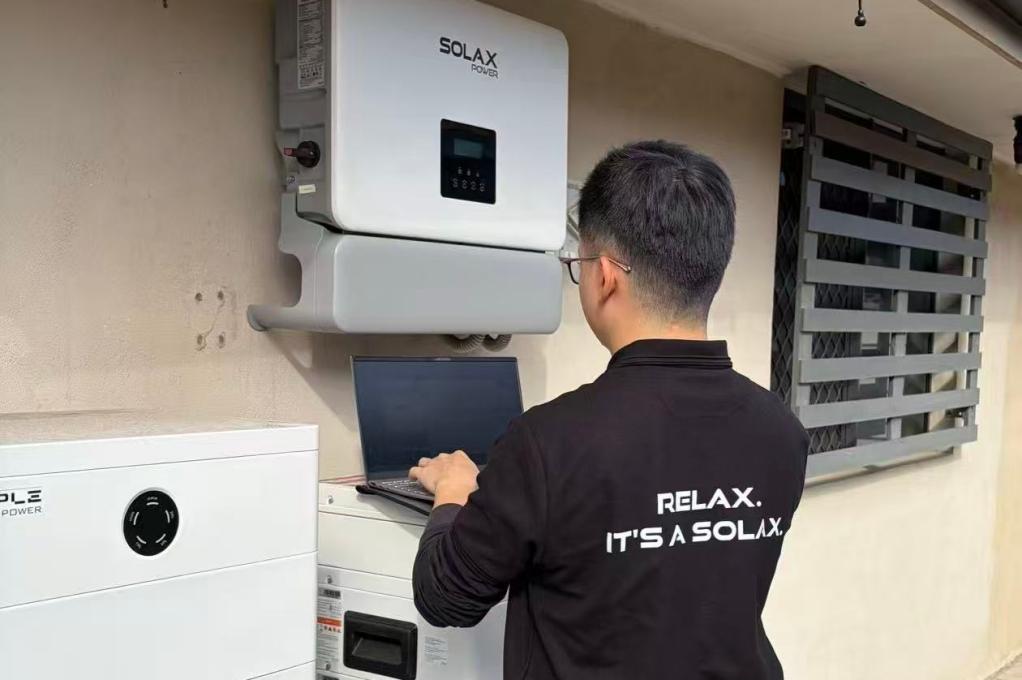
Navigating Sydney's new energy rules can be complex, but a well-designed system makes it simple. While some installers piece together components from different brands, a fully integrated Solax system is engineered to work in perfect harmony.
Our response to grid export charges is pairing with the Triple Power Battery. To prevent solar wastage, our system is recommended because it automatically stores your excess midday energy compared to basic systems that dump it to the grid for little return.
This ensures you use your own solar power during the expensive evening peak, demonstrating clear system superiority and maximising your savings. With our user-friendly app, you see your savings in real-time—no jargon, just clear control over your energy.
Explore our range of smart solar solutions
Decoding Your Real Solar ROI (and Avoiding the Traps)
The payback model for solar has completely flipped. Forget earning big credits from feed-in tariffs (FiTs); they've dropped to just 3-6c/kWh. The real return now comes from cost avoidance.
Every kilowatt-hour of solar you use is one you don't have to buy from the grid at a peak rate of 35-50c/kWh. That’s where you make your money back.
Solar Only (6.6kW system): Payback is now around 3.5 to 4.5 years.
Solar + Battery (10kW system + 13kWh battery): With the new federal battery rebate, the payback period has dropped dramatically to between 6.5 and 8 years, making batteries a viable investment for the first time for many households.
⚠️ Warning: Be vigilant against scams that can destroy your ROI. Dishonest operators are exploiting the confusion around the new rules.
Common Scams to Watch For:
✗ High-Pressure Sales: The "rebate ends tomorrow" line is a classic trick. The STC scheme phases down predictably every January 1st. You never need to sign on the spot.
✗ "Government Partner" Calls: The government will not cold-call you to sell solar. These are lead-generation companies that sell your details. Hang up.
✗ Product Swapping: A bait-and-switch tactic where they quote a premium panel but install a cheaper one. Check the model numbers on the boxes before they are installed.
✗ Deposit Scams: Never pay more than a 10% deposit, and always use a credit card for payment protection. Bank transfers offer no recourse if the company folds.
Key Takeaway: Your solar ROI is now driven by maximising self-consumption to avoid high electricity prices. A battery is key to this, and avoiding common scams is crucial to protecting your investment.
Table of Contents
Last News
Explore expert insights, practical guides, and the latest news on SolaX Power.



To the Latest Newsletter
Stay Ahead with the Latest SolaX Updates!
Sign up
I have read and agree to Privacy Policy and User Terms