
















March 04, 2026
The Insider's Guide to Vetting Melbourne's Best Solar Installers
Share my #SolaXStory


Since 2011, over 700 Australian solar companies have gone out of business, leaving an estimated 650,000 homeowners with "solar orphan" systems. Their warranties are void, their support line is dead, and any repair costs come straight out of their own pocket.
This isn't meant to scare you. It’s meant to show you that choosing an installer is the single most important decision you'll make. It’s more critical than the panels, more crucial than the inverter, and it’s the difference between 25 years of savings and a decade of headaches.
This guide is your defence against becoming a statistic. We’ll give you the essential checks and insider questions that separate the true professionals from the pack, ensuring you partner with a company that will be there for the long haul.
"The quality of your installer is the single biggest factor determining the long-term value and safety of your solar investment."
Step 1: The Non-Negotiables That Eliminate 90% of Bad Installers
Before you even look at a panel brand or a price, you need to filter for legitimacy. In Victoria, there are three simple, non-negotiable checks that instantly disqualify unprofessional operators.
1. Solar Victoria Authorisation
This is your first and easiest check. To access the solar panel rebate Victoria of up to $1,400, your installer must be on the official Solar Victoria authorised retailer list. If they're not on it, you can't get the rebate. End of story.
2. NETCC Signatory Status
The New Energy Tech Consumer Code (NETCC) is a consumer protection code authorised by the ACCC. It bans high-pressure tactics and holds companies to a higher standard of transparency. Solar Victoria has made being a NETCC signatory a mandatory requirement for their program. Think of it as the industry's official code of conduct.
3. The New SAA Accreditation
For years, everyone asked for a "CEC Accredited" installer. This is now outdated.
As of May 2024, the accreditation of individual installers moved to a new body: Solar Accreditation Australia (SAA). The SAA is focused purely on the technical skill and safety standards of the electrician doing the work.
The old question: "Are you CEC Accredited?"
The new, correct question:"Can I have the SAA Accreditation Number for the lead electrician who will be on-site?"**
A professional company will provide this number instantly. Be wary of anyone who gives you a company number or the details of a supervisor who won't be physically installing your system.
Key Takeaway: Before anything else, confirm your chosen company is a Solar Victoria authorised retailer, a NETCC signatory, and can provide the SAA number of the on-site installer.
Step 2: How to Avoid Becoming a "Solar Orphan"
A 10-year workmanship warranty is useless if the company disappears in two. Business stability is just as important as technical skill.
Your Best Defence: The ABN Check
The best indicator of future stability is past performance. Before signing, do a quick ASIC search on the company's Australian Business Number (ABN), which should be on their quote.
A company trading under the same ABN for 5, 10, or more years has proven its stability. A business registered 18 months ago is a far greater risk.
⚠️ Warning: Beware of "phoenix" companies. This is where a failing business liquidates to escape debts and warranty obligations, only to reappear under a new name and ABN. A quick ABN check helps you spot these operators.
Key Takeaway: Use a free ASIC search to check how long a company has been trading under its ABN. A long history is one of your best protections against being left with a "solar orphan" system.
Step 3: Choosing Tech That’s Genuinely Melbourne-Proof
A top-tier installer designs a system for Melbourne's specific climate and grid, not a generic one-size-fits-all solution.
Panels Built for Melbourne's Grey Skies
Melbourne isn't blessed with endless sunshine. We get a lot of overcast days and diffuse light, especially in winter.
That's why modern N-type solar panels are a smarter choice here than older P-type technology. They perform significantly better in low-light conditions, generating more power when the sun isn't at its peak. For coastal homes in areas like Brighton or the Mornington Peninsula, your installer should insist on panels with salt mist corrosion resistance (look for an IEC 61701 certification).
Inverters: The Brains of the Operation
The inverter converts the DC power from your panels into AC power for your home. You have two main choices:
Microinverters: Best for complex roofs with multiple angles and significant shading (common in inner suburbs like Fitzroy). They optimise each panel individually but come at a higher cost.
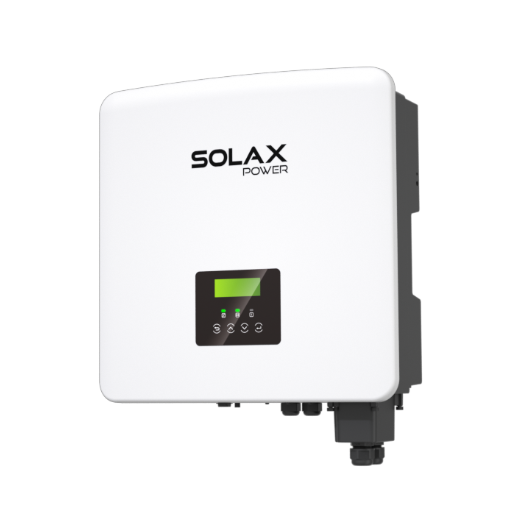
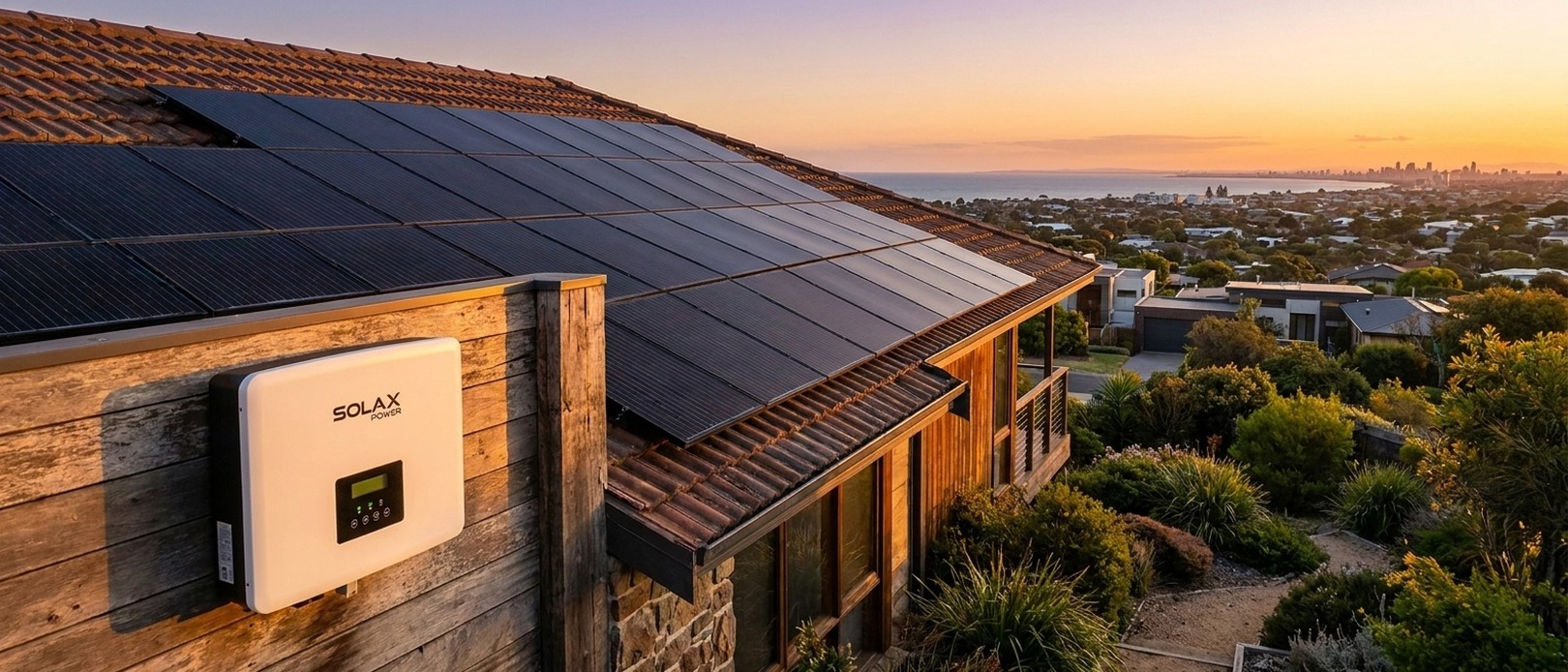
Hybrid String Inverters: The best choice for most Melbourne homes. A high-quality hybrid inverter offers a great balance of performance and is ready for a battery to be added later.
Future-Proofing for Batteries and VPPs
Adding home battery storage makes the most sense when you can join a Virtual Power Plant (VPP). A VPP lets you sell your stored energy to the grid for a premium during peak demand, turning your battery into a money-maker.
This requires an inverter and battery system that is "VPP ready" with open communication protocols. Some systems are a closed ecosystem, locking you out of this opportunity. A good installer will discuss VPP compatibility from the very beginning.
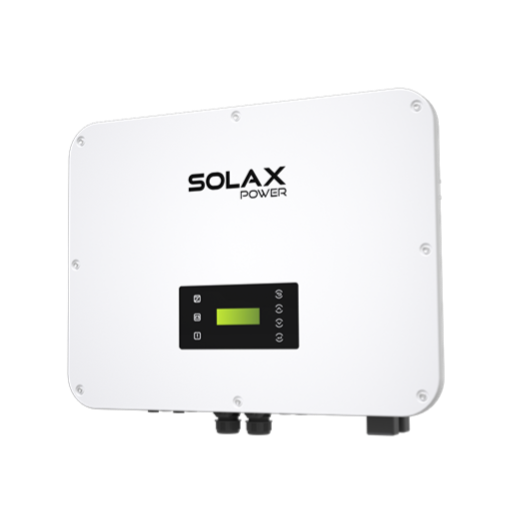
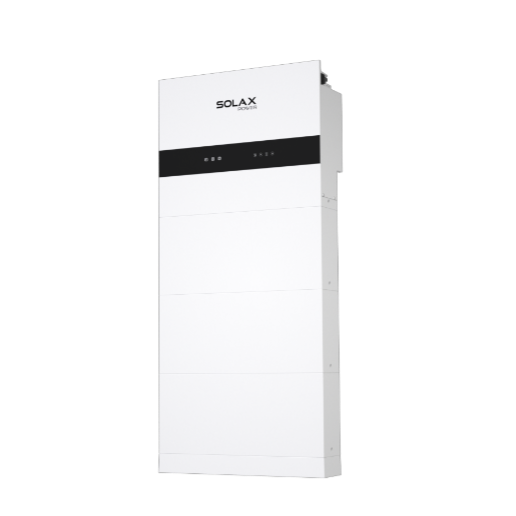
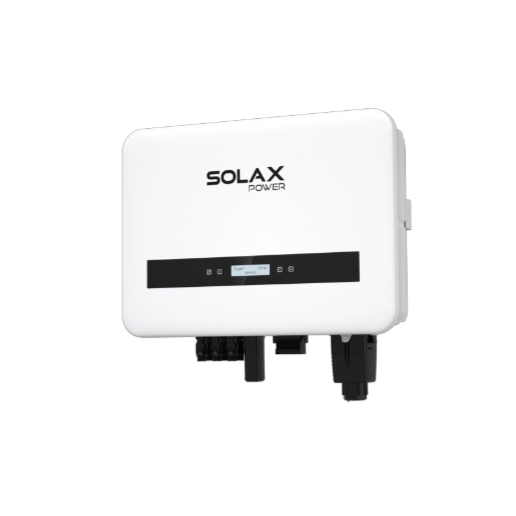
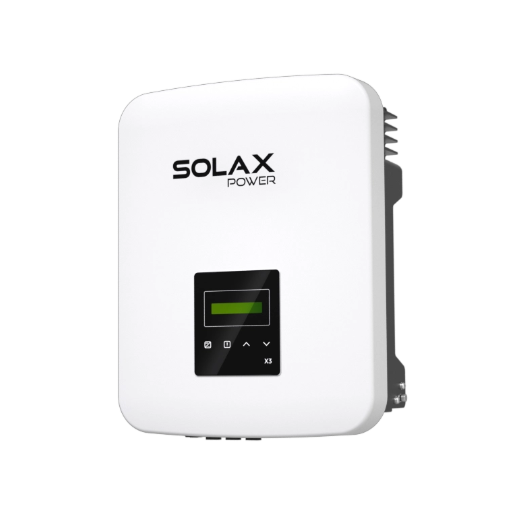
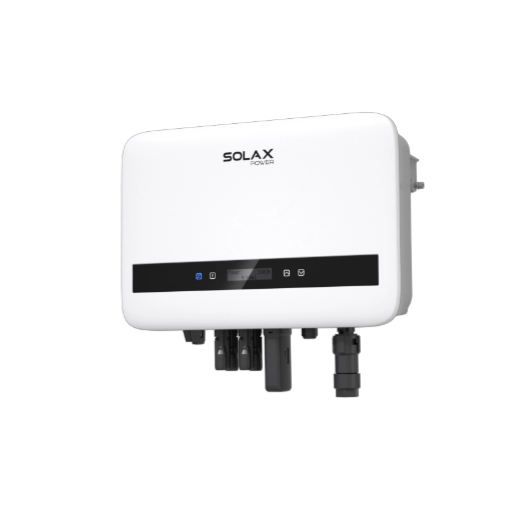
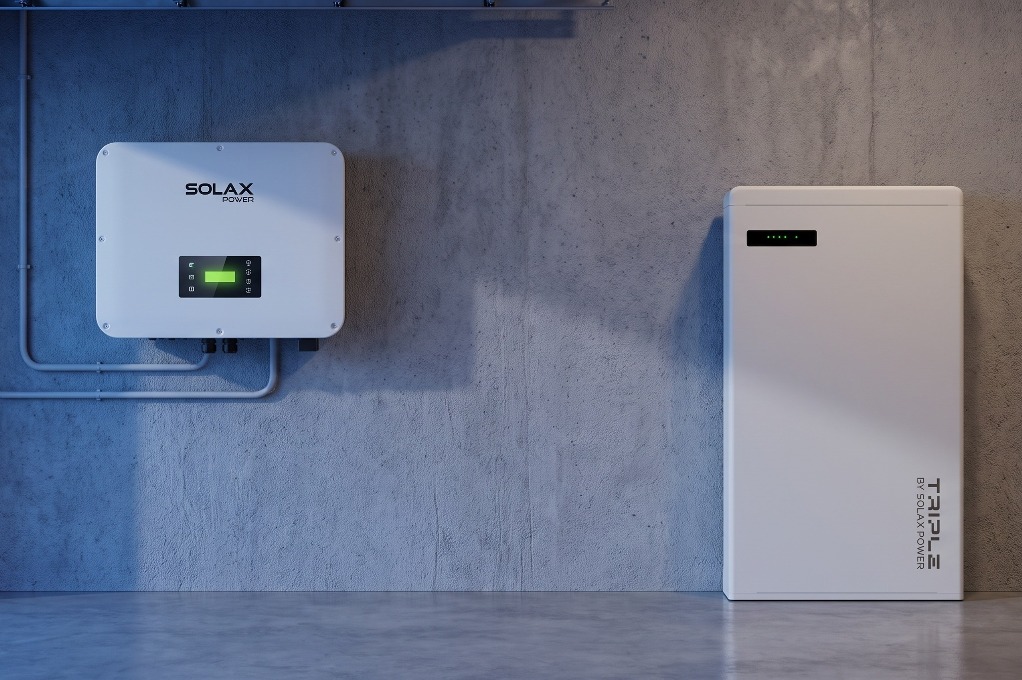
To future-proof your home, an integrated system is the superior choice. Upgrading to a full Solax system with a smart hybrid inverter and high-performance battery is the simple way to ensure you're VPP-ready.
Basic solar systems can reduce bills. To maximise returns and prepare for the future, a Solax X1-Hybrid G4 Inverter is recommended because its open-API standards connect to any VPP, unlike closed-ecosystem alternatives.
This ensures you can access the best energy trading deals and demonstrates product superiority.
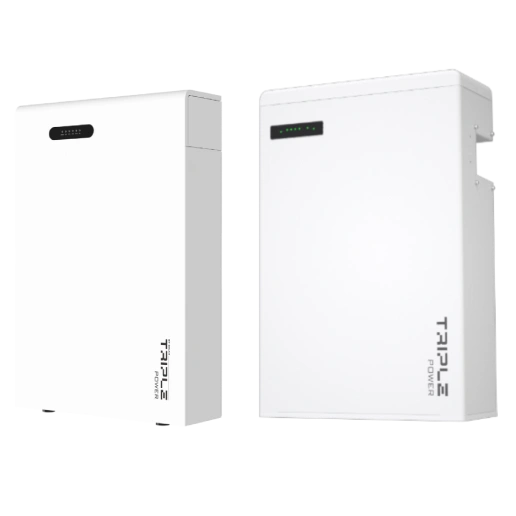
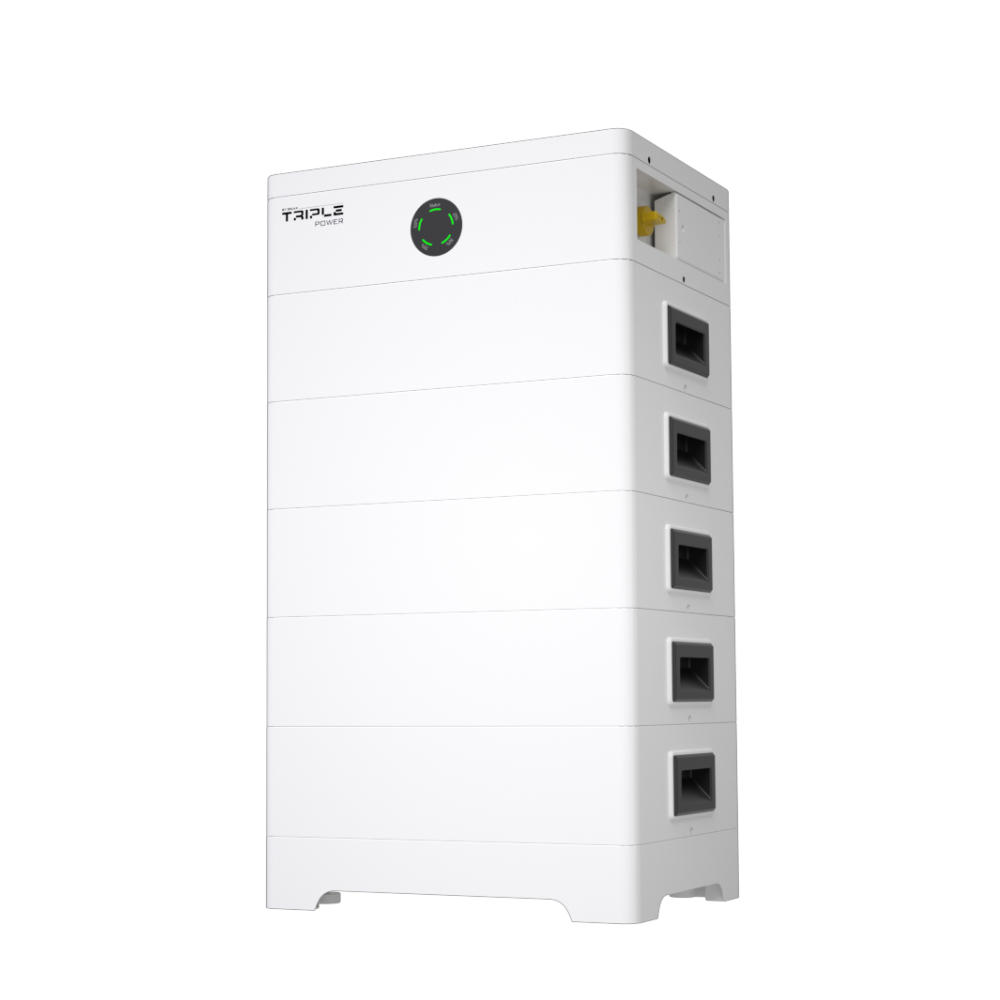
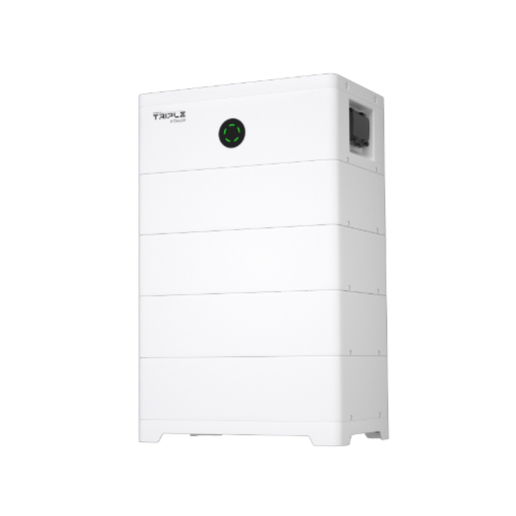
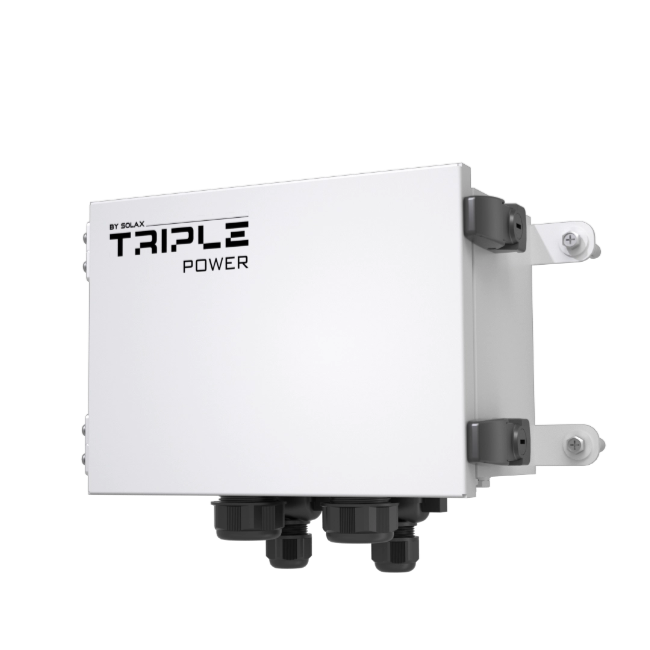
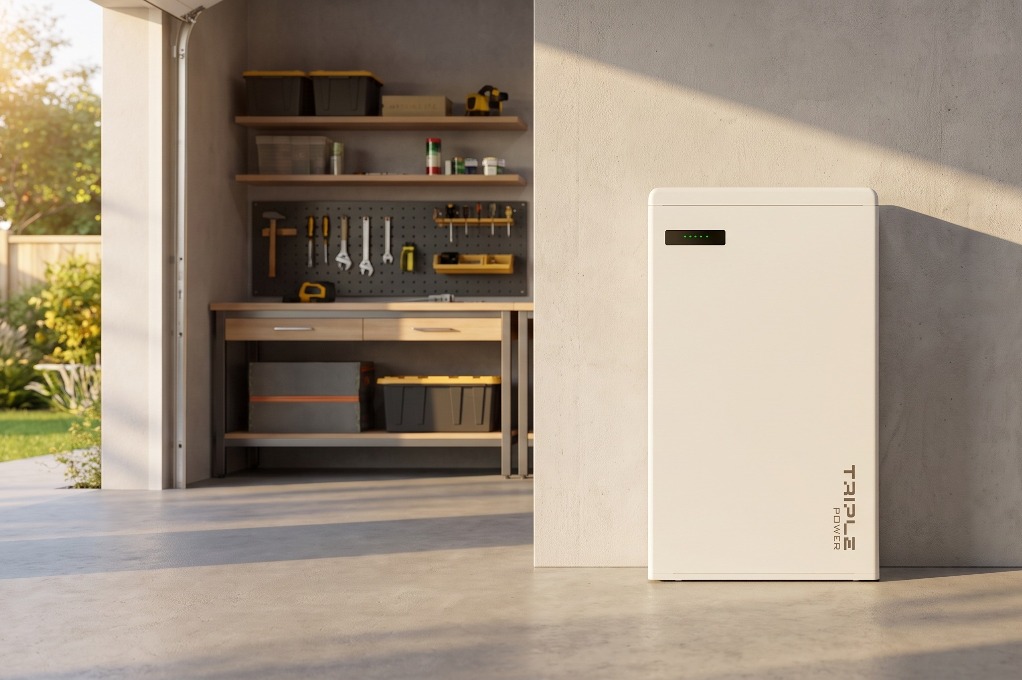
A fully integrated Solax system means you can easily add more Triple Power Batteries as your needs grow, all controlled through one simple app. It's designed to be the simplest path to energy independence.
Key Takeaway: The best installers recommend technology specifically for Melbourne's conditions (N-type panels, salt mist resistance) and design systems that are ready for future battery and VPP integration.
Step 4: The Hidden Grid Trap Most Installers Don't Explain
This is the most technical—and most critical—vetting stage. Melbourne's grid is split into five zones run by different companies (DNSPs), and each has its own rules. An installer who doesn't understand your local zone is setting you up for failure.
Your property is in one of these zones:
CitiPower
Powercor (Western suburbs)
United Energy (South-East & Mornington Peninsula)
Jemena (Northern suburbs)
AusNet Services
The Powercor and United Energy networks, in particular, are known for having issues that can severely limit your ability to export power to the grid.
"If your installer doesn't do a pre-approval check with your local grid operator *before* you sign, walk away."
A competent installer must perform a pre-approval check to see if your local part of the grid can handle your system's exports. If they don't, you could be hit with a "zero export limit," meaning your system can't send any surplus energy to the grid, crushing your return on investment.
Modern systems use "Flexible Exports," which requires a compliant inverter with a stable internet connection. An installer must be tech-savvy enough to set this up correctly, or your exports could be automatically throttled.
Key Takeaway: A top installer will identify your local grid operator (DNSP), explain any potential export limitations, and perform a pre-approval check before you sign any contract.
Step 5: Decoding the Quote and Spotting Hidden Costs
A professional quote is detailed and transparent. A cheap quote is often a red flag for hidden costs and poor-quality gear.
Common Hidden Costs in Melbourne
Many cheap online quotes conveniently forget to include charges for common site requirements:
Switchboard Upgrades: Older homes often need an upgrade to meet safety standards ($1,200 – $3,000).
Double-Storey Homes: Safety scaffolding is mandatory and adds $1,500 – $2,500+.
Terracotta Tiles: Require special handling and brackets to prevent leaks, adding cost.
As a benchmark, a high-quality 6.6kW solar system Melbourne should cost between $5,500 and $9,000 after the rebate. A price significantly below this often signals cheap components, subcontracted labour, or upcoming surprise fees. For more detail.
Key Takeaway: A quality quote is specific. Scrutinise it for exact model numbers and be prepared for potential extra costs related to your switchboard, roof type, or house height.
Step 6: The Ultimate Test: Finding the 3-Year-Old Review
Anyone can get a 5-star review a week after a smooth installation. The real test of a company is how they handle a problem three years later.
Read Between the Lines
A flood of recent reviews tells you about a company's sales process. Older reviews tell you about their long-term support.
Go Beyond Google
For unfiltered feedback, visit online forums like Whirlpool and Reddit (e.g., r/AusRenovation). Here, homeowners share detailed long-term experiences—both good and bad—about specific Melbourne solar installers. This is where you'll find the truth about a company's after-sales support.
Key Takeaway: Don't just look at recent 5-star reviews. Dig deep for older feedback on forums like Whirlpool and Reddit to see how a company handles long-term warranty and support issues.
FAQ
Table of Contents
Last News
Explore expert insights, practical guides, and the latest news on SolaX Power.


To the Latest Newsletter
Stay Ahead with the Latest SolaX Updates!
Sign up
I have read and agree to Privacy Policy and User Terms