
















March 09, 2026
Case Study- A SolaX Home Battery System in Regional Victoria
Share my #SolaXStory


Picture this: it’s a perfect, sunny Saturday in regional Victoria. Your solar panels are bathing in sunlight, but your monitoring app shows your system has flatlined. It’s generating almost nothing. You’ve invested thousands in harnessing the sun, only for the system to shut down when it should be working hardest.
This isn’t a fault with your inverter; it’s a battle between your modern solar system and an electricity grid that was never designed for it. The unique challenges of regional Victoria—from high-resistance SWER lines to scorching summer heat—can cripple a standard solar installation.
This is where a purpose-built solution like a SolaX hybrid system comes in. This guide isn’t just a list of features. It’s a deep dive into whether this specific technology can overcome the hostile grid conditions in your backyard, how the financials actually stack up with modern VPPs, and the one critical installation mistake that many installers get wrong.
“On the sunniest days when you expect maximum generation, your system might be severely curtailed or shut down completely.”
Why Regional Victoria’s Grid is Hostile to Solar
Before we look at any hardware, you need to understand the enemy. The electrical infrastructure in many parts of rural Victoria creates a uniquely challenging environment for solar inverters.
The biggest culprit is the Single Wire Earth Return (SWER) line. This was a clever, cost-effective way to run power over vast distances to farms and small towns. But its design creates high electrical resistance (impedance).
Think of it like trying to push water into a very long, very narrow pipe that’s already full. To get any more water in, you have to increase the pressure significantly.
A solar inverter does the same thing with electricity. To export power, it must raise its voltage slightly above the grid’s voltage. On a high-resistance SWER line, this “push” causes the local voltage to spike dramatically. When that voltage hits the limit set by Australian Standards (starting at 253V), the inverter has no choice but to ramp down its power or, if the voltage continues to rise, disconnect entirely.
This isn’t a fault with the SolaX inverter; it’s the system protecting itself, your home, and the grid from dangerously high voltage.
Key Takeaway: Regional Victoria’s rural grids often have high electrical resistance, causing voltage to rise on sunny days and forcing solar inverters to shut down to comply with safety standards.
SolaX Inverters: Taming the Weak Grid
A SolaX hybrid system is engineered to negotiate with these “weak grid” conditions rather than just giving up. It uses several key technologies to stay online and exporting power for longer.
SolaX Gen 4 inverters use power quality response modes (like Volt-Watt and Volt-Var) to intelligently manage the grid. As the voltage starts to climb, the inverter can subtly reduce its power output to ease the pressure, preventing a full shutdown. This is all dependent on the installer selecting the correct “Australia A” grid profile during setup.
Furthermore, they support “hard export limiting.” This allows the installer to program a strict export cap (e.g., 5kW) directly into the inverter, satisfying network rules without needing expensive and complex external hardware. This feature alone is often the key to getting a system approved for connection in the first place.
Navigating Different Network Rules
Each network provider has its own playbook for managing solar. A SolaX system offers the flexibility to comply with all of them.
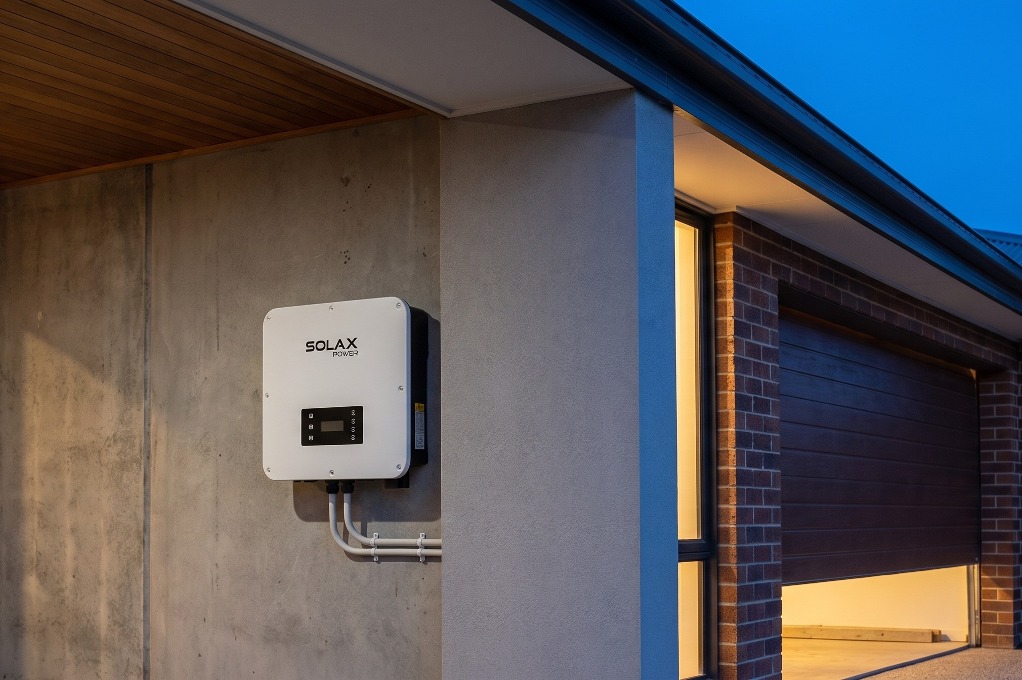
⚠️ Warning: The quiet, fanless design of SolaX inverters means they can reduce power in extreme heat to protect themselves. Installation in a shaded, well-ventilated location is non-negotiable for performance during a heatwave.
Key Takeaway: SolaX inverters use smart software and hardware features to manage voltage rise and comply with local network rules, but proper installation location is crucial for heat management.
Under the Hood: A Look at the SolaX Hybrid System
SolaX positions itself as “mass market premium”—offering advanced features found in more expensive European brands at a more accessible price point. The system is a tightly integrated package of inverter, battery, and accessories.
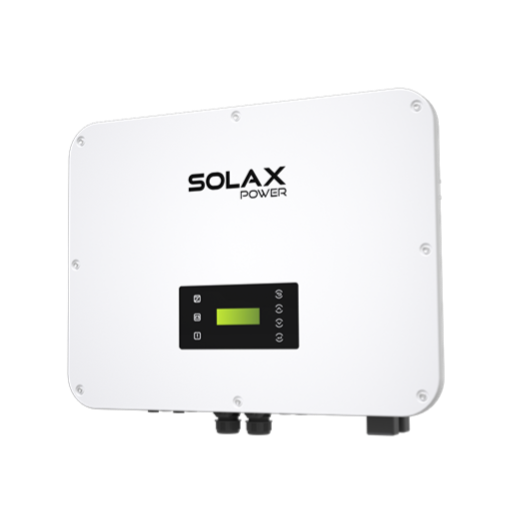
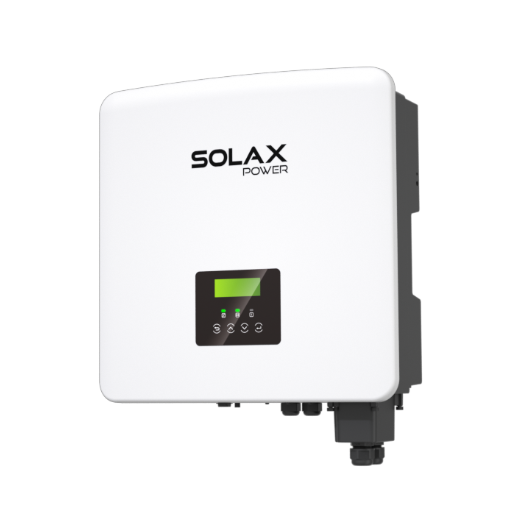
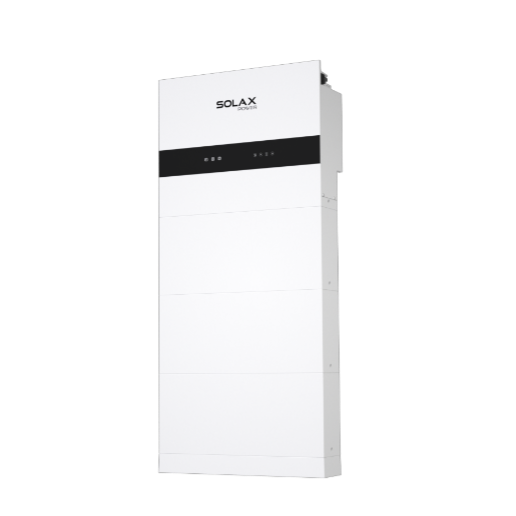
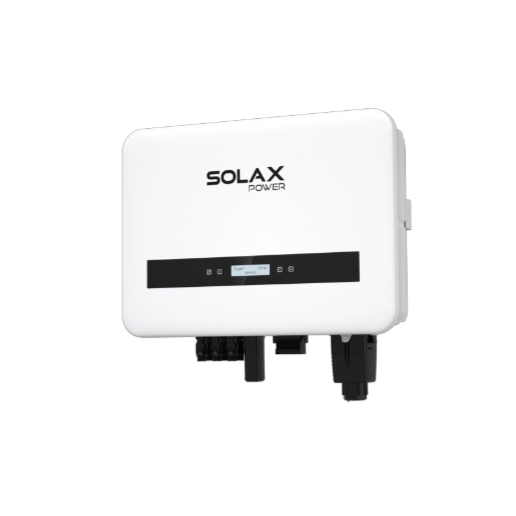
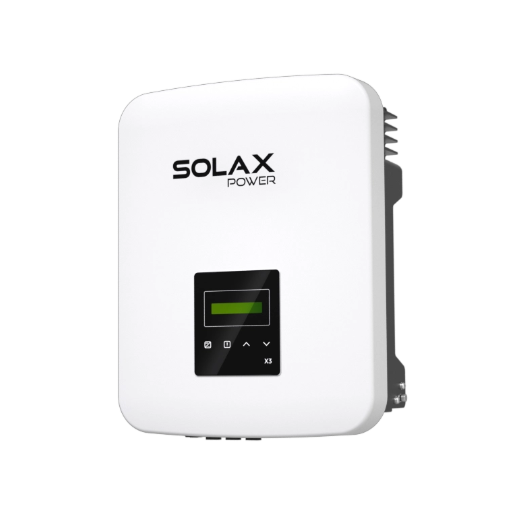
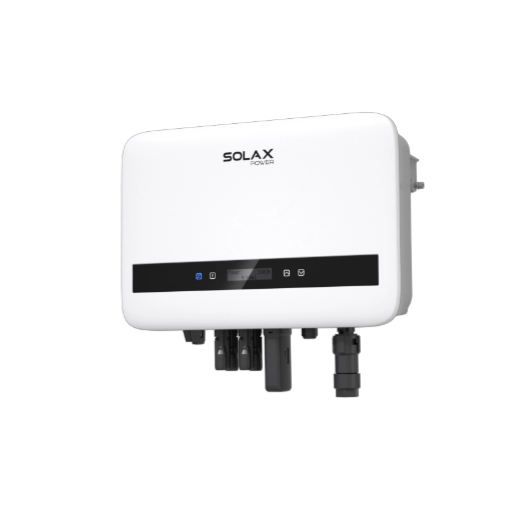
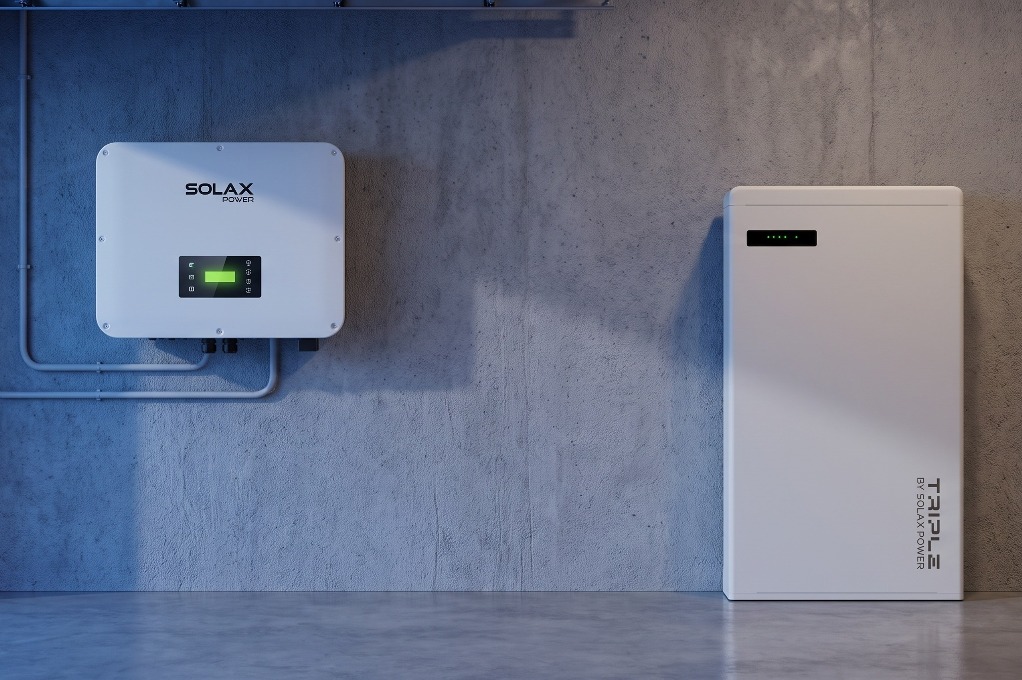
The Brains: SolaX X1 & X3 Hybrid Inverters
This is a DC-coupled system, meaning the solar panels, battery, and inverter are all on the same side of the circuit. This is inherently more efficient than AC-coupled systems that suffer from energy being converted back and forth.
✓ High Efficiency: Up to 98.0% peak efficiency means more of your solar energy makes it into your home or battery.
✓ Wide MPPT Window: A low start-up voltage of just 90V allows the system to wake up earlier and go to sleep later, capturing more energy on short winter days to charge the battery for the night.
✓ UPS-Grade Backup: The switchover to backup power during a blackout is less than 10 milliseconds, fast enough to keep computers and sensitive electronics running without a flicker.
View our range of SolaX Inverters
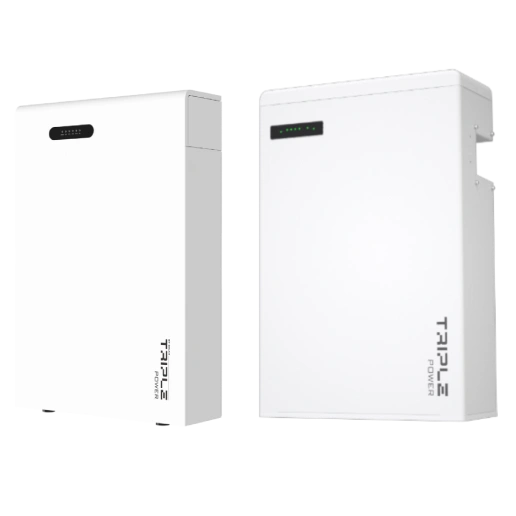
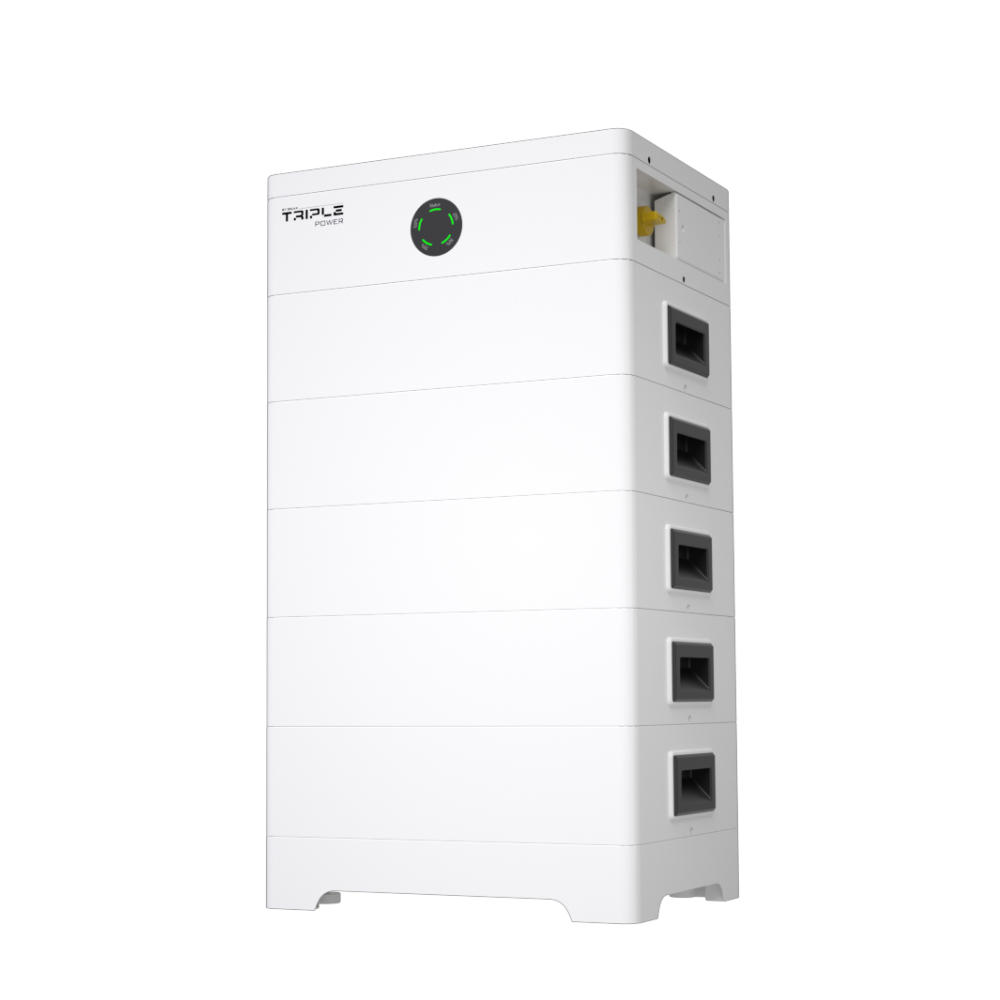
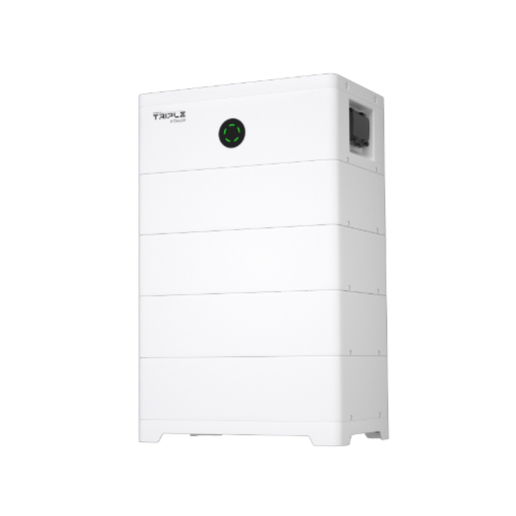
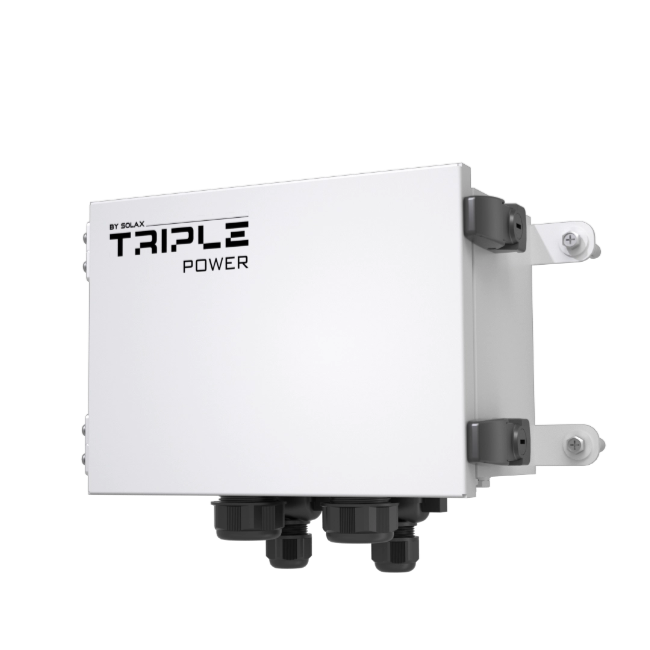
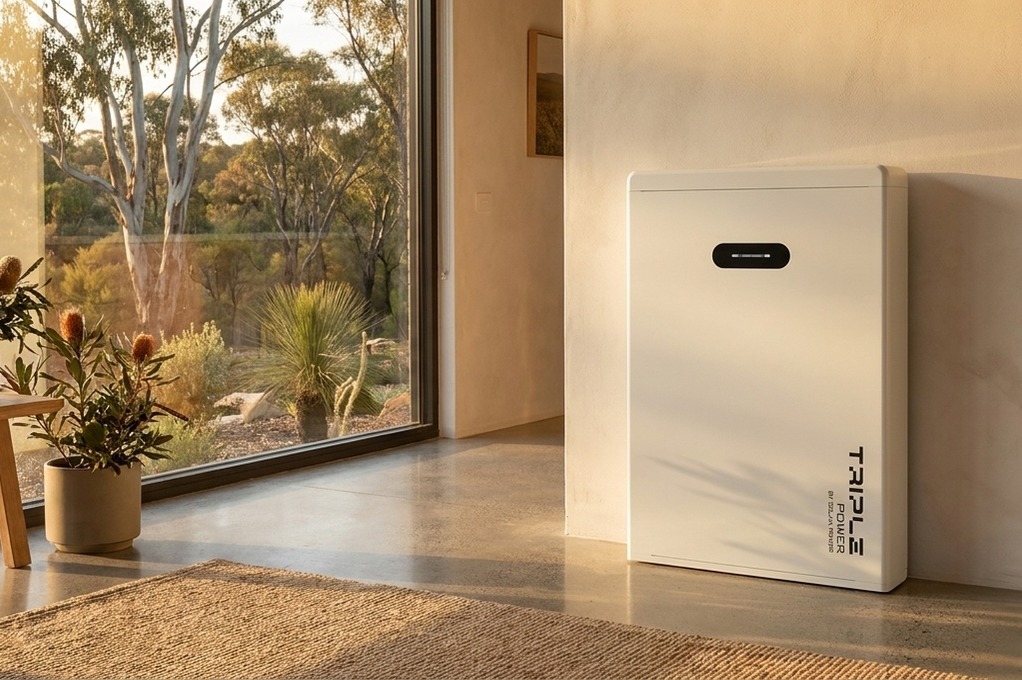
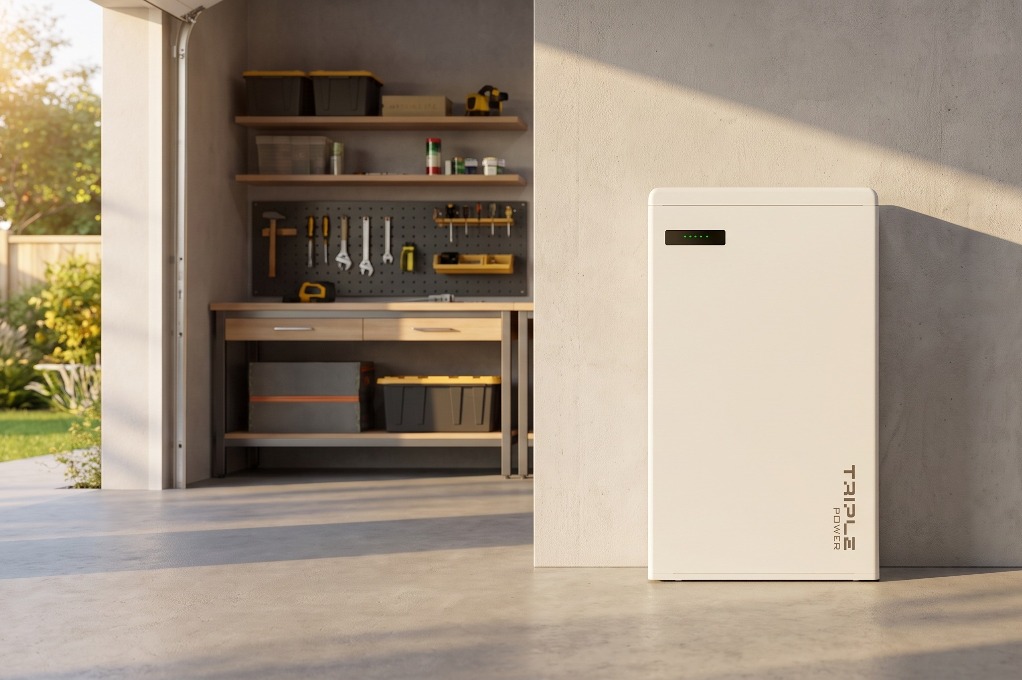
The Muscle: Triple Power LFP Batteries
The choice of battery chemistry is one of the system’s biggest strengths.
✓ Superior Safety: SolaX uses Lithium Iron Phosphate (LFP) chemistry, which is far more chemically stable and resistant to thermal runaway than older NMC batteries. This is a critical safety factor for a battery inside your home, especially in a bushfire-prone state.
✓ Greater Efficiency: These are high-voltage (HV) batteries. HV systems run at a lower current, which means less energy is lost as heat during charging and discharging compared to 48V batteries.
✓ Scalable by Design: You can start with a single 5.8kWh (nominal) module and easily add more later as your budget or energy needs grow.
Explore SolaX Battery Storage Solutions
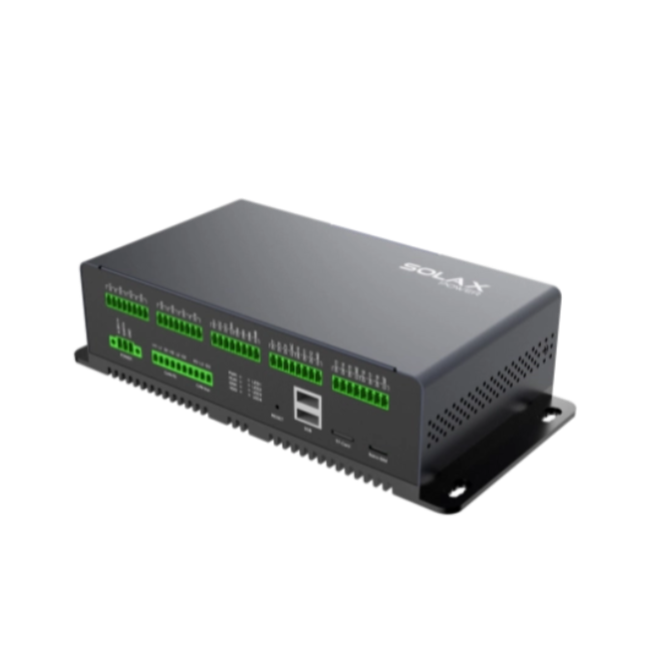
The Shortcut: The SolaX Matebox
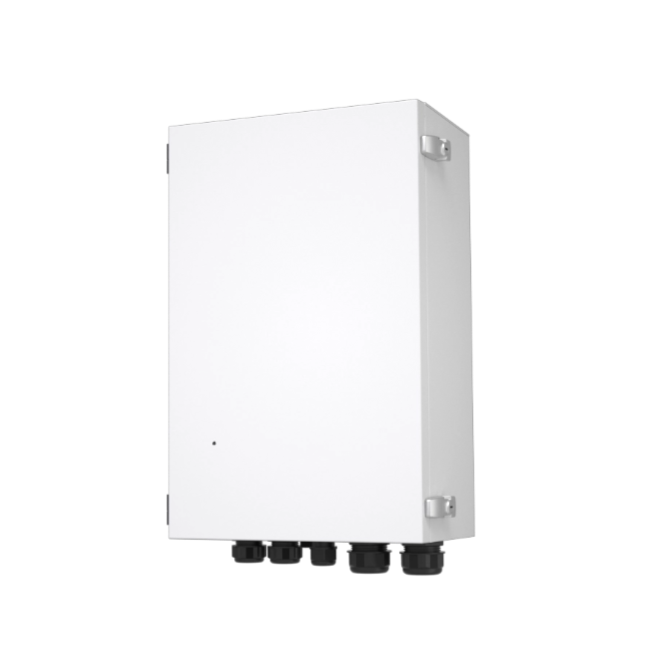
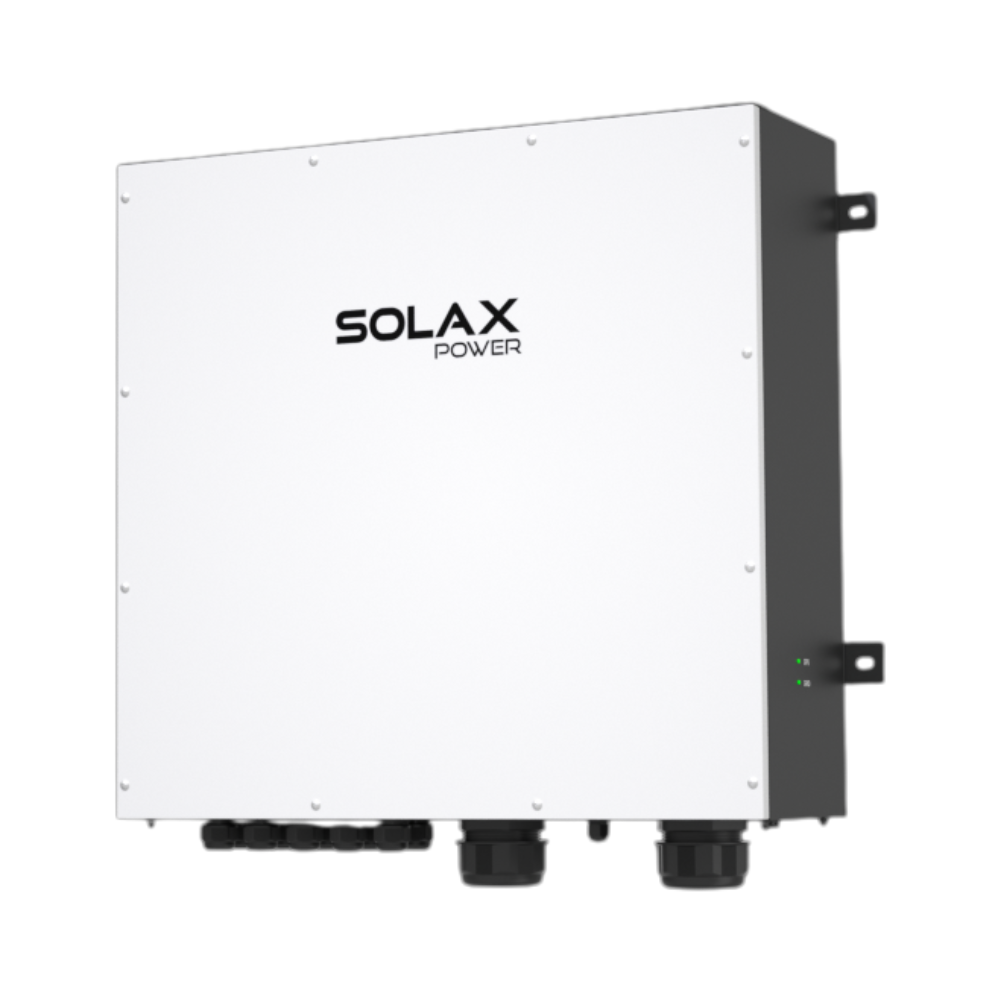
The optional Matebox is a pre-wired cabinet that integrates all the necessary circuit breakers and switches. It simplifies the physical installation, but as we’ll see, it introduces a critical compliance check that installers must get right.
Key Takeaway: The system combines an efficient DC-coupled inverter, a safe and scalable LFP battery, and an optional Matebox for a tightly integrated package.
Does a SolaX System Pay for Itself in Victoria?
The economics of a solar battery Victoria system have fundamentally changed. Forget tiny feed-in tariffs; the real money is now in government rebates and actively trading your stored energy on the wholesale market.
The federal “Cheaper Home Batteries” Program is the main incentive, offering a point-of-sale discount of several thousand dollars. Crucially, this rebate requires your system to be “VPP-capable,” which the SolaX system is.
A Virtual Power Plant (VPP) with a “Next Gen” retailer like Amber Electric completely transforms your battery from a passive backup device into an active financial asset. Amber gives you direct access to the real-time wholesale electricity price.
“During grid stress events, the wholesale price can spike to over $20/kWh. A SolaX battery discharging at 5kW can earn its owner significant revenue in a very short period.”
Amber’s “SmartShift” automation can control your SolaX system to:
Export to the grid when prices are sky-high, earning you large credits.
Charge from the grid when prices go negative (due to excess solar), meaning you get paid to fill your battery.
ROI: “Set & Forget” vs. “Active Trader”
Key Takeaway: The ROI for a solar battery Victoria is now driven by VPP participation, which can cut the payback period significantly compared to just using the battery for self-consumption.
The #1 Installation Mistake That Makes a SolaX System Unsafe
This is the most important section of this entire guide. While features and ROI are great, an incorrectly installed hybrid system is dangerous. In Victoria, there is one common and critical mistake related to “Neutral Integrity.”
Your home’s switchboard has a Multiple Earthed Neutral (MEN) link, which is a fundamental safety feature that ensures a circuit breaker trips instantly in a fault. During a blackout, a hybrid inverter disconnects from the grid. Some international wiring methods disconnect both the Live and Neutral wires.
⚠️ Warning: In Victoria, this is non-compliant and extremely dangerous. Energy Safe Victoria mandates that the Neutral connection to the Earth must be maintained at all times. If the Neutral is switched, your home’s safety earthing is lost, and appliance casings could become live without ever tripping a breaker.
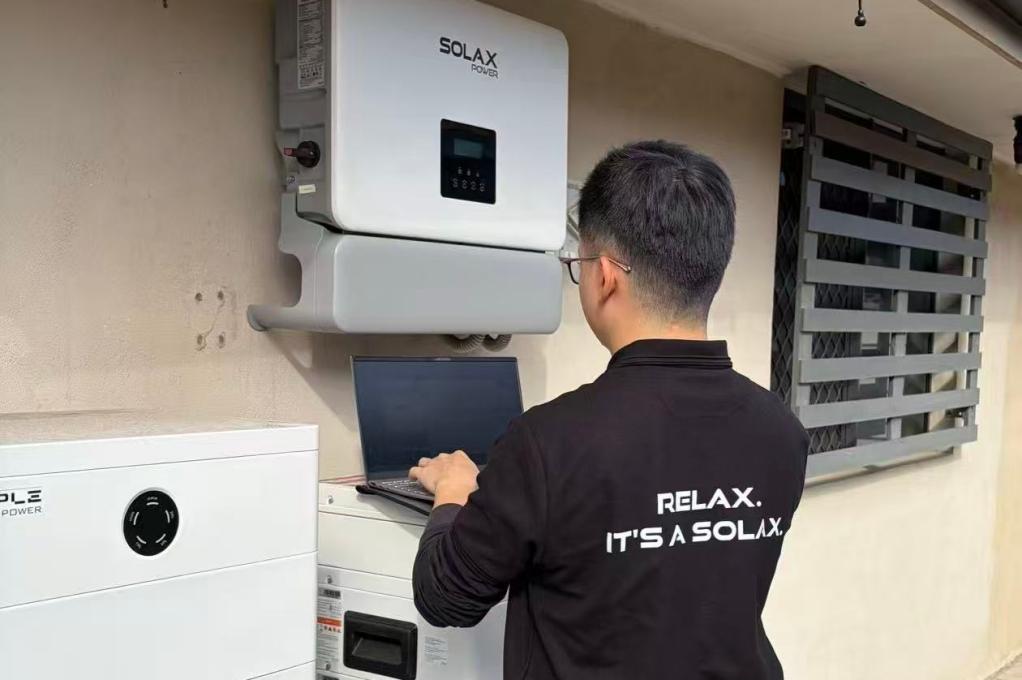
Installers must use the “Diagram C” wiring configuration from the SolaX manual. If using the Matebox, this requires the installer to fit a specific “shorting bridge” to link the grid and backup neutrals. Forgetting this small metal bar is a frequent cause of failed electrical inspections and creates a serious safety risk.
Key Takeaway: In Victoria, failing to maintain the Neutral-Earth link during a blackout (the “Diagram C” wiring) is a common and dangerous installation error that can lead to electric shock.
Living with SolaX in the Bush: What to Expect
Long-term ownership in a regional area comes with its own considerations that you need to be aware of upfront.
The Tyranny of Distance
SolaX offers a solid 10-year warranty, but you need to read the fine print on service calls. The warranty may cap the reimbursement for a technician’s travel costs. If you live hours from a major town, this cap might not cover the full cost, leaving you to pay a “gap” fee for service. Always clarify this with your installer.
The Connectivity Challenge
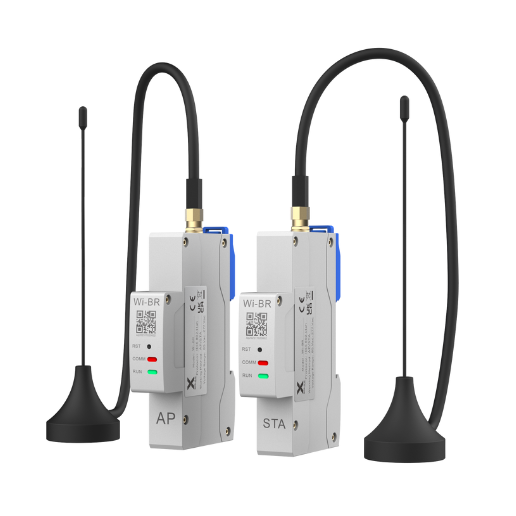
VPP participation and remote monitoring depend on a 100% stable internet connection. The standard Wi-Fi dongle can be unreliable in large rural homes or when the inverter is in a shed far from your router.
Key Takeaway: For regional owners, it’s vital to clarify warranty travel costs upfront and ensure a rock-solid internet connection for your inverter to maximise reliability and VPP earnings.
Table of Contents
Last News
Explore expert insights, practical guides, and the latest news on SolaX Power.


To the Latest Newsletter
Stay Ahead with the Latest SolaX Updates!
Sign up
I have read and agree to Privacy Policy and User Terms