
















March 09, 2026
The Insider's Guide to Finding Brisbane’s Best Solar Installers
Share my #SolaXStory


Choosing a solar installer in Brisbane can feel like a gamble. You've heard the horror stories: slick salespeople, shoddy work, and companies that vanish when something goes wrong. How do you find the genuine experts among the crowd?
It’s simpler than you think. The difference between a great solar experience and a costly mistake comes down to asking a few specific, expert-level questions that most people don't know to ask. This isn't just another checklist; it's the insider's playbook.
We'll show you how to vet an installer in minutes, understand the non-negotiable Brisbane-specific requirements, and decode a quote like a pro. By the end, you'll be able to confidently choose a top-tier solar company in Brisbane that will deliver peace of mind for decades to come.
"A great solar installer isn't just selling you panels; they're installing confidence."
The First Filter: Spotting a Legit Solar Business Instantly
Before you dive into quotes and hardware, you need a quick way to screen out unqualified or unstable companies. These are the absolute non-negotiables. If an installer fails this first check, move on immediately.
The Two-Minute Accreditation Check
In Australia, the solar industry has two key credentials. Think of it as a license for the person on the roof and a code of conduct for the business selling the system.
For the Installer (The Person): Solar Accreditation Australia (SAA) This is the individual electrician's ticket to trade. They must have a personal SAA number. Don't just accept a company number; ask for the SAA accreditation of the person designing and installing your system.
For the Business (The Company): New Energy Tech Consumer Code (NETCC) This is your protection. A business that is a NETCC Approved Seller has committed to fair quotes, honest advertising, and proper after-sales support. Only use NETCC Approved Sellers to ensure you're covered.
The Stability & Phoenixing Check
The solar industry is notorious for "phoenix" companies: businesses that close down to avoid warranty claims, only to reopen under a new name. Here’s how to protect yourself.
Check the ABN: Use the ABN Lookup tool online. Be wary if the business was registered recently, even if they claim "15 years of experience." That experience might be with a previous, now-defunct company.
Find a Real Address: Search for their office on Google Maps. Is it a genuine commercial address with a warehouse in Brisbane, or a residential house or virtual office? A physical presence suggests a stable, long-term business that holds stock for service and repairs.
Avoid Unfair Contracts: A professional installer provides a clear contract. Watch out for "equipment substitution" clauses that let them swap your panels for a cheaper "equivalent" without your approval.
Key Takeaway: A legitimate company is a NETCC Approved Seller with a long-standing ABN and a physical Brisbane address. This simple check eliminates over half the risk.
The Brisbane Expert Test: Do They Really Know Our City?
Any company can put panels on a simple roof. But a true Brisbane solar expert understands the unique challenges of our city, from our crowded grid to our subtropical climate and tricky building codes.
Ask these questions to see if your installer is a local pro or just a national company that doesn't get the nuances.
Test 1: The Energex Grid Challenge
Brisbane's electricity grid is packed with solar, and network operator Energex has strict rules to keep it stable. A top solar installer in Brisbane will navigate these for you.
Generation Signalling Device (GSD): Since 2023, larger solar systems (10kVA+) must have a GSD installed. This lets Energex briefly pause your system on extremely sunny days to protect the grid. Your installer should explain this clearly and include it in the quote.
Voltage Rise: In older suburbs with lots of solar, the grid voltage is already high. A cheap installer might just slap up panels, causing your inverter constantly trip off around midday when it should be working hardest. A professional always performs a voltage rise calculation beforehand to guarantee your system works all day, every day.
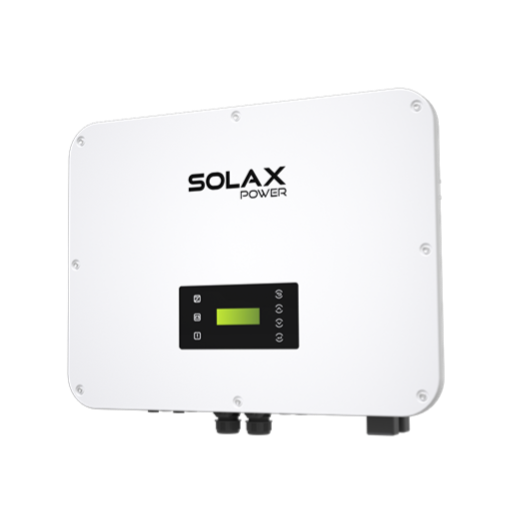
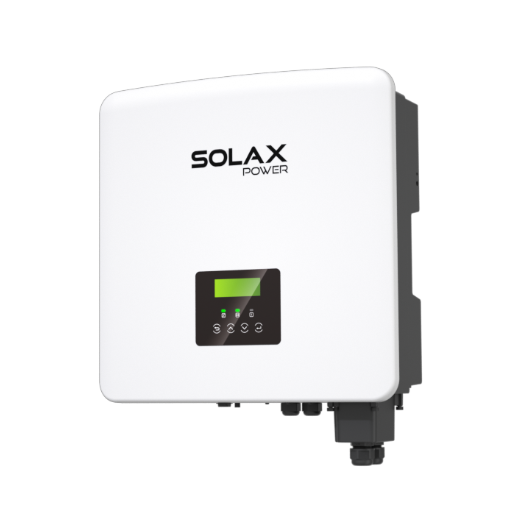
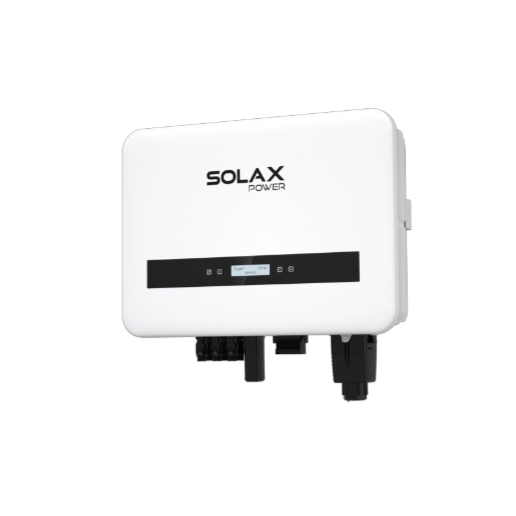
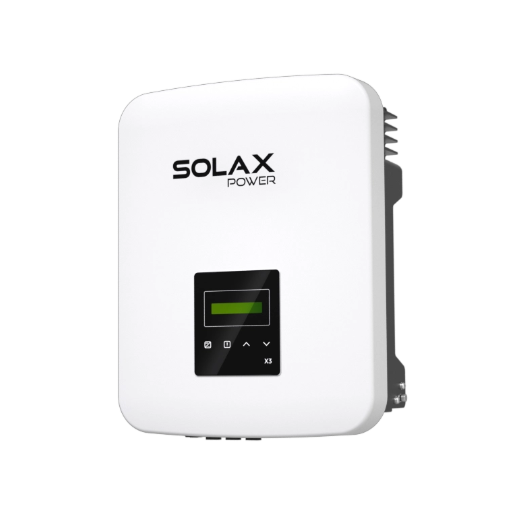
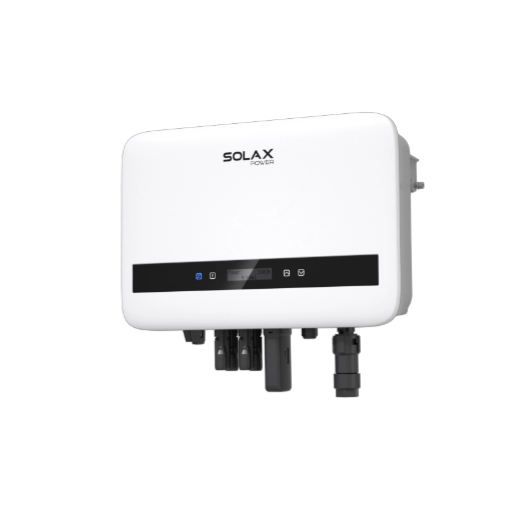
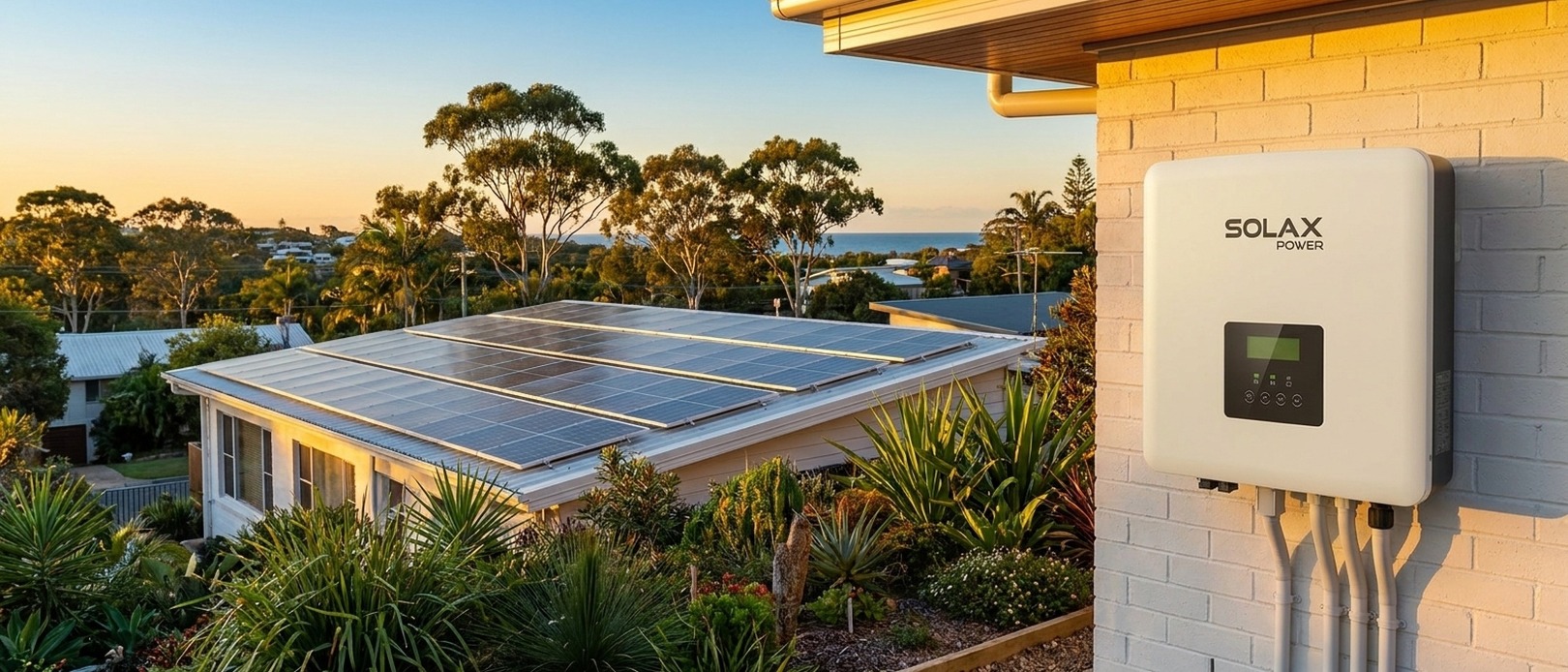
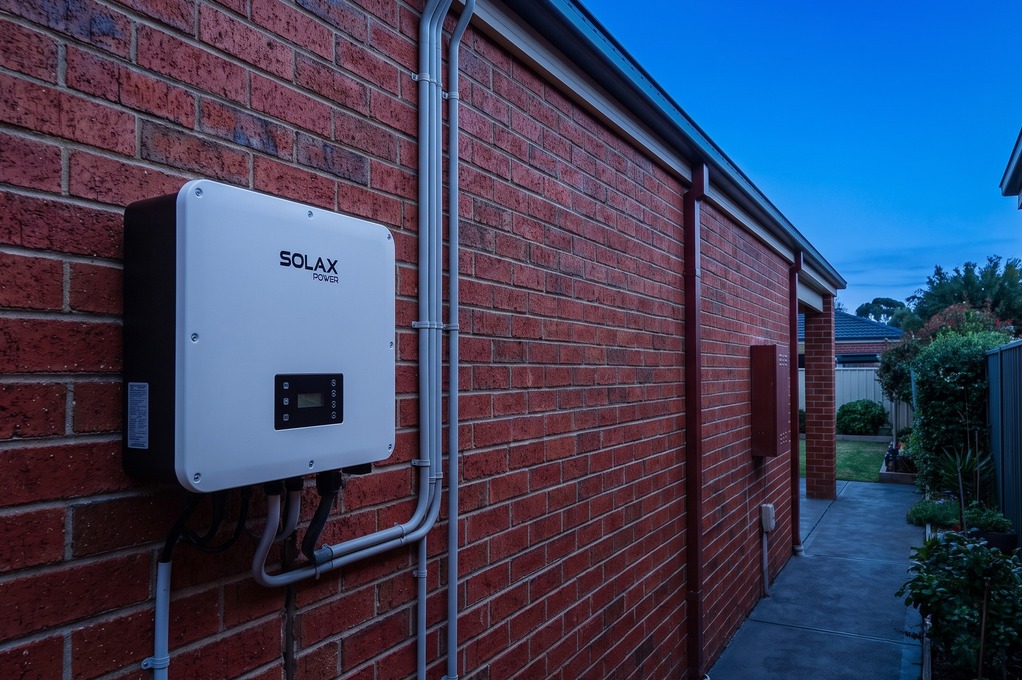
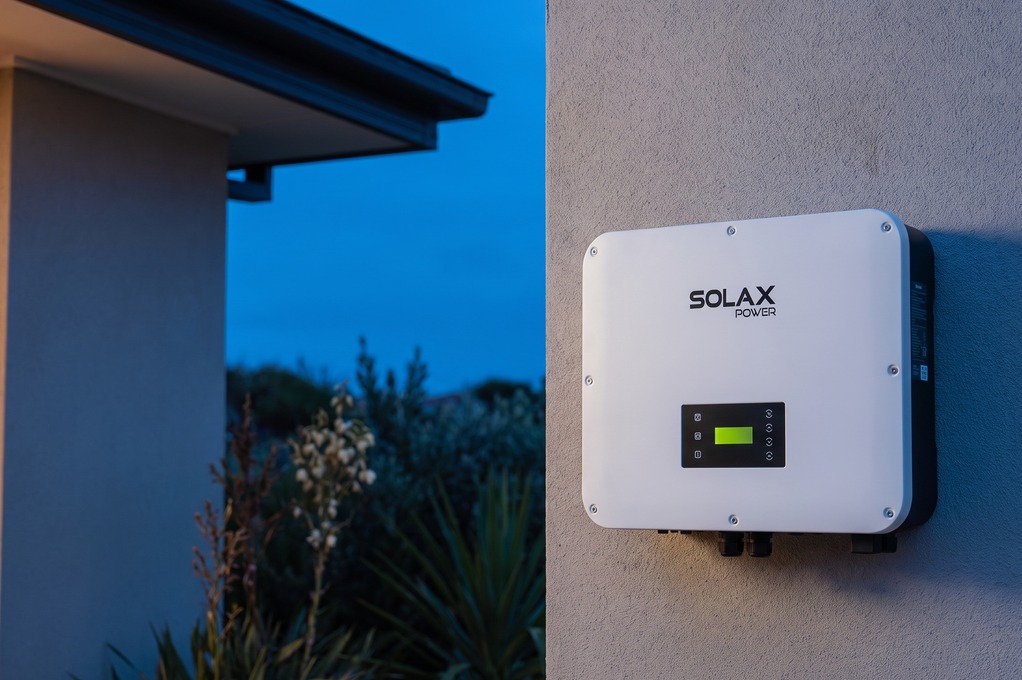
Dynamic Connections: The old 5kW export limit is being replaced by "Dynamic Connections," which lets you sell more power back to the grid when it has capacity. To benefit, you need a modern, smart inverter. The Solax X1-Hybrid Inverter is designed for this, ensuring your system is future-proof.
Test 2: The Brisbane Climate & Roofs Challenge
Our heat, humidity, storms, and unique homes demand specific hardware and expertise.
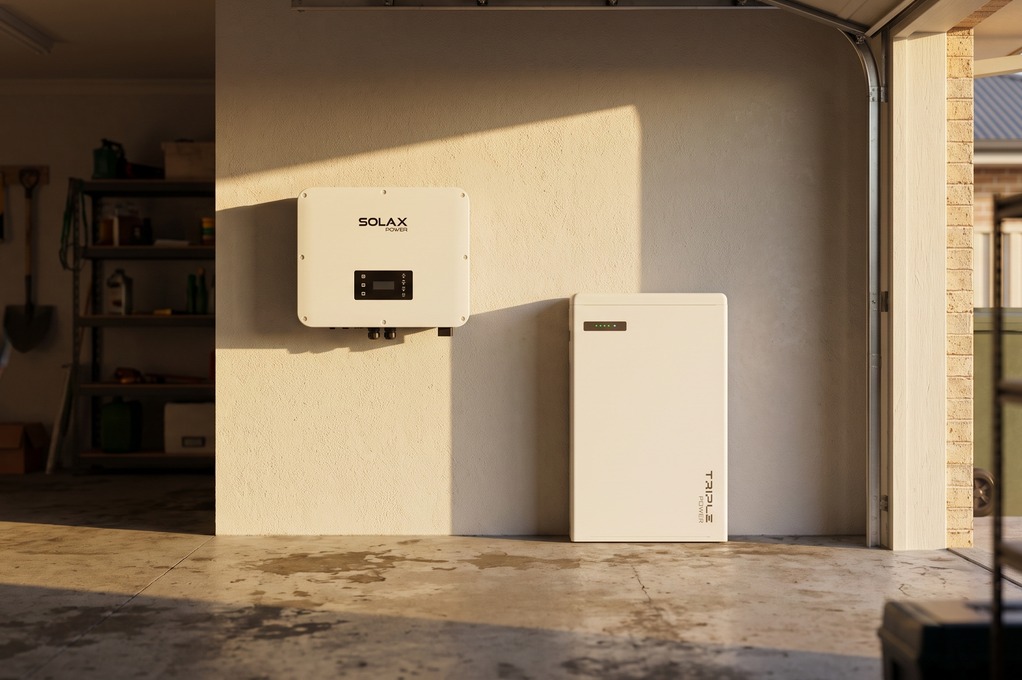
Heat & Humidity: An inverter is the hardest-working part of your system. Installing it on a hot, west-facing wall is a recipe for failure. A good installer will insist on a cool, sheltered spot like a garage to ensure its longevity.
Salt Mist Corrosion: If you live anywhere near the coast or river (from Sandgate to Bulimba), salty air will corrode cheap panel frames and racking. Insist on hardware with an IEC 61701 Level 6 salt mist resistance rating – the highest available.
Problem Roofs: An experienced Brisbane installer knows when to walk away. They will refuse to install on old, brittle Decramastic tile roofs (common in 70s/80s homes) due to the high risk of leaks. They will also require an asbestos roof to be professionally removed before starting any work.
"The best installers aren't afraid to say 'no' to a job that can't be done right. That's the sign of a true professional."
Test 3: The Heritage & Character Home Challenge
Have a home built before 1946? Brisbane City Council has rules about panels being visible from the street. A professional installer handles this for you. They’ll design a system for the back of your roof and manage any council paperwork, so the process is completely seamless.
Key Takeaway: A true Brisbane expert will discuss Energex grid rules, voltage rise, salt mist protection, and local council codes without you even having to ask.
Decoding the Quote: Understanding True Cost and Value
The price of solar installation in Brisbane can vary wildly, but the cheapest quote is rarely the best value. Here’s how to understand the numbers and make a smart financial decision.
Typical 6.6kW System Pricing in Brisbane (2026)
This table shows what you can expect to pay for a fully installed 6.6kW system after the federal rebate (STCs) is applied.
The "Free Power" Mindset Shift
Forget chasing high feed-in tariffs (FiTs). Selling power back to the grid gets you around 10c/kWh. But buying power from that same grid costs you 30c/kWh or more.
The biggest savings come from "self-consumption" – using your own free solar power during the day instead of buying it.
⚠️ Warning: An installer who focuses only on the feed-in tariff is using an outdated sales pitch. The real value is in erasing the 30c you would have spent.
A smart system like Solax helps you maximize this. The app shows you when you’re generating free electricity, so you can schedule your dishwasher, washing machine, or pool pump to run for free. It puts you in control.
Key Takeaway: True value isn't the upfront price. It's a combination of quality hardware that lasts, a system designed for maximum self-consumption, and future-proofing for batteries.
Your Final Vetting Process: From Shortlist to Signed Contract
You’ve found a few promising installers who passed the expert tests. Now it’s time to make your final choice with this simple three-step vetting process.
Step 1: The Digital Audit
Before you even pick up the phone:
Confirm NETCC Status: Double-check they are an "Approved Seller" on the NETCC website.
Read Unfiltered Reviews: Search for the company's name on forums like Whirlpool or Reddit. You'll often find more candid feedback here than on curated review sites.
Step 2: The Phone Interview Questions
When you call for a quote, ask these tie-breaker questions:
"Will you be performing a voltage rise calculation for my property?" (The only acceptable answer is "yes.")
"How do you ensure the system is compliant with Energex's GSD mandate?" (They should explain it simply and confidently.)
"What brand of racking do you use, and is it certified for coastal conditions?" (A pro will know the answer instantly.)
Step 3: The Contract Review
Before you sign, confirm these three things are in writing:
Fixed Hardware: The quote must list the exact panel and inverter models, with a clause that they cannot be changed without your written consent.
Grid Approval Guarantee: The contract must state you’ll receive a full deposit refund if Energex rejects the connection application for any reason.
Clear Warranties: It should clearly separate the product warranties (from the manufacturer) from the installer's own workmanship warranty (usually 5-10 years).
By following this process, you’re no longer just buying solar panels. You’re hiring a professional partner who will ensure your system performs flawlessly for years. A great installer using reliable Solax products makes the whole process simple, so you can relax and enjoy the savings.
Key Takeaway: A structured vetting process removes emotion and guesswork, ensuring you choose an installer based on proven expertise, stability, and contractual fairness.
FAQ
Table of Contents
Last News
Explore expert insights, practical guides, and the latest news on SolaX Power.



To the Latest Newsletter
Stay Ahead with the Latest SolaX Updates!
Sign up
I have read and agree to Privacy Policy and User Terms