















August 10, 2026
What is 'Dynamic Export' and How Does it Work with Your Inverter?
Share my #SolaXStory


If you've had solar for a few years, you probably grew up on a simple rule: your system is capped at a fixed export limit, often 5kW, no matter the time of day or how the network is performing. That rule is changing across Australia. A growing number of networks now use "dynamic export," where your export limit moves up and down through the day based on real, live conditions on the grid. Here's what that actually means for your system, and how a modern SolaX inverter handles it.
Why Export Limits Exist at All
Electricity networks were originally built to send power one way, from a power station out to homes. Rooftop solar flips that on its head at a local level. When a large number of homes on the same street or the same local transformer all export solar at once, the voltage on that part of the network can rise, and equipment like transformers can be pushed toward their thermal limits. Export limits, whether fixed or dynamic, are the network's way of keeping that local voltage and equipment loading within safe bounds without switching solar off altogether.
The Old Way: Fixed Export Limits
Traditionally, a Distribution Network Service Provider (DNSP), the company that owns the poles and wires in your area, set one fixed export limit for your solar system and that was that. Many areas capped exports at around 5kW per phase, and some constrained networks limited new solar connections to as little as 1.5kW, permanently, regardless of what the grid actually needed at any given moment. It was simple, but it was also blunt: on a mild, low-demand day when the network had plenty of spare capacity, your system was still held to the same cap as during the tightest midday squeeze.
What Is Dynamic (Flexible) Export?
Dynamic export, also called flexible export, replaces that single fixed number with a limit that changes in near real time based on actual network capacity. Instead of being locked to 5kW all day, your allowed export might sit near the maximum in the early morning and evening, then be wound back over the rooftop-solar peak in the middle of the day when every home on the street is exporting at once, before opening back up again later.
South Australia led the way here: the SA Government mandated flexible export capability for all new solar installations from 1 July 2023, and SA Power Networks now models network capacity to allow exports up to 10kW per phase, though the actual amount available at any moment depends on real-time network conditions and can fall as more nearby solar connects. Other networks are following at different speeds. The pace and exact export range varies by network, so it's always worth checking your specific DNSP's current rules with your installer, rather than assuming your area matches another state's timeline.
Where Dynamic Export Stands, State by State
Rollout timelines are set network by network, not state by state as a single rule, and they continue to shift as networks upgrade their systems. As a general guide to where things stood most recently:
| State/Territory | Status |
|---|---|
| South Australia | Mandated from 1 July 2023; available statewide as a standard connection option, up to 10kW/phase |
| New South Wales | Staged rollout, network by network, with some DNSPs targeting the mid-to-late 2020s |
| Victoria | Some networks already offering flexible exports, others progressively rolling out through the rest of the decade; some constrained areas remain capped lower in the meantime |
| Queensland | Opt-in programs available in some network areas rather than a full mandatory rollout |
| Western Australia | Progressive rollout under way |
| Tasmania | Trials under way, expanding over time |
The specific figures and target dates for your own network can and do change as rollouts progress, so the table above is a general orientation, not a substitute for checking directly with your installer or DNSP.
How Your Export Limit Actually Changes Through the Day
It helps to picture what this looks like in practice rather than just as an abstract rule. On a mild autumn day, your network might allow you to export close to the full 10kW in the early morning while everyone's solar output is still ramping up. As more homes on your street start exporting heavily around midday, the same network might wind your limit back to somewhere between 1.5kW and a few kilowatts for an hour or two, simply because the local transformer and lines are near their safe capacity at that moment. By mid-afternoon, as households nearby start drawing more power for appliances and the solar peak eases, your export limit typically opens back up again.
None of this requires you to do anything. The changes are sent automatically to your inverter, and a well-configured system will simply throttle its export to match whatever limit is currently in force, rather than needing you to log in and adjust a setting yourself.
How Does the Grid Actually Talk to Your Inverter?
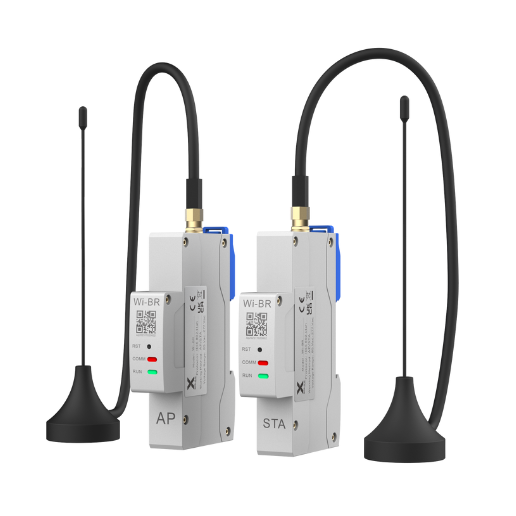
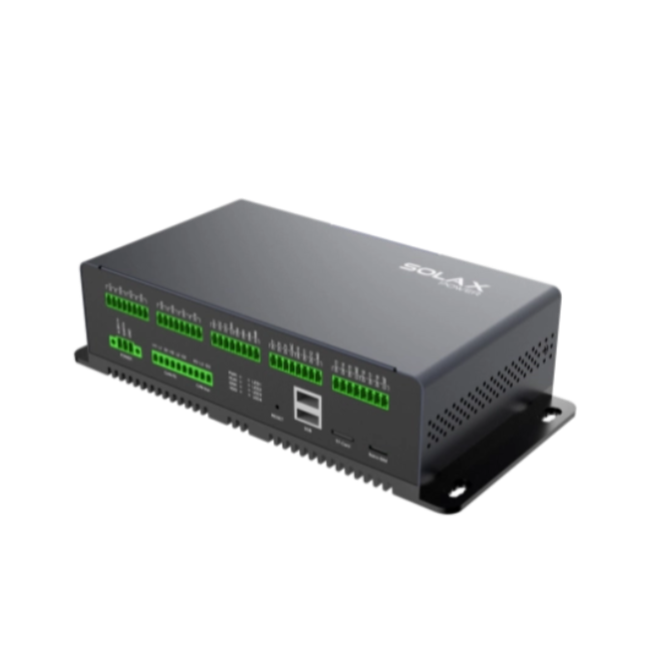
For dynamic export to work, the network needs a way to send your inverter updated instructions and receive data back, without a technician visiting your house. This happens through a communications standard called CSIP-Aus (Common Smart Inverter Profile Australia), which is built on the international IEEE 2030.5 standard. In practice, it lets your DNSP's systems and your inverter or its connected monitoring equipment exchange signals so your export limit can be adjusted automatically as network conditions change throughout the day, typically on a near-real-time basis rather than waiting for a daily or hourly update cycle.
Does Your SolaX Inverter Support Export Control?
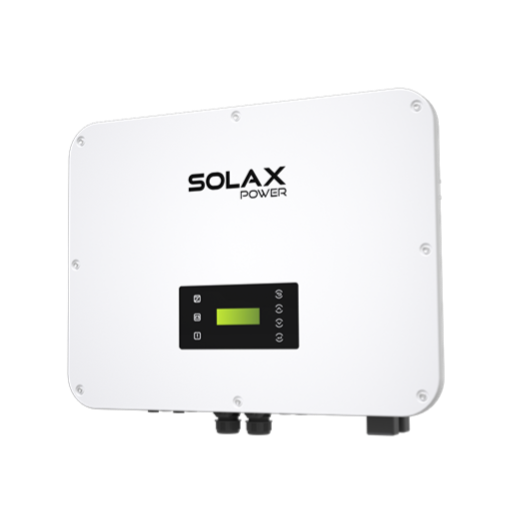
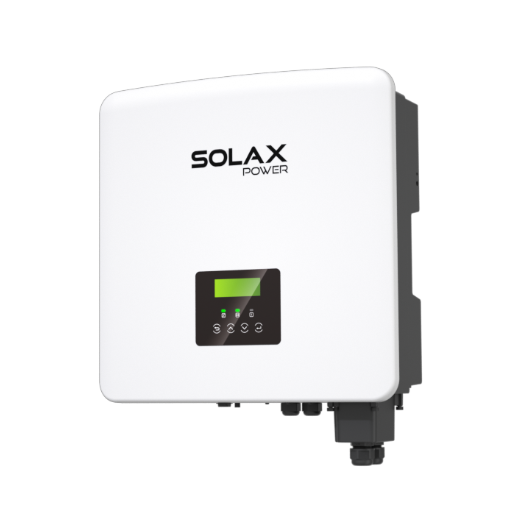
Yes. Export control is a built-in function across SolaX inverter platforms, covering both on-grid and hybrid models. Installers can configure it with a "Soft Limit" and a "Hard Limit," and the function relies on a correctly installed meter or current transformer (CT) so the inverter always knows exactly how much power is actually flowing to the grid, not just estimating it.
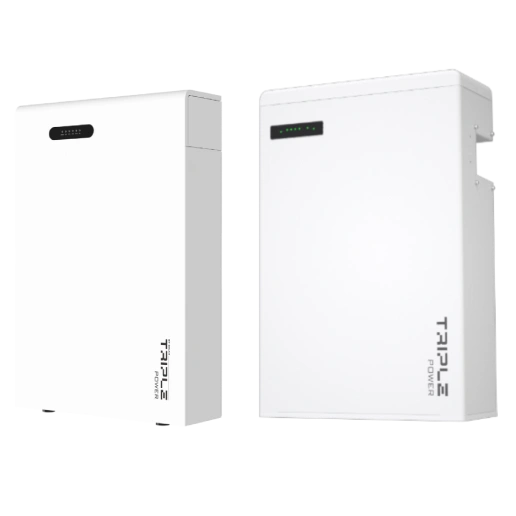
SolaX has been explicit that reliable export compliance is a systems job, not a single-component tick box: a compliant setup needs to measure site demand correctly and limit export in real time, which is exactly why correct metering matters as much as the inverter itself. For homes wanting to make the most of a variable export limit, pairing a solar battery with your inverter also means that when your allowed export drops during a midday squeeze, any extra solar generation can charge the battery instead of being curtailed altogether.
What This Means for You Day to Day
You generally won't need to do anything manually. Once your installer has configured export control correctly and your network has enabled dynamic export in your area, the adjustments happen automatically in the background. A smart system, especially one paired with a home battery, can quietly redirect surplus solar into storage rather than wasting it whenever your live export limit tightens, so you get more benefit out of every kilowatt your panels produce, rather than just watching a stricter fixed cap turn energy away.
FAQ
Table of Contents
Last News
Explore expert insights, practical guides, and the latest news on SolaX Power.



To the Latest Newsletter
Stay Ahead with the Latest SolaX Updates!
Sign up
I have read and agree to Privacy Policy and User Terms