
















August 10, 2026
Understanding Frequency Control Ancillary Services (FCAS) for Batteries
Share my #SolaXStory


If you've looked into home batteries and virtual power plants, you may have come across the term FCAS and wondered how it's different to a standard VPP arrangement. Frequency Control Ancillary Services are one of the more technical corners of Australia's energy market, but the short version matters for anyone with a battery: it's one of the ways your system can genuinely help stabilise the grid, not just store your own solar for later.
What Is FCAS?
The National Electricity Market runs on a delicate balancing act. Electricity supply and demand have to match, second by second, to keep the grid's frequency steady at 50 Hz. When they don't, the frequency drifts, and left unchecked, that can risk equipment damage or blackouts. The Australian Energy Market Operator (AEMO) manages this through Frequency Control Ancillary Services, a set of markets that pay providers to inject or remove power from the grid to keep that balance in check.
AEMO now operates ten separate FCAS markets, split into two directions and multiple response speeds. "Raise" services correct a shortfall of generation, effectively adding power back into the system, while "Lower" services correct an oversupply by absorbing excess power. Layered on top of that direction, "regulation" FCAS handles the small, constant, second-to-second wobbles that happen even on an ordinary day, while "contingency" FCAS responds to bigger, sudden events, like a major generator or transmission line tripping offline without warning. In October 2023, AEMO introduced an even quicker category, "very fast" FCAS, specifically because fast-responding technology like batteries can now react in a way that traditional generators simply can't.
To put a concrete number on why speed matters here: Fast contingency FCAS requires a response within 6 seconds, and the newer Very Fast FCAS category requires a response within just 1 second.
FCAS Categories at a Glance
| Category | What it responds to | Why speed matters |
|---|---|---|
| Regulation Raise/Lower | Small, constant, second-to-second frequency wobbles | Keeps the grid within its normal operating band continuously |
| Contingency Raise/Lower | Sudden, larger events, like a generator tripping offline | Prevents a single event from cascading into a wider frequency problem |
| Very Fast Raise/Lower (added October 2023) | The same contingency events, but requiring an even faster response | Rewards technology, like batteries, that can react faster than traditional generators |
Why Batteries Are a Natural Fit for FCAS
A gas or coal generator takes time, often minutes, to ramp its output up or down. A battery can shift from charging to discharging in a fraction of a second. That speed is exactly what the newer, faster FCAS categories are designed to reward, which is why grid-scale batteries and, increasingly, aggregated fleets of home batteries have become genuinely competitive participants in these markets, alongside their traditional role of storing rooftop solar for evening use. It isn't just theory either: during AEMO's 2019 VPP demonstration trial, one South Australian home-battery VPP fleet earned $132,047 from five contingency FCAS events, on top of whatever else the batteries were doing for their own households.
How Does a Home Battery Actually Participate?
In practice, an individual home battery doesn't bid directly into AEMO's FCAS markets on its own. A single household's battery is too small to register as its own market participant, and AEMO's markets are built around aggregated capacity, not individual homes. Instead, a home battery participates through a Virtual Power Plant (VPP) operator, who aggregates many households' batteries into a single, larger resource that's big enough to bid into the market and coordinate the second-by-second response AEMO needs. Your battery keeps working normally for your own household day to day; the VPP operator only calls on a small amount of your battery's capacity, and only at the moments the grid actually needs it, based on the reserve threshold you've agreed to when you joined.
The VPP operator handles the technical and regulatory side of actually registering as an AEMO market participant, submitting bids, and being accountable for delivering the response when a contingency event happens. As a homeowner, your role is simply to opt in, agree to a reserve capacity you're comfortable with, and let the platform manage the rest. If the aggregated fleet doesn't fully meet the grid's requirement during a real event, which does happen from time to time, that's a fleet-level performance question for the VPP operator to manage and improve, not something that falls back on any individual household.
Is Your SolaX System Built Toward FCAS Readiness?
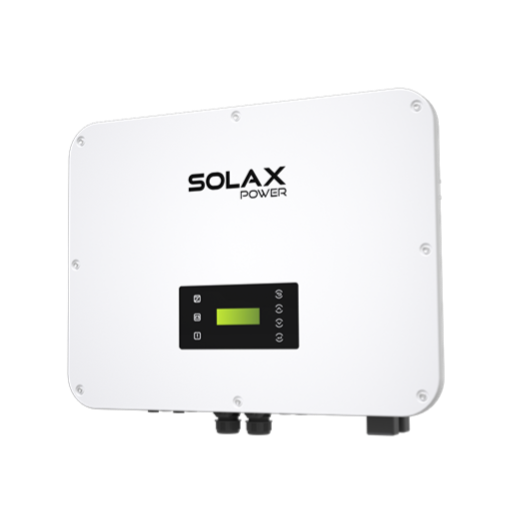
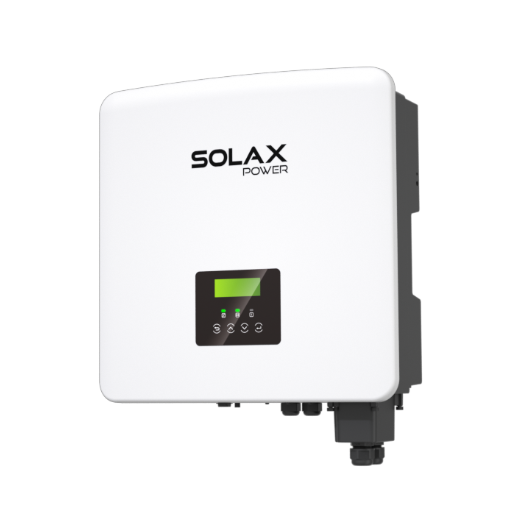
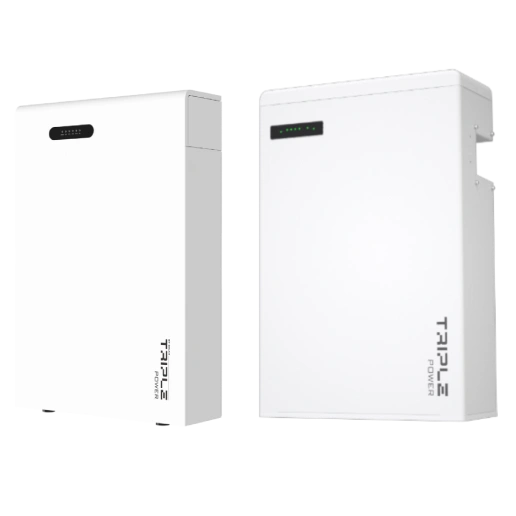
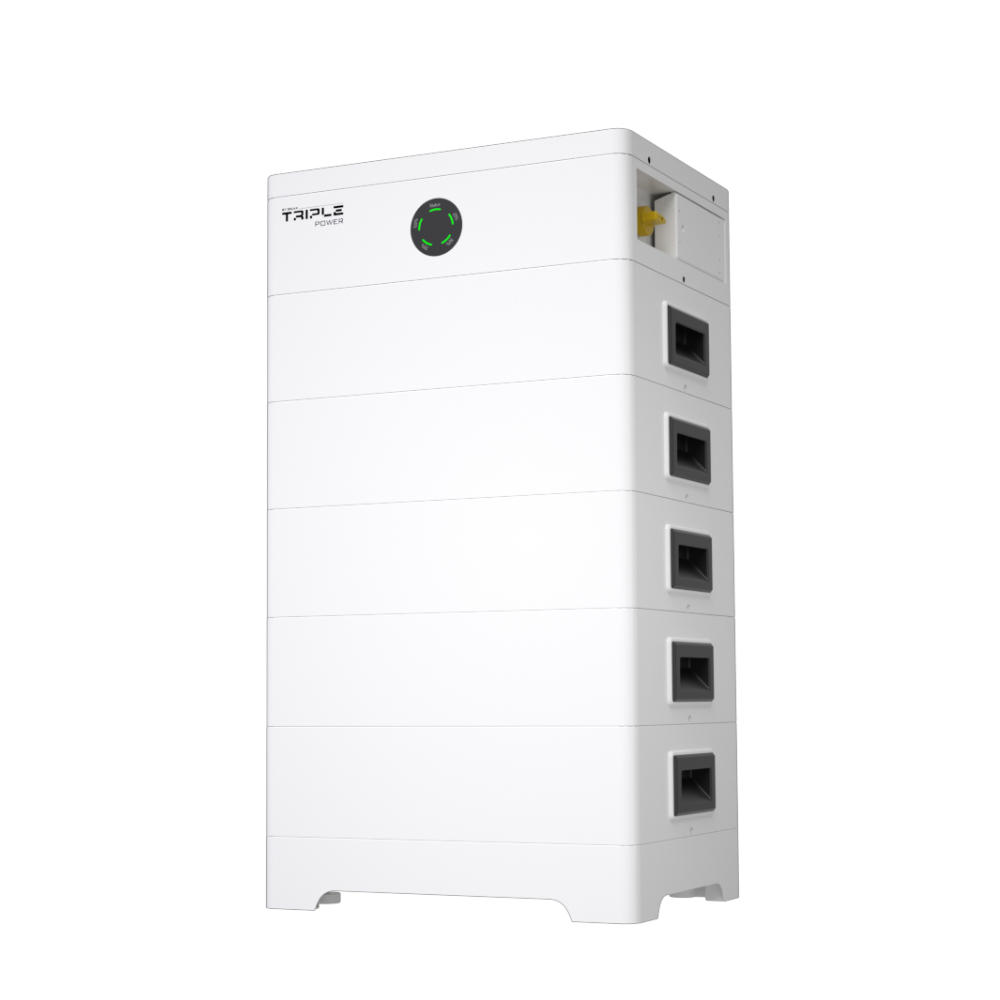
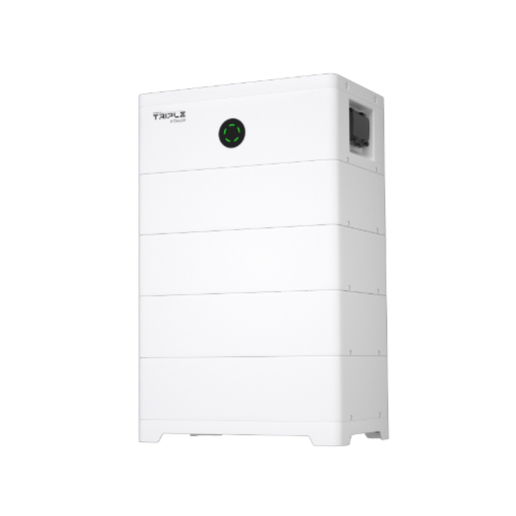
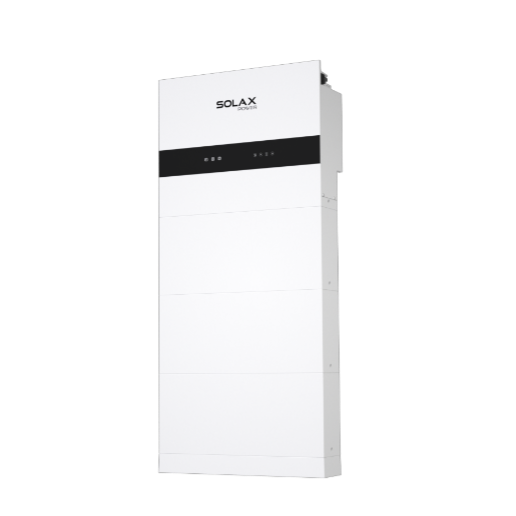
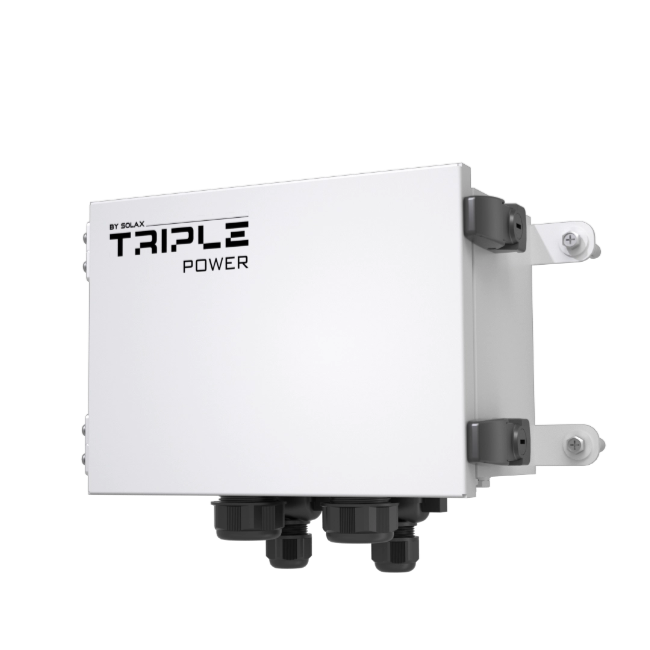
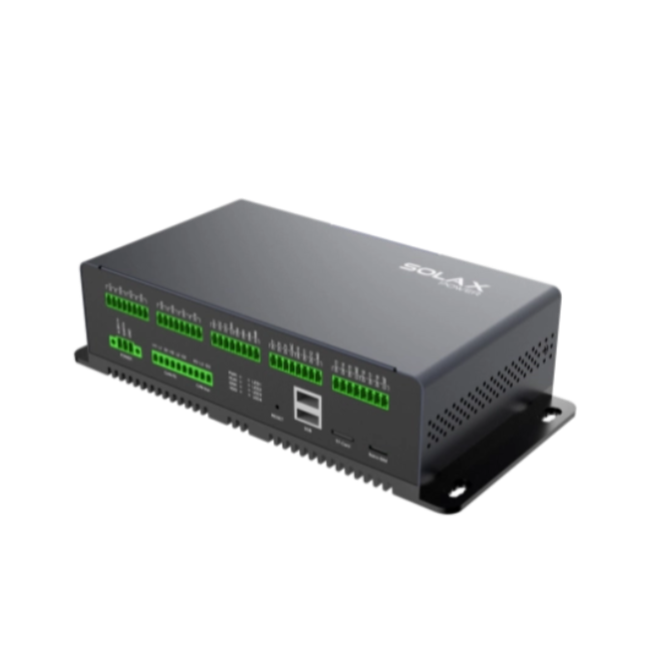
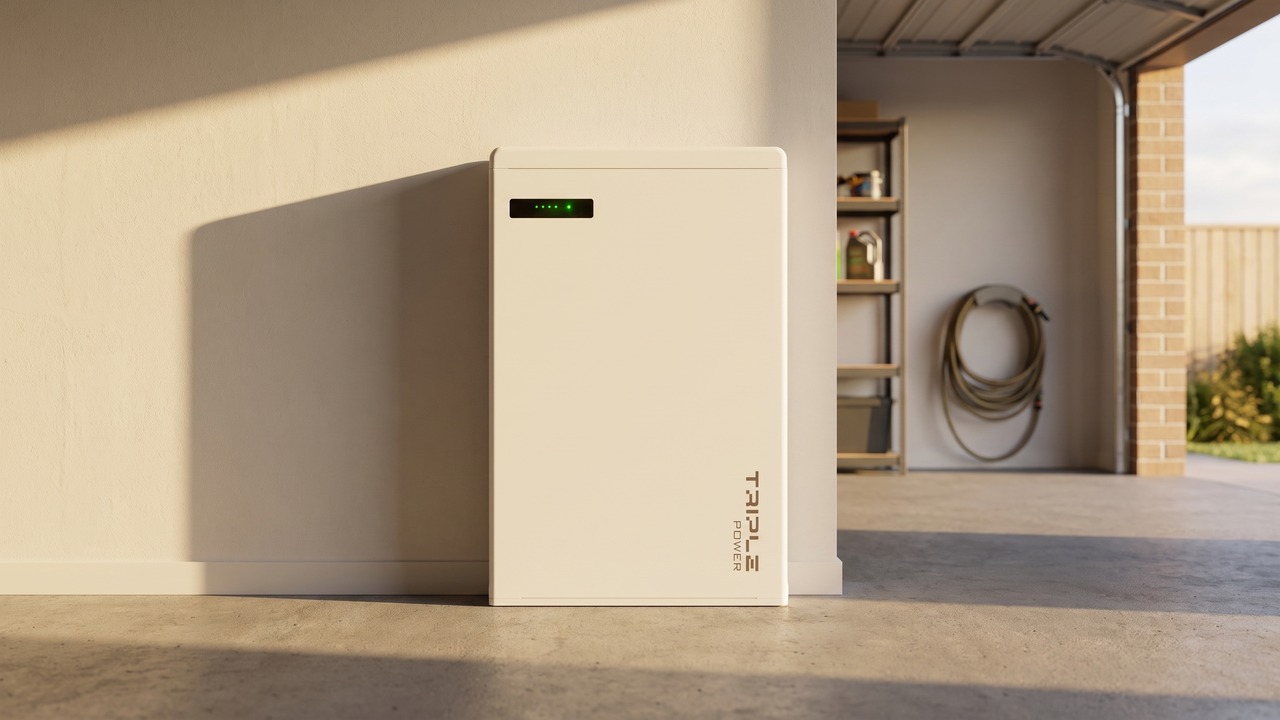
SolaX's X3-IES and X1-IES energy storage systems are listed as VPP ready with compatibility across OpenADR, IEEE 2030.5, FCAS, and API integration, which is exactly the communication and control layer a VPP operator needs to call on a battery's capacity for grid services like FCAS. The X1-Hybrid G4 and X3-Hybrid G4 inverters are also VPP ready for ancillary services in the power market when paired with the Triple Power (T-BAT) battery range, and FCAS functionality for this X1/X3 Hybrid G4 combination is now fully completed. If you're on the IES range, it's worth confirming current FCAS-specific status directly with SolaX or your installer for your exact model, since compatibility details for specific models can be updated by SolaX over time.
Being FCAS-ready is the enabling layer; whether a specific VPP program in your area actually offers FCAS-based rewards, versus a simpler peak-demand-only arrangement, will depend on the individual VPP operator and retailer you sign up with, on top of confirming your own system's current compatibility status. VPP-readiness is specifically about the inverter's communication layer, not a blanket property of every SolaX battery — so it's worth asking your VPP operator directly which battery and inverter combination they support, what kind of grid events your setup would be responding to, and how that translates into what you're paid or credited.
What a Household Actually Needs to Be Eligible
Beyond having a VPP-ready battery system, eligibility for FCAS-linked VPP programs generally comes down to a few practical things: a stable internet connection so the VPP operator's platform can communicate with your system, a battery with enough usable capacity that your contribution is meaningful once aggregated with other households, and a willingness to set aside a reserve charge level you're comfortable having called on during grid events. Specific eligibility criteria, minimum battery size, inverter compatibility, and available capacity, are set by each individual VPP operator rather than by AEMO directly, so the exact requirements can differ from one program to another.
What This Means for You
You don't need to understand AEMO's ten FCAS markets to benefit from them. What matters practically is that a modern, VPP-ready battery system, whether that's SolaX's IES range or a Hybrid G4 inverter paired with a Triple Power battery, gives you the option to let your battery do double duty: storing your own solar day to day, while also being available, within limits you control, to help stabilise the wider grid and earn credits or payments for doing so through a VPP operator.
The broader trend here is worth keeping in mind too. As more households install batteries and more of Australia's traditional generation retires, aggregated home batteries are becoming a genuinely material part of how the grid keeps its frequency stable, not just a niche add-on. That's likely to mean more VPP operators competing for battery households over time, and potentially more sophisticated reward structures as the FCAS-linked VPP market matures, which is one more reason it's worth revisiting your VPP arrangement periodically rather than treating your first sign-up as a permanent, set-and-forget decision.
FAQ
Table of Contents
Last News
Explore expert insights, practical guides, and the latest news on SolaX Power.


To the Latest Newsletter
Stay Ahead with the Latest SolaX Updates!
Sign up
I have read and agree to Privacy Policy and User Terms