
















August 10, 2026
How to Use Your SolaX System to Participate in the Energy Market
Share my #SolaXStory


A solar and battery system used to have one job: cut your own power bill. Increasingly, it can do a second job too, actively supporting the wider electricity grid, and getting paid or credited for it. If you own a SolaX system, here's a practical look at what participating in the energy market actually involves, and what you need to have in place to do it.
The Basic Idea: Your Battery as Part of a Bigger Picture
On its own, a single home battery is small. But thousands of home batteries, coordinated together, add up to a meaningful resource the grid can call on during periods of high demand or network stress. That coordinated arrangement is called a Virtual Power Plant (VPP): a cloud-connected network of individual home batteries, managed by software, acting as one larger power source. You typically set a backup reserve level the VPP can't touch, so your own blackout protection stays intact, and in return, the operator can draw on a small amount of your battery's capacity at the moments the grid actually needs it.
Why This Is Worth Doing at All
For most households, a solar and battery system is already paying for itself by cutting how much grid power you buy. Energy market participation adds a second, separate income stream on top of that, and for most straightforward, event-based programs, without materially changing how your system handles your own household's energy day to day. The grid genuinely benefits too: instead of building and paying for new peaking power plants that might only run a handful of hours a year during extreme demand, network operators and retailers can call on thousands of home batteries for exactly those moments, which is generally a cheaper and faster way to add flexible capacity to the system than new generation infrastructure.
What You Need on Your Side
Two things make a SolaX system genuinely ready to take part: the right hardware, and a VPP program to join.
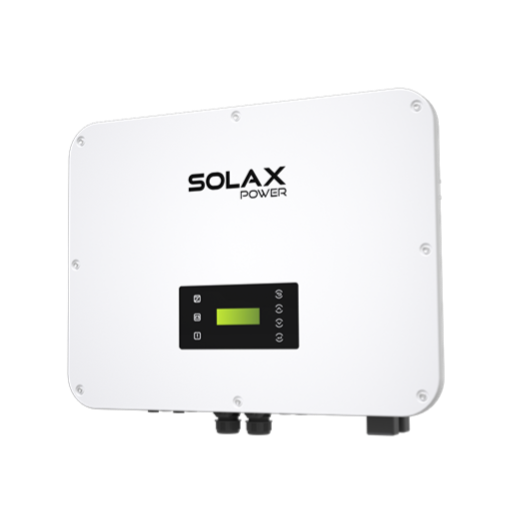
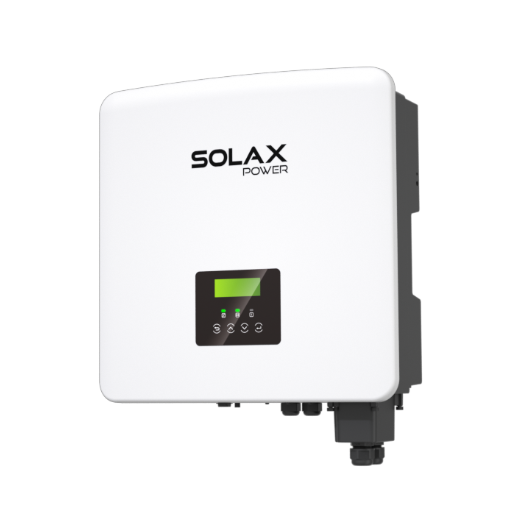
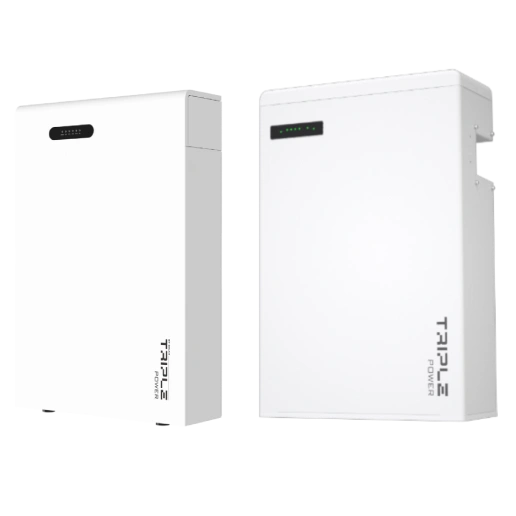
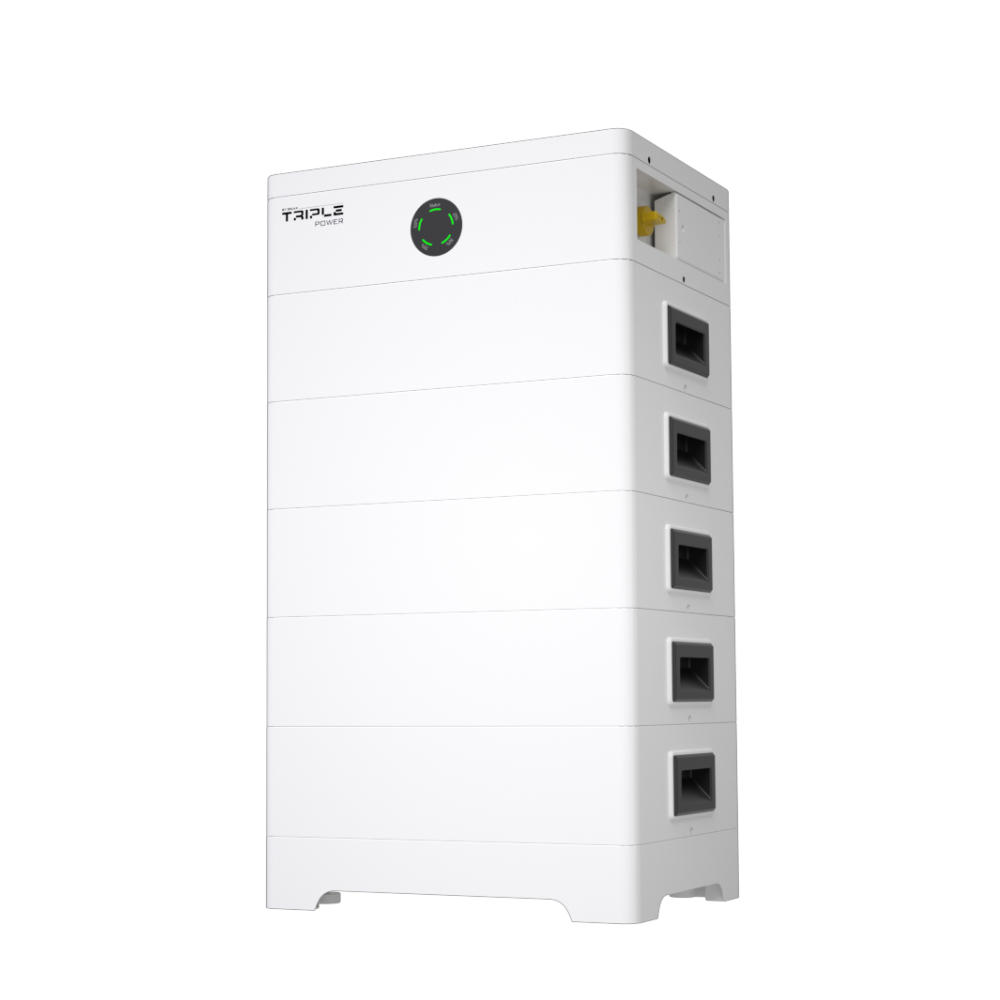
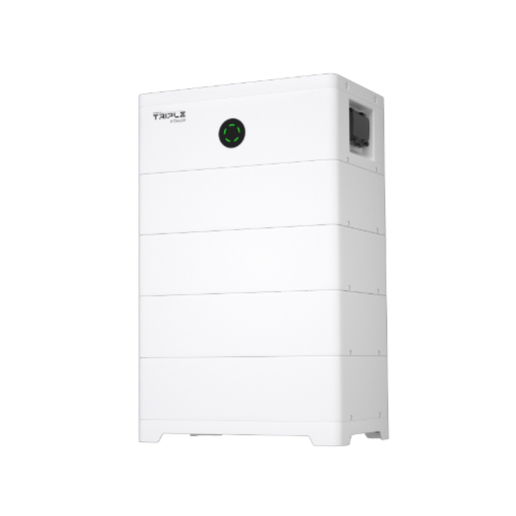
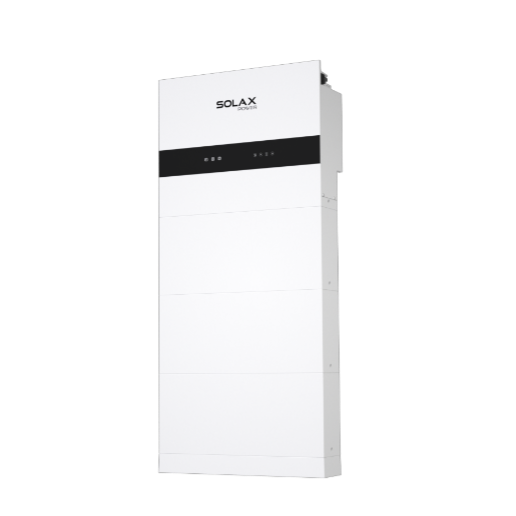
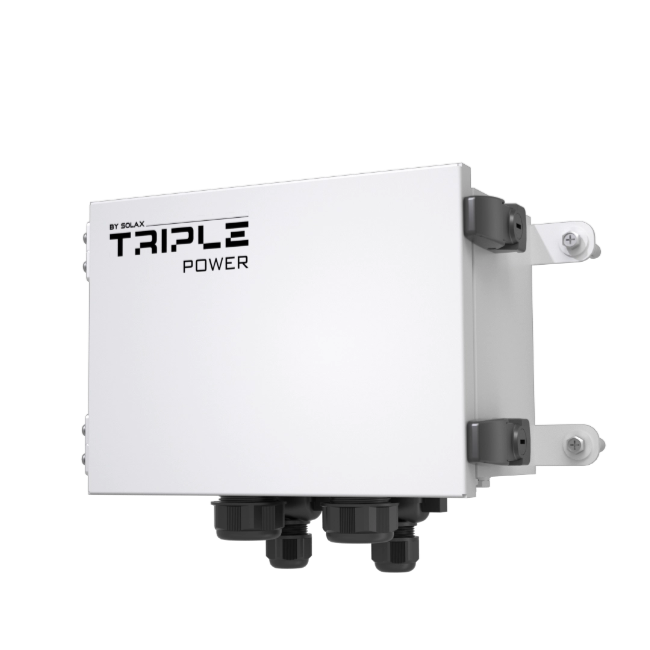
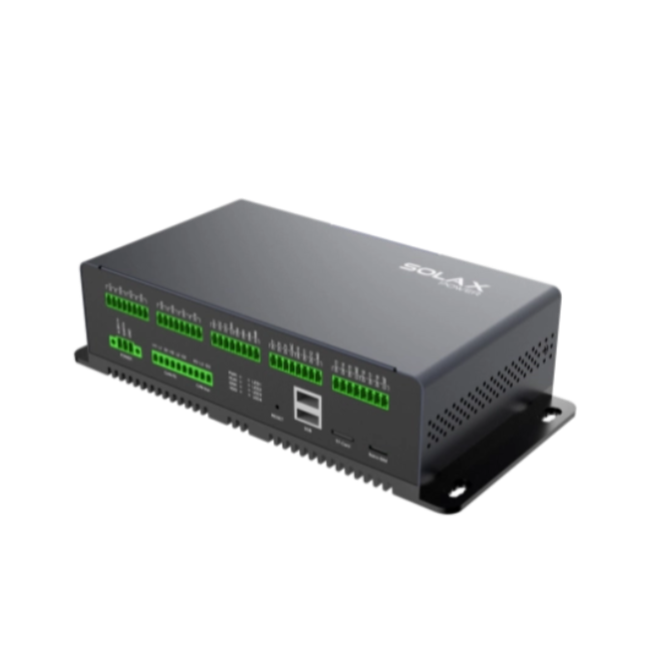
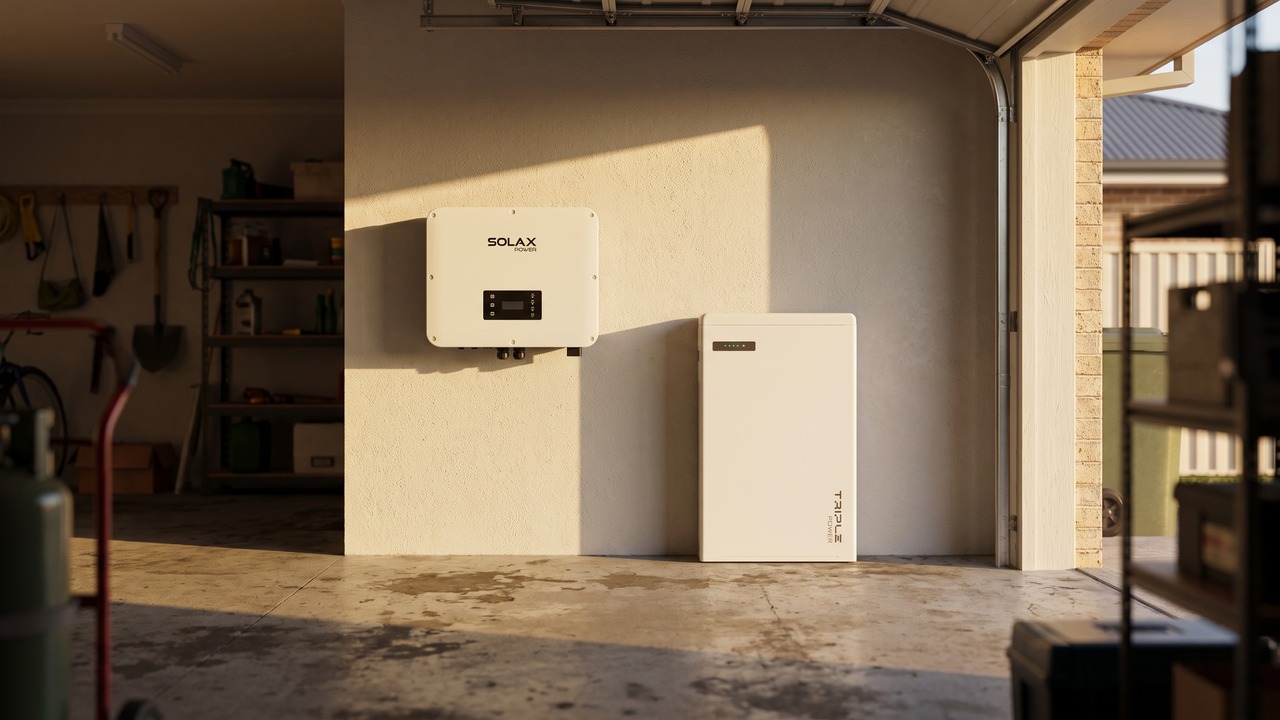
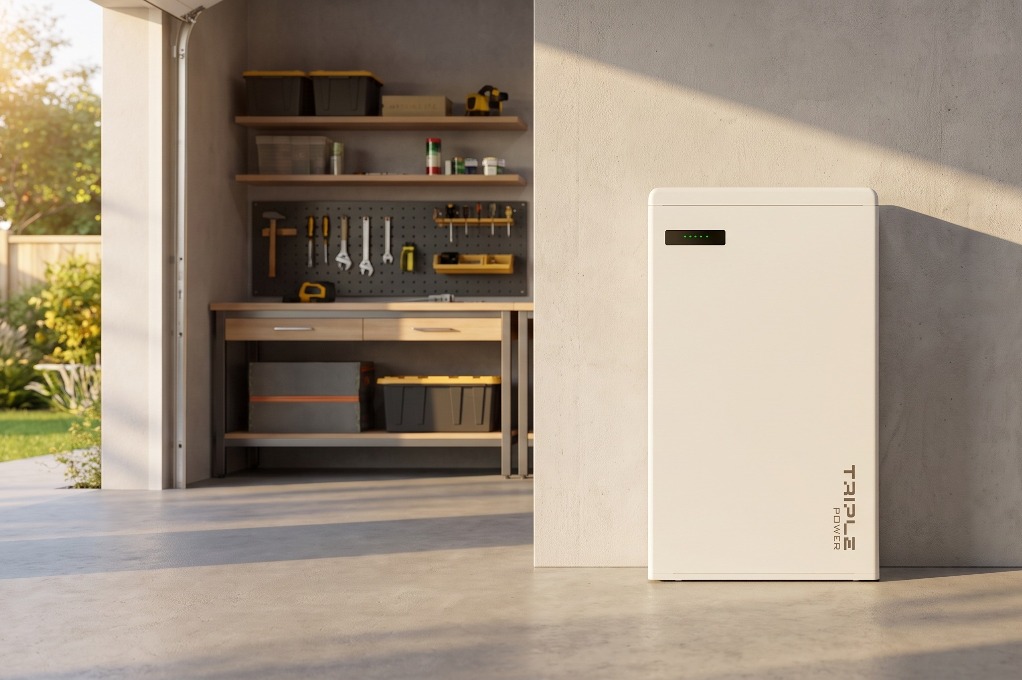
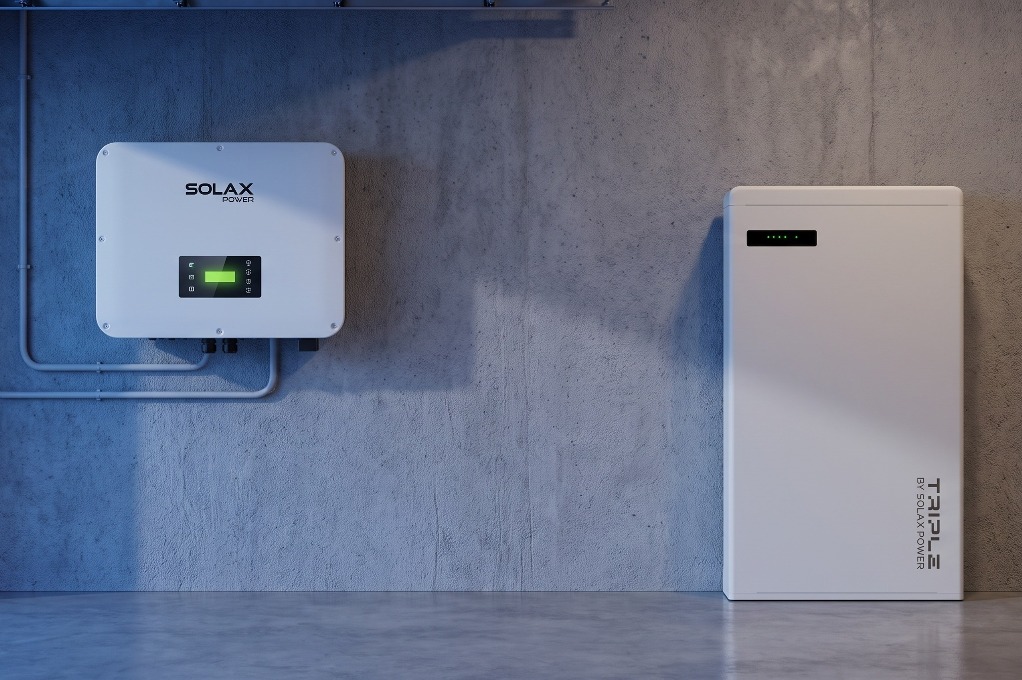
On the hardware side, VPP-ready compatibility isn't limited to one product line. SolaX's X3-IES and X1-IES all-in-one energy storage systems are listed as VPP ready, with compatibility across OpenADR, IEEE 2030.5, FCAS, and API integration. SolaX's X1-Hybrid G4 and X3-Hybrid G4 inverters, paired with the Triple Power (T-BAT) battery range, are also documented as VPP ready with ancillary-service participation in the power market. OpenADR, IEEE 2030.5, and the API support are the communication protocols that let a VPP operator's platform actually see and coordinate your system alongside everyone else's, while FCAS compatibility means your system can also participate in AEMO's frequency-control markets specifically, not just simpler peak-demand events. This compatibility list is currently footnoted as a feature to be upgraded in the future, so confirm the current status for your exact model and inverter/battery combination with your installer. Your system is managed and monitored through SolaXCloud, which is also where VPP integration is typically connected once you join a program.
Choosing a VPP Program
You don't sign up for a VPP through SolaX directly; you join through a VPP operator or retailer. SolaX's own guide to VPPs in Australia names Origin Loop, GloBird Energy, and Amber Electric among compatible providers. Beyond these, major electricity retailers also run their own VPP offerings, so it's worth comparing what's actually available and compatible in your area, and confirming each provider's current rollout status directly, since programs and eligibility do change over time.
Some VPP operators specifically use aggregated battery capacity to participate in AEMO's Frequency Control Ancillary Services (FCAS) markets, which pay for very fast responses to grid frequency events, while others focus on simpler peak-demand programs instead. Both are legitimate ways your battery can earn a reward, but the underlying mechanics, and how often your battery gets called on, can differ meaningfully between the two, so it's worth understanding which model a given provider actually runs.
When comparing programs, a few practical questions are worth asking each provider directly:
- What reserve capacity do I keep, and can I set it myself?
- How often, and for how long, does the operator typically call on my battery?
- Is the reward a flat sign-up bonus, an ongoing credit, or tied to actual market events like FCAS?
- Does it work alongside a normal solar feed-in tariff, or replace it?
A Practical Step-by-Step Path
If you're starting from scratch, the process generally looks like this:
- Confirm your system is VPP ready. Check your exact SolaX model and inverter with your installer, since VPP compatibility depends on the specific hardware you have installed, not just the SolaX brand generally.
- Compare the VPP programs available in your area. Not every provider operates in every network area, and terms differ, so this step is worth doing properly rather than signing up with the first option you see.
- Ask each provider the practical questions above before committing, since reward structures and reserve settings vary meaningfully between operators.
- Set your reserve capacity to a level you're genuinely comfortable with for your own household's needs, including outages.
- Confirm your export control settings are configured correctly with your installer, separately from your VPP sign-up, so both levers are working for you.
- Review your arrangement periodically. VPP programs, rewards, and eligibility change over time, so what was the best fit when you signed up may not remain the best fit indefinitely.
Don't Overlook Export Control
Energy market participation isn't only about VPPs. If your network offers dynamic (flexible) export, your inverter's export control function, which SolaX inverters support, can be configured by your installer to respond as your allowed export limit changes through the day. Exact dynamic export compatibility and certification can vary by model, so confirm with your installer that your specific system and setup meet your network's requirements. Getting this configured correctly means less of your solar generation gets wasted during network congestion, which is a smaller but genuinely useful way your system engages with the broader grid, alongside any VPP arrangement.
What Actually Happens During a Grid Event
It helps to picture what participation actually looks like in the moment, since it's easy to imagine this as more disruptive than it really is. When the grid or your VPP operator needs extra capacity, perhaps during a heatwave evening when everyone's air conditioning is running at once, the operator's platform sends a signal to participating batteries, including yours if you're enrolled, to discharge a defined amount of stored energy for a set period. Your household's own supply isn't interrupted; the system is simply drawing on a portion of your stored charge above the reserve level you've set, the same way it would if you were using that stored energy yourself in the evening. Once the event ends, your battery returns to its normal charging and discharging pattern for your own household.
Putting It Together
For most households, the realistic path looks like this: confirm your SolaX system's model supports VPP integration, compare the VPP programs actually available in your area, choose one that suits how you use your battery day to day, and make sure your installer has your export control settings configured correctly for your network. From there, your system continues doing its main job, powering your home and cutting your bill, while quietly taking on a second role supporting the grid whenever it's actually needed.
None of this requires day-to-day effort on your part once it's set up correctly. The value of energy market participation comes precisely from the fact that it runs quietly in the background, governed by the reserve and program settings you chose upfront, rather than requiring you to monitor grid conditions or manually respond to anything yourself.
FAQ
Table of Contents
Last News
Explore expert insights, practical guides, and the latest news on SolaX Power.


To the Latest Newsletter
Stay Ahead with the Latest SolaX Updates!
Sign up
I have read and agree to Privacy Policy and User Terms