















August 28, 2026
Off-Grid vs Hybrid Solar System in Australia: How to Choose?
Share my #SolaXStory


Australia boasts abundant solar energy resources. According to the Clean Energy Council, by June 2025, 4.2 million Australian homes and small businesses had rooftop solar, with solar PV supplying 12.8% of national electricity generation in the first half of the year. [1]
High electricity price prompts Australian property owners to move toward solar energy. Storing self-generated power lowers power bills, delivers energy independence, and maintains power during grid blackouts.
If you are thinking about investing in solar energy, the two most popular options are off-grid vs hybrid solar systems. What’s the difference and how to choose?
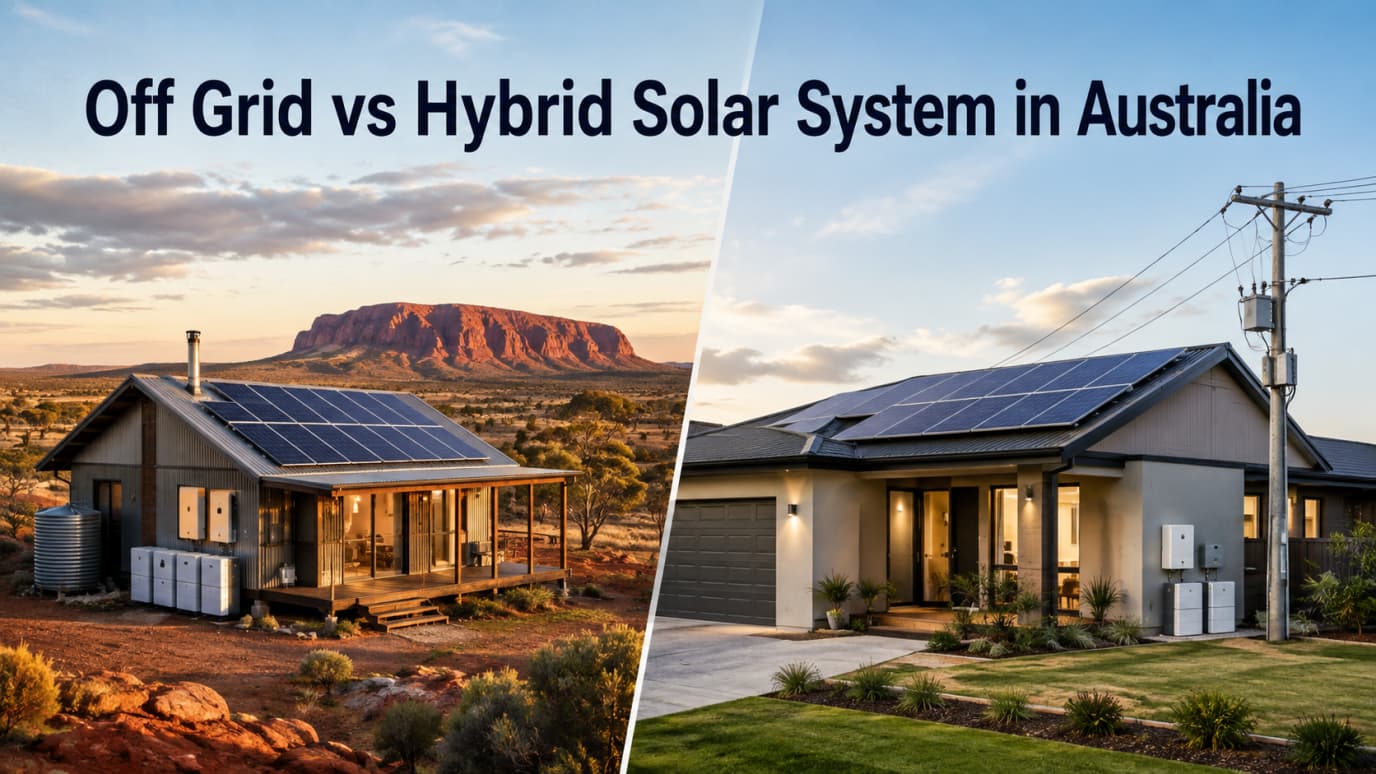
What is an Off-Grid Solar System?
An off-grid solar system is a complete renewable energy system that runs independently from the power grid. Solar panels generate electricity by day, while batteries store excess energy for use at night or when solar production is low.
A typical off-grid solar system includes:
Solar panels
Off-grid inverter
Energy storage system
Charge controller
Backup generation, such as a diesel or petrol generator, where required.
1. Pros of Off-Grid Solar System
Energy independence: You don’t need to rely on utility providers, protecting your property from rising electricity prices and grid failure.
Zero electricity bills: Disconnecting entirely from the grid eliminates daily supply charges and peak-rate power usage costs.
Ideal for remote locations: Extending power lines to a remote rural property require significant costs. In these situations, installing a solar and battery system may be more affordable and provide faster access to reliable electricity.
2. Cons of Off-Grid Solar System
Higher upfront investment: Systems require large solar arrays and heavy battery capacities to cover extended periods of poor weather.
Maintenance requirements: Battery health, inverter performance, solar generation, and energy consumption must be monitored regularly. Poor system design or insufficient maintenance can lead to power shortages.
Backup power may be required: Prolonged rain or heavy winter cloud cover requires a diesel or petrol generator to prevent total blackout.
What is a Hybrid Solar System?
A hybrid solar system combines solar panels, battery storage and a connection to the electricity grid. It prioritizes solar generation for daily household consumption, stores excess power in a hybrid solar system battery bank, and pulls from or exports to the grid as needed.
A typical hybrid solar system includes:
Solar panels
Hybrid inverter
Energy storage system
Grid interface
Monitoring & export control
1. Pros of Hybrid Solar System
Reduced grid dependency: A hybrid system lets you use more of your own solar generation instead of buying electricity from the grid. Excess solar electricity can be stored or exported to the grid through a feed-in tariff.
Battery energy storage: Stored energy is useful during evening peak electricity periods, high-price electricity hours, and temporary grid disruptions.
Power outage protection: Storms and other extreme weather events can cause long-term outages. It can be disastrous for sensitive appliances and homes with medical machine support. Hybrid solar systems offer essential power outage protection.
Access to government subsidies: Hybrid solar systems with eligible batteries may qualify for Australian government support programs. Many require access to virtual power plants (VPP).
2. Cons of Hybrid Solar System
High initial setup cost: Adding battery storage increases the purchase price compared with a standard grid-connected solar system.
Installation complexity: In addition to general installation procedures, hybrid solar systems also require proper integration of grid control, as well as consideration of safety disconnects and export limits.
Off-Grid vs Hybrid Solar System: Key Differences
The following table explains the main differences between off-grid vs hybrid solar system options in Australia.
Factor | Off-Grid Solar System | Hybrid Solar System |
Energy sources | Solar + battery, with optional generator | Solar + battery + electricity grid |
Battery requirement | Usually larger because the grid is unavailable | Can be sized according to consumption and backup needs |
Backup options | Battery and generator | Battery backup plus grid when available |
Scalability | Can be expanded, but generation and storage must remain balanced | Generally easier to expand within inverter, grid and site limits |
Installation | More complex system sizing and energy management | Complex, but generally easier where grid infrastructure already exists |
Feed-in tariffs | Not available without a grid connection | Available when excess electricity is exported |
Upfront cost | Usually higher | Usually lower than a fully independent system |
Best suited for | Remote properties and people seeking high energy independence | Most Australian homes and businesses |
Overall, the choice between a hybrid solar system vs off-grid depends. For most Australian homes and businesses, a hybrid system provides a good balance between cost savings and reliability. Off-grid solar battery systems are more suitable when grid connection is unavailable.
Government Incentives and Battery Rebates in Australia
Australia offers several federal and state incentives that can reduce the upfront cost of solar and battery systems. As policies can change, you should check the latest eligibility requirements before installation.
1. Small-scale Renewable Energy Scheme (SRES)
The federal SRES supports eligible small-scale renewable energy systems through Small-scale Technology Certificates (STCs). Current rules cover 6 types of systems, including solar photovoltaic and solar batteries. [2]
STCs are issued depending on the amount of clean energy a solar system is expected to generate. They work as a direct point-of-sale discount. The STC factor declines over time, so prepare a solar power system now if you plan to.
2. Cheaper Home Batteries Program
The federal Cheaper Home Batteries Program began supporting eligible battery installations from 1 July 2025 through the expanded SRES framework.
As of 2026, the program provides an upfront discount of around 30% for solar batteries between 5 kWh and 100 kWh nominal capacity. The support is calculated using STCs, and it’s only claimed for the first 50 kWh of usable battery capacity. [3]
3. State Solar Rebates
State programs can provide additional financial support. In New South Wales:
The Home Energy Saver program offers a discount of up to $4,000 or a zero-interest loan of up to $15,000 for energy-saving upgrades, including rooftop solar and home batteries.
NSW also has a VPP incentive. Batteries up to 50 kWh can be eligible for the relevant VPP incentive. Participants need to connect their batteries to a VPP and receive payments for exporting stored electricity during periods of demand. [4]
For businesses, NSW is also introducing new battery incentives from 1 September 2026. Eligible businesses can receive discounts of around 20% to 40% depending on battery size. [5]
Note: The NSW VPP incentive and the Batteries for Businesses incentive are only applicable to grid-connected systems, as they are intended to reduce peak demand on the grid. Off-grid property owners cannot claim VPP-linked subsidies or feed-in tariffs.
How to Choose Between Off-Grid and Hybrid Solar in Australia?
1. Choose off-grid solar systems if you:
Live in a remote or rural area without grid access
Face a high cost for connecting to the electricity grid
Want 100% total energy independence
Require an isolated power setup for an off-grid cabin or farm
Can accept the higher upfront cost and ongoing maintenance
Are prepared to install sufficient battery storage now and for the future (electric vehicles, heat pumps, large-scale air conditioning systems, building expansion)
2. Choose hybrid solar systems if you:
Own an urban or suburban property with a grid connection
Plan long-term home energy saving upgrades at a lower upfront cost
Plan to claim federal and state government battery rebates
Want to export excess electricity to the grid
Want blackout protection for essential household appliances
Expect your household energy demands to grow in the future
SolaX Solar Solutions for Homes and Businesses
Considering to invest an off-grid or hybrid solar system with long-term safety, efficiency, and ROI? SolaX provides solar solutions engineered specifically to withstand demanding Australian environmental conditions.
1. Hybrid Solar Solutions
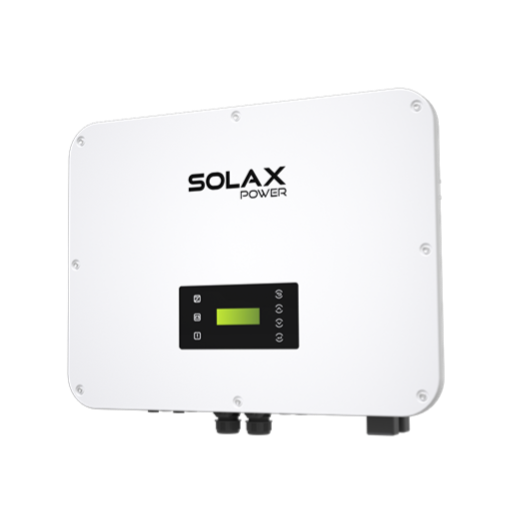
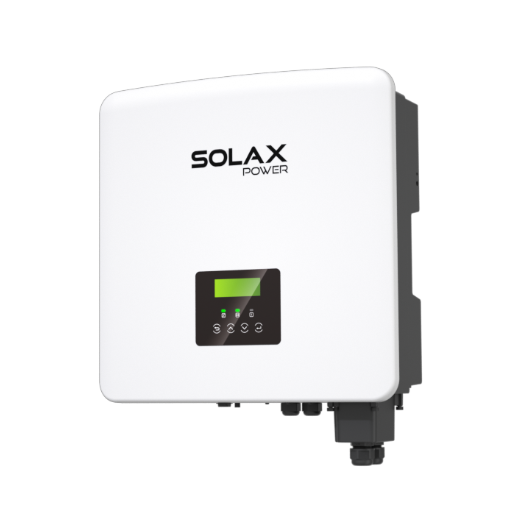
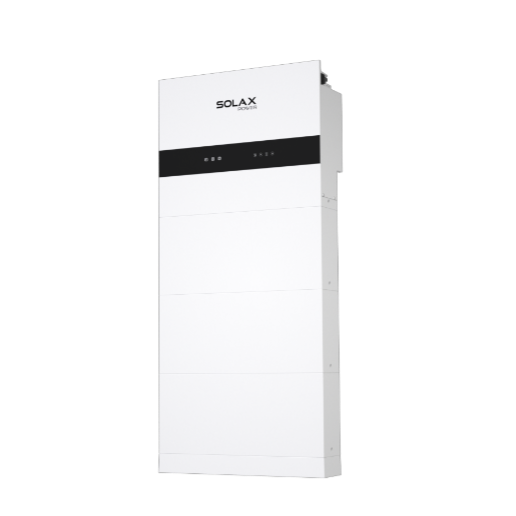
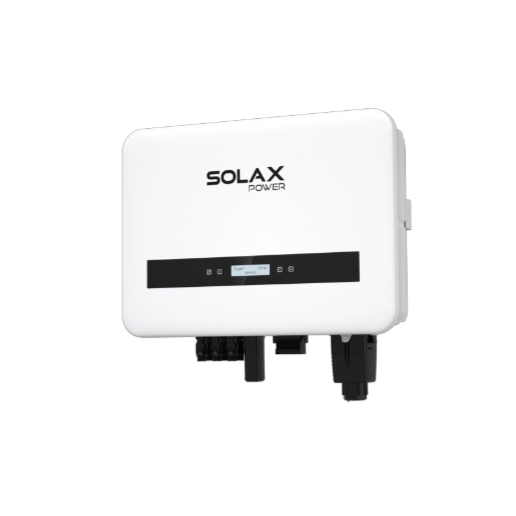
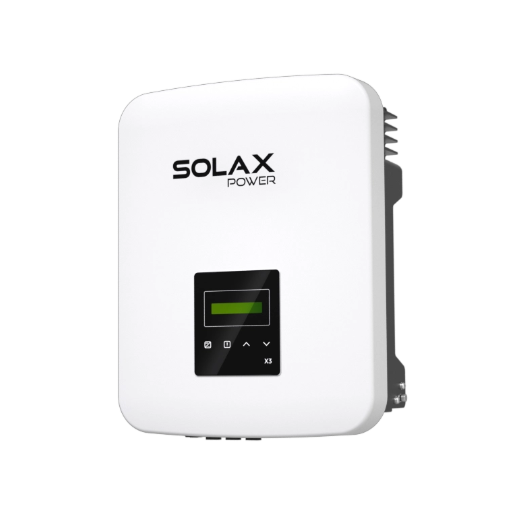
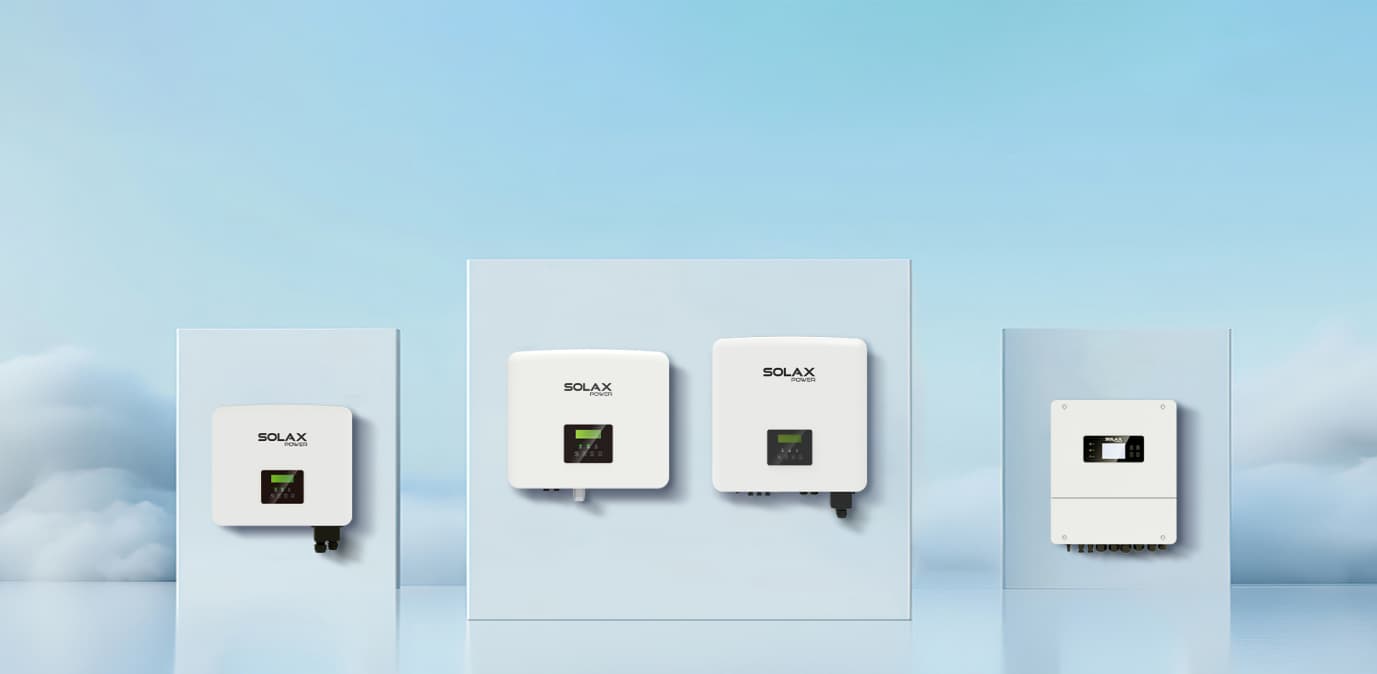
For grid-connected properties, SolaX offers hybrid solutions such as the X3-HYBRID G4 (for homes) and X3-ULTRA (for businesses). Both integrate solar and storage—VPP-ready for the energy future.
The X3-HYBRID G4 provides 5-15 kW of power, supports off-grid and on-grid solar operation, and can be configured in parallel systems up to 150 kW.
The X3-ULTRA covers 15-30 kW models and supports up to 10 units in parallel for both on-grid and off-grid systems.
Features such as EPS output, fast switching (<10 ms), and scalable system configurations help support essential loads when the grid is unavailable.
2. Off-Grid Solar Solutions
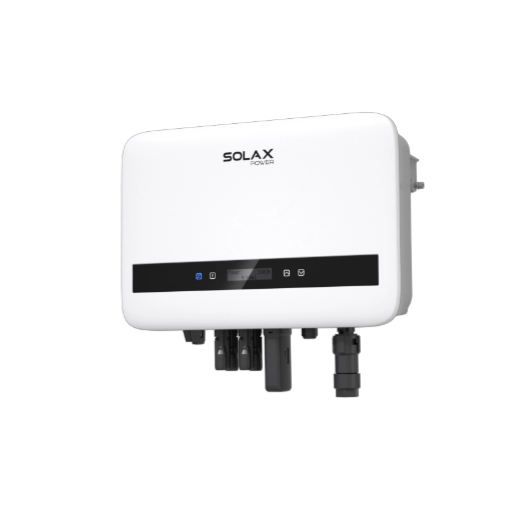
For standalone properties, SolaX hybrid inverters can operate in off-grid mode. Features such as 200% PV oversizing for 100% AC output and battery storage, microgrid, and generator function support versatile operations.
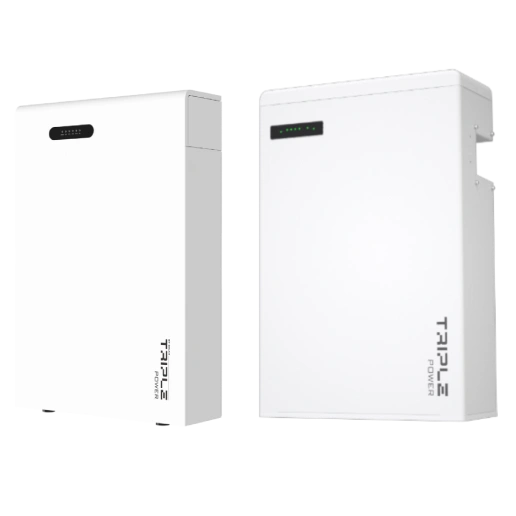
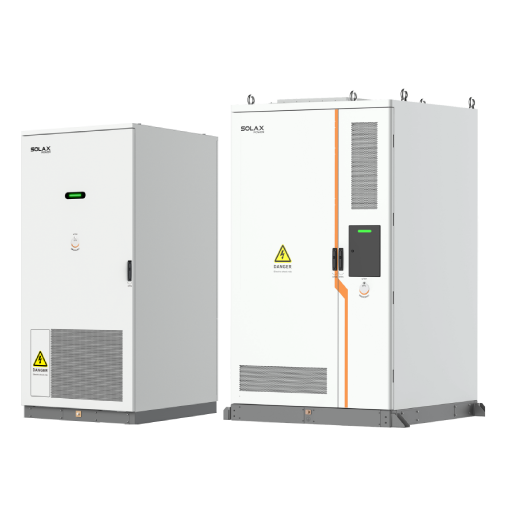
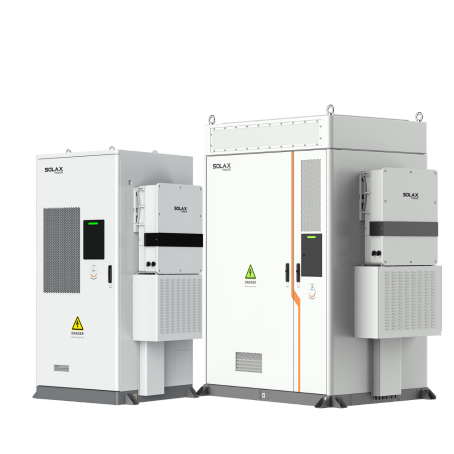
SolaX also provides integrated ESS solutions that can store excess solar energy for use at night or during rainy and cloudy days.
Contact SolaX now to customize a hybrid or off-grid solar system.
References
[1] Rooftop solar and storage biannual report. Available at: https://cleanenergycouncil.org.au/news-resources/rooftop-solar-and-storage-report-january-to-june-2025 (Accessed: 21 August 2026)
[2] Small-scale renewable energy systems. Available at: https://cer.gov.au/schemes/renewable-energy-target/small-scale-renewable-energy-scheme/small-scale-renewable-energy-systems (Accessed: 21 August 2026)
[3] Cheaper Home Batteries Program. Available at: https://www.dcceew.gov.au/energy/programs/cheaper-home-batteries (Accessed: 21 August 2026)
[4] Virtual power plant (VPP) incentive. Available at: https://www.energy.nsw.gov.au/households/grants-rebates/household-energy-saving-upgrades/virtual-power-plant-vpp-incentive (Accessed: 21 August 2026)
[5] Batteries for businesses incentive. Available at: https://www.energy.nsw.gov.au/business-and-industry/programs-grants-and-schemes/business-equipment/batteries-businesses-incentive (Accessed: 21 August 2026)
Table of Contents
Last News
Explore expert insights, practical guides, and the latest news on SolaX Power.

To the Latest Newsletter
Stay Ahead with the Latest SolaX Updates!
Sign up
I have read and agree to Privacy Policy and User Terms