

















October 22, 2026
DC vs AC Bidirectional Charging: What’s the Difference for V2H?
Share my #SolaXStory


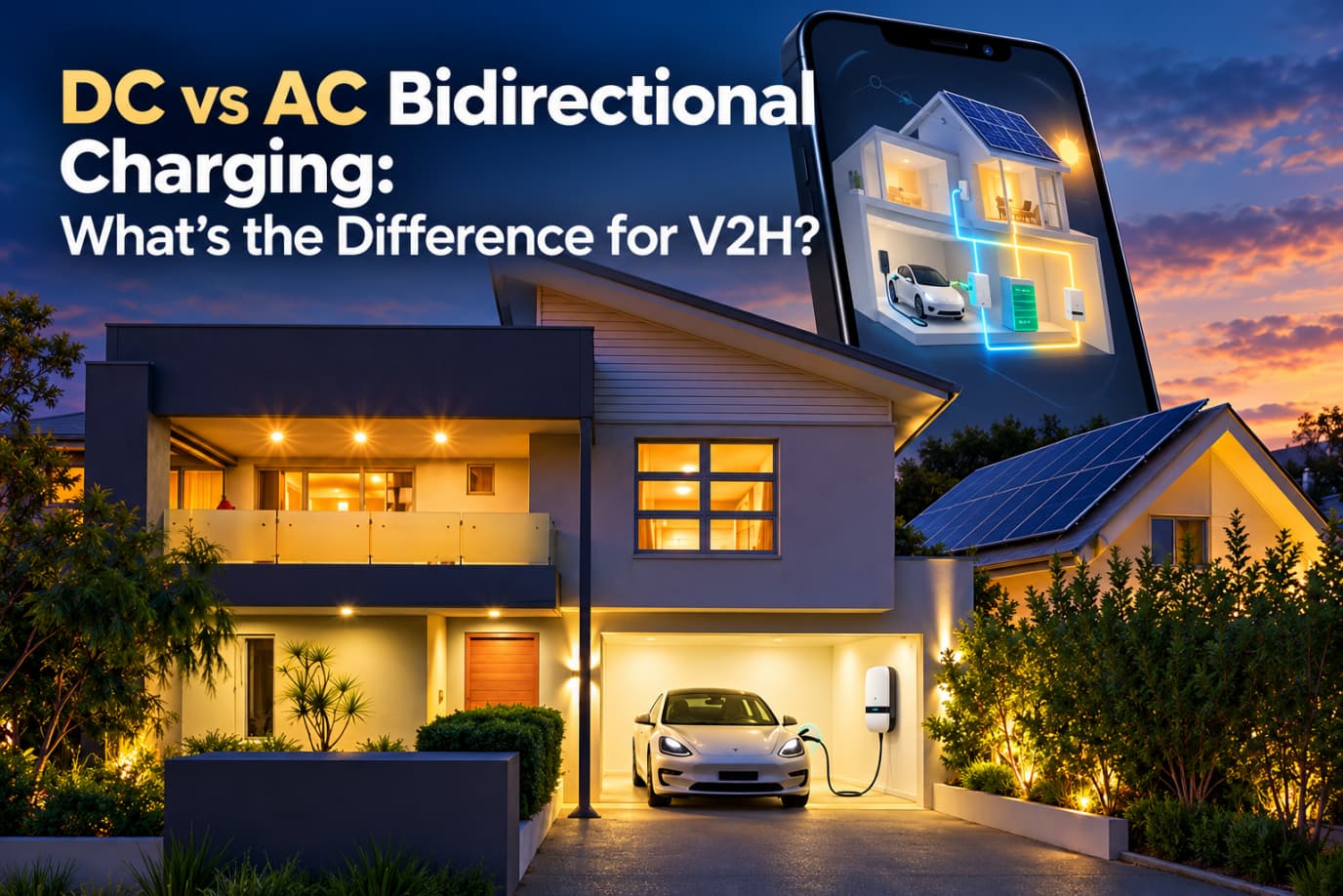
V2H (Vehicle-to-Home) is becoming a trending technology in the electric vehicle space. The concept is simple: your car powers your house.
Why does this matter? A typical EV battery holds 70 to 100 kWh. When you connect an EV to a home energy system, you have a massive, mobile energy storage unit. During a blackout, the car becomes a backup generator. During peak pricing hours, the car can discharge to reduce electricity bills.
To make this work, you need a key device: a bidirectional charger. Currently, there are two technologies: DC bidirectional charging and AC bidirectional charging. Both can power a home from a car. What are their difference for V2H and how to choose?
How Do DC and AC Bidirectional Charging Work?
Bidirectional charging allows electricity to move between an EV battery and an external energy system in both directions. For V2H applications, the main difference lies in how electricity is converted and how the vehicle connects to the home's electrical infrastructure.
1. DC Bidirectional Charging
DC bidirectional charging exchanges direct current directly with the EV's high-voltage battery through the vehicle's DC charging port, which is CCS2 on most EVs sold in Australia.
During charging, the charger converts AC from the grid into DC for the vehicle battery.
During V2H operation, DC energy flows from the battery, then an external converter converts exported energy into AC suitable for household appliances.
A typical DC V2H installation requires:
A dedicated DC bidirectional EV charger.
An EV enabling bidirectional power flow.
Compliant home distribution, protection, and control equipment.
Its main advantage is direct access to the vehicle battery. This supports flexible energy transfer and can accommodate substantial power levels when the vehicle and charger permit.
However, DC systems generally require specialised and more complex installation work. Their overall cost can therefore be relatively high, especially when the home electrical system needs upgrading.
2. AC Bidirectional Charging
A standard AC EV charger does not have bidirectional charging capability. But there's another AC-side V2H charger with a completely different approach.
It uses the vehicle's existing V2L (Vehicle-to-Load) output function, then routes the power through a compatible home inverter for energy integration.
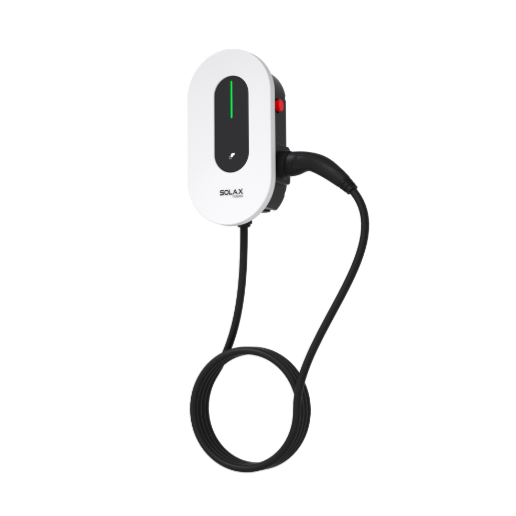
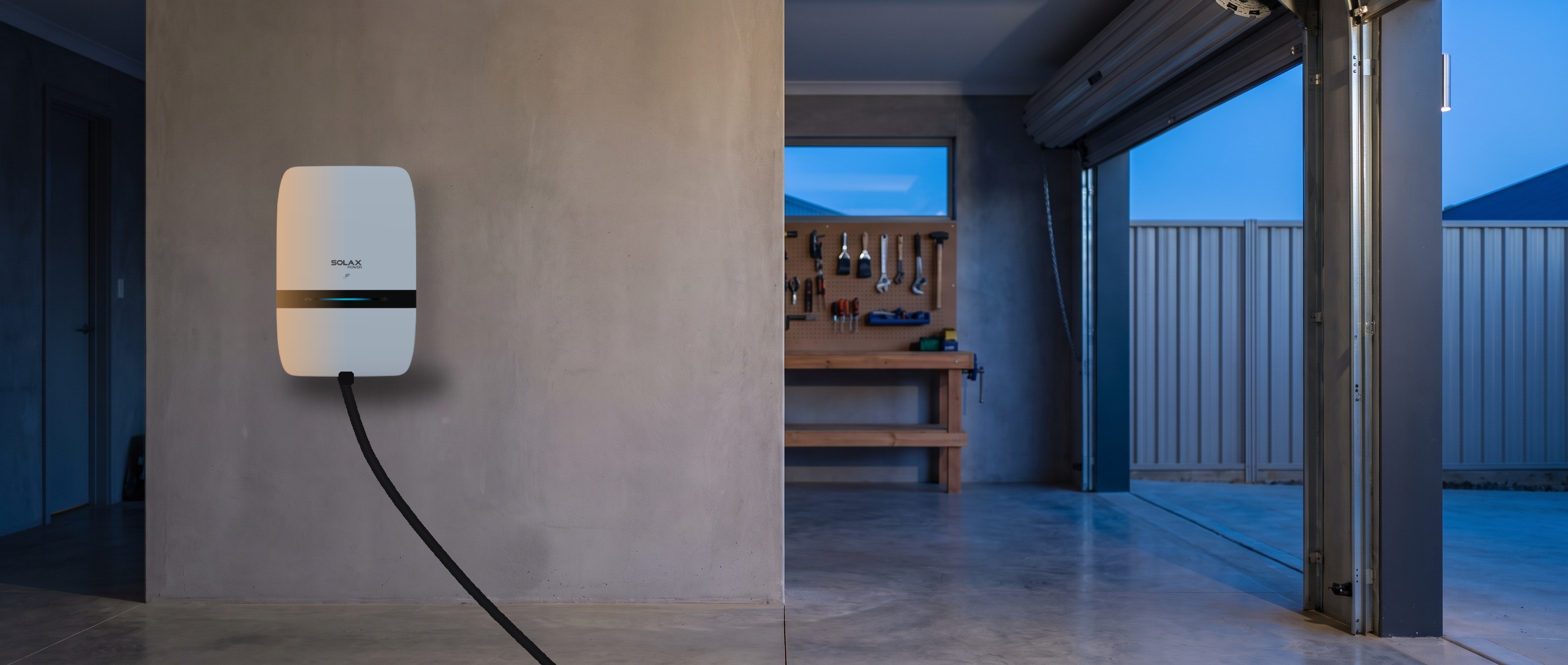
The SolaX Binary Series Smart AC EV Charger is designed for AC-side V2H. It separates AC charging from controlled DC discharging. This charger supports adjustable AC charging from 1.4 kW to 22 kW, plus controlled 7 kW DC discharging for home use.
A typical AC V2H installation requires:
A SolaX Binary Series bidirectional charger
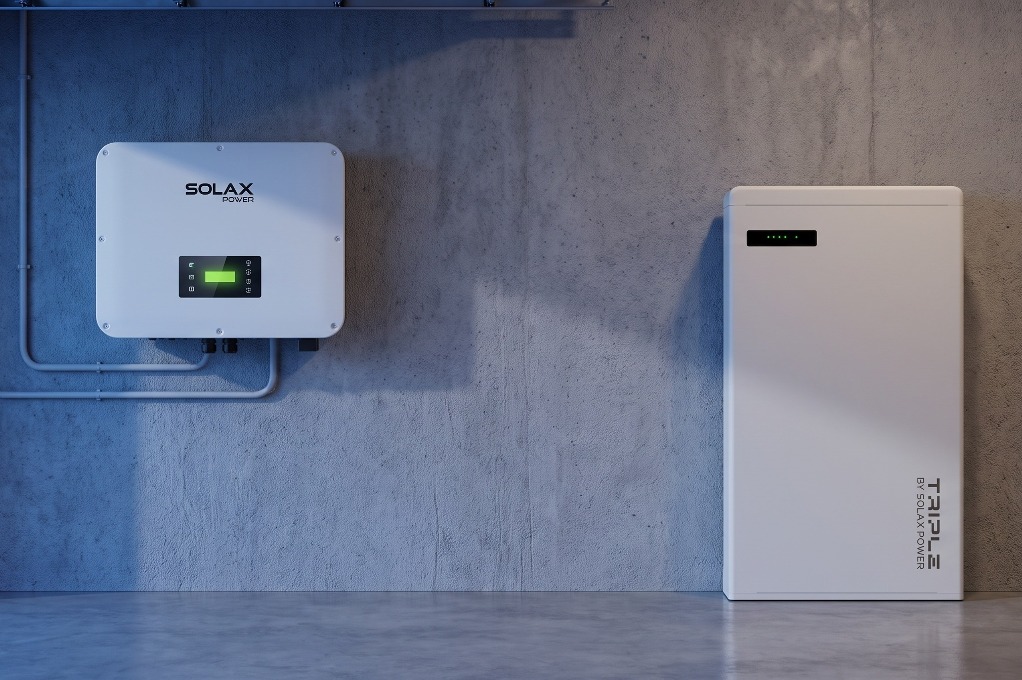
A compatible inverter (such as X1-VAST, X3-G4 PRO, or coming X3-Ultra )
A vehicle supporting V2L output function.
This AC-side V2H technology is well suited for low-power charging at homes, apartment buildings, and workplaces. It uses the V2L function the vehicle already has, without needing a dedicated and expensive DC bidirectional charger. Since the charger operates within the limits set by the vehicle manufacturer for V2L, it stays within your EV's own warranty terms.
DC vs AC Bidirectional Charging: Key Differences for V2H
Comparison | DC Bidirectional Charging | AC Bidirectional Charging |
Power conversion | External bidirectional converter performs DC-AC conversion | Use the vehicle’s V2L output; coordinates with the compatible inverter |
EV compatibility | Requires vehicle supporting DC bidirectional protocols | Requires V2L function compatible with the system |
Hardware requirements | Dedicated DC bidirectional charger + home distribution modifications | AC bidirectional charger + compatible inverter |
Charging/discharging power | Depends on charger rating and EV discharge limits | Depends on EV capability, charger specifications, and inverter output |
Installation complexity | High; requires DC conversion and electrical integration | Lower; equipment can be installed directly |
Costs | Generally higher equipment and installation costs | Significantly lower cost |
V2H applications | High-power backup, VPP participation | Daily energy management, solar self-consumption, backup |
AC-Side V2H in Practice: SolaX Binary Series Smart AC EV Charger
SolaX Binary Series Smart AC EV Charger is the industry's first AC-side V2H solution. It supports adjustable AC charging from 1.4 kW to 22 kW and controlled 7kW DC discharging for residential use.
During operation, the vehicle outputs AC power, the V2H charger manages energy flow, and the inverter converts exported DC power into AC for home consumption. Since the SolaX Binary Series uses the V2L capability already available in compatible EVs, the entire process operates within vehicle manufacturer-defined limits.
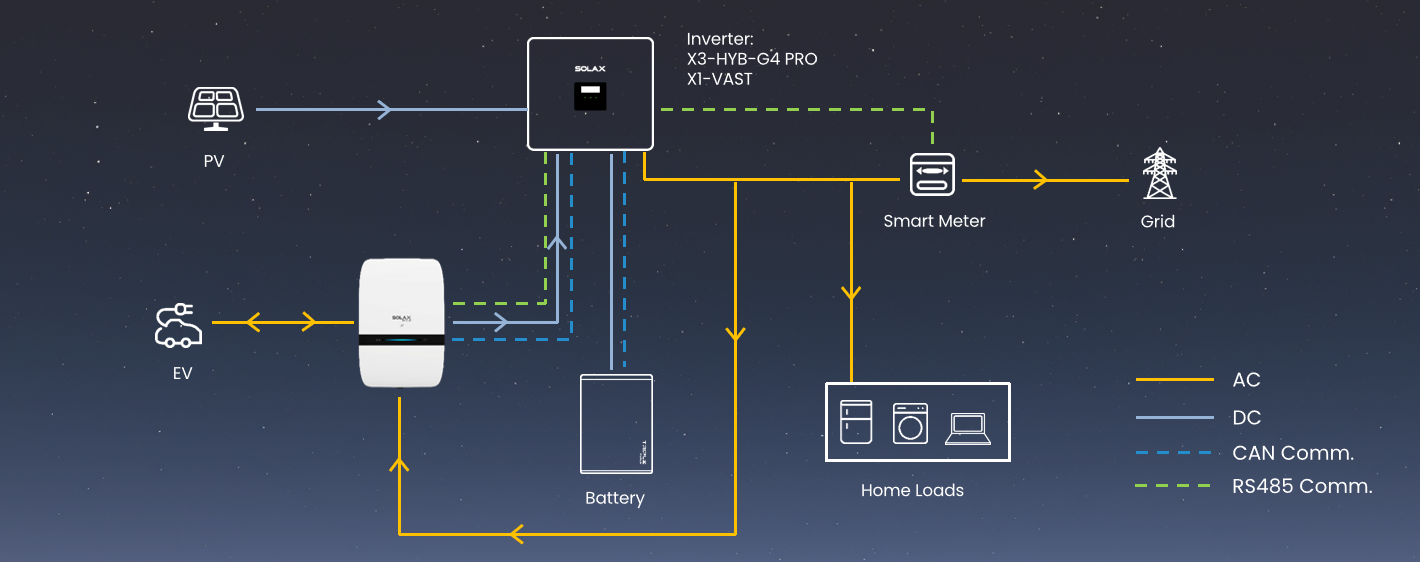
The charger can also be integrated with solar panels and home energy storage batteries. This allows homeowners to charge their EV using solar or grid electricity and supply stored energy to their homes when needed.
Key Features for Homeowners:
Flexible charging and discharging: Supports adjustable AC charging from 1.4 to 22 kW and DC discharging up to 7 kW, subject to vehicle limitations.
Smart energy scheduling: RFID-based vehicle and user management, charging and discharging history tracking
Solar integration: Maximises solar self-consumption and reduces reliance on grid electricity.
Dynamic load balancing: Adjusts charging demand to help prevent household electrical overloads.
Safety protection: Current leakage protection, ISO insulation verification on DC output cable, decoupled charge and discharge architecture for reliability.
Backup power: Supports black start functionality, allowing compatible EV batteries to supply household power during outages when properly configured.
SolaXCloud platform management: Users can view system status, schedule charging and discharging, and manage data on the phone.
Separable equipment installation: Maximum distance between charger and inverter is 50 m, eliminating wiring constraints.
Note: SolaX Binary Series supports up to 7 kW DC discharging current, but its actual capability may be limited by the EV's own V2L rating.
Compatibility Requirements
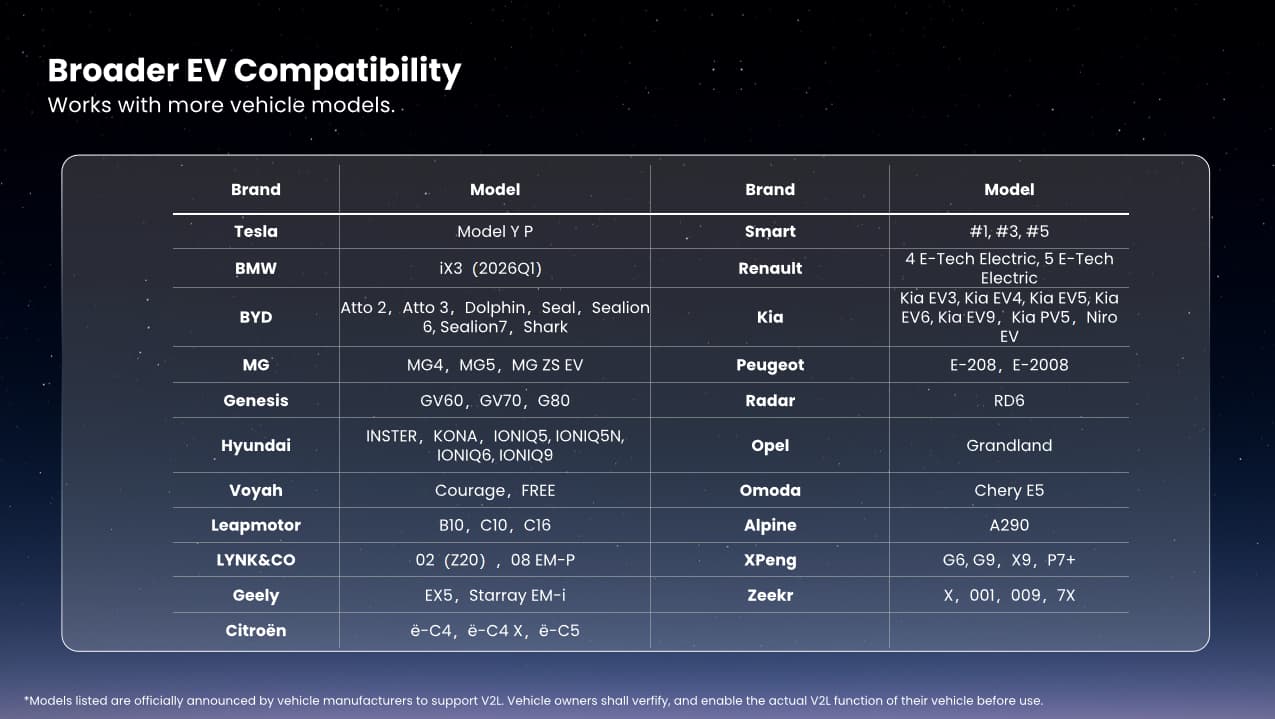
The Binary Series requires a compatible V2L-enabled EV and SolaX inverter, including the X1-VAST and X3-G4 Pro, with X3-Ultra expected to follow.
Currently, SolaX Binary Series is compatible with 20+ EV Brands and 60+ EV Models, such as the Tesla Model Y P, BMW iX3, BYD Atto 3, and Hyundai IONIQ 5, offering homeowners greater flexibility in vehicle selection.
Contact SolaX now to customise a V2H solution.
Which Bidirectional Charging Solution is Better for Your Home?
The best V2H solution depends on your needs:
1. Consider DC Bidirectional Charging If
Your EV has a CCS2 port and supports DC bidirectional charging.
You need higher output power.
Your budget allows for specialised hardware, installation, and network compliance requirements.
2. Consider AC Bidirectional Charging If
Your EV supports V2L.
You want to coordinate EV charging with rooftop solar generation.
You want lower hardware cost and a simpler installation.
You already use, or plan to install, a compatible SolaX inverter.
FAQ
Table of Contents
Last News
Explore expert insights, practical guides, and the latest news on SolaX Power.


To the Latest Newsletter
Stay Ahead with the Latest SolaX Updates!
Sign up
I have read and agree to Privacy Policy and User Terms