

















November 12, 2026
SolaX EV Chargers Explained: Smart EV Charger G2 vs Binary Series, Which One Do You Need
Share my #SolaXStory


If you've got solar, or you're about to, and you're shopping for an EV charger, SolaX makes two genuinely different products, not one charger in four box colours. Picking the wrong one means paying for capability you'll never use, or missing out on a feature you actually wanted. Here's the real difference, in plain terms, so you can match the charger to what you actually need from it.
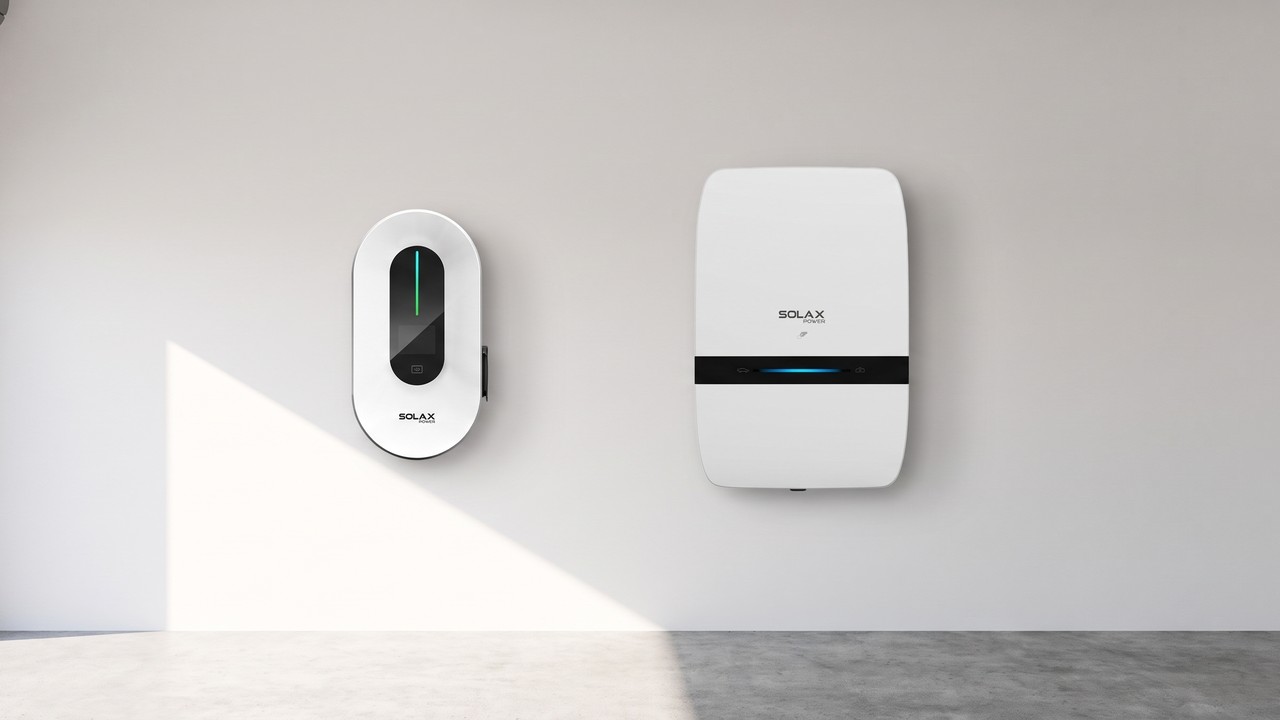
The Two SolaX EV Chargers at a Glance
| Smart EV Charger G2 | Binary Series AC EV Charger | |
|---|---|---|
| What it does | Charges your EV, straightforward and fast | Charges your EV, and can also use your EV's own battery to power your home |
| Power output | 1.4-22kW, four models | 1.4-22kW |
| Connector | Type2 (IEC 62196) | Type2 (IEC 62196) |
| Phases | Single-phase (X1) or three-phase (X3) models, with automatic switching | Automatic single/three-phase switching |
| Backup power | No | Yes, via your EV's V2L output |
| Best for | Straightforward home or business charging | Homes that want blackout backup from the car as well as the battery |
Key Takeaway: Both chargers plug into the same Type2 socket most EVs already use. The real decision isn't about charging speed, it's whether you want your car to double as backup power.
Why Charge an EV Through Your Solar System at All
A standard EV charger plugged straight into your switchboard works fine, plenty of people run one that way. The reason to run it through your SolaX system instead comes down to two things: scheduling and visibility. Both the G2 and Binary Series can be scheduled to charge during your solar generation window. You're topping up the car with power you've already generated, not paying peak grid rates overnight. Both also report into the same SolaX monitoring app as your inverter and battery. You can follow your charging in the same app, instead of guessing from your power bill.
The self-consumption benefit is strongest in a home that already has solar generation to schedule around.
Smart EV Charger G2: Who It's For
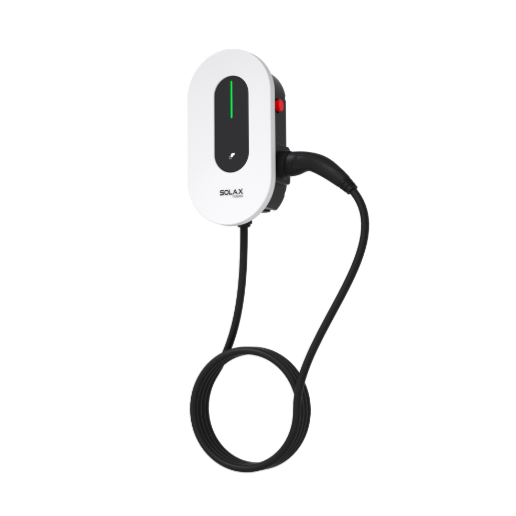
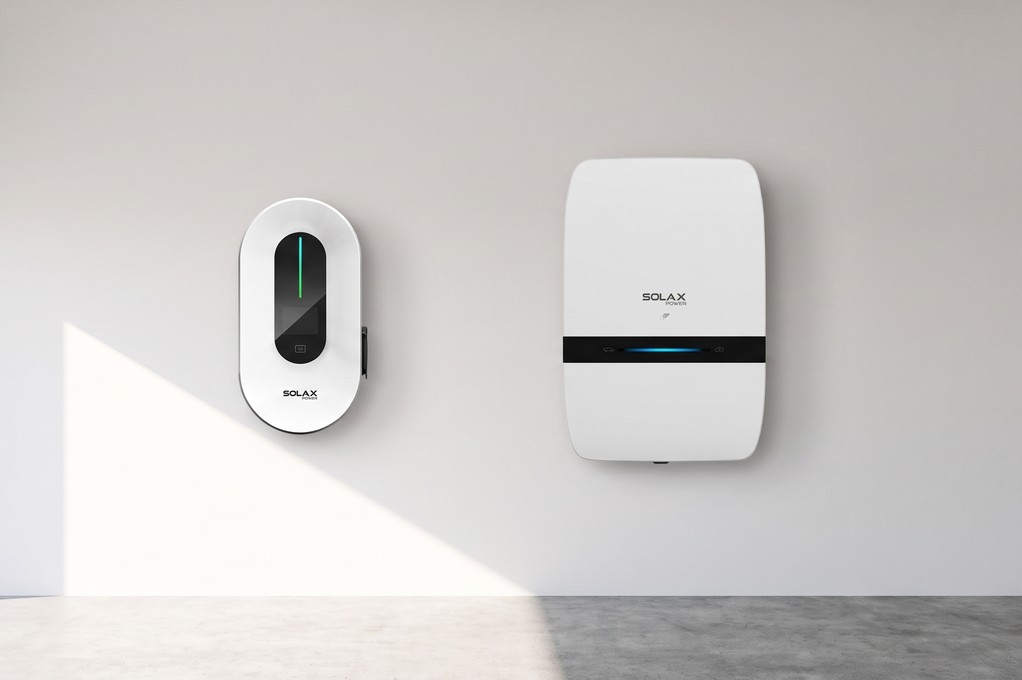
The Smart EV Charger G2 is the straightforward option, charge your EV, nothing more complicated than that. It comes in four power tiers so you can match it to your home's actual electrical supply rather than overpaying for capacity you can't use:
- X1-HAC-4: 1.4-4.6kW, single-phase
- X1-HAC-7: 1.4-7.2kW, single-phase
- X3-HAC-11: 1.4-11kW, three-phase
- X3-HAC-22: 1.4-22kW, three-phase
The two higher-powered models are three-phase units. Check your phase supply with your electrician before you choose the fastest one. The charger manages charging through SolaX's own app, with RFID card support if multiple people or vehicles use it. It's rated IP65 (plug) or IP54 (socket) for outdoor installation.
This is the right choice if you just want to charge the car and get on with your day. No V2X, no backup power, just a fast, reliable charger that talks to the rest of your SolaX system for scheduling and monitoring.
Binary Series: Who It's For
The Binary Series AC EV Charger matches the G2's 1.4-22kW range and Type2 connector. Its genuinely different capability: it can use your EV's own V2L (Vehicle-to-Load) output to help power your home, including black-start backup during an outage. The discharge function supports mainstream V2L electric vehicles, and the power you get depends on the car, so confirm your model with your installer.
Tip: Several EVs sold in Australia offer V2L, including the Kia EV6 and EV9 and the Hyundai IONIQ 5, though on some models it depends on the grade. If your car has it, the Binary Series is what lets your home actually use it.
For the full explanation of what V2X, V2L, V2H and V2G actually mean and why this AC-side approach exists, see our guide: V2X Explained.
Worth being precise about what this is. It's an AC-side charger that uses your EV's existing V2L output, not a dedicated DC bidirectional charger talking directly to the car's high-voltage battery. That's why it's priced and installed like a smart EV charger, not specialised backup-power hardware.
What You Need Before You Buy Either One
The Binary Series needs a compatible inverter in a SolaX PV-ESS system, because it delivers V2X through that system. The G2 works with your solar system and runs scheduling and monitoring through the SolaX Cloud App.
Warning: Backup power needs a car with a V2L output and a compatible inverter in a SolaX PV-ESS system. Confirm both with your installer before you rely on it.
Both units connect via WiFi, Ethernet or RS485, and both integrate with SolaX's monitoring app for scheduling, monitoring and remote management.
Installation: What Your Electrician Will Actually Check
Before either charger goes in, your electrician needs to confirm a few things that have nothing to do with which model you prefer:
- Phase supply. Single-phase homes suit the lower-powered tiers (X1-HAC-4 and X1-HAC-7 on the G2 range). Charging at 11kW or 22kW needs three-phase power at the property.
- Switchboard capacity. Adding an EV charger is a meaningful extra load. Your electrician checks whether your existing switchboard and main supply can handle it, especially alongside a SolaX battery and inverter on the same circuit.
- Mounting location. Both chargers carry outdoor-rated IP ratings (the G2 at IP65 plug/IP54 socket, Binary Series at IP54). Cable run length from the switchboard to your parking spot still matters for cost and compliance, confirm it before you commit to a spot.
- Inverter compatibility, specifically for Binary Series. It needs a compatible inverter in a SolaX PV-ESS system, so have your installer confirm your setup.
None of this is unusual for an EV charger install, it's the same checklist a good installer runs for any brand. "Which model should I buy" and "can my house actually support it" are two separate questions. Answer the second one first.
Choosing Between Them
Ask yourself one question: do you want your EV to double as backup power during an outage? If yes, Binary Series. If you just want a fast, reliable way to charge the car and you're not fussed about backup capability, the G2 does the job for less complexity. Either way, confirm your home's phase supply with your installer first, it decides which power tiers are even available to you.
FAQ
Table of Contents
Last News
Explore expert insights, practical guides, and the latest news on SolaX Power.


To the Latest Newsletter
Stay Ahead with the Latest SolaX Updates!
Sign up
I have read and agree to Privacy Policy and User Terms