


















November 12, 2026
How the SolaX Binary Series AC EV Charger Actually Works (And What V2L Means for You)
Share my #SolaXStory


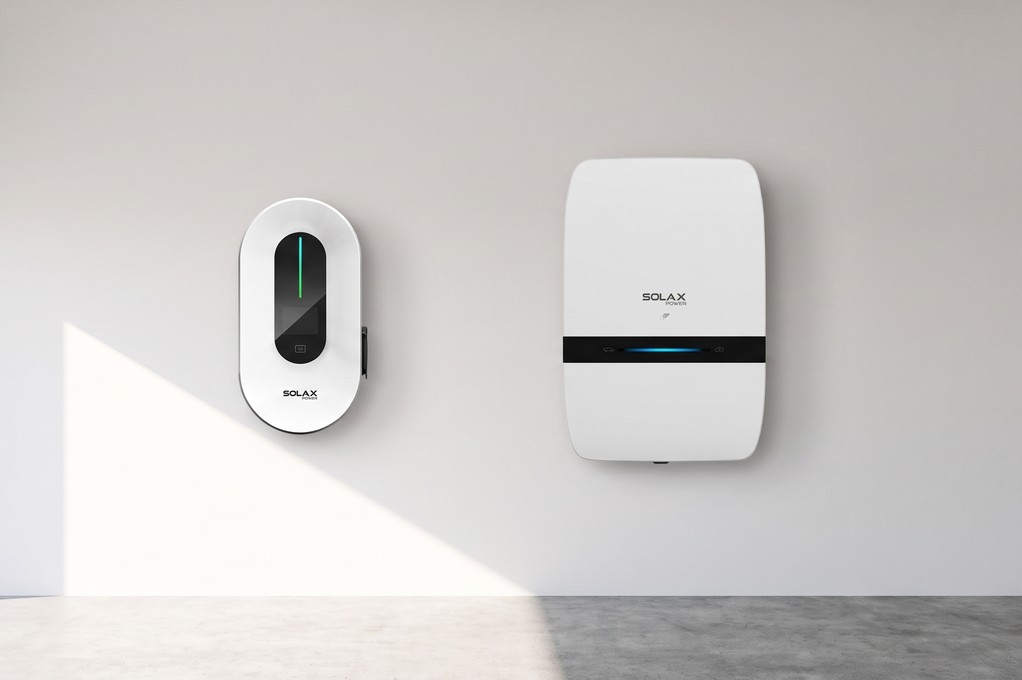
"V2X" gets used as a catch-all marketing term, but the SolaX Binary Series AC EV Charger does one specific thing. Understanding exactly what that is matters before you install one expecting something else. Here's how it actually works, what it needs from your car, and what it can and can't do.
What "V2L-Based V2X" Actually Means
The Binary Series is an AC-side charger. It uses your EV's own V2L (Vehicle-to-Load) output, the same feature that lets some EVs power a kettle or a camp fridge through an onboard outlet. That output feeds into a compatible inverter in your SolaX PV-ESS system instead of a basic plug.
Key Takeaway: This is not a dedicated DC bidirectional charger talking directly to your car's high-voltage battery. It's an AC charger that borrows your EV's existing V2L capability and lets your SolaX system do the clever part. That distinction is exactly why it's priced and installed like a smart EV charger, not specialised backup hardware.
For the broader explanation of V2L, V2H and V2G and how they differ, see V2X Explained. This article is about what the Binary Series itself does with that technology.
The Specs That Matter
- Power output: 1.4-22kW. Actual charging and discharging power depends on what your EV can supply or accept on its own side, the charger doesn't create capability your car doesn't have.
- Connector: Type2 plug (IEC 62196), the same standard most EVs sold in Australia already use.
- Phases: Automatic switching between single-phase (230V) and three-phase (400V), so it adapts to your home's supply rather than locking you into one.
- Build: IP54 / IK10 rated, 376 x 562 x 128mm, 16.5kg.
Why AC-Side V2X Exists at All
A dedicated DC bidirectional charger talks directly to your EV's high-voltage battery, and can genuinely do more in theory. But it's specialised hardware in a different price and installation bracket entirely. Several EVs sold in Australia already offer V2L, including the Kia EV6 and EV9 and the Hyundai IONIQ 5. Rather than building expensive hardware to talk to the car's battery directly, the Binary Series uses what's already there and lets your SolaX PV-ESS system manage the rest. That's the reason this product category exists: most of the practical benefit of V2H, without the cost of dedicated DC bidirectional equipment.
Smart Features
The charger connects via WiFi, Ethernet, CAN, DI or RS485, and manages:
- RFID card access, useful if more than one person or vehicle uses the charger
- Multi-time-slot charging and discharging scheduling
- Charging and discharging history, viewable through SolaX's monitoring app
Tip: Scheduling matters more than it sounds. Set the Binary Series to charge during your solar generation window and you're using free daytime power instead of paying for an overnight top-up.
RFID access matters if the charger's shared, a shared driveway, a small business fleet, or a household with more than one EV driver. Rather than anyone being able to plug in and draw power, access is managed through the card system itself.
Backup Power and Black Start
This is the feature that separates Binary Series from a standard charger. The Binary Series supports black start, so it can draw on your car's battery to help power your home, including during a grid outage. Your EV effectively becomes an additional backup power source alongside whatever battery storage you already have.
Warning: The discharge function supports mainstream V2L electric vehicles, and the power available depends on your car. Confirm your model with your installer before you rely on backup power.
"Black start" means a battery, whether that's your car or your home battery, can restart your system's power supply from a fully de-energised state, rather than needing the grid to already be live to kick things off. It's the difference between topping up an already-running system and bringing your home back online from nothing during an outage. The Binary Series supports black start.
What You Need Before You Buy
Three things need to line up before a Binary Series install makes sense:
- Your EV supports V2L. Check your model and grade, because the discharge power depends on the car.
- A compatible inverter in a SolaX PV-ESS system, since the Binary Series routes power through your home system rather than working as a standalone unit.
- Your installer confirms the setup, particularly phase supply and inverter compatibility for your specific property.
Skip any of these and you've bought a charger that charges your car fine. It just lacks the backup capability that is the whole point of choosing Binary Series over the standard Smart EV Charger G2.
Where the Real Value Sits
Here's what you're actually paying for with Binary Series. Not faster charging, both chargers top out at the same 22kW. Not a fundamentally different day-to-day charging experience either. You're paying for the backup-power option sitting dormant until you need it, plus the ability to schedule charging and discharging around your own solar generation instead of a fixed overnight window. For most owners, the backup scenario is rare, an outage that happens to coincide with the car being home and charged. The daily value is the scheduling and visibility, seeing exactly how your EV fits into your home's energy use rather than treating it as a separate appliance on a separate bill.
FAQ
Table of Contents
Last News
Explore expert insights, practical guides, and the latest news on SolaX Power.



To the Latest Newsletter
Stay Ahead with the Latest SolaX Updates!
Sign up
I have read and agree to Privacy Policy and User Terms