















August 10, 2026
Grid-Forming vs. Grid-Following Inverters: The Future of Energy
Share my #SolaXStory


Australia's electricity grid is changing faster than most homeowners realise. Coal-fired power stations are retiring on a rolling schedule stretching across the coming decades, rooftop solar now sits on more than a third of Australian homes, and grid operators are rethinking how the whole system stays stable when the sun goes down or(the wind drops. In that conversation, two terms come up again and again: grid-forming and grid-following inverters.
If you're researching a solar and battery system, you may have seen these terms in a spec sheet, a forum post, or an industry article and wondered what they actually mean for the system sitting on your own wall. This guide explains the difference in plain English, why it matters for the grid as a whole, where the technology is already being deployed today, and where home battery systems, including SolaX systems, actually sit in that picture.
What Does "Grid-Following" Mean?
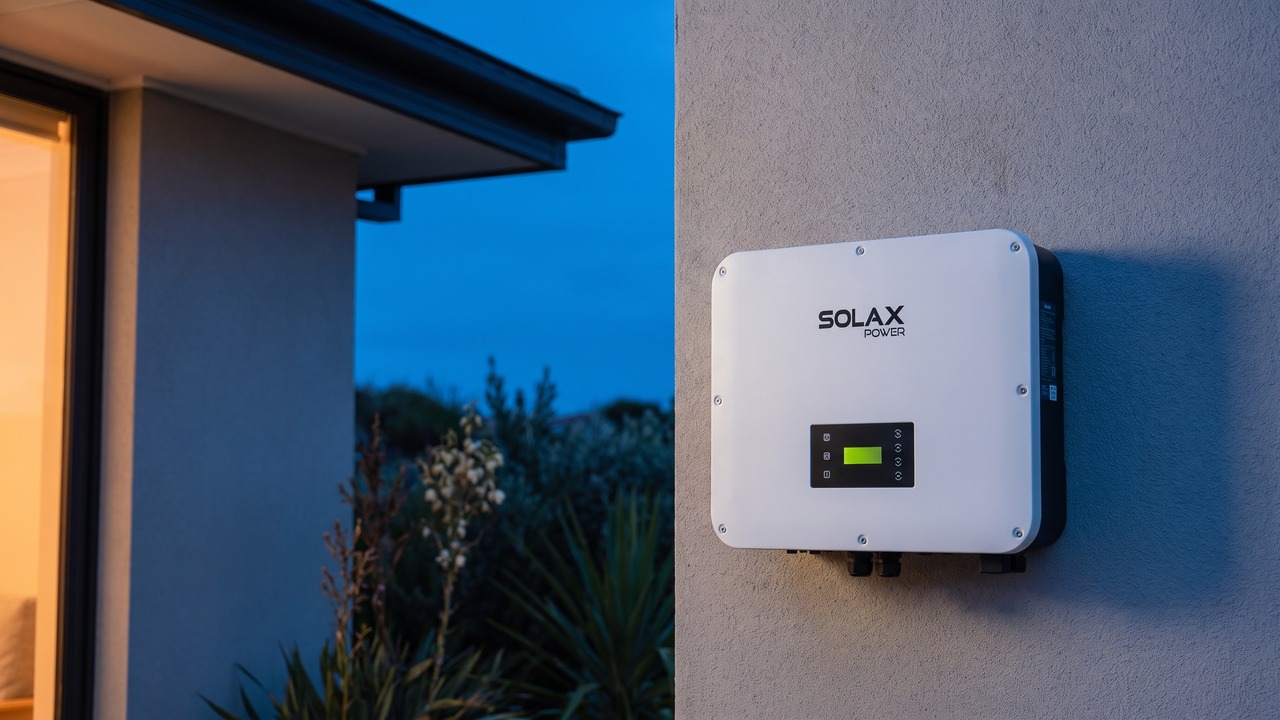
A grid-following inverter is designed to work alongside an existing, stable grid. It constantly measures the voltage and frequency the grid is already producing, using a control method called a phase-locked loop, and synchronises its own output to match. In effect, it behaves like a current source: it follows the grid's lead rather than setting the pace itself. It's a bit like merging onto a busy highway. You watch the traffic already flowing and match your speed to it. You're not setting the pace for the road, you're safely joining a pace that's already been set.
This is how the overwhelming majority of solar and battery inverters connected to homes across Australia operate today, including standard grid-tied hybrid inverters. It's a proven, well-understood approach that has underpinned safe, reliable solar exports for well over a decade. The inverter needs a stable grid signal to lock onto in the first place. If that signal disappears, a grid-following inverter cannot create one of its own; it simply has nothing to synchronise with, and it will shut itself down as a safety measure rather than risk feeding power into a dead line.
What Is a "Grid-Forming" Inverter?
A grid-forming inverter works the other way around. Instead of waiting for an existing voltage and frequency reference, it behaves like a voltage source and actively establishes one. It doesn't need a phase-locked loop, because it isn't following anything, and it can potentially provide some of the stabilising characteristics that spinning generators, like coal and gas turbines, have traditionally supplied to the grid, such as inertia and fault current support.
Grid-forming inverters are a genuinely different piece of engineering. It's the difference between an instrument playing along with a band that's already set the tempo, and an instrument that sets the tempo for everyone else to follow. That second role is a much harder engineering problem, which is part of why it has taken years of research and trials to get right at any meaningful scale.
What Grid Inertia Actually Does
To understand why any of this matters, it helps to understand what "inertia" means on an electricity grid. Large spinning generators, like the turbines inside a coal or gas power station, have enormous physical mass rotating in sync with the grid's frequency. If something goes wrong, a generator suddenly trips offline, a transmission line faults, that spinning mass acts like a shock absorber. It resists sudden changes in frequency simply because of its own momentum, buying the rest of the system precious fractions of a second to respond before the disturbance can spread.
As AEMO's Chris Davies has explained, without that inertia from spinning metal, a shock to the grid can spread a long way through the power system, much faster and with far less natural damping than an inertia-rich grid would allow. That's the core problem the energy transition has to solve: as coal and gas generators retire, their inertia disappears with them, and something else has to replace that stabilising function if the grid is going to keep running safely on a majority-renewable mix.
Why This Distinction Matters for Australia's Grid
This isn't a theoretical, far-off problem. South Australia has separately set instantaneous renewable penetration records of over 90% while connected to the rest of the National Electricity Market, and has also operated for extended periods as an isolated synchronous island, disconnected from the wider grid after network incidents. During those islanded periods, gas generation has typically stayed online specifically to provide system strength, since the state hasn't yet run in full island mode on renewables alone, which is itself a real-world illustration of the inertia gap this article is describing.
South Australia's Hornsdale Power Reserve, one of the country's best-known grid-scale batteries, was expanded to become the first grid-scale battery in the National Electricity Market to provide inertia benefits, essentially emulating a service that fossil-fuel generators have always provided, tested and approved alongside AEMO. It's a concrete, real-world example of grid-forming style capability already deployed specifically to plug the inertia gap left by retiring coal generation.
Grid-Forming Technology Is Already Being Deployed, Just Not at Home
It's worth being clear about where this technology actually sits today. Grid-forming capability is being rolled out at the scale of grid infrastructure and large batteries, not household solar and battery systems. AEMO has been running research programs and trials specifically evaluating grid-forming battery performance, including scenarios that test whether parts of the grid can be run with little or no traditional spinning generation at all. These trials directly inform the technical standards and procurement requirements that will shape how grid-scale batteries are built and connected in the years ahead.
For homeowners, the practical takeaway is that grid-forming technology is a live, well-funded, actively-researched part of how Australia's grid will keep working as coal retires, but it's a wholesale-market and network-level solution rather than something that changes what you should be looking for in a home battery system today.
Where Does a Home Battery System Fit In?
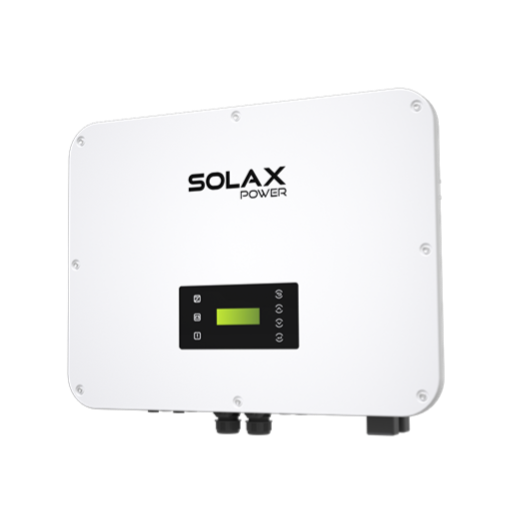
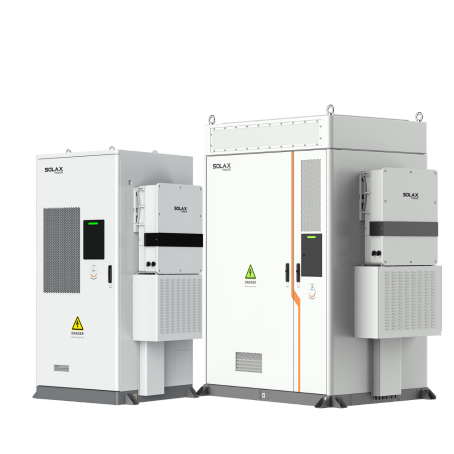
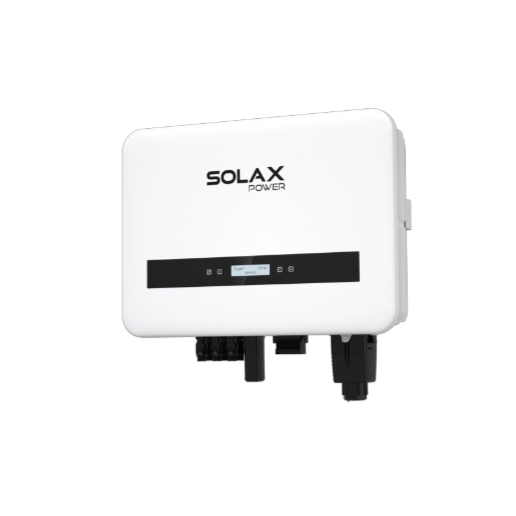
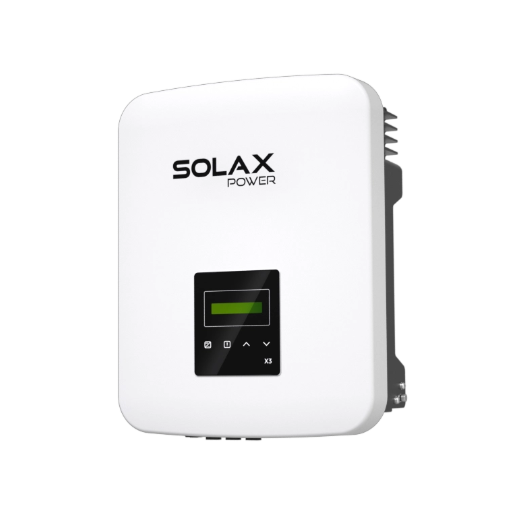
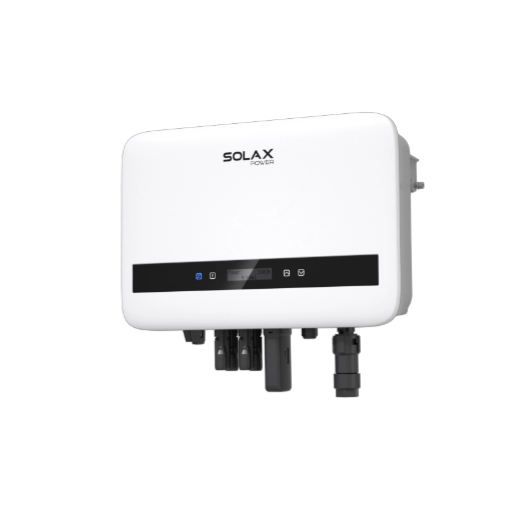
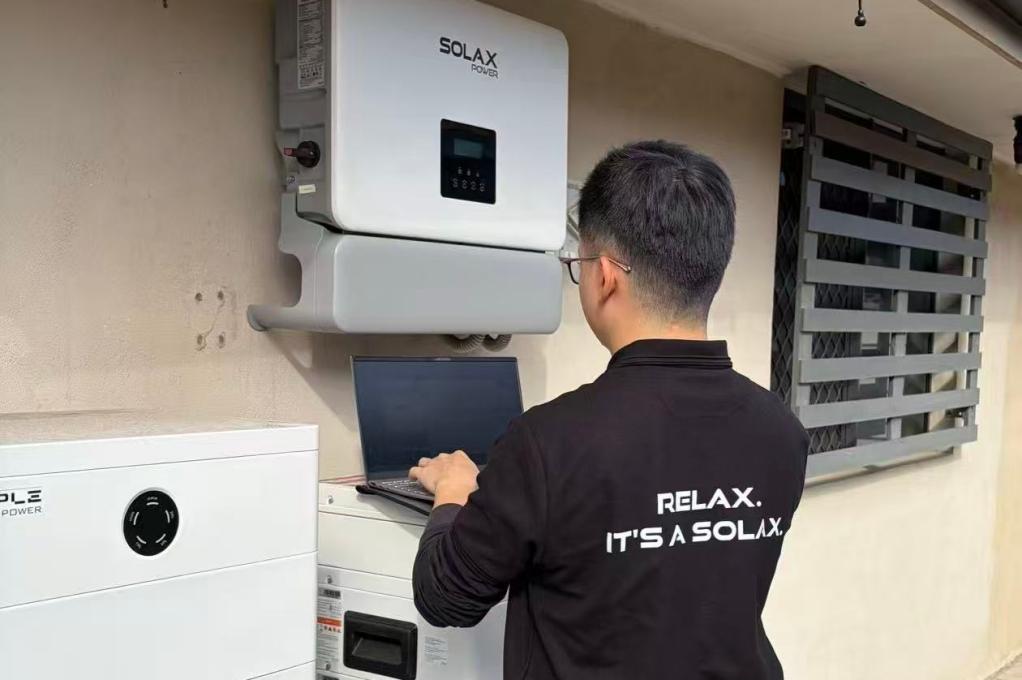
Here's the practical answer for anyone comparing home battery systems: for the vast majority of Australian households, the inverter connected to the grid operates as a grid-following device. That includes SolaX's residential hybrid inverter and all-in-one energy storage systems. This isn't a limitation, it's the standard, safe, and proven way a home system synchronises with the grid to export solar and draw power when needed.
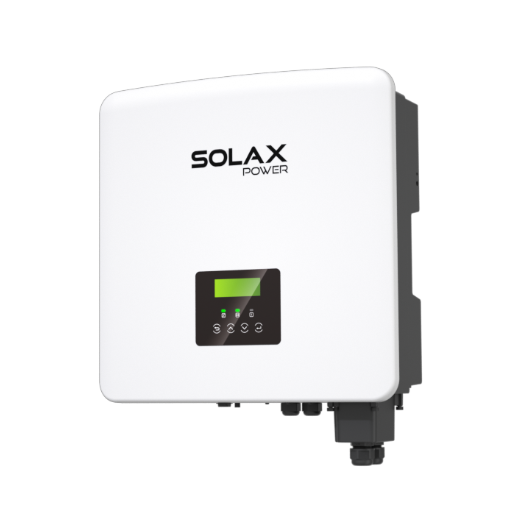
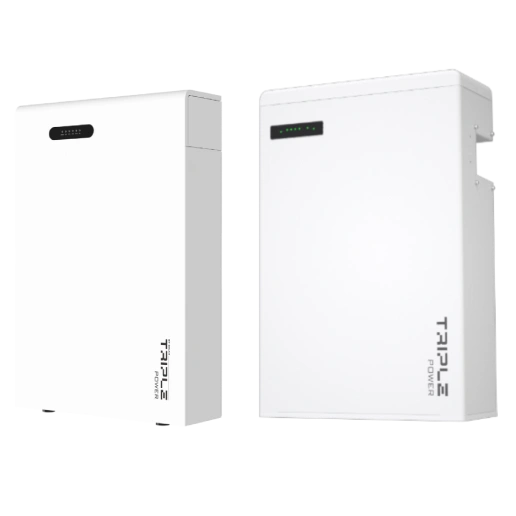
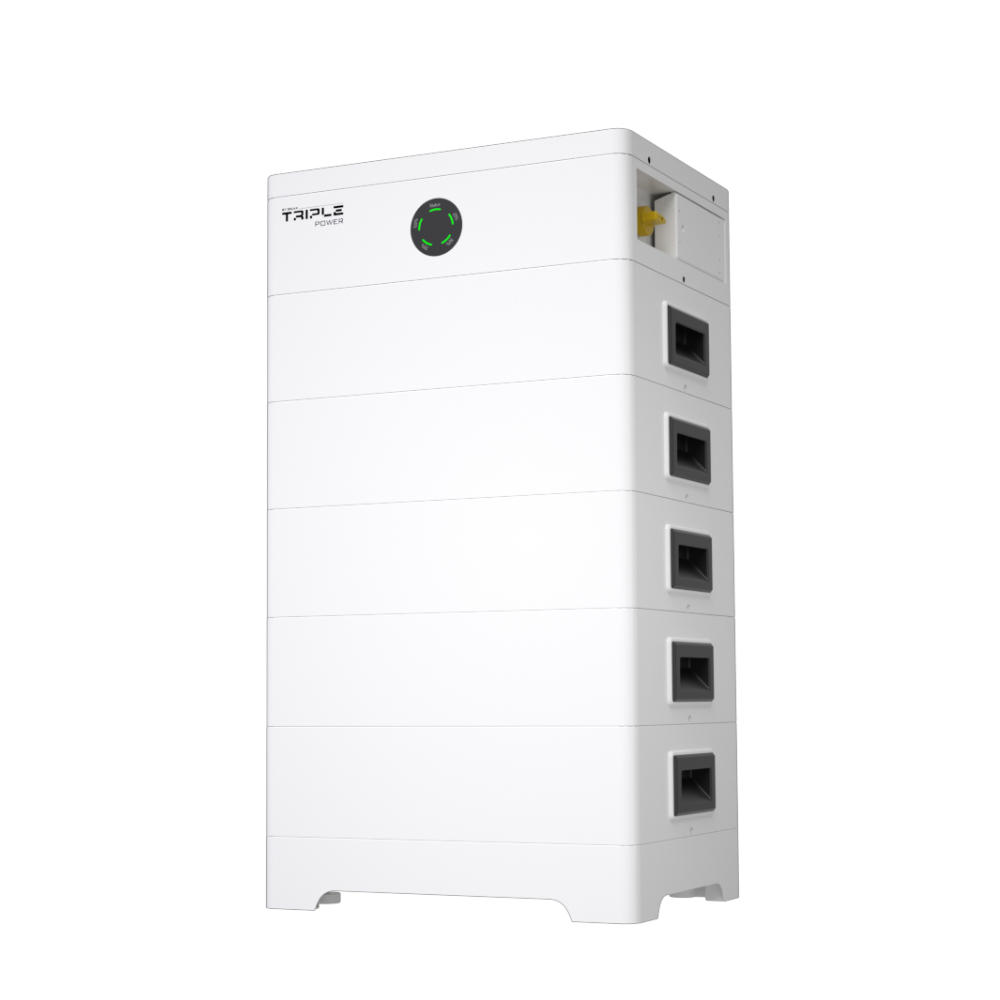
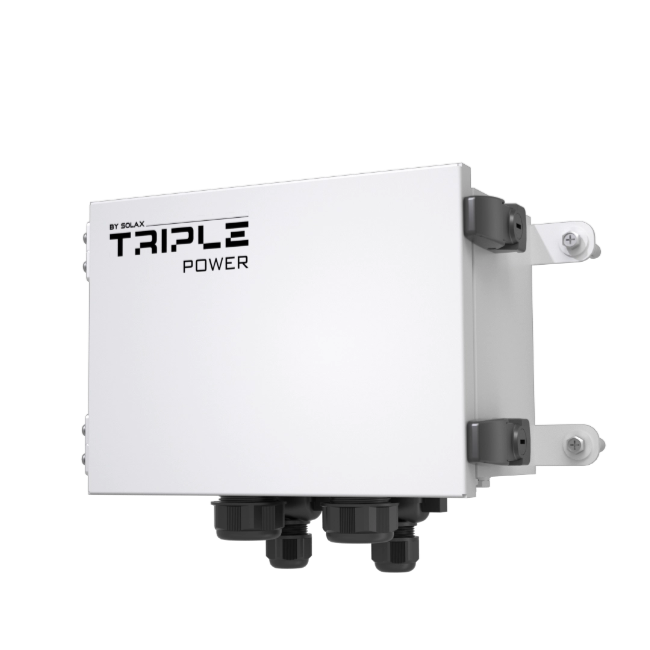
Where things get more interesting is backup power. Most modern hybrid and all-in-one systems, including SolaX's X1-IES and X3-IES ranges and its X1-Hybrid G4/X3-Hybrid G4 inverters paired with the Triple Power (T-BAT) battery range, include an Emergency Power Supply (EPS) or backup mode. When the grid goes down, the system automatically disconnects from it and creates a separate, isolated circuit for essential backup loads. In that specific moment, the inverter does have to establish its own voltage reference for that local circuit, because there's no longer a grid signal to follow. It's a genuinely useful, real capability, and it's worth understanding on its own terms rather than as a synonym for grid-forming: the backup circuit is a small, isolated microgrid at your home, not the inverter propping up the wider electricity network.
For context on what that switchover actually looks like in practice, SolaX's X1-IES and X3-IES systems, and its X3-Hybrid G4 range paired with Triple Power, are built for a switchover time of under 10 milliseconds and a peak EPS output of up to two times rated power for 10 seconds. In real terms, that means a fridge compressor kicking in, a power tool starting up, or a kettle boiling won't trip the system during an outage the way a slower or under-sized backup circuit might, and most sensitive electronics won't even register the switch from grid to battery power.
Without EPSor backup capability, a home battery system that loses grid connection during an outage simply shuts down along with everything else in the house. This is the same anti-islanding safety rule described earlier: the inverter's protection systems deliberately stop it from energising a circuit during a grid outage, since utility crews may be working on that same de-energised line and assuming it's safely dead. A dedicated EPS/backup circuit is specifically designed and isolated to get around that safety constraint. That's the real, practical difference backup-equipped systems make day to day, regardless of whether the underlying inverter is described as grid-forming or grid-following.
Grid-Following vs. Grid-Forming, Side by Side
| Grid-Following | Grid-Forming | |
|---|---|---|
| Role | Follows an existing grid signal | Establishes its own voltage/frequency reference |
| Needs a live grid to sync to | Yes | No |
| Typical use today | Virtually all residential solar and battery inverters | Grid-scale batteries and trial projects |
| Provides grid inertia/stability services | No | Potentially, at scale |
| Relevant to a home buying decision now | Yes, this is the standard | Not yet, at grid-scale for now |
What This Means When You're Comparing Systems
If you're comparing solar and battery systems today, "grid-forming" isn't yet a feature you should expect to see, or need to look for, on a residential product. It's a technology conversation happening mostly at the scale of the wider grid and big batteries. What's genuinely useful to compare at the home level is:
- Backup/EPS capability: how much of your home can it power in an outage, and how fast does it switch over
- Export control: how well the inverter manages what you send back to the grid under your network's rules
- VPP readiness: whether the system can participate in virtual power plant programs that reward you for supporting the grid
Those three factors will tell you far more about how a system performs for your household than whether it's described as grid-forming or grid-following, which for now remains a grid-scale distinction rather than a residential purchasing decision.
FAQ
Table of Contents
Last News
Explore expert insights, practical guides, and the latest news on SolaX Power.

To the Latest Newsletter
Stay Ahead with the Latest SolaX Updates!
Sign up
I have read and agree to Privacy Policy and User Terms