
















July 23, 2026
Best Solar Batteries in Australia 2026 | Comparison and Buying Guide
Share my #SolaXStory


Quick Picks
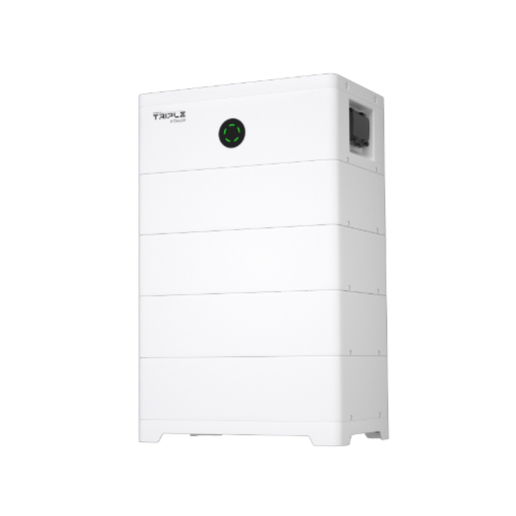
SolaX Triple Power Battery
Tesla Powerwall 3
Sigenergy SigenStor
Sungrow SBR
BYD Battery-Box Premium HVS/HVM
Enphase IQ Battery 5P
If you’re searching for the best solar battery in Australia, now is a good time to make a purchase. Under the federal Cheaper Home Batteries Program, eligible households and businesses can receive an around 30% upfront discount when installing small battery systems (5 kWh to 100 kWh). The program began on 1 July 2025, and from 1 May 2026, the calculation became tiered according to battery size and period. [1]
Demand has increased rapidly. The Clean Energy Regulator reported that over 460,000 solar batteries, representing 12.8 GWh of storage, had been installed under the program by 8 June 2026. [2]
With so many products on the market, how do you pick the right one? This article lists the six best batteries for solar panels in Australia.

Compare 6 Best Solar Batteries in Australia 2026
Solar battery | Capacity | Scalability | Main advantage |
SolaX Triple Power Battery | 5.8-66.5kWh | Multiple towers supported in approved configurations. | Wide capacity range with LFP chemistry and smart system management. |
Tesla Powerwall 3 | 13.5 kWh per unit | Up to four Powerwall units. | High power output and integrated solar inverter. |
Sigenergy SigenStor | 6.0 or 9.0 kWh usable per unit | One to six modules per controller. | Integrated solar, storage, energy management and optional EV charging. |
Sungrow SBR | 6.4-25.6 kWh | Two to eight 3.2 kWh modules. | Small expansion increments and straightforward stackable construction. |
BYD Battery-Box Premium HVS/HVM | HVS: 5.12-38.4 kWh; HVM: 8.28-66.2 kWh | Modules and identical towers can be added within approved configurations. | Broad sizing range and compatibility with selected third-party inverters. |
Enphase IQ Battery 5P | 5.0 kWh usable per unit | Additional 5P units can be installed. | AC-coupled systems. |
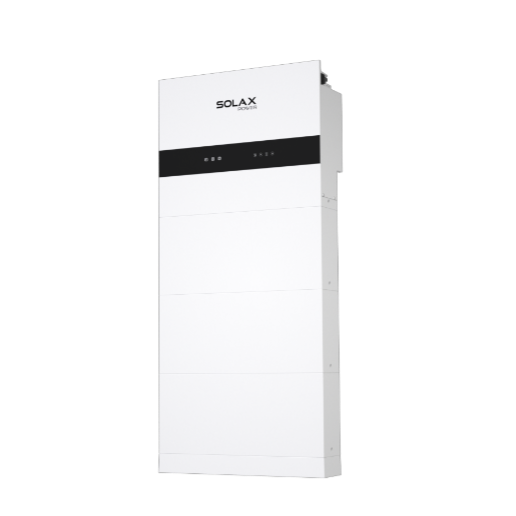
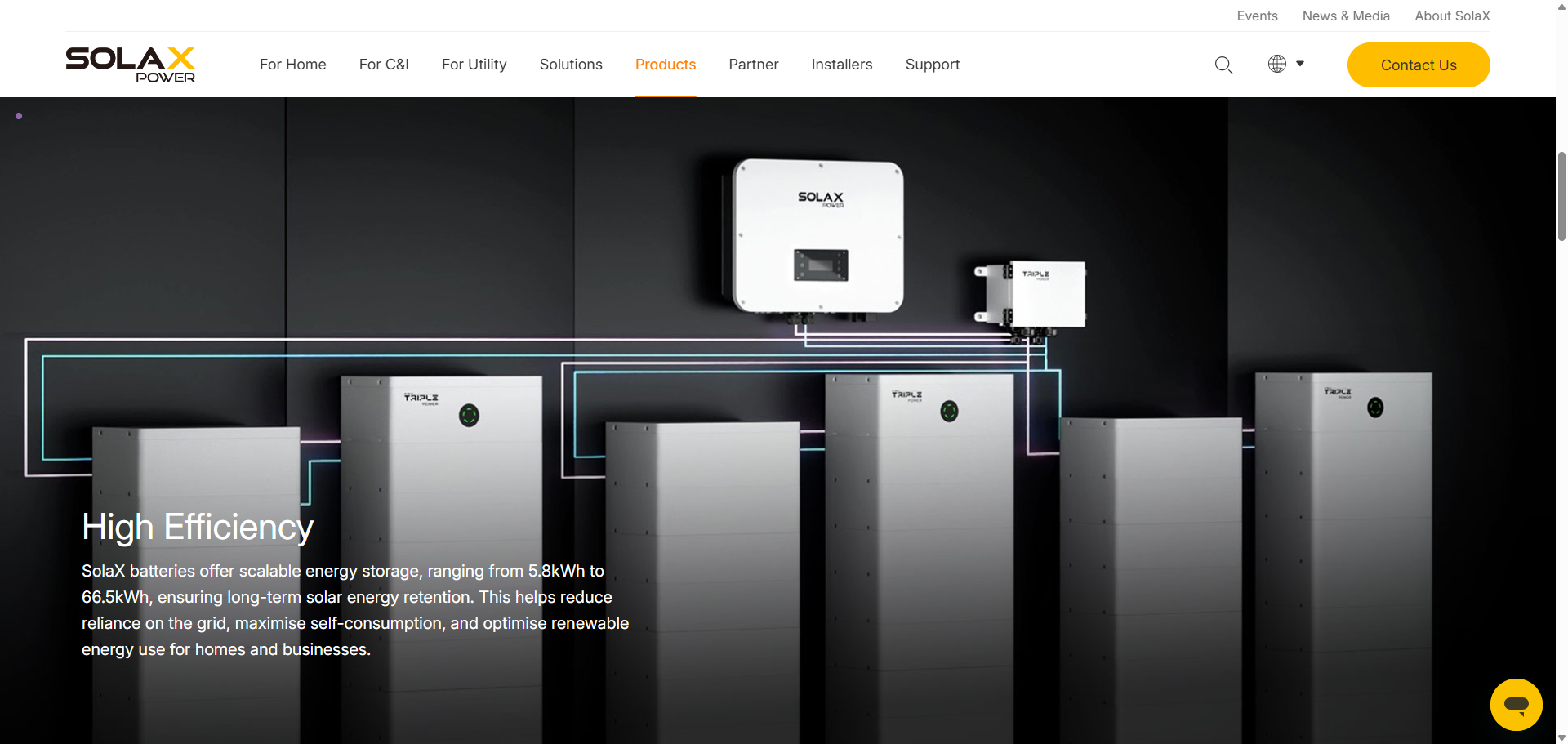
SolaX Triple Power Battery
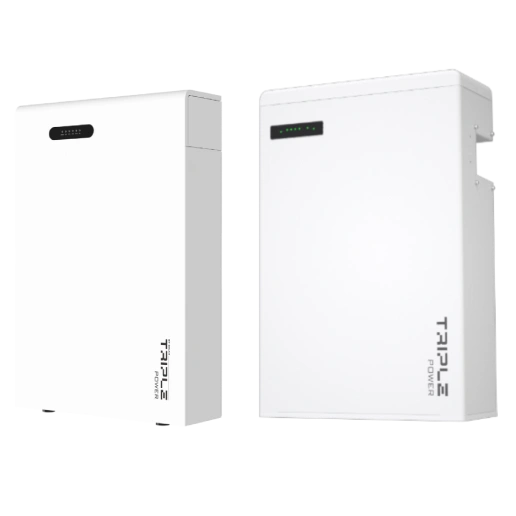
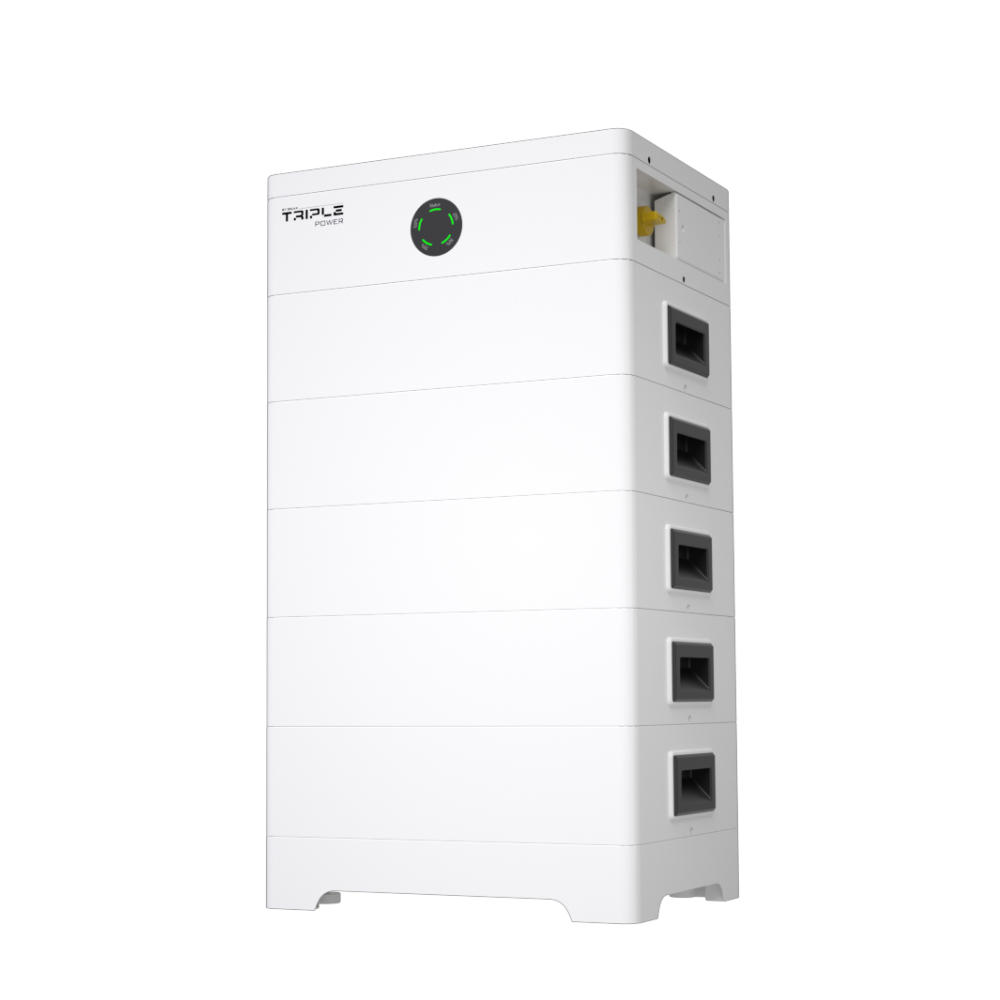
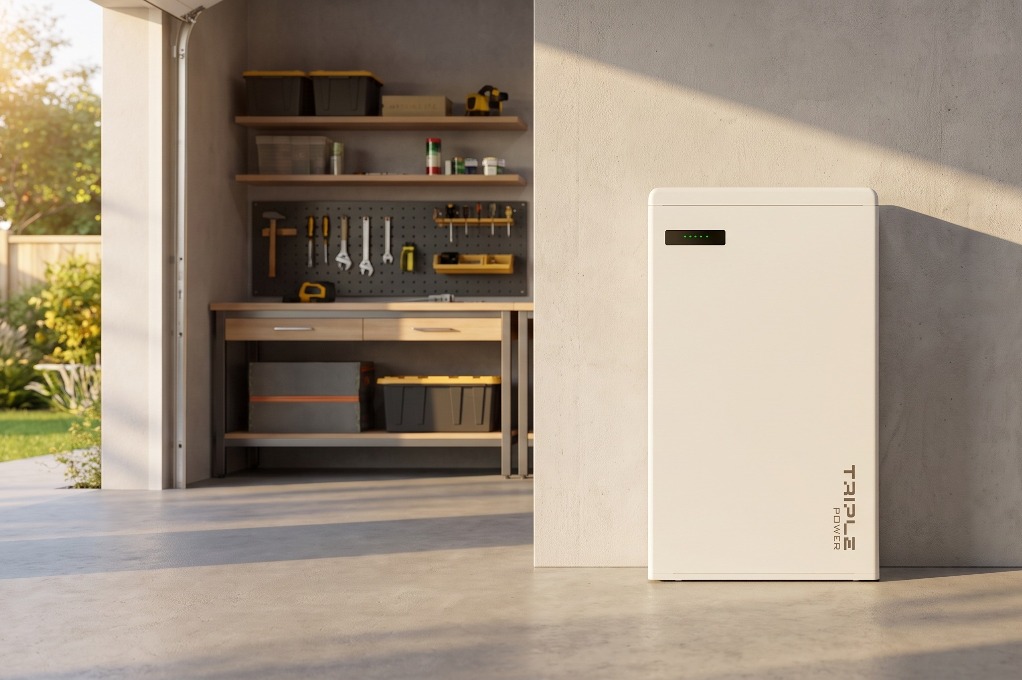
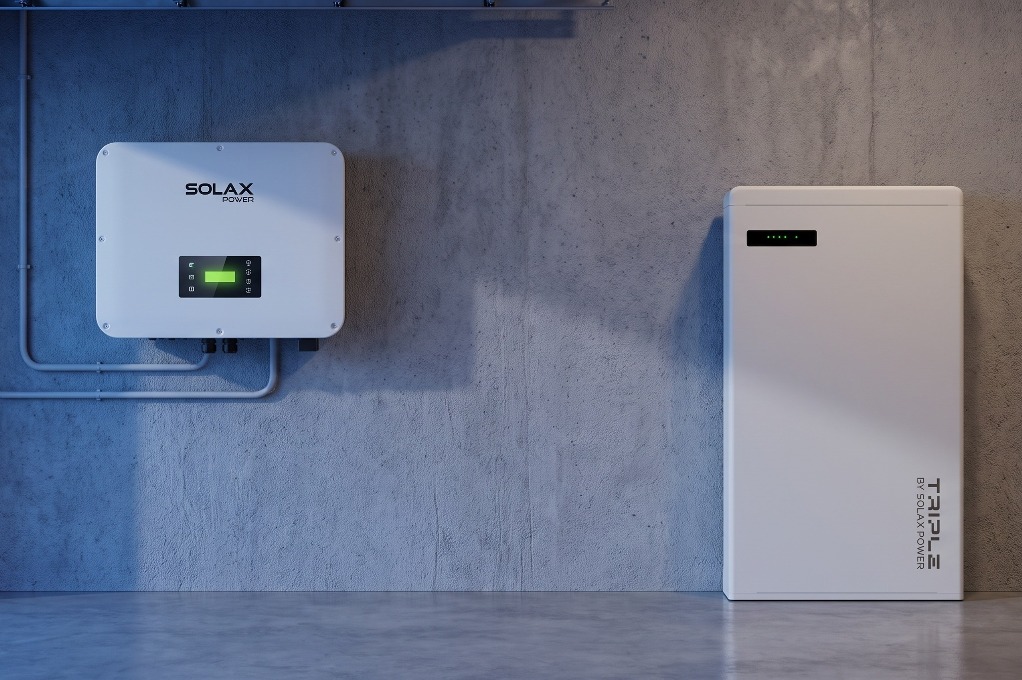
SolaX Triple Power Battery is a high-voltage energy storage range for residential and commercial solar systems. These batteries use lithium iron phosphate (LFP) cells and an intelligent battery management system to control charging, deep discharge, and temperature conditions.
Depending on the model and configuration, available capacity ranges from 5.8 kWh to 66.5 kWh. The modular design allows additional battery units or towers to be installed as electricity demand grows, while maximum charging and discharging current reaches 70 A on the TSYS-HS51.
Advantages:
Provide more than 6,000 charge and discharge cycles under normal use.
Remote fault diagnosis, firmware upgrades and maintenance functions can simplify system monitoring and technical support.
Safety functions include aerosol fire suppression, soft-start surge protection and IP65 or IP66 ingress protection, depending on the model.
Up to 10 years of warranty.
The SolaX Triple Power Battery can be used off-grid when paired with the SolaX hybrid inverter, and the system features an emergency power supply function.
The T-BAT H 5.8 V3 supports either wall or floor mounting, giving installers more placement flexibility.
The optimiser version of the TSYS-HS51 supports the combined use of new and old battery modules, which may make later expansion easier.
SolaX has a dedicated local team in Australia providing 24/7 response, training, and after-sales service to retailers, installers and customers.
Limitation
The battery must be paired with a compatible SolaX inverter and approved accessories; not every inverter supports every capacity or tower configuration.
Tesla Powerwall 3
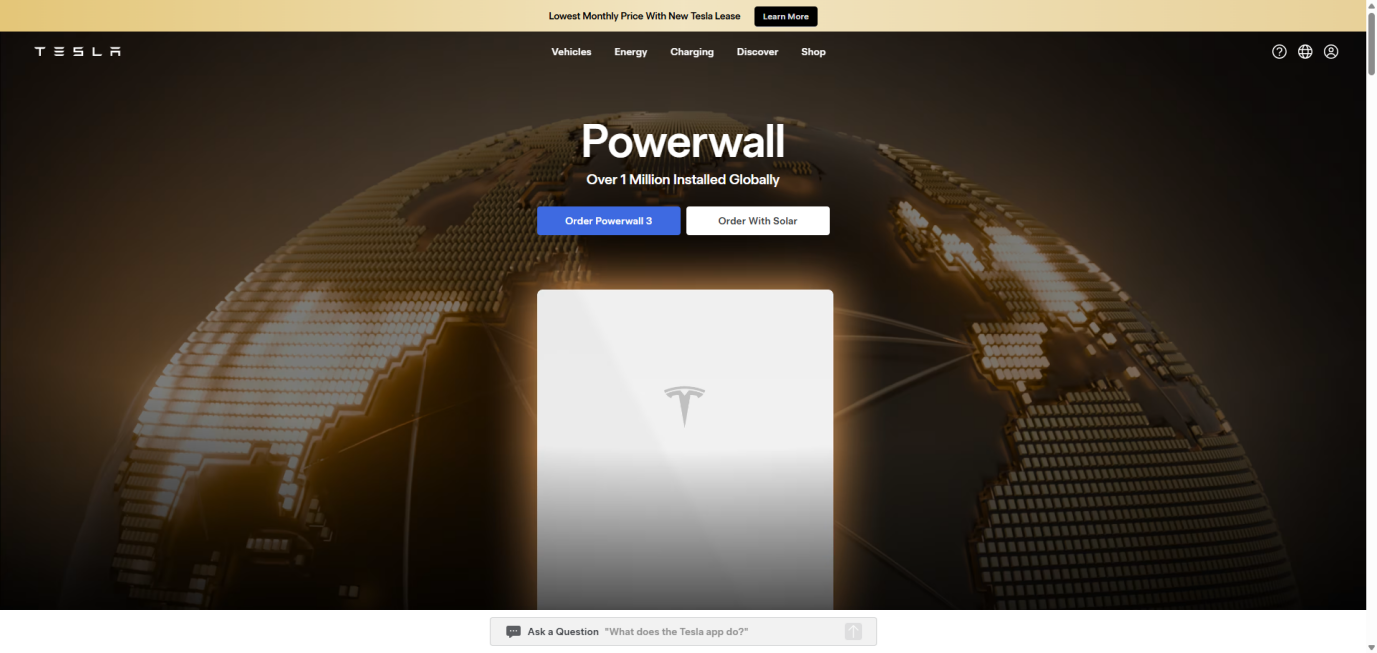
Tesla Powerwall 3 is an all-in-one home energy storage system with 13.5 kWh of usable capacity and an integrated solar inverter. The Australian model supports configurable nominal AC output of 5, 10 or 11.04 kW, up to 20 kW of solar input and three maximum power point trackers for connecting different panel strings.
It can charge from solar panels or the grid and is managed through the Tesla app. The unit supports indoor or outdoor installation, wall or floor mounting and operating temperatures from -20°C to 50°C. Its battery and power electronics have an IP67 ingress rating.
Advantages:
Storm Watch can automatically reserve energy when severe weather and a possible grid outage are forecast.
It can be retrofitted to existing solar systems and is compatible with major solar inverter brands.
Each Powerwall 3 can support up to three 13.5 kWh Expansion units, increasing storage without adding another inverter.
Internet connectivity enables remote monitoring and over-the-air software updates through Wi-Fi, cellular or wired Ethernet.
Tesla provides a 10-year product warranty.
Limitation
The system has a high upfront cost, making it less practical for small households that only need 5 kWh to 8 kWh of storage.
Sigenergy SigenStor
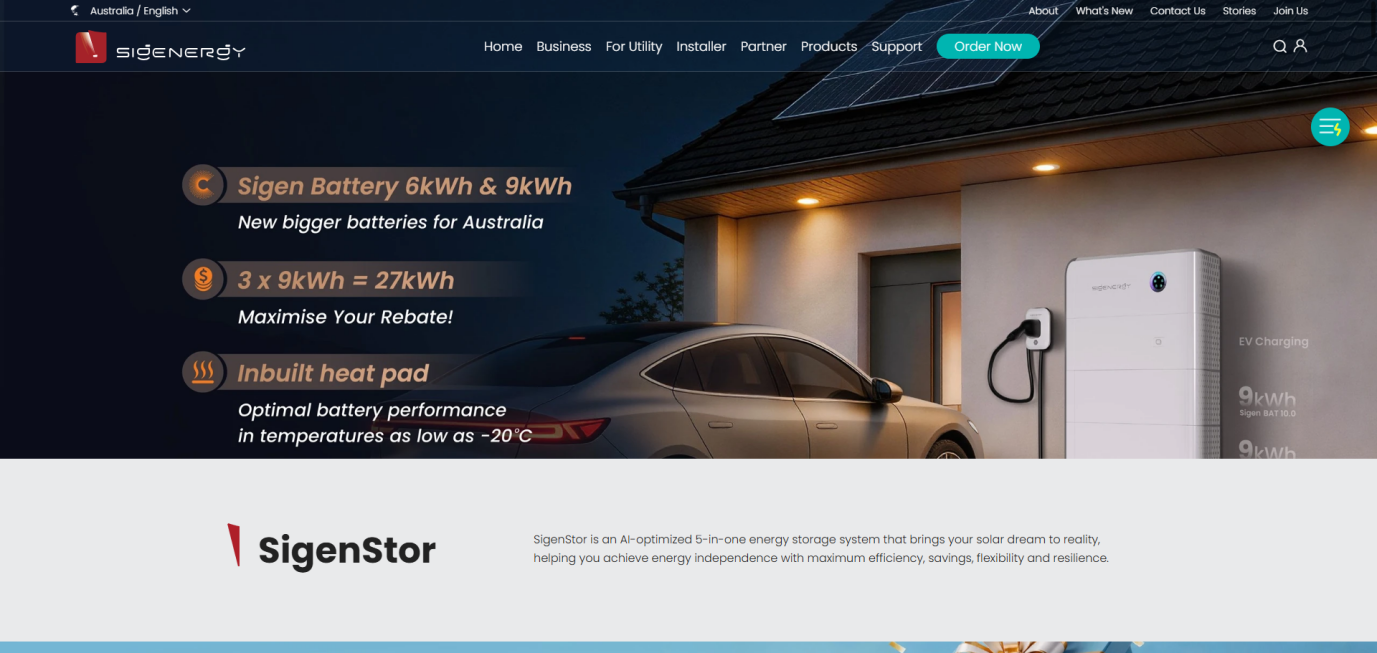
Sigenergy SigenStor is a modular five-in-one energy storage system that combines a solar inverter, battery power conversion system, battery pack, energy management system and optional electric vehicle DC charger.
Its LFP battery range includes 6.0 kWh and 9.0 kWh usable modules, with one to six modules supported by each Sigen Energy Controller. Single-phase and three-phase controllers are available, covering power ratings from 5 kW to 30 kW. An optional 12.5 kW or 25 kW DC charging module can connect compatible electric vehicles directly to the system.
Advantages:
Each battery pack includes a DC-to-DC optimiser, allowing approved systems to combine batteries with different ages, capacities and states of health when expanding storage.
The battery has an IP66 protection rating, five-layer safety protection and integrated heating control for operation in colder conditions.
Features a 100% depth of discharge and is backed by a 10-year warranty.
When used with the Sigen Energy Gateway, supported configurations can provide zero-millisecond load-side disruption during a grid outage.
Limitation
Sigen batteries are specified for use with SigenStor Energy Controller models, limiting compatibility with unrelated third-party inverter platforms.
Sungrow SBR
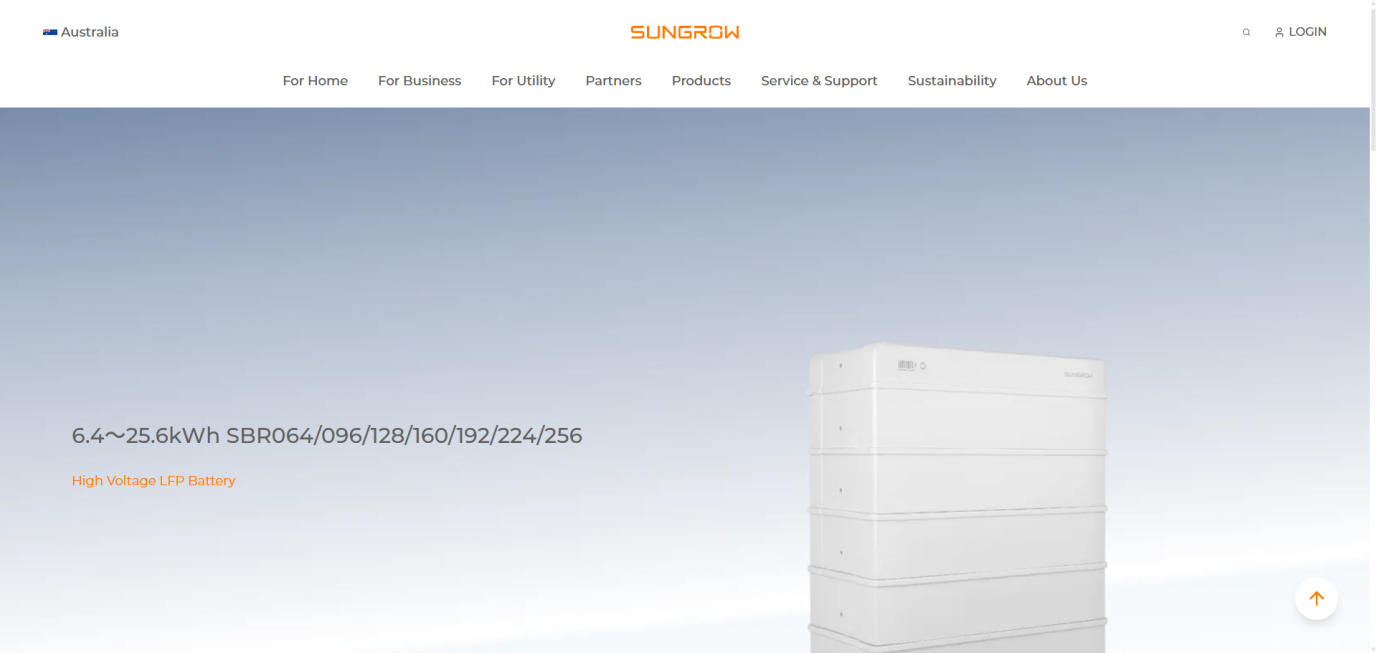
The Sungrow SBR is a high-voltage lithium iron phosphate battery designed for residential solar energy storage. Each module provides 3.2 kWh of usable energy, and two to eight modules form a 6.4-25.6 kWh tower.
The system supports up to 30A of continuous charging and discharging current, with a settable depth of discharge of up to 100%. It uses a stackable, floor-standing structure, suitable for indoor or outdoor installation. The range can be sized for different household energy requirements and expanded during its service life.
Advantages:
Plug-and-play construction removes the need for power cables.
Built-in protection covers overvoltage, undervoltage, overcurrent and abnormal temperature conditions, with a DC circuit breaker also included.
A 10-year warranty.
The system can be charged at ambient temperatures of 0 ℃-50 ℃ and discharged at -20 ℃ - 50 ℃.
Limitation
Only floor-standing installation is specified, which provides less placement flexibility than batteries that also support wall mounting.
The IP55 enclosure provides weather resistance but offers less protection than batteries rated IP65 or IP66.
BYD Battery-Box Premium HVS/HVM
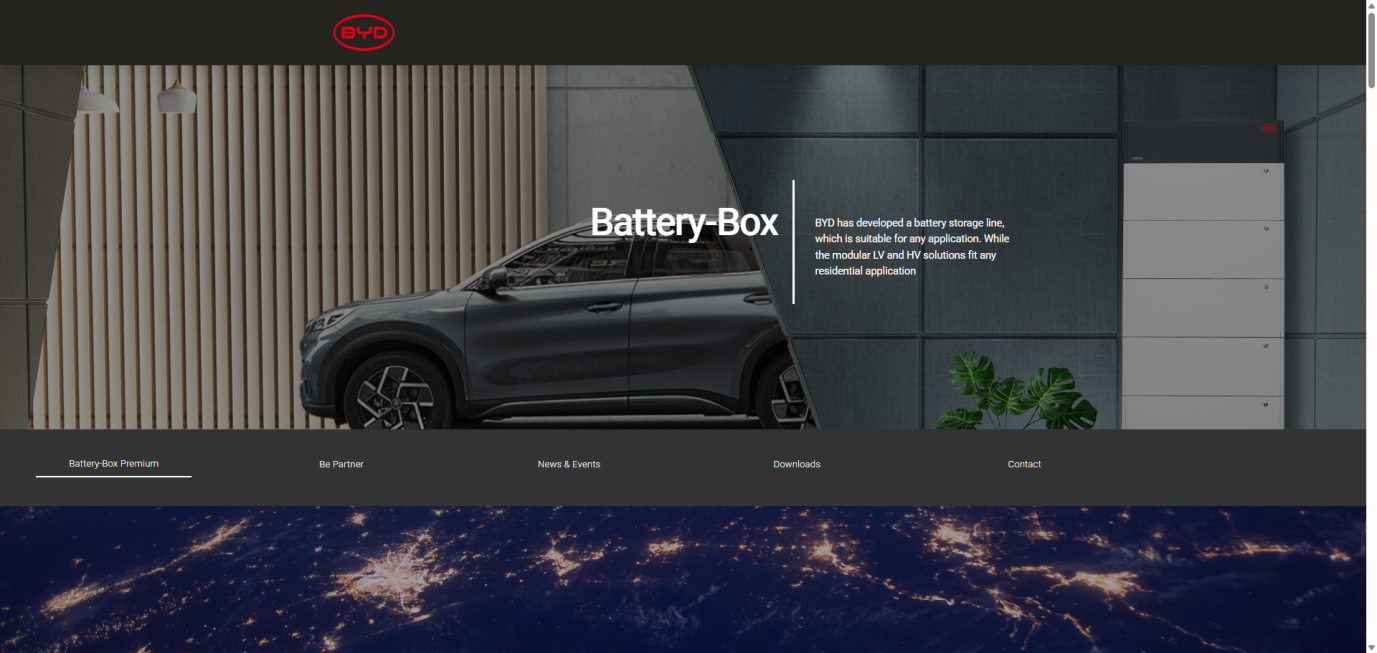
BYD Battery-Box Premium HVS/HVM is a modular high-voltage energy storage system for residential and small commercial solar installations.
The HVS range uses two to five 2.56 kWh modules, providing 5.12-12.8 kWh per tower. The HVM range uses three to eight 2.76 kWh modules, providing 8.28-22.08 kWh. Up to three identical towers can be connected in parallel, increasing total usable capacity to 38.4 kWh for HVS or 66.2 kWh for HVM. Both ranges use cobalt-free lithium iron phosphate cells and support on-grid, backup and off-grid applications when paired with an approved inverter.
Advantages:
The patented internal plug connection requires no wires between stacked battery modules.
BYD specifies a round-trip efficiency of at least 96% under the stated operating conditions.
Compatible with selected 1- and 3-phase inverters from multiple manufacturers.
The Australian warranty covers manufacturing defects for ten years.
Limitation
Parallel expansion requires identical HVS or identical HVM towers, limiting flexibility when combining different configurations.
The IP55 enclosure provides weather resistance but offers less protection than batteries rated IP65 or IP66.
Enphase IQ Battery 5P
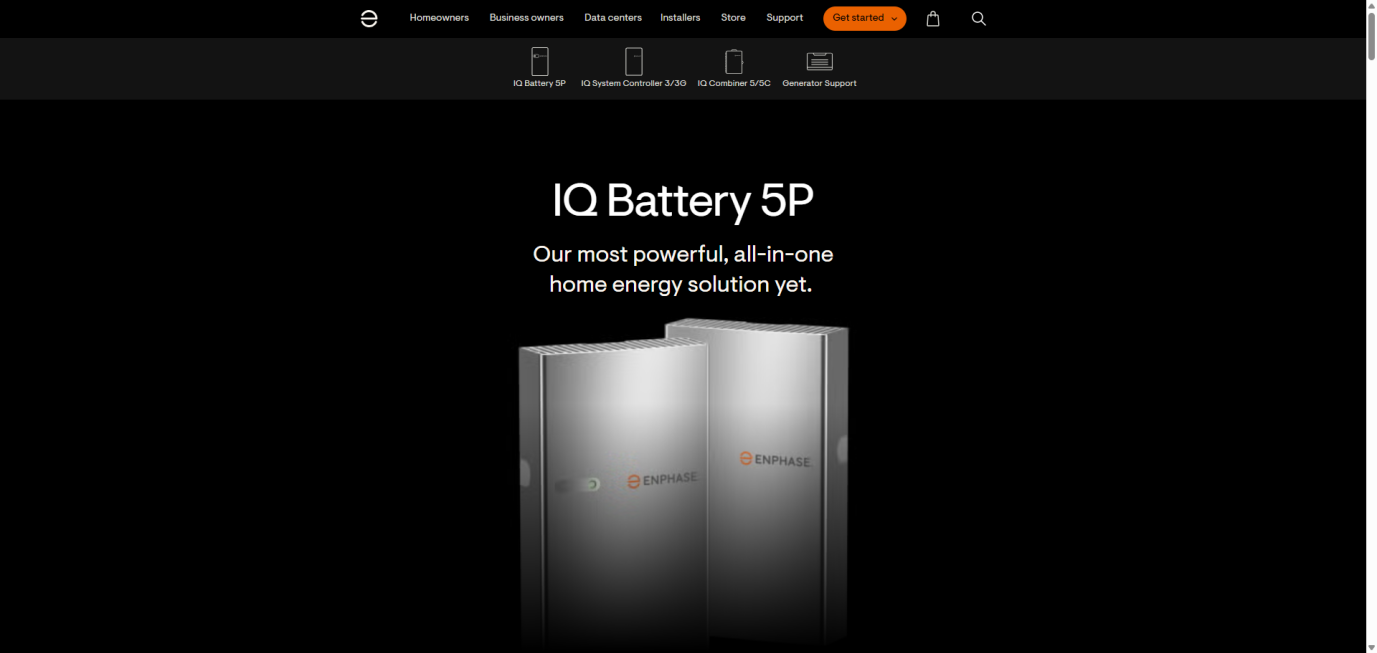
The Enphase IQ Battery 5P is an all-in-one, AC-coupled energy storage system with 5.0 kWh of usable capacity. Each unit contains six embedded IQ8D-BAT microinverters and delivers up to 3.84 kVA of continuous output, with short-duration peak output of 7.68 kVA.
Its lithium iron phosphate cells support a 100% depth of discharge. Other functions include self-consumption, time-of-use optimisation and virtual power plant participation. Homeowners can monitor and control the system through the Enphase App, and choose either wall or pedestal mounting.
Advantages:
Enphase provides a limited warranty of up to 15 years or 6,000 discharged cycles, with at least 60% capacity retention under the applicable warranty conditions.
Passive cooling eliminates fans and other moving cooling components.
The system supports remote software and firmware updates.
The enclosure is rated IP55, while the embedded microinverter enclosure is rated IP67, supporting compliant indoor or outdoor installation.
Limitation
Designed to work within the Enphase ecosystem.
How to Select the Best Solar Batteries?
All batteries listed above are quality options. However, the best solar battery depends on your personal energy needs.
Consider these factors before choosing the best solar batteries in Australia.
Safety: Look for Lithium Iron Phosphate (LFP) chemistry. It is much safer and more resistant to overheating than older lithium-ion batteries.
Usable Capacity: Usable capacity is the amount the control system permits you to discharge. For example, a 10 kWh battery with a 90% depth of discharge may provide around 9 kWh.
Scalability: An electric vehicle, heat pump, or home extension can significantly increase electricity use. Choose a modular system if you plan to add more storage later. This lets you expand your system without replacing your existing battery.
Cycle Life: Look for batteries rated for at least 6,000 cycles. This ensures your battery can charge and discharge daily for over a decade under normal use.
Smart Monitoring: Including remote fault diagnosis, upgrade, and maintenance functions that offer convenience.
Warranty: Most manufacturers offer 5-10 years of warranty.
Australian Service Network: Choose brands with local Australian offices and support teams. This ensures you can easily get help if you ever run into an issue.
Final Words
So, what is the best solar battery in 2026? SolaX Triple Power is well suited to buyers who want broad modular expansion. Tesla Powerwall 3 is relevant when high single-unit output is important. SigenStor suits integrated solar and EV projects, while Sungrow SBR provides smaller expansion steps. BYD offers greater inverter choice, and Enphase is particularly useful for AC-coupled retrofits.
The final decision is based on safety, usable capacity, scalability, cycle life, smart features, warranty, and local support.
References
[1] Cheaper Home Batteries Program. Available at: https://www.dcceew.gov.au/energy/programs/cheaper-home-batteries (Accessed: 16 July 2026)
[2] Solar battery inspection results report. Available at: https://cer.gov.au/schemes/renewable-energy-target/small-scale-renewable-energy-scheme/small-scale-renewable-energy-systems/small-scale-renewable-energy-system-inspections/solar-battery-inspection-results-report (Accessed: 16 July 2026)
FAQ
Table of Contents
Last News
Explore expert insights, practical guides, and the latest news on SolaX Power.


To the Latest Newsletter
Stay Ahead with the Latest SolaX Updates!
Sign up
I have read and agree to Privacy Policy and User Terms