
















July 13, 2026
What Is a Virtual Power Plant and How Do I Join One in Australia?
Share my #SolaXStory


If you have rooftop solar and a home battery, your system can do more than power your own house. It can quietly earn money while you sleep. That is the promise of a virtual power plant, and it is one of the fastest-growing parts of Australia's energy story.
But "virtual power plant" is a phrase that gets used a lot and explained rarely. This guide keeps it simple. We will cover what a VPP actually is, what happens when you join one, what you earn and what you give up, the hardware you need to be eligible, and the real-world steps to sign up here in Australia. If you want the conceptual deep-dive first, our explainer on Understanding Virtual Power Plants (VPPs) in Australia is a good companion read.
What Is a Virtual Power Plant?
A virtual power plant is not a building. There is no smokestack and no turbine hall. It is a network of thousands of home batteries, spread across thousands of suburbs, linked together by software so they can act like one large power station.
On their own, a single home battery is tiny next to the grid. But pool ten thousand of them together and you have a meaningful chunk of generation that can be switched on in seconds. When demand spikes on a hot afternoon and the grid is straining, the VPP operator sends a signal, and a small slice of stored energy flows out of each participating battery at the same time. The grid gets the support it needs, and you get paid for the contribution.
Key Takeaway: A VPP turns your home battery into a shared grid asset. You keep using your battery as normal, but during short, occasional grid events the operator can draw on it, and you are compensated for that access.
The key thing to understand is that you are not handing over your battery. You set the rules. You keep a reserve for yourself, and the VPP only ever touches the energy above that line.
How Does a VPP Work When You Join One?
Once you are enrolled, three things change about how your battery behaves, and all of them happen in the background.
First, your battery reports to the VPP operator. It tells the operator how much charge it holds and whether it is available. This needs a stable internet connection and a smart meter so the data flows both ways.
Second, during a grid event, the operator can discharge a portion of your stored energy to the network, or charge your battery from cheap solar or off-peak power so there is energy to dispatch later. These events are usually short, often only a few minutes to an hour, and they tend to cluster around peak-demand windows in summer and winter.
Third, you get compensated. Depending on the program, that might be an upfront sign-up bonus, a fixed annual credit, a per-event payment, or a share of what your energy earned on the wholesale market. Some VPPs expose you to the live wholesale price set in the National Electricity Market, which is operated by AEMO. That can mean higher earnings when prices spike, with more variability month to month.
What you give up
The honest trade-off is control, in small, bounded amounts. During an event the operator decides when your battery discharges, not you. In practice most households never notice, because you choose a minimum reserve, commonly around 20 percent, that the VPP can never go below. Your blackout protection stays intact. On the rare occasion the grid calls an event right when you wanted to run the dishwasher off stored solar, the battery may be doing grid duty instead. For most people the payments more than cover that minor inconvenience.
Tip: Before you join, set your backup reserve to a level you are comfortable with. A higher reserve means more reliable blackout cover and slightly lower VPP earnings. It is your dial to turn.
What Hardware Do You Need to Join a VPP?
This is where eligibility is won or lost. A VPP can only work with hardware it can talk to and trust, so most programs publish an approved device list. To be eligible you generally need four things.
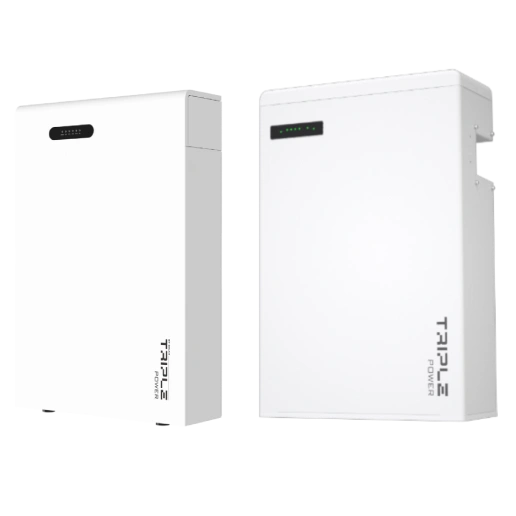
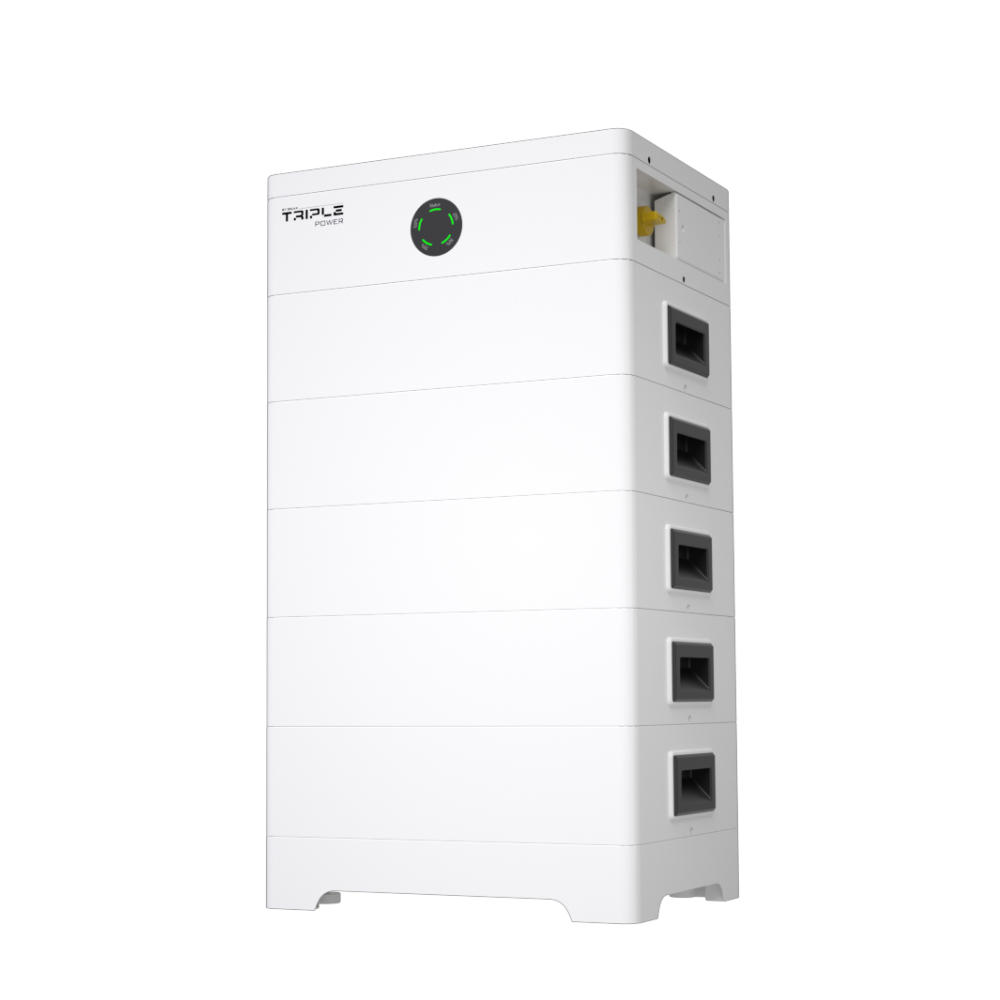
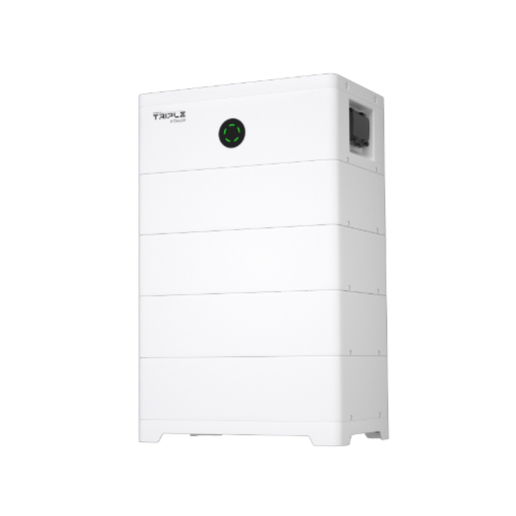
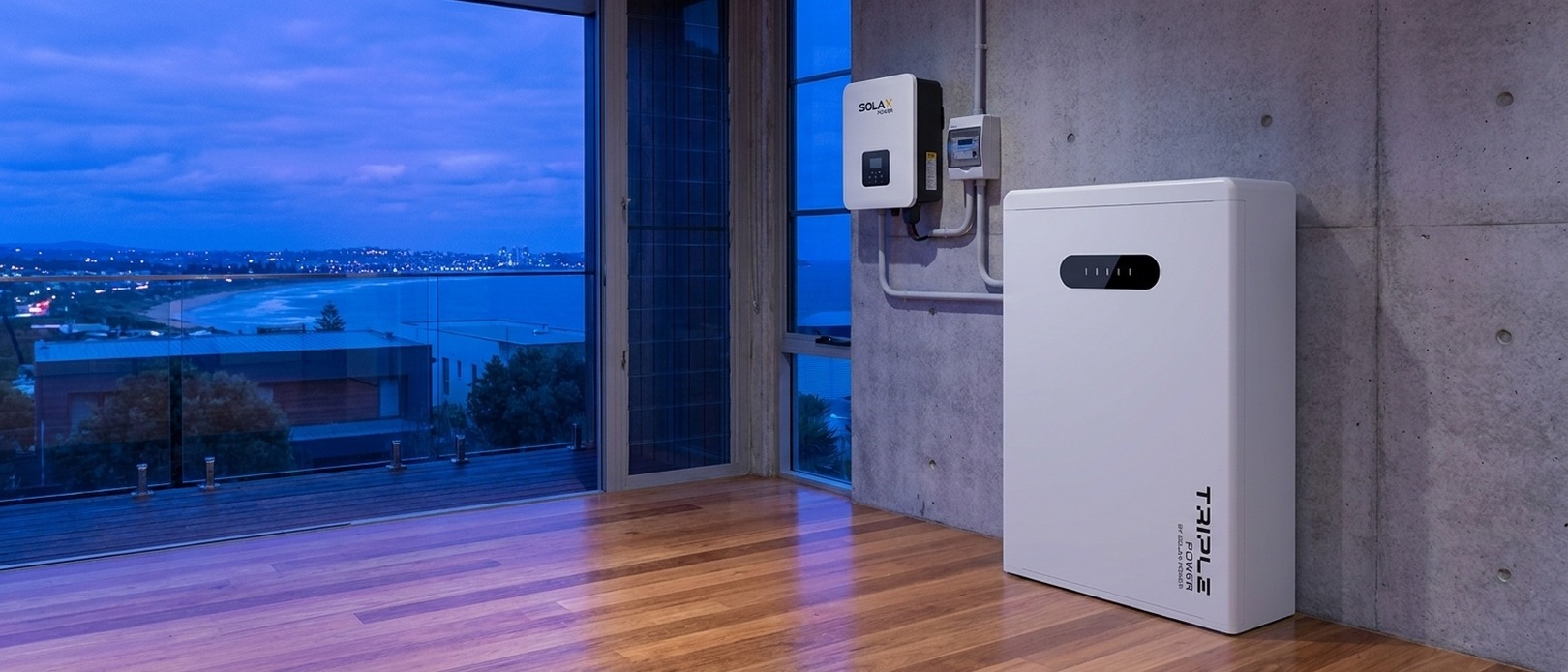
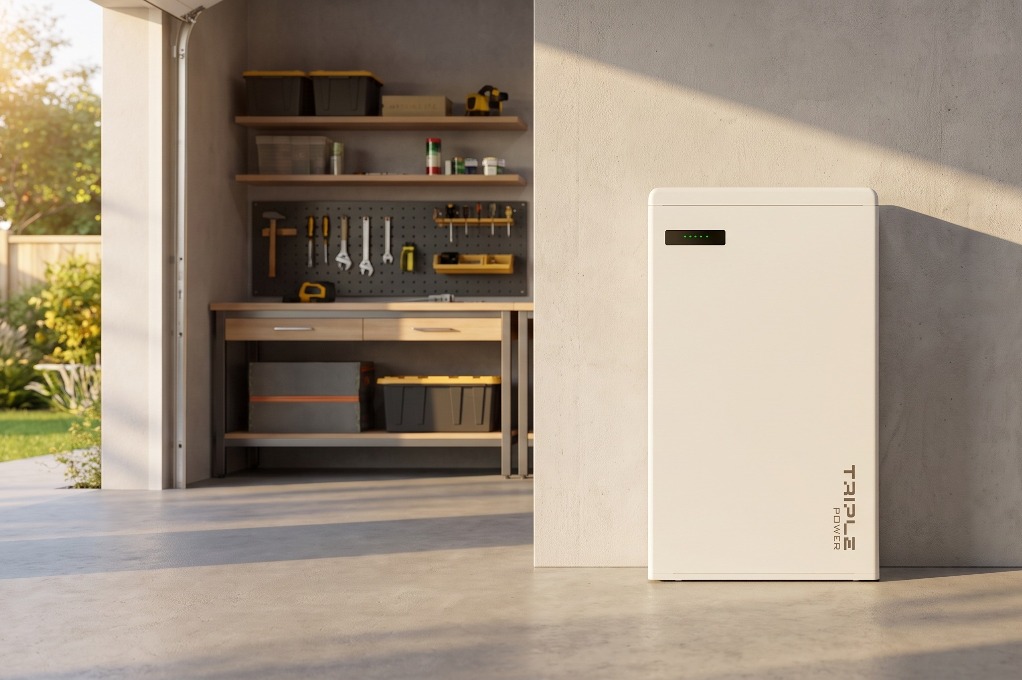
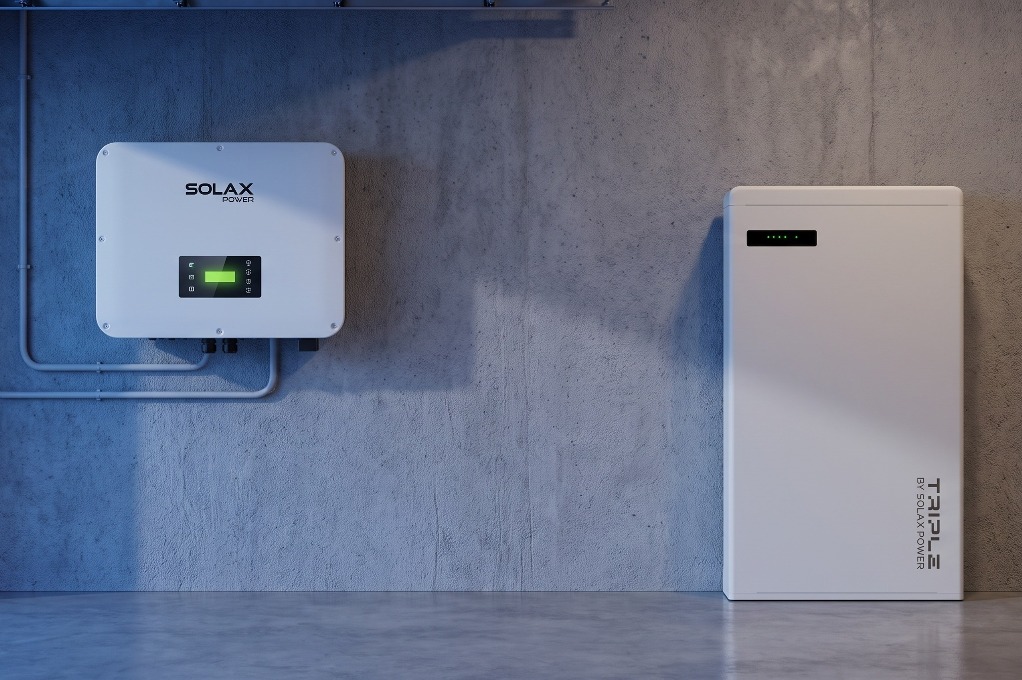
A compatible home battery. VPP duty means frequent, partial charge and discharge cycles, so the battery chemistry matters. SolaX Triple Power batteries use lithium iron phosphate (LFP) cells rated for more than 6,000 cycles, with a 10-year warranty and a 90 percent depth of discharge. The T-BAT H scales from 3.6 kWh to 23 kWh, and the stackable T-BAT HS series extends from 7.2 kWh to 46.8 kWh, so you can size a system to the amount of energy you want available for both your home and the grid.
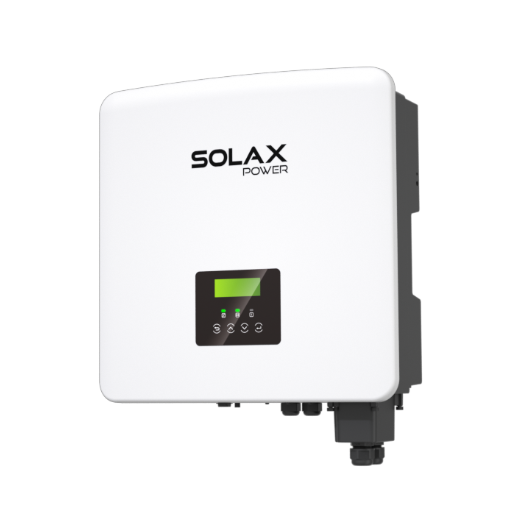
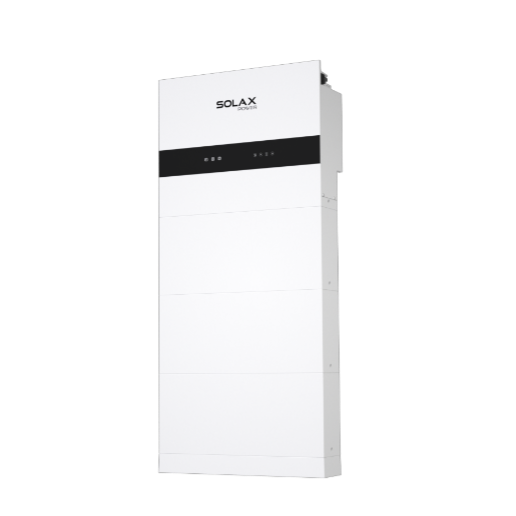
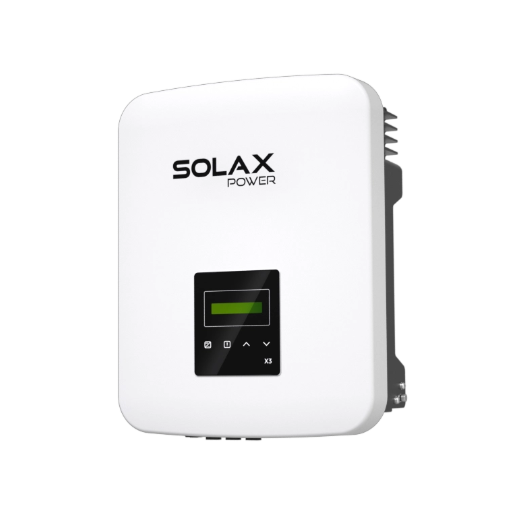
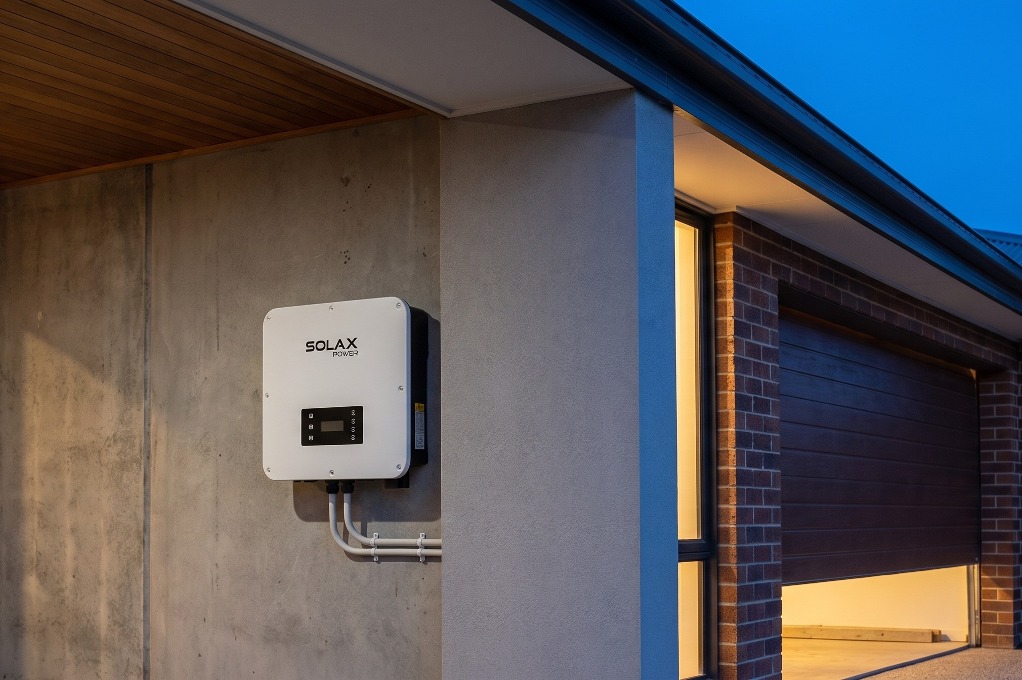
A compatible hybrid inverter. The inverter is the translator between your solar, your battery, and the grid, and it has to respond cleanly to dispatch signals. The SolaX X3-Hybrid G4 is built for exactly this kind of two-way energy management, available from 5.0 kW up to 15.0 kW for three-phase homes.
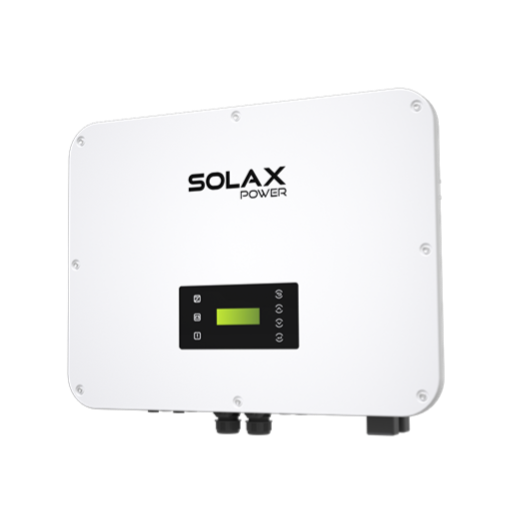
If you are starting fresh rather than adding to an existing setup, an all-in-one storage system like the X1-IES bundles the inverter and battery management into a single unit, which can simplify both installation and VPP commissioning.
Finally, you need the connective tissue: rooftop solar to charge the battery, a smart meter, and a reliable internet connection so the system stays in constant contact with the operator.
Being a good battery is not enough on its own. A VPP will only accept hardware that appears on its specific approved device list. Always confirm your exact battery and inverter models are listed by the VPP you want to join before you sign anything.
For the technical detail on why battery chemistry, response time, and grid communication standards decide VPP eligibility, see our companion piece on how SolaX batteries are built for VPP service.
How Do You Actually Join a VPP in Australia?
1. Confirm your hardware is eligible. Check that your battery and inverter models sit on the approved device list of the VPP you are considering. This is the single most common reason applications stall.
2. Choose the type of VPP that suits you. Broadly there are three models in Australia. Retailer-run VPPs bundle VPP participation with an electricity plan and tend to offer simple, predictable credits. Independent aggregators run a VPP across multiple retailers, often with more flexibility. Manufacturer-facilitated programs coordinate directly through compatible hardware. Each carries a different balance of predictable reward versus higher, more variable upside. None is automatically best; it depends on how much certainty you want.
3. Check what your state and network allow. VPP availability and battery export rules vary by state and by your local distribution network. Your installer or the VPP operator can confirm what applies at your address.
4. Apply through the VPP or retailer. You sign an agreement that sets out the payment structure, how often events can be called, and your minimum reserve.
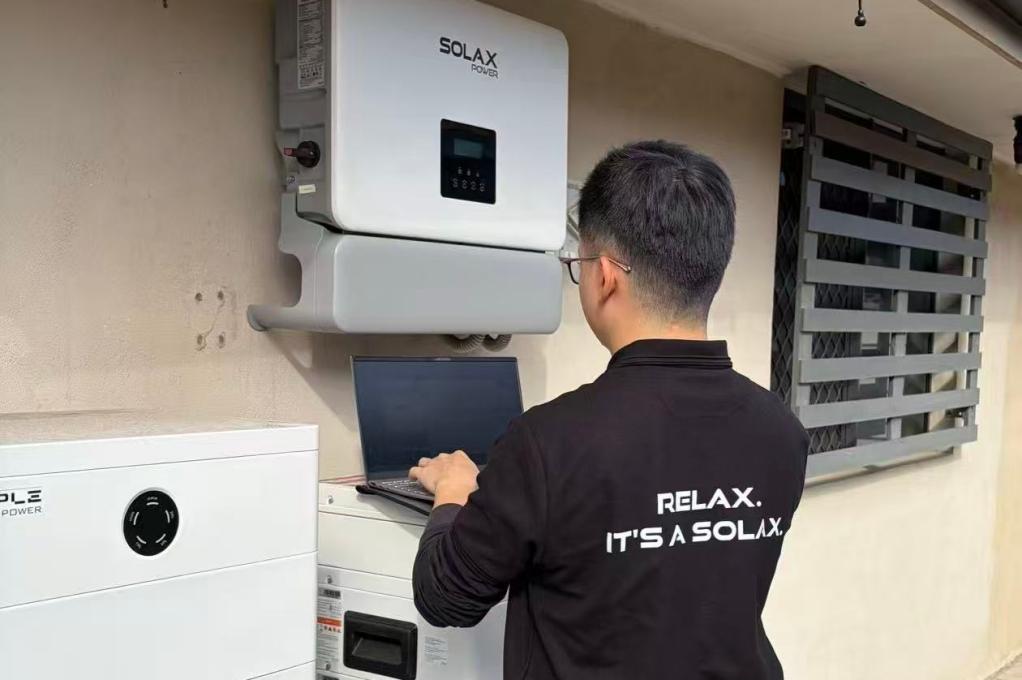
5. Commissioning. The operator or your installer connects your system to the VPP platform and runs a test event to confirm the battery responds correctly.
6. Set your reserve and let it run. From here it is hands-off. You set your backup floor, the system handles the rest, and you watch the credits arrive.
Key Takeaway: The hardest part of joining a VPP is not the paperwork, it is the hardware match. Get a battery and inverter that are already on the approved lists, and the rest of the process is straightforward.
Where SolaX Fits In
SolaX does not run a retail electricity plan, and this guide is not an endorsement of any particular VPP provider. What SolaX provides is the hardware foundation that makes VPP participation possible: LFP batteries engineered for the frequent cycling VPP duty demands, hybrid inverters built for responsive two-way energy flow, and systems designed to meet the communication standards Australian VPP operators require. Choosing VPP-capable hardware at installation time is what keeps the door open, so you are not locked out of a program later because of a device-list mismatch.
FAQ
Table of Contents
Last News
Explore expert insights, practical guides, and the latest news on SolaX Power.


To the Latest Newsletter
Stay Ahead with the Latest SolaX Updates!
Sign up
I have read and agree to Privacy Policy and User Terms