
















June 09, 2026
How SolaX Batteries are VPP-Ready
Share my #SolaXStory


Virtual Power Plants are one of the best ways to earn a return from your SolaX battery.
Understanding exactly what VPP-ready means helps you make the most of your SolaX system.
Here's exactly what VPP-ready means and how SolaX systems deliver it.
Here's what the phrase should mean. Here's what to check. And here's how SolaX Triple Power batteries and X-Hybrid G4 inverters are built to meet every single one of those checks.
What "VPP-Ready" Actually Means
A Virtual Power Plant pools thousands of home batteries and dispatches them as one coordinated fleet. When the grid needs more power - a hot afternoon, a generator trip, a sudden demand spike, the VPP operator sends a signal. Your battery discharges. You get paid.
For that to work, your battery and inverter need to be able to receive the signal, act on it in seconds, handle the extra cycling for years, and report back what happened. That's the real meaning of VPP-ready. It's not a marketing tick box - it's a set of technical capabilities.
The Five Things a Battery Must Do to Earn the Label
1. The inverter must speak CSIP-AUS
CSIP-AUS (Common Smart Inverter Profile - Australia) is the Australian protocol that lets a VPP operator send dispatch instructions to your inverter. It's built on the IEEE 2030.5 international standard. Every battery system that wants to participate in a modern Australian VPP needs a CSIP-AUS compliant inverter, on the Clean Energy Council approved list. Without it, your battery is deaf to the VPP.
2. The battery must respond fast
VPPs earn money by responding to grid events in seconds. A battery that takes a minute to ramp up is too slow to participate in the most valuable services, frequency control, peak response, grid stabilisation. Response time matters, and it's a function of both the battery chemistry and the inverter architecture.
3. The battery must survive high-frequency cycling
A home battery that only backs up overnight use cycles once per day - about 365 cycles a year. A battery in an active VPP can see two or three cycles some days. Over ten years, that's double or triple the wear. If the chemistry can't handle it, the battery degrades fast and your warranty runs out early.
4. The monitoring platform must report back
VPPs pay you per dispatch event. The operator needs to confirm the event happened, how much energy flowed, when, and at what price. That means your battery's monitoring platform must reconcile with the VPP operator's records. Without reliable data, you can't prove your earnings.
5. The hardware must be on the VPP's approved list
Each VPP operator publishes a list of compatible batteries and inverters. Being technically capable isn't the same as being approved. Your brand must have done the integration work with each VPP you want to join.
VPP-ready means five specific technical capabilities.
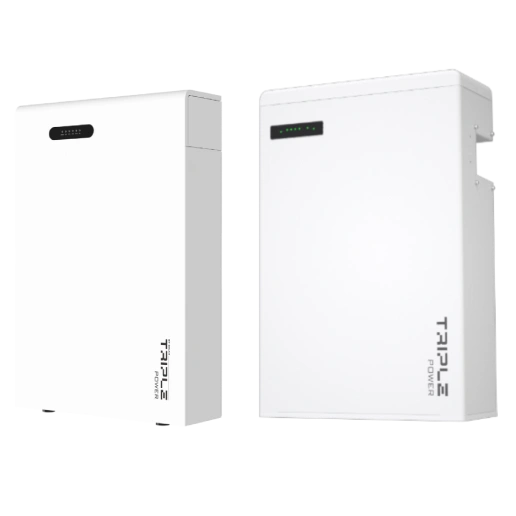
Inside the SolaX Triple Power Battery
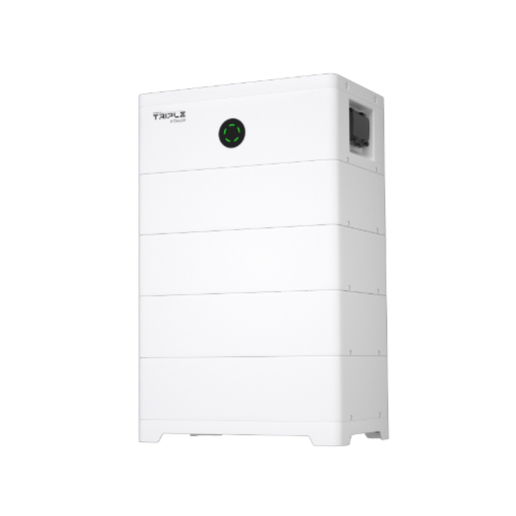
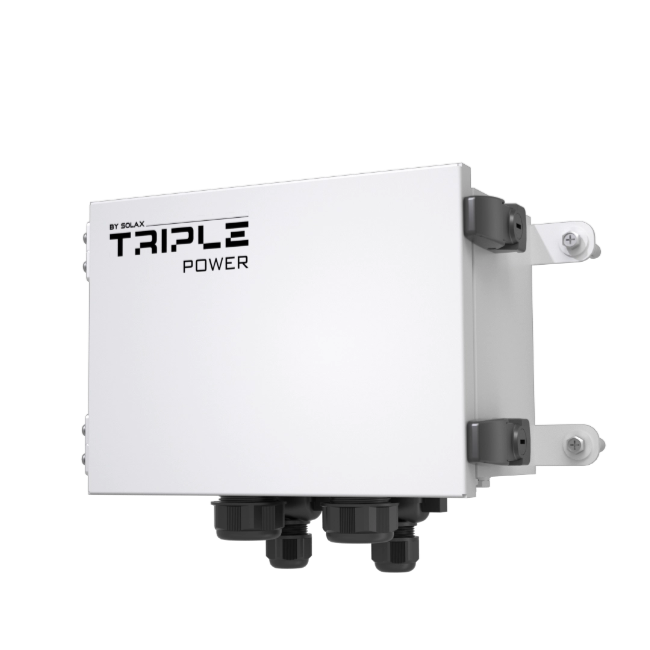
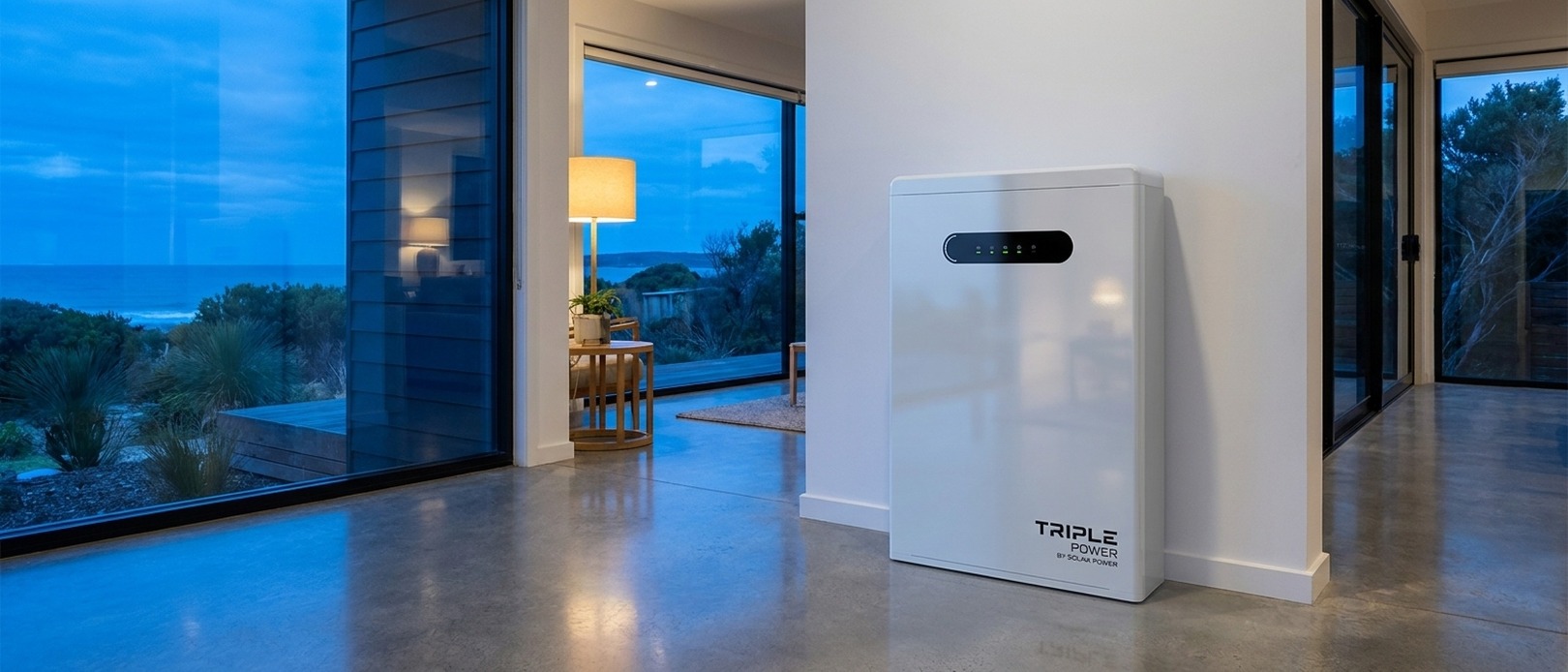
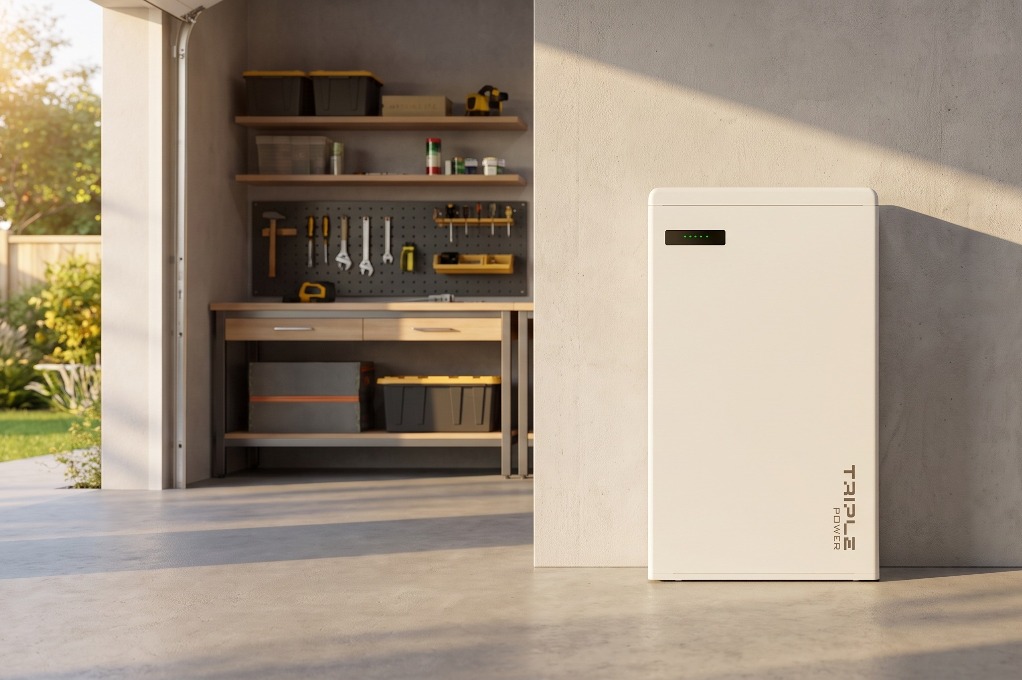
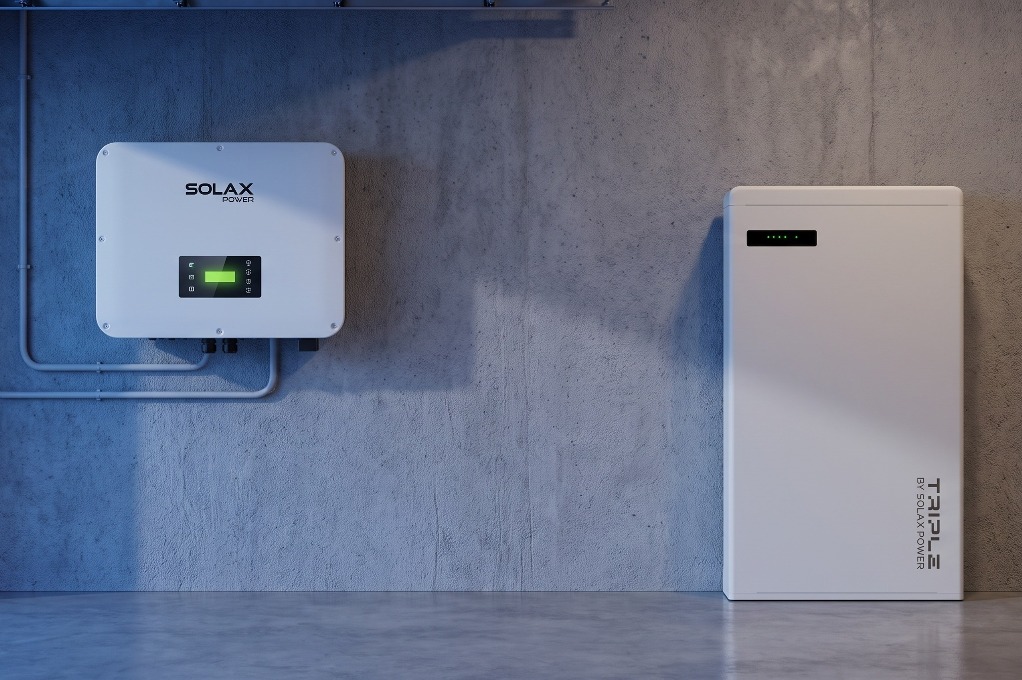
The SolaX Triple Power range (the T-BAT HS series) is designed from the ground up for exactly the kind of cycling a VPP puts a battery through.
LFP chemistry - the right foundation
SolaX Triple Power batteries use LFP (Lithium Iron Phosphate) cells. LFP chemistry has two properties that matter for VPP service:
Thermal stability. LFP cells don't run hot the way older NMC batteries do. That's safety, but it's also longevity, a cooler battery degrades more slowly under heavy use.
Long cycle life. The Triple Power range is rated for more than 6,000 cycles at 90% depth of discharge. That's over 16 years of daily cycling before the battery hits the end of its rated life. A VPP-active home that sees extra cycles still has plenty of runway inside the 10-year warranty.
That runway matters for how cycle life versus years translates into real battery lifespan, VPP-active homes rack up cycles faster, and the cycle-life rating is what keeps the battery inside its warranty window.
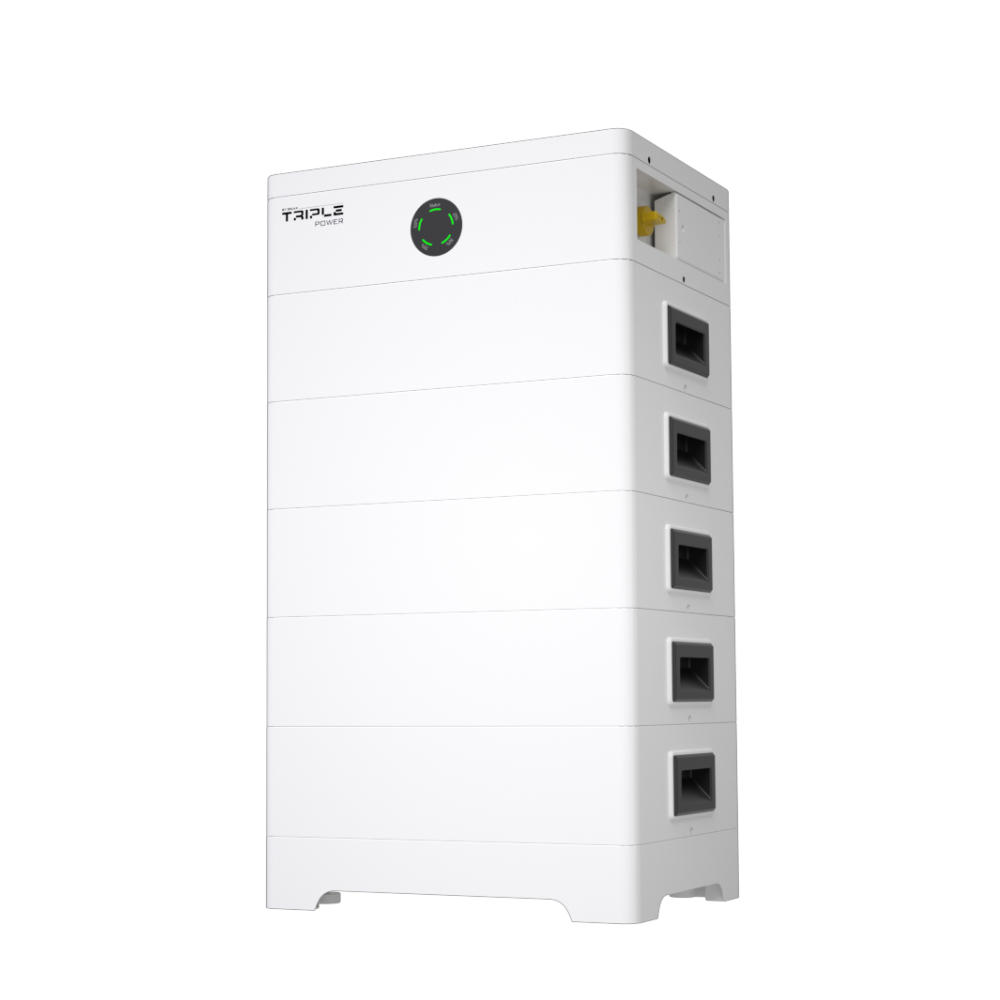
Modular, stackable capacity
T-BAT-SYS-HV-S3.6 come in blocks that stack together with no external wiring. Start small, expand later:
HS7.2 - 6.6kWh usable (90% DoD)
HS46.8 - 43.1kWh usable (maxed out stack)
This matters for VPPs. VPP earnings scale with battery size, more capacity means more dispatch headroom. If you start with a 10kWh system today and want to join a higher-tier VPP programme in three years, adding a module is simpler and cheaper than replacing the battery.
VPP earnings scale with battery size, which makes how to size a solar battery for your home's energy needs a critical early decision for any home considering grid services.
Fast charge/discharge
Only T-BAT-SYS-HV-S3.6 up to 23.3kW of charge/discharge power. That's far more than any home needs for self-consumption, but it's exactly what a VPP operator needs for high-value frequency response and peak dispatch events. A battery that can't move kilowatts quickly earns less.
10-year warranty with 70% retention
SolaX warrants Triple Power batteries for 10 years, and guarantees the battery will retain at least 70% of nominal capacity at the end of the warranty. That 70% figure matters for a VPP-active home - you're still inside warranty with meaningful capacity years after installation.
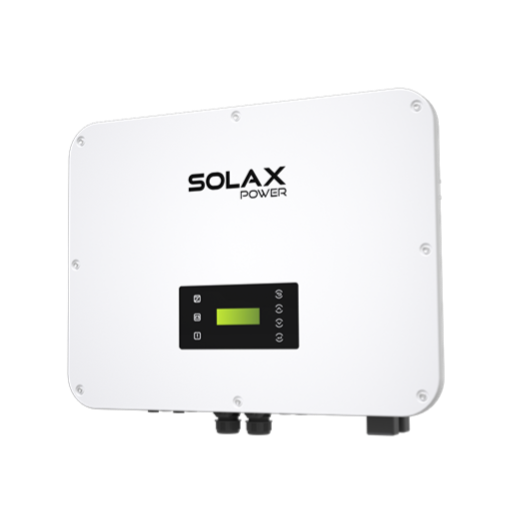
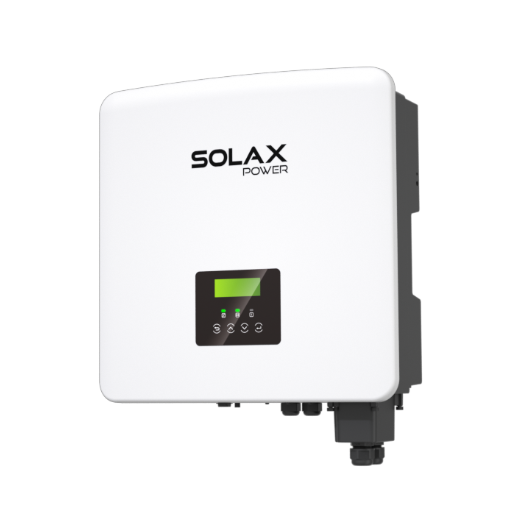
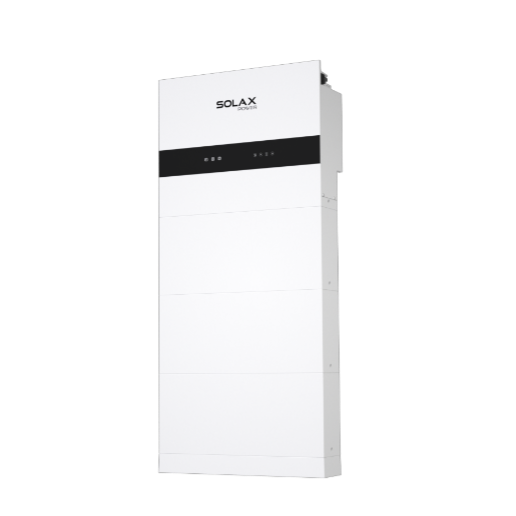
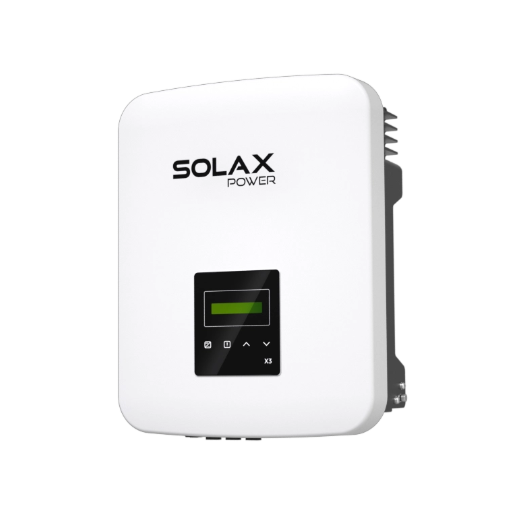
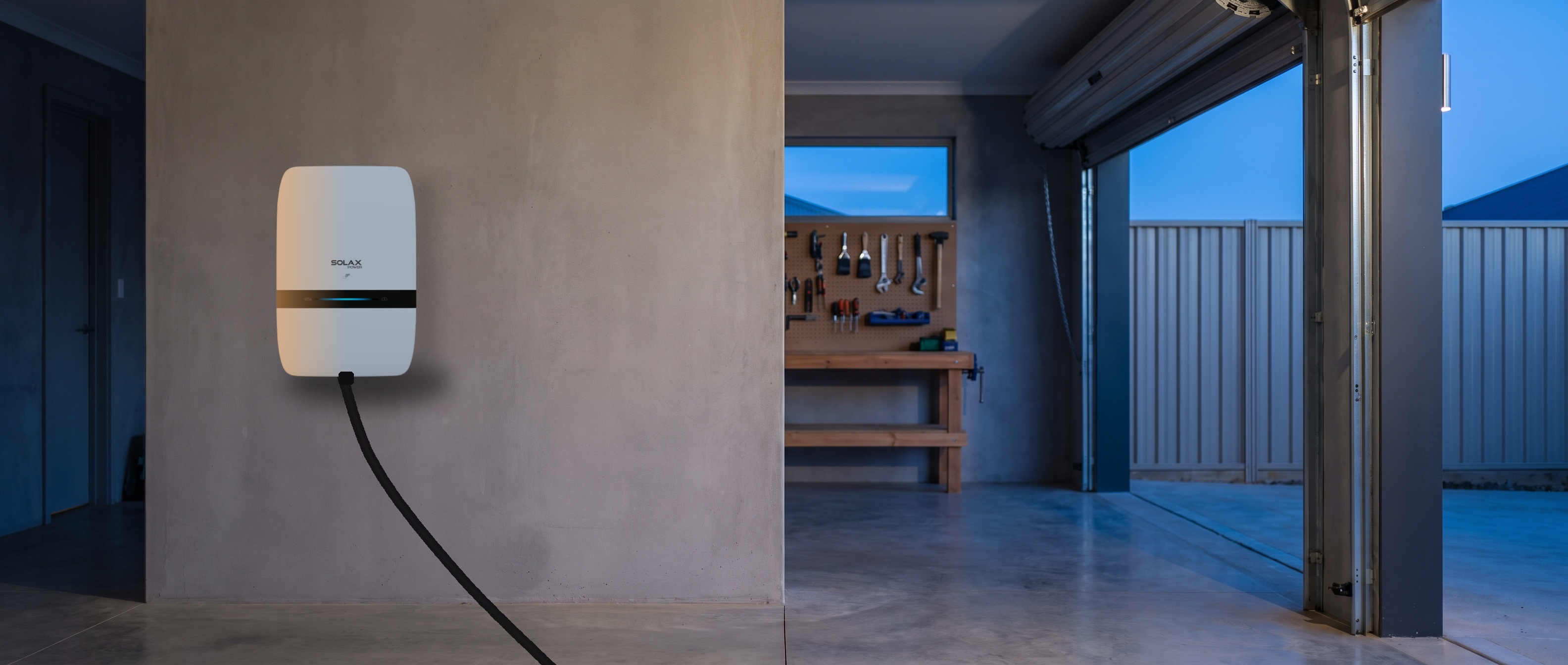
Inside the SolaX X3 Hybrid G4 Inverter
The battery is half the story. The inverter is the half that talks to the grid.
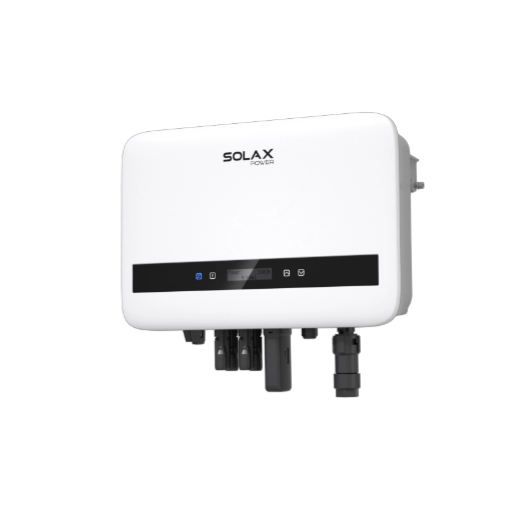
X3-Hybrid G4 for single-phase homes
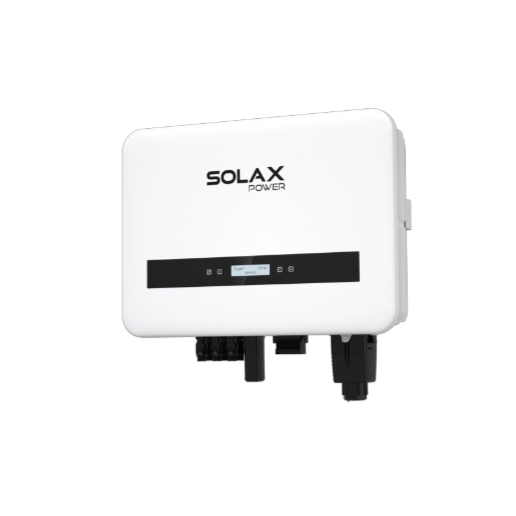
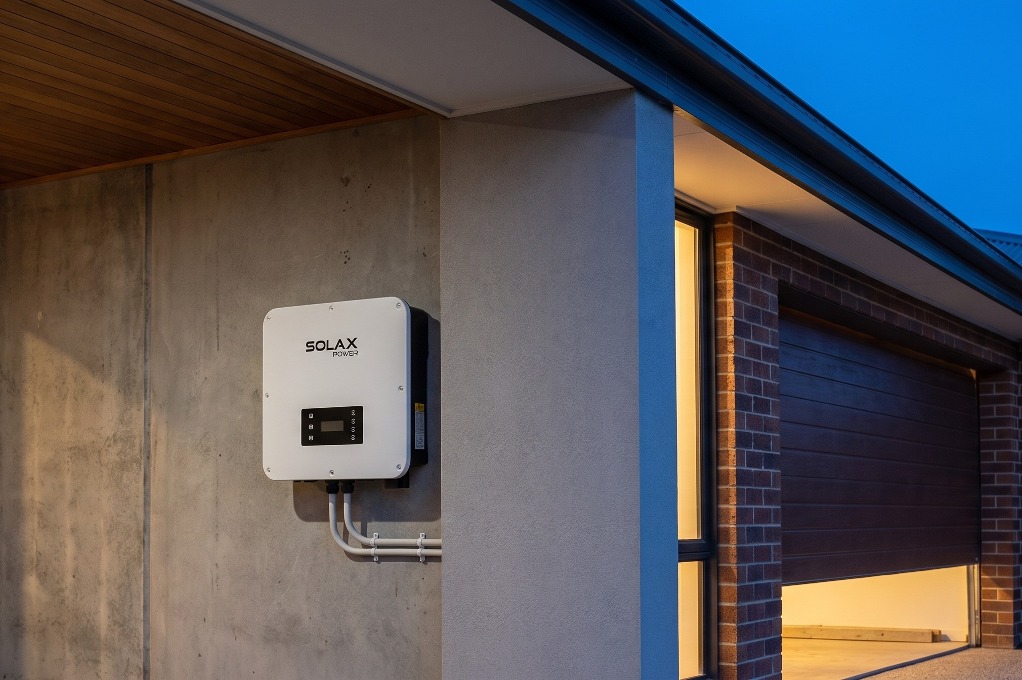
The X3-Hybrid G4 is SolaX's residential hybrid inverter
X3-Hybrid G4 for three-phase homes and light commercial
Three-phase homes and small businesses get the X3-Hybrid G4 or G4 PRO. Higher power, three-phase architecture, scales to commercial demand. Independent aggregator Reposit has reviewed the G4 range and found it a capable hybrid platform for grid services.
Clean Energy Council approved
Both G4 inverters are on the Clean Energy Council approved list, a hard requirement for any grid-connected Australian installation. The 5-year inverter warranty applies to all CEC-approved installs.
AS/NZS 4777.2:2020 Region B compliant
This is the current Australian grid connection standard. Region B is the national default. Every inverter needs to comply; G4 inverters do.
CSIP-AUS capability
The G4 architecture supports the CSIP-AUS protocol, the foundation every Australian VPP runs on. That's the dispatch channel a VPP uses to tell your battery when to charge, when to discharge, and how much. Without CSIP-AUS, there's no conversation with the VPP operator at all.
Grid-forming capability
The G4 hybrid range supports grid-forming inverter operation, the next step beyond grid-following. Grid-forming means the inverter can establish its own frequency reference, keep your home running during a grid outage, and participate in advanced grid stability services as they come online.
Dynamic export ready
The same CSIP-AUS layer that enables VPP participation also enables dynamic export - the new flexible export model rolling out across SA, VIC, QLD and WA. One inverter, three capabilities: VPP, dynamic export, grid-forming.
The SolaX G4 inverter is the ticket. Everything modern Australian grids are moving toward - dynamic export, VPPs, grid-forming, future FCAS markets, runs on the same CSIP-AUS plumbing it already has.
How SolaX Batteries Fit Into Each VPP Type
There are three main VPP types in Australia - retailer-aggregated, brand-managed, and independent aggregator. The pros and cons of joining each type of VPP break down differently. Here's how a SolaX system fits into each.
Retailer-aggregated VPPs (AGL, Origin, EnergyAustralia)
Retailer VPPs generally accept any CEC-approved hybrid inverter with LFP battery that can receive CSIP-AUS signals. SolaX G4 inverters + Triple Power batteries tick all those boxes. You'll typically need to switch to the retailer's electricity plan (12–24 month term), but the VPP enrolment itself is straightforward with a SolaX system.
Independent aggregators (Amber SmartShift, Reposit GridCredits)
Amber's compatibility list changes over time, confirm SolaX is on it at enrolment, as different inverter/battery combinations can be added or rotated. Reposit's controller works with the G4 hybrid range (they've reviewed it favourably), and their GridCredits programme is retailer-independent, so you can stay on your current electricity plan. Reposit operates in NSW, VIC and ACT.
Brand-managed VPPs
This category is shrinking industry-wide after the Tesla Energy Plan closed to new customers. SolaX doesn't run its own VPP, the approach is to build hardware that's compatible with every independent and retailer VPP, and let homeowners pick the best programme for their situation.
What the SolaX Cloud App Gives You
A VPP is only as good as the data it produces. SolaX Cloud is the monitoring platform that keeps you and the VPP operator on the same page.
What you can see in the app:
Real-time solar generation
Battery state of charge, charge/discharge rate
Grid import / export in real time
VPP dispatch events as they happen - when the operator pulls power, how much, and the clearing rate
Daily, weekly, monthly and annual summaries
Firmware status and remote update history
For VPP reconciliation, the important data flows both ways, SolaX Cloud to you, and via API or portal integration to the VPP operator. That two-way visibility is what lets you verify you're getting paid for every event.
The cost question comes first, whether a home solar battery is worth the cost in Australia is where most homeowners start before adding VPP income to the calculation.
Your Path Forward
If you've got a SolaX hybrid system already, or you're about to buy one, here's the order of operations for moving into VPP territory.
1. Confirm your firmware is current
Ask your installer to check both the X3 Hybrid G4 inverter firmware and the Triple Power battery management firmware. Some VPPs require recent versions.
2. Confirm your internet is stable
Wi-Fi works. Ethernet is better. A reliable connection keeps the CSIP-AUS dispatch channel open and protects you from falling back to a restricted export mode.
3. Pick a VPP programme that matches your life
The three VPP types each suit different households. Retailer-aggregated programmes (AGL, Origin) pay predictable bill credits but require a retailer switch. Independent aggregators (Amber, Reposit) offer higher upside and no retailer lock-in but more variable earnings. The pros and cons of joining a VPP come down to lock-in tolerance, earnings predictability, and whether you're happy to change retailers.
4. Enrol through your installer or the VPP operator
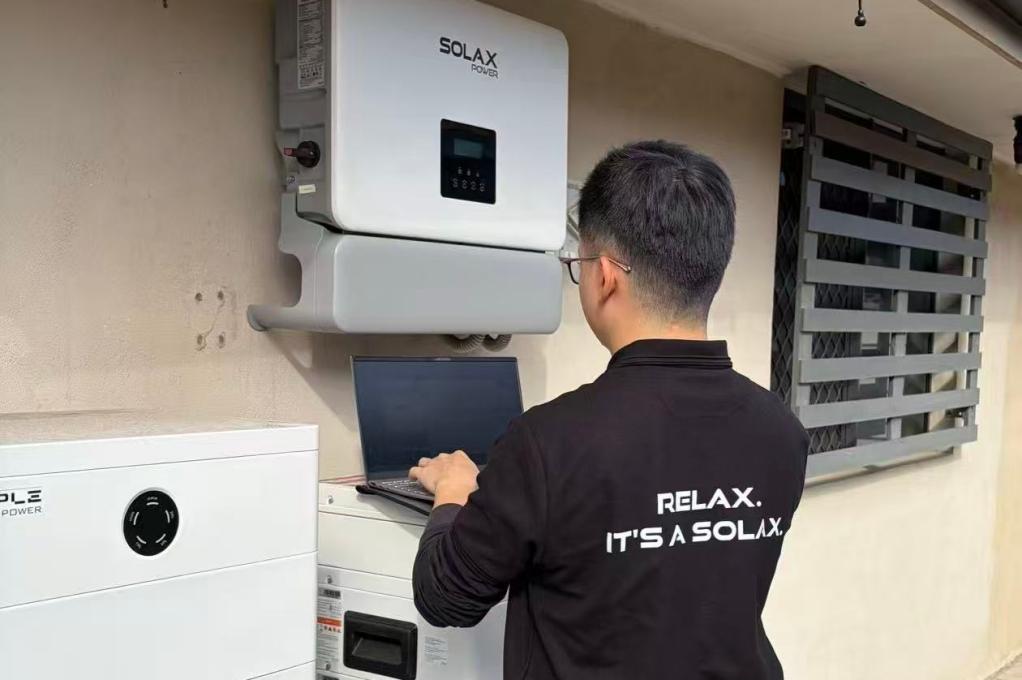
Most VPPs need to register your inverter with their utility server during enrolment. Your SolaX installer or an approved SolaX partner handles the CSIP-AUS handshake.
FAQ
Table of Contents
Last News
Explore expert insights, practical guides, and the latest news on SolaX Power.



To the Latest Newsletter
Stay Ahead with the Latest SolaX Updates!
Sign up
I have read and agree to Privacy Policy and User Terms