
















December 22, 2025
How to Size a Solar Battery for Your Home’s Energy Needs
Share my #SolaXStory


You’ve got the solar panels. The sun shines, your meter spins backwards, and for a few hours a day, you’re living the dream of free, clean energy. But then 5 PM hits. The sun dips, the panels switch off, and your home starts pulling expensive, fossil-fuelled power from the grid again. It feels like the job is only half done.
Finding the right solar battery size is the key to finishing that job, to capturing all that free daytime energy so you can use it long after sunset. But the process can feel buried in technical jargon, confusing formulas, and conflicting advice.
This guide changes that. We're going to walk you through a simple, three-step process to find the perfect battery size for your home. Forget the complexity. By the end of this article, you'll have a reliable number that gives you peace of mind and complete control over your power.
"The perfect battery isn't the biggest one; it's the one that's perfectly matched to how you live."
- First, Choose Your Mission: Savings, Security, or Freedom?
- The 3-Step Recipe for Your Perfect Battery Size
- A Quick Sanity Check: How Does Your Home Compare?
- The Crucial Reality Check: Can Your Solar System Charge It?
- Decoding the Specs: What Really Matters on the Data Sheet
- Your Final Step: Let a Pro Handle the Fine Print
First, Choose Your Mission: Savings, Security, or Freedom?
Before we touch a single number, the most important question is: what do you want your battery to do? Your primary goal is the single biggest factor in determining the right solar battery size. Most homeowners fall into one of three camps.
The Bill Buster: Use Solar Power After Sunset
This is the most common mission. With Feed-in Tariffs at an all-time low and peak electricity prices soaring in the evening, storing your own solar is the smartest financial move.
Your battery charges for free during the day. Then, as soon as the sun sets and the expensive "peak" tariff window opens (usually 3 PM - 9 PM), your home automatically switches to run on that stored solar energy. For this goal, the perfect battery size is one that covers your energy use from sunset until you go to bed.
The Blackout Shield: Keep the Lights On, No Matter What
If your top priority is keeping your home powered during a grid outage, you're looking for "autonomy." This means having enough stored energy to run your essential appliances—lights, the fridge, internet, medical devices—when the grid fails.
Sizing for autonomy often means choosing a slightly larger battery than you would for just bill savings. It’s about creating a deep reserve of power, ensuring your family has ultimate peace of mind when the unexpected happens.
The Freedom Package: Maximum Grid Independence
For those wanting to get as close to off-grid as possible, the goal is maximum self-sufficiency. This involves a battery large enough to cover your entire overnight and morning energy needs, virtually eliminating your reliance on the grid.
This approach is also ideal for joining a Virtual Power Plant (VPP), where you can sell your stored energy back to the grid for a profit. This mission requires a larger battery, often paired with more solar panels to ensure it gets fully charged every day.
The 3-Step Recipe for Your Perfect Battery Size
Ready to find your number? Grab your latest power bill and a calculator. This simple formula is the foundation for a professional-grade sizing calculation.
Step 1: Find Your Daily Energy Use (kWh) on Your Bill
Look on your electricity bill for a section labelled "Average Daily Consumption" or similar. It will show a number followed by "kWh". This is the average amount of electricity your household uses in a 24-hour period, and it's our starting point.
If you can, check both a summer and winter bill. We always want to size for your season of highest use to ensure you're covered year-round.
Step 2: Calculate Your Nightly Need (The 70% Rule)
Your total daily kWh is the big picture, but your battery only needs to cover the period when your solar panels aren't working. For most homes, about 70% of energy is used in the evening and overnight.
[Your Daily kWh] x 0.70 = Your Ideal Battery Capacity
For example, if your bill says you use 20 kWh per day:
20 kWh x 0.70 = 14 kWh
This "sunset-to-sunrise" number of 14 kWh is the baseline for your perfect battery size.
Step 3: Add a Future-Proof Buffer (The 20% Rule)
Sizing a battery only for your past usage is like driving while looking in the rearview mirror. Your energy needs will likely grow. The biggest game-changers are:
- Electric Vehicles (EVs): Can easily double your daily energy consumption.
- Heat Pumps & Air Conditioners: Switching from gas heating to electric will significantly increase winter usage.
- All-Electric Appliances: Induction cooktops and electric hot water systems.
A smart rule of thumb is to add a 20% buffer to your nightly need.
[Your Ideal Battery Capacity] x 1.20 = Your Future-Proofed Size
Using our example:
14 kWh x 1.20 = 16.8 kWh
This means a battery system around 13.5 kWh to 19 kWh is the perfect, future-proofed target for a home using 20 kWh per day.
Key Takeaway: Multiply your average daily kWh usage from your bill by 0.7 to find your nightly need, then add a 20% buffer to ensure your system is ready for the future.
A Quick Sanity Check: How Does Your Home Compare?
While your own bill is always the best source, it’s helpful to see where you fit. Average daily usage varies significantly across Australia, driven mostly by heating and cooling needs.
As you can see, a battery that’s perfect for a Melbourne home might be too small for a family in Hobart. Your climate matters.
The Crucial Reality Check: Can Your Solar System Charge It?
You’ve calculated your ideal battery size. Now for the most important question: is your solar system powerful enough to fill it up every day?
A battery is just a tank; your solar panels are the engine. A common mistake is buying a huge tank but only having a tiny engine, especially during the shorter, cloudier days of winter.
A simple rule of thumb is that you should have at least 1 kW of solar panels for every 1 kWh of battery storage.
For a 10 kWh battery, you’ll want at least a 10 kW solar system.
For a 13.5 kWh battery, a 13 kW solar system is a great match , but going a little further with the solar will benefit you more.
For a larger 20 kWh battery, you’ll need a 20 kW+ solar array.
⚠️ Warning: Installing a battery that’s too large for your solar system means you’ve paid for capacity you can’t use for several months of the year. We always analyse your real-world solar generation to prevent this.
Key Takeaway: Ensure your solar system’s kW rating is at least half of your target battery’s kWh capacity to guarantee it can be fully charged, even in winter.
Decoding the Specs: What Really Matters on the Data Sheet
Technical sheets can be intimidating. In reality, you only need to understand two key numbers to compare batteries effectively.
Capacity (kWh): The Size of Your Energy Tank
Capacity, measured in kilowatt-hours (kWh), is the number we’ve been calculating. It’s the total amount of energy the battery can hold. A 13.5 kWh battery can deliver 1 kilowatt of power for 13.5 hours. This number should match your “sunset-to-sunrise” needs.
Power Output (kW): The Size of Your Energy Pipe
Power output, measured in kilowatts (kW), is just as important. It tells you how many appliances you can run at the same time. Think of it as the size of the pipe coming out of your energy tank.
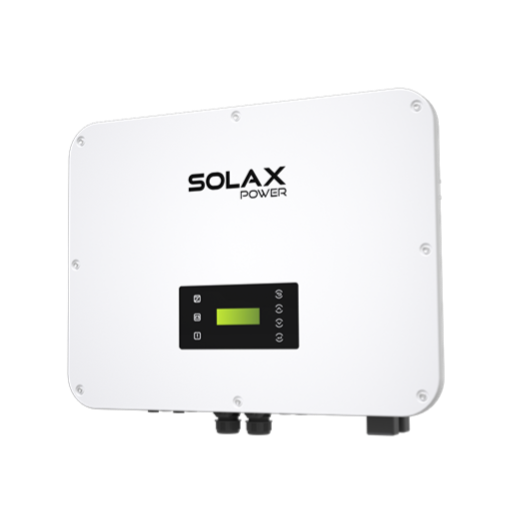
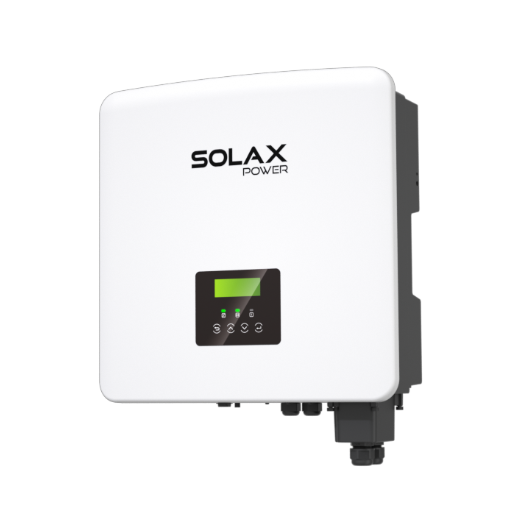
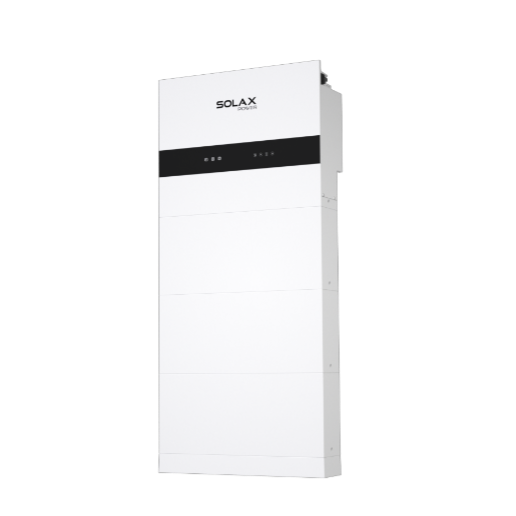
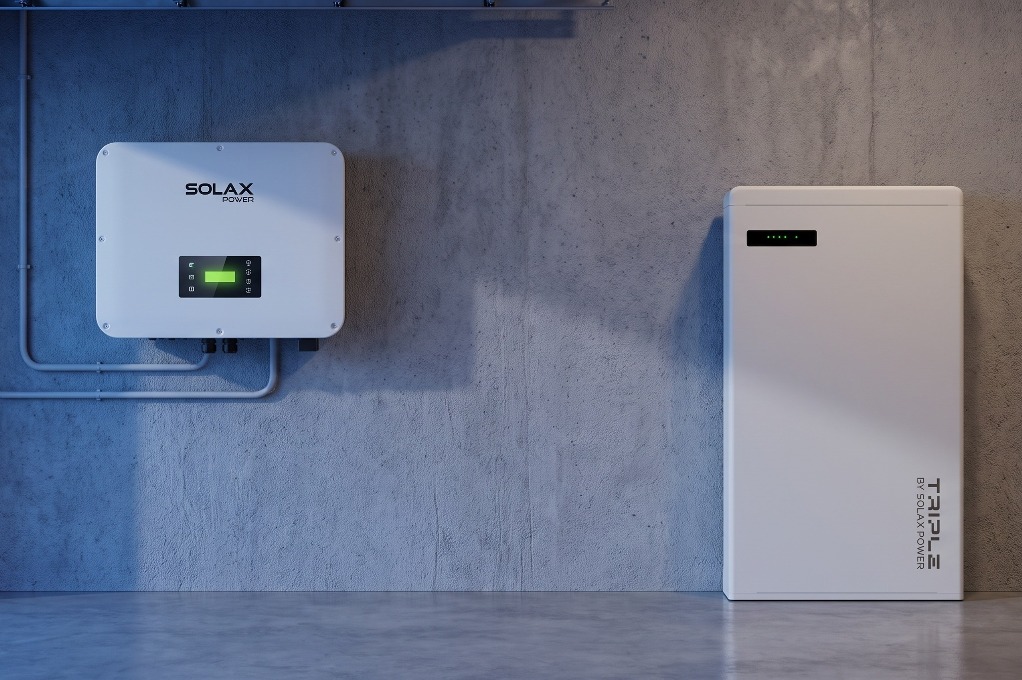
A battery with high capacity (big tank) but low power output (small pipe) can’t run a kettle (2.4 kW), toaster (1 kW), and air conditioner (4 kW) all at once. A powerful system like the SolaX X1-Hybrid Inverter is designed with a high power rating to ensure it can run all your important appliances during a blackout without being overloaded.
Usable Capacity (DoD) & Lifespan (Cycle Life)
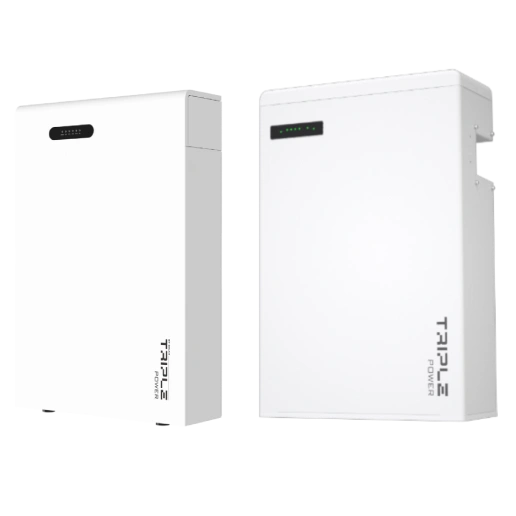
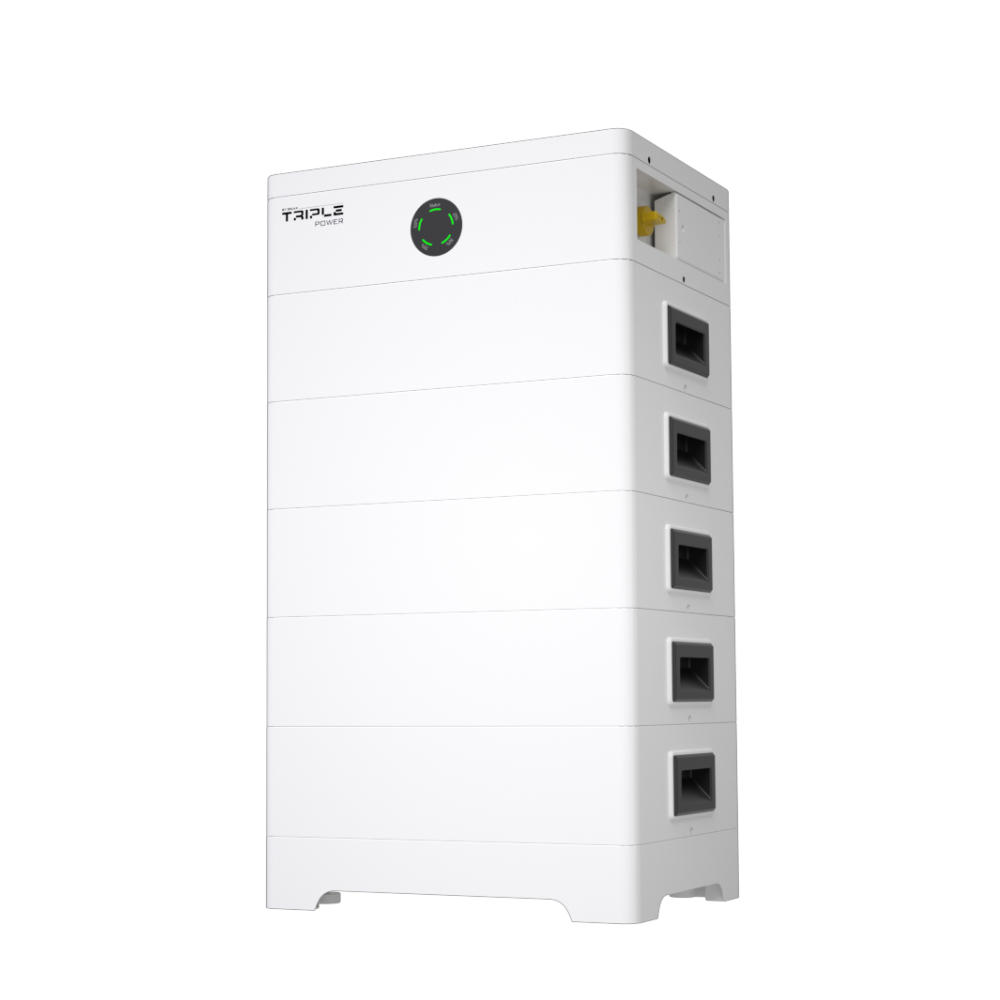
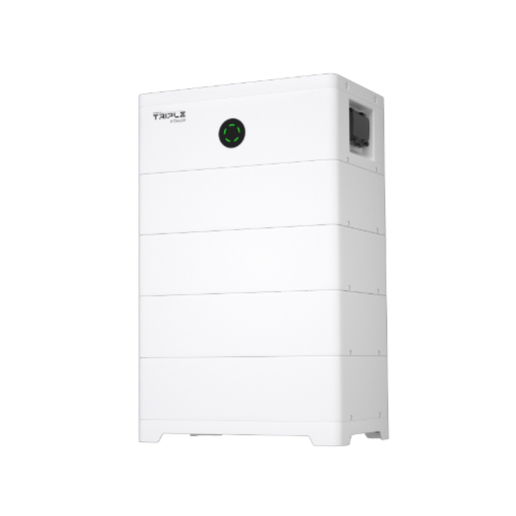
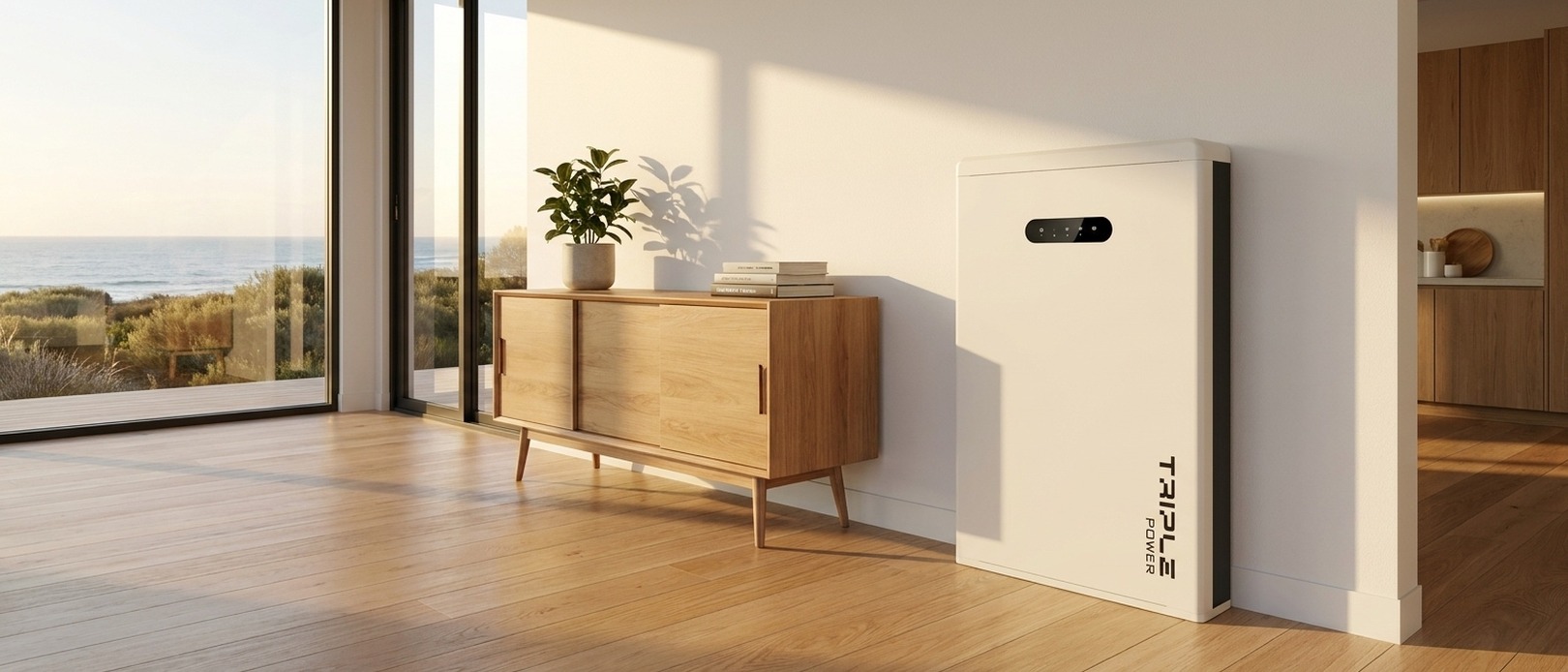
✓ Depth of Discharge (DoD): Modern Lithium Iron Phosphate (LFP) batteries, like those in a SolaX Triple Power Battery Solution, have a DoD of 90-100%. This means a 10 kWh battery gives you 10 kWh of usable energy.
✓ Cycle Life & Warranty: LFP chemistry is known for its safety and longevity, providing 6,000+ cycles , as seen in the Triple Power batteries. Always look for a 10-year warranty with a high “energy throughput” guarantee, which ensures your battery is built to last the distance.
Key Takeaway: Pay attention to both Capacity (kWh), which is how much energy you can store, and Power Output (kW), which is how many things you can run at once.
Your Final Step: Let a Pro Handle the Fine Print
You now have the knowledge to confidently choose your battery size. The final step is to get an expert to verify the details for your specific home.
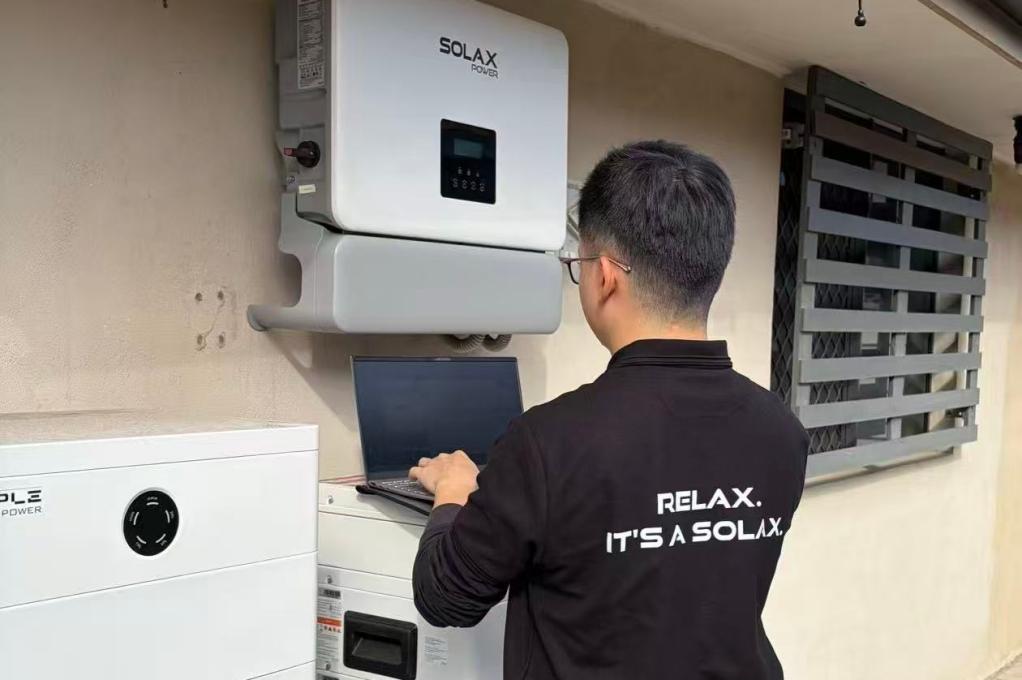
An accredited installer is non-negotiable. Australian battery safety standards (AS/NZS 5139) are among the strictest in the world, with specific rules about location and installation materials. A trained SolaX installer guarantees your system is safe, compliant, and efficient.
Navigating state and federal rebates can be complex. When you work with a SolaX partner, we handle it all for you. We identify every incentive you’re eligible for and manage the applications, ensuring the maximum discount is applied directly to your quote.
RelaX. We’ll use this groundwork to perform the final, detailed analysis and provide a guaranteed size perfect for your home.
FAQ
Table of Contents
Last News
Explore expert insights, practical guides, and the latest news on SolaX Power.



To the Latest Newsletter
Stay Ahead with the Latest SolaX Updates!
Sign up
I have read and agree to Privacy Policy and User Terms