
















December 22, 2025
What is ‘Depth of Discharge’ (DoD) and Why it Matters for Battery Life
Share my #SolaXStory


You’ve seen it before. You buy a 128GB phone only to find that 20GB is already taken by system files you can’t touch. It’s frustrating. You didn’t get the full capacity you paid for. Solar batteries have a similar concept, and understanding it is the single most important factor in choosing the right one for your home.
This concept is called Depth of Discharge (DoD). It’s a simple percentage that answers one critical question: Of all the energy your battery can physically hold, how much can you actually use every day without damaging your investment?
Getting this right is the key to unlocking years of reliable performance and lower electricity bills. We’re going to break it down without the jargon, so you can see exactly how much power you'll have to run your home.
"The number on the box isn't the number that powers your home. Depth of Discharge is the bridge between the two."
The Two Numbers That Define Your Battery's Power
When you look at a battery's spec sheet, you’ll see its size listed in kilowatt-hours (kWh). This is its Nominal Capacity—the total amount of energy the battery can chemically store. Think of this as the size of the fuel tank.
But the number that actually matters for your daily savings is the Usable Capacity. This is the energy you can safely access, and it's determined by the battery's maximum Depth of Discharge (DoD).
Let's use a real-world example:
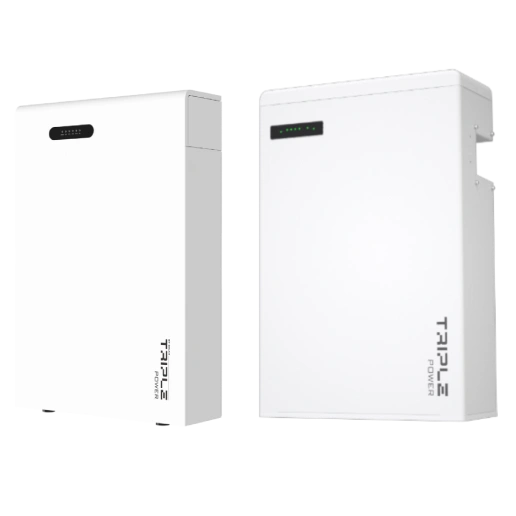
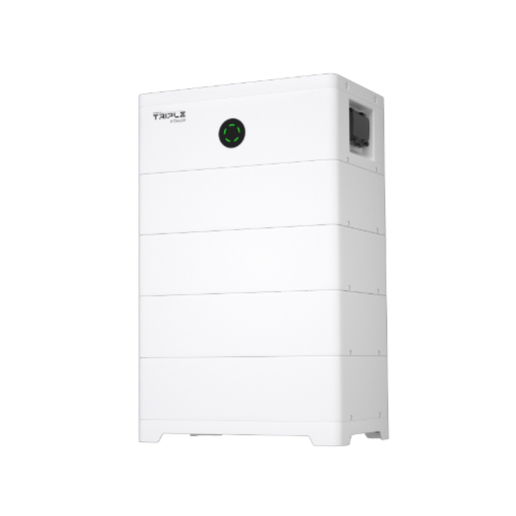
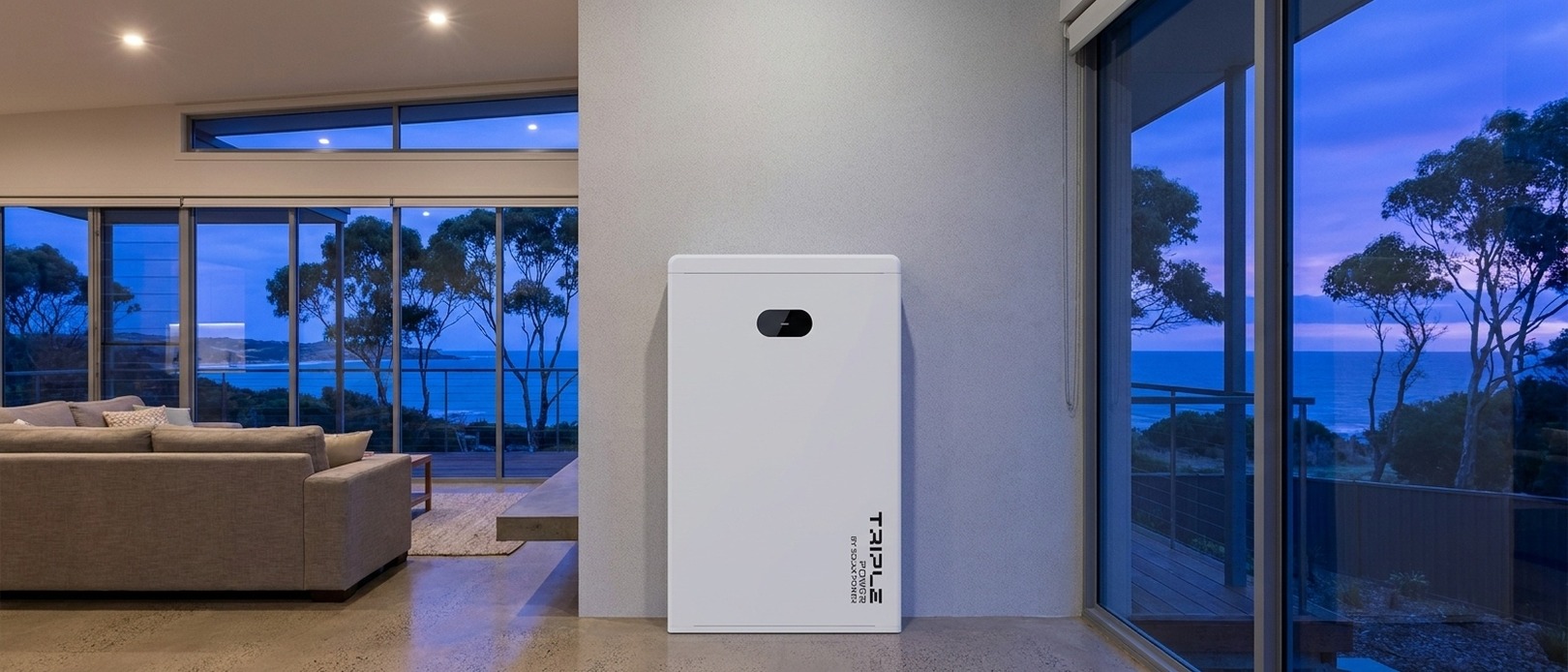
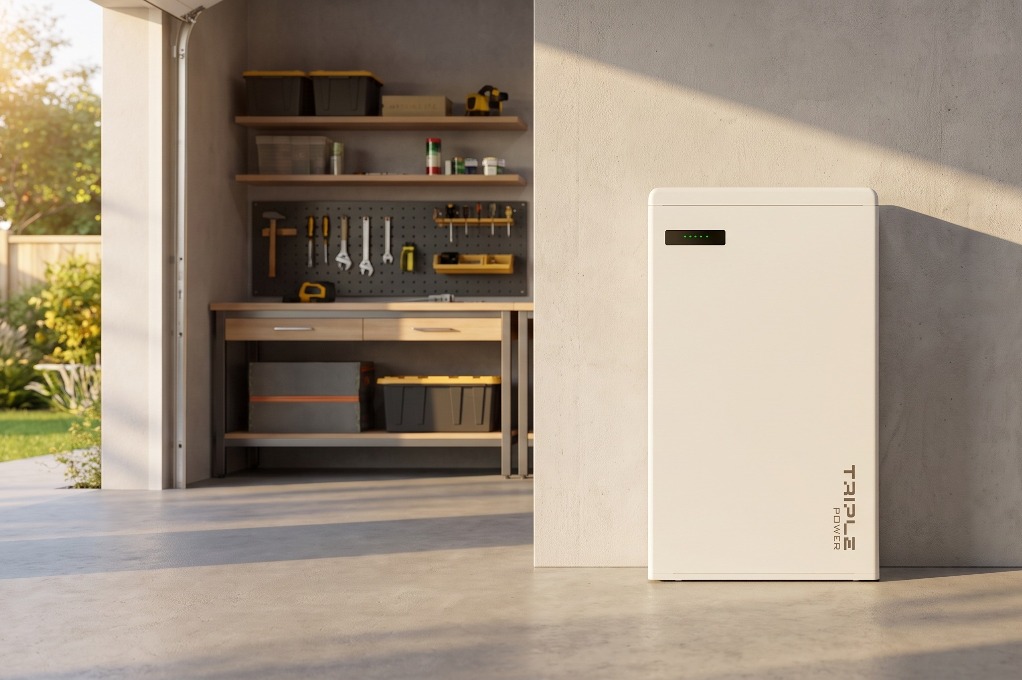
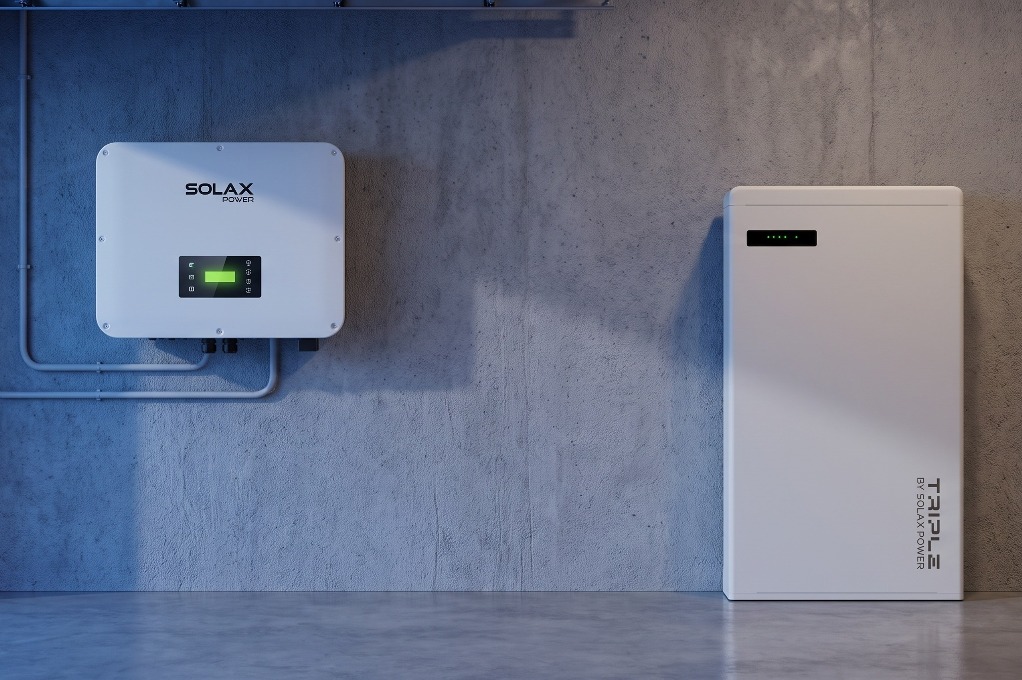
A SolaX T-BAT H 5.8 battery has a nominal capacity of 5.8 kWh. Specifically, the Triple Power T-BAT H 5.8 offers a Nominal Capacity of 5.8 kWh and a Usable Capacity of 5.1 kWh. However, it's engineered with a 90% DoD to ensure a long and healthy life.
The simple math is:
5.8 kWh (Nominal Capacity) x 90% (DoD) gives you 5.1 kWh of Usable Capacity.
It’s this 5.1 kWh figure that runs your appliances in the evening. Understanding this distinction is the first step to setting realistic expectations for your energy independence.
Key Takeaway: Your battery’s usable capacity (Nominal Capacity x DoD) is the most important number for calculating energy savings and performance.
DoD vs. SoC: Your Battery’s Two Fuel Gauges
Now, let’s clear up the two terms you’ll see most often in your monitoring app: DoD and State of Charge (SoC). They are two sides of the same coin.
State of Charge (SoC): Like the fuel gauge in your car, it tells you how much energy is left in the battery. 100% SoC is full; 20% SoC is nearly empty.
Depth of Discharge (DoD): This is the opposite. It tells you how much energy you’ve used. If you’ve used 80% of your battery’s usable energy, it’s at an 80% DoD.
They always add up to 100%. If your SoC is 30%, your DoD is 70%. Simple.
However, this can cause confusion for new SolaX owners. SolaX systems maintain a 10% safety buffer. This means the battery will stop powering your home when the app shows 10% SoC remaining. For all practical purposes, 10% SoC means “empty” of its usable energy.
⚠️ Warning: Don’t be alarmed when your SolaX app shows 10% and the battery stops discharging. This isn’t a fault. It’s the system intelligently protecting its own health by preserving its safety reserve.
Key Takeaway: SoC is what’s left, and DoD is what you’ve used. In a SolaX system, 10% SoC is the ‘usable empty’ point, which corresponds to a 90% Depth of Discharge.
The Longevity Equation: How DoD Protects Your Investment
Why not just use 100% of the battery every time? Because every charge and discharge cycle puts a tiny amount of stress on the battery’s internal chemistry. Deeper discharges create more stress than shallower ones.
Consistently pushing a battery to its absolute chemical limits is the fastest way to shorten its lifespan.
SolaX engineers deliberately set the 90% Depth of Discharge limit as the perfect balance point. It maximises the energy you can use each day while ensuring the battery operates in a healthy range, guaranteeing it will achieve its warranted 10-year lifespan.
Think of it as a marathon runner pacing themselves. They could sprint the first few miles, but they’d never finish the race. The 90% DoD is a strong, sustainable pace that guarantees your battery goes the distance, delivering a better return on your investment over the long term.
“The 90% DoD isn’t a limitation; it’s an engineered strategy to ensure your battery delivers reliable power for a full decade.”
Key Takeaway: A controlled DoD is a critical feature that protects the battery from premature degradation, safeguarding its lifespan and your warranty.
The SolaX Advantage: Smarter Tech for More Usable Power
Achieving a high Depth of Discharge safely and reliably isn’t an accident; it’s the result of superior engineering. Here’s how SolaX delivers more usable power without compromising on safety or lifespan.
Better Chemistry from the Start
Old-school lead-acid batteries, a common off-grid solution, can be damaged if discharged beyond 50% DoD. To prevent this, SolaX batteries use advanced Lithium Iron Phosphate (LFP) chemistry, which is specifically designed to handle deep, daily cycling. Our 90% DoD is nearly double what older technologies could handle.
A High-Voltage, Low-Stress Design
Heat is the enemy of battery longevity. SolaX systems are built on a High Voltage (HV) architecture. This smart design delivers power to your home using a lower electrical current compared to low-voltage systems.
Lower current means significantly less heat generation and reduced thermal stress on the battery cells. This is a key reason SolaX batteries can sustain a high DoD for thousands of cycles, giving you more usable power for longer.
RelaX. The Onboard Brain Manages Everything.
You don’t have to worry about any of this. The heart of your system is the intelligent Battery Management System (BMS)—an onboard computer that acts as the guardian of your battery’s health.
The BMS constantly monitors cell voltage, temperature, and current to manage the Depth of Discharge automatically.
✓ It prevents the battery from discharging too deeply.
✓ It adjusts performance in extreme heat or cold to prevent damage.
✓ It even uses grid power to perform a “Force Charge” to rescue the battery if its charge drops to critical levels.
The BMS handles all the complexity, so you can simply enjoy the peace of mind that comes with reliable, clean energy.
Key Takeaway: SolaX combines superior LFP chemistry, a low-heat High Voltage design, and an intelligent BMS to deliver a high 90% DoD safely and automatically.
FAQ
Table of Contents
Last News
Explore expert insights, practical guides, and the latest news on SolaX Power.


To the Latest Newsletter
Stay Ahead with the Latest SolaX Updates!
Sign up
I have read and agree to Privacy Policy and User Terms