
















December 22, 2025
Lithium-ion (LiFePO4) vs. Lead-Acid Batteries – A Solar Comparison
Share my #SolaXStory


Choosing a solar battery can feel overwhelming, but the decision often hinges on one tempting illusion: the low upfront cost of old-school lead-acid technology. It looks like the budget-friendly choice, but this initial saving hides a costly trap that can undermine your entire solar investment.
The most important number on a battery spec sheet isn’t its total size; it’s the amount of power you can actually use every day without destroying it. This single metric dramatically changes the financial equation and is the key to understanding why one technology delivers decades of peace of mind while the other can lead to frustratingly short-term results.
This guide is your definitive, jargon-free solar battery comparison. We’ll break down the technical specs into what they mean for your home, your bills, and your ability to simply relax and enjoy your stored solar power.
“A 10kWh lead-acid battery isn’t a 10kWh battery in practice. You can only safely use half of it.”
The Capacity Trap: Getting the Power You Paid For
The most critical factor in any solar battery comparison is Depth of Discharge (DoD). This tells you how much of the battery’s stored energy you can safely use. It’s here that the two technologies reveal their true nature.
Lithium Iron Phosphate (LFP): The Full Tank Modern LFP batteries are designed for deep cycling. You can regularly use 90-100% of their total capacity without causing harm.
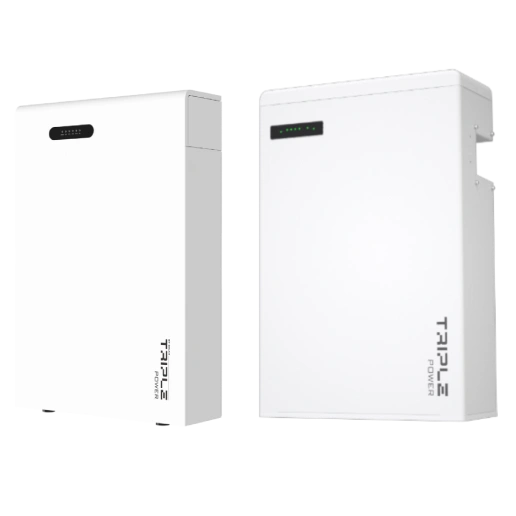
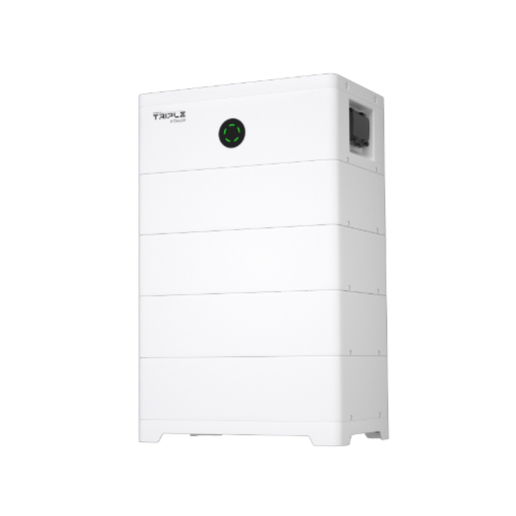
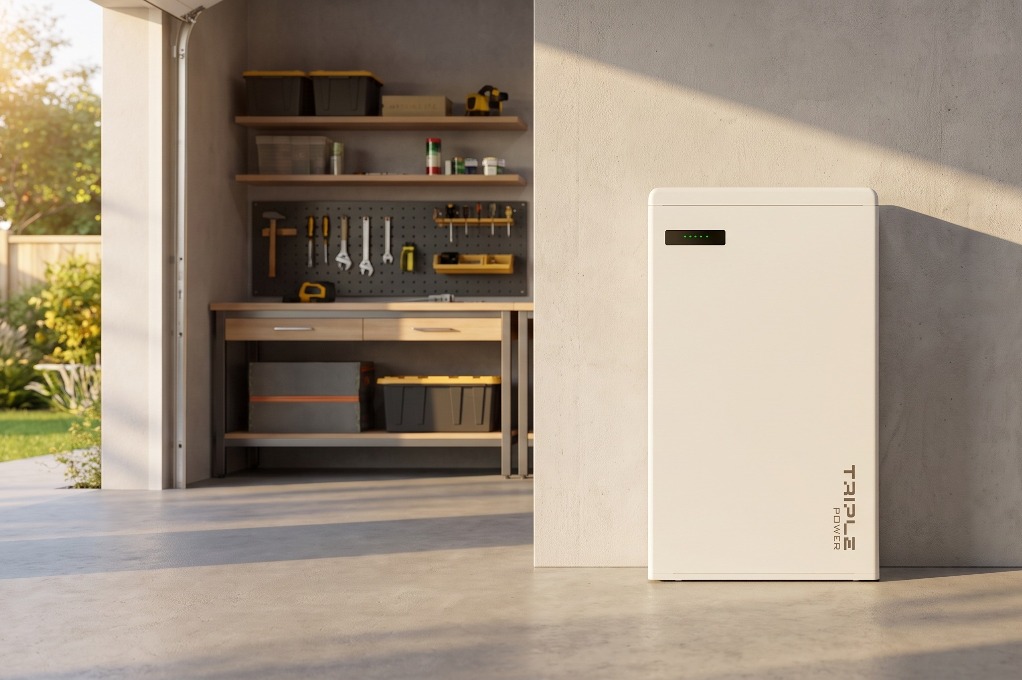
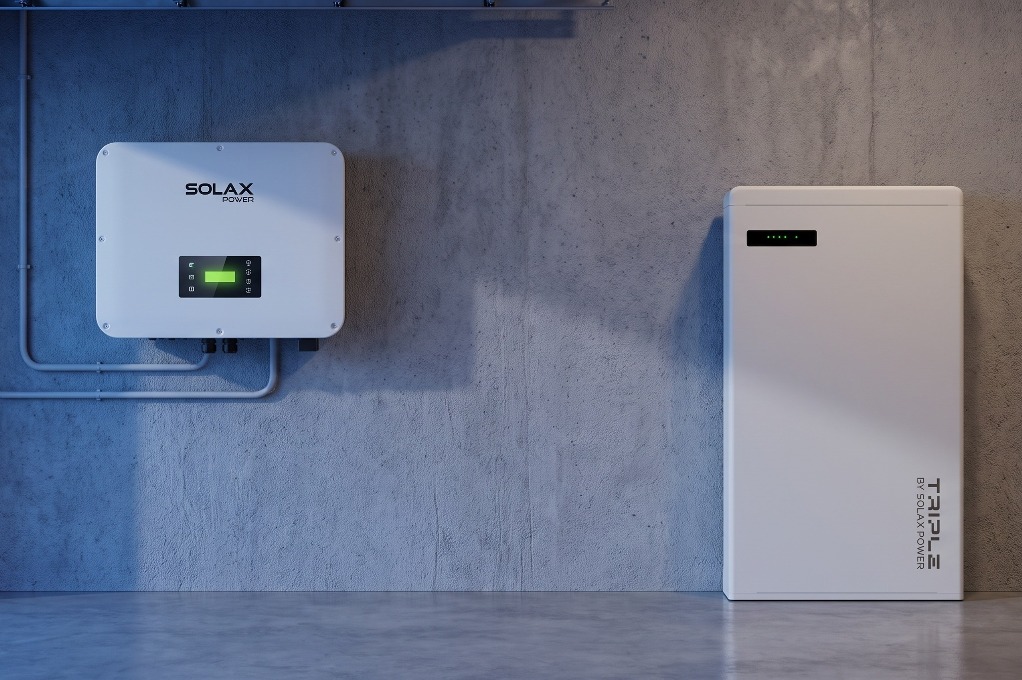
If you buy a 10kWh LFP battery, like the high-capacity Triple Power T-HS10.2 (10.2 kWh usable), you get to use 9 to 10kWh of clean, stored energy every single night. It’s simple, honest, and what you’d expect from a modern appliance.
Lead-Acid: The Half-Empty Promise Lead-acid chemistry is fragile. Draining it too much causes permanent damage through a process called sulfation. To preserve its already short lifespan, manufacturers universally recommend a DoD of only 50%.
This means your 10kWh lead-acid battery is, in reality, a 5kWh battery. To get 10kWh of usable power, you’d need to buy and install a massive 20kWh lead-acid bank, instantly erasing its perceived cost advantage.
Key Takeaway: A lithium battery delivers nearly all of its advertised capacity, while a lead-acid battery only provides half, forcing you to buy twice the size for the same result.
The Lifetime Equation: How Long Your Investment Lasts
A solar battery is a long-term investment. Its value is determined not by its initial price, but by how much energy it delivers over its entire life. This is measured in cycles—one full charge and discharge.
Life and Longevity
✓ LFP (Lithium): Built for the long haul, a quality LFP battery like the T-BAT HS series provides 3,000 to 6,000+ cycles. Cycled daily, that’s over 16 years of reliable service. This is the secret to true long-term savings.
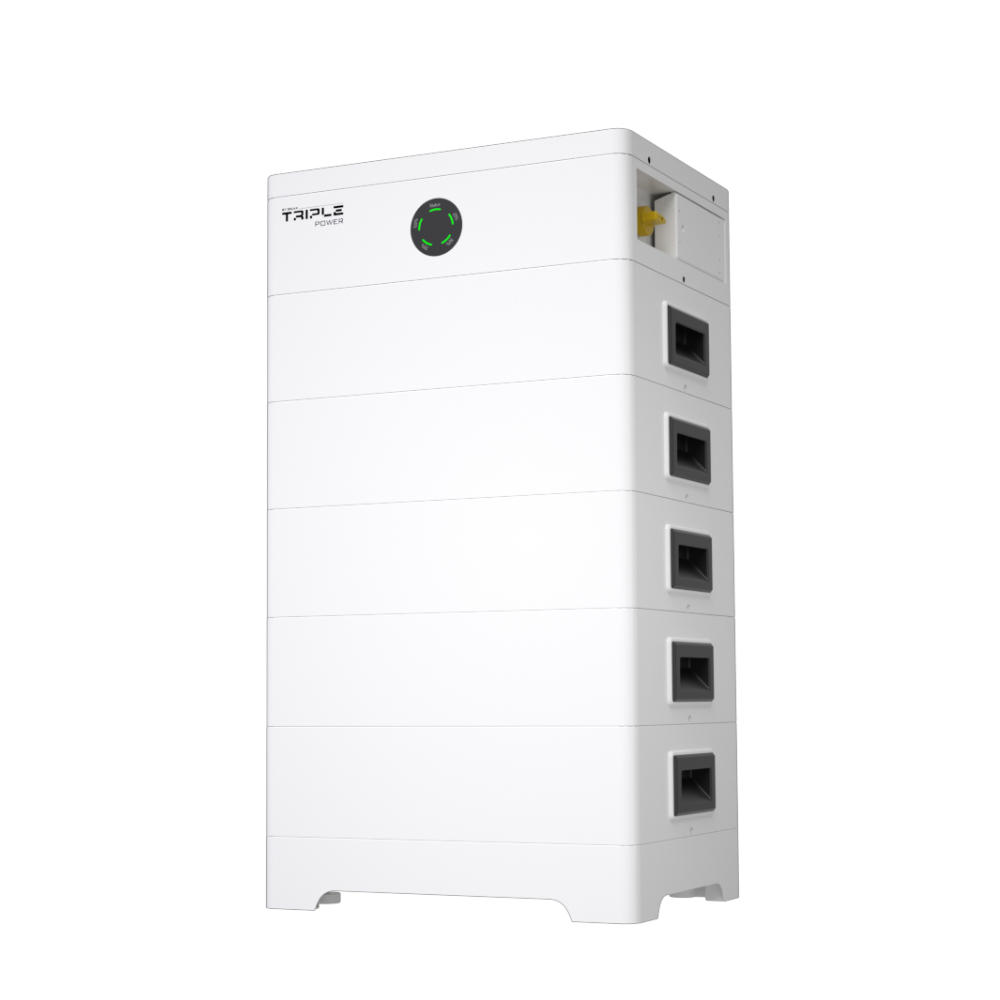
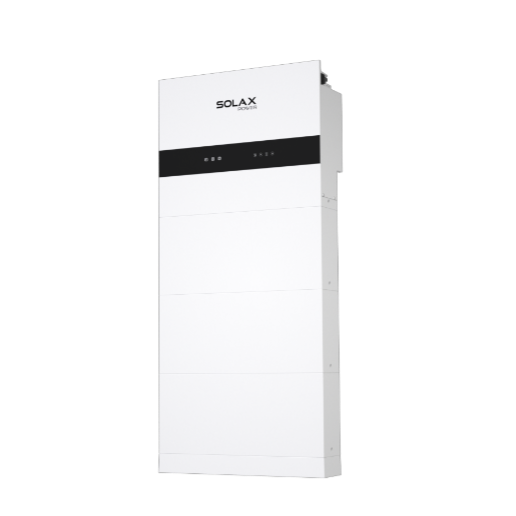
✗ Lead-Acid: A premium lead-acid battery offers just 300 to 1,200 cycles, which is significantly less than the minimum 6000 cycles offered by SolaX’s X3-IES-A LFP systems. You would likely need to replace the entire system two, three, or even four times during the lifespan of a single LFP battery.
Efficiency: Stop Wasting Your Sunshine
Round-trip efficiency measures how much of your stored solar power you actually get back. Lost energy is lost money.
✓ LFP (Lithium): Exceptionally efficient at 92-96%. For every 10kWh of solar you store, you get back over 9.2kWh. The power you generate is the power you use.
✗ Lead-Acid: Significantly less efficient at 80-85%. Up to 20% of your valuable solar energy is lost as heat with every cycle. This constant waste adds up to hundreds of dollars in lost value over the battery’s life.
“You could replace your lead-acid battery three times before you’d need to replace a single lithium unit.”
Key Takeaway: With 3-5 times the lifespan and far greater efficiency, an LFP battery’s long-term value overwhelmingly surpasses the high replacement costs and energy waste of lead-acid.
The Day-to-Day Reality: Convenience, Speed, and Space
Beyond the numbers, how does each battery impact your daily life? One is a modern, hands-off appliance; the other is a bulky, slow, and demanding piece of equipment.
Charge Speed
On days with intermittent clouds, you need a battery that can charge quickly to capture every bit of sun.
LFP: This ensures your battery is full and ready for the evening, even on suboptimal days.
Lead-Acid: Charges very slowly, requiring a multi-stage process that can take 5-8+ hours. It may fail to reach a full charge on a cloudy day, leaving you short on power.
Maintenance & Management
LFP:Zero maintenance. An internal computer, the integrated Battery Management System (BMS) in the Triple Power batteries, handles everything automatically. This is a true “set it and forget it” solution.
Lead-Acid: While modern AGM types don’t need watering, they require careful charge management to prevent damage. They are far from a hands-off system.
Space & Weight
LFP: High energy density means they are sleek, compact, and light. A typical LFP system weighs around 12 kg per usable kWh, allowing for clean, wall-mounted installations.
Lead-Acid: Incredibly heavy and bulky. A lead-acid bank weighs about 45-50 kg per usable kWh—around four times heavier than LFP. This requires a large, reinforced floor space and makes installation far more complex.
Key Takeaway: LFP batteries are faster, smarter, and smaller, integrating seamlessly into a modern home. Lead-acid systems are slow, demanding, and physically cumbersome.
The Final Verdict: A Head-to-Head Breakdown
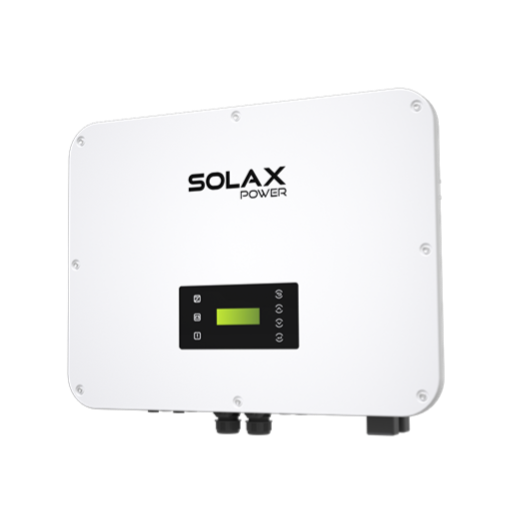
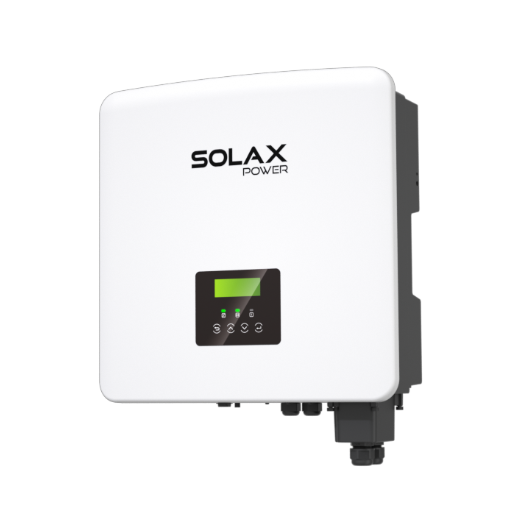
For grid-connected Australian homes, the choice is clear. SolaX offers superior All-In-One solutions like the X3-AELIO series. While government incentives like the “Cheaper Home Batteries” program, launching 1 July 2025, will help reduce the upfront cost of lithium by around 30% , the long-term value proposition was already settled. LFP technology is superior in every practical metric.
Lead-acid batteries remain a niche product for budget-focused, off-grid scenarios where users are willing to actively manage their significant limitations. For everyone else, LFP is the only choice that delivers on the promise of modern home energy storage.
FAQ
Table of Contents
Last News
Explore expert insights, practical guides, and the latest news on SolaX Power.

To the Latest Newsletter
Stay Ahead with the Latest SolaX Updates!
Sign up
I have read and agree to Privacy Policy and User Terms