
















December 22, 2025
Solar Rebates and Incentives in Australia: a 2026 Guide
Share my #SolaXStory


Heard the rumours that solar rebates are ending? Worried you’ve missed the boat on big government savings? Let’s clear the air: you haven’t. The government is still ready to help you slash your power bills.
But the game has changed. In 2026, the strategy is smarter. It’s no longer just about putting panels on your roof; it’s about storing that free sunshine in a battery to use whenever you want. This shift brings new rules and new deadlines you need to know about.
For a typical family installing a solar and battery system in 2026, the combined government support can still easily top $6,000. This guide breaks down exactly how you can claim your share, and why acting sooner rather than later could save you hundreds, if not thousands.
"In 2026, it’s no longer just about panels; it’s about pairing them with a battery to truly take control of your power bills."
The Golden Rule for 2026: Don't Wait
If you take only one thing from this article, let it be this: waiting until later in 2026 to install solar or a battery will cost you money. This isn’t a sales tactic; it’s built into the programs.
Both the federal rebate for solar panels and the new rebate for home batteries are scheduled to drop on January 1st, 2026.
The Solar Panel Rebate Drop
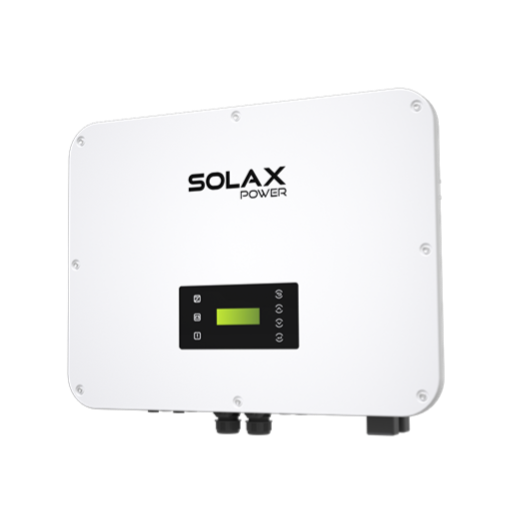
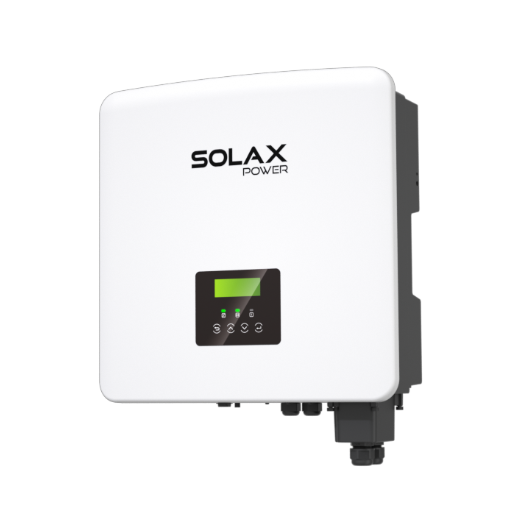
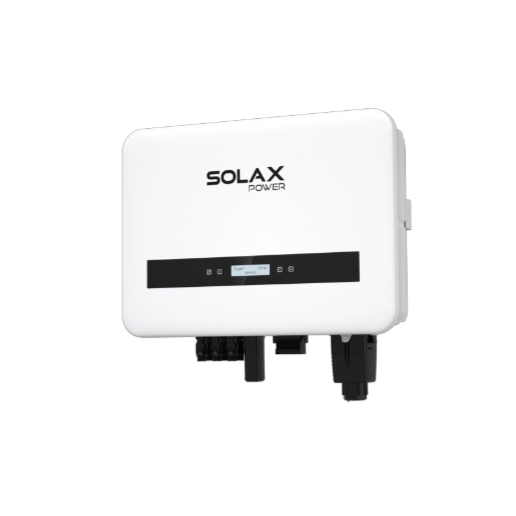
The main federal solar rebate (officially the SRES) reduces every year. On January 1, 2026, its value will decrease by approximately 16.7% overnight. For a standard family-sized system utilising a high-efficiency inverter like the X1-BOOST G4 (98% max efficiency), that’s a significant loss for waiting just a few days.
Here’s what that “cost of waiting” looks like in real dollars:
Note: Values assume an STC market price of $38.00.
The New Battery Rebate Drop (And a Bigger Risk)
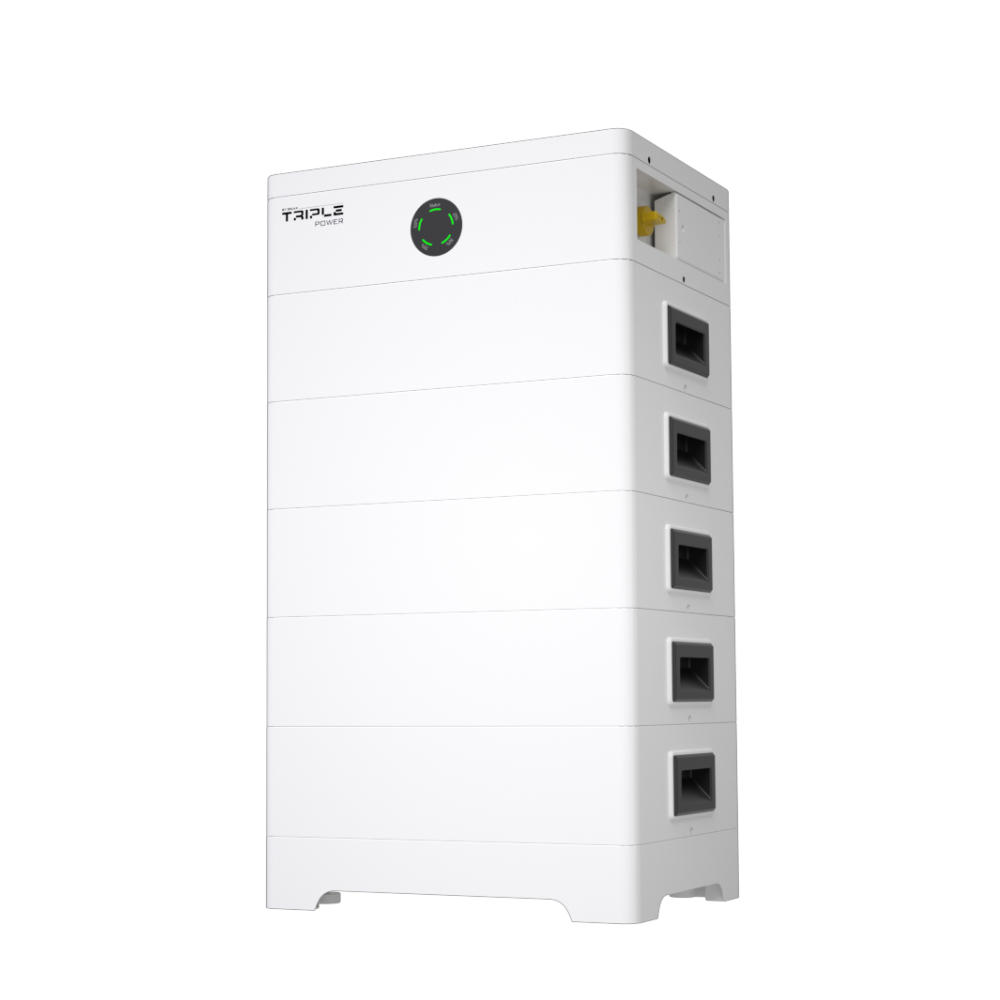
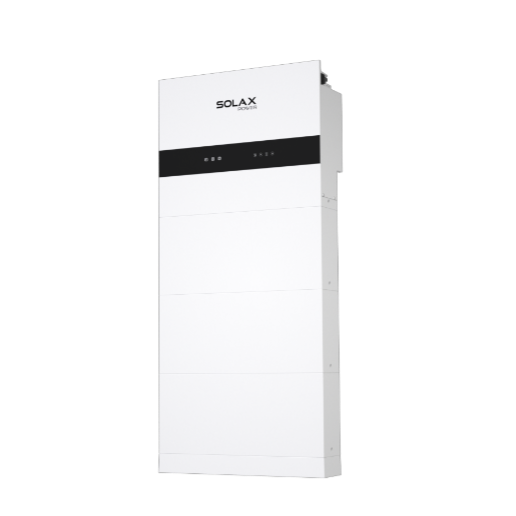
The exciting new “Cheaper Home Batteries Program” also works this way, making high-capacity units like the X3-IES All-In-One ESS (up to 30kWh) even more attractive. Its value is determined by a multiplier that is set to drop on January 1, 2026.
Note: Values assume an STC market price of $38.00.
⚠️ Warning: There’s another catch with the battery rebate. The program has a fixed $2.3 billion budget. With Australians installing around 1,000 batteries a day, some analysts project the funds could be exhausted as early as 2027 if installation rates remain high. Once the money is gone, it’s gone.
Key Takeaway: The value of both federal solar and battery rebates will fall on January 1, 2026. Acting early in the year is critical to maximise your savings and secure your battery rebate before the national budget potentially runs out.
How Federal Rebates Give You an Instant Discount
The best part about the federal programs is that you don’t have to deal with paperwork or wait for a payment. They work as an instant, upfront discount.
The system is based on creating digital certificates called Small-scale Technology Certificates (STCs). Think of them as renewable energy currency.
Here’s the simple process:
We design a system for your home—often using CEC-approved equipment that is eligible for the rebates.
We calculate the total value of the STCs for your panels and/or battery.
We deduct that full amount directly from your quote.
You see one clear, final price. We handle all the forms and certificate trading behind the scenes.
This is the primary federal solar rebate that makes clean energy affordable for millions of Australians. If an installer can’t offer this upfront discount, it’s a major red flag that they aren’t properly accredited.
Key Takeaway: Federal rebates for both solar panels and batteries are applied as an immediate discount on your quote. We handle all the complex paperwork so you can simply focus on the final, lower price.
Your State-by-State Guide to Extra Perks
On top of the federal discounts, many states and territories offer their own incentives. These local perks can make a huge difference, but what’s on offer in 2026 is more varied than ever.
Victoria: The Gold Standard
Victoria continues to lead the nation with its Solar Homes Program. In 2026, eligible homeowners can stack these benefits:
✓ A rebate up to $1,400 for solar panels.
✓ An interest-free loan for the same amount, paid back over four years.
This is driven by Victoria’s push towards all-electric homes. A state mandate requires new homes built from 2027 to be all-electric, making 2026 the perfect year to install solar and get ready for the switch.
New South Wales: The New Game is VPPs
The old state rebate in NSW has been suspended to avoid clashing with the new federal battery program. Instead, the big opportunity in 2026 is getting paid by energy retailers to join a Virtual Power Plant (VPP).
By agreeing to let a retailer use your battery to help stabilise the grid, you can receive significant upfront cash payments or bill credits. This can be “stacked” on top of the federal battery rebate, offering a double benefit.
Queensland: Federal Support is Key
For Queenslanders, the story is simpler. The state’s “Battery Booster” program has closed. This means residents now rely on the powerful federal programs: the STC scheme for panels and the Cheaper Home Batteries Program for storage.
ACT & South Australia: Low-Interest Loans & VPP Incentives
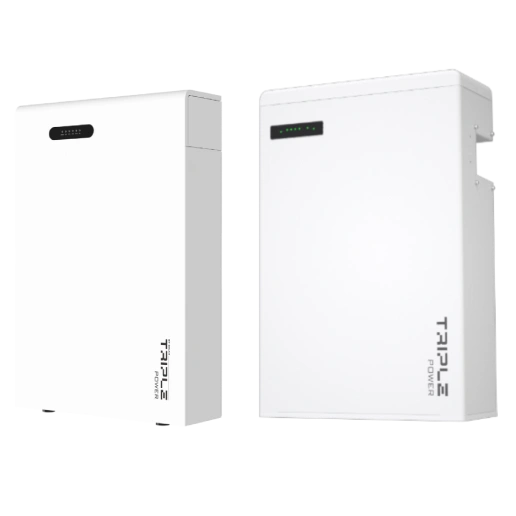
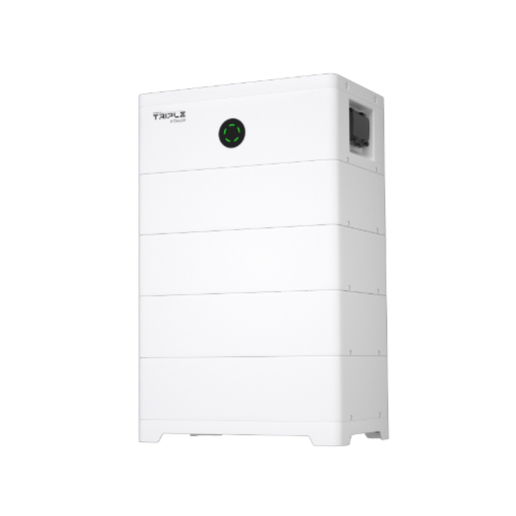
South Australia: The state’s REPS program pays you to connect your VPP-ready battery, such as the T-BAT HS Series, to a Virtual Power Plant. Retailers offer incentives around $670 for most households and up to $880 for priority groups. The key here is to apply early, as retailer quotas are often filled by mid-year.
Australian Capital Territory: The ACT’s famous 0% interest Sustainable Household Scheme has been updated. For 2026, it now offers low-interest 3% loans for batteries and other efficiency upgrades. While solar panels are now excluded for most, this is still one of the cheapest ways to finance a battery in Australia.
Key Takeaway: State solar rebates vary widely. Victoria offers direct rebates and loans, NSW and SA offer cash for joining VPPs, while the ACT provides low-interest financing for batteries.
Are You Eligible? The Simple Checklist
Navigating the rules might seem complex, but it boils down to two sets of criteria.
1. The Federal “Non-Negotiables”
To get the STC rebates for panels or batteries anywhere in Australia, your system must meet these core standards:
✓ Use new, not second-hand, components.
✓ Use panels and inverters approved by the Clean Energy Council (CEC).
✓ Be installed by an SAA-accredited installer and designer.
This is your ultimate protection against shoddy products and unreliable installers. We ensure every system we quote meets these standards automatically.
2. The State-Specific Rules
Each state adds its own layer of requirements:
Victoria: Your household taxable income must be under $210,000 and your home valued under $3 million.
New South Wales: You must sign a VPP agreement with an energy retailer.
South Australia: You must apply through an approved retailer for the VPP incentive.
ACT: You must meet the criteria for the Sustainable Household Scheme loan.
Don’t worry about memorising all this. When we prepare your quote, we automatically check your eligibility for every single federal and state incentive you qualify for. The final price you see has all available savings already applied.
Key Takeaway: Eligibility hinges on using SAA-accredited installers and CEC-approved products, plus meeting state-specific criteria like income caps or VPP agreements. We manage this entire process for you.
FAQ
Table of Contents
Last News
Explore expert insights, practical guides, and the latest news on SolaX Power.


To the Latest Newsletter
Stay Ahead with the Latest SolaX Updates!
Sign up
I have read and agree to Privacy Policy and User Terms