
















December 22, 2025
Is a Home Solar Battery Worth the Cost in Australia?
Share my #SolaXStory


If you’ve ever looked at a staggering power bill and felt powerless, or watched the street go dark during a storm and worried about the food in your fridge, this is for you. For years, the question “is a home solar battery worth the cost?” came with a complicated answer. It was a luxury, a nice-to-have for the eco-conscious with deep pockets.
That era is officially over. A perfect storm of massive new government rebates, soaring electricity prices, and an increasingly fragile grid has fundamentally changed the maths. A solar battery is no longer just an environmental choice; it’s a powerful financial decision that delivers bill savings and priceless peace of mind.
Forget decade-long payback periods. We’re now seeing Aussie homes break even in as little as 5-8 years, leaving you with more than a decade of free, stored energy. This guide will show you exactly how.
“We’re now seeing Aussie homes break even in as little as 5-8 years.”
Your Personal Energy Bank: How a Battery Slashes Bills
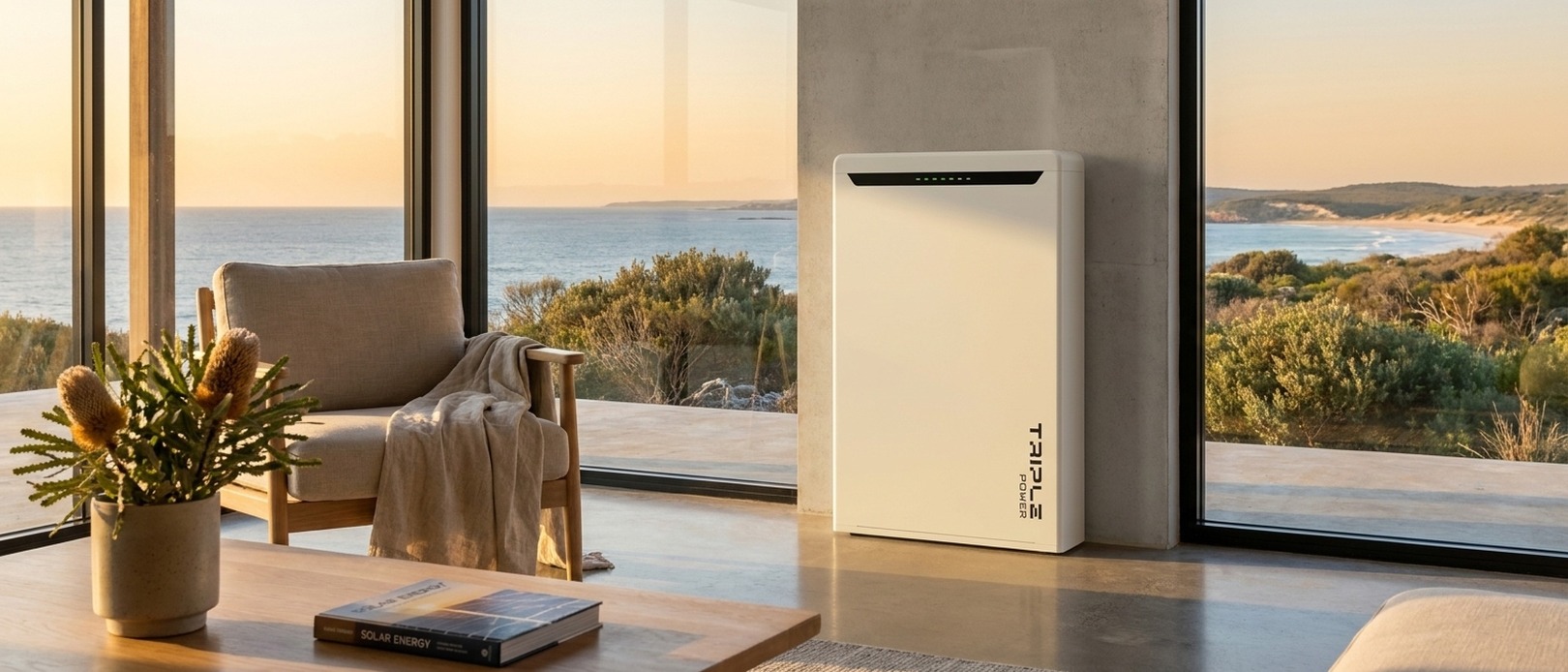
A solar battery transforms your relationship with energy. It turns your home from a simple consumer into a smart energy hub, giving you control over the free, clean power your panels generate.
Without a battery, the average solar home uses only 30% of its own power. The other 70% is sold back to the grid for a pittance. A battery flips this equation on its head.
It acts as your personal energy bank. During the day, it stores the excess solar energy you aren’t using. Then, as the sun sets and grid electricity prices spike, your home automatically draws from your battery instead of buying expensive power. This simple shift boosts your solar self-consumption to 80-90%, meaning your home runs almost entirely on free energy you generated yourself.
The Math in Plain English
The savings come from a simple concept: you avoid buying high and selling low.
Energy companies pay you very little for the solar you export (your Feed-in Tariff, or FiT). In Victoria, this can be as low as 3.3 cents per kilowatt-hour (kWh).
But when you need to buy that energy back in the evening, they charge you a fortune—often over 50 cents per kWh in states like South Australia.
Here’s the difference a battery makes:
A battery allows you to capture that 47-cent difference for every single kWh you store and use. That is the powerful, simple math that drives your savings every single day.
Key Takeaway: A battery lets you store your free midday solar power to use during expensive evening peak hours, drastically cutting your reliance on the grid.
Beyond Savings: Your Insurance Policy Against Blackouts
The financial return is compelling, but for many, the ultimate reason to get a battery is security. When storms like the one that hit Victoria in February 2024 leave half a million homes in the dark, the value of keeping your own lights on is immense.
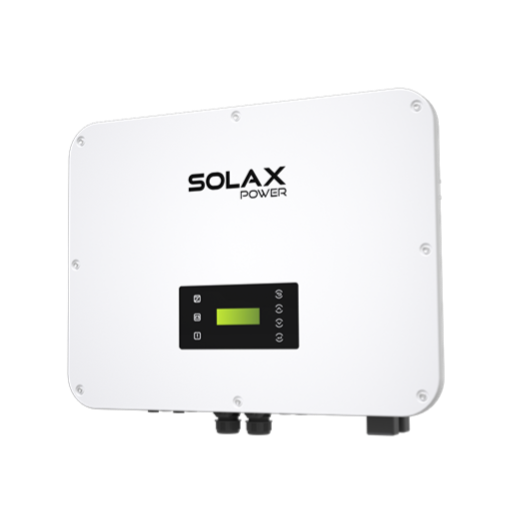
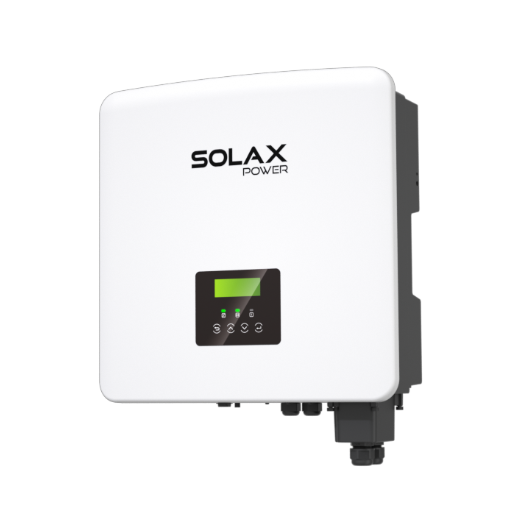
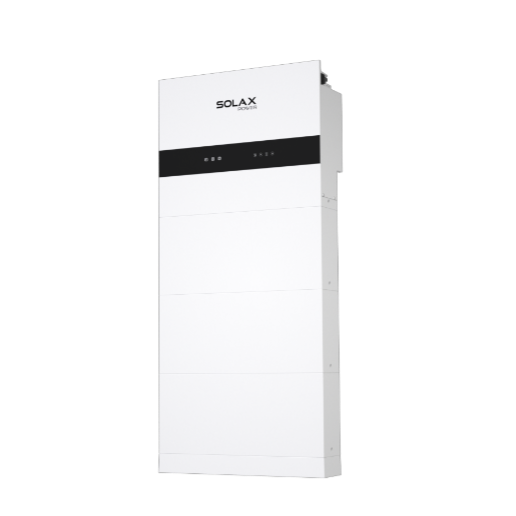
A modern all-in-one energy storage system, like the Solax X3-IES series, comes with built-in blackout protection. When the grid fails, your system instantly and automatically disconnects from the street and begins powering your home from the battery.
“You might not even notice the grid is down until you see the rest of the street in darkness.”
Your lights, fridge, internet, and medical devices keep running seamlessly. It’s a simple insurance policy against an aging grid and the increasing frequency of extreme weather events. For families in regional or storm-prone areas, this isn’t a luxury; it’s a crucial piece of infrastructure for safety and peace of mind.
Key Takeaway: A solar battery provides energy independence, automatically keeping your essential appliances running during a power outage.
The Real Numbers: Upfront Costs vs. Government Rebates
Let’s talk about the investment. While the “sticker price” of an installed battery can range from $9,000 to $18,000, almost no one pays that full amount anymore. A flood of new rebates has dramatically lowered the real cost for homeowners.
How Rebates Cut Your Final Cost
As of mid-2025, the Federal Government’s “Cheaper Home Batteries Program” provides a massive point-of-sale discount. It applies STCs (Small-scale Technology Certificates) to batteries, offering a discount of roughly $340 per kWh.
On top of this, many states offer their own stackable incentives.
Here’s a simple breakdown of how this can slash the cost of a typical 10kWh battery:
This combination of rebates is the single biggest reason why the payback period for a battery has been cut in half.
Key Takeaway: Federal and state government rebates can reduce the upfront cost of a home battery by thousands of dollars, making the investment far more accessible.
Your Payback Period: When Do You Start Making Money?
With costs down and savings up, the time it takes for a battery to pay for itself is now comfortably within its 10-year warranty period. For many, a payback of 5-8 years is the new reality.
Your exact payback time depends on three key factors:
Your Evening Energy Use: The more power you use after 5 pm, the faster your payback.
Your Location: Sunnier cities like Adelaide generate more solar energy to store than Melbourne, especially in winter.
Your Electricity Tariff: If you’re on a “time-of-use” tariff with expensive peak rates, your savings will be much higher.
Payback Scenarios: Adelaide vs. Melbourne
Let’s compare two households, both installing a 13.5kWh battery with a net cost of ~$11,500 after the federal rebate.
In both scenarios, the battery pays for itself and then provides over a decade of essentially free electricity, protecting you from future price hikes.
Key Takeaway: A payback period of 5-8 years is now common, meaning your battery becomes a money-making asset well within its warranty period.
The Simple Checklist: Is a Solar Battery Right for You?
A battery is a smart investment, but its value is highest for certain households. See if you tick these boxes.
You use most of your power after 5 pm. If your home is busy in the evenings, a battery is a perfect fit to shift your daytime solar to when you need it most.
You want protection from blackouts. If you value energy independence or live in an area with an unstable grid, the insurance value is immense.
You are on a time-of-use (TOU) tariff. A battery is the ultimate tool to avoid your retailer’s expensive peak electricity rates.
You own (or plan to own) an Electric Vehicle. A home battery lets you store solar power to charge your EV overnight for free.
Making the Right Choice: No Jargon, Just Clarity
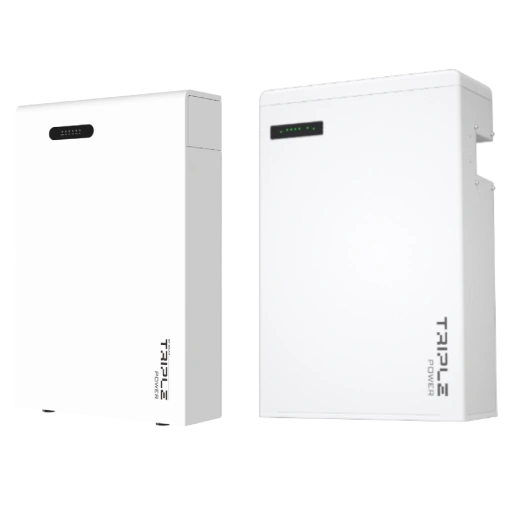
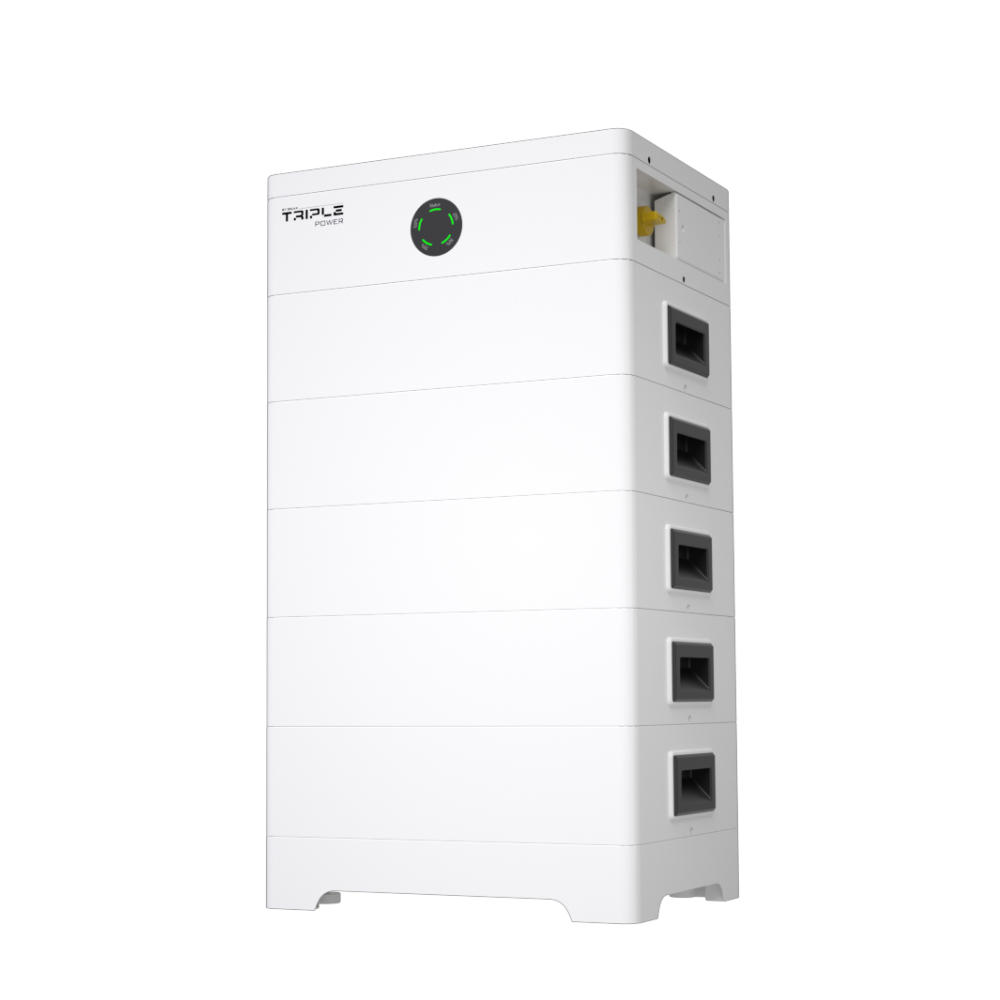
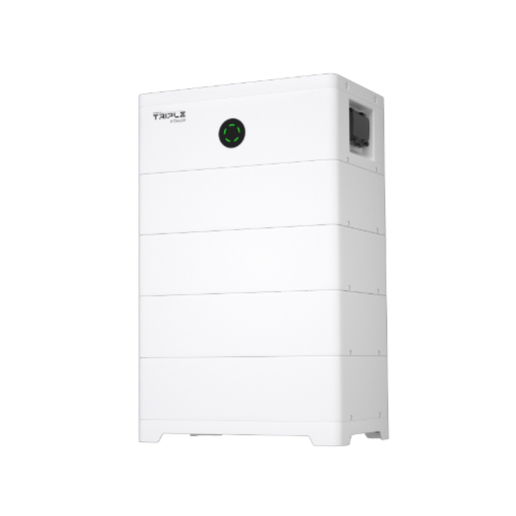
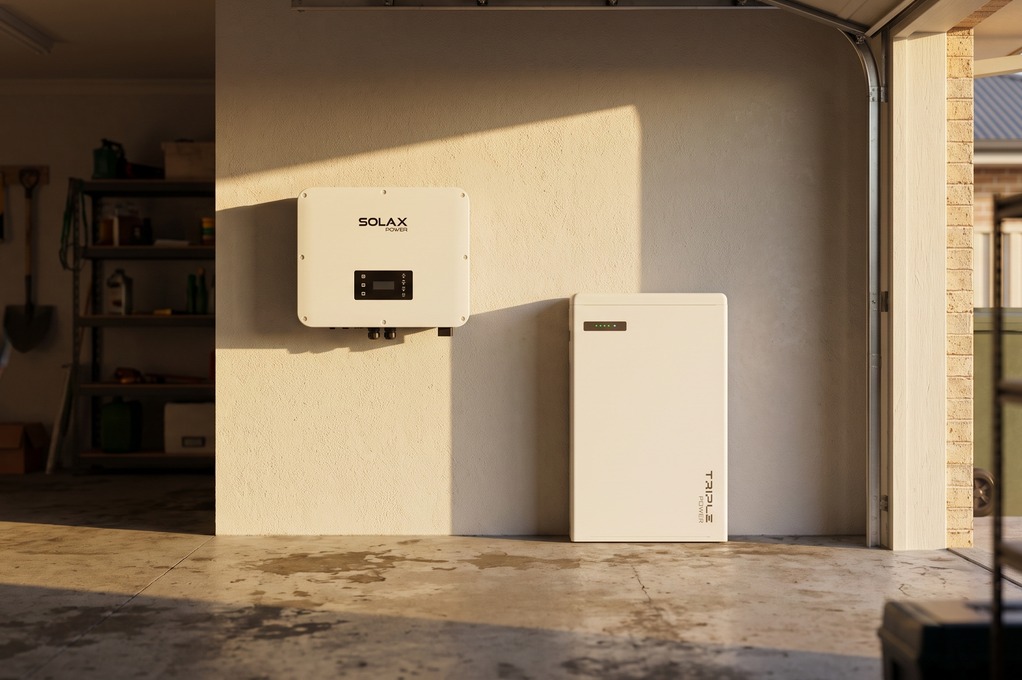
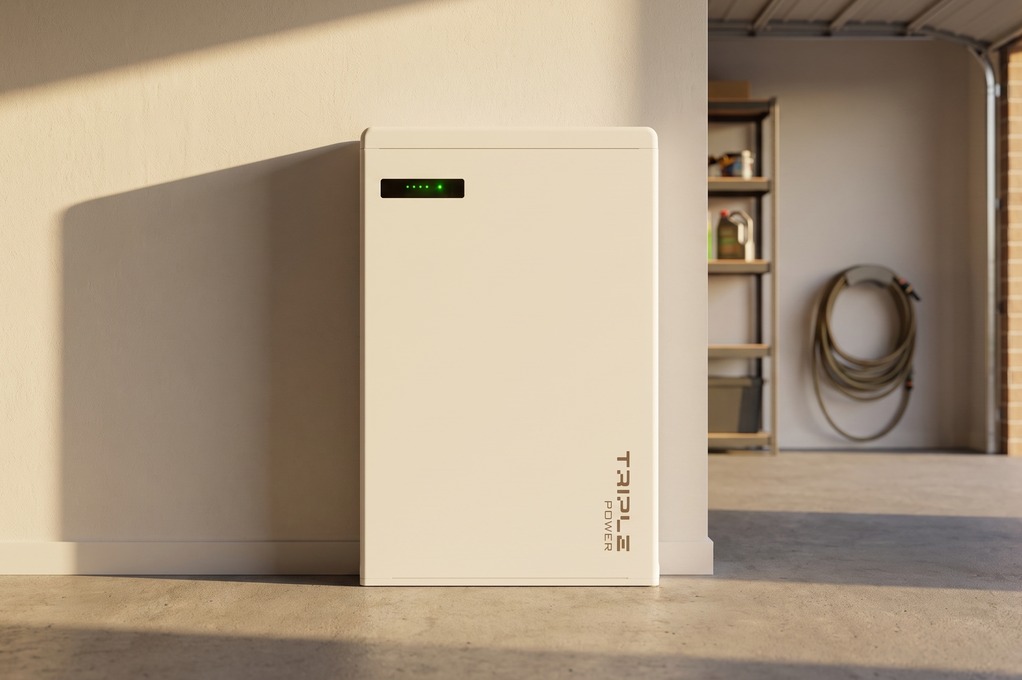
What size is best? For the average Aussie home, a battery between 9-14kWh is the sweet spot. We recommend the Triple Power T-HS10.2 (10.2kWh) or T-HS15.3 (15.3kWh) models, which provide ideal sizing. It’s big enough to cover your evening usage without being oversized. A modular system allows you to start here and add more capacity later.
What chemistry is safest? Insist on Lithium Iron Phosphate (LFP). All Solax Triple Power batteries use this safer, long-lasting chemistry. It is far more stable and less prone to overheating than older chemistries, making it the safest choice for your home. It also offers a much longer lifespan.
Should I get a hybrid system? Yes. If you’re installing new solar panels, an energy storage system like the X3-IES series is the most efficient and cost-effective solution. It manages your panels and battery from one smart unit, making everything seamless.
Key Takeaway: If you use lots of power at night, value blackout protection, or have a TOU tariff, a 10kWh-ish LFP battery paired with a hybrid inverter is an excellent investment.
FAQ
Table of Contents
Last News
Explore expert insights, practical guides, and the latest news on SolaX Power.




To the Latest Newsletter
Stay Ahead with the Latest SolaX Updates!
Sign up
I have read and agree to Privacy Policy and User Terms