













February 03, 2026
What Does a Solar Inverter Do? (A Beginner’s Guide)
Share my #SolaXStory


You’ve seen the ads and heard the promise: panels on your roof capturing free, clean energy from the sun, slashing your power bills. It’s a powerful image.
But between those panels and the kettle boiling in your kitchen sits the single most important, and hardest-working, piece of equipment in your entire system: the solar inverter. It’s the brains of the operation, the mission control, and the quality of your inverter will define the performance and reliability of your solar investment for the next decade.
Forget the technical jargon. We’re going to show you exactly what this box on the wall does, why it’s so critical, and how to choose the perfect one for your home.
“Think of your solar inverter not as an accessory, but as the central nervous system of your home’s energy future.”
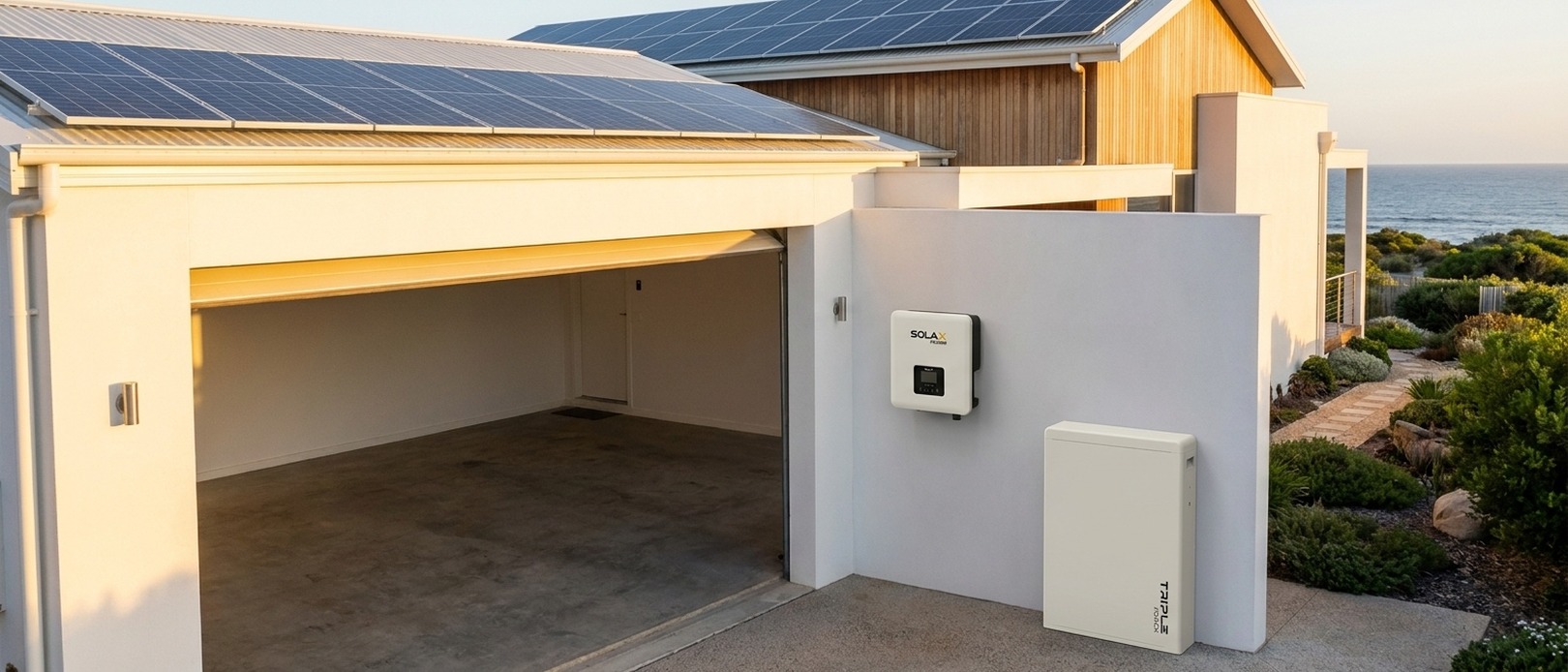
The Most Important Job: Turning Sunshine into Usable Power
At its core, a solar inverter is a power translator. Your solar panels and your home appliances speak two completely different electrical languages.
Your panels produce Direct Current (DC) power, a simple, one-way flow of energy. Your home, and the entire Australian grid, runs on Alternating Current (AC) power, which rapidly switches direction and is the standard for every device you plug into the wall.
The primary job of a solar inverter is to take that raw DC power from the roof and expertly convert it into stable, nominal 230-Volt AC power your home can use. This isn’t a gentle process. Inside the inverter, high-speed transistors switch on and off thousands of times per second, a technique called Pulse Width Modulation, to create an AC waveform.
This rapid-fire switching generates immense heat and electrical stress. In a quality inverter, robust components like heavy inductors and capacitors smooth out this energy into a perfect “Pure Sine Wave” that meets strict Australian Standards (AS 4777.2). This is where quality matters most; cheaper inverters use undersized components that can’t handle the heat of an Australian summer, leading to premature failure.
Key Takeaway: The inverter performs the essential but high-stress job of converting unusable DC power from your panels into the stable AC power that runs your home.
Your System’s Brain: 3 Critical Tasks Beyond Conversion
A modern solar inverter is far more than a simple power converter. It’s the intelligent hub that actively manages, optimises, and protects your entire system.
1. Squeezing Every Last Drop of Sunlight
The output of a solar panel changes constantly with sunlight and temperature. There’s always a perfect “sweet spot”—a specific blend of voltage and current—that produces the absolute Maximum Power Point. This target is always moving.
The inverter’s brain, a function called Maximum Power Point Tracking (MPPT), constantly hunts for this sweet spot. It makes hundreds of micro-adjustments per second to wring every last watt of available energy from your panels, especially as clouds pass by.
2. Giving You Real-Time Insight
Your inverter connects to your Wi-Fi, feeding a constant stream of data to a simple monitoring app on your phone. You can see precisely how much power you’re generating, how much your home is using, and the savings adding up in real-time.
But this is no longer just a cool feature—it’s often a requirement. Grid operators in states like South Australia and Victoria now mandate internet connectivity to help them manage grid stability.
⚠️ Warning: Without a stable internet connection, new inverters in areas like SA can be remotely restricted to a tiny export limit (e.g., 1.5kW), crushing the value of your feed-in tariffs. A reliable connection is now a critical part of your system’s financial return.
3. The Ultimate Safety Guardian
The inverter is also your system’s non-negotiable safety mechanism. It constantly monitors the grid’s electrical heartbeat, perfectly matching its rhythm using a Phase-Locked Loop.
If a blackout hits your street, the inverter detects it in milliseconds and automatically disconnects your solar system from the grid. This feature, called “anti-islanding,” is a crucial safety protocol. It ensures you never send power into lines that utility workers believe are dead, protecting them from electrocution.
“Your inverter works 24/7 to maximise your savings, provide clear data, and keep both your home and line workers safe.”
Key Takeaway: A modern inverter optimises panel output second-by-second (MPPT), provides crucial monitoring and grid connectivity, and acts as the primary safety device for your system.
String vs. Micro vs. Hybrid: Choosing the Right Inverter for Your Home
Selecting the right type of inverter is the final piece of the puzzle. The best choice depends on your roof, your budget, and your future plans for battery storage.
The Workhorse: String Inverter
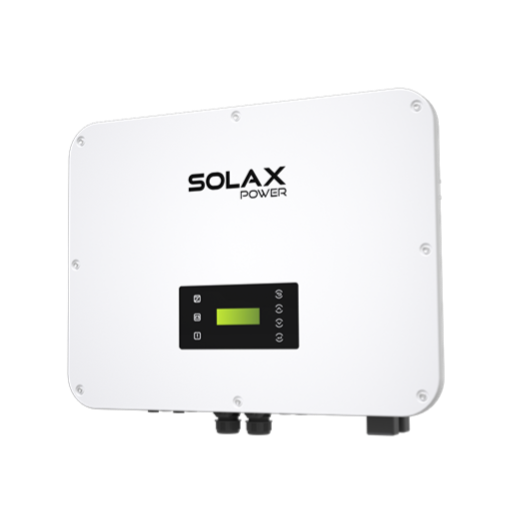
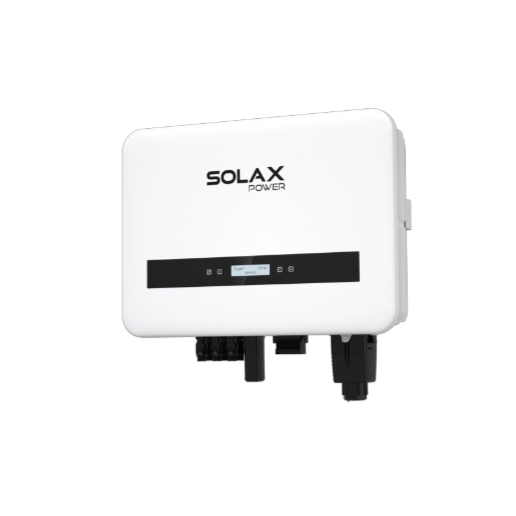
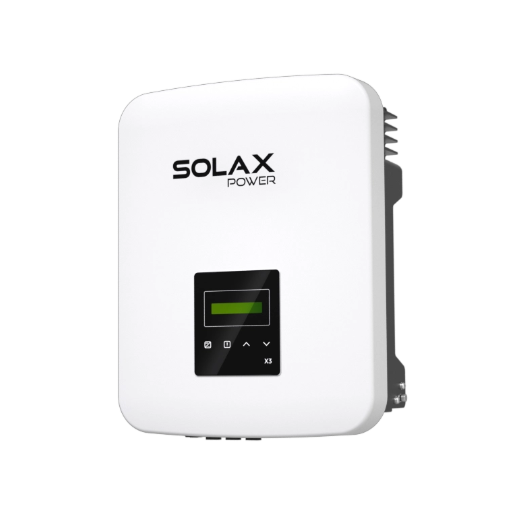
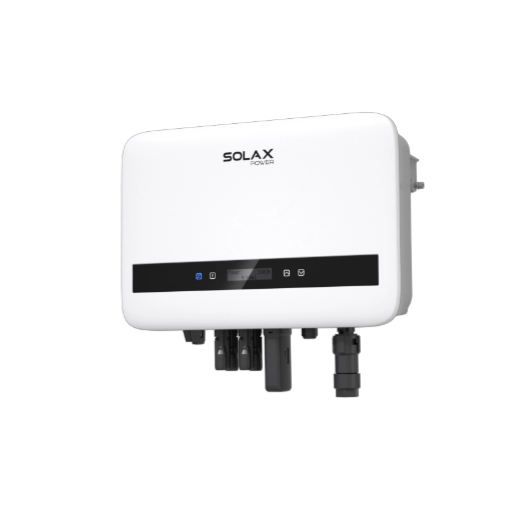
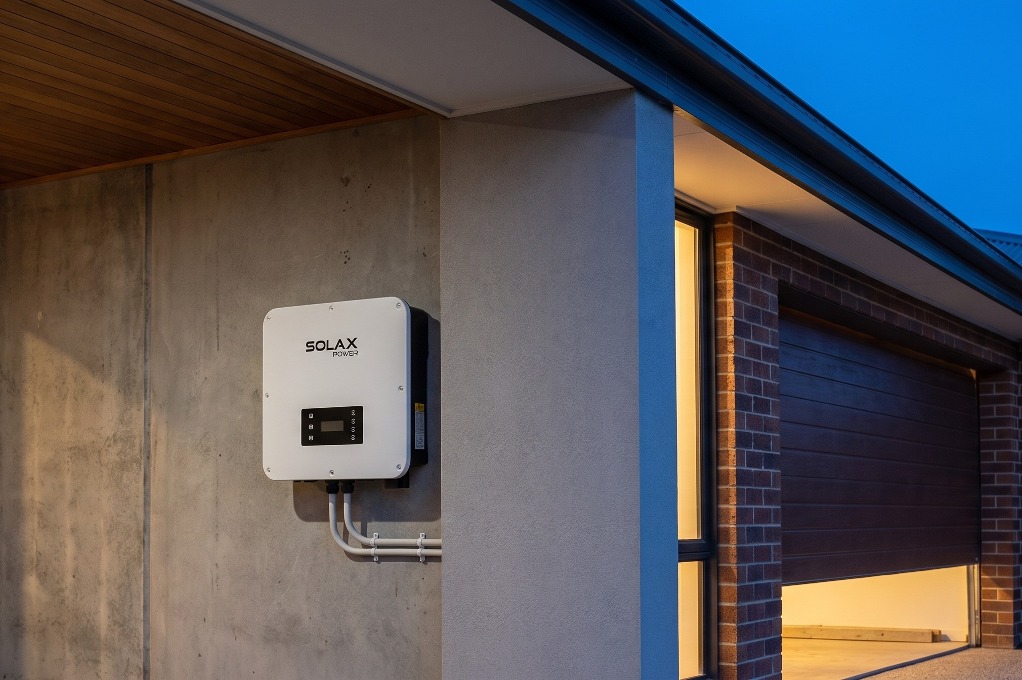
This is the most common inverter in Australia for a reason. It’s a single, robust box that manages a “string” of panels. They are highly reliable, cost-effective, and modern units like those from Solax almost always include dual MPPTs, making them perfect for typical suburban roofs. For a straightforward roof, a quality string inverter offers an unbeatable balance of performance and value, with an expected lifespan of 10-12 years.
The Specialist: Microinverters
Microinverters take a different approach. A small inverter is installed under each individual panel.
✓ Pro: If one panel is shaded, it doesn’t affect the performance of the others.
✓ Pro: They eliminate high-voltage DC wiring from your roof, which some see as a safety benefit.
✗ Con: This panel-level technology comes at a significantly higher upfront cost.
They have a longer expected lifespan, often matching the panels themselves, but are best reserved for roofs with complex shading challenges.
The Future-Proof Choice: Hybrid Inverter
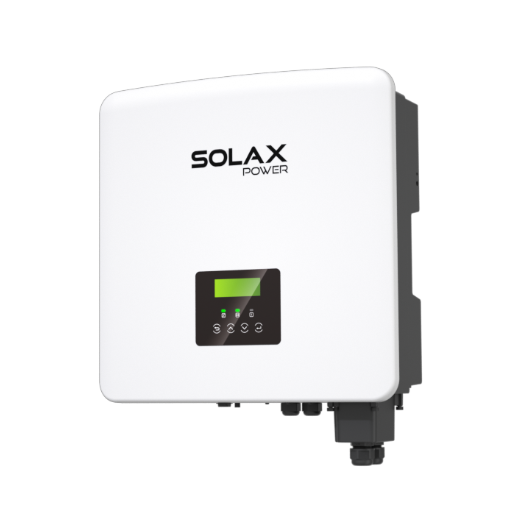
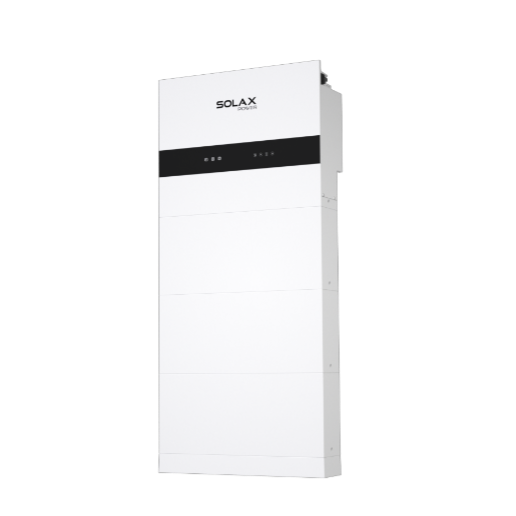
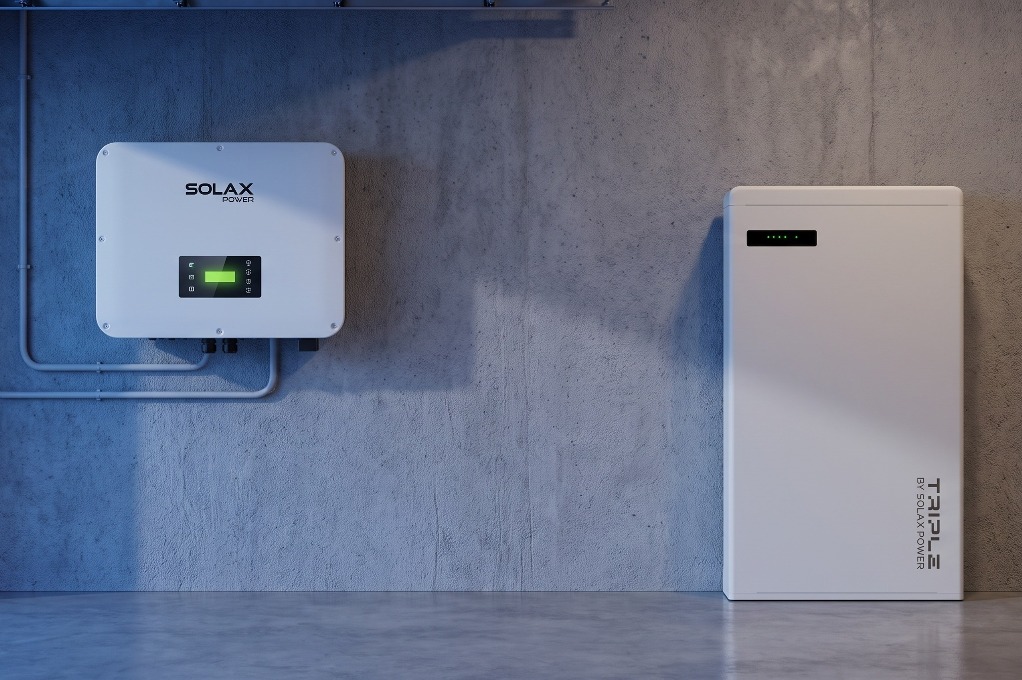
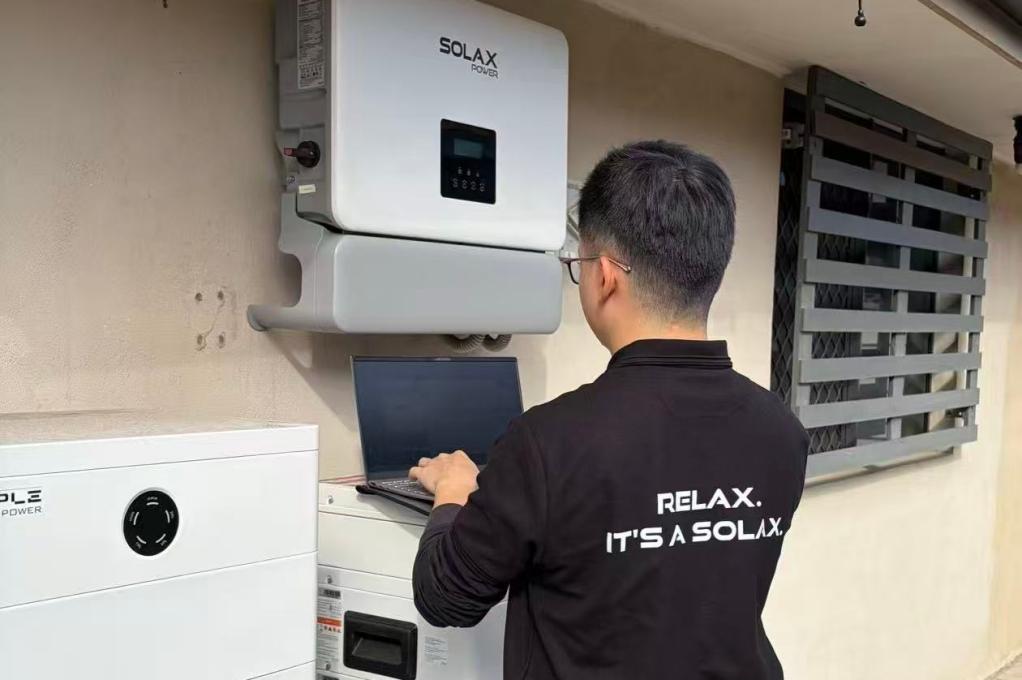
A A hybrid inverter, such as the X3-Hybrid G4 is the smartest choice for anyone considering a battery now or in the future.
STATEMENT: Standard string inverters can have a battery added later (AC-coupling), but a true hybrid inverter is specifically designed for it. To ensure maximum efficiency, a Solax hybrid inverter includes a battery charger and controller in one unit, allowing the battery to be charged directly from the panels’ DC power.
OUTCOME: This ensures you store and use your solar energy more efficiently and provides a seamless, all-in-one solution for home battery storage.
Key Takeaway: Choose a String inverter for value on simple roofs, Microinverters for complex shaded roofs, and a Hybrid inverter if you plan to add a battery for ultimate energy control.
FAQ
Table of Contents
Last News
Explore expert insights, practical guides, and the latest news on SolaX Power.


To the Latest Newsletter
Stay Ahead with the Latest SolaX Updates!
Sign up
I have read and agree to Privacy Policy and User Terms