
















July 13, 2026
SolaX X1-Hybrid vs. X3-Hybrid: The One Question That Decides It All
Share my #SolaXStory


Choosing a solar inverter can feel like navigating a technical minefield. You're making a decade-long investment, and the choice between the SolaX X1-Hybrid vs X3-Hybrid seems critical, packed with jargon about phases, loads, and grids. But what if 90% of the decision came down to a single, simple question about your property?
Forget the spec sheets for a moment. The core difference isn't about which inverter is "better" - it's about which one is built for your home's electrical wiring. Getting this right is the foundation of a high-performing solar and battery system. Getting it wrong means your project is dead on arrival.
This guide strips away the complexity. We'll show you how to answer that one crucial question in under 60 seconds. Then, we’ll explore the powerful features both models share and the unique superpower of the X3-Hybrid that makes it essential for larger, more demanding properties.
The core difference isn't about which inverter is 'better' - it's about which one is built for your home's electrical wiring.
The Simple Check: Single-Phase vs. Three-Phase Power
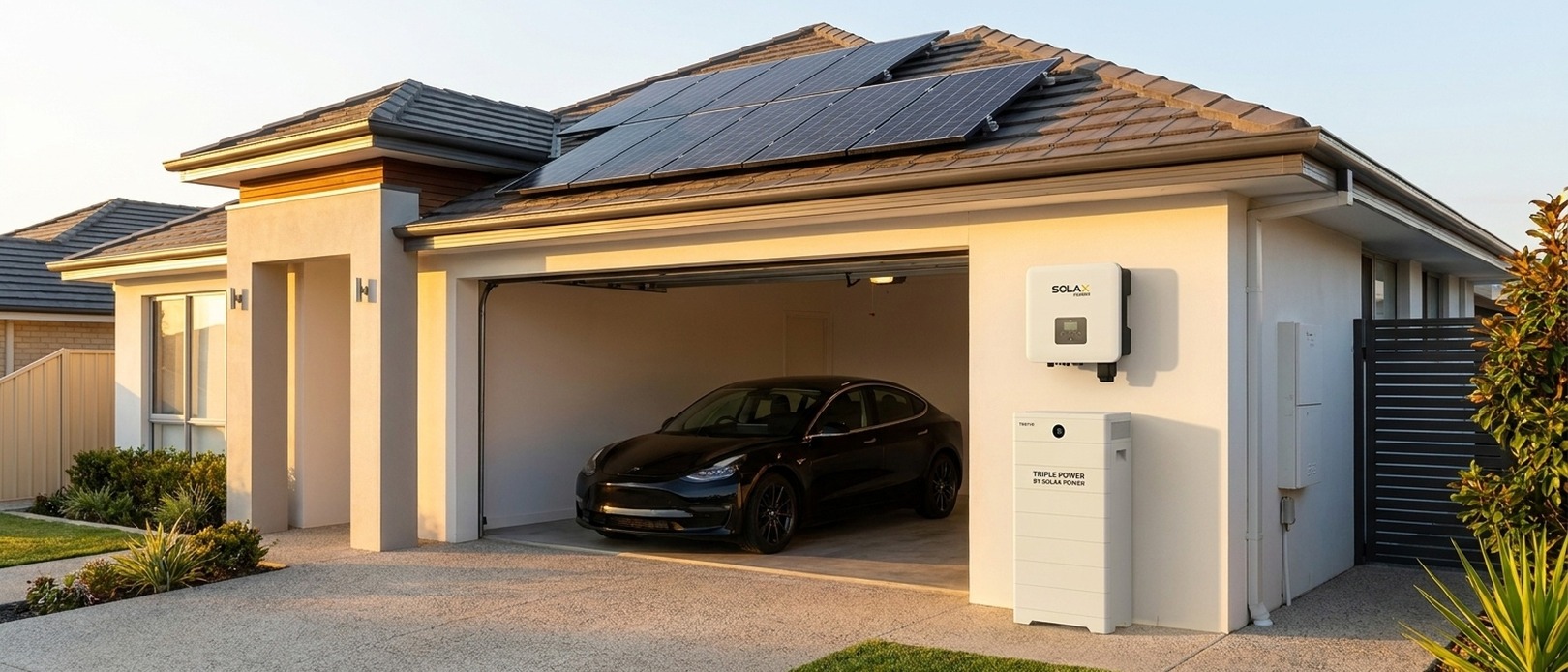
This is the fork in the road. Your home has one of two types of power connection, and that alone determines whether you need the SolaX X1-Hybrid or the SolaX X3-Hybrid.
You Almost Certainly Need the X1-Hybrid (Single-Phase) If…
You live in a standard suburban home in Australia. Single-phase power is the default for the vast majority of residential properties. It's perfectly capable of running your lights, fridge, air conditioners, and TVs.
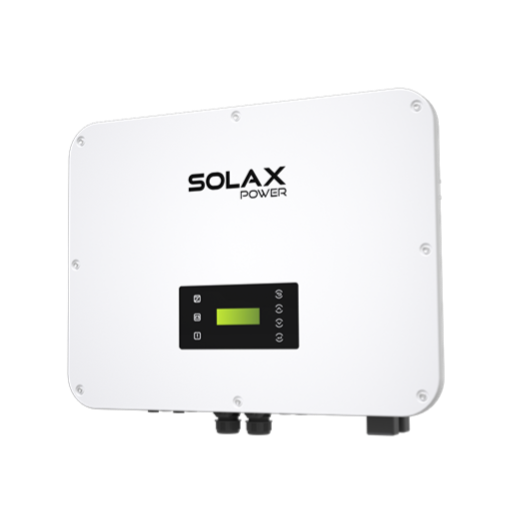
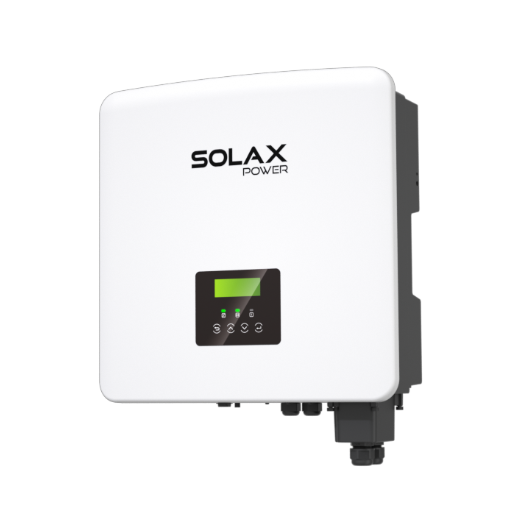
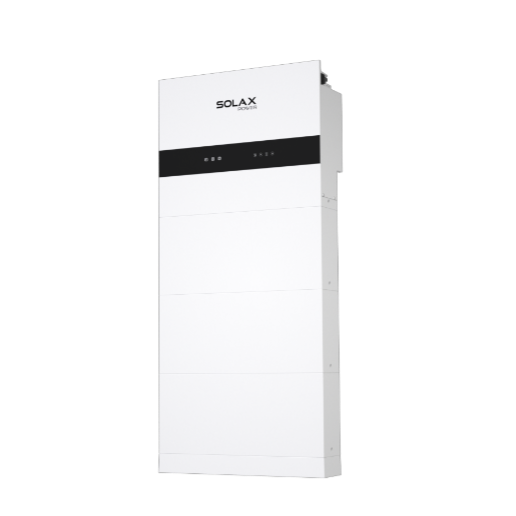
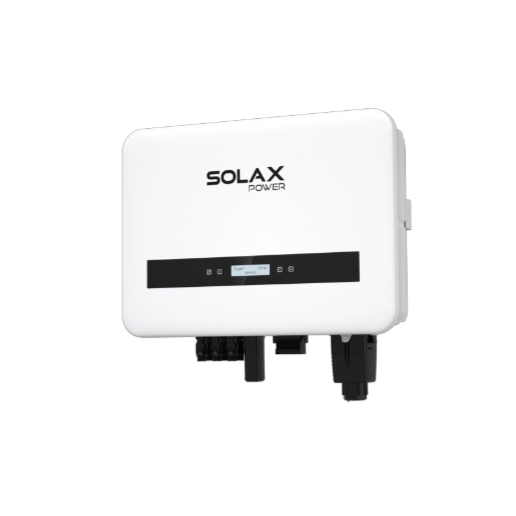
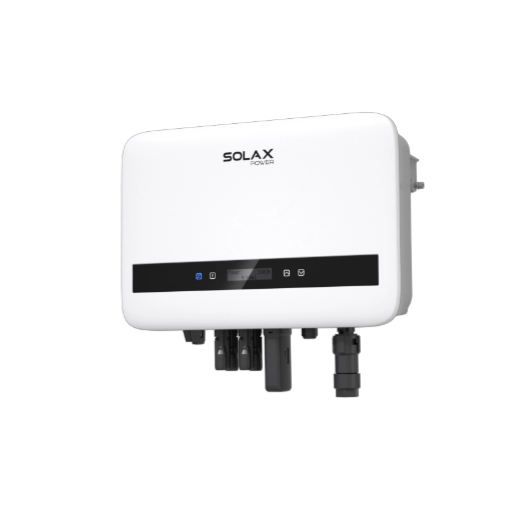
If you look at your switchboard and see one large “main switch” circuit breaker, you have single-phase power. It’s that simple. The SolaX X1-Hybrid G4 is designed specifically for this common setup.
You Definitely Need the X3-Hybrid (Three-Phase) If…
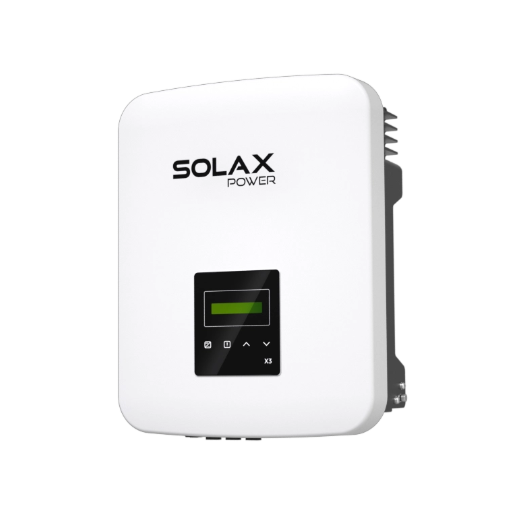
Three-phase power is like a three-lane highway for electricity, delivering a more robust and balanced supply. If your switchboard has a wider main switch that connects three circuit breakers together, you have a three-phase supply.
You’re likely to have or need three-phase power if your property is:
✓ A large, modern home with multiple heavy-duty appliances (e.g., big ducted air-con, workshop tools, large pool pumps).
✓ A rural or semi-rural property with powerful equipment like water pumps.
✓ A small commercial site, workshop, or office.
For these properties, the SolaX X3-Hybrid G4 isn’t just an option; it’s a necessity.
Key Takeaway: The number of main switches on your circuit board - one for single-phase (X1), three for three-phase (X3) - is the most reliable way to determine which inverter you need.
Shared Powerhouse Features of the SolaX G4 Series
Once you've identified your phase type, the good news is that both the X1 and X3 G4 series are built on the same elite platform. Whichever you choose, you get access to industry-leading technology designed for Australian conditions.
Blackout Protection So Fast, You Won't Notice It
A key reason to choose a hybrid inverter is for blackout protection. SolaX calls this the Emergency Power Supply (EPS) - and the <10ms switchover time is among the fastest in the residential market.
With a switchover time of less than 10 milliseconds, a SolaX G4 system reacts faster than you can blink. This "UPS-level" speed means your computers, Wi-Fi router, and even sensitive medical equipment won't even flicker during a grid outage.
More Power from Your Panels, More Often
A standout feature is the 200% PV oversizing capability. This allows your installer to connect double the amount of solar panels to the inverter (e.g., 10kW of panels on a 5kW inverter).
This isn't just a gimmick; it's a strategic advantage for Australia. It allows your system to:
Generate meaningful power on overcast days.
Start earlier in the morning and finish later in the evening.
Keep the battery charging even when the sun is low during winter months.
This "overclocking" ensures your inverter runs at its peak efficiency for more hours of the day, maximising every drop of sunlight.
Built for the Smart Grid and VPP Profits
The days of “set and forget” solar are gone. To get the best return, your system needs to be an active participant in the energy market. SolaX inverters are ready for this, with deep integration into Virtual Power Plant (VPP) programs from providers like Amber Electric and Origin.
This allows your system to automatically:
Sell power to the grid when wholesale prices are high.
Charge your battery from the grid when prices are low or even negative.
For homeowners in savvy markets like South Australia, VPP participation can add an extra $500 to $800 in earnings per year.
Key Takeaway: Both the X1 and X3 models offer elite backup speed, massive solar oversizing for better year-round generation, and are fully VPP-ready to maximise your investment.
The X3-Hybrid's Secret Weapon: Taming Power Imbalance
If you have a three-phase supply, the X3-Hybrid has a game-changing feature that the X1 simply doesn't need: sophisticated phase imbalance management.
Imagine your three-phase supply is three separate electrical circuits in your home. Often, a big appliance like an air conditioner is running on Phase 1, but nothing is happening on Phases 2 and 3.
A basic three-phase inverter would see the solar energy being generated and export it equally across all three phases. This creates a wasteful scenario:
You're importing expensive power on Phase 1 to run your air-con.
You're exporting cheap solar power on Phases 2 and 3 at the same time.
The X3-Hybrid acts like a smart traffic controller, sending solar power exactly where it's needed, moment by moment.
The SolaX X3-Hybrid prevents this. It intelligently directs the solar power to the specific phase that needs it. If the air-con on Phase 1 is drawing 4kW, the inverter sends 4kW of solar power directly to it, ensuring you use your own free energy first before exporting anything. This feature alone dramatically increases self-consumption in a three-phase home.
Key Takeaway: For three-phase properties, the X3-Hybrid's ability to manage power imbalance is critical for preventing waste and maximising your energy savings.
Unlocking True Backup: Why the SolaX Matebox is Essential
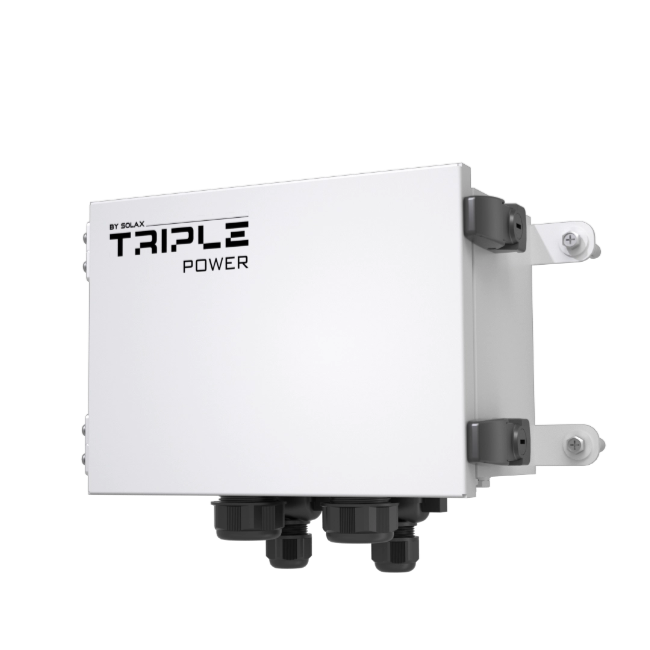
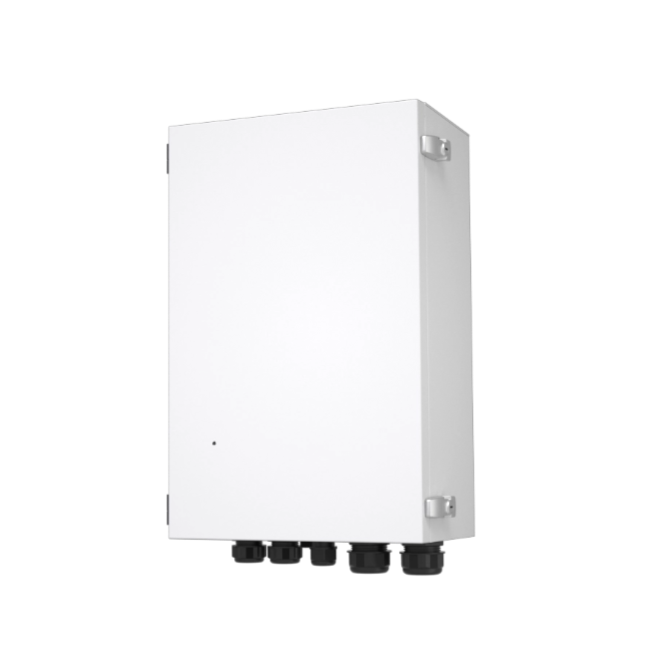
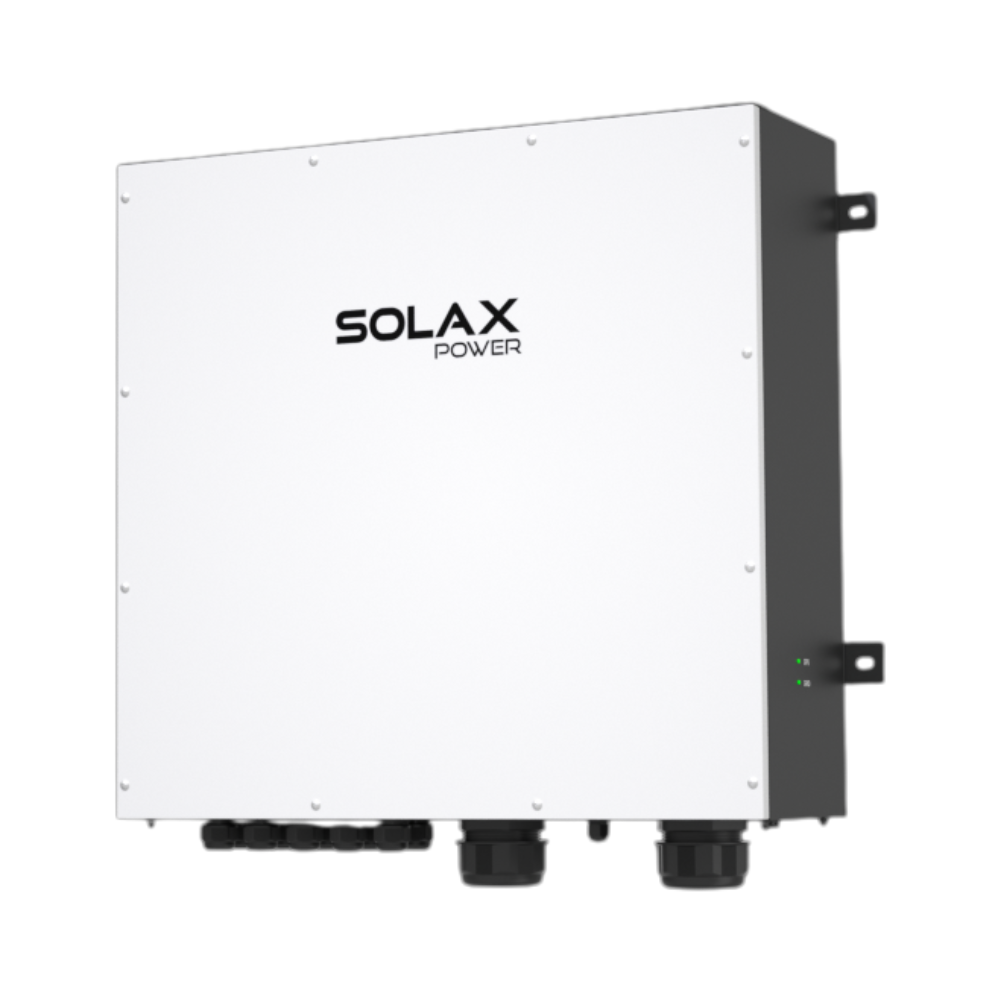
An inverter can't provide backup power on its own. It needs external hardware to safely disconnect your home from the grid during an outage. SolaX offers two options, but for most Australians, only one is the right choice.
| Backup Solution | Best For | What It Does |
|---|---|---|
| SolaX Matebox G2 | Whole-Home Backup | A pre-wired, factory-tested unit with all safety switches. It simplifies installation and allows the inverter to power your entire house (within its limits). This is the recommended solution in Australia. |
| SolaX EPS Box G2 | Partial-Home Backup | A basic box with only the essential switching gear. Typically used to back up only a few critical circuits (lights, fridge). Often quoted to lower the price, but can lead to disappointment. |
Note: Many budget quotes will omit the Matebox to appear cheaper. Always confirm that your quote includes the SolaX Matebox if you want reliable, whole-home blackout protection.
A unique feature of the G4 series is "Super-Backup," which can provide power from the panels during a blackout even without a battery installed. While useful for staged installations, the power is limited and will cut out if a cloud passes over.
Battery Pairing, Rebates, and Making the Final Call
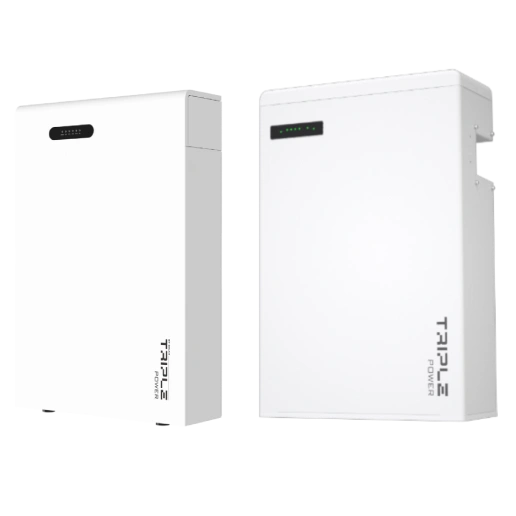
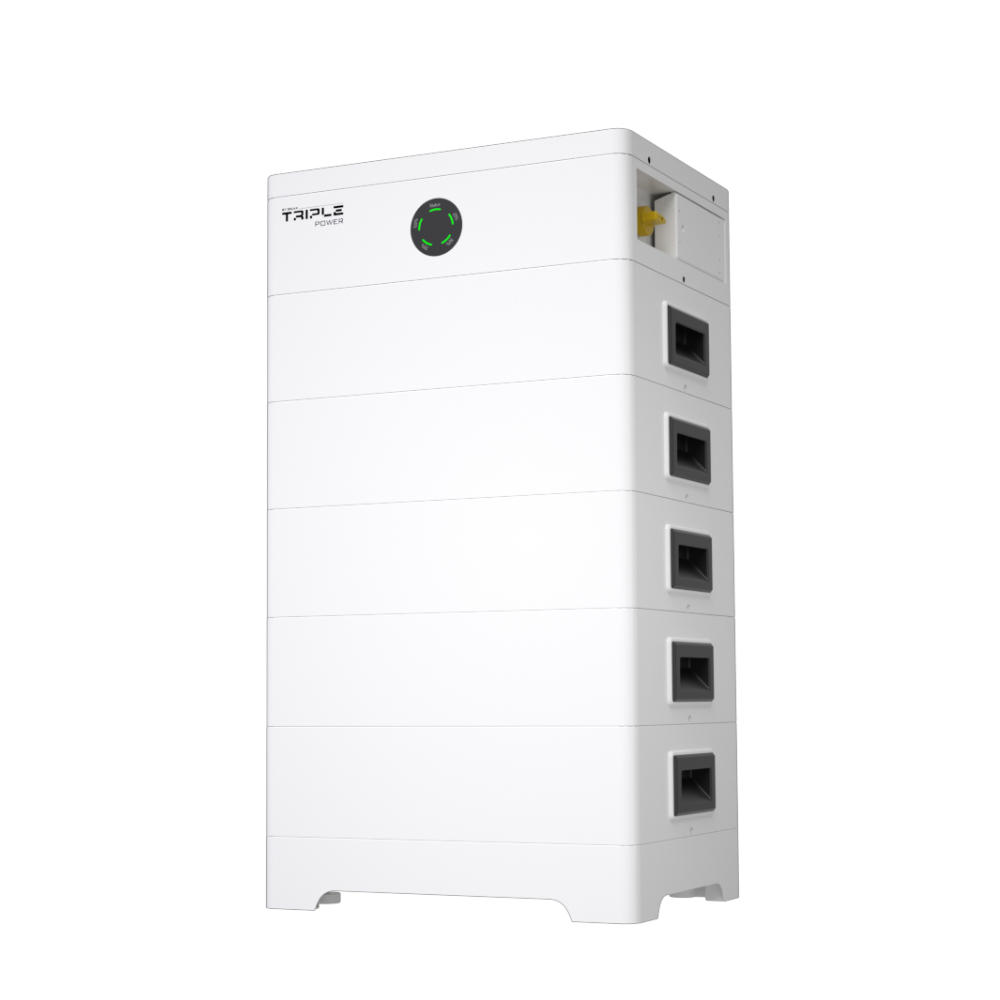
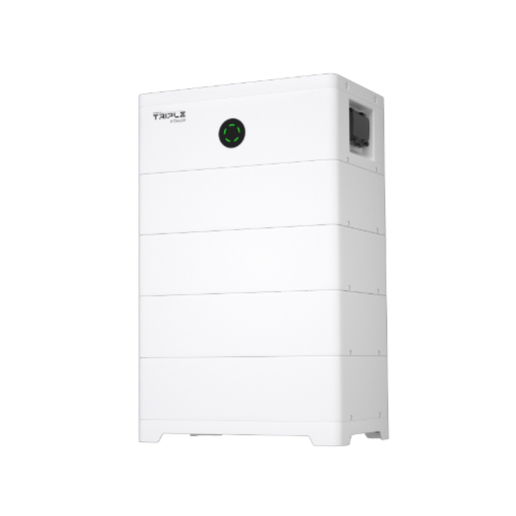
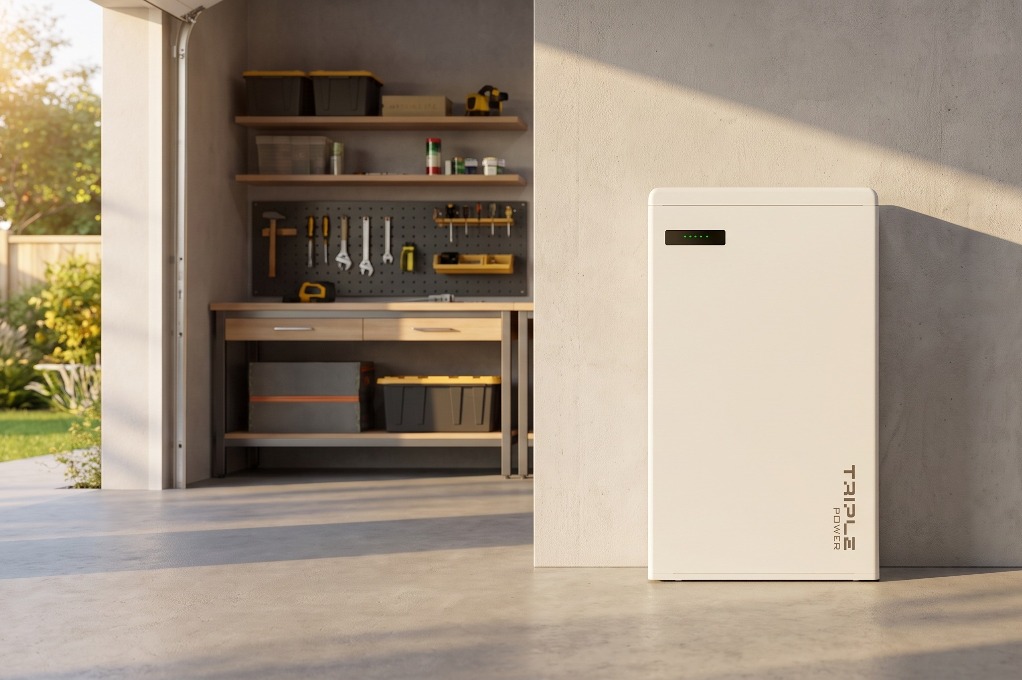
Your SolaX inverter is designed to work seamlessly with SolaX Triple Power batteries. They use Lithium Iron Phosphate (LFP) chemistry, which is significantly safer and more heat-stable than older battery types - a critical consideration for the Australian climate.
The modular design allows you to start with one battery (e.g., the HS36 or HS51) and add more later, though it's best to expand within 12 months for optimal performance.
Battery Incentives: Current State in Australia
The federal government's battery subsidy provides a significant discount, but it's not permanent. The STC value reduces gradually each year under the federal scheme, with annual adjustments. Combined with state-based incentives, total rebates can still reduce system costs significantly.
| Incentive Type | Notes |
|---|---|
| Federal STC rebate (per 10kWh, Zone 3) | Varies by location and installation date |
| State incentives (VIC/NSW/QLD/SA/ACT) | Stackable on top of STCs - check state scheme |
State incentives in Victoria, NSW, Queensland, South Australia, and the ACT can be stacked on top of the federal STC rebate. Check the Clean Energy Council and your state government website for the current rates applicable to your installation.
The Final Verdict
The choice in the SolaX X1-Hybrid vs X3-Hybrid debate is refreshingly simple.
Quick Comparison: X1-Hybrid G4 vs X3-Hybrid G4
| Feature | X1-Hybrid G4 | X3-Hybrid G4 |
|---|---|---|
| Phase type | Single phase | Three phase |
| Available sizes | 3.0 / 3.7 / 5.0 / 6.0 / 7.5 kW | 5 / 6 / 8 / 10 / 12 / 15 kW |
| Best for | Standard Australian homes | Large homes, rural properties, small commercial |
| Max PV input voltage | 1000 V (G4 platform) | 1000 V |
| PV oversizing | 200% | 200% |
| EPS switchover time | <10 ms | <10 ms |
| IP rating | IP65 (G4 platform) | IP65 |
| Phase imbalance management | Not applicable | Yes |
| Compatible battery | Triple Power T-BAT (LFP) | Triple Power T-BAT (LFP) |
| VPP ready | Yes | Yes |
| Warranty | 10 years | 10 years |
Choose the SolaX X1-Hybrid G4 if:
✓ You live in a standard Australian home with a single main switch on your meter box.
✓ Your power needs are typical for a family home.
✓ You want a cost-effective, premium solution for energy independence and blackout protection.
Choose the SolaX X3-Hybrid G4 if:
✓ Your home or property has a three-phase electricity supply (three main switches).
✓ You have high-draw equipment like large ducted air-con, workshop tools, or big pumps.
✓ You need the advanced phase imbalance feature to maximise self-consumption.
Ask your installer about their SolaX partner status. SolaX prioritises support for Gold and Platinum installers, meaning you’ll get much faster service and warranty resolutions if an issue ever arises.
FAQ
Table of Contents
Last News
Explore expert insights, practical guides, and the latest news on SolaX Power.


To the Latest Newsletter
Stay Ahead with the Latest SolaX Updates!
Sign up
I have read and agree to Privacy Policy and User Terms