

















December 30, 2024
Cost vs. Benefits: Is a Hybrid Solar Inverter with Battery Worth the Investment?
Share my #SolaXStory


For most Australian homes with solar, a hybrid inverter with battery is worth it when you use more power after sunset than your panels can cover. It stores the solar you would otherwise export, usually for a feed-in rate well below the price you pay to buy power back. It then uses that energy in the evening, and keeps essential circuits running in a blackout. This guide sets out what drives the upfront cost, where the savings come from, which Australian incentives apply and how to tell whether it suits your home.

Key Takeaway: A hybrid inverter with battery pays off when three things line up. Your evening and overnight use is high, your feed-in credit is well below what you pay for grid power, and backup during outages matters to you. Your own bills decide the answer, not an average household.
What a Hybrid Inverter with Battery Does
A hybrid inverter does two jobs in one unit. It converts the direct current (DC) from your panels into the alternating current (AC) your home runs on, and it manages charging and discharging the battery.
By default the system works in a fixed order. Solar powers the house first. Surplus solar charges the battery. Once the battery is full, the remainder is exported to the grid. After sunset the battery covers the house before the grid does.
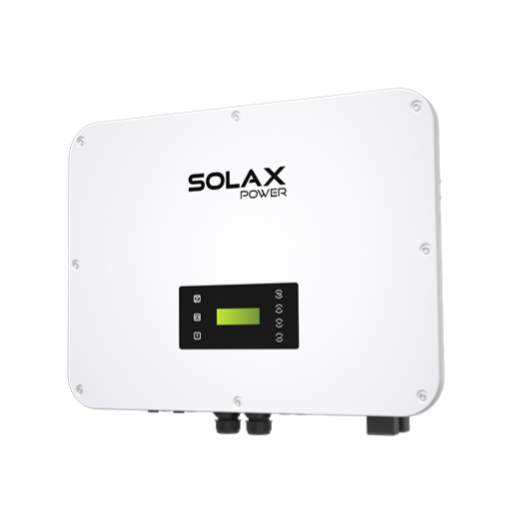
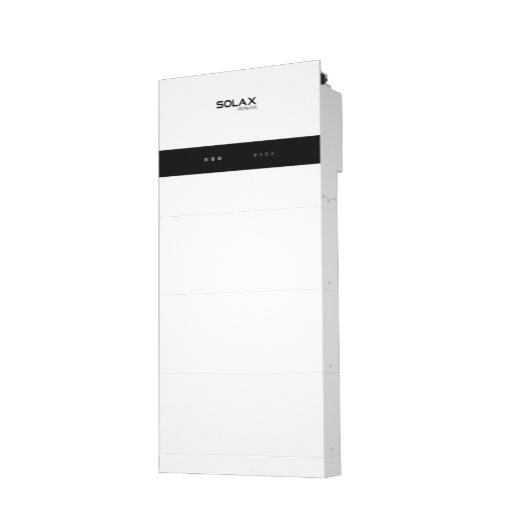
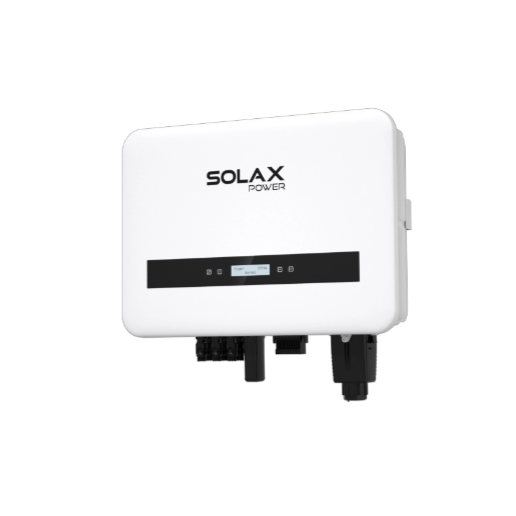
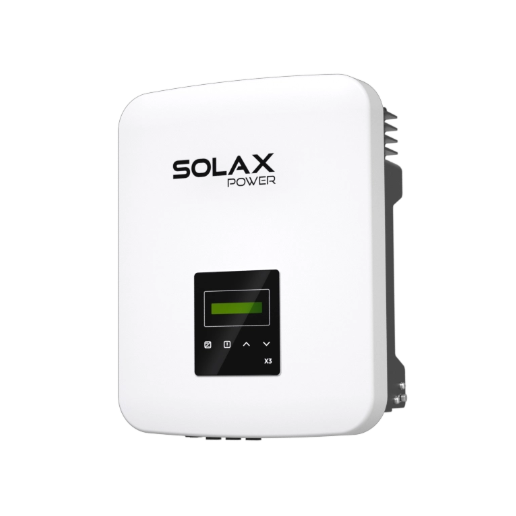
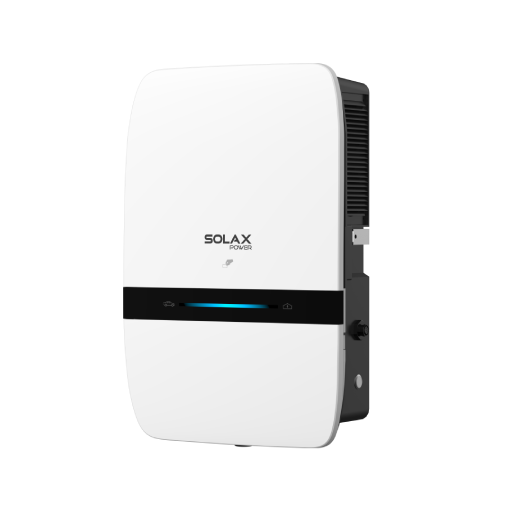
You can change that order to suit your electricity plan. The SolaX X1-VAST and X3-HYB-G4 PRO include Smart Schedule and time-of-use (TOU) scheduling, so the battery can charge when power is cheap and discharge when it is expensive.
What Drives the Upfront Cost
SolaX sells through distributors and accredited installers, so your final price comes from your installer's quote rather than a list price. These are the factors that move it:
| Cost factor | Why it matters |
|---|---|
| Battery capacity | More usable capacity costs more. It also sets how long the battery can carry your home after sunset. |
| Single-phase or three-phase supply | Your switchboard decides which inverter fits. Three-phase inverters suit larger loads. |
| Backup circuits | Backing up a few essential circuits needs less hardware than backing up the whole home. |
| Existing solar | A hybrid inverter can replace your current inverter. SolaX also offers retrofit battery solutions for existing string inverter systems. |
| Installation | Cable runs, switchboard work and mounting location all affect labour. |
Ask each installer to itemise the inverter, battery and installation, so you can compare quotes like for like. To find a distributor or installer near you, use the SolaX where to buy page.
Where the Savings Come From
A hybrid inverter with battery can save money in four ways:
- Using your own solar at night. Every kilowatt-hour you store and use is one you do not buy from the grid at evening rates.
- Shifting to cheaper power. On a TOU plan, the inverter can charge the battery at the lowest rate and discharge it at the peak rate.
- Backup power. SolaX hybrid inverters switch to battery backup in under 10 milliseconds, which is UPS-level, so lights and essentials stay on during an outage. Backup only covers circuits your installer has wired for it.
- Virtual power plant (VPP) credits. If your electricity provider runs a VPP program, a VPP-capable inverter and battery can earn credits for supporting the grid at peak times. The payment terms depend on the program, not the inverter.
Tip: Collect your last four electricity bills. Note your evening usage and your feed-in credit, then give them to your installer. Ask for a system sized to your usage profile, not to a generic household.
Australian Incentives for a Hybrid Inverter with Battery
The federal Cheaper Home Batteries Program discounts eligible batteries for households and small businesses. Your installer or retailer can apply the discount upfront. These are the key rules, as set out by the Clean Energy Regulator:
- The battery must have a nominal capacity of 5 kWh to 100 kWh.
- Small-scale technology certificates (STCs) can be claimed on the first 50 kWh of usable capacity. The STC factor applies at 100% to the first 14 kWh, 60% from 14 to 28 kWh and 15% from 28 to 50 kWh.
- The battery must be on the Clean Energy Council approved battery list.
- It must be installed by a Solar Accreditation Australia (SAA) accredited installer with a battery endorsement.
- Grid-connected batteries must be technically capable of participating in a VPP, and the inverter the battery connects to must be VPP-capable.
- You get the upfront discount by assigning your right to claim STCs to a registered agent.
- Only one battery is eligible for the discount at each premises, so plan your capacity before you claim.
Warning: The STC factor steps down over time until 2030, so the same battery earns a smaller discount later. Ask your installer to confirm the rate that applies on your installation date.
State and territory programs are separate and vary by location. Use the energy.gov.au rebates finder to check what applies in your state or territory.
Choosing a SolaX Hybrid Inverter with Battery
Your phase supply decides the starting point. Two current SolaX models cover most homes:
| X1-VAST | X3-HYB-G4 PRO | |
|---|---|---|
| Supply | Single phase | Three phase |
| Power | 5, 6, 8 or 10kW | 4 to 15kW |
| Solar input | Up to 200% PV oversizing | Up to 200% PV oversizing |
| Backup | Up to 200% EPS output for 10 seconds, switchover under 10ms | Up to 200% EPS output for 10 seconds, switchover under 10ms |
| Battery connection | Dual battery ports | Dual battery ports |
| Scheduling | Smart Schedule and TOU | Smart Schedule and TOU |
The X3-HYB-G4 PRO is VPP ready, with OpenADR, IEEE 2030.5, FCAS and API compatibility. For the X1-VAST, confirm the VPP features available on your system with your installer before you sign, because the federal discount needs a VPP-capable inverter.
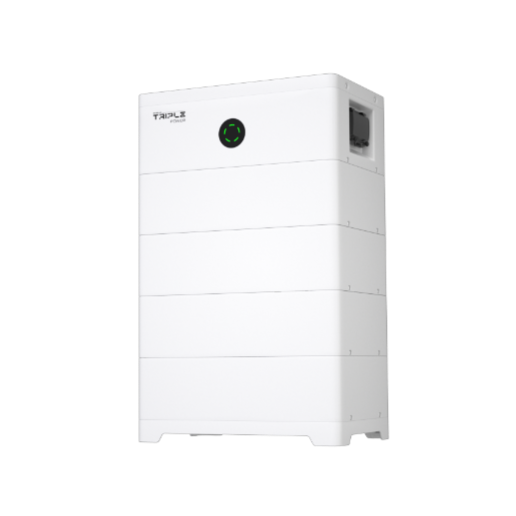
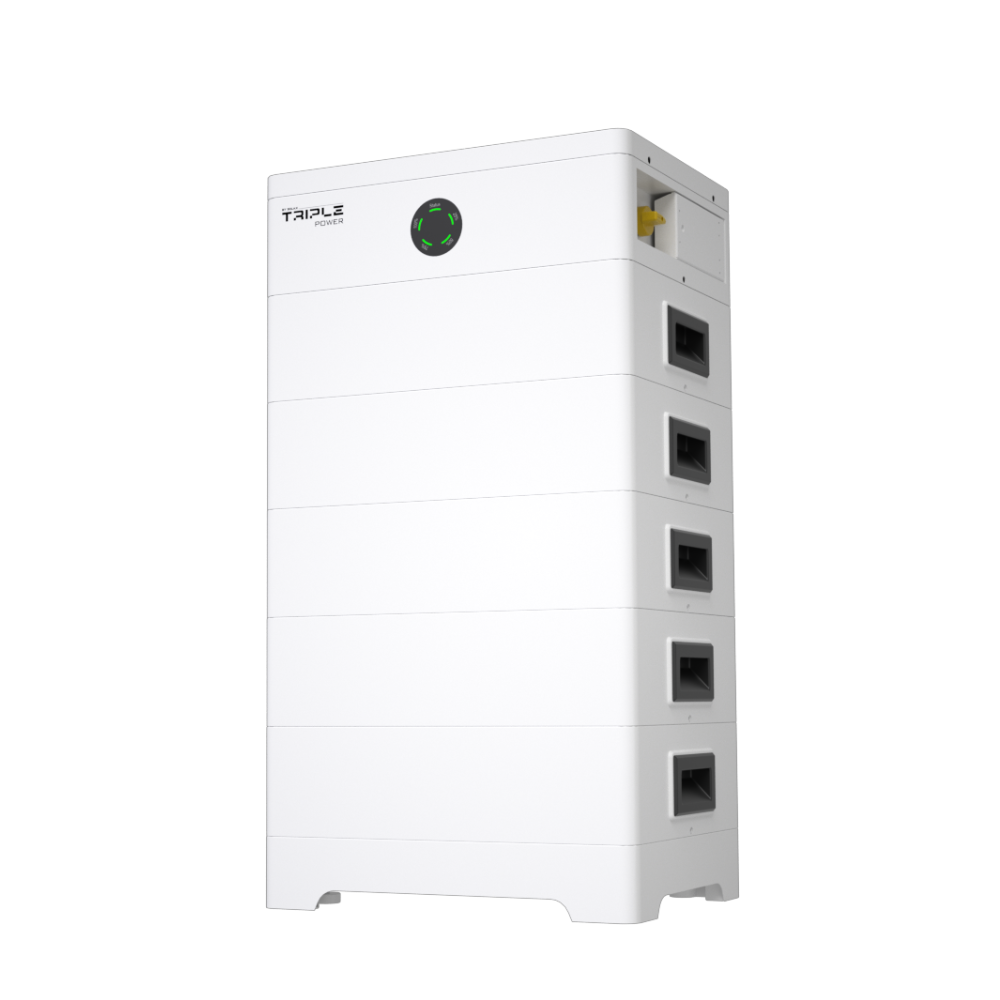
On the battery side, SolaX batteries use lithium iron phosphate (LFP) cells and a modular design, with capacities from 5.8kWh to 66.5kWh across the range. You can size the battery to your evening use and add capacity as your needs grow.
Is a Hybrid Inverter with Battery Worth It for You?
It is usually worth it if:
- You use most of your power in the evening and overnight.
- Your feed-in credit is well below what you pay for grid power.
- You are on a TOU plan, or can move to one.
- Blackouts disrupt your home or business.
- You plan to add an EV charger, heat pump or other large load.
It may not be worth it yet if:
- You are home mostly during the day and already use most of your solar.
- Your system is small enough that little solar is exported.
If you are unsure, ask your installer about fitting the hybrid inverter first and adding the battery later, which spreads the cost. SolaX says its Hybrid G4 series (X1-Hybrid G4 and X3-HYBRID G4) can be installed without a battery and upgraded later. Ask your installer whether the same applies to the X1-VAST or X3-HYB-G4 PRO.
FAQ
Table of Contents
Last News
Explore expert insights, practical guides, and the latest news on SolaX Power.



To the Latest Newsletter
Stay Ahead with the Latest SolaX Updates!
Sign up
I have read and agree to Privacy Policy and User Terms