
















February 03, 2026
Common Solar Inverter Problems and Error Codes (And How to Fix Them)
Share my #SolaXStory


It’s a sight that makes any solar owner’s heart sink. A solid red light glowing on the inverter, the monitoring app showing zero production on a sunny day, or an unexpectedly high power bill. Your money-saving solar system has suddenly become a confusing, silent box on the wall.
Before you panic or pay for an expensive call-out, take a breath. Many common solar inverter problems aren’t actually a fault with the inverter itself. More often than not, it’s simply reacting to an issue with the power grid, your Wi-Fi, or the harsh Australian climate.
This guide will help you diagnose what’s really going on. We’ll cover the one warning you must take seriously, explain the most common error that has nothing to do with your hardware, and give you simple resets you can perform yourself to get back online.
“The most common solar inverter error in Australia is caused by the grid, not a faulty inverter.”
First, Is It Dangerous? The One Error Code You Can't Ignore
While most faults are harmless, one category requires immediate action. If you see an “Insulation Resistance Fault,” “Earth Fault,” or “ISO Fault,” you have a potentially dangerous situation.
⚠️ Warning: Do NOT touch your solar system if you see an Insulation or Earth Fault. Follow the safe shutdown procedure immediately and call a licensed solar electrician.
This error means electricity might be “leaking” from the DC cables, often due to water getting into the system’s wiring on the roof. This can make your metal roof, gutters, and panel frames live with dangerous DC voltage.
This fault often appears after heavy rain and is frequently caused by old, degraded plastic rooftop DC isolators, a component that has been the single biggest cause of solar-related fires in Australia. If you see this error, shut the system down safely and call a professional. It is not a DIY fix.
Key Takeaway: An “Insulation Fault” is a critical safety warning that requires an immediate shutdown and a call to a licensed electrician.
The #1 “Problem” That Isn’t Your Inverter’s Fault
The most common solar inverter error code seen in Australia is an overvoltage fault. This is almost always a grid problem, not an inverter problem. Think of it like a traffic jam.
Australia’s grid was designed for power to flow one way: from the power station to your home. With over 4 million rooftop solar systems, power is now flowing back into the grid, causing congestion.
To export power, your inverter must push it out at a slightly higher voltage than the grid. When all your neighbours are also exporting solar, the local grid voltage rises for everyone. If it exceeds the legal limit (typically 255V to 258V), your inverter is required by Australian Standards to shut down for safety.
It will display a “Grid Overvoltage” error and wait until the grid voltage drops back to a safe level. You haven’t done anything wrong, and your inverter isn’t broken, it’s just doing its job to protect your home.
In some states, you might also experience “regulatory curtailment,” where your power company remotely limits or switches off your inverter to stabilise the grid. This can look like a fault, but it’s a deliberate command. Our Solax App explains these events in plain English, so you’re never left guessing.
Key Takeaway: Frequent shutdowns on sunny days are often caused by high voltage on the local power grid, not a faulty inverter.
How to Speak Inverter: A Simple Guide to Lights & Codes
Your inverter uses lights and codes to tell you its status. Learning to read them is the first step in any solar inverter troubleshooting.
Decoding the Blinking Lights
While they vary slightly by brand, the lights generally follow this pattern:
Solid Green: All good! Your system is producing power.
Pulsing Green: Standby mode. Normal for early mornings or late afternoons with low light.
Solid Blue: Often indicates communication with a battery or another device. On a Solax system, it means your battery is operating perfectly.
Solid or Flashing Red: Fault detected. The inverter has shut down for safety. You’ll need to find the error code.
Amber/Orange: Usually a communication issue. The system is likely still making power, but it can’t connect to your Wi-Fi to report the data.
A Master List of Common Error Code Categories
Don’t worry about memorising hundreds of codes. Just understand the category the fault falls into.
Key Takeaway: Understanding if a fault is Grid, Safety, Temperature, or Hardware-related tells you whether you should wait, call a pro, or try a simple reset.
3 Common Inverter Problems You Can Safely Fix Yourself
Before you call for service, try these simple fixes. But first, a critical safety note.
⚠️ Warning: Always perform a full, safe shutdown before resetting your system. The procedure is at the bottom of this article. If you are ever unsure, call a professional.
Problem 1: Your App Says “Offline” But the Inverter Looks Fine
This is the most common call we get. The inverter has a green light, but your app shows no data.
The Cause: It’s almost always a Wi-Fi issue. You may have changed your internet password, gotten a new router, or your router just had a glitch.
The Fix:
Reboot your home’s internet router first. Wait 5 minutes.
Perform a full, safe shutdown and restart of your solar system (see procedure below).
If it’s still offline, you’ll need to re-connect the inverter to your Wi-Fi network, just like you would with a new phone. The Solax App has a simple wizard to guide you.
Problem 2: Your System’s Power Keeps “Flatlining” on Sunny Days
You look at your production graph and see the top is “clipped” or flat during the sunniest part of the day.
The Cause: This is your inverter protecting itself. The two main causes are Thermal Derating (it’s getting too hot and reducing power to cool down) or Volt-Watt Response (it’s automatically reducing power to help lower high grid voltage and prevent a full shutdown).
The Fix: Check the inverter’s screen or app for a message like “Over Temp” or “Grid Volt High.” If it’s a heat issue, ensure the unit has plenty of ventilation and isn’t installed on a hot, west-facing wall. A simple shade cover can make a huge difference.
Problem 3: The Inverter Won’t Turn On in the Morning
The inverter clicks a few times at sunrise but fails to start up, eventually showing a red light.
The Cause: This can be a “Low DC Voltage” error. The inverter needs a minimum voltage from the panels to wake up. If one panel, cable, or connector on the roof has failed, it might not get enough juice to start.
The Fix:
First, check that the “PV Array DC Isolator” switch on your inverter is in the “ON” position.
Perform a full system shutdown and restart. This can sometimes clear a temporary sensor glitch.
If it still fails on a sunny morning, you likely have a wiring or panel issue on the roof that needs a professional to diagnose.
Key Takeaway: Many common issues like being “offline” or having low production can be solved with a simple reboot or by improving ventilation around your inverter.
Navigating Warranties When Your Installer Has Vanished
What if your inverter has a genuine fault, but the company that installed it is gone? You’ve just become a “solar orphan.”
Since 2011, over 750 Australian solar installation companies have gone out of business, leaving their customers without support.
“Over 750 Australian solar companies have closed since 2011, creating thousands of ‘solar orphans.'”
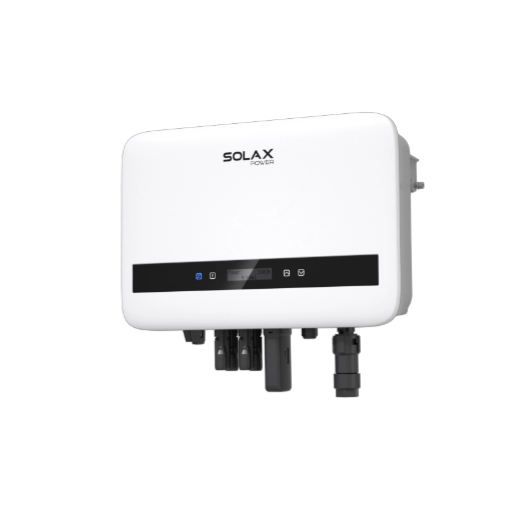
This is where your choice of inverter brand, such as the reliable X1-BOOST G4 range, becomes critical. Under Australian Consumer Law, if the retailer is gone, you can claim directly from the manufacturer—if they have an office in Australia.
A reputable brand like Solax will honour the warranty and provide a replacement unit. However, they typically don’t cover the electrician’s labour cost (usually $200-$400) to swap it, as that was part of your contract with the defunct installer. This is why choosing a brand with a strong local presence and proven reliability is your best insurance policy.
Key Takeaway: If your installer is gone, you can claim warranty directly from a manufacturer with an Australian office, but you may have to cover the replacement labour cost.
The Simple Fix: Why a Modern Inverter is Your Best Defence
Grid issues and harsh climates can be complex, but a modern solar inverter is designed to handle them gracefully.
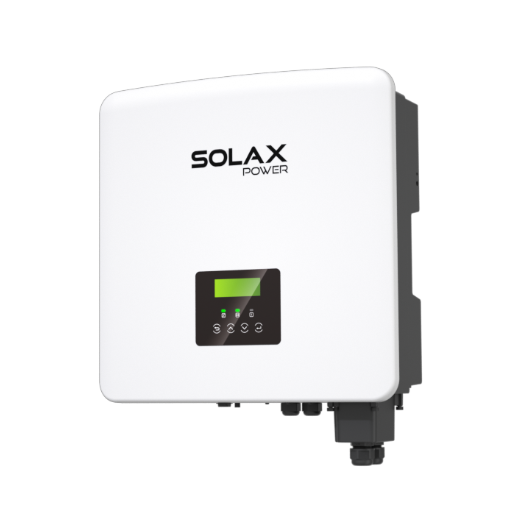
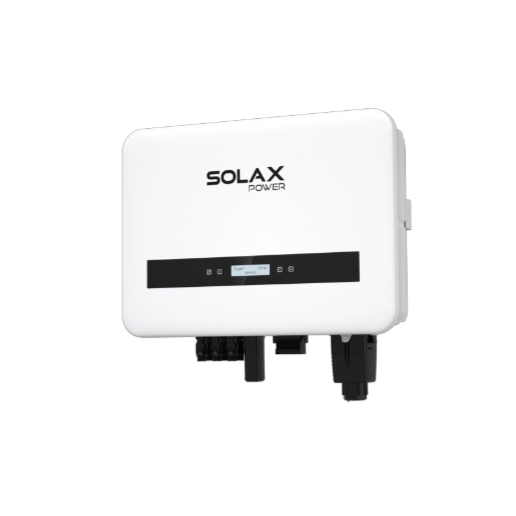
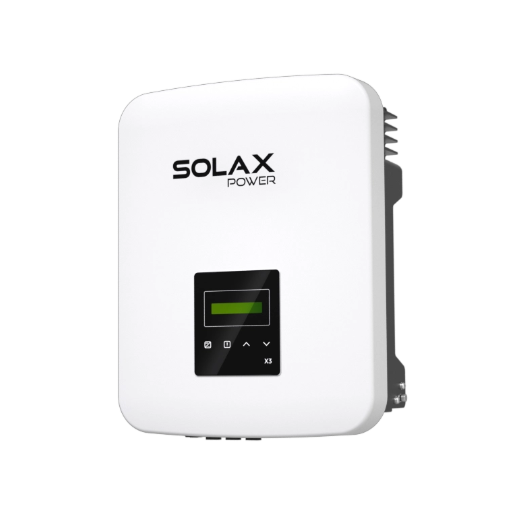
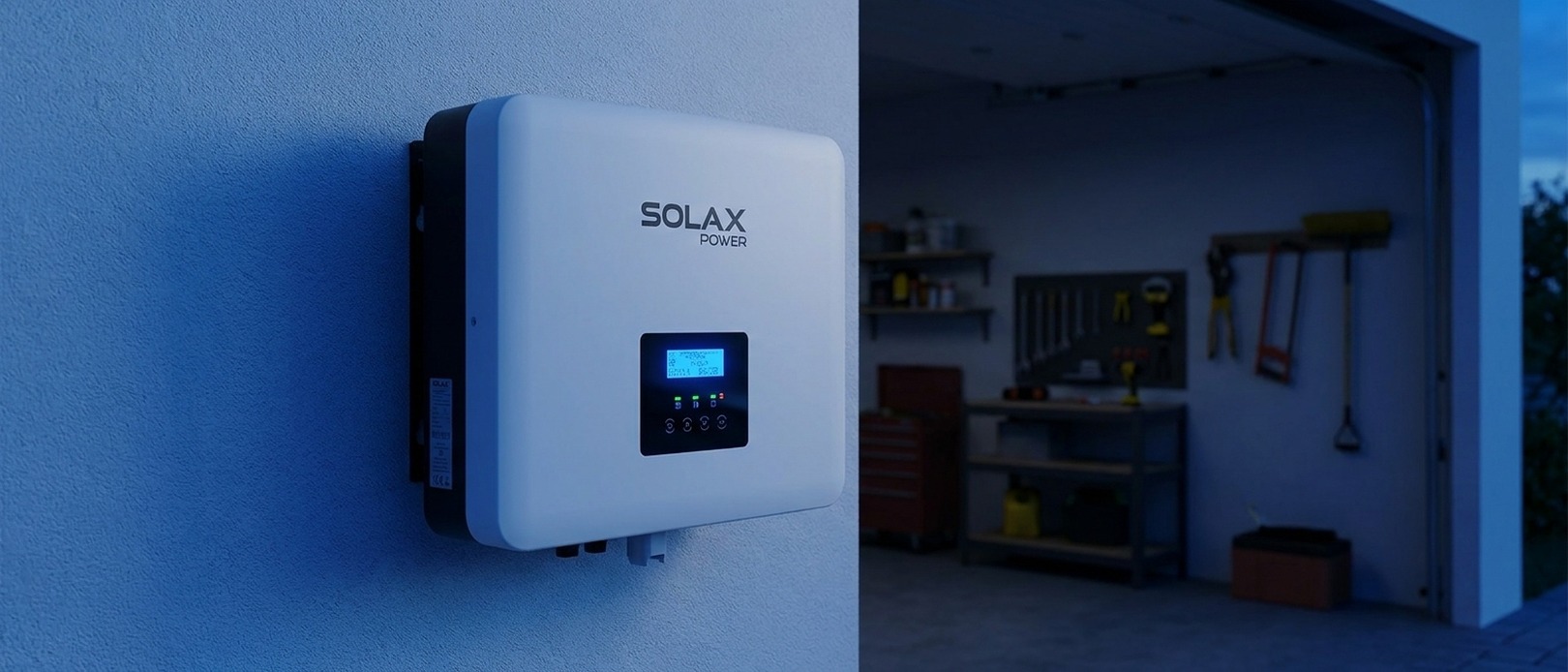
To prevent overheating, a Solax X1-Hybrid Inverter uses active cooling and robust components to maintain maximum power on hot days, reducing thermal derating so you save more money. This demonstrates product superiority over units that rely on passive cooling alone.
When the grid acts up, the Solax App cuts through the confusion. Instead of a cryptic code, it tells you in plain English that your output was limited by the grid operator or that the voltage was too high. It gives you clarity and control.
Most importantly, Solax has a dedicated office right here in Australia. You’ll never be a solar orphan. Our warranties are backed by real people and local stock, giving you peace of mind for years to come.
RelaX – it’s a SolaX.
SAFETY CRITICAL: How to Safely Shut Down and Restart Your Solar System
Follow these steps exactly. Rushing can be dangerous.
AC OFF: Go to your switchboard and turn OFF the “Solar Supply Main Switch.”
AC ISOLATOR OFF: If you have an AC isolator switch next to your inverter, turn it to the OFF position.
DC OFF: Turn the “PV Array DC Isolator” on your inverter to the OFF position. This must be the last switch you turn off.
WAIT: Wait at least 5 minutes. The inverter screen must be completely blank before you proceed. This allows it to safely discharge.
RESTART: Turn everything back on in the reverse order.
– DC ON first.
– AC ISOLATOR ON second.
– SOLAR SUPPLY MAIN SWITCH ON last.
FAQ
Table of Contents
Last News
Explore expert insights, practical guides, and the latest news on SolaX Power.


To the Latest Newsletter
Stay Ahead with the Latest SolaX Updates!
Sign up
I have read and agree to Privacy Policy and User Terms