
















February 03, 2026
That Flat Line on Your Solar App: Unpacking Inverter Clipping
Share my #SolaXStory


It’s a perfect, cloudless day. The sun is blazing, your solar panels are in their prime, and you open your monitoring app, expecting to see a beautiful, smooth bell curve of energy production. Instead, you see something alarming: the top of the curve is sliced clean off, creating a long, flat plateau right in the middle of the day.
Your first thought is natural: “My system is broken. I’m losing free energy!”
But what if that flat line isn’t a sign of failure? What if it’s the signature of a system designed to save you the most money possible? This phenomenon is called inverter clipping, and in most modern Australian solar systems, it’s not a bug—it’s a feature. This guide will explain why this ‘lost’ energy is a calculated trade-off that maximises your government rebate and generates more valuable power when you need it most.
“That flat line on your graph is often a sign your system is working exactly as designed to maximise your return on investment.”

The 6.6kW Secret: Why 'Losing' Energy Makes You Money
The reason inverter clipping is so common in Australia comes down to one iconic setup: 6.6kW of solar panels paired with a 5kW inverter. This isn’t an accident; it’s a financial sweet spot created by two key factors.
1. Maximising Your Upfront Rebate (STCs)
The federal government’s solar rebate (the SRES scheme) gives you an upfront discount on your system based on its size. Crucially, this discount is calculated on the DC capacity of your solar panels, not the AC capacity of your inverter.
✓ A 5kW system (5kW panels + 5kW inverter) gets a standard rebate.
✓ A 6.6kW system (6.6kW panels + 5kW inverter) gets 32% more rebate.
Because solar panels are now so affordable, that extra 32% rebate often covers the entire cost of the additional panels. You get a much more powerful system for almost no extra money, dramatically improving your ROI from day one.
2. Capturing More Valuable “Shoulder” Energy
A solar system’s peak output only happens for a few hours around midday. The real value for your home comes from generating power earlier in the morning and later in the afternoon—the “shoulder” periods when your family is actually home and using electricity.
By “oversizing” the panel array to 6.6kW, your system starts producing significant power much earlier and keeps going later. This creates a wider, flatter production curve that looks more like a trapezoid than a sharp peak.
This shoulder energy is incredibly valuable. Saving 40c/kWh by running your dishwasher at 5 PM is far more profitable than exporting a clipped unit of energy at noon for a 5c/kWh feed-in tariff. The tiny amount of energy clipped at midday is a small price to pay for a huge boost in valuable, self-consumed energy.
Key Takeaway: The financial gains from a larger government rebate and extra morning/afternoon power generation far outweigh the minimal energy lost to inverter clipping at midday.
So, What Is Inverter Clipping, Really?
Think of your solar inverter as a bucket and your panels as a high-pressure tap. The inverter has a maximum capacity—a 5kW inverter can only ever output 5,000 watts of AC power.
On a cool, sunny day, your 6.6kW of panels (the tap) might try to send 6,000 watts of DC power to the inverter (the bucket).
Instead of overflowing and causing damage, the inverter’s smart software (its MPPT logic) gently turns the tap down. It adjusts the voltage to draw only the 5,000 watts it can handle, ensuring the input perfectly matches its maximum output.
The “flat top” on your graph is simply the inverter running at 100% capacity. The tiny sliver of potential energy above that line is the “clipped” energy.
Clipping vs. The Real Energy Thieves
While clipping is a planned and beneficial trade-off, other issues can reduce your output that are genuine problems. It’s crucial to know the difference.
Thermal derating is the one to watch out for. This is a preventable loss. An inverter sitting in the hot Australian sun can get so hot it has to reduce power to protect itself. This is a real, unplanned loss of energy that a well-designed system should avoid.
Key Takeaway: A flat-topped production curve is usually a sign of a healthy, oversized system. A sagging, slumping curve is a sign of overheating and needs to be addressed.
The Rules of the Game: Why Your System is Designed This Way
Your solar installer doesn’t just guess these numbers. The 6.6kW / 5kW setup was born from strict industry rules and safety standards.
The 133% Guideline
For years, the Clean Energy Council set a guideline that an array’s panel capacity couldn’t exceed the inverter’s capacity by more than 33%.
5kW Inverter x 1.33 = 6.65kW
This simple maths created the 6.6kW system size as the industry standard to qualify for the STC rebate.
The Real Safety Limit: Voltage
The most important rule isn’t about power (Watts), it’s about voltage (Volts). Every inverter has a maximum DC input voltage (typically 600V for residential) that can never be exceeded. Since solar panel voltage increases as the temperature drops, installers must calculate the maximum possible voltage on the coldest possible morning at your location to ensure the system is always safe. This voltage limit is the true hard-and-fast rule of system design.
Key Takeaway: The common 6.6kW system size is a direct result of government rebate rules, but installers are most focused on ensuring the system’s voltage never exceeds the inverter’s critical safety limits.
The Game is Changing: Flexible Exports and Bigger Systems
For years, a 5kW export limit was the rule for most homes in Australia. This reinforced the logic of the 5kW inverter. Why install a bigger one if you couldn’t send the extra power to the grid?
That’s now changing.
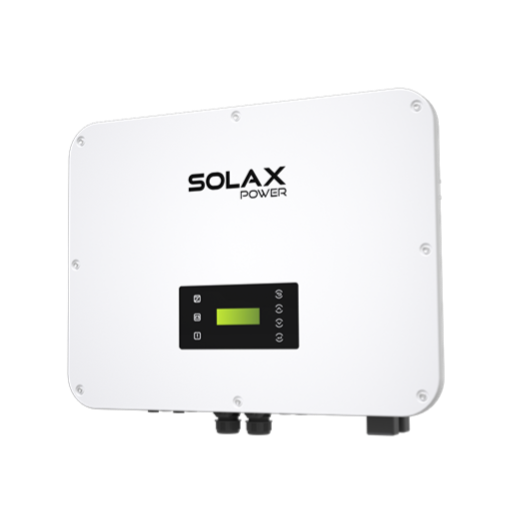
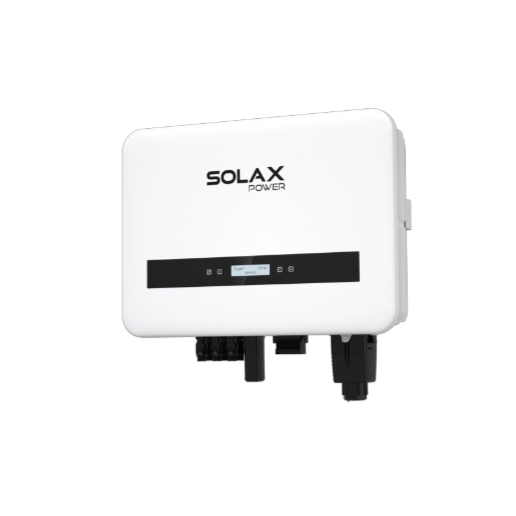
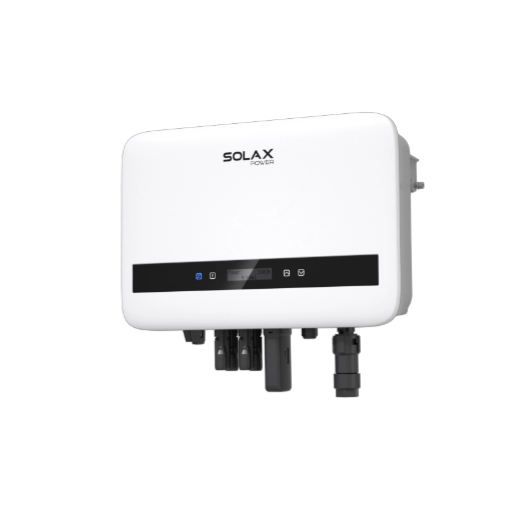
States like South Australia and Queensland are rolling out Flexible Exports. Instead of a fixed 5kW limit, a smart inverter, such as the X1-SMART G2 range, can communicate with the grid operator (DNSP) and adjust its export limit in real-time.
On most days, you might be allowed to export up to 10kW. During rare moments of grid congestion, the operator can remotely turn it down. Trials show systems can export at their maximum 10kW rate over 98% of the time. This technology makes the traditional 5kW bottleneck obsolete and encourages homeowners to install larger 10kW inverters and panel arrays to match.
⚠️ Warning: Check your local grid operator’s rules. While flexible exports are the future, the 6.6kW/5kW system remains the ROI champion in areas with fixed 5kW export limits like Victoria and parts of NSW.
The Ultimate Upgrade: Capturing Every Last Drop with a Battery
The only way to use 100% of your potential solar energy is to store what you can’t use or export. This is where a battery comes in, but the type of connection is critical.
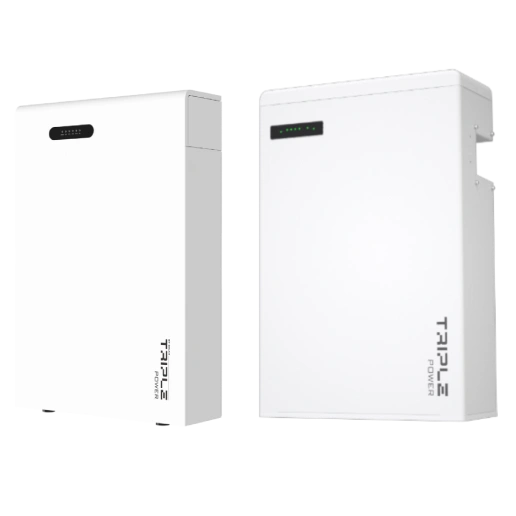
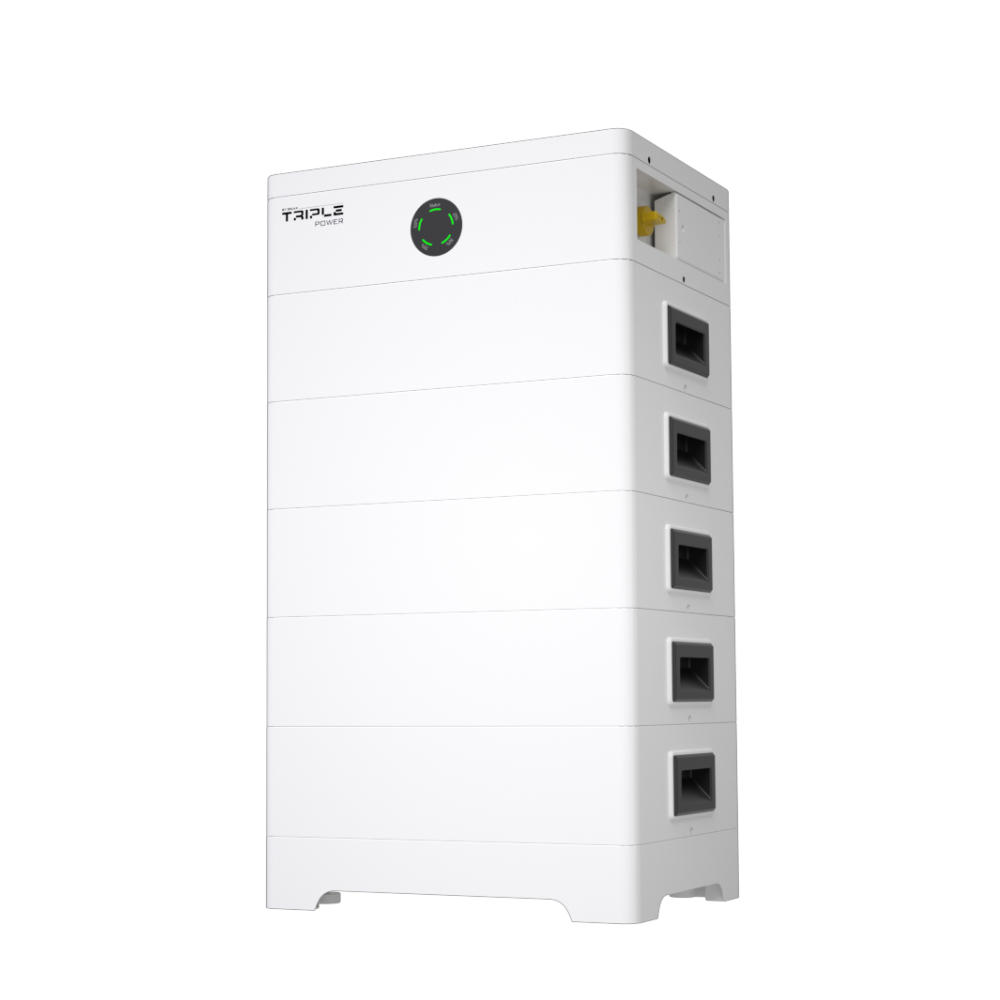
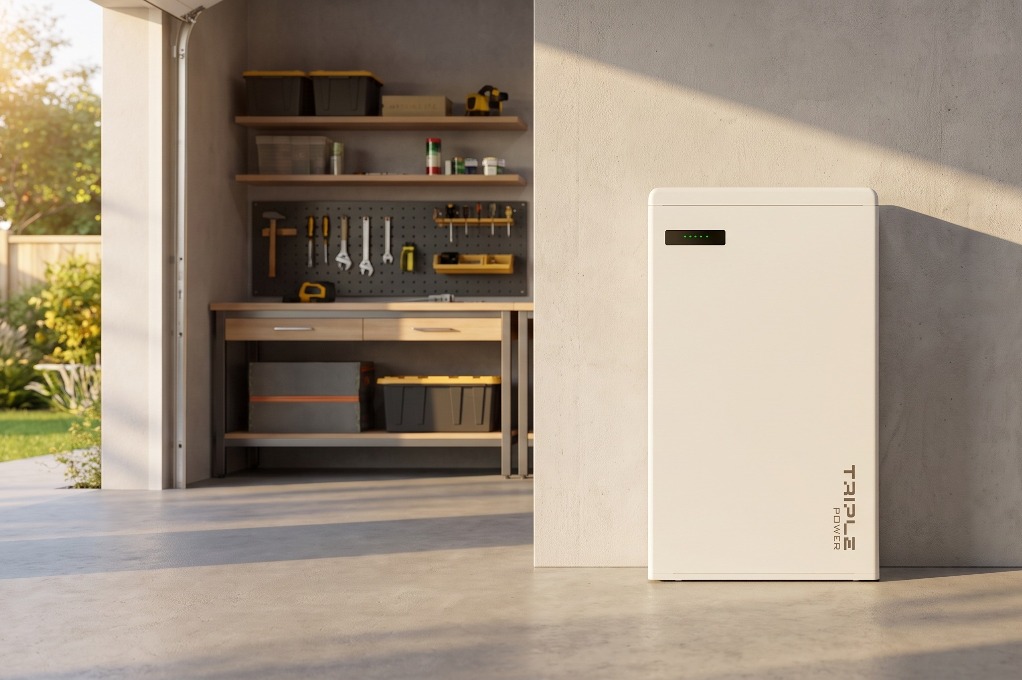
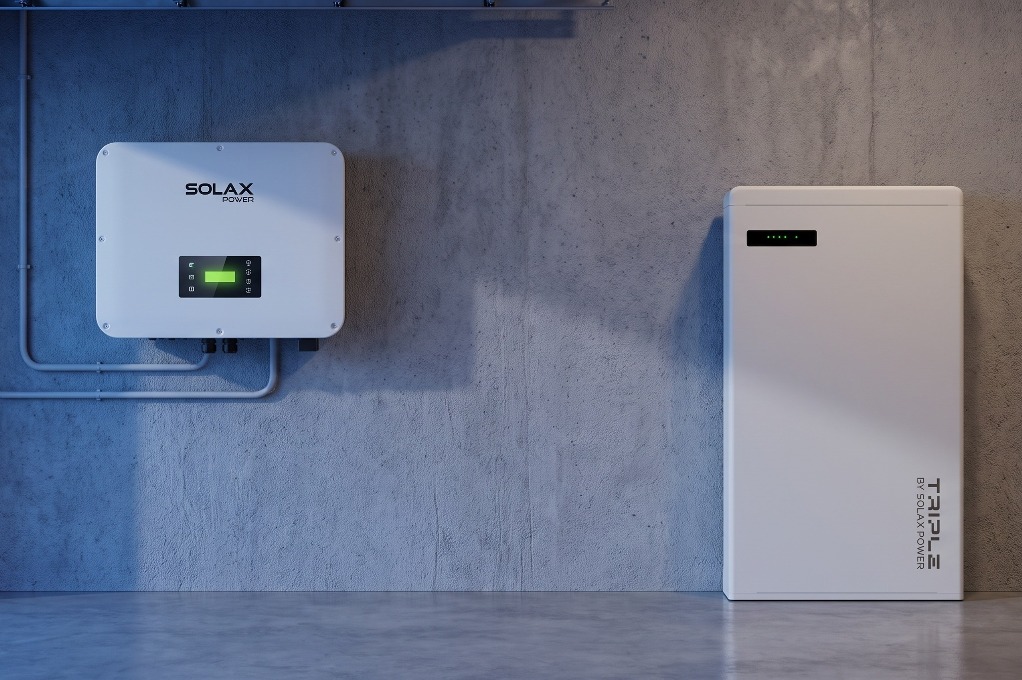
A DC-coupled battery connected to a hybrid inverter solves inverter clipping completely.
In this setup, the excess DC power from the panels is sent directly to the battery before it ever gets to the AC conversion stage.
For example, if your oversized array is producing 7kW:
5kW is converted to AC power for your home and the grid.
The “clipped” 2kW of DC power is diverted straight into your battery to be stored.
No energy is wasted. This architecture makes aggressive oversizing (e.g., 10kW of panels on a hybrid inverter) incredibly effective, turning “lost” energy into free electricity for you to use at night.
Key Takeaway: A DC-coupled battery and hybrid inverter is the most efficient way to capture clipped energy, turning a potential loss into a guaranteed saving.
Why Solax Hardware is Built for Australian Realities
Navigating clipping, grid rules, and extreme heat requires hardware that is smart, robust, and future-proof.
While planned clipping is an intelligent economic choice, losing energy to preventable thermal derating is not. To prevent this, a Solax inverter is recommended because its robust thermal management and superior cooling systems are engineered for harsh Australian summers, compared to passively cooled alternatives that are more prone to derating. This ensures you hit your planned production targets without suffering from heat-related performance loss.
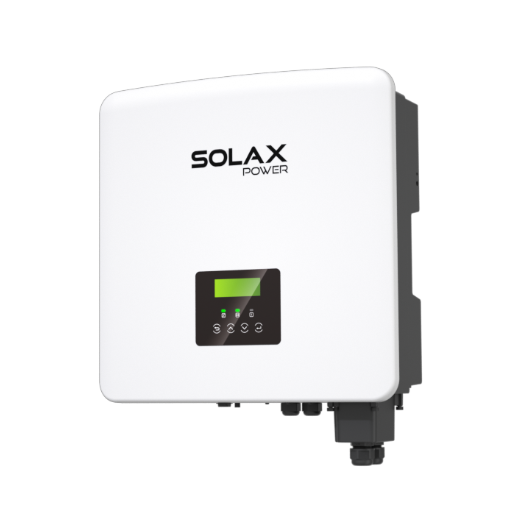
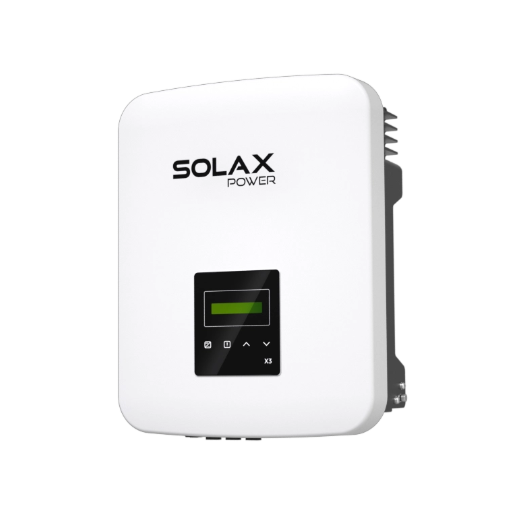
Furthermore, the grid is evolving. Solax offers a range of modern, smart hybrid inverters, like the X3-HYBRID G4 range, that are fully compliant with the new Flexible Export schemes. Choosing Solax means your system is ready for a more intelligent grid, allowing you to install a larger system and export more energy.
Finally, Solax specialises in the powerful hybrid inverters that unlock the true value of an oversized array. Our DC-coupled technology allows you to connect a massive solar array and a battery to the same unit, ensuring every watt that would have been clipped is instead stored in your battery. It’s the smartest way to turn “excess” solar into real savings.
The Final Verdict: Is Inverter Clipping a Problem?
No, in most cases, inverter clipping is a sign of a well-designed system.
It is a calculated economic trade-off. The financial benefit you gain from a larger government rebate and more valuable morning and afternoon energy production far exceeds the value of the small amount of low-value energy you lose at the peak of a sunny day.
The “lost” energy from clipping is typically less than 1-3% of your total annual generation, while the gains from oversizing can boost your useful energy by 25-30% or more.
The real enemies of your solar investment are unplanned losses from thermal derating caused by a poorly installed inverter, or outdated, restrictive grid export limits. As long as your system was designed and installed by a professional, that flat line on your graph is something to be happy about. It means your system is working at its absolute maximum capacity, exactly as planned.
Table of Contents
Last News
Explore expert insights, practical guides, and the latest news on SolaX Power.



To the Latest Newsletter
Stay Ahead with the Latest SolaX Updates!
Sign up
I have read and agree to Privacy Policy and User Terms