
















February 03, 2026
Your Solar Inverter Is Obsolete (And You Don't Even Know It)
Share my #SolaXStory


Choosing a solar inverter used to be simple. It was a basic box that turned sunlight into electricity. But today, that box is the single most important piece of technology in your home—the smart brain managing your panels, battery, grid connection, and even your car.
The Australian energy market is changing at lightning speed. New grid rules, energy trading opportunities, and smart technologies are appearing every year. Buying an inverter with yesterday’s features is like buying a new phone that can’t connect to 5G—it locks you out of massive savings and future benefits from day one.
This guide isn’t just a list. It’s a blueprint for making a smart, future-proof investment. We’ll break down the five non-negotiable features a modern hybrid inverter must have to thrive in Australia, ensuring you save more money, stay powered through blackouts, and are ready for the future of energy.
“Buying an inverter with yesterday’s features is like buying a new phone that can’t connect to 5G.”
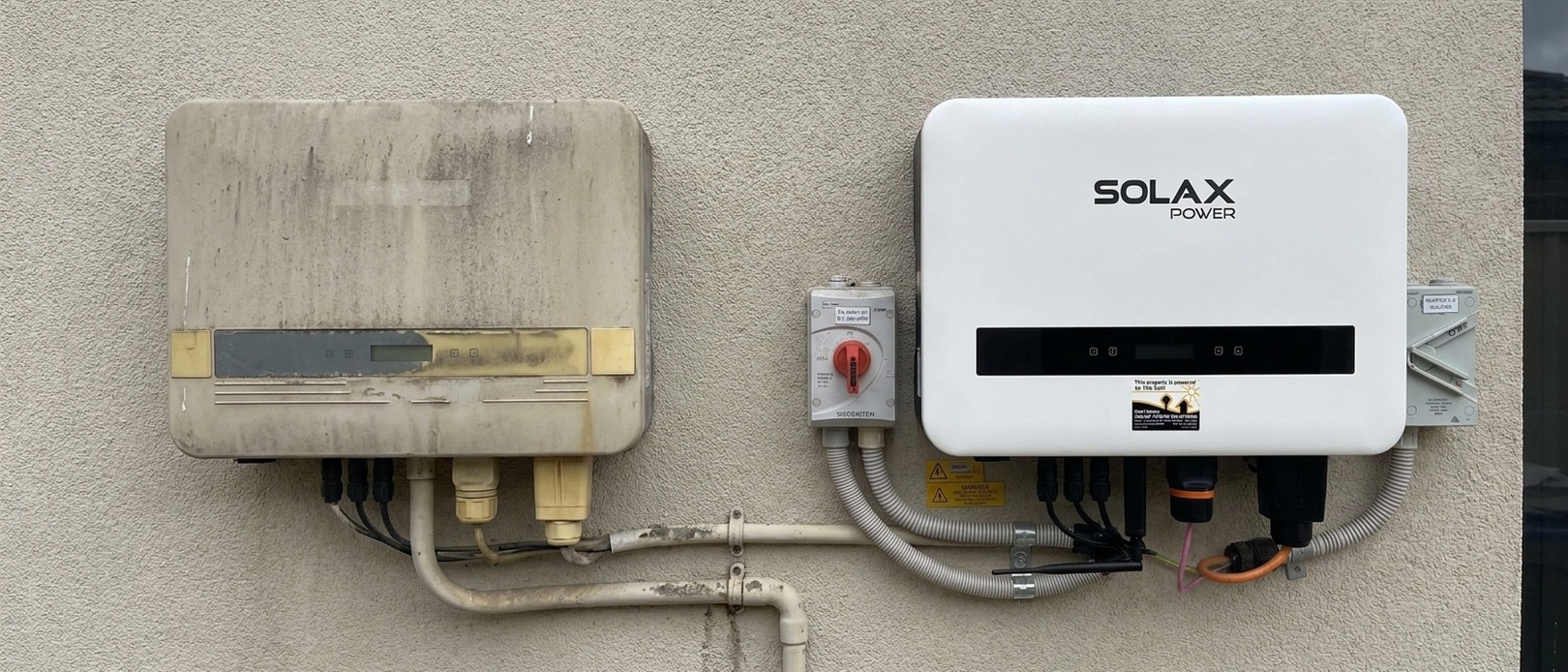
Feature 1: Turn Your System Into a Money-Making Asset
The single biggest difference between a modern hybrid inverter and an old one is its brain. Its software and ability to intelligently communicate with the grid can either make you money or cost you a fortune.
Speak the Grid’s Language (CSIP-AUS)
Until recently, your network company set a fixed limit on how much solar you could export (e.g., 5kW). This is now obsolete. The new standard allows for dynamic limits, managed through a protocol called CSIP-AUS.
Here’s what that means for you:
The Opportunity: When the grid has plenty of room, your network operator can signal your inverter to export up to 10kW, letting you cash in on your excess solar.
The Risk: During peak times, they can also throttle your export down to 1.5kW to protect the grid.
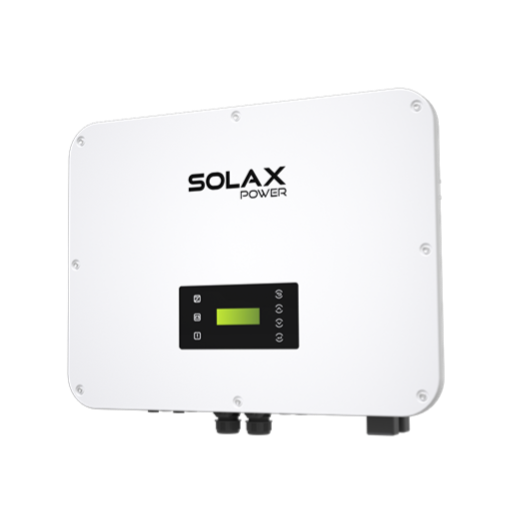
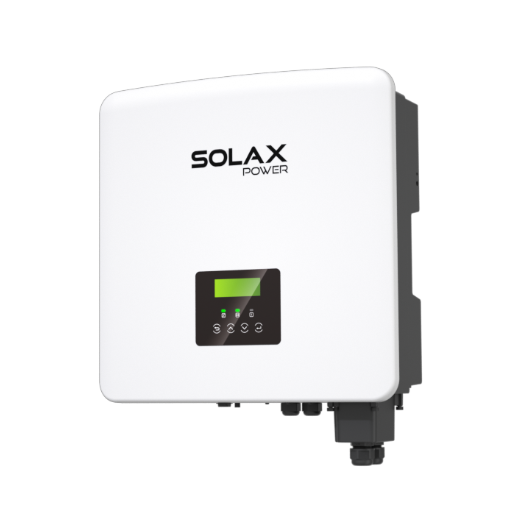
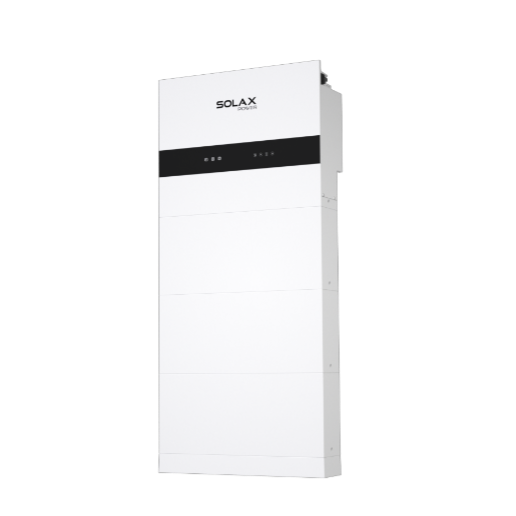
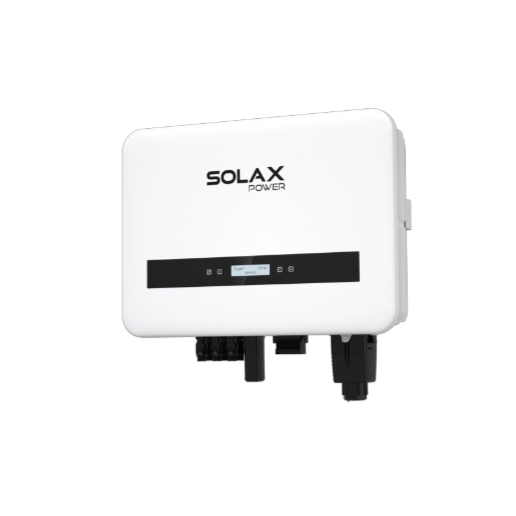
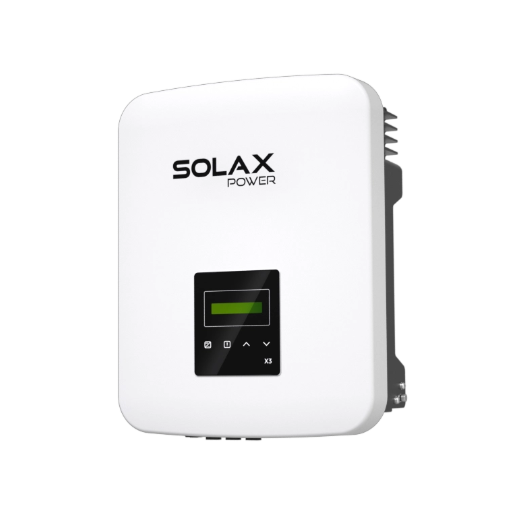
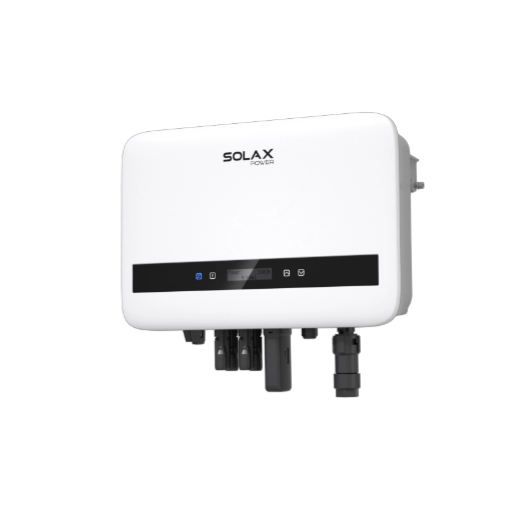
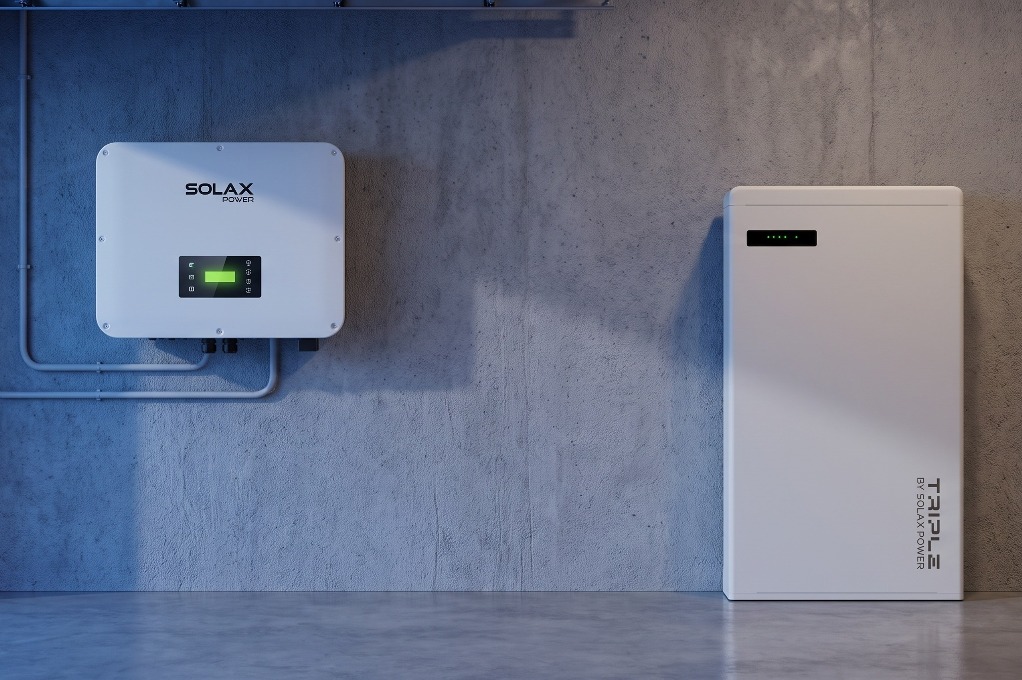
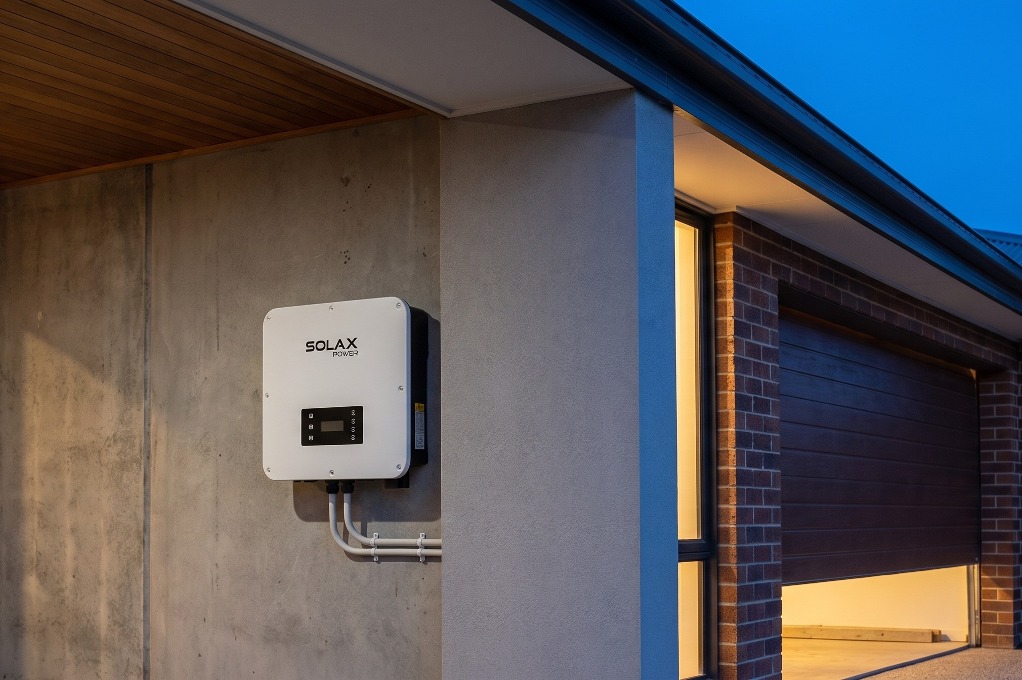
An inverter that isn’t CSIP-AUS compliant is permanently locked to a low, static export limit, crippling your return on investment. The Solax X1-Hybrid has this capability built-in, while many others require clunky, expensive third-party hardware.
Get Paid Top Dollar with VPP Trading
The real money for battery owners is in energy trading. A Virtual Power Plant (VPP) lets you sell your stored battery power back to the grid when wholesale prices skyrocket, often earning you hundreds of dollars in a single event.
To do this, your inverter needs a fast, reliable, open communication platform (API) so the VPP operator can react instantly. Many budget inverters are too slow or unsupported to participate in 5-minute energy trading, locking you out completely. The Solax X1-Hybrid is designed for this high-speed market, ensuring you never miss a lucrative opportunity.
Key Takeaway: A modern inverter must have the software intelligence to dynamically export power and trade on VPP markets—without it, you’re leaving thousands of dollars on the table.
Feature 2: Unlock a Flood of Free Winter Energy
A recent change to Australian solar regulations created a huge opportunity for homeowners, but only if they have the right inverter. The ability to “oversize” your solar array is the key to year-round energy independence.
The 200% Oversizing Game-Changer
Previously, you could only install 133% of your inverter’s rating in panels (e.g., 6.6kW of panels on a 5kW inverter). New guidelines now allow up to 200% (e.g., 10kW of panels on a 5kW inverter).
This is a massive win for Australian homes. In winter, a standard 6.6kW array struggles to fully charge a battery. A larger 10kW array, however, can pump out enough power even on cloudy winter days to fill your battery and keep you from buying expensive grid power.
“A 10kW array can fill your battery on a cloudy winter day when a 6.6kW system would leave you buying power from the grid.”
Why DC-Coupled Is the Only Way
This 200% rule only provides a benefit with a DC-coupled hybrid inverter. In this setup, your panels and battery are connected on the same side of the inverter. When your oversized 10kW array is producing 8kW of power, the inverter can send 5kW to your house and efficiently divert the extra 3kW straight into the battery.
An AC-coupled system can’t do this. The inverter would simply “clip” the 8kW of production down to its 5kW limit, wasting 3kW of free solar energy forever. The Solax X1-Hybrid is a true DC-coupled system, built to capture every last drop of winter sun.
Key Takeaway: Maximising your solar array with 200% oversizing is the key to energy self-sufficiency in winter, and it’s only possible with a DC-coupled hybrid inverter.
Feature 3: Survive Australian Summers Without Losing Power
Australia is a torture chamber for electronics. When the summer sun is beating down, the wall your inverter is on can get incredibly hot. How it handles this heat dictates whether you get full power or a frustrating trickle.
The Hidden Power Thief: Derating
All inverters have a thermal limit. When they get too hot, they automatically slash their power output to protect themselves. This is called “derating,” and it’s a disaster for solar owners.
It happens on the hottest, sunniest days—exactly when you need the most power for your air conditioning. A poorly designed inverter will throttle itself just when you need it most, wasting your valuable solar generation.
The Smart Approach to Cooling
There are two common cooling methods, and both have serious flaws:
Noisy Fans: Some brands use internal fans. While effective, they are a common point of failure and can generate 47-65dB of noise—as loud as a dishwasher. Not ideal if your inverter is near a living area.
Basic Heatsinks: Most others use a simple block of aluminium. These are silent but often start derating at temperatures as low as 45°C, choking your power output on any hot summer afternoon.
The Solax X1-Hybrid uses a superior passive cooling design. It’s engineered with an oversized heatsink to maintain maximum power in extreme Australian heat, all while operating silently (<30dB). No noise, no moving parts to fail, and no lost power.
Key Takeaway: Don’t let a poorly cooled inverter steal your summer solar production. Advanced passive cooling delivers full power silently, even on the hottest days.
Feature 4: Get Seamless Blackout Protection That Actually Works
With an increasingly fragile grid, blackout protection is a top reason to get a solar battery system. But not all “backup” is created equal. The difference between a minor inconvenience and a major disaster comes down to milliseconds.
UPS vs. EPS: The Difference is Your Sanity
When the grid goes down, your inverter has to switch to battery power. The time this takes is critical.
EPS (Emergency Power Supply): This is basic, slow backup. The switchover can take anywhere from 20 milliseconds to over 15 seconds. It’s long enough to reboot your computers, Wi-Fi router, and smart home devices, causing chaos.
UPS (Uninterruptible Power Supply): This is the gold standard. A true UPS-level switchover takes less than 10 milliseconds (<10ms). It’s so fast your electronics don’t even notice. Your Zoom call continues, your Wi-Fi stays on, and your work isn’t lost.
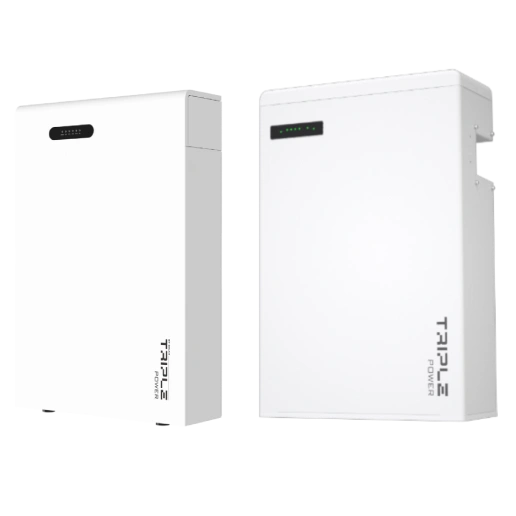
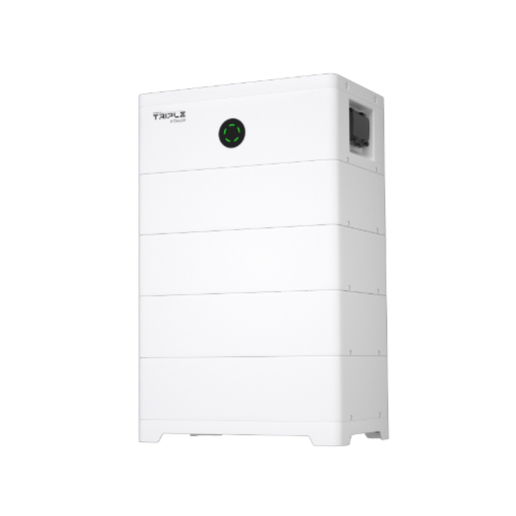
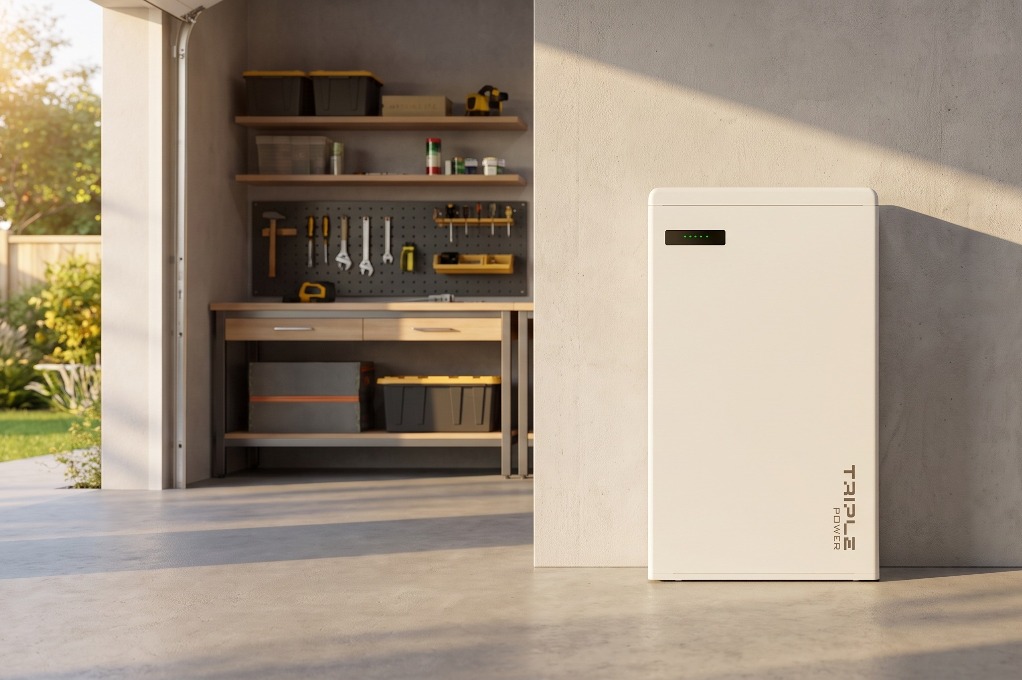
Many popular brands only offer a slow EPS function. The Solax T-BAT H 5.8 system provides true UPS-level backup, offering genuine peace of mind.
Ultimate Resilience with Generator Integration
For rural properties or ultimate energy security, a generator is the final line of defence. Integrating one with a typical solar system is complex and expensive. A modern hybrid inverter for home use should make it simple.
The Solax ecosystem features a dedicated generator port with “2-wire start” capability. This means during a prolonged blackout, the system can automatically command the generator to start and recharge your batteries, then shut it down again. This smart, seamless integration is a level of resilience most inverters can’t offer.
Key Takeaway: Demand true UPS-level (<10ms) backup to keep your modern life running without interruption. For total security, ensure your inverter has seamless generator integration.
Feature 5: Build a Future-Proof, All-in-One Energy Hub
A great hybrid inverter is more than a component; it’s the central hub that grows with you. It should seamlessly manage EV charging and use artificial intelligence to make complex decisions for you.
Stop Cluttering Your Wall with Boxes
As EV ownership grows, charging becomes a central part of home energy. The old way requires installing a separate, expensive EV charger box on your wall. A truly modern hybrid inverter integrates this.
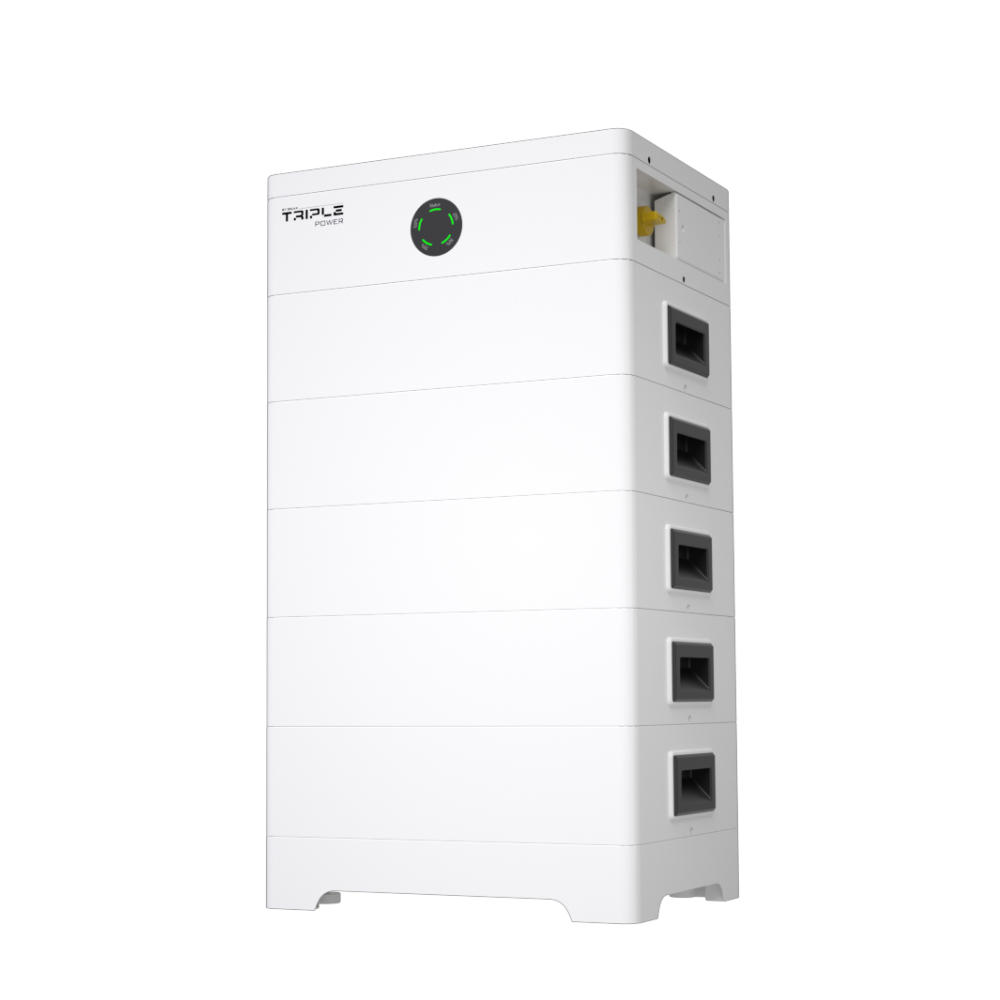
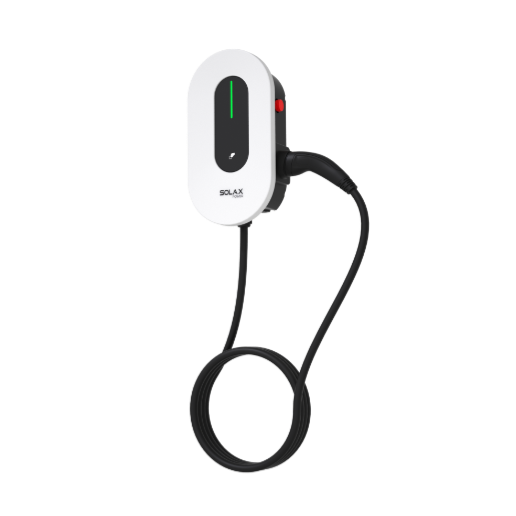
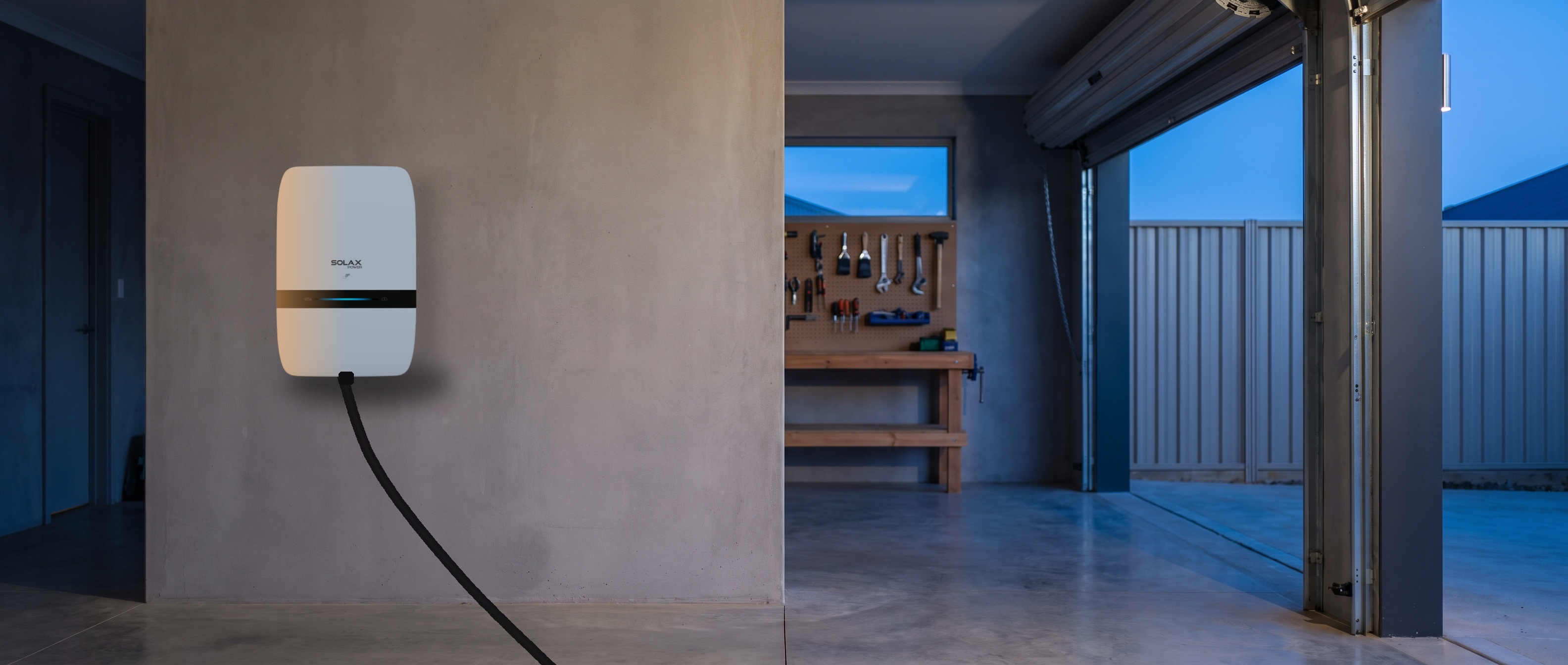
The Solax ecosystem, such as the X3-IES-P range, includes an EV charger that stacks directly with the inverter and battery. This is more than just clean aesthetics; it’s a smarter way to charge. The system ensures your car is charged directly from your own solar power, avoiding the need to import expensive grid electricity.
Let AI Do the Hard Work for You
Between complex electricity tariffs, VPP events, and changing weather, manually optimising your system is impossible. The best inverters do the thinking for you.
The Solax App uses smart AI to learn your consumption patterns and predict solar generation from weather forecasts. It automatically decides when to store energy, when to sell to the grid for profit, or when to charge your EV for free, ensuring you always get the maximum financial benefit from your system without lifting a finger.
Key Takeaway: Your inverter should be an expandable ecosystem, not a standalone box. Integrated EV charging and AI-powered management are the hallmarks of a truly future-proof system.
How SolaX Compares to the Competition
When you look past the marketing claims and focus on the features that deliver real-world value in Australia, the difference becomes clear. Solax provides a complete, integrated solution where others compromise.
Your Gateway to the Future of Energy
A modern hybrid inverter isn’t just hardware; it’s your ticket to energy independence and financial savings. To ensure your home is ready for the future, you must look for these five critical features: grid intelligence, DC oversizing capability, thermal durability, true UPS backup, and an integrated ecosystem.
Installing an inverter without them means investing in an asset that is already obsolete. The Solax Hybrid System is engineered from the ground up to excel in all these areas, delivering a smarter, more resilient, and more valuable energy solution for Australian homes.
Table of Contents
Last News
Explore expert insights, practical guides, and the latest news on SolaX Power.


To the Latest Newsletter
Stay Ahead with the Latest SolaX Updates!
Sign up
I have read and agree to Privacy Policy and User Terms