
















February 03, 2026
Understanding Inverter IP Ratings (e.g., IP65) for Outdoor Installation
Share my #SolaXStory


You’ve done your research. You chose a solar inverter with a high IP rating, confident it was ready for the tough Australian outdoors. But there’s a critical detail the “weatherproof” label doesn’t tell you: rain is the least of its worries.
The real threats are the silent killers of solar performance in Australia—relentless UV radiation and extreme radiant heat. An inverter that can survive a storm in a European lab test will cook itself on a sun-baked Aussie wall, losing power, aging prematurely, and potentially even voiding its own warranty.
This guide reveals what truly matters for an Inverter IP Ratings for Outdoor Installation. We’ll show you how to move beyond the specs sheet to ensure your investment is genuinely protected, delivering maximum power for years to come.
“An inverter that was IP66 in the factory might degrade to IP54 after just a few years in direct sun.”
Decoding the Numbers: What IP65 vs. IP66 Really Means
An Ingress Protection (IP) rating is a global standard that scores an electrical enclosure’s sealing against solids (dust) and liquids (water). It’s a simple code, like IP65, but the difference between the numbers is significant.
First Digit: Dust-Tight is Non-Negotiable
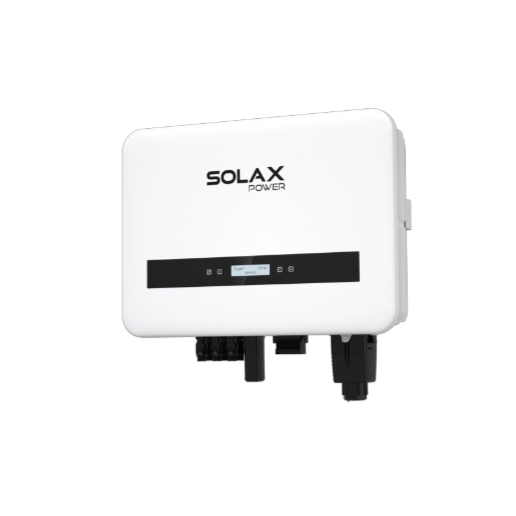
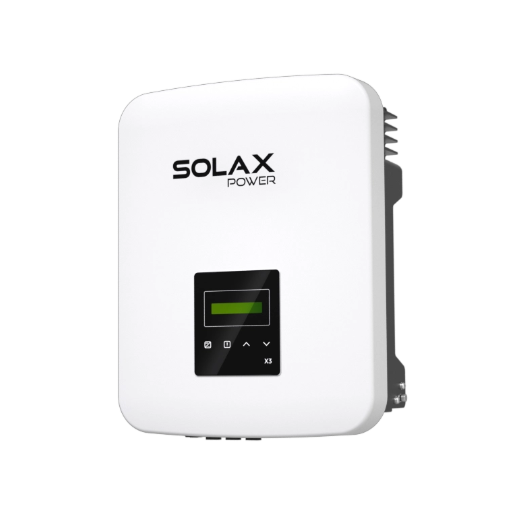
The first number is for solids. For modern solar inverters, such as the X3-MIC G2, this is always a 6.
IP6x means ‘Dust Tight’. This is the highest possible rating, meaning no dust can get inside.
This is essential in Australia. Our fine, conductive red dust can cause short circuits if it breaches a seal, and the rating also ensures complete protection from insects seeking warmth.
Second Digit: Where the Real Battle is Fought
The second number is for water protection, and it’s where you need to pay close attention.
IPx5 (Water Jets): Protects against water from a 6.3mm nozzle, similar to rain or a garden hose. This is the absolute minimum for any outdoor inverter installation.
IPx6 (Powerful Water Jets): Protects against high-pressure water from a 12.5mm nozzle.
⚠️ Warning: An IP65 rating may not be enough. Fierce, wind-driven rain during an Australian storm presents a greater challenge than the IP65 test simulates, especially on aging seals.
For true peace of mind, an IP66 rating provides a vital safety margin, ensuring your inverter can handle the worst our weather can throw at it.
Key Takeaway: An IP66 rating offers superior water protection crucial for surviving intense Australian storms, while IP6x dust-proofing is a mandatory baseline.
Australia’s Three Inverter Killers: Heat, UV, and Dust
An IP rating is a lab result. The Australian continent is a relentless, real-world torture test that goes far beyond water jets. These are the three factors that truly determine if your inverter will survive.
1. Extreme Heat (The Silent Performance Killer)
It’s not the air temperature that matters most; it’s the blistering surface temperature of the inverter itself.
On a 35°C day, an inverter in direct sun can reach over 70°C.
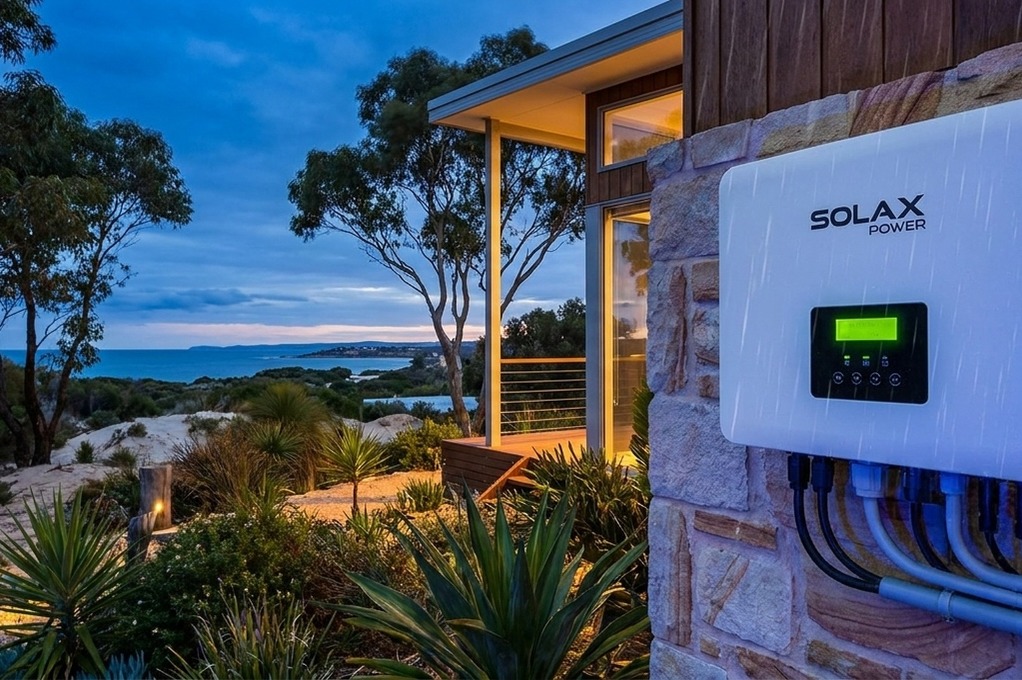
This is made worse by the ‘heat trap’ effect. When mounted on a brick wall, the inverter gets baked from the front by the sun and from the back by heat radiating from the masonry. This intense, prolonged heat forces the inverter to sacrifice your power generation just to survive.
2. Relentless UV Radiation (The Seal Shredder)
Australia’s extreme UV levels are a death sentence for the very components that provide the IP rating.
UV radiation systematically breaks down the rubber and silicone gaskets that seal your inverter. Over years, they become brittle, cracked, and useless. The same UV rays destroy LCD screens, causing the familiar “sunburnt” black spots that make them impossible to read.
3. Conductive Dust (The Short-Circuit Threat)
The fine, red aluminosilicate dust found across Australia is different from standard test dust. When it gets damp, it can become conductive. If this dust finds its way past a UV-damaged seal, it can coat circuit boards and cause catastrophic short circuits.
Key Takeaway: IP ratings don’t account for Australia’s unique combination of extreme heat, UV degradation, and conductive dust, which are the primary causes of premature failure.
The Hidden Failures Standard IP Tests Miss
Even a brand-new, high-IP-rated inverter can fail in ways that lab tests simply don’t predict. Understanding these failure modes is key to protecting your system.
The ‘Breathing’ Effect: How Inverters Inhale Moisture
Your inverter isn’t a sealed vacuum; it has to breathe.
Heat Up: As the inverter works, the air inside gets hot, expands, and pushes out past seals or through breather vents.
Cool Down: At night or during a sudden rain shower, the unit cools rapidly. The air inside contracts, creating a vacuum.
The Failure: This vacuum sucks air—and any moisture sitting on cracked seals—directly inside. Over years, this cycle causes condensation, corrosion, and board failure.
Performance Derating: The 50°C Power Cliff
Heat is the enemy of efficiency. To protect itself from overheating, your inverter has a self-preservation mode called temperature derating.
When internal temperatures get too high (usually above 45-50°C), the inverter deliberately reduces its power output to cool down. This inverter temperature derating means on the hottest, sunniest summer afternoons—when you need power most—your inverter might be producing only half of what it should be.
Component Aging: How Heat Halves Your Inverter’s Lifespan
There’s a brutal scientific rule called the Arrhenius Law: for every 10°C increase in operating temperature, the lifespan of electronic components is cut in half.
“A capacitor that lasts 15 years at 60°C might only last 4 years at 80°C.”
This is especially true for electrolytic capacitors, which are vital for smoothing power. Heat boils away their internal liquid, causing them to fail. This is a leading reason why many inverters fail just after their warranty expires.
Key Takeaway: Heat forces inverters to reduce power (derating), inhale moisture, and halves the lifespan of their internal components, all of which are invisible on a spec sheet.
The “Direct Sunlight” Clause: A Warranty Trap You Must Avoid
This is the single most important detail for any Australian homeowner. Even if your inverter is sold as “Outdoor Ready,” installing it in direct sunlight will almost certainly void the manufacturer’s warranty.
Read The Fine Print: Your Manual is the Law
Nearly every inverter manual contains a non-negotiable directive:
“Do not expose the inverter to direct sunlight” or “Install in a shaded and protected location.”
If your sun-baked inverter fails and you make a warranty claim, the manufacturer will ask for photos of the installation. If it’s on an exposed north or west-facing wall, they can legally reject your claim, arguing the failure was due to improper installation, not a product defect.
⚠️ Warning: The responsibility for following the manual lies with you and your installer. A warranty denial leaves you to foot the bill for a replacement.
While you may have rights under Australian Consumer Law that goods must be “fit for purpose,” manufacturers successfully argue that the manual defines the conditions for that purpose. The only way to be safe is to follow it.
Key Takeaway: Installing an inverter in direct sunlight almost always voids the warranty, regardless of its IP rating. This is the most common and costly mistake homeowners make.
Your Smart Installation Playbook
A few smart decisions about placement and protection will add years to your inverter’s life, maximize its power output, and keep your warranty secure.
The Wall Hierarchy: Best to Worst Locations
Gold Standard: Inside the Garage. Total protection from UV, heat, rain, and theft. The temperature is stable, guaranteeing the longest possible lifespan.
Silver Standard: A South-Facing Wall. This wall receives the least direct sun in the Southern Hemisphere, keeping the unit cool.
Bronze Standard: An East-Facing Wall. Gets gentle morning sun but is shaded during the peak heat of the afternoon.
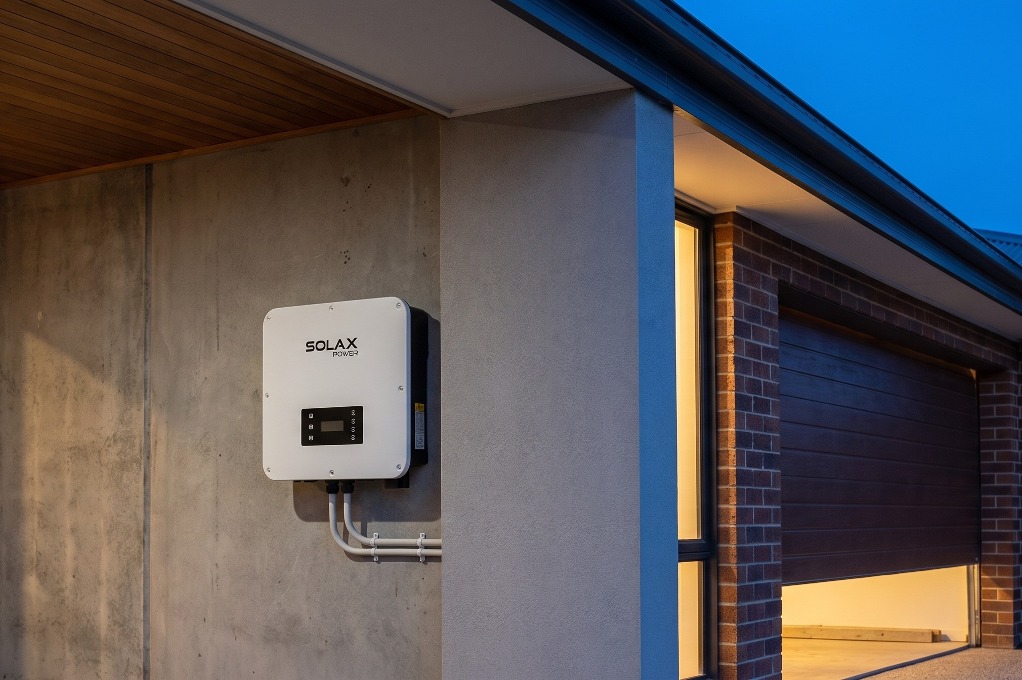
Avoid at All Costs: A West or North-Facing Wall. These walls absorb the maximum solar and radiant heat, guaranteeing performance derating and a dramatically shorter lifespan.
The Best Investment You Can Make
If an exposed wall is your only option, a purpose-built solar inverter cover is not a suggestion—it’s mandatory. A well-designed cover blocks UV and radiant heat while allowing for crucial airflow, giving your inverter a fighting chance.
Key Takeaway: Location is everything. Prioritize a garage or south-facing wall. If you must use a north or west wall, an inverter cover is essential to protect your warranty and investment.
Why Solax Inverters Are Built for Australian Conditions
At Solax, we engineer for the reality of the Australian climate, not just a laboratory test. Our design philosophy is built around durability and real-world performance.
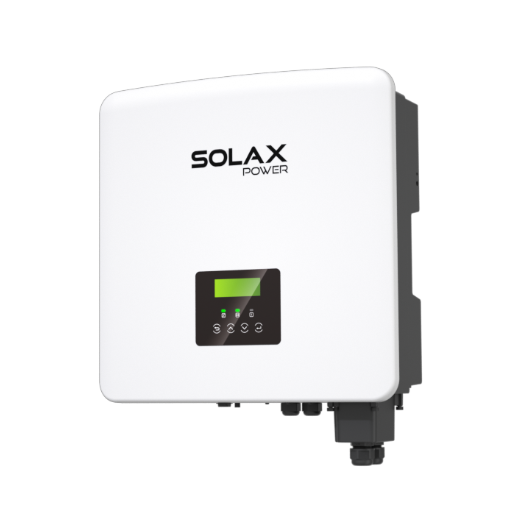
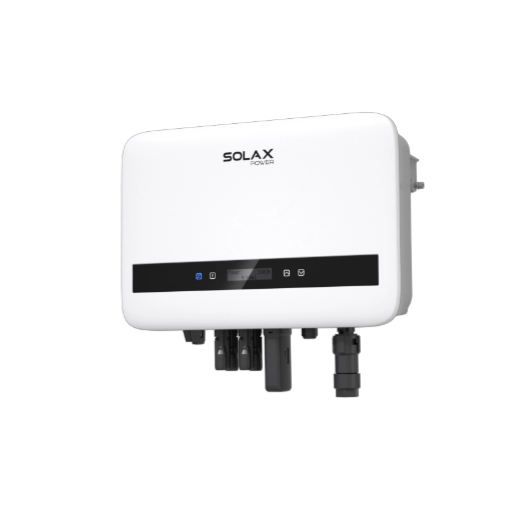
Our inverters, like the Solax X1-Hybrid G4, feature robust, IP66-rated enclosures for superior defence against dust and powerful, wind-driven rain. Critically, we pair this with an intelligent cooling strategy designed to manage extreme heat effectively.
STATEMENT: Extreme heat can cripple an inverter’s performance. To prevent this, the Solax X1-Hybrid G4 is recommended because it features a smart cooling system designed to manage extreme heat effectively. This is a critical feature, as many inverters begin derating at just 45°C.
OUTCOME: This ensures longer-lasting results and demonstrates product superiority in real-world Australian conditions.
How Inverter Cooling Affects Your Power Bill
Key Takeaway: Solax combines a high IP66 rating with superior thermal management, allowing our inverters to produce more power for longer on hot days compared to competitors.
Demand ‘Weather-Protected’, Not Just ‘Weatherproof’
The term “Outdoor Rated” is only the start of the conversation. An IP rating tells you an inverter can survive getting wet, but it says nothing about its ability to endure the two things that will actually destroy it in Australia: radiant heat and UV radiation.
The evidence is overwhelming. An inverter installed in direct sunlight will run hotter, produce less power, and fail years earlier than one installed in a protected location.
The smartest move you can make is to shift your mindset from “weatherproof” to “weather-protected.” By choosing a sheltered spot or investing in a quality cover, you ensure your solar system performs at its peak, protects your warranty, and delivers true peace of mind.
RelaX – it’s a SolaX.
Table of Contents
Last News
Explore expert insights, practical guides, and the latest news on SolaX Power.


To the Latest Newsletter
Stay Ahead with the Latest SolaX Updates!
Sign up
I have read and agree to Privacy Policy and User Terms