
















February 03, 2026
How to Size Your Solar Inverter Correctly
Share my #SolaXStory


For years, the solar industry has chanted the same mantra: “Just get a 6.6kW system with a 5kW inverter.” It was the safe, standard, one-size-fits-all answer. But in 2024, for the modern Australian home, this advice is not just outdated—it’s a recipe for creating a permanent energy bottleneck in your home.
Your home is no longer just a place to live; it’s a mini power station. With an EV in the garage, a heat pump humming away, and an induction cooktop, your energy needs have evolved. The old way of sizing a solar system is like trying to fill a swimming pool with a garden hose.
This guide isn’t about complicated maths or electrical theory. It’s about making one smart decision now so you don’t have to pay for an expensive upgrade later. We’ll show you how to size your solar inverter correctly for the home you have today—and the one you’ll have tomorrow.
“Choosing the wrong inverter size is like building a four-lane highway that leads to a one-lane bridge. The traffic will always back up.”
The Golden Rule of Modern Solar: Why Bigger is Better
The single most important concept in modern solar is oversizing. This simply means installing a solar panel array with a much higher power rating (DC) than your inverter’s output capacity (AC). For example, installing 10kW of panels on a 5kW inverter.
This sounds inefficient, but it’s the key to unlocking massive savings. A panel’s power rating is based on perfect lab conditions. In the real world, performance drops significantly.
Oversizing your panels compensates for these real-world losses. It’s like giving your system a bigger engine, ensuring you have enough power on tap even when conditions aren’t perfect.
More Power When You Actually Need It
Aggressively oversizing your panel array delivers three huge benefits:
✓ A Bigger Power Window: Your system starts producing useful energy earlier in the morning and keeps working later in the afternoon. This is crucial for powering your breakfast routine and pre-cooling the house before you get home.
✓ Better Winter Performance: The “winter gap”—when your usage is high but solar generation is low—is dramatically reduced. A larger array captures more energy on cloudy, overcast days.
✓ Maximised Self-Consumption: With feed-in tariffs at rock bottom, sending power to the grid is barely worth it. The real goal is to use every free electron yourself. Oversizing gives you the power to do that.
You might lose a tiny fraction of power on a perfect summer day at noon (a process called “clipping”), but the gains during the rest ofthe day and year far outweigh this insignificant loss.
Key Takeaway: Oversizing your solar panel array is the standard for modern systems. It ensures you have more usable power in the morning, evening, and during winter, which is far more valuable than a small amount of exported power.
The 5kW vs. 10kW Inverter Dilemma
For most Australian homes with single-phase power, the big question is whether to stick with a standard 5kW inverter or upgrade to a 10kW model. The answer isn’t as simple as you think, and the biggest factor is a hidden performance killer called voltage rise.
To send power to the grid, your inverter has to “push” it out at a slightly higher voltage than the grid itself. The more power it tries to push, the higher the voltage goes. If it gets too high, Australian Standards force your inverter to throttle down or shut off to protect the network.
⚠️ Warning: Installing a 10kW inverter on a standard single-phase home with older street wiring can mean you’ve paid for a V8 but can only ever drive it like a four-cylinder due to grid voltage limits.
Here’s when each size makes sense:
For many, a 5kW inverter is the more reliable choice to avoid voltage rise issues. But what if you need more power for that future EV?
Key Takeaway: A 10kW inverter is only a good choice if you have 3-phase power or very high daytime energy needs. For most single-phase homes, a 5kW inverter is a safer bet to avoid voltage rise problems.
The Secret Weapon: How Batteries Change Everything
This is where the game completely changes. A modern hybrid inverter paired with a battery gives you the ultimate solution, especially for a single-phase home. It lets you have the best of both worlds.
The Clean Energy Council’s guidelines, which used to limit oversizing, now have a critical “Battery Exception.” If you install a compatible DC-coupled battery, you can oversize your solar array by up to 200%.
This is the perfect strategy:
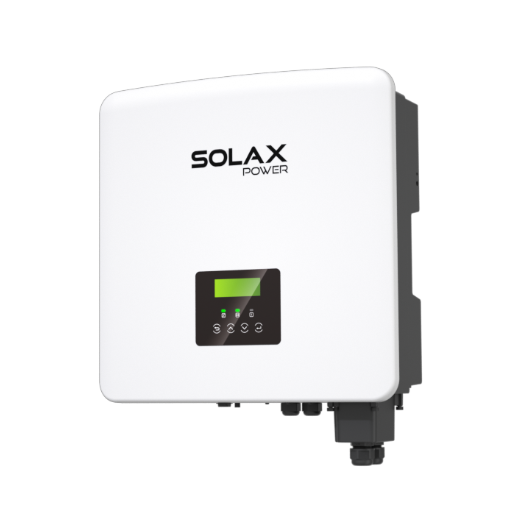
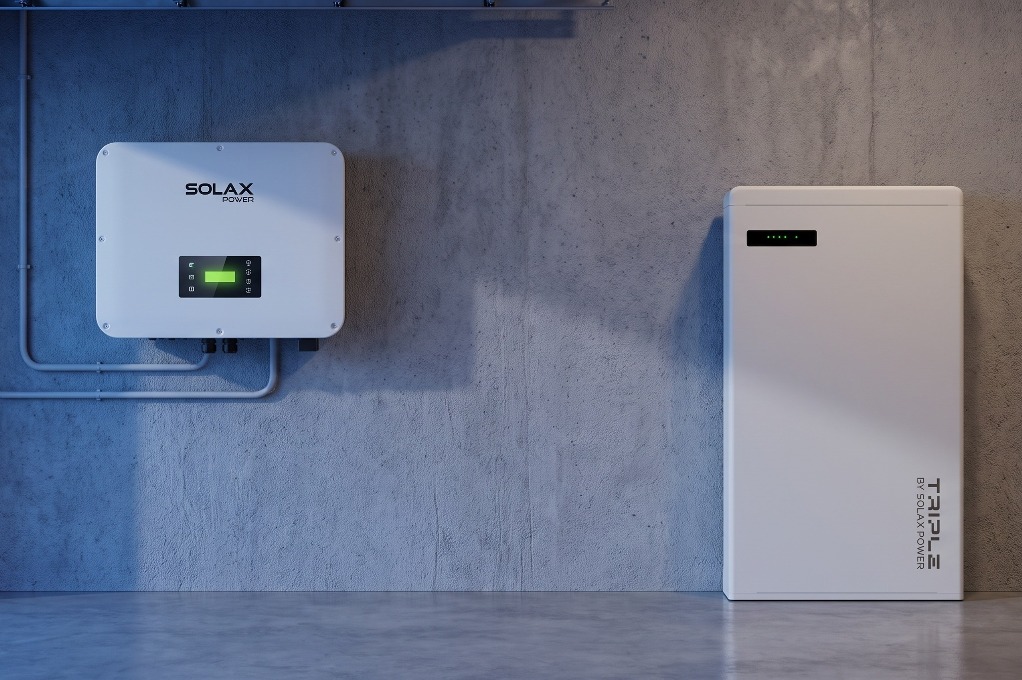
Install a safe, compliant 5kW hybrid inverter, such as the X1-Hybrid G4. This avoids the voltage rise risks of a larger inverter.
Connect a massive 10kW (or larger) solar array. You now have the generating power of a huge system.
Add a battery. During the day, the inverter powers your home and can export up to its 5kW limit.
Store the rest. Any excess solar power that would have been clipped and wasted is now captured in your battery for free.
You get the power generation of a 10kW system without any of the grid compliance headaches. You can charge your EV at night using the free solar energy you stored during the day.
Key Takeaway: A hybrid inverter and battery system allows you to install a huge panel array on a standard 5kW inverter, giving you massive generation capacity without the grid stability risks of a 10kW inverter.
Your 4-Point Inverter Sizing Checklist
There is no “one size fits all” answer. Use this checklist to have an intelligent conversation with your solar installer.
Map Your Current Usage: Look at your power bill’s interval data. Do you have sharp peaks in the morning and evening? A home with an induction cooktop (3-7kW) and reverse cycle air-con (4-6kW) has a huge demand that needs to be factored in.
Plan for Your Future Loads: This is non-negotiable. If an EV is in your 5-year plan, size for it now. A standard EV charger draws 7kW of power. A 5kW inverter can’t cover that on its own, meaning you’ll always be buying grid power to charge your “solar-powered” car. A larger array, ideally with a battery, is the only way to achieve true solar charging.
Know Your Local Grid Rules: Your installer must check your local grid operator’s (DNSP) rules. Most single-phase homes have a 10kVA inverter limit but a 5kW export limit. This means you can install a bigger inverter, but it can only send 5kW back to the grid—a great setup if you plan to use all the extra power yourself.
Consider Your Roof Layout: Don’t obsess over a perfect North-facing array. Splitting your panels between East and West-facing roofs creates a broader, flatter generation curve. This is often more useful for a modern home as it aligns better with your morning and evening usage patterns.
Key Takeaway: Your inverter size must be based on your future energy needs—especially EVs—not just your current electricity bill. Discuss these four points with your installer.
The Smart, Simple Path to a Future-Proof System
Navigating grid rules and technical specs can be overwhelming. The goal is to make it simple.
A solar inverter isn’t a simple appliance; it’s a long-term investment in your home’s energy independence. To avoid a costly bottleneck down the line, a future-ready hybrid inverter is recommended because it is designed for massive DC oversizing compared to older, solar-only inverters. This ensures your system is ready for a battery or EV charger whenever you are and demonstrates product superiority.
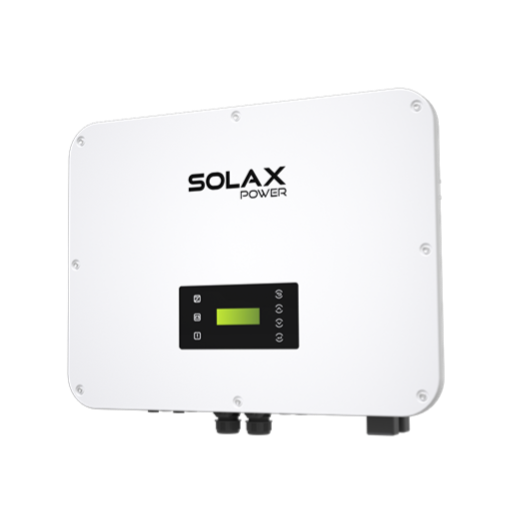
Our Solax Hybrid Inverters are designed specifically for this modern energy strategy. They allow for up to 200% DC oversizing, giving you the flexibility to build the powerful system you need, today and tomorrow.
With the Solax Cloud App, you can see exactly where your free solar power is going—whether it’s to your home, the grid, or your battery—all in a simple, easy-to-understand interface. No jargon, just clear answers.
RelaX – it’s a SolaX.
FAQ
Table of Contents
Last News
Explore expert insights, practical guides, and the latest news on SolaX Power.


To the Latest Newsletter
Stay Ahead with the Latest SolaX Updates!
Sign up
I have read and agree to Privacy Policy and User Terms