
















February 03, 2026
Can You Add a Battery to an Existing Solar System? (The Role of the Inverter)
Share my #SolaXStory


You see it every sunny day: your solar panels are churning out free, clean electricity. You might even watch your meter spin backward, selling that excess power to the grid for a few cents. But then, as soon as the sun goes down, the game flips. You’re forced to buy power back from the same grid for ten times the price.
It’s a frustrating cycle that leaves thousands of dollars on the table every year. The free energy you generate is about ten times more valuable if you store it for yourself instead of selling it for pennies.
This guide is about stopping that cycle for good. You can absolutely add a battery to your solar system. We’ll show you the two simple paths to do it, help you understand which is right for you, and explain how to unlock true energy independence—without the technical jargon.
“The free energy you generate is about ten times more valuable if you store it for yourself instead of selling it for pennies.”
Your System's 'Brain': Why the Inverter Is Key
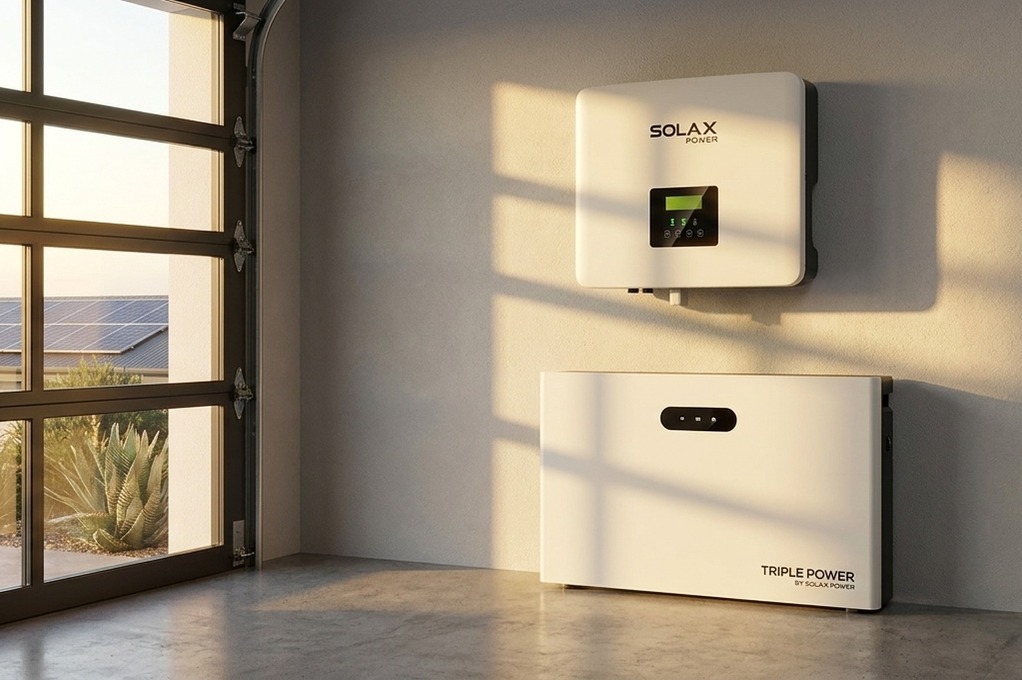
Before diving into batteries, we need to talk about the most important piece of equipment you already own: your solar inverter. Think of it as the brain of your entire system.
Its main job is to convert the DC electricity from your panels into the AC electricity that powers your home. When you decide to add a battery, this little box becomes the central figure in the story. Its age and type will determine the best and most cost-effective way to connect your new energy storage.
Don’t worry, you don’t need to be an expert. Understanding its role just helps clarify why there are two distinct options for your battery upgrade.
Key Takeaway: Your current solar inverter is the critical component that dictates how a new battery will be added to your system.
The 2 Paths to Battery Storage: Add-On vs. Fresh Start
Adding a battery isn’t a one-size-fits-all project. Your two main options depend almost entirely on the age of your solar inverter. We call them the “Add-On” method for newer systems and the “Fresh Start” for older ones.
Here’s a quick breakdown of how they compare:
Path 1: The “Add-On” (AC Coupling)
This is the most common way to retrofit a battery. If your solar system is relatively new (less than five years old), your inverter is likely still in great shape with years of warranty left. The AC coupling approach lets you keep it.
An installer simply adds a battery and a dedicated solar battery inverter that works alongside your existing setup. The main advantage is that it’s “inverter agnostic,” meaning it can be added to any solar system, no matter the brand.
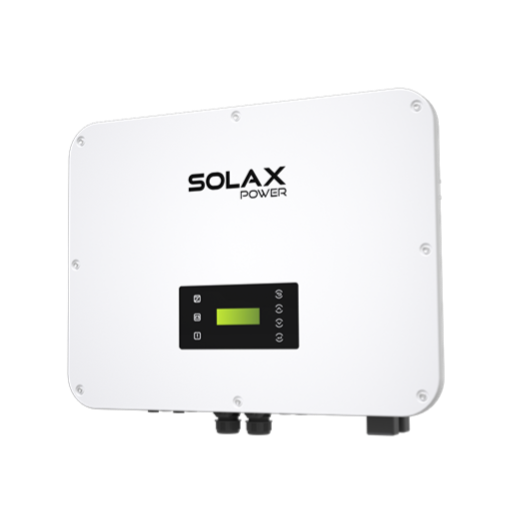
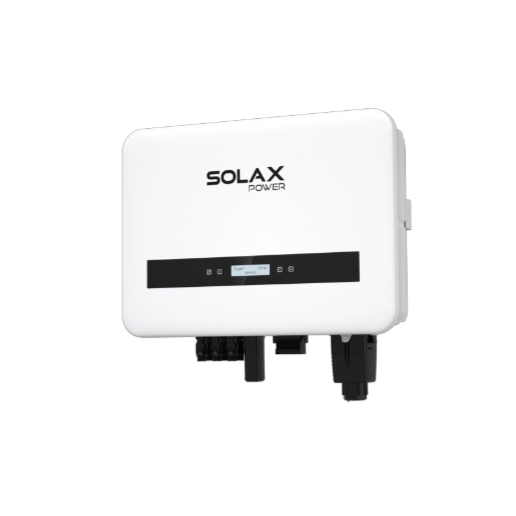
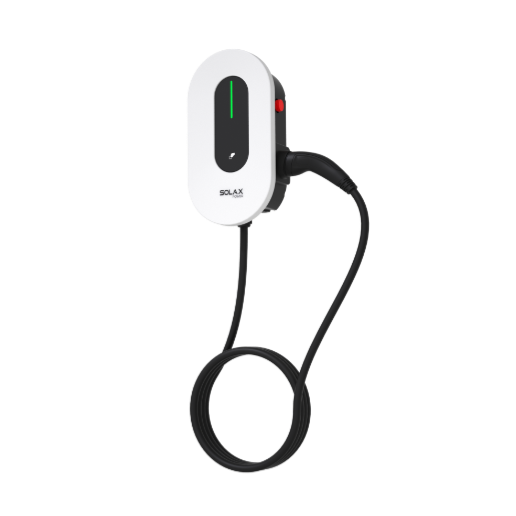
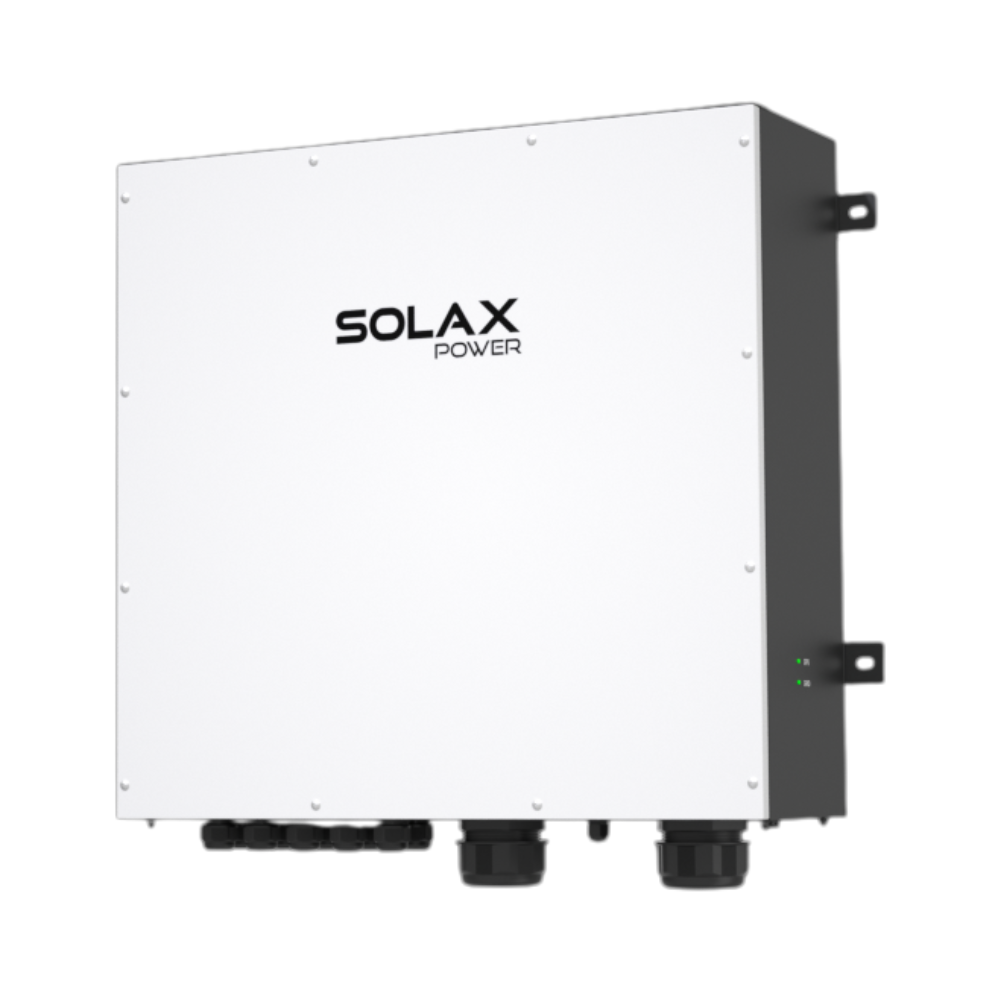
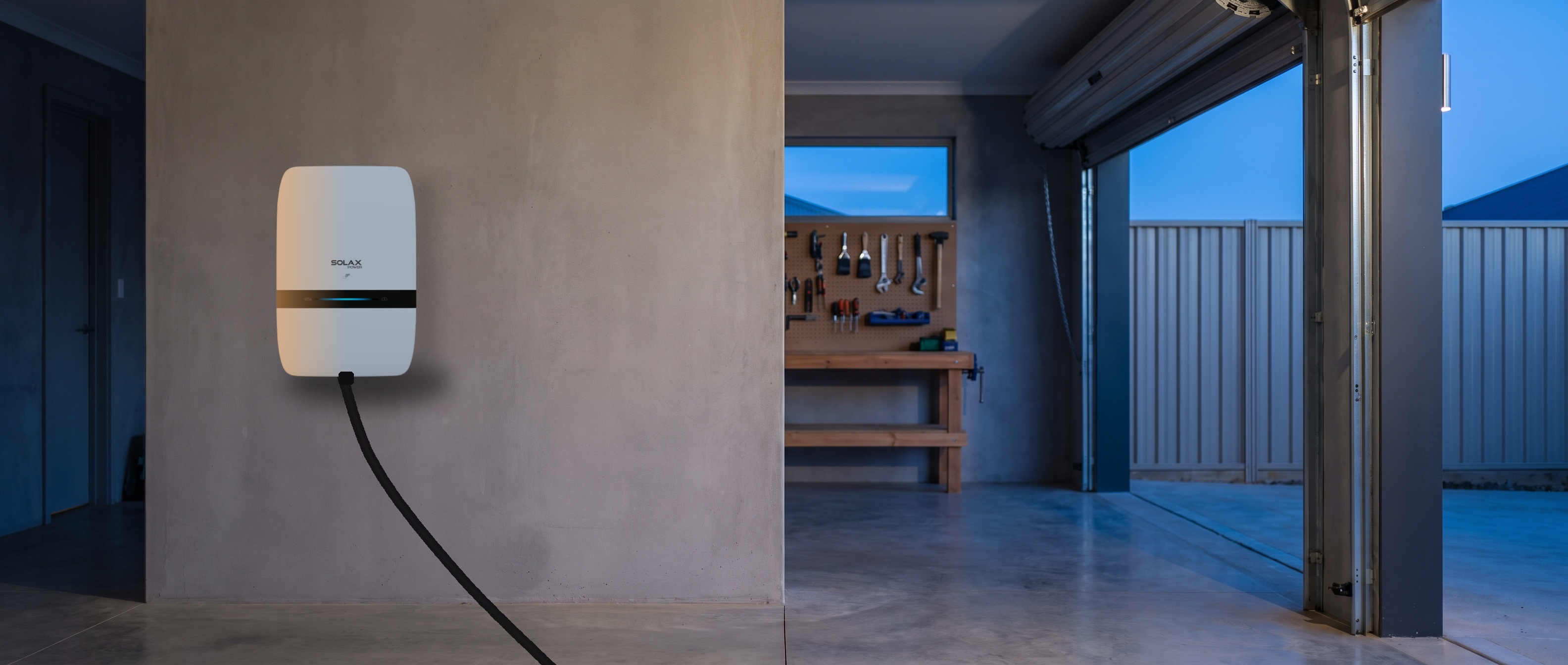
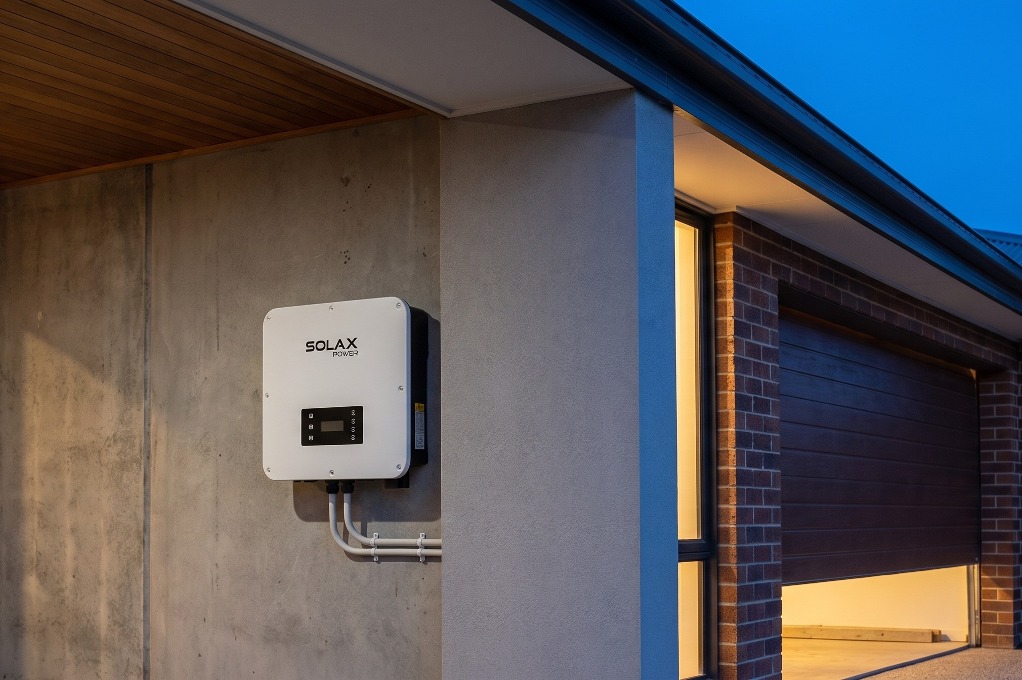
For homeowners looking for the simplest “Add-On” solution, the Solax X-Fit AC Charger is designed for this exact scenario. It integrates seamlessly with any existing solar PV system, monitoring your home’s energy flow. When it sees you’re sending excess power to the grid, it intelligently redirects that free energy to charge your battery instead.
Path 2: The “Fresh Start” (DC Coupling)
If your solar system is over six or seven years old, your inverter is likely nearing the end of its typical 10-year lifespan. In this case, replacing it makes the most sense.
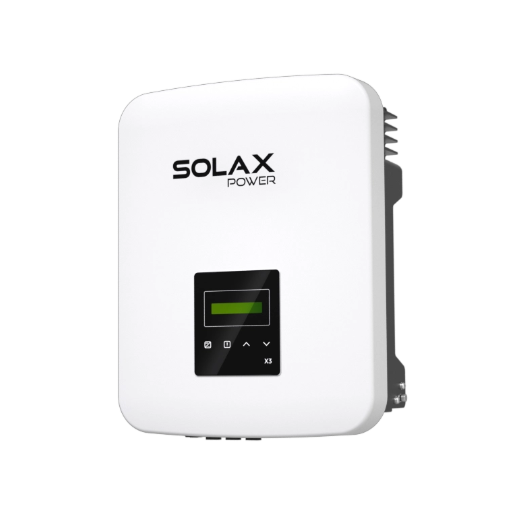
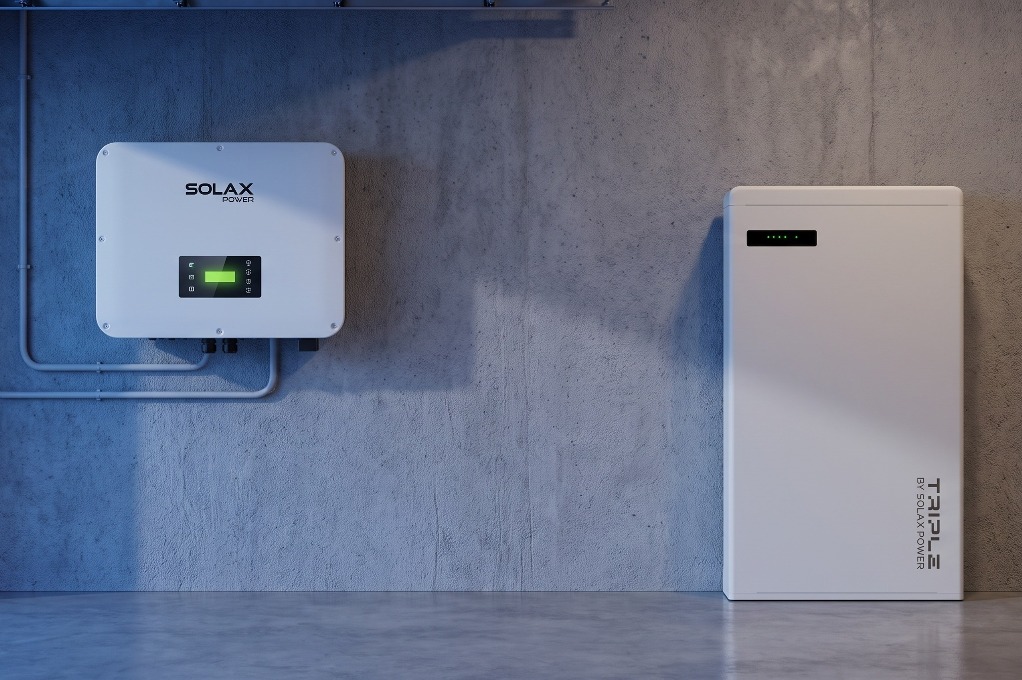
The “Fresh Start” or DC coupling approach involves swapping your old solar-only inverter for a modern, all-in-one hybrid inverter. This single smart box manages your panels, battery, and home’s energy needs.
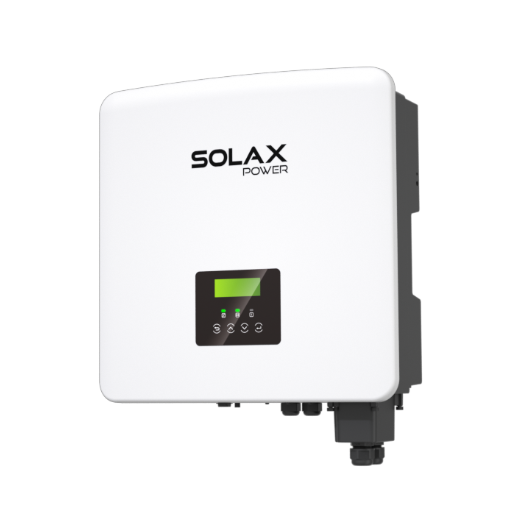
“A hybrid inverter , such as the X3-Hybrid G4 can capture free ‘clipped’ energy that your old inverter was simply throwing away.”
The biggest benefit is superior efficiency (96-98%). But its secret weapon is capturing “clipped” energy. Many homes have more panel capacity than their inverter can handle (e.g., 6.6kW of panels on a 5kW inverter). A standard inverter just wastes anything over its 5kW limit on a sunny day. A hybrid inverter sends that excess DC power straight to the battery, harvesting free energy that would otherwise be lost.
Key Takeaway: Choose the “Add-On” for newer systems to preserve your inverter’s warranty, and the “Fresh Start” for older systems to gain massive efficiency and a brand-new warranty.
Beyond Bills: Blackout-Proofing Your Home
While the savings are compelling, the real peace of mind comes from knowing your lights will stay on when the grid goes down. A solar battery for home use transforms your house into a self-sufficient island during a blackout.
When an outage occurs, your system instantly disconnects from the grid and uses the battery to create a stable “microgrid” for your home. You likely won’t even notice the power went out.
This keeps the essentials running: the fridge, lights, internet, and critical medical devices. Most standard setups create an “essential circuits” backup for these key appliances. For more demanding needs, whole-home backup is possible with a larger battery and a high-power inverter.
Key Takeaway: Adding a battery isn’t just a financial decision; it’s an investment in security and comfort, ensuring your essential appliances always have power.
The Smart Financial Move (That’s About to Get Smarter)
Storing your daytime solar to use at night is the fastest way to slash your power bills. You stop selling your valuable energy for 3-5 cents/kWh and avoid buying it back for 40-50 cents/kWh.
This strategy of “self-consumption” is powerful on its own, but it’s about to get a massive boost.
Starting 1 July 2025, the Australian Federal Government’s “Cheaper Home Batteries” program is set to launch.
This program will provide a significant upfront rebate for households adding a battery.
A projected rebate of around $3,400 for a typical 10kWh battery.
Early analysis suggests this incentive will slash the average battery payback period from over 11 years down to just 6.6 years, making it one of the best home upgrades you can make.
Key Takeaway: A federal rebate starting in mid-2025 is expected to make adding a battery more affordable than ever, dramatically shortening the time it takes to pay for itself.
No Surprises: Navigating Installation & Real-World Costs
While the concept is simple, adding a battery is a significant electrical upgrade that must be done correctly and safely. Australia has some of the world’s strictest battery installation standards (AS/NZS 5139), which is a good thing for homeowners.
These rules dictate where a battery can be installed—for example, not in “habitable rooms” like bedrooms or living rooms.
It’s also important to be aware of potential costs that might not appear in an online estimate.
⚠️ Warning: Because adding a battery is a major electrical alteration, your home’s switchboard may need to be upgraded to meet current safety codes. This can cost between $1,500 and $2,500.
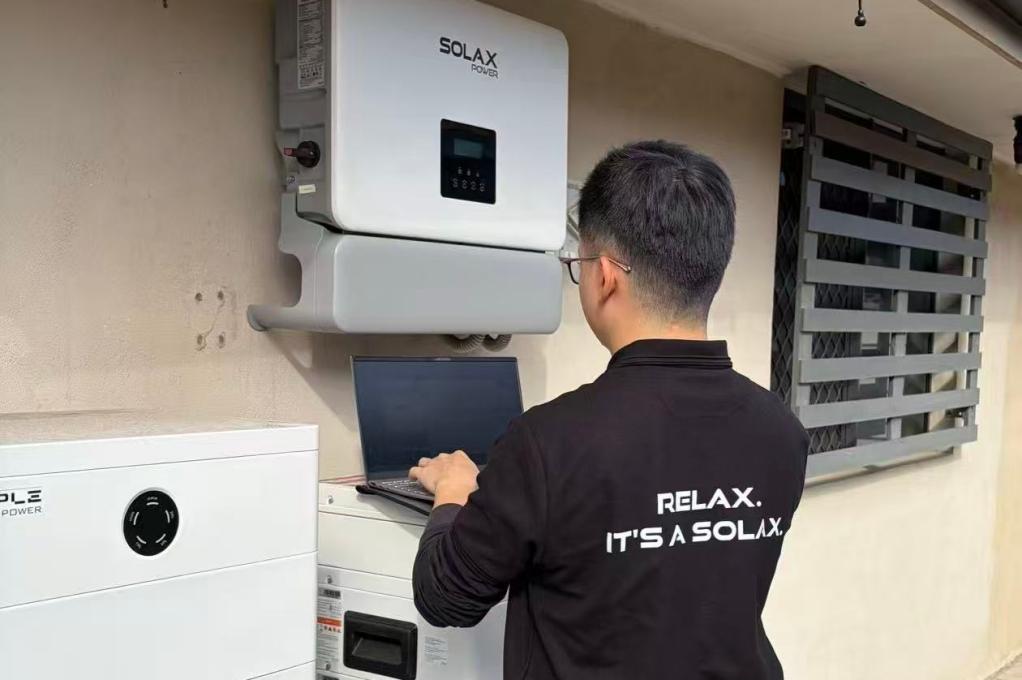
This is why getting a detailed, on-site quote is non-negotiable. A qualified installer will assess your home, explain all requirements in plain English, and provide a transparent quote with no hidden surprises.
Key Takeaway: Strict safety standards and potential switchboard upgrades are part of the process. A professional on-site quote is the only way to get a true picture of the final cost.
Table of Contents
Last News
Explore expert insights, practical guides, and the latest news on SolaX Power.



To the Latest Newsletter
Stay Ahead with the Latest SolaX Updates!
Sign up
I have read and agree to Privacy Policy and User Terms