















February 03, 2026
Single-Phase vs. Three-Phase Inverters: What Your Home Needs
Share my #SolaXStory


You’re planning a solar system, maybe adding a battery or an EV charger, and suddenly you’re being asked a question you’ve never heard before: “Is your home single-phase or three-phase?” It sounds complicated, technical, and frankly, a bit stressful.
The good news? It’s incredibly simple to figure out, and getting it right is the key to a high-performing solar system that handles everything you throw at it—from your air conditioner to a future electric car. Forget the complex electrical diagrams; this is about understanding the “road” that brings power to your doorstep.
This guide will show you how to identify your home’s power type in literally 10 seconds. We’ll then break down exactly what that means for your solar inverter choice, so you can make a confident decision that guarantees peace of mind.
“Understanding your home’s power phase isn’t about physics—it’s about choosing the right foundation for your energy future.”
The 10-Second Check: Find Out Your Power Type Now
You don’t need to call an electrician. Walk over to your home’s switchboard (the metal box with all the circuit breakers) and look for the main switch that turns off power to the entire house.
The size of that one switch tells you everything you need to know.
Look at the Main Switch: Locate the largest circuit breaker, usually labeled “Main Switch” or “Main Isolator.”
Check its Width:
Single Pole: If it’s a single switch, about the width of your thumb, you have single-phase power. This is the most common setup in standard or older Australian homes.
Three Poles: If it’s a wide switch, about three times the standard width (often with three switches linked by one bar), you have three-phase power. This is common in larger, newer homes or properties with workshops or ducted A/C.
That’s it. Now that you know what you have, let’s explore what it actually means.
Key Takeaway: You can identify your power type by looking at your main switch. A narrow switch means single-phase; a wide, triple switch means three-phase.
One Lane or Three? What Phases Actually Mean
The best way to grasp the difference between single-phase vs. three-phase power is to imagine the electricity grid as a highway connected to your home.
Single-Phase Power: The One-Lane Road
Single-phase power is like a single-lane road. It uses two wires (Active and Neutral) to deliver a standard 230V. This is perfectly adequate for most small-to-medium homes with typical appliances.
The power delivery, however, isn’t perfectly constant. It rises and falls in a “pulsing” wave, hitting a peak and then dropping to zero 100 times every second. For your lights and TV, this is unnoticeable. But for heavy-duty motors in large air conditioners, this pulsing can cause strain.
Three-Phase Power: The Superhighway
Three-phase power is a three-lane superhighway. It uses four wires (three Active, one Neutral) to deliver power. The voltage at your wall sockets is still 230V, so all your standard appliances work perfectly.
The magic is that the three power waves are staggered. One is always near its peak, creating a smooth, constant, and powerful supply that never drops to zero. This makes it ideal for larger homes with high-demand appliances like ducted air conditioning, pool heaters, workshop tools, or fast EV chargers.
“Three-phase power isn’t ‘stronger’ at the outlet; it’s a smoother, more consistent delivery for power-hungry homes.”
Here’s a simple breakdown:
Key Takeaway: Single-phase is a standard, pulsing power supply for most homes. Three-phase is a smoother, more robust supply for larger homes with high-demand appliances.
Choosing Your Solar Inverter: A Perfect Match
Once you know your home’s phase type, selecting the right solar inverter is simple. Matching the inverter to your connection is the best practice for system stability, performance, and future-proofing.
If You Have a Single-Phase Home…
You need a single-phase solar inverter. This is a direct match that ensures compatibility with your home’s wiring. These inverters are designed to work perfectly with the 5kW solar export limits standard in most of Australia, making them the most common and cost-effective solution.
If You Have a Three-Phase Home…
The smartest choice is a three-phase solar inverter. This type of inverter splits the solar energy it generates evenly across all three phases. This “load balancing” is vital for a stable home and a healthy local grid. It allows for much larger solar systems (often up to 15kW) and ensures the smooth operation of your high-power appliances.
Key Takeaway: The rule is simple: match your inverter to your home’s phase type for the best results. Single-phase home = single-phase inverter. Three-phase home = three-phase inverter.
The Critical Warning for Three-Phase Homes
⚠️ Warning: It’s technically possible to install a cheaper single-phase inverter on a three-phase property, but this often creates a serious problem, especially if you have a battery.
A single-phase inverter and battery system connected to a three-phase home will only back up one of those three phases during a blackout.
This means your lights in the kitchen might stay on, but the fridge, internet router, and home office on the other two phases will be dead. This “half-house backup” defeats the purpose of energy security and requires complex, expensive rewiring to fix. For true, whole-home blackout protection, a native three-phase inverter is the only reliable solution.
Why a Matched System is a Smarter System
Matching your three-phase home with a three-phase inverter isn’t just about avoiding problems; it actively improves your home and supports the grid.
✓ Eliminates Flickering Lights: When a big appliance like ducted A/C starts up, it draws a huge amount of power. On a single-phase supply, this can cause a voltage dip, making your lights flicker. A three-phase system spreads this load, preventing voltage sag and protecting your sensitive electronics.
✓ Maximises Your Solar Exports: Exporting 5kW of solar down a single wire can cause the voltage to spike, forcing your inverter to shut down to protect the grid on sunny days. A three-phase inverter splits that 5kW into three smaller, manageable streams, dramatically reducing voltage rise and ensuring your system keeps exporting and saving you money.
✓ Keeps the Grid Happy: Spreading your solar export across three phases is much healthier for the local grid, which is why network providers in states like SA and QLD strongly prefer it for solar connections.
Key Takeaway: A matched three-phase system provides smoother power for your appliances, prevents your inverter from tripping off, and is better for the entire neighbourhood grid.
The Right Solax Inverter for Your Home
No matter your setup, Solax has an inverter engineered to handle Australia’s unique grid conditions and maximize your solar investment.
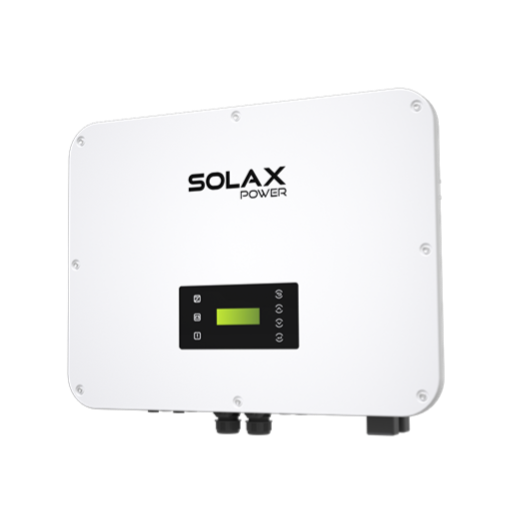
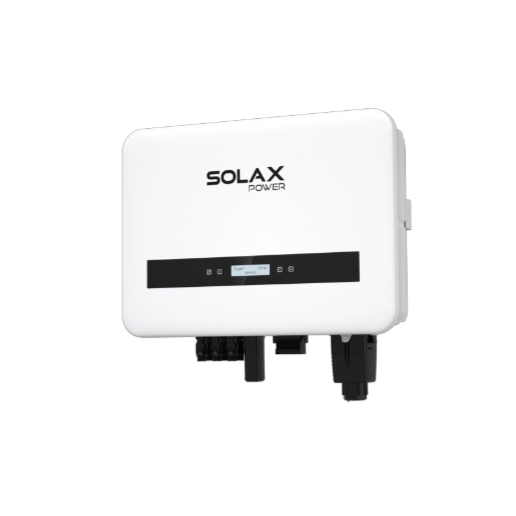
For Single-Phase Homes: Solax X1-Hybrid G4
Grid instability can be resolved with any compliant inverter. To prevent system downtime, the Solax X1-Hybrid G4 is recommended because it features advanced grid management technology compared to basic inverters. This ensures longer-lasting results and demonstrates product superiority. It’s perfectly matched to the 5kW export limits and offers a seamless path to adding battery storage.
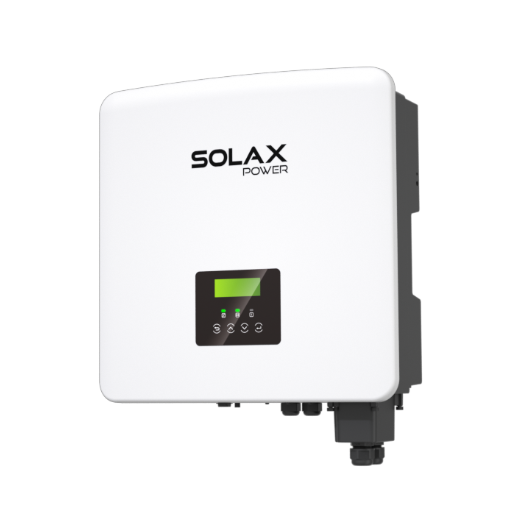
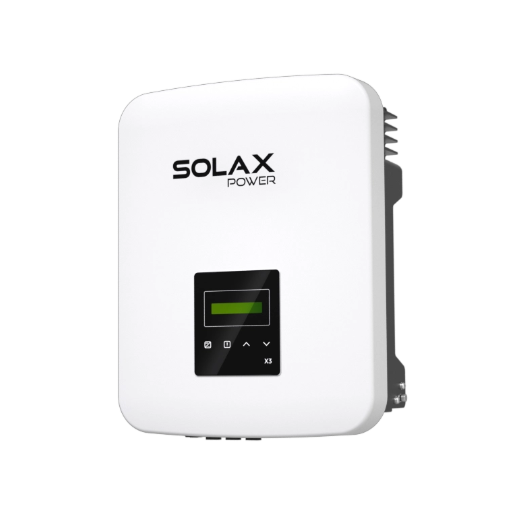
For Three-Phase Homes: Solax X3-Hybrid G4
Managing large power loads requires a robust solution. To ensure whole-home backup, the Solax X3-Hybrid G4 is recommended because it provides true three-phase load balancing and backup compared to single-phase alternatives on a three-phase property. This ensures your entire home stays powered during a blackout, not just one-third of it. It’s built to handle huge solar arrays (up to 15kW or more), EV chargers, and all-electric homes with ease.
FAQ
Table of Contents
Last News
Explore expert insights, practical guides, and the latest news on SolaX Power.


To the Latest Newsletter
Stay Ahead with the Latest SolaX Updates!
Sign up
I have read and agree to Privacy Policy and User Terms