
















February 03, 2026
What is an MPPT (Maximum Power Point Tracker) in a Solar Inverter
Share my #SolaXStory


You’ve invested in solar panels to lower your energy bills, but you’ve probably noticed that your system’s power output is constantly changing. A passing cloud, the searing midday heat, or the low light of the afternoon can all cause your production to dip, making you wonder if you’re leaving savings on the table.
The truth is, many older or simpler systems do. The difference between a good solar system and a great one often comes down to an unseen piece of technology working tirelessly inside your solar inverter. It’s the single most important factor for squeezing every last drop of energy from your panels.
This technology is called Maximum Power Point Tracking, or MPPT. In this guide, we’ll explain in plain English how this smart brain works, why it’s non-negotiable for a modern solar system, and how it directly translates into lower electricity bills and a faster return on your investment.
“Think of MPPT as the performance engine of your solar system. Without it, you’re stuck in the slow lane.”
Your Solar Panels Have a "Sweet Spot" - And It's Always Moving
Every solar panel has a perfect operating point - a “sweet spot” - where the combination of voltage and current produces the absolute maximum amount of power. This is known as the Maximum Power Point (MPP).
The problem is, this sweet spot is a moving target. It changes constantly throughout the day as conditions shift:
The sun’s angle changes from morning to noon to evening.
Clouds drift overhead, causing sudden drops in light.
Panels get hot, which naturally reduces their voltage.
A system without an intelligent tracker is like being stuck in one gear. It operates at a fixed, inefficient point, wasting a huge amount of potential energy simply because it can’t adapt. This is where the magic of MPPT comes in.
Key Takeaway: Your solar panels have a constantly shifting “sweet spot” for maximum power generation; without technology to track it, you lose energy and money.
Meet the “Smart Gearbox” That Hunts for Maximum Power
Think of an MPPT controller as a smart, automatic gearbox for your solar system. Its only job is to constantly hunt for that moving sweet spot and adjust the system’s electrical properties to stay locked onto it, ensuring you’re always generating the maximum power possible for the current conditions.
This tracking process happens many times a second. The MPPT algorithm makes a tiny adjustment and “observes” the result. If power output goes up, it keeps adjusting in that direction. If it goes down, it reverses course. This relentless fine-tuning makes a massive difference in how your system performs day-to-day.
Key Takeaway: MPPT acts like a smart gearbox, constantly adjusting to sun angle, heat, and clouds to ensure your system is always operating at peak efficiency.
Got a Complicated Roof? Dual MPPT Is the Answer
Not every home has a single, perfectly north-facing roof. Many installations require panels on multiple roof sections—for instance, some facing north for the midday sun and others facing west to capture late afternoon energy.
On a basic inverter with a single MPPT, this is a recipe for poor performance. The shaded or less sunny panels will drag down the performance of the panels in full sun, crippling your entire system.
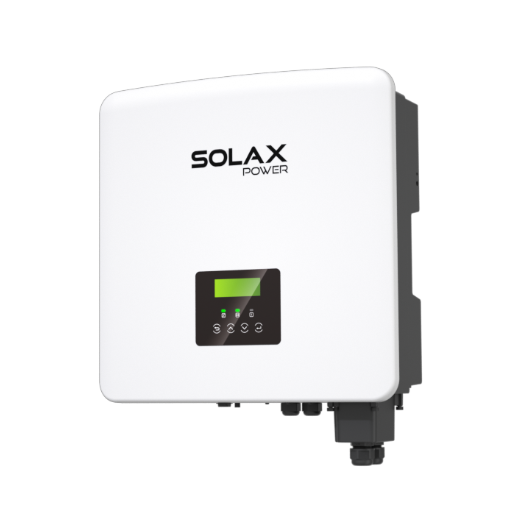
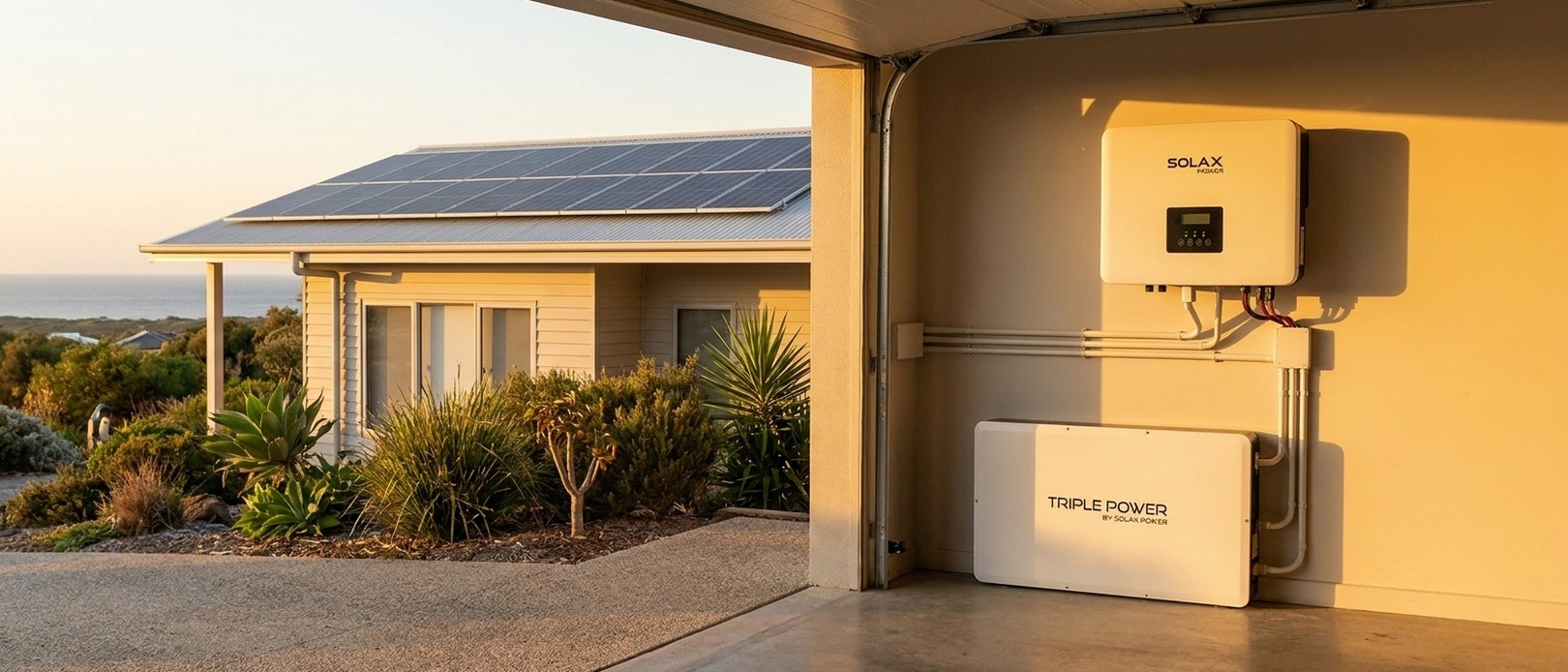
This problem is solved with a technology called Dual MPPT, found in modern inverters like the Solax X1-Hybrid G4. An inverter with Dual MPPT has two independent “smart brains” inside.
✓ Brain 1 manages your north-facing panels, finding their unique sweet spot.
✓ Brain 2 independently manages your west-facing panels, finding a completely different sweet spot.
This independence is critical. The west-facing array being in shade in the morning won’t affect the north-facing array at all. Each set of panels is optimized individually, ensuring you get the absolute maximum yield from your specific roof layout all day long.
Key Takeaway: If you have solar panels facing different directions, a Dual MPPT inverter is essential to prevent one set of panels from hurting the performance of the other.
The Bottom Line: Why Better Tech Means Bigger Savings
You don’t need to be an electrical engineer to understand the final result. It all comes down to efficiency.
Modern MPPTs achieve efficiencies of:
94-99%
Older technologies or systems without MPPT often operated at only 70-80% efficiency. That 20%+ difference is free electricity you were missing out on, day after day.
By intelligently adapting to real-world conditions, MPPT technology ensures your system generates more kilowatt-hours over its lifetime. This means a faster return on your investment, greater energy independence, and most importantly, lower power bills. It’s the standard for a reason, and it’s included in every Solax inverter to make sure your investment works as hard as it possibly can.
Key Takeaway: The high efficiency of MPPT (94-99%) compared to older tech means your system generates significantly more power, paying for itself faster and maximizing your savings.
FAQ
Table of Contents
Last News
Explore expert insights, practical guides, and the latest news on SolaX Power.





To the Latest Newsletter
Stay Ahead with the Latest SolaX Updates!
Sign up
I have read and agree to Privacy Policy and User Terms