

















February 09, 2026
Your EV Has a Secret: The 6.6kW Solar System is Obsolete
Share my #SolaXStory


You’ve made the leap to an electric vehicle. The silent ride, the instant torque, the freedom from petrol stations—it’s a game-changer. Then, the first power bill arrives, and you realise your new car is the single hungriest appliance you’ve ever owned, easily doubling your daily energy consumption.
The old advice of installing a “standard” 6.6kW solar system? It’s officially out of date. That system was designed for a world before every garage had a 60kWh battery on wheels waiting to be fed. To truly power your car with the sun, you need to rethink everything you’ve been told about solar sizing.
This guide isn’t about theory; it’s about the new reality. We’ll show you the exact math for your car, why your postcode drastically changes the answer, and why a 10kW to 13.3kW system has become the new gold standard for Australian EV owners.
“An electric car is the largest electrical load a household can add, often doubling daily energy consumption.”
Your EV’s Real “Fuel” Consumption (It’s More Than You Think)
Before you can size the generator (your solar panels), you need to understand the engine (your EV). Your car’s “fuel” consumption is measured in kilowatt-hours per 100 kilometres (kWh/100km). A lower number is better, just like L/100km in a petrol car.
But here’s the catch: the number in the brochure is rarely the number you’ll see in the real world.
Highway driving, running the air-con, and the simple physics of pushing a heavy, boxy SUV through the air can increase energy use by 20-30% compared to official figures. Aerodynamic sedans are far more efficient than SUVs at highway speeds. This is your Real-world EV efficiency.
To get a clear picture, let’s look at some popular models in Australia.
Let’s say you drive a Tesla Model Y about 15,000 km a year. Your daily energy need at the wheels is about 7.0 kWh. But accounting for charging losses (heat generated during power conversion), your solar system actually needs to produce an extra 8.0 kWh of surplus energy every single day, just for your car.
Add that to an average Aussie home’s daily use of 15-18 kWh, and your new daily target is 23-26 kWh. That’s a big number to hit, especially in winter.
Key Takeaway: Your EV likely adds 7-10 kWh to your daily energy needs. Sizing your solar system starts with understanding this new, much higher, daily target.
The Winter Solar Trap: Why Your Location Changes Everything
Here is the most common and costly mistake people make: sizing a solar system based on a yearly average. Your car needs charging in June just as it does in January, but your solar panels produce drastically less power in winter.
Solar generation follows a “bell curve”—peaking at midday and tapering off in the morning and afternoon. In winter, that curve becomes shorter and much, much flatter. This creates the “Winter Gap,” where a system that seems huge in summer can’t even cover your fridge and lights.
“Sizing a solar system for your EV based on a summer average is a recipe for disappointment.”
This effect is dramatically worse the further south you live. solar winter generation in Melbourne is a fraction of what it is in Brisbane.
Let’s see what this means for a standard 6.6kW system:
In Brisbane: On a winter day, it might generate 20 kWh. After your home uses 15 kWh, you still have 5 kWh left for the car. Not bad.
In Melbourne: That same 6.6kW system generates just 10-12 kWh. If your home uses 15 kWh (more with heating), you’re already importing from the grid before you even plug the car in. There is zero solar for the EV.
To guarantee year-round solar for EV charging Australia, you must size your system to conquer the worst-case scenario: a cloudy day in July.
Key Takeaway: Location is the single most important factor. A system that works perfectly in Brisbane will fail to charge an EV during winter in Melbourne, Sydney, or Adelaide.
The New Gold Standard: Sizing Your System for True Solar Charging
The data is clear: the 6.6kW system is not enough for a household with an electric car. It can help offset your bill, but it cannot directly power a modern EV charger while also running your home.
Here’s why:
Power Mismatch: A standard Level 2 EV charger draws 7kW of power. A 6.6kW solar system has a 5kW inverter, meaning it can only ever output a maximum of 5kW. You will always be pulling at least 2kW from the grid to charge at full speed.
Load Conflict: If your air conditioner kicks in (using 3kW), there’s only 2kW of solar power left for the car. Your charger will immediately pull the other 5kW from the grid at an expensive daytime tariff.
The Solution: 10kW to 13.3kW Systems
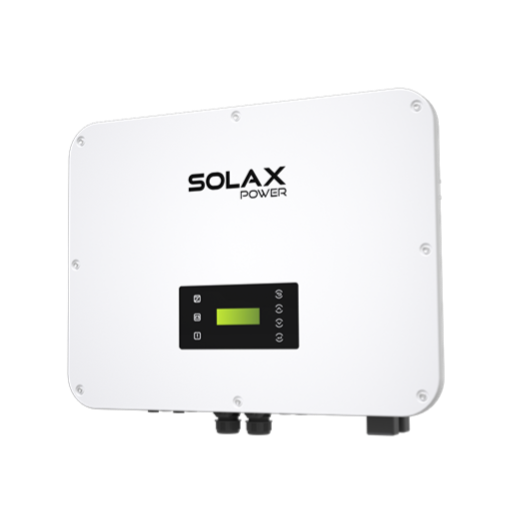
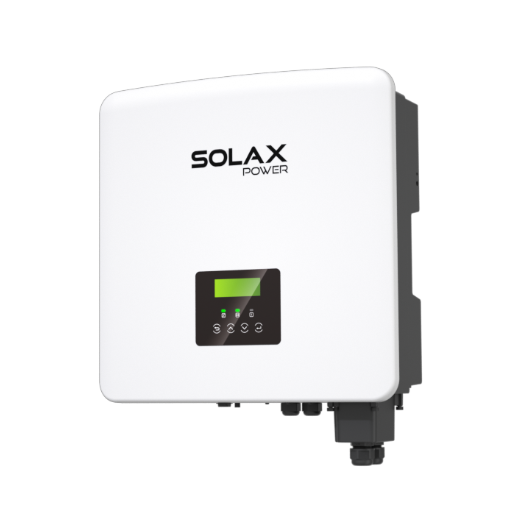
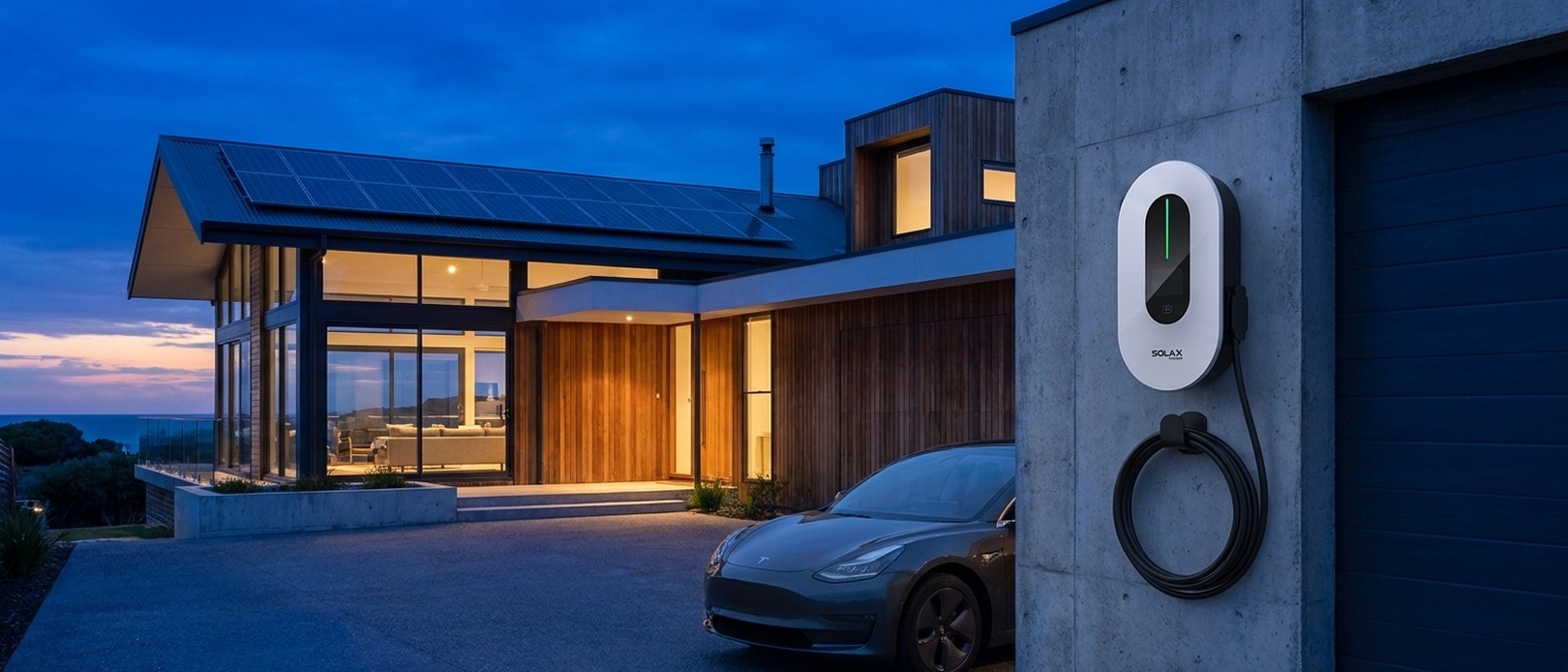
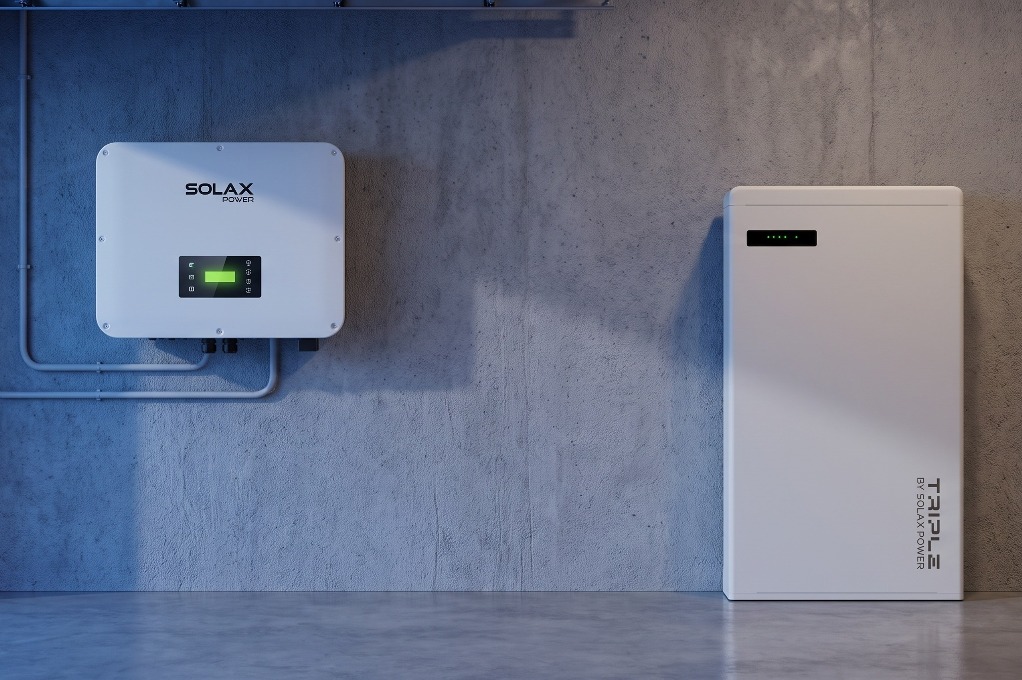
For any serious EV owner, the conversation now starts at 10kW of panels. A system with 10kW to 13.3kW of panels paired with a quality 10kW inverter like the SolaX X1-Hybrid G4 Inverter is the new sweet spot.
Winter Power: A 13.3kW system in Melbourne can still produce 18-22 kWh on a winter day. That’s enough to cover the home’s 15 kWh base load and still leave 3-7 kWh for a typical daily commute.
Charging Headroom: With a 10kW inverter, your system can deliver 10kW of power. This allows your 7kW EV charger to run at full solar speed, while still leaving 3kW to power your home simultaneously. This is true energy independence.
This is why a 10kW solar system for EV owners isn’t overkill; it’s the new, logical baseline.
Key Takeaway: A 10kW+ system is the minimum required to run a 7kW EV charger and your home simultaneously on solar power, especially during winter months.
The Brains of the Operation: Why You Need a Smart Charger
Installing a big solar array is only half the job. Without an intelligent charger, that precious solar energy will still end up exported to the grid for pennies while your car drinks expensive grid power.
Using a simple timer to charge between 11 am and 3 pm is a blunt instrument. If a cloud rolls in, the timer doesn’t care—it will force your car to charge at 7kW, pulling whatever it needs from the grid.
A true smart charger with solar diversion is the only way to guarantee you’re using 100% free energy. It uses a sensor to monitor your home’s energy flow in real-time.
It sees you are exporting 5kW of excess solar to the grid.
It tells the car to start charging at exactly 5kW.
Your dishwasher turns on, and your export drops to 2kW.
The charger instantly ramps the car’s charging down to 2kW.
This constant, automatic adjustment ensures every electron going into your car is generated from your roof, saving you hundreds of dollars a year. A powerful SolaX solar system provides the clean, stable energy these chargers need to work perfectly.
Key Takeaway: A large solar system is ineffective for EV charging without a smart charger. Solar diversion technology is mandatory to maximize your investment.
Critical Hurdles: Grid Connections and Network Rules
Before you commit to a large system, there are two crucial checks you must make. Ignoring them can stop your project in its tracks.
1. Single-Phase vs. Three-Phase Power
Most older Australian homes have single-phase power. Your local network operator (DNSP) sets strict limits on the size of the solar inverter you can connect.
Single-Phase Limit: Most networks cap single-phase connections at a 10kW inverter. This is why a 13.3kW panel / 10kW inverter setup is so popular—it’s the maximum size most single-phase homes can get.
Three-Phase Power: To install an inverter larger than 10kW, you almost always need a three-phase connection.
⚠️ Warning: Upgrading your home from single to three-phase power can cost $3,000 to $5,000. Check your switchboard and consult your installer before you decide on a system size.
2. Your Local Network’s Export Rules
Your DNSP also dictates how much excess solar you can sell back to the grid. Historically, this was often a hard limit of 5kW, which made installing a 10kW inverter pointless.
Thankfully, this is changing. Many networks now offer Dynamic or Flexible Export Limits. A modern inverter, like those from choosing the right SolaX inverter, can communicate with the grid. It allows you to export up to 10kW most of the time, only reducing your export when the local grid is actually congested.
This is a massive win for EV owners. It means you can install a large 10kW system, use all the power you need for your car and home, and still get paid for every excess kilowatt you generate on days you don’t charge.
Key Takeaway: Check your property’s phase power and your local DNSP’s export limits before getting quotes. These two factors will determine the maximum system size you can install.
The Financial Verdict: Is a Bigger Solar System Worth It?
With many energy retailers now offering cheap overnight EV charging tariffs (around 8c/kWh), is a big solar investment still the smartest move? Absolutely.
Charging with your own solar means you give up the 5c/kWh feed-in tariff you would have earned. The saving compared to an 8c/kWh EV tariff is only 3 cents. The real value of a large solar system is not the small saving on car charging; it’s the massive saving on your entire household bill.
The EV simply acts as a perfect “sponge” to soak up huge amounts of excess solar energy that would otherwise be exported for a pittance. This energy is now offsetting your home’s consumption, which is billed at a much higher 30-40c/kWh. That’s where the big savings are.
The incremental cost of going from an inadequate 6.6kW system to a future-proof 10kW system is often only a few thousand dollars—an investment that pays for itself by eliminating a much larger portion of your total energy bill.
Key Takeaway: Don’t compare the cost of solar charging to cheap EV tariffs. A large solar system’s true value comes from erasing your expensive daytime household energy usage, with the EV serving as the perfect place to store the excess.
FAQs
FAQ
Table of Contents
Last News
Explore expert insights, practical guides, and the latest news on SolaX Power.




To the Latest Newsletter
Stay Ahead with the Latest SolaX Updates!
Sign up
I have read and agree to Privacy Policy and User Terms