
















April 02, 2026
Case Study: SolaX Powers a Melbourne Manufacturing Plant
Share my #SolaXStory


For a food manufacturer, a power outage isn’t an inconvenience—it’s a catastrophe. A four-hour blackout can mean tens of thousands of dollars in spoiled inventory, broken contracts, and a logistical nightmare of health and safety breaches. This was the existential threat facing Mushiki Dumpling Factory in Melbourne.
Like many Australian manufacturers, they were caught in an energy “trilemma”: skyrocketing costs, an increasingly fragile grid, and the pressure to decarbonise. Relying on the grid was no longer a viable business strategy; it was a gamble they couldn’t afford to lose. They needed a way out.
This is the story of how they didn’t just find a solution, but an investment that paid for itself in just over two years. By deploying a sophisticated SolaX solar and battery microgrid, they transformed their greatest vulnerability into a powerful financial and operational asset.
“This is a masterclass in how Australian manufacturing can leverage solar and battery technology to secure its future.”
The Anatomy of an Unstoppable Factory
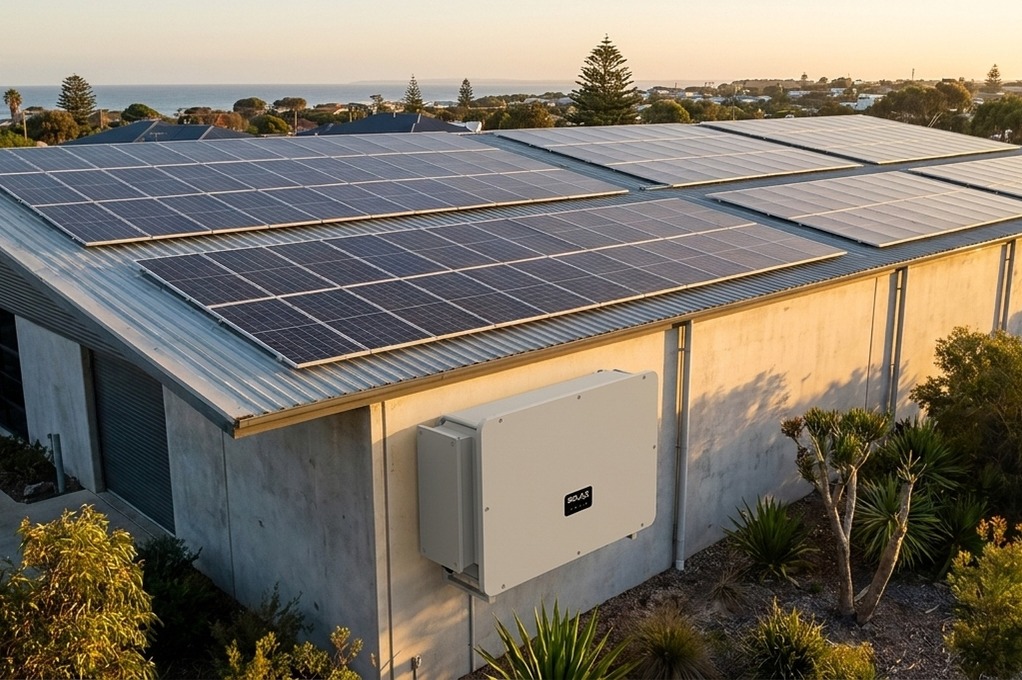
To solve a complex industrial problem, Mushiki Dumplings and installer Direct Solar Wholesaler needed more than just solar panels. They needed a resilient, intelligent microgrid capable of running the entire facility, day or night, with or without the grid.
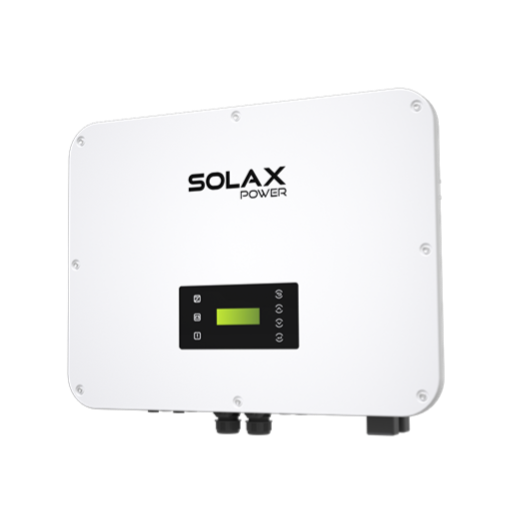
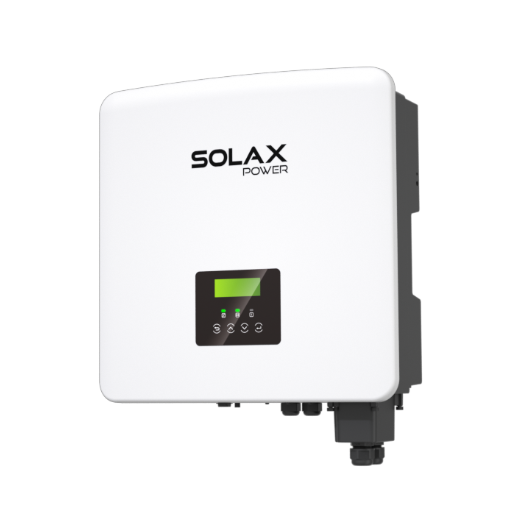
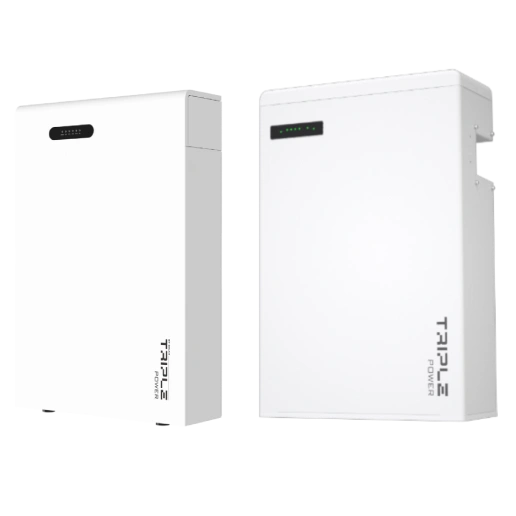
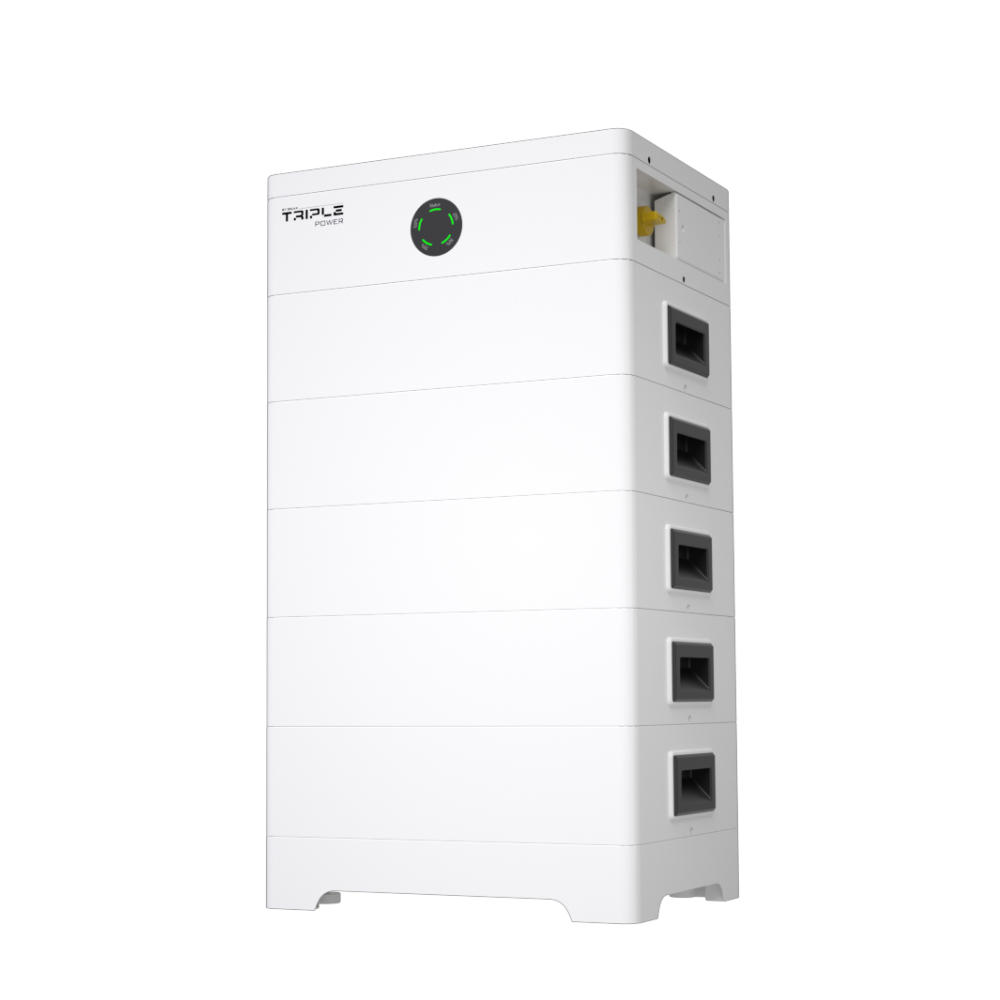
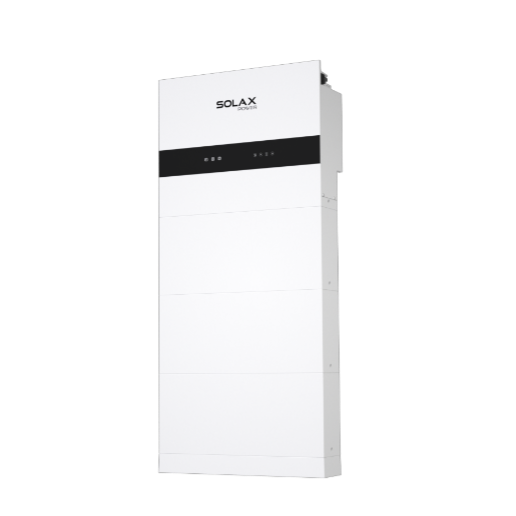
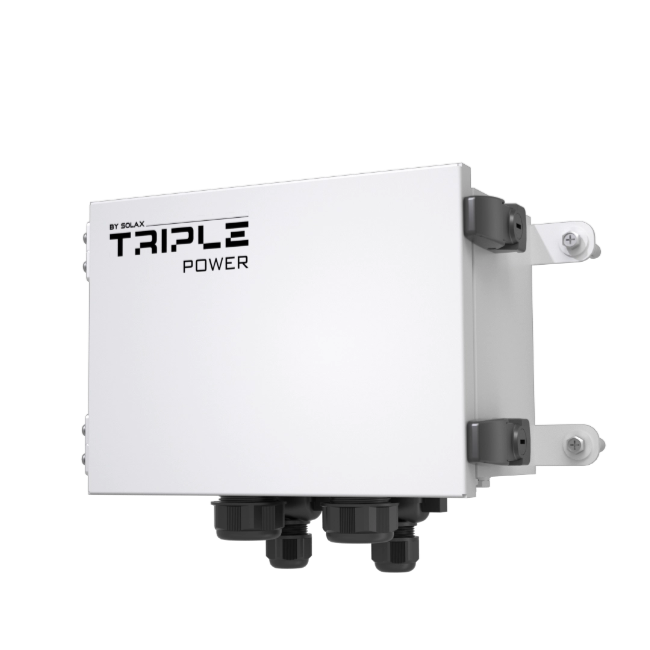
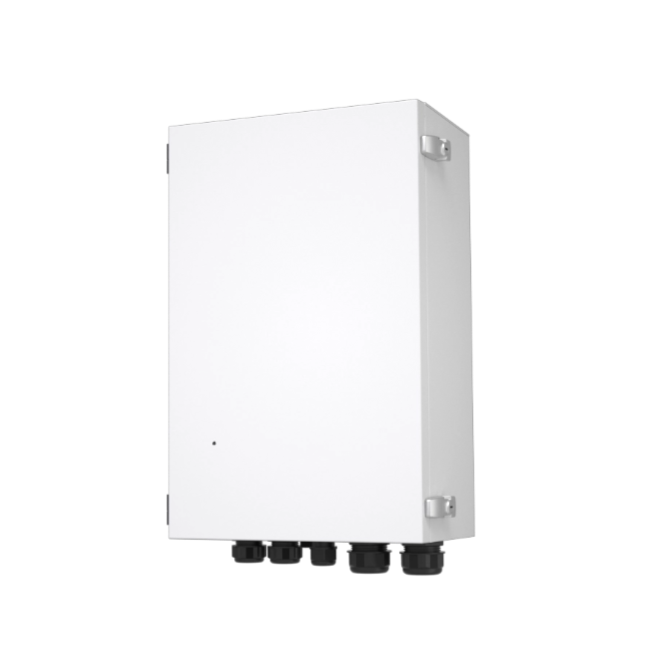
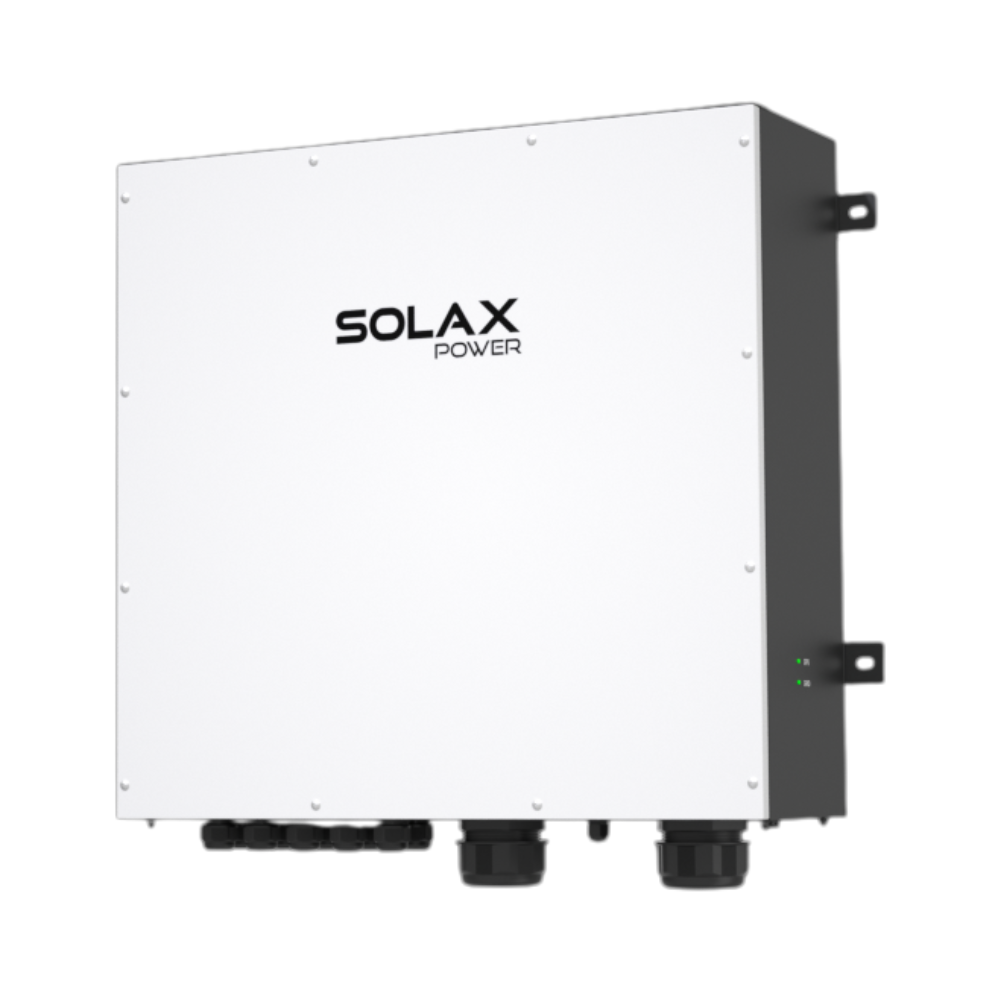
The core of this commercial solar solution is a fully integrated SolaX energy storage system designed for maximum self-sufficiency and seamless backup power.
Mushiki Dumpling Factory System Overview:
This Hybrid ESS design, where solar and battery controls are built into the same units, provides superior efficiency and lightning-fast response times compared to bolting a battery onto a pre-existing solar system.
Key Takeaway: The solution wasn’t just panels, but a complete SolaX microgrid with paralleled hybrid inverters and high-voltage batteries, engineered for total energy independence.
The 99.9 kW Strategy: A $38,000 Smart Decision
You might wonder, why 99.9 kW? Why not a round 100 kW or even 110 kW? This specific number isn’t a technical limitation; it’s a calculated financial masterstroke.
In Australia, the Small-scale Renewable Energy Scheme (SRES) provides a significant upfront discount for solar systems up to 100 kW. By sizing the system at 99.9 kW, the project qualified for this powerful incentive.
✓ The STC Benefit: This project generated around 900 Small-scale Technology Certificates (STCs). At market rates, this provided an immediate point-of-sale discount of roughly $35,000 – $38,000.
✗ The LGC Alternative: Had the system been just 1.1 kW larger (101 kW), it would have fallen under the Large-scale Renewable Energy Target (LRET). It would receive zero upfront discount and instead have to generate Large-scale Generation Certificates (LGCs) over many years based on actual production.
This single decision made the project’s economics vastly more attractive before the first watt of power was even generated. SolaX powers a manufacturing plant not just with electricity, but with smart financial strategy.
Key Takeaway: Sizing the system just under the 100 kW threshold unlocked a significant upfront government rebate, slashing the net cost of the project and fast-tracking its profitability.
Industrial-Grade Power: Why SolaX Excels Under Pressure
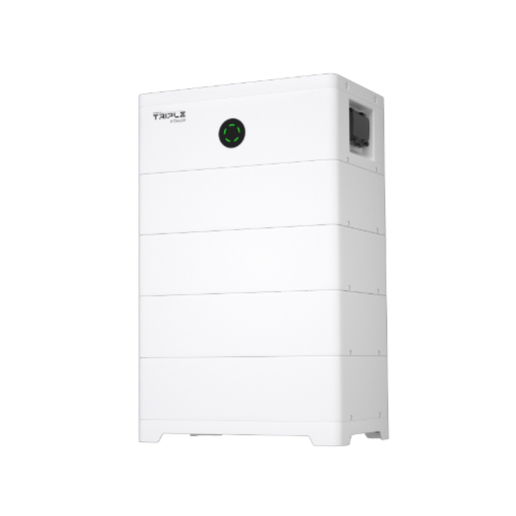
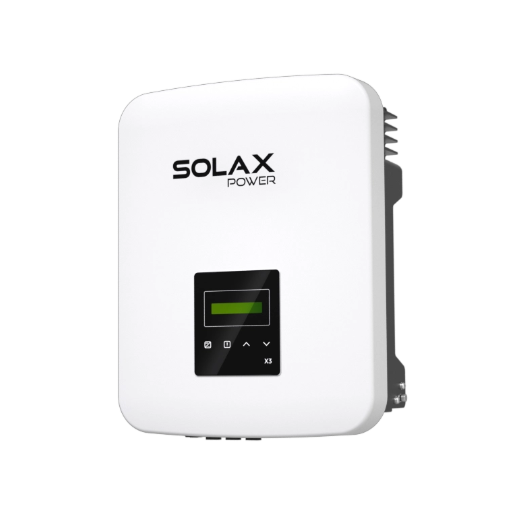
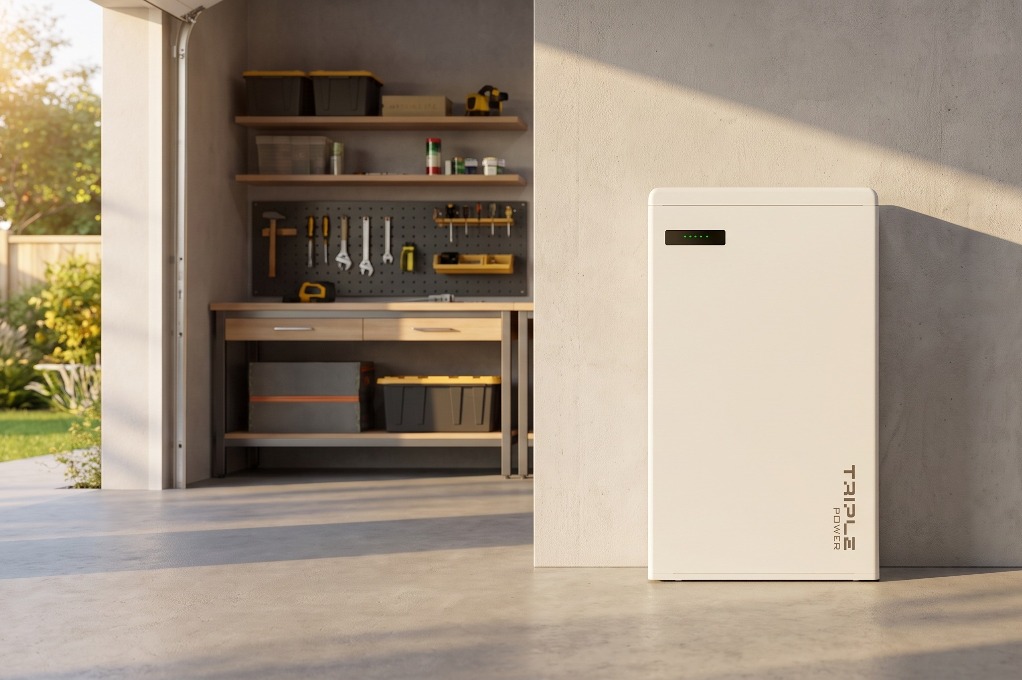
A manufacturing plant is not a house. The power demands are heavy, unbalanced, and unforgiving. The SolaX X3-Hybrid G4 and Triple Power High Voltage batteries were chosen because they are specifically engineered for these harsh conditions.
This is where the SolaX “Value-Premium” position shines, delivering technical capabilities often reserved for expensive European brands.
SolaX Differentiators for Manufacturing:
“The system’s ability to handle surge outputs of 150% is vital for starting the heavy inductive loads of refrigeration compressors.”
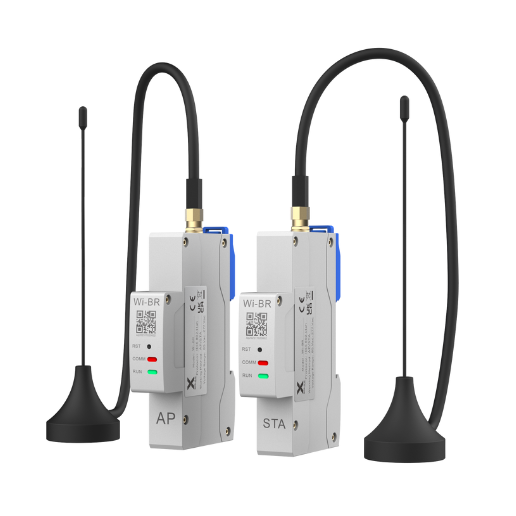
These aren’t just features on a datasheet; they are direct solutions to the daily operational risks that keep a facility manager awake at night. The system is managed through the SolaXCloud, allowing for intelligent scheduling—like charging from the grid when power is cheap overnight and dispatching during peak evening demand.
Key Takeaway: SolaX provides industrial-grade features like instantaneous backup, unbalanced phase support, and high surge capacity, which are non-negotiable for ensuring business continuity in a manufacturing setting.
The Financial Verdict: A 2-Year Payback Period
The ultimate test of any commercial investment is the return. For Mushiki Dumplings, the SolaX energy storage system has been an overwhelming financial success.
By drastically reducing grid consumption and eliminating costly demand charges, the system delivers tangible savings year after year. The combination of smart system design and government incentives led to an exceptionally fast payback.
Project ROI Breakdown (Estimated):
An internal rate of return (IRR) exceeding 25% makes this project a better investment than almost any other typical business expansion. With a projected lifespan of over 25 years, the system will deliver hundreds of thousands of dollars in free, clean electricity, future-proofing the business against volatile energy markets.
Key Takeaway: With a net cost of ~$80,000 and annual savings of ~$39,000, the SolaX system delivered a remarkable payback period of just over two years, proving its immense financial value.
Why Local Support is a Manufacturer’s Best Friend
For a mission-critical asset like a factory’s power system, support can’t be an email address in another time zone. This is SolaX’s final, crucial advantage in the Australian market.
SolaX Power’s national headquarters is in Dandenong South, Victoria—less than 15 kilometres from the Mushiki Dumpling factory.
⚠️ Warning: For a commercial operation, relying on equipment without local technical support and a robust supply chain is a major business risk. A simple warranty claim can turn into weeks of downtime.
This proximity is a powerful risk mitigator. If a hardware fault occurs, a replacement unit and expert technical support are minutes away, not weeks away on a container ship. This local infrastructure, combined with specialist installers like Solax, ensures that complex projects are commissioned correctly and supported for their entire operational life.
Table of Contents
Last News
Explore expert insights, practical guides, and the latest news on SolaX Power.

To the Latest Newsletter
Stay Ahead with the Latest SolaX Updates!
Sign up
I have read and agree to Privacy Policy and User Terms