
















April 02, 2026
Calculating the ROI for a 100kW Commercial Solar System in Australia
Share my #SolaXStory


Investing in a 100kW commercial solar system feels like a major financial decision, because it is. You’ve seen the promise of slashing operational costs, but the path to a strong return on investment (ROI) is clouded with confusing quotes, technical jargon, and hidden fees. How do you move from a vague estimate to a bankable financial forecast?
The answer starts with a secret most businesses learn too late: the most profitable “100kW system” is actually 99.9kW. This isn’t a typo; it’s a strategic decision that places your investment under a far more lucrative government incentive scheme, instantly cutting your upfront cost and accelerating your payback period by years.
This guide provides the definitive breakdown for Calculating the ROI for a 100kW commercial solar system in Australia. We’ll uncover the true costs, reveal the rebates you can’t afford to miss, and give you the clarity to make a strategic, profitable energy decision for your business.
“The most profitable ‘100kW system’ is actually 99.9kW. This one detail is the key to unlocking the best possible return on investment.”
The 99.9kW Rule: Your Key to a Faster Payback
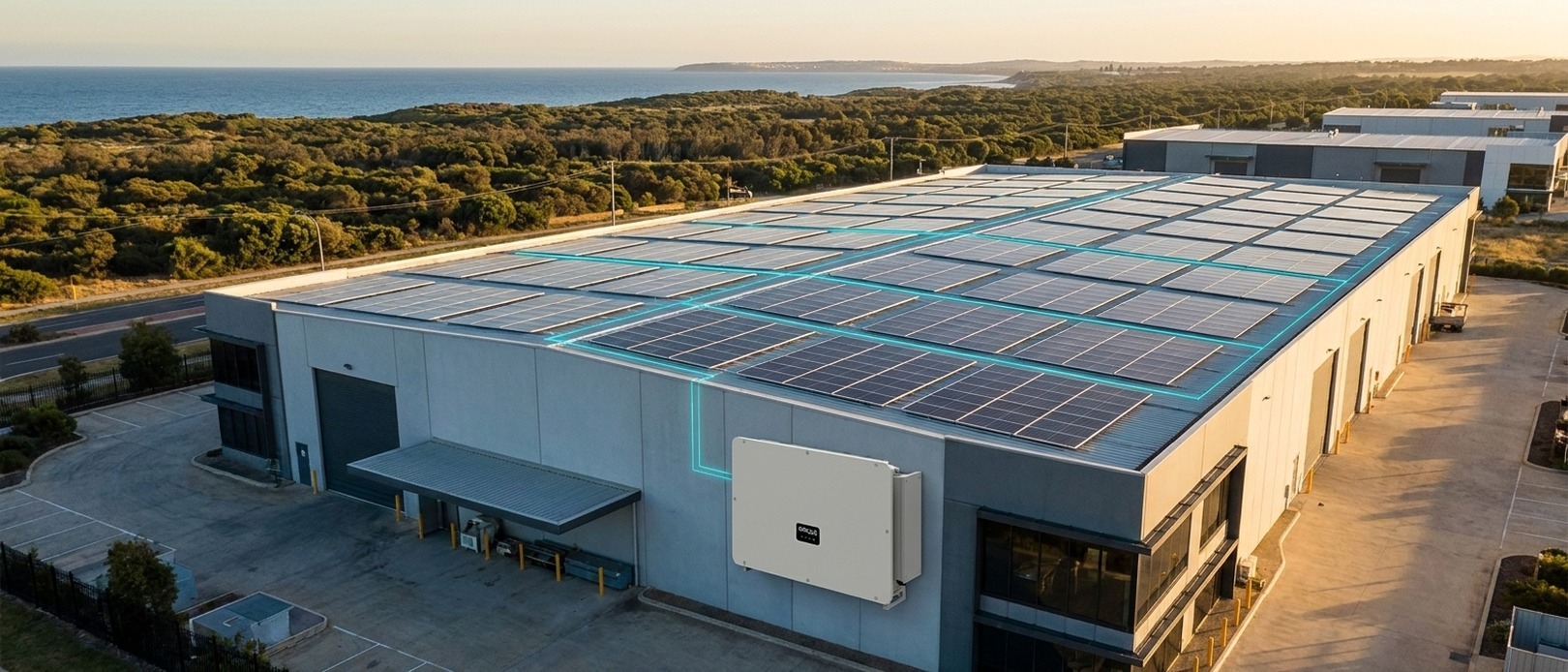
The single biggest factor impacting your upfront cost has nothing to do with panels or inverters. It’s a regulatory threshold. Staying at or below 99.9kW keeps you in a financial sweet spot, while hitting 100kW pushes you into a much tougher category.
The Smart Money is on the SRES (Up to 99.9kW)
Systems with an inverter capacity of 99.9kW or less qualify for the Small-scale Renewable Energy Scheme (SRES).
Think of the SRES as a guaranteed, upfront discount on your system. The government calculates the renewable energy your system will likely produce over the next several years and issues certificates (STCs) for that entire amount immediately. Your installer claims these certificates on your behalf and deducts their full value from your bill.
In 2025, this point-of-sale discount can cover 25% to 35% of the total system price.
✓ Massive upfront discount
✓ Guaranteed, risk-free subsidy
✓ No ongoing administrative burden
The LRET Trap (100kW and Above)
The moment a system exceeds 100kW, it’s classified as a power station and falls under the Large-scale Renewable Energy Target (LRET). This changes the financial game completely—and not for the better.
Instead of an upfront discount, you generate certificates (LGCs) annually based on actual production. You then have to sell these on an open market where prices fluctuate.
✗ No upfront discount: You pay the full, unsubsidised price.
✗ Volatile revenue: Your return depends on a fluctuating market price for LGCs. LGC prices for 2025 are projected to be in the $6–$8.25 range.
✗ Admin nightmare: Your business must become an accredited power station, involving fees and ongoing reporting.
For almost every business, capping the system at 99.9kW is the clear strategic choice. It secures a guaranteed capital subsidy, avoids market risk, and delivers a much faster commercial solar payback period.
Key Takeaway: The most astute investment is a 99.9kW system. This unlocks a huge upfront SRES discount, avoids the complexity and risk of the LRET, and is the foundation of a rapid ROI.
What a 100kW Solar System Actually Costs in Australia
A simple dollar-per-watt quote rarely tells the whole story. The true 100kw solar system price Australia includes the hardware, installation, and several mandatory “hidden” expenses that are critical for a functional, compliant system.
Average Installed Costs (After Rebate)
This table shows the benchmarked, fully installed cost for a 99.9kW system in late 2025. These prices are inclusive of GST and already have the powerful SRES (STC) rebate applied.
The “Hidden” Costs You Need to Budget For
These are not optional extras. They are mandatory for grid connection and safety, and any quote that omits them is incomplete.
Network Protection Unit (NPU): Grid operators require a secondary safety relay for systems over 30kW to protect the grid during a blackout. This is a non-negotiable hardware and engineering requirement. Budget: $10,000 – $15,000.
Structural Engineering: A 99.9kW system adds around 6 to 10 tonnes of weight to your roof. A certified structural engineer must confirm the roof can handle the load. Budget: Varies, but essential.
Access & Safety Costs: Lifting pallets of panels with a crane and using scissor lifts for installers is standard procedure. Budget: $2,900+, increasing for difficult sites.
Key Takeaway: The true cost goes beyond the initial quote. Always ensure your provider has included mandatory items like the NPU, engineering certification, and access costs to avoid expensive surprises.
How Your System Pays You Back (It’s Not Just About Exports)
The financial return from your solar system is driven almost entirely by cost avoidance, not export revenue.
The #1 Value Driver: Slashing Your Daytime Bills
This is the core of your ROI. Every kilowatt-hour (kWh) of solar energy you generate and use on-site is a kWh you don’t have to buy from the grid at your high daytime commercial rate. This is your primary saving.
A 99.9kW system’s annual energy production varies by location:
Brisbane/Perth: ~150–160 MWh/year
Sydney: ~140 MWh/year
Melbourne: ~125–130 MWh/year
If your Brisbane business pays 30c/kWh and uses all 155 MWh (155,000 kWh) its system generates, that’s an annual saving of $46,500 right off your bottom line.
Secondary Benefits: Demand Charges & Feed-in Tariffs
Demand Charges: Many businesses pay a fee based on their highest peak energy use in a month. Solar can lower this, but it’s not guaranteed—a single passing cloud at the wrong time can reset the peak. Guaranteed demand charge reduction requires a battery.
Feed-in Tariffs (FiTs): The days of high FiTs are over. For commercial systems, expect to receive between 0c and 8c per kWh for exported power. Your financial model should treat this as a small bonus, not a core part of the ROI.
Key Takeaway: Maximise your return by using as much of the solar energy you generate as possible. The primary value is in avoiding high grid electricity costs, not earning export credits.
Tax Breaks & Rebates That Accelerate Your ROI
Beyond the initial SRES discount, several government incentives can shorten your payback period even further. Disclaimer: This is general information. Always seek specific advice from your tax professional.
The Cost of Delay: A Shrinking Rebate
The SRES rebate is phasing out. The number of certificates you receive is based on a “deeming period” that reduces by one year every January 1st.
Install in 2025: Get 6 years’ worth of STCs.
Install in 2026: Get only 5 years’ worth of STCs.
Waiting until January 2026 means losing around 16.6% of your rebate value—a tangible loss of $5,000 to $6,000.
⚠️ Warning: Every year you delay going solar, the upfront government discount gets smaller. This creates a real and calculable cost of inaction.
Depreciation & Tax Deductions
While the Temporary Full Expensing scheme has ended, you can still claim depreciation on your solar system. For small businesses, the asset is typically added to a general pool and depreciated at 15% in the first year and 30% thereafter. For others, the ATO’s effective life of 20 years allows for a 10% annual deduction using the Diminishing Value method.
State-Specific Gold: The Victorian “Double Dip”
Victoria offers the best ROI in Australia right now. The Victorian Energy Upgrades (VEU) program allows businesses to claim a state-based VEEC rebate on top of the federal STC rebate.
This “double dip” can add an extra $9,000+ rebate for a 99.9kW system, often reducing the payback period by a full year.
Key Takeaway: Timing is critical. Acting sooner secures a larger federal rebate, while location-specific incentives like Victoria’s VEU program can dramatically improve the business case.
Protecting Your Investment: The Ongoing Costs You Must Factor In
A solar system is a 25-year asset, not a “set and forget” purchase. Prudent financial modelling must include operational expenditure (OPEX) to ensure your ROI stays on track.
Rising Insurance Premiums
Insurers are becoming more aware of climate risks like severe hail. As a result, premiums for properties with large solar arrays have reportedly increased by 30-50%.
Essential Maintenance (O&M)
Panel Cleaning: Dust and grime can reduce output by 5-15%. Budget for professional cleaning 1-2 times per year ($1,000-$1,500 per visit).
Inverter Replacement: Commercial inverters typically have a 10-year warranty. You should factor in the cost of a replacement in year 10-12 to protect the 25-year lifespan of your panels.
Active Monitoring: A small annual subscription for monitoring software is a must-have. It allows you to spot and fix faults early before they impact your savings.
Key Takeaway: A realistic ROI calculation includes ongoing costs for insurance and maintenance. These small investments protect your larger one and ensure the system performs as expected for decades.
Why Solax Is the Smart Choice for Commercial Solar
Navigating the complexities of commercial solar panels cost and ROI can be overwhelming. To achieve your financial goals, you need a reliable technology partner that simplifies the process and delivers proven performance.
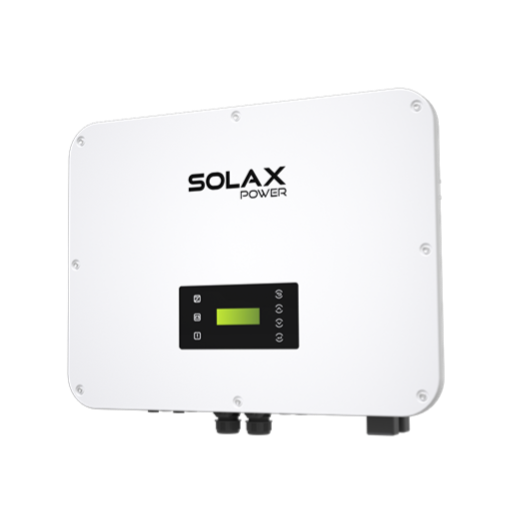
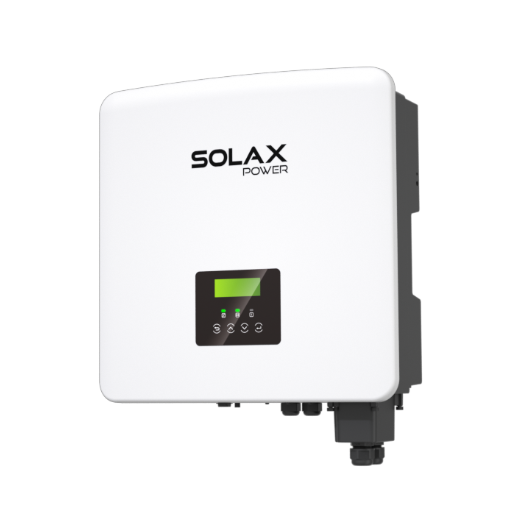
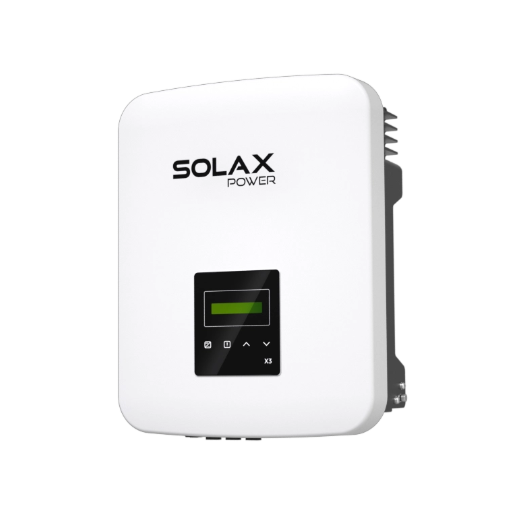
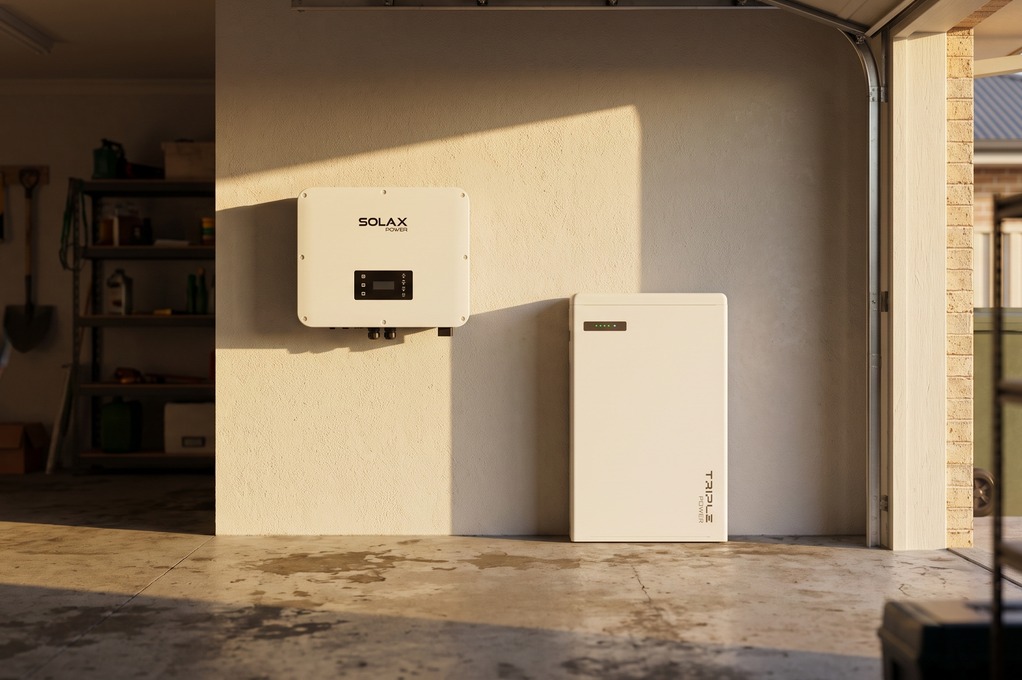
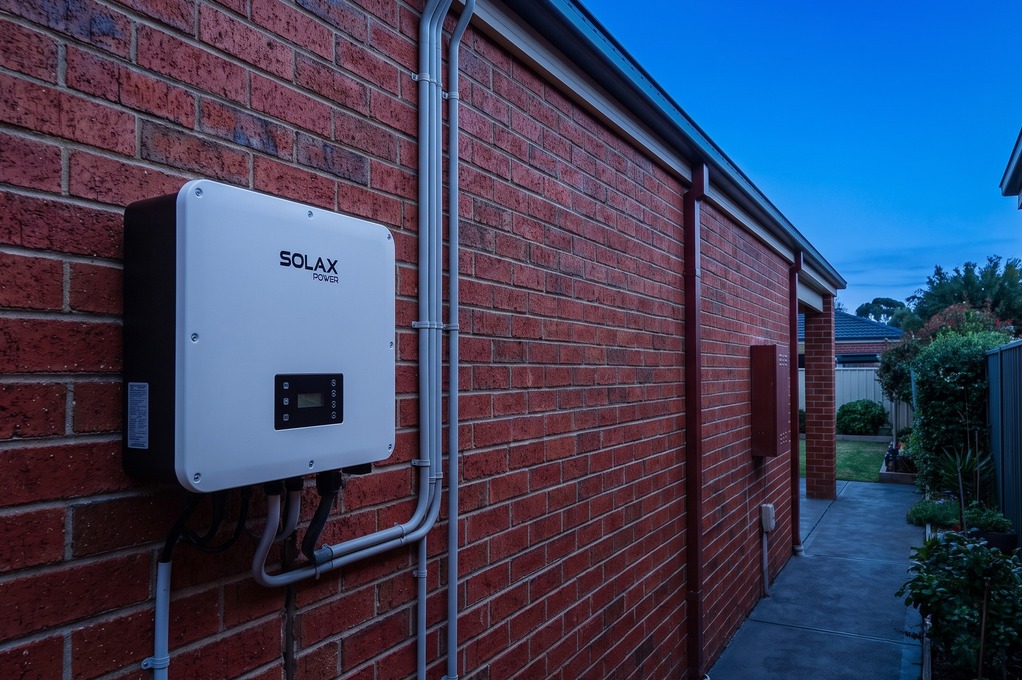
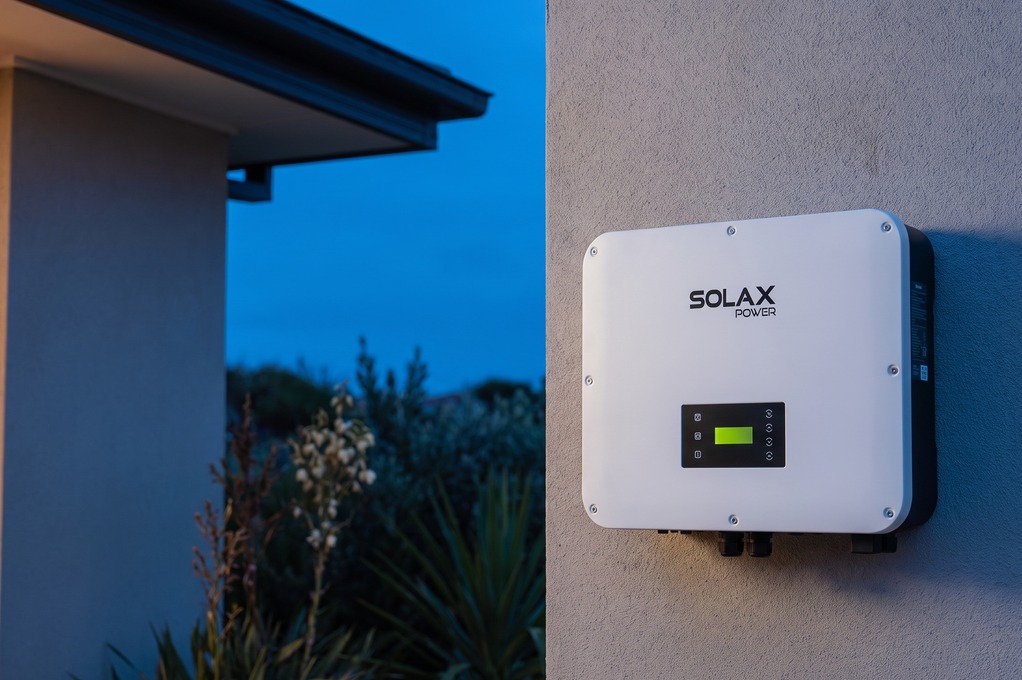
While any solar system can reduce bills, a high-performance system is required to maximise your long-term returns. The Solax X3-PRO G2 is engineered for durability and efficiency, ensuring you get the most from every panel compared to standard alternatives. This ensures higher energy generation over the system’s life and demonstrates product superiority.
You also need absolute clarity on your savings. The Solax Cloud monitoring platform demystifies your system’s performance, translating complex data into clear financial returns you can see in real-time. It’s the simple, reliable way to stay in control of your investment.
Choosing Solax means choosing peace of mind. RelaX – it’s a SolaX.
Real-World ROI: Financial Scenarios
Here’s how these factors combine to create different outcomes across Australia.
Best Case: The Victorian Manufacturer
A Melbourne factory installs a 99.9kW system. Their high daytime power usage means 85% self-consumption. They leverage the “double dip” VEU and STC rebates, drastically lowering their net cost.
Result: Payback period under 3 years.
Grid-Constrained Case: The Brisbane Warehouse
A Brisbane logistics hub installs a 99.9kW system but is hit with a “Zero Export” condition due to a congested local grid. Weekend overproduction cannot be used or sold, reducing the overall value of the energy generated.
Result: Payback period pushed out to 3.5–4 years.
Tariff-Optimised Case: The Perth Office
A Perth office building installs a 99.9kW system with panels oriented North-West. This strategy aligns peak generation with late afternoon air-con loads and the higher DEBS export tariff, maximising the value of every kWh.
Result: Payback period of approximately 3.2 years.
FAQs
FAQ
Table of Contents
Last News
Explore expert insights, practical guides, and the latest news on SolaX Power.



To the Latest Newsletter
Stay Ahead with the Latest SolaX Updates!
Sign up
I have read and agree to Privacy Policy and User Terms