
















April 01, 2026
Case Study: SolaX Solutions for a Queensland Retail Centre
Share my #SolaXStory


Your last summer electricity bill for the retail centre was a gut punch. Despite having a commercial solar system, the demand charges were astronomical, and you know the system throttled back during the hottest parts of the day, right when you needed it most. It feels like you’re fighting a losing battle against Queensland’s brutal climate and a saturated, unforgiving electricity grid.
This isn’t a failure of solar; it’s a failure of using the wrong tool for the job. Standard commercial solar solutions, often designed for milder European climates, simply can’t cope with the unique pressures of Queensland. They overheat, get choked by grid restrictions, and offer no defence against the crippling demand charges that can make up 50% of your bill.
This guide breaks down why those systems fail and details how a purpose-built SolaX Solutions Queensland Retail Centre deployment is engineered to thrive here. We’ll show you how to protect your investment from heat, navigate complex grid rules, and turn your energy system from a cost centre into a strategic asset with a payback period that will get your board’s attention.
“For Queensland retail centres, the choice of solar hardware isn’t about preference; it’s about financial survival.”
Why Generic Commercial Solar Underperforms in Queensland
To understand the SolaX advantage, you first need to understand the two unseen enemies actively sabotaging your energy returns in Queensland: extreme rooftop heat and a volatile, over-saturated grid.
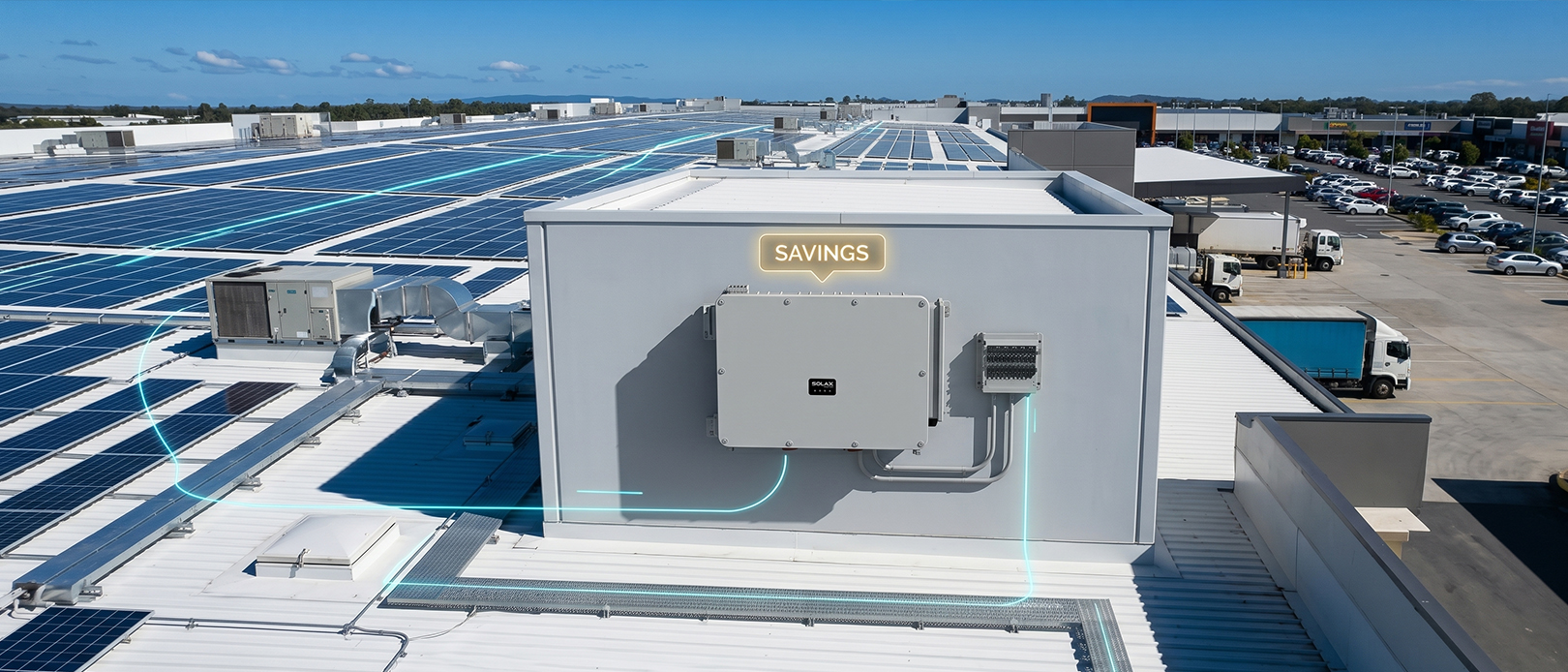
First, the heat. While the weather report might say 35°C, the surface of your centre’s metal roof can easily exceed 70°C. This creates a “Heat Island” effect that suffocates power electronics. Many inverters rely on passive cooling (large metal heatsinks), which become heat-soaked and force the inverter to “derate”—deliberately cutting its own power output to avoid damage. This happens on the sunniest, hottest days, precisely when your system should be generating the most value.
Second, the grid. Queensland has one of the world’s highest penetrations of rooftop solar. This causes massive voltage swings and forces network operators like Energex to impose strict export limitations. If your system can’t react instantly to match the building’s load, the grid’s protection systems will trip it offline, killing your savings. It’s a constant battle that generic systems are not equipped to win.
Key Takeaway: Standard solar inverters often fail in Queensland due to thermal derating in extreme heat and an inability to comply with strict, fast-acting grid export limits.
The SolaX Hardware Edge: Winning the Battle Against Heat & Shadows
SolaX commercial hardware is engineered to directly counter these environmental and grid-related challenges, ensuring maximum performance where others falter.
Active Cooling Prevents Costly Thermal Derating
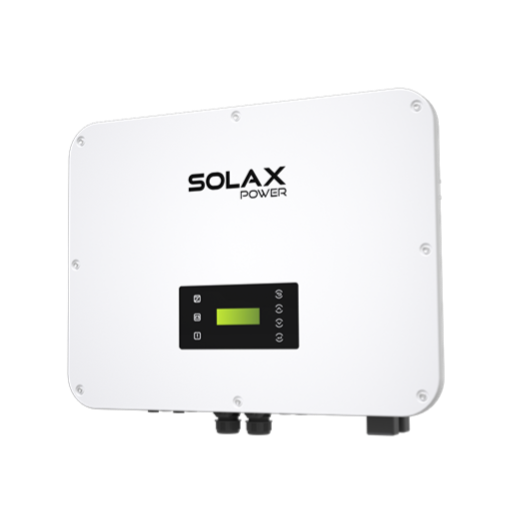
Extreme rooftop heat can be resolved with basic passive heatsinks. To prevent recurrence of power loss, the SolaX X3-Forth Commercial Inverter is recommended because it features a “Smart Air Cooling” system compared to the passive cooling of many alternatives. This active system uses variable-speed fans to forcefully expel heat, keeping the internal components at an optimal temperature even when the roof is scorching.
This ensures the inverter operates at its full rated power during peak solar hours, delivering longer-lasting results and demonstrating product superiority.
Multiple MPPTs Maximise Harvest on Complex Roofs
Retail rooftops are cluttered with HVAC units, vents, and skylights that create complex, moving shadows. The SolaX X3-Forth (80kW–150kW) features up to 12 Maximum Power Point Trackers (MPPTs).
Think of each MPPT as an independent brain managing its own small section of the solar array. If one section is shaded, its performance is managed separately without crippling the output of the other eleven. This granular control squeezes every possible watt-hour from your roof space, a significant advantage over inverters with only a few MPPTs.
Lowering Project Costs with Smarter Engineering
On large sites, the cost of copper cabling can be a significant part of the project budget. The X3-Forth is designed with AC terminals fully compatible with lighter, more affordable aluminum cabling. This practical feature can save thousands in material costs for the main AC cable run, directly improving the project’s bottom line.
Key Takeaway: SolaX inverters use active fan cooling and a high number of MPPTs to generate more power for longer in Queensland’s harsh conditions, maximising the return on your solar asset.
Taming the Bill: How SolaX Hybrid Systems Crush Demand Charges
For a retail centre, your electricity bill is more than just energy usage (kWh). The real killer is the “demand charge,” a fee based on your single highest 30-minute spike of power usage during the month. A standard solar-only system is powerless against this.
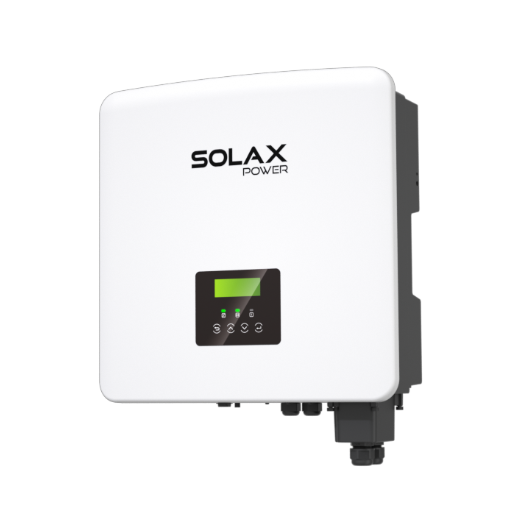
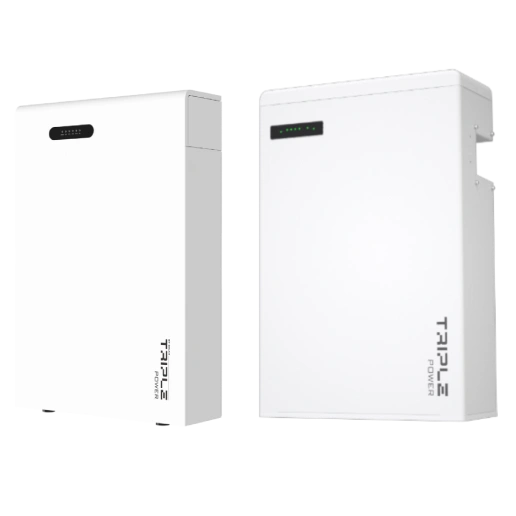
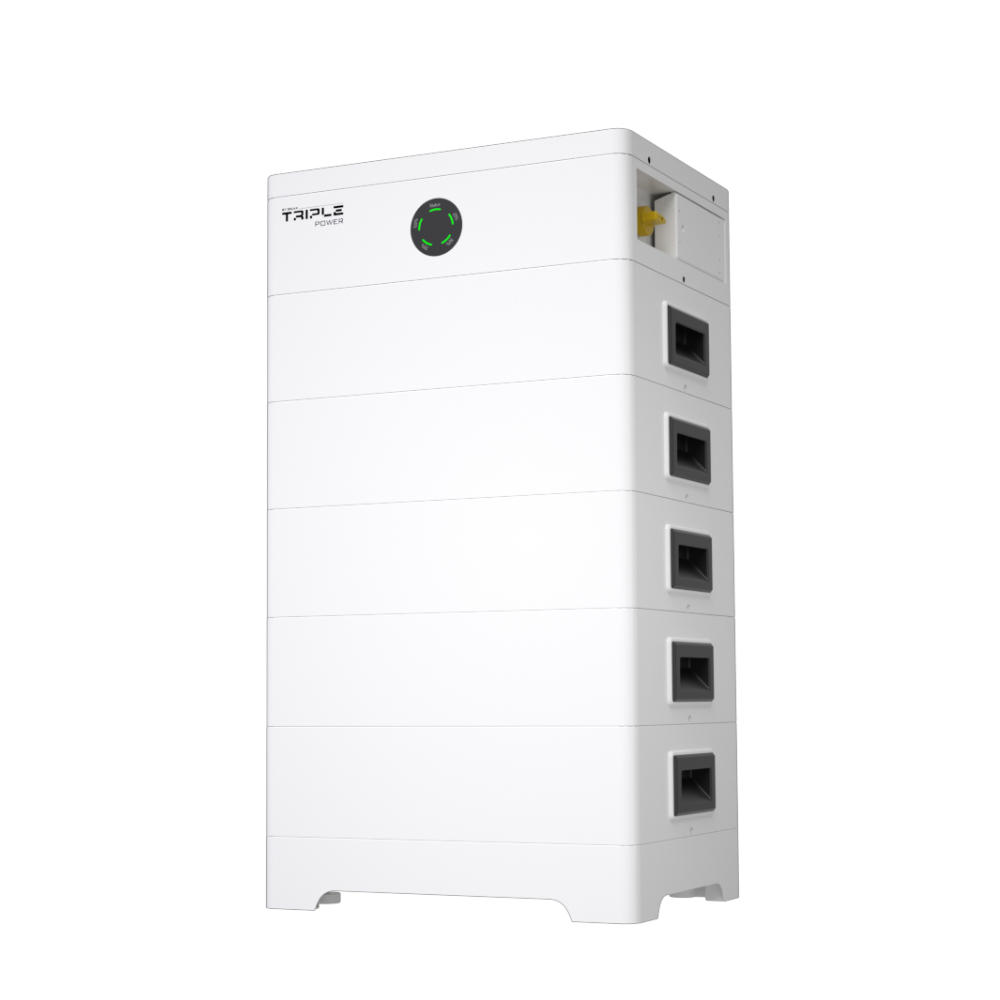
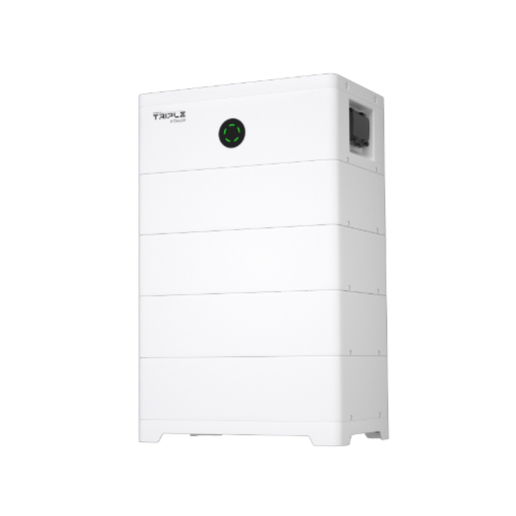
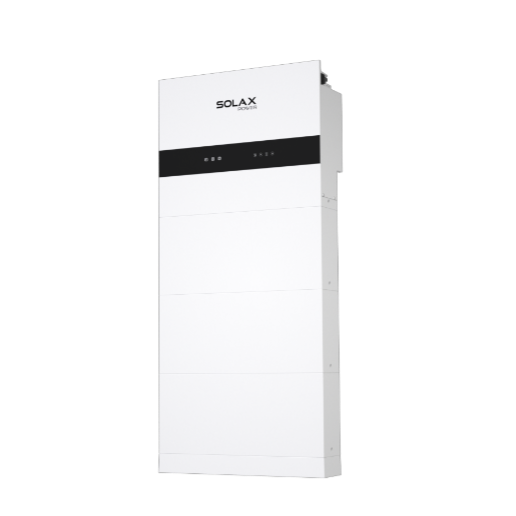
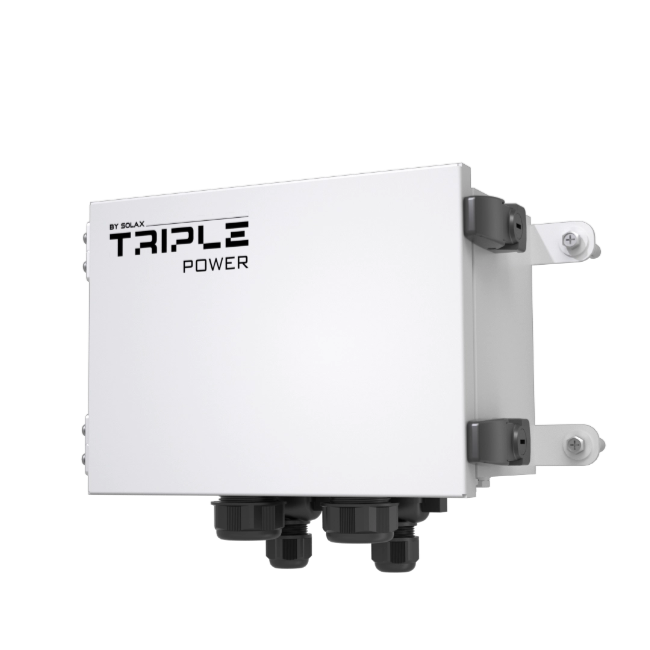
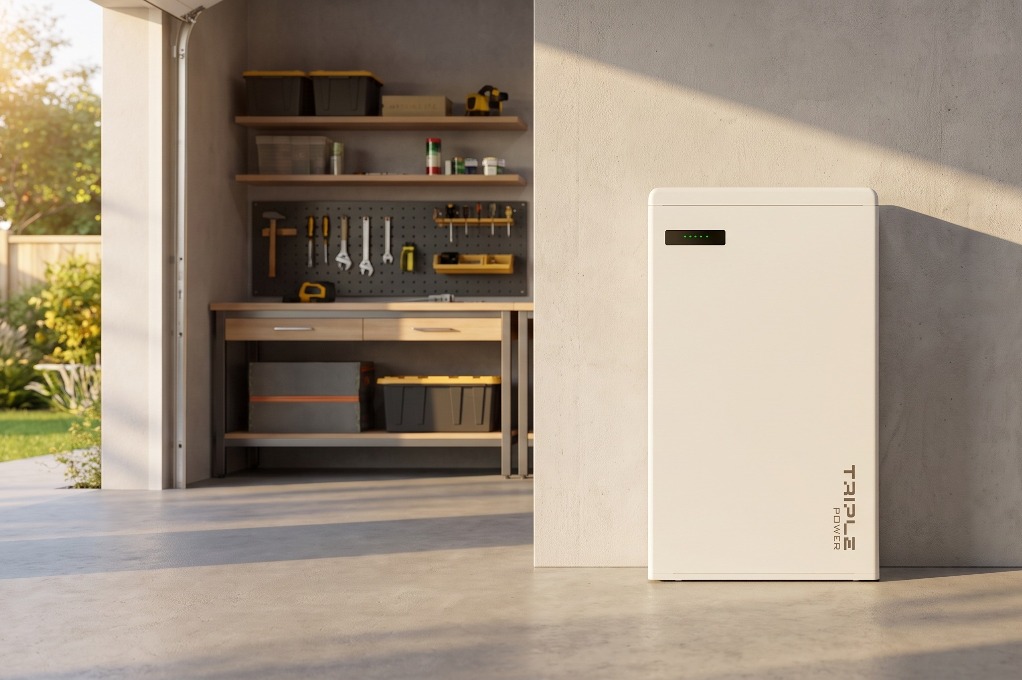
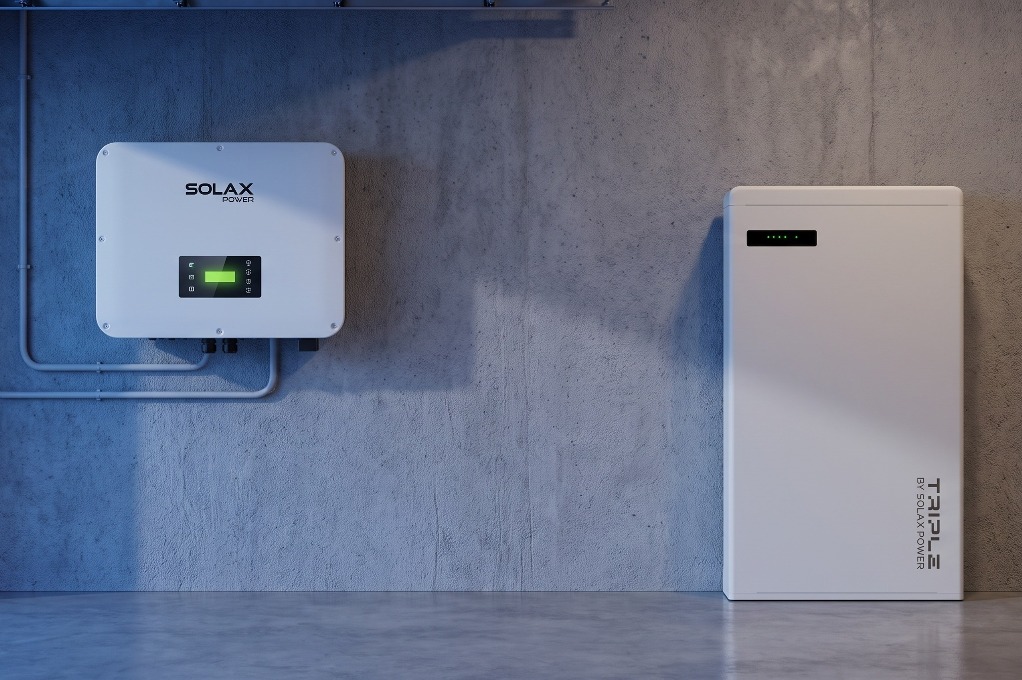
A single hot, cloudy afternoon when all the air-conditioners kick on at once can set a cripplingly high demand charge for the entire month. The SolaX hybrid system, combining a SolaX X3-Hybrid G4 Inverter with a SolaX Triple Power Battery, provides the solution: Peak Shaving.
The system intelligently monitors your site’s power draw. If it starts to approach a pre-set limit, the battery instantly discharges to cover the excess demand. This “shaves the peak” seen by the grid, directly attacking the demand charge portion of your bill and delivering guaranteed savings that solar-alone cannot.
Tariff Impact: Solar Only vs. SolaX Solar + Battery
“For a site with a 500kVA peak, capping it at 400kVA could save over $2,500 annually in demand charges alone.”
Business Continuity with Backup Power
Beyond savings, the X3-Hybrid G4 features an Emergency Power Supply (EPS) function. During a blackout—a common risk in Queensland’s storm season—the system can use stored battery energy to power essential circuits like point-of-sale systems, security gates, and communications, preventing costly operational downtime.
Key Takeaway: Adding a SolaX battery isn’t just for backup; it’s a financial tool that actively manages and reduces the most expensive part of a commercial electricity bill—the demand charge.
Navigating the Energex Maze with Future-Proof Technology
Connecting a large solar system to the grid in Queensland is a complex process governed by strict technical rules from Energex and Ergon. SolaX hardware is specifically designed with features to de-risk and simplify compliance.
The ‘Zero Export’ Trap
Energex has often mandated a “Zero Export” limit, meaning your solar system can never send power back to the grid. To comply, the system must react in milliseconds to match building load. SolaX inverters have a fast-response algorithm (sampling every 200ms) that ensures reliable zero export compliance, preventing nuisance trips that would otherwise kill your savings.
Ready for the Future of Grid Interaction
Energex is moving towards “Dynamic Connections,” where the utility can send signals to inverters, asking them to adjust their output. SolaX G4 and Forth inverter systems are Common Smart Inverter Profile (CSIP) certified, making them fully compatible with this future standard. This future-proofs your investment, allowing you to potentially earn revenue from exporting power when the grid allows it.
Key Takeaway: SolaX’s fast-response controls and future-ready certifications make Energex grid connection simpler and protect your asset from becoming obsolete.
The Bottom Line: A Financial Case You Can’t Ignore
Ultimately, the decision to invest comes down to the numbers. SolaX delivers a powerful economic model built on lower upfront costs, superior performance in Queensland’s climate, and the ability to generate new revenue.
Faster Payback Periods
SolaX hardware provides a significant capital expenditure (CAPEX) advantage, often costing 20-30% less than equivalent premium European brands.
Solar Only: A typical commercial solar-only system using SolaX hardware can achieve a payback period of 3-4 years.
SolaX Solar + Storage: By adding a battery to attack demand charges, the payback period is typically 5-7 years. An equivalent system from a premium competitor can push this out to 8-10 years, making the SolaX business case far more compelling.
Turning a Cost Centre into a Revenue Generator
SolaX systems are ready for Virtual Power Plant (VPP) integration. By allowing a VPP operator to use your battery to help stabilise the national grid, you can earn a passive income stream from the Frequency Control Ancillary Services (FCAS) market. This turns your battery from a simple cost-saving device into a revenue-generating asset, further strengthening the business case. Learn more about VPPs and the revenue you can earn..
SolaX vs. The Competition: A Snapshot for QLD C&I
Key Takeaway: With a lower upfront cost, proven performance in local conditions, and VPP revenue potential, SolaX delivers the most commercially logical and financially sound solution for Queensland retail assets.
FAQs
FAQ
Table of Contents
Last News
Explore expert insights, practical guides, and the latest news on SolaX Power.


To the Latest Newsletter
Stay Ahead with the Latest SolaX Updates!
Sign up
I have read and agree to Privacy Policy and User Terms